
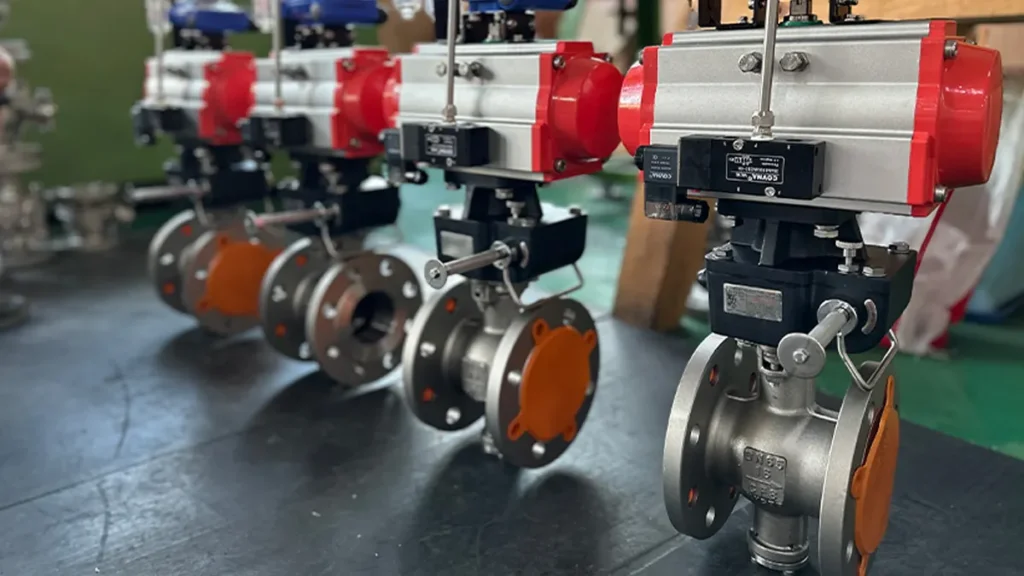
You notice a leak, slow movement, or a valve that just will not open or close. Maybe the actuator stops working or your system changes. These signs tell you it is time for Pneumatic Ball Valve Replacement. Do not just grab a new valve that looks the same size. If you skip important checks, you could end up with more problems than you started with.
Key Takeaways
- Watch for leaks, slow movement, or actuator problems. These signs show you need a new valve.
- Always check the valve size and pressure rating. If they do not match, leaks or system problems can happen.
- Think about the actuator type. Pick single-acting or double-acting for your system.
- Look at the valve body for damage. If you see cracks or rust, replace the whole valve, not just the actuator.
- Check your system drawings before you buy. This helps make sure the new valve fits and works right.
- Match the valve material to the fluid type. The wrong material can cause leaks and problems.
- Check the air supply pressure. Make sure it is right for the actuator to work well.
- Do not forget to check the warranty and certification. These help protect your money and make sure you get good quality.
When to Replace a Pneumatic Ball Valve
Leaks and Seal Issues
Leaks are one of the biggest warning signs you need to look for. If you see fluid dripping or pooling around your valve, you probably have a problem with the seals or O-rings. Sometimes, you might notice a slow leak that gets worse over time. You may have already tried changing the seals, but the leak keeps coming back. That means the problem goes deeper.
Here are some common reasons leaks and seal issues happen:
- Worn O-rings or seals from long use
- Loose fittings that let air or fluid escape
- Cracked actuator housings
- Old seals, loose parts, or cracked tubes
- Broken seat seals, O-rings, or gaskets
- Misalignment or not tightening parts enough during installation
- Corrosive or abrasive fluids wearing down the seals
- Extreme temperatures or pressure changes
You might also see leaks if the valve was not installed right. High temperatures and chemicals can break down seals. Corrosive fluids can eat away at the valve parts. If you notice leaks that do not stop after repairs, it is time to think about Pneumatic Ball Valve Replacement.
Actuator Problems
The actuator is the part that opens and closes the valve. If it does not work, the valve cannot do its job. You might hear strange noises or feel vibrations when the actuator moves. Sometimes, the actuator will not move at all. Other times, it moves too slowly or gets stuck halfway.
Look for these signs:
- The actuator does not respond when you send a signal
- You hear grinding, squeaking, or knocking sounds
- The valve does not open or close all the way
- The actuator feels hot or smells burnt
If you see these problems, check the actuator first. Sometimes, you can fix the actuator without changing the whole valve. But if the actuator keeps failing, or if you see rust or cracks, you should replace the valve and actuator together.
Stuck or Slow Operation
A pneumatic ball valve should move quickly and smoothly. If it gets stuck or moves slowly, something is wrong. You might notice the valve does not open or close all the way. This can cause loss of pressure or make it hard to control the flow.
Common causes include:
- Rust on the valve body or actuator
- Dirt or debris inside the valve
- Worn or damaged internal parts
- Loss of air pressure to the actuator
If you clean the valve and it still sticks, or if you keep losing pressure, it is time for a new valve. Do not wait for a complete failure. Replacing the valve early can save you from bigger problems later.
Tip: Always check for visible cracks, dents, or other damage on the valve. These signs mean you need a replacement right away.
Pressure or System Changes
You might think your pneumatic ball valve will last forever, but changes in your system can quickly prove you wrong. Maybe your plant upgrades equipment, or you switch to a new process. These changes can put extra stress on your valve, even if it worked fine before.
Let’s say your system starts running at higher pressure. Your old valve might not handle the extra force. Every valve has a pressure rating. This rating tells you how much pressure the valve can safely handle. If your system pressure goes above this number, you risk a big problem. The valve could fail, causing leaks or even a sudden shutdown. You do not want to wait for that to happen.
Pressure surges can also cause trouble. Sometimes, your system might have quick spikes in pressure. These surges can damage the inside of your valve. Over time, the valve might not seal well, or it could get stuck. You might notice the valve does not open or close as fast as it used to. If you see these signs, it is time to check if your valve still matches your system’s needs.
Changes in what flows through your valve matter, too. Maybe you switch from water to oil, or you start handling a chemical that is more aggressive. Some fluids can wear out seals or corrode the valve body. Higher temperatures can also break down parts inside the valve. If you change the type of fluid or the temperature in your process, your old valve might not keep up. You need a valve that matches your new requirements.
Here are some signs you should look for when your system changes:
- The valve leaks after a pressure increase.
- The actuator struggles to move the valve.
- The valve body shows signs of wear or corrosion.
- The valve does not respond well to control signals.
- The process fluid changes, and the valve material is not compatible.
Tip: Always check the pressure rating and material compatibility before you reuse an old valve in a new system. A mismatch can lead to safety risks and expensive downtime.
When your system changes, do not just hope your old valve will work. Take time to review your process. Make sure your pneumatic ball valve can handle the new pressure, temperature, and fluid. If not, replacement is the smart move.
Pneumatic Ball Valve Replacement: Valve or Actuator?
When Actuator Replacement Is Enough
Sometimes, you do not need to change the whole valve. You can just swap out the actuator. The actuator is the part that uses air to open and close the valve. If the valve body looks good and does not leak, you can focus on the actuator. Here are some signs you only need a new actuator:
- The valve turns by hand, but the actuator does not move it.
- The actuator makes noise or gets stuck, but the valve itself works fine.
- You see rust or damage only on the actuator, not the valve body.
- The actuator does not match your air supply or control system anymore.
If you choose actuator replacement, make sure the new actuator fits your valve. Check the mounting style and size. You also need to match the torque. The actuator must have enough power to turn the valve, even when the system is under pressure. If you pick an actuator that is too weak, the valve will not open or close all the way.
Tip: Always check the actuator’s torque rating and compare it to your valve’s needs. This helps you avoid problems after installation.
When to Replace the Whole Valve
Sometimes, you cannot just change the actuator. You need to replace the whole valve. Here are some reasons to do a full Pneumatic Ball Valve Replacement:
- The valve leaks, even after you change the seals.
- The valve body has cracks, rust, or other damage.
- The valve does not match your system’s pressure or temperature anymore.
- The valve gets stuck, even with a new actuator.
- You need a different connection type, like flanged or threaded ends.
If you see these problems, a new actuator will not fix things. You need a new valve and actuator together. This gives you a fresh start and helps your system run better.
Risks of Partial Replacement
You might think you can save money by changing just one part. Sometimes, this works. Other times, it causes more trouble. Here are some risks of partial replacement:
- The new actuator does not fit the old valve.
- The actuator does not have enough torque for the valve.
- Old valve parts fail soon after you change the actuator.
- You mix old and new parts, which can cause leaks or breakdowns.
If you do not match the actuator and valve, you can get stuck with a system that does not work right. You might have to shut down your process again to fix things. It is often safer to replace both parts at the same time, especially if your valve is old or damaged.
Note: Always check your system drawings and specs before you order parts. This helps you avoid mistakes and keeps your system safe.
Benefits of Full Replacement
You might wonder if replacing the whole pneumatic ball valve is worth it. Maybe you think swapping just the actuator or fixing a seal will save you time and money. In many cases, a full replacement gives you more value and fewer headaches in the long run.
Let’s look at why a complete replacement makes sense for your system:
| Benefit | Description |
|---|---|
| Ease of Maintenance | You can remove the valve without disturbing the piping. This makes in-line maintenance and part replacement quick and simple. |
| Reduced Downtime | Fast maintenance means your system spends less time offline. You get back to work sooner. |
| Cost-Effectiveness | The upfront cost is higher, but you save money over time. You spend less on labor and avoid big production losses. |
| Reduced Risk of Leaks | You do not have to mess with pipe connections. This lowers the chance of new leaks starting after repairs. |
When you choose a full replacement, you get a fresh start. You do not have to worry about old parts failing or mismatched components causing trouble. Everything fits together the way it should. You also make future maintenance easier. If you ever need to swap out a part, you can do it quickly without taking apart the whole line.
Think about downtime. Every minute your system is off means lost production and maybe lost money. A new valve and actuator combo often installs faster than trying to fit a new actuator to an old valve. You avoid the hassle of troubleshooting why something does not work. You just put in the new assembly and move on.
You also cut down on leaks. When you leave old connections alone, you do not risk creating new leak points. This keeps your plant safer and cleaner. You do not have to worry about fluids escaping or pressure dropping.
A full replacement can also save you money over time. You pay more at first, but you spend less on repairs and labor. You avoid emergency shutdowns and the stress that comes with them. Your team can focus on running the plant, not fixing the same valve again and again.
Tip: If your valve is old, damaged, or does not match your system anymore, a full replacement is usually the best choice. You get peace of mind and a system that works the way you need.
So, when you look at the big picture, a full pneumatic ball valve replacement gives you reliability, safety, and long-term savings. You set yourself up for fewer problems and smoother operations.
Key Factors to Check Before Buying
Valve Size
Measuring and Matching
Choosing the right valve size is not just about numbers. If you pick the wrong size, your system can have problems. A valve that is too big or too small can block flow. It can also cause pressure drops and make repairs harder. The valve must fit your pipes and match how much fluid you need to move.
Here are some things to check:
- Measure the pipe where you will put the valve.
- Decide if you want a full port or standard port. Full port lets more fluid through. Standard port lets less fluid through.
- Make sure the valve size matches your system plans.
Wrong valve size can hurt your system in many ways:
| Impact of Incorrect Valve Sizing | Description |
|---|---|
| Flow Restrictions | Valves that are too big or too small can block flow and lower how well your system works. |
| Pressure Drops | Wrong size can make pressure drop too much and make your system unsafe. |
| Maintenance Problems | High speed and big pressure drops can cause more repairs and cost more money. |
| Leakage and Corrosion | If the valve does not match the pipe, it can leak or rust, which is not safe. |
To keep your Pneumatic Ball Valve Replacement working well, always check your measurements. The right valve size keeps your system safe and working right.
Tip: Take a picture of your old valve and measure the pipe before you buy. This helps you get the right part and makes putting it in faster.
Pressure Rating
Working and Max Pressure
Pressure rating is very important when you buy a new valve. Every pneumatic ball valve has a limit for how much pressure it can take. If your system goes over this limit, you could get leaks or even break the valve.
Here is what you should do:
- Find out the highest pressure your system uses.
- Check the valve’s pressure rating. It must be as high or higher than your system’s pressure.
- Look for rules about the lowest and highest working pressures.
If you do not check pressure ratings, the valve can bend, break, or stop working. Ball valves must handle the pressure of what flows through them. Different valves can take different amounts of pressure, so pick the right one.
Here is a quick list:
- Pressure and temperature ratings show the safe limits for your valve.
- Pick a valve with ratings as high or higher than your pipes.
- Make sure the valve can handle the conditions in your system.
Note: Always check both working and max pressure. If your system sometimes has pressure spikes, get a valve that can take those too.
Actuator Type
Single vs Double Acting
The actuator is the part that opens and closes your pneumatic ball valve. You need to choose the right type for your system. There are two main types: single-acting and double-acting actuators.
Here is how they are different:
| Key Differences | Single Acting Pneumatic Actuator | Double Acting Pneumatic Actuator |
|---|---|---|
| Mechanism and Operation | Uses a spring to move the valve back. Air moves it one way, spring moves it back. | Uses air to move the valve both ways. No spring is needed. |
| Torque and Performance | Makes less turning force with the same air pressure. | Makes more turning force with the same air pressure. |
| Safety and Fail-Safe Features | Spring moves the valve back by itself. Good if you need it to close on its own. | Needs someone or something to move it back. No spring to do it for you. |
| Cost and Maintenance | Costs less at first and uses less air, but the spring can wear out faster. | Costs more at first and uses more air, but needs less fixing because there is no spring. |
If you want the valve to close by itself when air is lost, pick single-acting. If you need more power or control, double-acting is better. Think about what your system needs before you choose.
Tip: Ask your supplier which actuator type is best for your job. Picking the right one makes your Pneumatic Ball Valve Replacement safer and easier.
Air Supply Pressure
Plant Air Compatibility
You need to check your plant’s air supply before you buy a pneumatic ball valve. The actuator depends on compressed air to work. If the air pressure is too low or too high, the valve might not open or close right. You want your system to run smoothly, so make sure your air supply matches what the valve needs.
Here’s what you should look for:
- Check the available air pressure in your system. Most pneumatic ball valves need air pressure between 0.4 and 0.7 MPa.
- Make sure the air is clean and dry. Dirty or wet air can cause the actuator to stick or wear out faster.
- Use a filter and a regulator to keep the air pressure steady and free from water or oil.
- If your plant air supply changes a lot, your valve might not work every time you need it.
Tip: Ask your maintenance team if the air supply is stable and filtered. This small step can save you from big problems later.
Actuator Torque
Sizing and Safety Factor
You want your actuator to have enough power to turn the valve every time. If the actuator is too weak, the valve might get stuck. If it’s too strong, you waste energy and money. The key is to size the actuator just right and add a safety factor.
There are three main types of torque you need to know:
| Torque Type | Function | Value Level |
|---|---|---|
| Breakaway Torque | The force needed to start moving the valve from the closed spot. | High |
| Running Torque | The force needed while the valve is moving. | Medium |
| End Torque | The force needed to fully close or open the valve. | High |
You should always add a safety factor to your torque calculation. This helps your valve work even if things change, like sticky seals or thicker fluids. The safety factor depends on how you use the valve.
| Application / Scenario | Recommended Safety Factor Range | Example Calculation |
|---|---|---|
| Well-characterized control | 1.2 – 1.4 | 100 Nm × 1.3 = 130 Nm |
| Emergency shut down (ESD) | 1.5 – 2.0 | High safety needed |
| Abrasive or corrosive fluids | 1.4 – 1.8 | Plan for more wear |
| Unknown or rarely checked valves | 1.6 – 2.0 | More margin for surprises |
When you size actuators for important lines, use at least a 30% safety factor. If your valve does not cycle often or handles thick fluids, pick a bigger actuator. This keeps your system safe and avoids shutdowns.
Note: Always check the torque at the start and end of the stroke. These are the hardest points for the actuator.
Connection Type
Threaded, Flanged, Welded
The way your valve connects to the pipe matters a lot. You have three main choices: threaded, flanged, and welded. Each one has its own pros and cons.
- Flanged Connections: These give you strong joints and make maintenance easy. You can remove the valve without cutting the pipe. Flanged valves work well in high-pressure systems and places where you need to do repairs often.
- Threaded Connections: These are quick to install. You can put in a threaded valve in about 15 to 20 minutes. But if the threads rust or seize, you might have to cut the pipe to get the valve out. Threaded valves are best for small pipes and low-pressure jobs.
- Welded Connections: These are the most reliable for tough jobs. Welded valves are great for power plants or places with high heat and pressure. Once you weld the valve in, it’s hard to take out. Use welded connections when you want the valve to stay in place for a long time.
Here’s a quick look at how they compare:
- Installation Time: Flanged valves take 45-60 minutes. Threaded valves take 15-20 minutes.
- Maintenance: Flanged valves are easy to remove. Threaded valves can be hard to remove if they seize.
- Vibration Resistance: Flanged valves handle vibration better than threaded ones.
Tip: Think about how often you need to take the valve out. If you want easy maintenance, flanged is usually best. For long-term, tough jobs, welded is the way to go.
Body Material
Steel, Stainless, Alloy
You want your pneumatic ball valve to last. The body material makes a big difference. Each material works best in certain jobs. You need to match the material to your system.
- Carbon Steel: This is strong and handles high pressure. It works well with oil, gas, and water. It can rust if you use it with harsh chemicals or in wet places.
- Stainless Steel: This fights rust and stands up to chemicals. It is a good choice for food, medicine, and chemical plants. It costs more, but you get better protection.
- Alloy Materials: These are special mixes like Duplex or Monel. They handle tough jobs. You use them with seawater, acids, or very hot fluids. They cost the most but last the longest in harsh spots.
Tip: Always check what flows through your valve. If you use the wrong material, the valve can rust, crack, or even fail. That means leaks and downtime.
Seal Material
Media and Temperature
The seal material decides if your valve can handle the fluid and the heat. You need to pick the right seal for your job. Some seals work with water and gas. Others stand up to steam or slurry.
Here’s a quick look at how different seal materials compare:
| Technical Parameter | Soft Seated (Resilient) | Metal Seated (Severe Service) |
|---|---|---|
| Standard Materials | PTFE, RPTFE, PEEK, Nylon, Devlon | Stellite, Tungsten Carbide (TCC), Chrome Carbide (CCC) |
| Temperature Range | Limited to < 260°C (500°F) | High Temp (> 540°C / 1000°F) |
| Abrasion Resistance | Poor (Susceptible to scoring) | Excellent (Resists slurry/erosion) |
| Primary Application | Water, Chemical, Gas, Clean Fluids | Steam, Slurry, Mining, Severe Service |
Soft seats like PTFE or Nylon work well for clean fluids and lower heat. They do not like sand, grit, or very hot steam. Metal seats handle high heat and rough fluids. You see these in mining or power plants.
Note: Always check the fluid and temperature before you pick a seal. The wrong seal can melt, leak, or wear out fast.
Installation Space
Clearance and Access
You need enough room to install and service your valve. Tight spaces make work hard and slow. Good clearance keeps your team safe and your system easy to fix.
Here’s what you should check:
| Requirement | Description |
|---|---|
| Radial Clearance | Minimum 1 inch from adjacent piping or structures |
| Access Space | Space around handwheel or actuator |
| Maintenance Access | Space for coupling removal |
| Support Bracket | Clearances for support brackets |
You should also:
- Line up the valve and pipe centerlines.
- Keep pipe weight off the valve.
- Make sure the actuator or handle can move all the way.
- Leave room for the valve to open and close.
- Check that nothing blocks you from doing maintenance.
Tip: Take a look at your plant layout before you buy. A little planning now saves a lot of trouble later.
Working Medium
Oil, Gas, Special Fluids
You need to know what flows through your valve before you buy a new one. The working medium—oil, gas, or special fluids—changes everything. It decides what materials you need, how the valve works, and how long it will last.
If you use the wrong valve for your medium, you can run into big problems. You might see leaks, fast wear, or even a sudden failure. That means lost time and money. You want your valve to match your process, so let’s break down what you should check.
Why does the working medium matter?
- Some fluids are gentle, like clean water or air. Others are tough, like acids, solvents, or hot oil.
- Corrosive chemicals can eat away at the valve body and seals.
- High-pressure gas or oil needs a valve that can handle strong force without breaking.
- Sticky or thick fluids can make the valve hard to turn.
What should you look for?
- Make sure the valve body and seals match your fluid. Stainless steel or PTFE-lined valves work well for harsh chemicals.
- For oil and gas, pick materials that resist corrosion and high pressure.
- If you use special fluids, like slurries or steam, you may need metal seats or special alloys.
Here’s a quick table to help you match the working medium with the right valve features:
| Working Medium | Common Risks | Best Valve Materials/Designs |
|---|---|---|
| Oil | Corrosion, high pressure | Stainless steel, carbon steel, reinforced seals |
| Gas | Leaks, pressure surges | Robust body, high-quality seals, anti-blowout stem |
| Special Fluids (acids, solvents, slurries) | Corrosion, abrasion, chemical attack | PTFE-lined, alloy body, metal seats, special coatings |
Tip: Always tell your supplier exactly what will flow through your valve. This helps them pick the right materials and design for your job.
You should also think about temperature. Hot oil or steam can break down soft seals. Cold fluids can make some materials brittle. If you handle anything out of the ordinary, double-check the specs.
- In chemical plants, you often need PTFE-lined or stainless steel valves to fight off corrosion.
- For high-pressure jobs, look for valves made from strong, corrosion-resistant metals.
- If you use abrasive slurries, metal seats last longer than soft ones.
You want your pneumatic ball valve to last and work safely. Matching the valve to your working medium is the best way to avoid leaks, breakdowns, and costly repairs.
Common Mistakes in Pneumatic Ball Valve Replacement
Choosing by Size Only
Many people pick a valve just because it looks like the right size. They might think, “If it fits, it will work.” But size is not the only thing that matters. If you only look at size, you can have big problems.
A valve that fits but does not seal well can leak. In high-pressure systems, this mistake can make the valve break or wear out fast. The valve might crack because it cannot handle the pressure or flow.
Here are some things that can happen if you only check size:
- The valve leaks because it does not seal tight.
- The valve body gets damaged from pressure or fluid.
- Your system does not work well because of flow problems.
Tip: Always check more than just the size. Look at pressure ratings, how much fluid can go through, and the sealing type. This helps you pick the right valve for your system.
Ignoring Pressure Rating
Pressure rating shows the highest pressure a valve can take. If you ignore this number, you can get into trouble. If you use a valve with a lower pressure rating than your system, the valve can break or leak.
This mistake can cause:
- The valve to crack or the seals to break.
- Damage to your equipment and lost time.
- Safety problems, like leaks or bursts.
Think about it like this: your valve must be strong enough for the highest pressure in your system. This includes any quick jumps in pressure. If you do not check the pressure rating, your valve could fail and stop your whole system.
Warning: Never put in a valve without checking its pressure rating. Make sure it matches or is higher than your system’s highest pressure.
Wrong Connection Standard
Picking the wrong connection type can make installation hard and cause leaks. Valves connect to pipes in different ways, like threaded, flanged, or welded. Each one has its own size and thread rules.
If you choose a valve with the wrong connection, it might not fit your pipe. If you try to force it, you can break the threads or seals. This can cause leaks or make the valve fail.
Some problems from wrong connections are:
- Leaks from bad seals or broken threads.
- Lost fluid or pressure.
- More work and money to fix or change the valve.
Tip: Check what kind of pipe connection your system uses before you buy. Make sure the valve matches exactly so you do not have problems when you install it.
If you avoid these mistakes, changing your Pneumatic Ball Valve will be easier and safer. Taking time to check size, pressure rating, and connection type can save you from leaks, lost time, and expensive repairs.
Incorrect Actuator Torque
You might think any actuator will work as long as it fits your valve. That is not true. If you pick an actuator with the wrong torque, your valve can fail fast. Torque is the turning force that opens and closes your valve. If you get this wrong, you can run into big trouble.
Let’s break it down. If your actuator does not have enough torque, it will struggle to move the valve. The valve might get stuck halfway. Sometimes, it will not open or close at all. You could hear the actuator working hard, but nothing happens. This can stop your process and cause downtime.
If you pick an actuator with too much torque, you do not win either. Too much force can damage the valve stem or seals. You might see leaks or even break parts inside the valve. You also waste energy and money because the actuator is bigger than you need.
Here is a quick table to show what happens when you get actuator torque wrong:
| Mistake | What Happens | Result |
|---|---|---|
| Too Little Torque | Valve sticks or will not move | Downtime, lost production |
| Too Much Torque | Valve parts break or leak | Costly repairs, wasted energy |
How do you avoid this mistake? You need to check the torque needed for your valve. Look at the valve’s datasheet or ask your supplier. Make sure you know the breakaway torque (the force to start moving the valve) and the running torque (the force to keep it moving). Always add a safety factor. This helps if your fluid gets thicker or your valve gets sticky over time.
Here are some tips to get actuator torque right:
- Find the torque numbers for your valve. Do not guess.
- Add a safety factor. Most people use 1.3 to 1.5 times the valve’s torque.
- Think about what flows through your valve. Sticky or thick fluids need more torque.
- Check if your system has pressure spikes. These can make the valve harder to turn.
- Ask your supplier for help if you are not sure.
Tip: Never pick an actuator just because it is in stock or looks strong. Always match the torque to your valve’s needs.
If you get actuator torque right, your valve will work smoothly and last longer. You will avoid shutdowns and save money on repairs. Take your time and double-check the numbers before you buy.
Skipping Drawings Review
You might feel tempted to skip reviewing your system drawings when you order a new pneumatic ball valve. Maybe you think, “I know what I need. I’ll just match the old valve.” This shortcut can lead to big headaches later. Drawings show you the details that matter. If you ignore them, you risk buying a valve that does not fit or work right.
Let’s talk about why drawings matter. Your system drawings show the exact size, connection type, and layout. They tell you where the valve sits, how much space you have, and what direction the flow goes. If you skip this review, you might miss small changes in your piping or layout. Even a tiny difference can stop your new valve from fitting.
Here’s what can go wrong if you skip the drawings:
- The new valve does not line up with your pipes.
- The actuator hits a wall or another piece of equipment.
- The handle or actuator cannot move all the way.
- The connection type does not match your system.
- You order the wrong size or pressure rating.
Tip: Always ask for the latest system drawings before you buy a replacement valve. Even if you think nothing has changed, double-check. It only takes a few minutes and can save you hours of trouble.
You should also check the orientation. Some valves need to face a certain way. If you install the valve backward, it might not seal or work right. Drawings show you the flow direction and help you avoid mistakes.
Let’s look at a quick checklist for reviewing drawings:
| What to Check on Drawings | Why It Matters |
|---|---|
| Pipe size and schedule | Ensures the valve fits your system |
| Connection type (flanged, threaded, welded) | Matches the valve to your piping |
| Valve orientation and flow direction | Prevents installation errors |
| Space for actuator or handle | Avoids clearance problems |
| Support brackets or pipe supports | Keeps the valve stable |
If you skip this step, you might have to cut pipes, buy adapters, or even send the valve back. That means lost time and extra cost. You want your replacement to go in smoothly the first time.
Remember: Reviewing your drawings is not just for engineers. Anyone who orders or installs valves should do it. You do not need to be an expert. Just compare the drawing to your old valve and your new one. If you see something that does not match, ask questions before you buy.
Taking a few minutes to review your drawings can save you from big problems. You get the right valve, the right fit, and a smooth installation. That means less stress and more time for the work that matters.
How to Choose the Right Valve
Information to Provide
When you want to replace a pneumatic ball valve, you need to give your supplier the right details. If you skip important information, you might get a valve that does not fit or work well. Let’s break down what you should share.
Photos, Model, Drawings
You can start by sending clear photos of your old valve. Take pictures from different angles. Show the actuator, the body, and the connection points. If you have the model number, write it down or snap a photo of the label. Drawings help too. If you have piping diagrams or valve layout sketches, share those. These visuals make it easier for your supplier to match the replacement.
Tip: Good photos and drawings help your supplier spot details you might miss. You save time and avoid mistakes.
Size, Pressure, Medium
You need to tell your supplier the size of your valve. Measure the pipe diameter and write it down. Share the pressure your system uses. If you know the highest and lowest pressure, include both. Tell them what flows through the valve. Is it water, oil, gas, or something special? The material of the valve must match the fluid. If you use harsh chemicals or high temperatures, mention that.
Here’s a quick checklist:
- Valve size and pipeline dimensions
- Pressure and temperature ratings
- Fluid type and compatibility
Actuator, Air Supply
You should describe the actuator. Is it single-acting or double-acting? Does it need to close by itself if air is lost? Tell your supplier about your plant’s air supply. What is the air pressure? Is the air clean and dry? If you use filters or regulators, mention those. The actuator must match your air system so the valve works every time.
Quantity, Space
Let your supplier know how many valves you need. Are you replacing just one, or do you need several? Tell them about the space where you will install the valve. Is it tight or easy to reach? If you have clearance issues, mention them. This helps your supplier pick a valve that fits and is easy to maintain.
Note: The more details you share, the better your supplier can help you. You get a valve that fits your system and works the way you want.
Working with Suppliers
You want to work with a supplier who listens and understands your needs. Start by sharing all the information listed above. Ask questions if you are not sure about something. A good supplier will help you choose the right valve and actuator. They will check your specs and drawings. They can suggest the best materials and connection types for your job.
Here’s how you can make the process smooth:
- Send clear photos and drawings.
- Share all size, pressure, and medium details.
- Describe your actuator and air supply.
- Mention how many valves you need and the space you have.
- Ask for advice if you are unsure.
A supplier who knows your system can recommend the best valve. They can help you avoid mistakes and save money. You get a valve that lasts longer and needs less maintenance.
Supplier Reputation
You should check the reputation of your supplier before you buy. Look for client testimonials and long-term contracts. Read third-party reviews and project references. Find out if the supplier has certifications and follows safety rules. Good suppliers have support centers and clear documents in different languages.
Here’s what to look for:
- Client testimonials and success stories
- Certifications and regulatory compliance
- Project references and third-party reviews
- Regional support centers and helpful documentation
You can also check if the supplier fits your application. Make sure they have the right standards and documents. Look for design and material options that match your needs. Ask about delivery times and support.
Tip: A trusted supplier gives you peace of mind. You get quality valves, good advice, and fast help if you need it.
Warranty and Certifications
When you buy a pneumatic ball valve, you want to feel safe. Warranties and certifications help you trust what you buy. They show the maker believes in their product. They also prove the valve meets important rules.
Let’s talk about warranties first. Most suppliers give a warranty for defects. If the valve has a problem from how it was made, you can get it fixed or replaced. The warranty does not cover mistakes from bad installation or wrong use. You must follow the instructions and use the valve correctly. If you do, the warranty protects you.
Here’s what a warranty usually gives you:
- Protection against defects in materials or how it was made
- Help with repairs or replacements if something breaks
- Clear rules about what is covered and what is not
Always ask your supplier how long the warranty lasts. Some warranties last one year. Others last up to three years or more. A longer warranty can make you feel safer.
Now, let’s look at certifications. Certifications are like awards that show the valve passed tests. They prove the valve meets safety and quality rules. You might see certifications from groups like ASTM or API. These groups set rules for how valves should work.
Here are some common certifications and what they mean:
| Certification Type | What It Proves |
|---|---|
| Inspection Records | The valve passed a full quality check |
| Material Test Reports | The materials are strong and safe |
| Functional Test Results | The valve works the way it should |
| Factory Acceptance Test | The valve meets all standards before shipping |
You might also see a factory acceptance test. This test happens before the valve leaves the factory. The supplier checks that the valve works and matches your order. If the valve passes, it is ready for your system.
Why do these things matter? Warranties and certifications help you avoid mistakes that cost money. They show the supplier cares about quality. You can trust the valve will last and work safely. If you have a problem, you know who to call.
Tip: Always ask for copies of the warranty and certifications before you buy. This helps you compare suppliers and pick the best one for your job.
When you check warranties and certifications, you make a smart choice. You protect your system, your team, and your money.
Conclusion
When you plan a Pneumatic Ball Valve Replacement, keep these steps in mind:
- Match the valve size and material to your pipeline and fluid.
- Check pressure and temperature ratings.
- Pick the right actuator type for your needs.
- Choose the best end connections for your setup.
- Think about flow control and easy maintenance.
- Make sure the valve seals well for safety.
Chenyang Hydraulic can help you with standard or custom solutions using your drawings, samples, or photos.
FAQ
How do I know if my pneumatic ball valve needs replacing?
You might see leaks, slow movement, or hear strange noises. If the valve does not open or close, or if the actuator fails, you should think about a replacement.
Can I just replace the actuator instead of the whole valve?
Yes, you can if the valve body is in good shape and does not leak. If you see damage or repeated failures, you should replace both the valve and actuator.
What information should I give my supplier for a replacement?
You should share photos, valve size, pressure rating, fluid type, actuator details, and space for installation. This helps your supplier find the best match for your system.
What happens if I choose the wrong valve material?
The valve can rust, crack, or leak. You might see fast wear or even sudden failure. Always match the material to your fluid and temperature.
How do I measure the valve size?
Use a tape measure to check the pipe diameter where the valve will go. You can also look at the old valve’s label for size information.
Why does actuator torque matter?
If the actuator is too weak, the valve will not move. If it is too strong, you can damage the valve. Always match the actuator torque to your valve’s needs.