
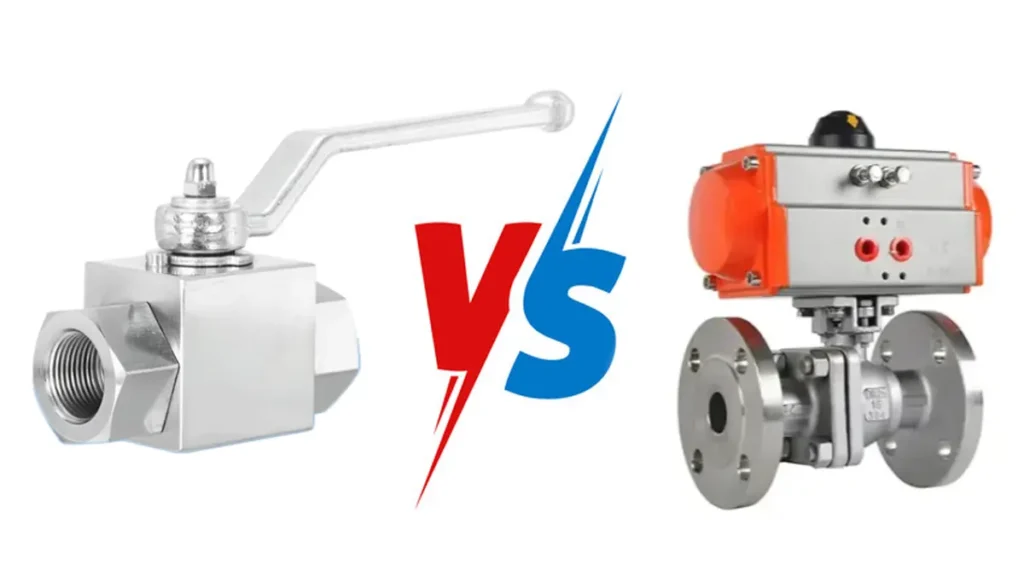
When you compare manual vs pneumatic ball valves, you see that neither is perfect for every job. You might pick a manual valve for easy tasks that do not occur often. Manual valves are ideal when you want to control operations by hand. On the other hand, pneumatic ball valves work better in fast, automatic, or hard-to-reach places. Your choice between manual vs pneumatic ball valves is crucial, especially in fluid control systems where safety and efficiency are paramount. Many factors can influence your decision, such as:
- What the job requires
- Challenges in the environment
- Your budget
- The functionality of the system
- The selection of the actuator
You should always choose a valve that aligns with your system’s needs, whether it’s a manual or pneumatic option.
Key Takeaways
- Manual ball valves work well for easy jobs and not used often. They cost less and you can use them by hand.
- Pneumatic actuated ball valves are good for quick and automatic jobs. They fit places that are hard to reach and jobs done often.
- Think about what your system needs before picking a valve. Look at the job, where it is, your money, and how the actuator works.
- Manual valves need little care and are good for simple jobs. Checking them often helps find problems early.
- Pneumatic actuators need more care. You must check air lines and seals often to keep them working well.
- Pick manual valves for small systems where you need to use your hands.
- Use pneumatic valves in big jobs like oil and gas for safety and speed. Using pneumatic actuators can save time and cut down on work.
- They let you control things from far away and act fast in emergencies. Always put safety and reliability first when picking a valve. The right valve stops accidents and keeps things running smoothly.
Manual vs Pneumatic Ball Valve: Quick Comparison
Key Differences Overview
You may ask how manual vs pneumatic ball valve choices compare. The biggest differences are in how you use them, how fast they work, and how you take care of them. Here is a simple table to show the main points:
| Feature | Manual Ball Valves | Pneumatic Actuated Ball Valves |
|---|---|---|
| Operation | Hand-operated lever (90° turn) | Automatic operation with pneumatic actuator |
| Control | Direct and simple | Remote, precise, and consistent |
| Cost | Lower upfront cost | Higher initial cost (actuator included) |
| Maintenance | Minimal, mostly visual checks | Needs regular actuator inspection |
| Reliability | Great for basic, low-cycle use | Best for high-frequency, demanding jobs |
You use your hand to turn a manual valve handle. This is easy and lets you feel the movement. A pneumatic actuator uses air to move the hydraulic ball valve by itself. You can control it from far away, and it works fast. If you want something simple, manual is a good choice. If you need speed or remote control, pneumatic is better.
Tip: Think about how many times you open or close the hydraulic ball valve. If you do it often, automation can help you save time and energy.
When to Choose Each Type
Picking between manual vs pneumatic ball valve types depends on your job and where you work. Here are some common times when each type is best:
Manual Ball Valves are best when:
- Your hydraulic system is simple.
- You only open or close the valve sometimes.
- You want to spend less money.
- You can reach the valve easily.
- You like to control things by hand.
Pneumatic Actuated Ball Valves are ideal when:
- You work in oil and gas or chemical plants.
- Your hydraulic system needs to act fast and automatically.
- The valve is hard to reach or in a dangerous place.
- You need emergency shutdown, like in ESD systems.
- Your process uses automated lines or water treatment.
You will see pneumatic actuators in places where safety is very important. They help shut things down quickly and keep everything safe in tough spots. Manual valves are better for small hydraulic systems when you want things simple and cheap.
When you look at manual vs pneumatic ball valve options, always pick what fits your hydraulic system best. The right choice keeps your work safe, smooth, and easy to handle.
What Are Actuated Ball Valves?
You may wonder what actuated ball valves do in hydraulic systems. Let’s make it simple so you can understand how these valves work and why you might pick one kind over another.
Manual Ball Valves Explained
Manual ball valves are easy to use. You turn a lever or handle with your hand. When you move the handle, the ball inside the valve turns too. The ball has a hole in it. If the hole matches the pipe, fluid can go through. If you turn the handle so the hole is not lined up, the flow stops. You control the valve by yourself. Manual ball valves are good for small hydraulic systems. You do not need to open or close them a lot. You can see and feel when the valve moves. This helps you know it is working. You do not need extra tools or power. You just need to reach the valve and turn it.
Pneumatic Actuators and Automation
Actuated ball valves use hydraulic actuators or pneumatic actuators to move the ball. You do not have to be close to the valve. The actuator does the job for you. Hydraulic actuators use hydraulic pressure to turn the ball. Pneumatic actuators use air pressure. Both types let you control the valve from far away. You can set up the system to open or close the valve by itself. This is helpful if you need fast action or if the valve is hard to reach. Actuated ball valves help your hydraulic system work well. You can use them in factories or water plants. They are good anywhere you need steady control.
An actuated ball valve is a valve that uses an actuator to work. The actuator can be electric, pneumatic, or hydraulic. This lets you control the valve from a distance. You do not need to touch the valve by hand. You get more control and speed with actuated ball valves. You can connect them to sensors or timers. The valve opens or closes when you want, even if you are not there.
Note: If you want to make your hydraulic system automatic, actuated ball valves help a lot. You can save time and make fewer mistakes.
Actuated ball valves are smart for systems that need quick moves or remote control. You can pick hydraulic actuators for strong force. You can pick pneumatic actuators for fast moves. Manual ball valves are simple and cost less. But actuated ball valves give you more ways to use them. You can choose what works best for you.
Operation and Control Differences
Manual Ball Valves: Operation
You control manual ball valves with your hand. You grab the handle and turn it. The valve opens or closes with a simple twist. You feel the movement right away. This gives you direct feedback. You know if the valve is open or shut. Manual ball valves work well in small hydraulic systems. You do not need extra tools or power. You just walk up and turn the handle. This makes them easy to use and fix. You can see if something is wrong. You can stop leaks fast. Manual ball valves cost less and need little care. You do not have to worry about wires or air lines. You only need to reach the valve.
Manual ball valves give you full control. You decide when to open or close the valve. You do not rely on machines or computers. This can be good if you want to keep things simple. You can use manual ball valves in places where you do not need to change the flow often. You can trust them for basic jobs in your hydraulic system.
Pneumatic Actuators: Automation and Speed
Pneumatic actuators change how you control a hydraulic valve. You do not need to stand next to the valve. You can use automation to open or close it from far away. This saves you time and effort. Pneumatic actuators use air to move the valve fast. You get quick action every time. This is great for large hydraulic systems. You can set up automation to run on a schedule or when sensors tell it to move.
Here is how automation with pneumatic actuators helps you:
- You do not need to use manual labor. You can trigger the valve from a control room or even a computer.
- The valve works faster and more often. This makes your hydraulic system more reliable.
- Pneumatic actuators fit well with automated systems. You get better fluid control and less risk of pressure problems.
Hydraulic actuators also play a big role in automation. They use hydraulic pressure to move the valve. You get strong force and steady control. Both pneumatic actuators and hydraulic actuators help you run your system without being there. You can trust them in places that are hard to reach or not safe. Automation lets you handle many valves at once. You do not have to check each one by hand.
Pneumatic actuators and hydraulic actuators make your work easier. You can use them in factories, water plants, or oil fields. You get speed, safety, and less work for your team. Automation keeps your hydraulic system running smooth and safe.
Cost and Maintenance Factors
Manual Ball Valves: Cost and Upkeep
You might like manual ball valves if you want to keep things simple and save money. These valves have a low price when you buy them. You do not need to pay for extra parts or fancy equipment. You just get the valve, install it, and you are ready to go.
Manual ball valves do not need much care. You can check them with your eyes. If you see a leak or feel something is wrong, you can fix it fast. You do not need special tools or training. Most people can handle the upkeep on their own.
Here are some reasons why you might choose manual ball valves for your hydraulic system:
- You pay less at the start.
- You do not need to buy or set up extra gear.
- You can spot problems quickly.
- You do not need to call a specialist for most repairs.
If you use your valve only sometimes, you will not spend much on maintenance. You just need to make sure the handle turns smoothly and the valve does not leak. This makes manual ball valves a smart choice for small jobs or places where you do not need to open and close the valve all the time.
Tip: Check your manual ball valves every few months. A quick look can help you catch leaks before they get worse.
Pneumatic Actuated Valves: Cost and Maintenance
Pneumatic actuators and hydraulic actuators change the game when it comes to cost and care. You pay more at the start because you need the actuator and the valve. Pneumatic actuators use air to move the valve, while hydraulic actuators use hydraulic fluid. Both types help you control your system from far away, but they come with different needs.
Hydraulic actuators cost more than pneumatic actuators. You might pay two or three times as much for hydraulic actuators. The reason is that hydraulic systems are more complex. You need to check the fluid, replace seals, and service the pump every six to twelve months. Over ten years, you could spend $5,000 to $8,000 just to keep one hydraulic actuated valve working well.
Here is what you need to know about maintenance for pneumatic actuators and hydraulic actuators:
- Hydraulic actuators need regular fluid checks and seal changes.
- You must service the hydraulic pump often.
- Hydraulic systems wear out faster and cost more to keep running.
- Pneumatic actuators are easier to care for, but you still need to check air lines and connections.
- Both types need routine check-ups to stay safe and reliable.
If you want less work, pneumatic actuators might be better for you. They do not need as much care as hydraulic actuators. But you still need to look for leaks and make sure everything works right.
Note: Plan for higher costs and more upkeep if you pick hydraulic actuators. They give you strong power, but you need to take care of them.
When you choose a valve for your hydraulic system, think about how much time and money you want to spend on maintenance. Manual ball valves keep things simple and cheap. Pneumatic actuators and hydraulic actuators give you more control, but you need to work harder to keep them in good shape.
Reliability and Application Suitability
Reliability Comparison
When you want a valve to work every time, reliability matters. Manual ball valves are easy to use. You turn the handle and see if it is open or closed. These valves almost never break in clean places. You do not need power or air for them.
Pneumatic actuators and hydraulic actuators make your system automatic. You can control the valve from far away. They move fast and do the same thing each time. This is good for safety. But you must watch out for problems in the environment. Bad air or extreme temperatures can hurt pneumatic actuators. Dirty air can make them stop working well. If it is too hot or cold, parts can freeze or stick. This can shut down your hydraulic system. Keep the area clean and at the right temperature for best reliability.
Tip: Check your air supply often and keep things clean. This helps pneumatic actuators last longer and work better.
Best Applications for Manual Ball Valves
Manual ball valves are great for simple jobs. You see them in small machines and water pipes. They are good when you do not open or close the valve a lot. If you can reach the valve easily and want to save money, manual is smart. You do not need special training or tools. Just turn the handle.
Some good places for manual ball valves are:
- Small hydraulic presses in workshops
- Water shut-off points in buildings
- Low-pressure lines in farm equipment
- Backup or emergency shut-off spots
Manual valves are best when you want to control things by hand. You do not need fast or remote action. You get reliable performance in these simple setups.
Best Uses for Pneumatic Actuated Valves
Pneumatic actuators and hydraulic actuators are used in bigger places. They are found where safety, speed, and automation are important. Oil and gas plants use pneumatic actuators to control oil and gas flow. Power plants use them for high-pressure steam and water. Chemical factories need them for quick shut-offs.
Here’s a table showing where pneumatic actuators and hydraulic actuators are used:
| Industry | Why Use Pneumatic Actuators and Hydraulic Actuators? |
|---|---|
| Hazardous Environments | Safe in explosive areas, need quick shut-off |
| Oil and Gas | Control flow, meet strict safety rules |
| Power Generation | Handle high pressure and temperature |
| Water Treatment | Manage corrosive fluids, automate flow |
| Chemical Processing | Keep workers safe, control dangerous chemicals |
| Food and Pharmaceutical | Easy to clean, keep things sterile |
| HVAC | Automate heating and cooling, save energy |
| Mining | Resist wear, handle tough slurries |
Pneumatic actuators give you fast and repeatable movement. They can move a valve to a safe spot in emergencies. Some systems use backup actuators and sensors to make sure the valve works. This makes your hydraulic system safer and more reliable.
Note: If you need quick action, remote control, or extra safety, pneumatic actuators and hydraulic actuators are the best choice.
Choosing the Right Valve
Key Decision Factors
You want to pick the right valve for your system. This choice can make your work easier and safer. You might feel overwhelmed by all the options, but you can break it down into simple steps. Start by thinking about what your system needs most.
Here are some important things to consider:
- How often do you need to open or close the valve? If you use it a lot, you might want something automatic.
- Where will you install the valve? If it’s hard to reach or in a dangerous spot, remote control can help.
- What kind of pressure does your system use? Hydraulic actuation works best for high-pressure jobs, especially in oil and gas. It gives you the torque you need.
- Do you need the valve to work in tough conditions? Hydraulic systems handle extreme environments well, even if they cost more to install and maintain.
- Is your job simple and low pressure? Manual actuation is great for these cases. You save money and keep things easy.
- Do you need fast and frequent movement? Pneumatic actuation is perfect for high cycling. It keeps your process running smoothly.
You can use an actuator selection guide to help you compare these factors. This guide will show you which type fits your needs best. You don’t have to guess. You can match your application to the right solution.
Tip: Always think about safety and reliability. The right valve can prevent accidents and downtime.
Selection Checklist
You can use this checklist to make your decision easier. Go through each point and see what fits your situation.
- What is the main job for your valve? (On/off, flow control, emergency shut-off)
- How much pressure and temperature will the valve handle?
- How often will you operate the valve?
- Is the valve easy to reach, or do you need remote control?
- Do you need the valve to work during power loss or emergencies?
- What is your budget for installation and maintenance?
- Do you need to meet any industry standards or safety rules?
- Will the valve face harsh chemicals, dirt, or weather?
- Can you use an actuator selection guide to compare options?
- Do you want to add automation in the future?
If you answer these questions, you will find the best match for your system. You can avoid costly mistakes and keep your process running well.
Remember: The right valve does more than open and close. It keeps your system safe, reliable, and easy to use.
Installation and Operation Tips
Manual Ball Valve Tips
You want your manual ball valve to work smoothly and last a long time. Start by checking the installation spot. Make sure you can reach the handle easily. If you need to turn the valve quickly, keep the area clear. You should always install the valve in the right direction. Look for arrows or markings on the body. These show you how the fluid should flow.
When you install the valve, tighten the connections just enough. If you use too much force, you might damage the threads. If you leave them loose, you could get leaks. After you finish, test the valve by turning the handle. You should feel a steady movement. If it sticks or feels rough, check for dirt or debris inside.
Keep your manual valve clean. Wipe off dust and grime every few months. If you see a leak, fix it right away. Sometimes, you only need to tighten the handle or replace a seal. You do not need special tools for most repairs. If the valve gets hard to turn, use a little lubricant. This helps the handle move without trouble.
Tip: Always check the valve before you start your system. A quick test can save you from bigger problems later.
Pneumatic Actuator Valve Tips
You want your pneumatic actuator valve to run safely and reliably. Follow these best practices to keep everything in top shape:
- Check all parts regularly. Look for signs of wear or damage. If you spot a problem early, you can prevent leaks or breakdowns.
- Calibrate the actuator. Make sure it works within the right air pressure range. If the pressure is too high or too low, the valve might not open or close as it should.
- Keep the air supply steady. Verify that the air pressure matches what your system needs. If the air drops, the valve could fail.
- Use quality parts. Invest in good components. Cheap parts can cause trouble and lead to more repairs.
When you install a pneumatic actuator valve, make sure the air lines are secure. Avoid sharp bends or kinks in the tubing. If you see moisture in the air supply, use a filter. Clean air helps the actuator last longer. After installation, test the valve several times. Watch how fast it moves and listen for odd noises.
Note: Schedule routine inspections for your pneumatic actuator valve. Regular checks help you catch issues before they become serious.
If you follow these tips, your valve will work well and keep your hydraulic system running smoothly. You will spend less time fixing problems and more time getting the job done.
Common Mistakes to Avoid
When you work with hydraulic ball valves, you want everything to run smoothly. Sometimes, small mistakes can cause big problems. Let’s look at the most common pitfalls you might face with both manual and pneumatic types. If you know what to watch for, you can keep your system safe and working well.
Manual Valve Pitfalls
Manual valves seem simple, but you can still run into trouble if you skip important steps. Here are some mistakes you should avoid:
- Not preparing the pipe ends before you install the valve. If the ends are rough or dirty, you might get leaks.
- Using the wrong thread sealant or putting on too much. This can block the flow or damage the threads.
- Lining up the handle the wrong way. If the handle is not set right, you might not open or close the valve fully.
- Forgetting to check for leaks after you finish the job. Even a small leak can turn into a big mess later.
Tip: Always double-check your work before you walk away. A quick test can save you from a lot of trouble.
Pneumatic Valve Pitfalls
Pneumatic valves help you automate your system, but they come with their own set of challenges. Here are some common problems you might face:
- Air supply issues can stop your valve from working right. If the pressure drops, the valve might not open or close all the way.
- Sometimes, the valve sticks. Dirt or broken parts can keep it from moving like it should.
- Seal failure is another problem. If the seals wear out or you install them wrong, you might see leaks.
- The actuator can break down. Rust or broken parts inside the actuator can make the valve stop working.
- Picking the wrong size or installing the valve the wrong way can cause big headaches. The valve might not fit, or it might not work with your system.
Note: Keep your air supply clean and check your valves often. Regular checks help you catch problems before they get worse.
If you pay attention to these common mistakes, you can keep your hydraulic system running strong. You will spend less time fixing problems and more time getting your work done.
Future Trends in Actuated Ball Valves
Automation Advances
Actuated ball valves are changing a lot. Automation is growing quickly. You can control many valves from your phone or computer. This makes your job easier and safer. Before, you had to use your hands or simple machines. Now, electric actuators, pneumatic actuators, and hydraulic actuators do the work for you.
Electric actuators are used in many places. You see them in factories, water plants, and school heating systems. These electric actuators let you open and close valves with a click. You do not need to walk to each valve. You can set a schedule or use sensors. If you want to save time, electric actuators are a smart choice.
Pneumatic actuators and hydraulic actuators are getting smarter too. You can connect them to computers. This lets you watch your hydraulic system live. If something goes wrong, you get an alert right away. You can fix problems before they get big. Many companies use electric actuators because they are easy to install and use. You can add them to old systems.
Here are some ways automation is changing actuated ball valves:
- You can use electric actuators for remote control.
- Pneumatic actuators and hydraulic actuators can work with sensors.
- You can set up automatic safety shut-offs.
- Electric actuators help you save energy and reduce mistakes.
Tip: If you want your hydraulic system to run well, think about adding electric actuators, pneumatic actuators, or hydraulic actuators. You will see fewer problems and more control.
Sustainability Trends
You might wonder how new trends help the planet. Many companies now care about making valves in ways that are good for the earth. They use eco-friendly materials and smart designs. This helps lower waste and saves energy.
Here is a table that shows some top sustainability trends and how they change valve manufacturing:
| Sustainability Trend | Impact on Manufacturing |
|---|---|
| Eco-friendly materials | Use of bioplastics and lightweight composites to cut waste |
| Energy-efficient designs | Adding features that save energy during valve production |
| Innovative processes | Using new methods that lower the impact on the environment |
You will see more valves made from bioplastics and lightweight composites. These materials are better for the environment. Many companies now use energy-efficient designs. This means the valve uses less power when it works. You also get new ways to make valves that do not hurt the planet as much.
- Companies use eco-friendly valve materials.
- You will find more bioplastics and lightweight composites.
- Energy-efficient designs are now common in valve production.
Pneumatic actuators, hydraulic actuators, and electric actuators all help with these trends. You can pick a valve that fits your needs and helps the environment. If you want your hydraulic system to be greener, look for valves with these new features.
Note: When you pick a valve with eco-friendly materials and energy-saving features, you help protect the planet and save money.
Conclusion
You have a choice between manual and pneumatic actuated hydraulic ball valves. Think about how you want to operate your system, how much you want to spend, and how often you need to use the valve. The right valve depends on your job. If you want help, talk to our expert team. We can:
- Help you pick the best actuator for your needs
- Make sure your valve fits your system
- Suggest ways to improve performance and safety
- Guide you on materials, sizing, and maintenance
Let’s find the perfect solution for you!
FAQ
What is the main difference between manual and pneumatic ball valves?
Manual ball valves need you to turn the handle by hand. Pneumatic ball valves move on their own using air pressure. Pneumatic types give you more control and work faster.
Can I upgrade a manual ball valve to a pneumatic actuator later?
Yes, you can upgrade many manual ball valves later. Check if your valve has a mounting pad for an actuator. Ask your supplier if you are not sure.
Which valve type is safer for hazardous areas?
Pneumatic actuators are safer in dangerous places. They do not use electricity, so sparks are less likely. You can use them in oil, gas, or chemical plants.
How often should I check or maintain my ball valve?
Check manual valves every few months for leaks or stiffness. For pneumatic valves, look at air lines and seals every month. Regular checks help you stop big problems.
Do pneumatic actuators work during a power outage?
Yes, pneumatic actuators can keep working if air pressure is there. They do not need electricity to run. This makes them good for emergency shut-off systems.
Are manual ball valves cheaper than pneumatic ones?
Manual ball valves cost less to buy and install. Pneumatic actuators cost more because you need the actuator and air supply. Pick manual if you want to save money.
What industries use pneumatic actuated ball valves the most?
You see pneumatic actuators in oil and gas, water treatment, chemical plants, and factories. These places need fast, automatic, and safe valve control.
Can I use a pneumatic actuator in a small hydraulic system?
You can use a pneumatic actuator in small systems. Make sure you have steady air supply. For simple jobs, a manual valve might be easier and cheaper.