
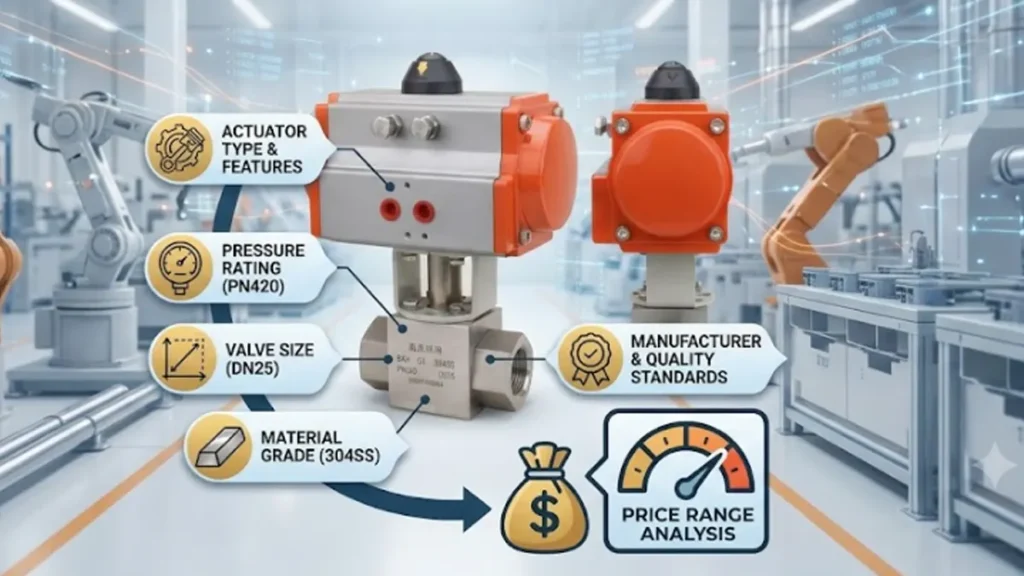
When you look at pneumatic ball valve price, you will see many things change the cost. You should think about valve size and pressure rating. Actuator type and material quality also matter. Connection type and seal material are important too. Optional accessories and customization can change the price. Order quantity also affects what you pay.
Key Takeaways
- Pneumatic ball valve prices change with size, pressure, actuator type, and material quality.
- Bigger valves cost more because they use more material and need more work.
- High-pressure valves cost more since they need thicker walls and stronger parts.
- Using good materials like stainless steel can lower repair costs later.
- The actuator type changes the price; simple actuators cost less, but advanced ones have more features.
- The connection type changes how easy and cheap it is to install; threaded connections cost less, but flanged ones are better for high-pressure jobs.
- Extra parts like solenoid valves and limit switches help control and safety, but they make the price go up.
- Buying many valves at once can get you a discount, so think about buying in bulk to save money.
What Is a Pneumatic Ball Valve?
Basic Structure
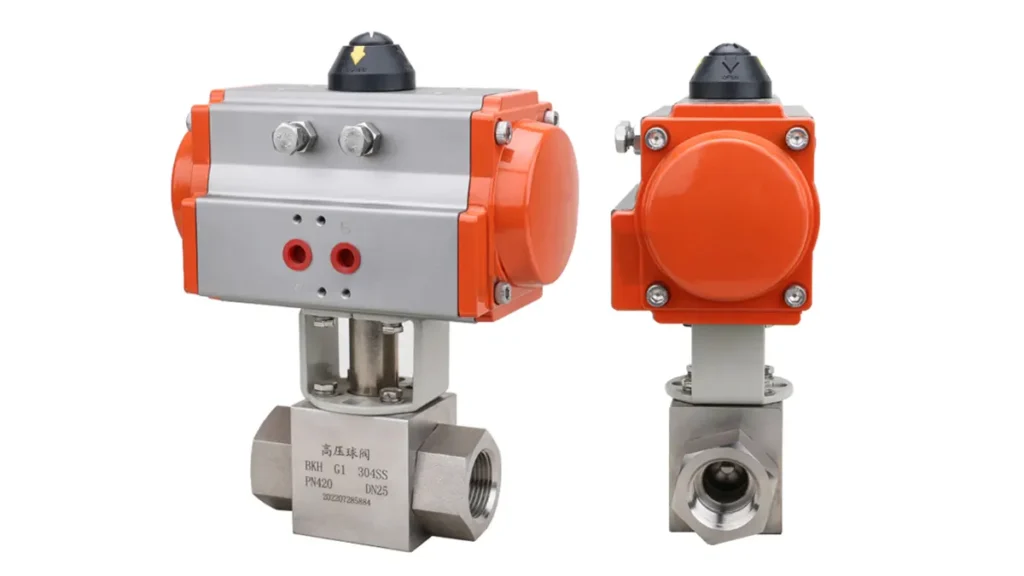
You may ask why pneumatic ball valves work so well. These valves have a simple shape but do a strong job. Let’s look at the main parts:
- Valve Body: This part holds all the other pieces together. It keeps the ball and seals safe from strong pressure and rough liquids.
- Ball: There is a round ball inside the valve. The ball turns to let things flow or to stop the flow.
- Seats: These push against the ball. They help stop leaks and make sure the valve closes tight.
- Stem: The stem links the ball to the actuator. It moves the ball when you want to change the flow.
- Pneumatic Actuator: This part uses air to move the stem and ball.
- Handle/Override: Sometimes you need to use the valve by hand. The handle lets you do this if there is an emergency.
All these parts work together to control the flow. Here is a quick table with the standard meaning from engineering books:
| Component/Function | Description |
|---|---|
| Pneumatic Actuator | Opens and closes the ball valve using air. |
| Flow Control | Changes how much and which way liquid or gas moves. |
| Automation Integration | Can be used in systems for remote or emergency control. |
Pneumatic Actuation
The way pneumatic actuator ball valves work is interesting. Compressed air moves the actuator. The actuator turns the stem, and the stem turns the ball. This opens or closes the valve very fast. Fast action is important for emergency shut-offs.
Here are some good things about pneumatic ball valves:
- They open and close very fast.
- You can control the flow by opening the valve a little or a lot.
- They are safe because they do not make sparks. You can use them in places like oil rigs.
- They do not need much fixing because there are not many moving parts.
Because of how pneumatic actuator ball valves work, you can make your system automatic. You do not have to turn the valve by hand. Pneumatic ball valves use air pressure to do the work for you.
A pneumatic ball valve is a quarter-turn valve that uses compressed air and a pneumatic actuator. Inside, a ball with a hole turns to let flow through or block it.
Industrial Applications
You will find pneumatic ball valves in many types of jobs. They do hard work and help systems run well. Here is a table that shows where you might see them and what each job needs:
| Industry | Applications | Requirements |
|---|---|---|
| Oil and Gas | Controls pipelines, shuts down systems, moves gas | Needs to be safe and work well with oil and gas |
| Water Treatment | Controls water flow in cleaning and supply systems | Needs to keep the system safe and control chemicals |
| Chemical Industry | Handles strong, dangerous, or burning liquids | Needs to last long and not get damaged by chemicals |
| Food & Beverage | Keeps flow clean in milk, beer, and bottling | Needs to be very clean and safe for food |
| Pharmaceuticals | Controls clean liquid in medicine making | Needs to be exact and safe for sensitive fluids |
| Power Generation | Used in steam and cooling for power plants | Needs to work well and be reliable |
| HVAC Systems | Controls heating and cooling pipes | Needs to save energy and work smoothly |
Each job has its own needs. Pneumatic ball valves help you meet these needs with speed, safety, and trust.
Main Factors Affecting Pneumatic Ball Valve Price
Valve Size
When you look at pneumatic ball valves, size matters a lot. The bigger the valve, the more you pay. Why does this happen? Large valves need more metal and other materials. This means the cost goes up as the size increases. You also need stronger engineering for bigger valves. They must handle more stress and pressure. Here’s what you should know:
- Small valves cost less because they use less material.
- Large valves cost more because they use more material and need stronger parts.
- Bigger valves often need extra testing to make sure they work well under pressure.
If you want efficient fluid control in a big system, you may need a larger pneumatic ball valve. This will cost more, but it gives you excellent control capabilities. Always match the valve size to your application. This helps you get the best value and performance.
Pressure Rating
Pressure rating tells you how much force a valve can handle. If you need a valve for high-pressure jobs, you will pay more. High-pressure pneumatic ball valves use thicker walls and stronger parts. This makes them last longer, but it also raises the price.
You should check the pressure needs for your application of the pneumatic ball valve. If you pick a valve with a higher rating than you need, you might spend too much. If you pick one that is too weak, you risk leaks or damage. Always balance cost and safety when you make your selection.
Material Quality
Material quality changes the price and performance of pneumatic ball valves. You can choose from different metals like brass or stainless steel. Each one has its own cost, durability, and resistance to damage. Take a look at this table:
| Material | Cost | Durability | Corrosion Resistance |
|---|---|---|---|
| Brass | Lower | Less durable under harsh conditions | Susceptible to damage at high temps |
| Stainless Steel | Higher | Highly durable, withstands wear | Highly resistant to corrosion |
If you want high-quality pneumatic ball valves, stainless steel is a smart choice. It costs more, but you get superior reliability and less maintenance. Brass costs less, but it may not last as long in tough jobs. For the application of the pneumatic ball valve in food, chemicals, or water, stainless steel works best. It keeps your fluid management safe and clean.
When you plan your selection, think about how often you want to do maintenance. High-quality pneumatic ball valves need less fixing and give you better performance. This saves you time and money in the long run.
If you want your pneumatic ball valve to last, pick the right material for your application. This helps you avoid extra maintenance and keeps your system running smoothly.
Actuator Type
You will see that actuator type makes a big difference in the price of a pneumatic ball valve. The actuator is the part that uses air to open or close the valve. You can choose from basic or advanced actuators. Basic actuators cost less and work well for simple jobs. Advanced actuators have extra features like position feedback or faster response. These features help in complex systems, but they raise the price.
You might see two main types: double-acting and spring-return. Double-acting actuators use air to open and close the valve. They give you more control and last longer. Spring-return actuators use air to open the valve and a spring to close it. This type is good for safety because it closes by itself if the air stops. Spring-return actuators often cost more because of the extra parts.
If you need special features like fail-safe action or high torque, you will pay more. Always match the actuator type to your job. This helps you get the best value from your pneumatic ball valve.
Connection Type
The way you connect a pneumatic ball valve to your system changes the price and how easy it is to install or replace. You can pick from threaded, flanged, or welded connections. Each one has its own cost and benefits.
- Threaded connections are simple and cost less. You can use them for small pipes and low-pressure jobs.
- Flanged connections cost more but make it easy to remove the valve for fixing or testing. They work well in places where you need to do maintenance.
- Welded connections are best for long-term use. They lower the risk of leaks, especially with dangerous fluids. You might pay more at first, but you save money on leaks and downtime later.
When you choose a connection type, think about more than just the price. You should also look at how much work it takes to install, the risk of leaks, and how easy it is to replace the valve in the future. Picking the right connection helps you avoid extra costs and keeps your pneumatic ball valve working well.
Seal Material
Seal material is a key part of every pneumatic ball valve. The seal keeps the fluid from leaking out. You want a seal that is strong, flexible, and can handle the fluid in your system. The most common seal materials are fluororubber and nitrile rubber. These materials give you good sealing and last a long time.
- Fluororubber works well with many chemicals and high temperatures.
- Nitrile rubber is good for oil and water but does not like high heat.
The seal material you pick changes both the price and how well your pneumatic ball valve works. High-quality seals cost more, but they stop leaks and cut down on repairs. If you use the wrong seal, you might have leaks or need to replace the valve sooner. Always check what kind of fluid and temperature your system has before you choose the seal material.
Optional Accessories
You can make your pneumatic ball valve work even better by adding optional accessories. These extras help you control, monitor, and protect your system. Some of the most common accessories you might see with pneumatic ball valves include:
- Solenoid valves: These let you control the air supply to the actuator with an electric signal. You can turn the valve on or off from far away.
- Air units: These keep the air clean and dry before it goes into the actuator. Clean air helps your pneumatic ball valve last longer.
- Limit switches: These tell you if the valve is open or closed. You can use this information to keep your system safe.
- Locators: These help you find the exact position of the valve. You get better control and can spot problems faster.
Each accessory adds to the total cost of your pneumatic ball valve. If you need more control or safety, you might want to add these features. Think about what your system needs before you choose which accessories to buy.
Customization
Sometimes, you need a pneumatic ball valve that fits your system perfectly. You might want special coatings to protect against harsh chemicals or unique dimensions to fit tight spaces. When you ask for these custom features, the price goes up. Customization means the manufacturer has to change the way they make the valve. This takes more time and uses special materials or tools.
Custom flanged ball valves, for example, cost more than standard ones. The factory needs to make special changes just for your order. Because of this, you also have to wait longer to get your valve. If you need a custom pneumatic ball valve, plan ahead and talk to your supplier early. This helps you avoid delays and surprises in your project.
Order Quantity
How many pneumatic ball valves you buy at once can change the price you pay for each one. If you order just one or two, you pay the full price. If you order a large number, the price per valve usually goes down. This is called a bulk discount. Manufacturers can make more valves at once, which saves them time and money. They pass some of these savings on to you.
If you know you will need many pneumatic ball valves for your project, try to order them together. You get a better deal and make sure all your valves match. Always ask your supplier about discounts for larger orders. This can help you save money and keep your project on budget.
Labor and Manufacturing Costs
You might wonder why the price of a pneumatic ball valve can change so much from place to place. Labor and manufacturing costs play a big role. When you buy a valve, you pay not just for the parts but also for the work that goes into making and installing it.
Let’s break it down. In some regions, workers earn more per hour. This means the cost to build and install pneumatic ball valves goes up. In other places, labor costs are lower, so you pay less. Manufacturing costs also depend on the factory’s location, the technology used, and the skill of the workers.
Here’s a table that shows how costs can look in different settings:
| Component | Estimated Cost (Residential/Light Comm.) | Estimated Cost (Industrial/Sanitary) |
|---|---|---|
| The Valve Itself | $15 – $50 | $70 – $1,500+ |
| Labor (Per Hour) | $75 – $200 | $150 – $350 |
| Consumables (Tape, Sealant) | $5 – $10 | $20 – $50 |
| Total Estimate | $150 – $400 | $450 – $2,000+ |
If you need a pneumatic ball valve for a big industrial job, you will pay more for labor and materials. The workers must follow strict safety rules and use special tools. This adds to the price. For smaller jobs, like in homes or light commercial spaces, the costs stay lower.
Manufacturing costs also depend on how many valves the factory makes at once. If they produce a lot, they can use machines to speed up the process. This lowers the price for you. If you order a custom valve, the factory must spend extra time and use special parts. That makes the price go up.
You should always ask your supplier where the valve is made and how much labor costs in that region. This helps you understand why prices change. If you want to save money, look for factories that use efficient machines and skilled workers. You get a reliable pneumatic ball valve without paying too much.
Tip: If you plan a big project, ask about bulk manufacturing. You might get a better deal because the factory can spread labor costs over many valves.
Labor and manufacturing costs are not just numbers. They affect how fast you get your valve, how well it works, and how much you pay in the end. When you compare prices, remember to check these details. You will make smarter choices and avoid surprises.
Pneumatic Ball Valves: Material and Size
Carbon Steel vs Stainless Steel
You may wonder which material is better for your pneumatic ball valve. Carbon steel and stainless steel are the most common choices. Each one has good and bad points. Let’s look at how they are different.
| Feature | Carbon Steel | Stainless Steel |
|---|---|---|
| Initial Cost | Lower initial cost | Higher initial cost |
| Corrosion Resistance | Suitable for non-corrosive environments | Excellent corrosion resistance |
| Mechanical Strength | Good mechanical strength | Varies by grade, generally strong |
| Lifecycle Considerations | Higher lifecycle costs in corrosive environments | Lower lifecycle costs due to durability |
Carbon steel is cheaper when you buy it. You save money at first. Stainless steel costs more, but it lasts longer in harsh places. If your system has water, chemicals, or salty air, stainless steel does not rust. You will not need to fix or replace it as often. Carbon steel is fine if there is no risk of rust. It works well in dry and clean areas.
Size Impact on Price
Valve size changes the price a lot. Small valves use less metal and cost less. Big valves need more metal and stronger parts. You pay more for large valves because they handle more flow and pressure. Makers spend more time checking big valves for safety.
Here’s a quick tip:
Always pick the right valve size for your system. If the valve is too big, you waste money. If it is too small, you might get leaks or damage.
Big valves are harder to install. You may need special tools or more workers. This makes the job cost more. When you plan, check your pipe size and how much flow you need. This helps you pick the best valve and not spend too much.
Corrosion Resistance
Corrosion resistance is very important for pneumatic ball valves. If your valve faces harsh chemicals or salty water, you need strong material. Stainless steel protects well against rust. You do not have to fix it much because it does not break down easily.
- Corrosion resistance helps your valve last longer in tough places.
- You spend less on repairs and new valves if you use the right material.
- Cheap materials in harsh places cost more over time.
- Checking your valve often keeps it working and saves money.
If you forget about corrosion resistance, you could get leaks or failures. This can cost a lot to fix. You can stop these problems by picking strong materials and good seals. Stainless steel is best for places with chemicals, water, or changing weather. Carbon steel is good for dry, clean spots.
You want your pneumatic ball valve to last a long time. Picking the right material and size saves money and keeps your system safe.
Actuator Type and Pneumatic Ball Valve Price
Traditional vs Advanced Actuators
When you pick a pneumatic ball valve, you see two actuator types. One is traditional, and the other is advanced. Traditional actuators use air pressure to move the valve open or closed. Advanced actuators have extra features like feedback, faster action, or smart controls. These extras help in tricky systems but make the price go up.
Let’s see how pneumatic actuators and electric actuators are different:
| Aspect | Pneumatic Actuators | Electric Actuators |
|---|---|---|
| Initial Cost | Lower initial cost | Higher initial cost |
| Total Cost of Ownership | Lower total cost of ownership | Higher operating and maintenance costs, but better long-term efficiency |
| Efficiency | 10-25% efficiency | Around 80% efficiency |
| Ideal Applications | Non-precision, less continuous use | Precision applications, continuous service life |
Pneumatic actuators cost less when you buy them. They work well for jobs that do not need exact control or nonstop use. If you want more control or to know the valve’s position, advanced actuators are better. But they cost more money.
Double-Acting vs Spring-Return
You also need to choose between double-acting and spring-return actuators. Double-acting actuators use air to open and close the valve both ways. Spring-return actuators use air to open the valve, but a spring closes it if the air stops. This makes spring-return actuators safer for some jobs.
Here’s a quick look at how they compare:
| Selection Factor | Double Acting Actuator | Single Acting (Spring Return) |
|---|---|---|
| Purchase Price | Budget-friendly and accessible | Higher due to precision springs |
| Air Consumption | Higher (uses air for every move) | Lower (uses air for one direction) |
| Maintenance Complexity | More complex | Simple |
Double-acting actuators usually cost less to buy. They use more air, so running them can cost more. Spring-return actuators cost more at first, but they use less air and are easier to fix. If you want the valve to close by itself when air stops, pick spring-return.
Tip: If your system moves dangerous fluid, a spring-return actuator helps keep things safe. It closes the valve on its own if something goes wrong.
Torque and Fail-Safe Features
Torque is the force that turns the valve ball. You need enough torque to move the ball, even if the valve gets hard to turn. Experts say you should pick an actuator with 30–50% more torque than you think you need. This helps your valve work well, even if things change inside your pipes.
Adding fail-safe features, like spring-return, makes your system safer. These features help your valve close if there is a problem. Safety features can lower maintenance problems by 20%. You pay a bit more at first, but you save money and avoid trouble later.
If you want your pneumatic ball valve to last and work well, always check the torque and safety features before you buy.
Connection Types and Cost
When you choose a pneumatic ball valve, you need to think about how it connects to your system. The connection type affects the price, how easy it is to install, and how well the valve handles your fluid. Let’s look at the three main connection types you’ll see.
Threaded Connections
Threaded connections are the most common for small and medium-sized valves. You screw the valve onto the pipe, just like you would with a garden hose. This type works well for low to medium pressure jobs. You can install it quickly with basic tools. If you need to replace the valve, you just unscrew it.
Pros of threaded connections:
- Lower cost compared to other types
- Easy to install and remove
- Good for small systems or repairs
Cons:
- Not ideal for high-pressure or large pipes
- Threads can wear out if you remove the valve often
If you work with clean water or air, threaded connections make sense. They keep your fluid moving without much trouble. For bigger jobs, you might want something stronger.
Flanged Connections
Flanged connections use flat, round plates with holes for bolts. You bolt the valve between two pipe flanges. This setup gives you a tight seal and handles higher pressure. Flanged valves cost more than threaded ones, but they last longer in tough jobs.
| Feature | Threaded | Flanged |
|---|---|---|
| Cost | Lower | Higher |
| Pressure Rating | Low/Medium | Medium/High |
| Installation | Simple | Needs more work |
| Maintenance | Easy | Easier for big valves |
You might see flanged connections in factories, water plants, or places with strong chemicals. If your fluid is dangerous or under high pressure, flanged valves keep your system safe. You can also take them apart for cleaning or repairs without cutting the pipe.
Tip: Flanged connections help you save time on maintenance. You can swap out a valve fast, even in big systems.
Custom Connections
Sometimes, your system needs something special. Custom connections let you match the valve to unique pipes or setups. You might need a welded connection for zero leaks, or a special fitting for tight spaces. Custom valves cost more because the factory makes them just for you.
Why choose custom connections?
- You have unusual pipe sizes or shapes
- You need extra safety for your fluid
- Your system has special rules or standards
Custom connections give you the best fit and performance. You pay more up front, but you avoid leaks and problems later. Always talk to your supplier about your needs. They can help you pick the right connection for your fluid and system.
Note: Custom connections may take longer to deliver. Plan ahead so your project stays on track.
Choosing the right connection type helps you control costs and keeps your fluid moving safely. Think about your system’s needs before you decide.
Optional Accessories
Solenoid Valve
A solenoid valve is a small but powerful add-on for your pneumatic ball valve. You use it to control the air that goes into the actuator. When you send an electric signal, the solenoid valve opens or closes. This lets you turn your pneumatic ball valve on or off from far away. You do not need to be near the valve to make it work.
Why should you add a solenoid valve? Here are some reasons:
- You can automate your system. Just press a button or use a control panel.
- You get fast response. The valve moves almost right away.
- You improve safety. In an emergency, you can shut off the valve quickly.
Tip: If you want to control many valves at once, you can use a solenoid valve for each one. This makes your whole system smarter and easier to manage.
Limit Switch & Position Indicator
A limit switch and position indicator help you know if your valve is open or closed. The limit switch sends a signal when the valve reaches a certain spot. The position indicator shows you where the valve is right now.
You might wonder why you need these. Here’s why:
- You can check the valve’s status without looking at it.
- You can connect the switch to alarms or control systems.
- You avoid mistakes. You always know if the valve is in the right place.
Here’s a quick table to show what each does:
| Accessory | What It Does | Why You Need It |
|---|---|---|
| Limit Switch | Sends signal when valve opens/closes | For remote monitoring |
| Position Indicator | Shows valve’s current position | For visual checks and safety |
If you want peace of mind, these accessories help you keep track of your system.
Air Filter Regulator
Clean air is very important for your pneumatic ball valve. An air filter regulator keeps dust, water, and oil out of the actuator. It also controls the air pressure. If you use dirty or wet air, your valve might stop working or wear out faster.
You should use an air filter regulator because:
- You protect your actuator from damage.
- You make your valve last longer.
- You keep your system running smoothly.
Note: Always check and change the filter when it gets dirty. This small step saves you money and trouble later.
Adding these optional accessories makes your pneumatic ball valve system safer, smarter, and more reliable. You get better control and fewer problems down the road.
Mounting Bracket
You might not think much about the mounting bracket, but it plays a big role in your pneumatic ball valve setup. The mounting bracket holds the actuator and the valve together. It keeps everything lined up and steady. If you want your valve to work right, you need a strong and well-made bracket.
Let’s break it down. The mounting bracket connects the pneumatic actuator to the ball valve. It makes sure the actuator turns the valve smoothly. If the bracket is weak or doesn’t fit, the actuator can slip or twist. This can cause leaks or even damage your valve. You don’t want that!
Here’s what you get with a good mounting bracket:
- Easy installation. You can attach the actuator and valve without trouble.
- Solid support. The bracket keeps the valve and actuator from moving or shaking.
- Better performance. The actuator works faster and more accurately.
- Less maintenance. You don’t have to fix or adjust the setup as often.
You can find mounting brackets made from different materials. Stainless steel brackets last longer and resist rust. Aluminum brackets are lighter and cost less. Some brackets have special coatings to protect against chemicals. You should pick the bracket that matches your environment and system needs.
Check out this table to see how mounting bracket choices affect your setup:
| Bracket Material | Durability | Cost | Best Use Case |
|---|---|---|---|
| Stainless Steel | High | Higher | Harsh, wet, or chemical areas |
| Aluminum | Medium | Lower | Light-duty, dry environments |
| Coated Steel | Medium-High | Medium | Areas with mild chemicals |
You might ask, “Do I really need a mounting bracket?” Yes, you do! If you skip the bracket or use the wrong one, your actuator might not line up with the valve. This can cause problems like stuck valves or noisy operation. You could even void your warranty.
Tip: Always check the bracket size and shape before you buy. Make sure it fits your valve and actuator. If you’re not sure, ask your supplier for help.
Some mounting brackets come with extra features. You might see adjustable slots or quick-release designs. These make it easier to install or remove the actuator. If you plan to do maintenance often, look for brackets that let you take things apart quickly.
When you order a pneumatic ball valve, ask if the mounting bracket is included. Sometimes, you need to buy it separately. The price of the bracket depends on the material, design, and any special features. It’s a small part, but it can save you time and trouble.
You want your pneumatic ball valve to work smoothly and last a long time. The right mounting bracket helps you get there. Don’t overlook this accessory. It’s the foundation for a reliable and easy-to-maintain system.
Standard vs Custom Pneumatic Ball Valves
When Customization Is Needed
You may ask if you need a custom pneumatic ball valve. Most jobs use standard valves. These fit most pipes and work with regular fluids. You can install them quickly and buy them easily. Custom valves are needed for special jobs.
Here are some reasons you might need a custom valve:
- Your pipes are not normal size or shape.
- You use strong chemicals or very hot or cold fluids.
- You need special coatings or materials for extra safety.
- Your project must follow strict safety rules.
- You want extra features, like more ports or special controls.
Custom valves fix problems that standard ones cannot. If you have a small space or need a valve to fit a special spot, custom valves help. You can ask for special seals or actuators to match your system. Custom valves give you more choices, but they are harder to make.
Tip: If you do not know what you need, ask your supplier. They can help you pick a standard valve or a custom one.
Cost and Lead Time
Picking between standard and custom pneumatic ball valves changes your budget and schedule. Standard valves cost less and arrive faster. Custom valves take longer to make and cost more at first.
Let’s see how the costs compare:
| Cost Aspect | Standard Ball Valve | Custom Plug Valve |
|---|---|---|
| Upfront Purchase Price (CapEx) | 25% to 35% cheaper than Plug Valves | Higher due to larger size and manual finishing |
| Automation and Integration Costs | Lower operating torque, cheaper actuators | Requires 2x to 3x torque, more expensive actuators |
| Operational Expenditure (OpEx) | Replace-only maintenance model | In-line maintenance, potentially lower long-term costs |
Standard valves save money at first. You pay less for the valve and actuator. You get them fast, so your project does not slow down. Custom valves cost more because they need special parts and extra work. You also pay more for actuators since custom valves need more power.
Custom valves may save money later. You can fix them without taking them out of the pipe. This means less downtime and your system keeps working. But you wait longer for delivery. Custom valves can take weeks or months to make.
Note: If you need your project done soon, standard valves help you finish fast. If you want special features or less fixing later, custom valves are worth waiting for.
You need to balance cost, time, and how well the valve works. Think about what your system needs and talk to your supplier. You will find the best valve for your job.
Selecting the Right Pneumatic Ball Valve
Application Requirements
When you start choosing the right pneumatic ball valve, you need to think about your application first. Every system is different. You want a valve that fits your job, not just any valve off the shelf. Here’s how you can match the valve to your needs:
- Pick the connection method. Do you need a flange, thread, welding, or clamp? Each one works best in different setups.
- Choose the valve body material. Stainless steel, carbon steel, duplex steel, or even plastic like UPVC or CPVC might work for you.
- Decide on the valve size. Ball valves come in many sizes, from small (3/8 inch) to large (12 inches).
- Check the working pressure. Your valve must handle the pressure in your pipes.
- Think about the temperature. Some valves work better in hot or cold spots.
- Pick the actuator type. Do you want single action or double action?
- Know your air source pressure. Most pneumatic actuators need air between 2.5 bar and 8 bar.
Tip: Write down these details before you shop. It saves time and helps you avoid mistakes.
Providing Accurate Specifications
Giving clear and full details makes choosing the right pneumatic ball valve much easier. If you leave out information, you might get the wrong valve. Suppliers need to know your exact needs. Here’s what you should tell them:
- The type of fluid or gas in your system
- The pressure and temperature ranges
- The size and type of pipe connections
- Any special rules or standards for your industry
- If you need extra features like limit switches or special coatings
A simple table can help you organize your specs:
| Requirement | Your Details |
|---|---|
| Fluid Type | |
| Pressure Range | |
| Temperature Range | |
| Connection Type | |
| Valve Size | |
| Actuator Type | |
| Special Features |
Note: The more details you give, the better your quote will match your needs.
Getting a Quote
Now you are ready to get a quote. When you contact suppliers, share all your specs. This helps them give you the best price and the right valve. Ask questions if you are not sure about something. Good suppliers will help you understand your options.
Here’s a quick checklist for getting a quote:
- Share your full list of requirements
- Ask about delivery times and warranty
- Check if the price includes accessories or mounting brackets
- Compare quotes from different suppliers
Choosing the right pneumatic ball valve is not just about price. You want a valve that fits your application, lasts a long time, and keeps your system safe. Take your time, ask questions, and make sure you get what you need.
Remember: Selecting the right pneumatic ball valve means looking at your whole system, not just the cost.
Conclusion
The price of a pneumatic ball valve depends on many factors, including valve size, actuator type, body material, pressure rating, connection type, accessories, and custom requirements. To get an accurate quotation, it is important to confirm your system needs first, such as working pressure, medium, thread type, installation space, and control requirements.
As a hydraulic ball valve manufacturer, Chenyang Hydraulic can supply hydraulic ball valves with pneumatic actuators for different industrial and hydraulic applications. We can also help you choose or customize a suitable valve based on your system details, drawings, or samples.
Choosing the right pneumatic actuated ball valve is not only about finding the lowest price. A well-matched valve can offer better performance, longer service life, and lower maintenance costs for your hydraulic system.
FAQ
What is a pneumatic ball valve used for?
You use a pneumatic ball valve to control the flow of liquids or gases. It works well in factories, water plants, and places where you need fast, safe shut-off.
How do I choose the right size valve?
Check your pipe size and how much flow you need. Pick a valve that matches your system. If you are not sure, ask your supplier for help.
Are pneumatic ball valves better than electric ones?
Pneumatic ball valves cost less and work faster. They do not make sparks, so you can use them in risky places. Electric valves give you more control but cost more.
How often do I need to maintain a pneumatic ball valve?
You do not need to fix them often. Clean air and good seals help them last longer. Check your valve every few months to keep it working well.
Can I use a pneumatic ball valve for hot or cold fluids?
Yes, you can. Just make sure you pick the right material and seals for your temperature range. Stainless steel works best for extreme heat or cold.
What accessories should I add to my valve?
You can add solenoid valves, limit switches, air filter regulators, or mounting brackets. These extras help you control, monitor, and protect your system.
How do I get an accurate price quote?
Give your supplier all your details—size, pressure, material, connection type, and any extras. The more info you share, the better your quote will fit your needs.
Can I get a custom pneumatic ball valve?
Yes! If you have special needs, like odd pipe sizes or harsh chemicals, you can order a custom valve. Just know it may cost more and take longer to arrive.