
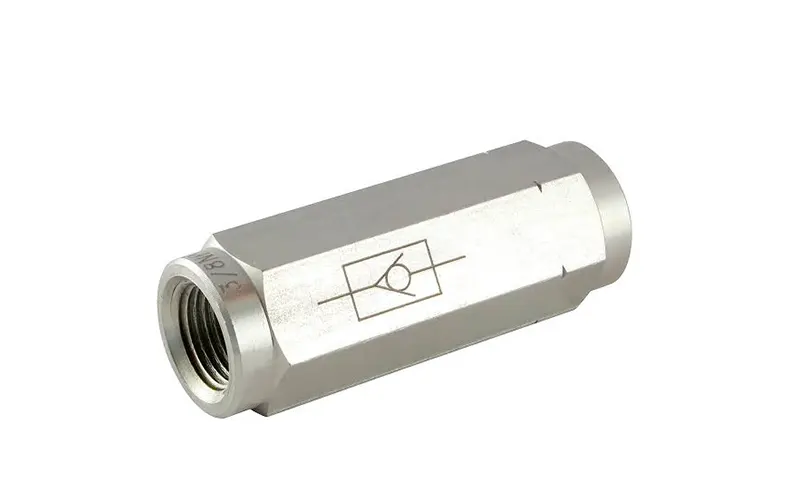
If you want to know what is an inline check valve, think of it as a small device that lets fluid flow in one direction but blocks it from going backward. You use this in hydraulic systems to keep your equipment safe and working smoothly. The main function is to prevent reverse flow, which protects pumps and other components. Inside, you’ll find a spring-loaded disc or a poppet that moves when fluid pushes in the right direction. This design saves space and makes installation easy.
Key Takeaways
- An inline check valve lets fluid move one way. It stops fluid from going backward. This keeps your hydraulic system safe.
- It is easy to install. You connect the valve right into the hydraulic line. You do not need extra parts or blocks.
- Pick the right cracking pressure for your system. This makes sure the valve opens at the right time. It also helps stop leaks.
- Maintenance is important. Check for leaks often. Clean the valve so it works well.
- Choose the best material for the valve. Think about the fluid and the environment. This helps the valve last longer.
- Inline check valves fit well in small spaces. They are great for mobile and compact hydraulic systems.
- Know which way the fluid should go. Always look at the arrow on the valve. This helps you avoid mistakes when installing.
- Use a filter to keep the fluid clean. This makes your check valve last longer. It also helps your system work better.
What is an Inline Check Valve?
Inline Check Valve Definition
You might wonder what is an inline check valve and why it matters in your hydraulic system. An inline check valve is a small device that sits directly inside a hydraulic line. It acts as a one-way gate for fluid. When fluid moves in the right direction, the valve opens and lets it pass. If fluid tries to flow backward, the valve shuts and blocks it. This simple action keeps your system safe and prevents damage.
Unlike other types of check valve, an inline check valve fits right into the tubing or piping. You do not need extra mounting blocks or complicated fittings. The design makes installation quick and easy. You get a tight seal that stops reverse flow, which is important in high-pressure systems. The valve also helps keep fluid moving smoothly, so you avoid turbulence and pressure loss.
Purpose in Hydraulic Systems
You use an inline check valve for several reasons in hydraulic circuits. Here are some main purposes:
- It prevents backflow of fluid. Backflow can cause problems like cylinder creep and poor performance.
- It helps maintain pressure in the system. This means your cylinder works the way you expect.
- It protects your equipment from pressure spikes and surges. These spikes can damage pumps, hoses, and other parts.
If you ask what is an inline check valve used for, the answer is simple. It keeps your hydraulic system running smoothly and protects your investment.
Installation Style
The installation style sets the inline check valve apart from other types. You install it directly in the hydraulic line. You do not need a separate housing or mounting block. This saves space and reduces the complexity of your setup.
Other check valve designs often require extra parts or special fittings. Inline check valves skip all that. You just connect them between two sections of pipe or hose. The compact shape makes them perfect for tight spaces. You also get less pressure drop and smoother flow because the valve sits right in the line.
If you want a check valve that is easy to install and works well in high-pressure systems, the inline style is a smart choice. You get reliable performance and a cleaner layout for your hydraulic equipment.
How Does an Inline Check Valve Work?
One-Way Flow Mechanism
You may wonder how an inline check valve controls fluid direction. It works like a one-way door in your hydraulic system. Fluid pushes from the right side, and the valve opens to let it through. If fluid tries to go backward, the valve shuts and blocks it. This is why you use a check valve to stop backflow.
Here’s what happens inside:
- The check valve has a moving part, like a disc or poppet, that sits on a seat.
- When fluid goes the right way, it pushes this part off the seat.
- This opening lets fluid move forward with little trouble.
- If flow stops or tries to go back, the disc or poppet snaps onto the seat and seals it.
This simple action keeps your hydraulic system safe and working well.
Spring-Loaded and Poppet Designs
There are two main designs inside an inline check valve: spring-loaded and poppet types. Both do the same job but work a bit differently.
- A spring-loaded check valve uses a spring to hold the disc or poppet on the seat. The spring makes a small force that keeps the valve closed until enough pressure builds up to open it. This pressure is called cracking pressure. Most spring-loaded valves open at a cracking pressure between 0.5 and 5 psi.
- In a poppet design, the poppet is the moving part. When fluid pushes hard enough, the poppet lifts off the seat and lets flow happen. When pressure drops or goes backward, the spring pushes the poppet back to seal the valve.
The way a check valve works is simple but very good. When fluid flows the right way, it pushes on the valve’s inside part. The valve opens when the inlet pressure is higher than the cracking pressure. Cracking pressure is the lowest pressure needed to open the valve and let fluid start to flow.
As fluid keeps moving forward, it holds the valve open. This lets fluid pass through the valve body easily. The valve stays open as long as forward pressure is there and flow goes the right way. This design means there is little pressure drop during normal use, which helps the system work better.
Both designs give you good performance. The spring helps the valve close fast, which protects your equipment.
Preventing Reverse Flow
The main job of a check valve is to stop fluid from going backward. You want fluid to move one way and avoid problems like pump damage or dirty fluid. When forward flow stops or tries to go back, the pressure inside the valve changes. The spring and moving part work together to close the valve quickly.
When forward flow stops or goes backward, the pressure difference changes a lot. If there is not enough forward pressure, the inside part closes by itself. Many check valves use springs to help them close fast, so they react quickly to changes in flow. This automatic closing blocks reverse flow and stops backflow that could hurt pumps, mix clean and dirty fluids, or cause water hammer that can damage pipes.
You can trust an inline check valve to stop backflow. It reacts fast to changes in pressure and flow, so your hydraulic system stays safe and works well.
Main Parts of an Inline Check Valve
Valve Body
When you look at an inline check valve, the first thing you notice is the valve body. This part holds everything together and gives the valve its shape. The valve body needs to be strong because it faces high pressure and sometimes harsh chemicals. You want a material that lasts a long time and does not rust or break easily.
Here’s a quick look at common materials used for valve bodies and where you might use each one:
| Material | Corrosion Resistance | Cost-Effectiveness | Suitable Applications |
|---|---|---|---|
| Brass | Good | Cost-effective | Water and mild chemical applications |
| Stainless Steel | Superior | Higher | Aggressive chemicals, high temperatures, high pressures |
| PVC/Plastic | Excellent | Cost advantages | Water treatment, chemical processing, corrosion-sensitive applications |
If you need a check valve for water or mild chemicals, brass works well and saves money. For tough jobs with strong chemicals or high heat, stainless steel is your best bet. When you want something light and resistant to corrosion, PVC or plastic is a smart choice.
Sealing Element (Ball or Poppet)
The sealing element sits inside the valve body and does the important job of stopping reverse flow. You will find two main types in an inline check valve: ball and poppet.
- Ball valve designs use a small, round ball that presses against a seat. This ball blocks fluid from going backward and gives you reliable one-way flow.
- Poppet designs use a shaped plug that moves up and down. The poppet seals tightly when fluid tries to flow the wrong way.
- Some check valves use flaps or swings, which work well in pipes that run sideways.
- Diaphragm and membrane systems use flexible parts that bend to let fluid through but snap back to seal against reverse flow.
You pick the sealing element based on what you need. Ball types are simple and work well for most jobs. Poppet types give you a tighter seal, which helps in high-pressure systems.
Spring Mechanism
The spring mechanism is the muscle behind the sealing element. It pushes the ball or poppet against the seat to keep the check valve closed until enough pressure builds up. This pressure is called the cracking pressure. You can adjust the spring to set how much force is needed to open the valve. That means you can match the check valve to your system’s needs.
The way you install the valve can also change how the spring works. If you put the valve upright, gravity helps the spring close the valve. If you install it sideways, the spring does all the work. This makes the spring mechanism a key part of how the check valve operates and keeps your system safe.
Tip: Always check the spring setting when you pick a check valve. The right spring keeps your system running smoothly and protects your equipment from damage.
End Connections
When you pick an inline check valve, you need to think about how it connects to your hydraulic system. The end connections decide how easy it is to install the valve and how well it fits with your pipes or hoses. If you get the right connection, you save time and avoid leaks.
You will see a few main types of end connections on a check valve:
- Female threads: These let you screw the valve onto a pipe with matching male threads. This style is common and works well for most setups.
- Male threads: These stick out from the valve and screw into a fitting or another pipe. You often find this on compact valves where space is tight.
- Flanged ends: These have flat surfaces with holes for bolts. You use flanges when you need a strong, leak-free seal, especially in bigger systems.
- Compression fittings: These use a nut and ferrule to grip the pipe. You get a tight seal without needing to thread the pipe.
Tip: Always match the end connection on your check valve to the type of pipe or hose you use. This helps you avoid leaks and makes future maintenance much easier.
Some check valves, like the VU series, give you options. You can choose a single-body design with female threads, which is simple and easy to install. If you want to get inside the valve for cleaning or repairs, the two-piece design is a smart pick. It lets you take the valve apart without removing the whole thing from your system.
The VUC series is a bit different. It uses a compact single-body design with male threads. This makes it perfect for places where you do not have much room but still need a strong, reliable check valve. The male threads also make installation quick, especially if you work with fittings that already have female threads.
When you choose the right end connection, you make your hydraulic system safer and more reliable. You also make it easier to swap out a check valve if you ever need to. Think about your space, the type of pipe you use, and how often you might need to service the valve. The right choice will save you headaches down the road.
Flow Direction and Operation
Fluid Pathway
When you look at how a check valve works, you see that it controls the path of the fluid. The fluid enters through the inlet side of the valve. Inside, the checking mechanism sits right in the middle of the fluid pathway. This setup makes sure the hydraulic fluid moves straight from the inlet to the outlet. The valve only lets fluid go one way. If the fluid tries to move backward, the check valve blocks it. This design keeps your system safe and helps everything run smoothly.
You can install these valves in tight spaces. The compact shape fits well in both vertical and horizontal lines. No matter how you set it up, the check valve keeps the fluid moving in the right direction. This is important for any hydraulic system that needs reliable flow control.
Cracking Pressure
You might hear the term “cracking pressure” when talking about check valves. This is a key part of how the valve works. Cracking pressure means the exact amount of pressure needed to open the valve just enough for fluid to start moving through.
- Cracking pressure is the precise value of upstream pressure at which a check valve allows a minimum detectable flow of the service medium.
- It shows the point where the valve “cracks” open, beating the force from gravity, the spring, or the weight of the moving part.
- Many things can change the cracking pressure, like the size of the valve, how heavy it is, and how you install it.
If your system does not reach the cracking pressure, the valve stays closed. Once you hit that pressure, the valve opens and lets fluid pass. This feature helps you control when and how fluid moves in your system.
Blocking Reverse Flow
The main job of a check valve is to stop fluid from flowing backward. When the pressure on the outlet side gets higher than the inlet, the valve closes right away. The spring or the weight inside pushes the sealing part back onto its seat. This action blocks any reverse flow.
Tip: If you want to keep your pumps, hoses, and other parts safe, always make sure your check valve is working right. A good valve reacts fast and seals tight, so you do not have to worry about backflow.
You can trust a check valve to protect your hydraulic system. It keeps the fluid moving in the right direction and blocks anything that tries to go the wrong way.
Ball-Type vs Poppet-Type Check Valves
Ball-Type Features
When you look inside a ball-type check valve, you find a small, round ball that acts as the main moving part. This ball sits against a seat inside the valve body. When fluid flows in the right direction, the ball lifts off the seat and lets the fluid pass. If the flow tries to go backward, the ball quickly drops back onto the seat and blocks the path.
Here are some things you will notice about ball-type check valves:
- The ball shape gives you a tight seal, which helps stop leaks.
- The ball moves fast, so the valve responds quickly to changes in flow.
- You can use these valves in many places, like water lines or hydraulic systems.
You might like ball-type check valves if you want something simple and reliable. They do not have many parts, so they are easy to maintain.
Poppet-Type Features
Poppet-type check valves work a little differently. Instead of a ball, they use a disc or plug called a poppet. This poppet sits on a seat and has a spring behind it. When fluid pushes in the right direction, the poppet lifts off the seat and lets the fluid move through. When the flow stops or tries to reverse, the spring pushes the poppet back onto the seat.
Some key features of poppet-type check valves include:
- The spring helps the poppet close very quickly, even before the flow can reverse.
- The poppet design gives you a strong seal, which is great for stopping backflow.
- These valves often help prevent water hammer, which is a sudden pressure surge that can damage pipes.
You might choose a poppet-type check valve if you need fast closure and extra protection for your system.
Performance Comparison
Now, let’s see how these two types compare when you use them in your system.
- Ball check valves give you quick response times and effective sealing. The ball seats tightly and blocks reverse flow right away.
- Poppet-type check valves also close fast, thanks to the spring-assisted disc. The short travel distance of the poppet means the valve shuts before reverse flow can start.
- Both types do a great job at sealing, but poppet-style valves are especially good at stopping water hammer and sudden surges.
Tip: If you want a check valve that reacts quickly and seals well, both ball and poppet types are good choices. Think about your system’s needs—like how fast you need the valve to close and how much pressure you expect—before you pick one.
No matter which type you choose, you get a check valve that helps keep your hydraulic system safe and running smoothly.
Inline vs Standard Check Valve
Installation Differences
When you look at how you install an inline check valve, you will notice it goes right into the pipeline. You just connect it between two sections of pipe or hose. The shape is straight and slim, so it fits well in tight spots. You do not need extra brackets or special mounting blocks. This makes your job easier and saves time.
A standard check valve can look a bit different. Sometimes, you need to bolt it onto a flange or use a mounting block. The body might be bigger or shaped differently. You may need more space to fit it in your system. Some standard check valves have extra ports or features that make them bulkier.
Here’s a quick comparison to help you see the difference:
| Feature | Inline Check Valve | Standard Check Valve |
|---|---|---|
| Shape | Straight, compact | Can be bulky or angled |
| Installation | Direct in-line | May need mounting block |
| Space Needed | Minimal | More room required |
| Common Connections | Threaded, compression | Flanged, threaded |
Tip: If you want a simple setup, choose an inline check valve. You will save space and make installation much faster.
Application Scenarios
You might wonder where you should use each type of check valve. Inline check valves work best when you have limited space or need a quick fix. You often see them in mobile hydraulic systems, small machines, or places where every inch counts. They are great for protecting pumps and keeping fluid moving in one direction.
Standard check valves fit better in larger systems. You might use them in big industrial plants, water treatment stations, or places where you need extra features. Some standard check valves handle higher flow rates or have special seals for tough jobs.
Think about what your system needs. If you want something easy to install and compact, go with an inline check valve. If you need more options or have a big setup, a standard check valve might be the right choice.
Note: Always check the size and connection type before you pick a check valve. The right choice keeps your system safe and running smoothly.
Inline vs Pilot-Operated Check Valve
Operating Principles
You might wonder how an inline check valve works compared to a pilot-operated check valve. Both types help you control the direction of fluid, but they do it in different ways.
An inline check valve lets fluid flow in one direction. When the pressure on the inlet side gets high enough, the valve opens. If the fluid tries to go backward, the valve closes right away. You do not need any outside help or extra controls. The spring and sealing part inside do all the work.
A pilot-operated check valve adds another layer. It still blocks reverse flow, but it also has a small control port called a pilot. When you send pressure to this pilot port, you can force the valve to open even if the main flow is trying to go backward. This means you can control when the valve opens or closes, not just rely on the flow direction.
Here’s a quick table to show the difference:
| Feature | Inline Check Valve | Pilot-Operated Check Valve |
|---|---|---|
| Opens with flow? | Yes | Yes |
| Blocks reverse flow? | Yes | Yes |
| Needs outside control? | No | Yes (pilot pressure needed) |
| Manual override? | No | Yes (with pilot signal) |
Tip: If you want a simple solution, use an inline check valve. If you need more control, a pilot-operated check valve gives you that option.
When to Use Each
You might ask, “Which one should I pick for my system?” The answer depends on what you need your check valve to do.
Use an inline check valve when:
- You want to stop backflow with no extra controls.
- You have a simple hydraulic circuit.
- You need a compact and easy-to-install valve.
Use a pilot-operated check valve when:
- You want to lock a cylinder in place until you send a signal to release it.
- You need to control when the valve opens, not just rely on flow direction.
- You work with systems where safety or holding pressure is important.
For example, if you have a hydraulic cylinder that must stay in position, a pilot-operated check valve is the better choice. You can hold the load steady and only move it when you want. In most other cases, an inline check valve does the job well and keeps things simple.
Note: Always think about your system’s needs before you choose a check valve. The right type helps you avoid problems and keeps your equipment safe.
Advantages of Inline Check Valves
Space-Saving Design
You want your hydraulic system to fit in tight spaces. An inline check valve helps you do just that. Its slim, wafer-like shape takes up very little room. You can slide it right between two flanges or pipes. This design works great in compact hydraulic systems, where every inch matters. You do not have to worry about bulky parts getting in the way. The thin body of the check valve lets you build a cleaner, more organized setup. You also get the bonus of easy mounting, which means you spend less time on installation.
If you need to save space and keep your system simple, an inline check valve is a smart choice.
Equipment Protection
You want your pumps and other equipment to last as long as possible. An inline check valve gives you that extra layer of protection. Here’s how it helps:
- It stops backflow that could damage sensitive parts, like pumps. Backflow can make pumps spin the wrong way, which is never good.
- It keeps system pressure steady by blocking reverse flow. This helps your downstream equipment work the way it should.
- It cuts down on water hammer and pressure surges. These sudden changes can happen when pumps stop fast, but a check valve helps keep things calm.
You can trust a check valve to guard your system against problems that could lead to costly repairs.
Simple Installation
You do not want to spend hours putting together your hydraulic system. An inline check valve makes your job easier. The straight, compact shape fits right into your existing line. You do not need special tools or extra mounting blocks. Just connect the valve between two pipes or hoses, and you are done. This simple setup saves you time and reduces the chance of leaks. If you ever need to replace the valve, you can do it quickly without taking apart your whole system.
Tip: When you choose an inline check valve, you make installation and future maintenance much easier.
You get a space-saving, protective, and easy-to-install solution when you pick an inline check valve for your hydraulic system.
Limitations and Considerations
Pressure Drop
When you add a check valve to your hydraulic system, you need to think about pressure drop. This means the valve can slow down the flow and lower the pressure on the other side. Here’s what you should know:
- Most check valves cause a pressure drop of about 1 to 5 PSI during normal use.
- Swing check valves work best for main water lines because they have the least pressure drop.
- Spring-loaded check valves can create a higher pressure drop because of the spring inside.
- If you pick the right size check valve, you can keep pressure loss low. If you use a valve that is too small, you might lose a lot of water pressure.
- Dirt or debris inside the check valve can block the flow and make the pressure drop even worse.
Tip: Always choose the right size check valve for your system and keep it clean to avoid big drops in pressure.
Contamination Sensitivity
Check valves do not like dirty fluid. If you let dirt or small particles get inside, the valve might not close all the way. This can cause leaks or even damage the valve. You should always use a filter to keep your fluid clean. The table below shows what kind of filter you need for different jobs:
| Application Type | Recommended Filtration |
|---|---|
| Normal Applications | 5-micron |
| Sensitive Applications | 3-micron |
If you use the right filter, your check valve will last longer and work better. Clean fluid helps the valve seal tight and keeps your system safe.
Application Suitability
Not every job is right for an inline check valve. You need to think about your system before you pick one. Inline check valves work great in simple systems where you just want to stop backflow. If you need to control when the valve opens or closes, you might need a different type. Some systems need a pilot-operated valve for extra control. Also, if your fluid is very thick or has a lot of dirt, a check valve might not work well.
Note: Always look at your system’s needs before you choose a check valve. The right choice keeps your equipment safe and your system running smoothly.
Applications in Hydraulic Systems
Power Units
Hydraulic power units are used in lots of machines. These units need fluid to move the right way. An inline check valve helps with this job. It stops fluid from going backward. This keeps the pressure steady in your system. You want your equipment to work well, so you must protect pumps from reverse flow. If fluid goes the wrong way, your pump or other parts can get damaged.
Here’s what a check valve does for your power unit:
- Makes sure fluid flows the right way.
- Keeps system pressure steady for best performance.
- Stops harmful flow or pressure from going backward.
- Controls one-way oil flow in hydraulic pipes.
- Protects pumps from reverse flow.
- Makes the whole system safer.
You also want to stop sudden back pressure. A check valve keeps your hydraulic pump safe from these changes. If your pump stops, the valve keeps pressure in the circuit. This means loads stay in place, even if they hang or go up and down. You get safer use and less chance of equipment breaking.
Cylinders and Actuators
Hydraulic cylinders and actuators need steady pressure to work well. You use an inline check valve to stop reverse flow. This keeps your cylinder moving how you want. If you have a vertical cylinder, you do not want the load to drop when the pump stops. The check valve holds the load and stops unwanted movement.
Check valves can also keep circuits separate. This lets you run each part of your hydraulic system without problems. You keep pressure where you need it and avoid issues from pressure changes. Your actuators work alone, so you get more control and better results.
- Stops reverse flow and keeps pressure steady.
- Holds loads in place, especially for vertical jobs.
- Keeps circuits separate for independent work.
You get reliable movement and safer use for your cylinders and actuators.
Construction and Agricultural Machinery
Check valves are found in many construction and farm machines. These machines use hydraulic systems to lift, steer, and move heavy things. You want your equipment to be safe and work well. An inline check valve helps with this.
In tractors or excavators, you need to stop backflow in hydraulic lines. This protects pumps and keeps pressure steady. You also want to stop sudden drops in pressure that could make a load fall. The check valve keeps your system safe and your machine working.
Many machines use hydraulic circuits for water supply. You need water to move one way and stay clean. A check valve helps control the flow and keeps water safe. You get better performance and less downtime.
Tip: If you want your construction or farm equipment to last longer, always use a check valve in your hydraulic system.
You can count on a check valve to protect your machines and keep your water supply safe.
Mobile Hydraulics
You see mobile hydraulic systems everywhere. They power dump trucks, cranes, garbage trucks, and even fire engines. These machines move, lift, and carry heavy loads. You want them to work safely and smoothly, no matter where you use them. That’s where a check valve comes in.
A check valve helps you control the flow of hydraulic fluid in mobile equipment. When you raise a dump bed or extend a crane boom, you want the fluid to move in one direction only. If the fluid tries to go backward, the check valve stops it right away. This keeps your load from dropping or moving when you don’t want it to.
Let’s look at some ways you use check valves in mobile hydraulics:
- Preventing Cylinder Drift: You don’t want a raised bucket or platform to lower by itself. The check valve holds the hydraulic fluid in place, so the cylinder stays put.
- Protecting Pumps: Pumps in mobile machines work hard. If fluid flows backward, it can damage the pump. The check valve blocks reverse flow and keeps your pump safe.
- Maintaining System Pressure: You need steady pressure to lift and hold heavy loads. The check valve helps keep pressure from dropping, even if you shut off the engine or stop the pump.
Tip: Always check the direction of flow before you install a check valve. If you put it in backward, your system won’t work right.
Mobile hydraulic systems often face tough conditions. You might work in mud, dust, or freezing weather. The check valve must handle vibration, shock, and dirt. That’s why you should pick a valve made for mobile use. Look for strong materials and tight seals.
Here’s a quick table to help you see where you might use a check valve in mobile hydraulics:
| Equipment Type | Common Use for Check Valve |
|---|---|
| Dump Trucks | Hold bed in raised position |
| Cranes | Prevent boom from dropping |
| Garbage Trucks | Control compactor movement |
| Fire Engines | Keep ladder steady |
You want your mobile equipment to be safe and reliable. A check valve gives you peace of mind. It keeps loads steady, protects your pump, and helps your machine work the way you expect.
Choosing Inline Check Valves
Pressure and Flow Requirements
When you pick a check valve for your hydraulic system, you need to think about how much pressure and flow your system uses. If you get this wrong, your valve might not work the way you want. Here are some things you should look at:
- System pressure: Make sure the valve can handle the highest pressure your system will see. If your system runs at high pressure, you need a valve that matches.
- Flow rate: Low-flow systems work better with valves that have a lower cracking pressure. This means the valve opens easily, even when the flow is gentle.
- Shut-off needs: Some systems need a bubble-tight shut-off. If you need this, check that your valve can seal tightly.
- Installation direction: Gravity can change how the valve works. If you install the valve in a vertical line, gravity might help or hurt the way it opens and closes.
- Fluid type: Think about what kind of fluid will go through the valve. Some fluids can wear out the valve faster than others.
You also want to think about how fast you need the valve to react. If your system needs quick response, make sure the cracking pressure is set just right.
Cracking Pressure Selection
Cracking pressure is the amount of pressure needed to open the check valve and let fluid start to move. Picking the right cracking pressure helps your system run smoothly. If you choose a pressure that is too high, your system might not work as planned. If it is too low, you might get leaks or unwanted flow.
Here is a table to help you choose the right cracking pressure for different jobs:
| Application Type | Recommended Cracking Pressure |
|---|---|
| General Industrial Circuits | 5–15 PSI |
| Load-Holding Circuits | 25–50 PSI |
| Counterbalance Valve Circuits | 1.3× above max load pressure |
Spring-loaded check valves are a good choice if you want to adjust the cracking pressure. You can use them in any direction, which makes them flexible for many setups. Swing check valves do not work well in vertical lines, so keep that in mind.
Connection and Material
You need to match the check valve to your pipes or hoses. Look at the end connections before you buy. Some valves have female threads, others have male threads, and some use flanges or compression fittings. Pick the one that fits your system best.
Material matters too. If you use water or mild chemicals, brass is a good choice. For strong chemicals or high heat, stainless steel works better. If you want something light and resistant to rust, try plastic or PVC. Always think about what your system needs and where you will use the valve.
Tip: The right connection and material make installation easier and help your check valve last longer.
Environmental Factors
You want your hydraulic system to work everywhere. When you pick a check valve, think about where you will use it. Different places can change how the valve works. If you forget these things, your valve might break or need more fixing.
Let’s look at some common environmental factors you should think about:
- Temperature: Hydraulic systems can get very hot or cold. If you work in freezing or hot places, you need a check valve that can handle those temperatures. Some materials are better for cold, others for heat. Always check the temperature range before buying.
- Humidity and Moisture: Water can cause rust or corrosion. If your system is outside or near water, pick a valve made from stainless steel or plastic. These materials resist moisture and last longer.
- Dust and Dirt: Construction sites and farms have lots of dust. Dirt can get inside the valve and block moving parts. You should use a filter to keep fluid clean. If you work in a dirty place, check the valve often for clogging.
- Chemical Exposure: Some fluids have chemicals that can damage metal. If you use strong chemicals, choose a check valve made from stainless steel or special plastics. These resist damage and keep your system safe.
- Vibration and Shock: Mobile machines shake and bounce. If you use a check valve in a truck or crane, make sure it can handle vibration. Look for valves with strong bodies and tight seals.
Here’s a quick table to help you match the right valve to your environment:
| Environmental Factor | Best Material Choice | Extra Tips |
|---|---|---|
| High Temperature | Stainless Steel | Check max temp rating |
| Low Temperature | Brass, Stainless Steel | Avoid brittle plastics |
| Moisture/Humidity | Stainless Steel, PVC | Use corrosion-resistant types |
| Dust/Dirt | Any (with filter) | Clean valve regularly |
| Chemicals | Stainless Steel, Plastic | Check chemical compatibility |
| Vibration/Shock | Steel, Brass | Pick rugged designs |
Tip: Always ask yourself, “Where will I use this check valve?” If you know the answer, you can pick the right material and design.
You also need to think about how often you will fix the valve. If your environment is tough, pick a valve that is easy to clean or replace. Some valves have parts you can remove, so you can fix them without taking apart your whole system.
If you pay attention to environmental factors, your check valve lasts longer and works better. You save money on repairs and keep your hydraulic system running smoothly.
Common Selection Mistakes
When you pick an inline check valve for your hydraulic system, you want to avoid common mistakes. If you miss something important, your system might not work right or could even break down. Let’s look at the most frequent errors people make and how you can steer clear of them.
Overlooking Ratings
You might think all check valves are the same, but that’s not true. If you ignore the ratings, you risk trouble. Every valve has a pressure and flow rating. If you choose a valve that can’t handle your system’s pressure, it could fail during a surge. You also need to check the flow rate. If the valve is too small, it restricts flow and causes pressure drops. That can lead to slow performance or even damage.
Tip: Always check the pressure and flow ratings before you buy. If your system has pressure spikes, pick a valve that can handle them.
Here’s a quick table to help you spot common mistakes:
| Mistake | Description |
|---|---|
| Ignoring Flow Rate | Picking a valve without checking flow rate can cause restrictions and drops. |
| Not Accounting for Pressure Spikes | Failing to choose a valve with the right pressure rating can lead to damage. |
| Overlooking Operating Environment | Extreme temperatures or corrosive fluids need special valve materials. |
| Choosing Low-Quality Valves | Cheap valves wear out fast and cause downtime. |
Ignoring Flow Direction
You need to pay attention to the direction of flow. If you install the valve backward, fluid won’t move the way you want. Your system could stop working or even get damaged. Always look for the arrow or marking on the valve body. That shows you which way the fluid should go.
- Check the markings before you install.
- Make sure the valve matches your system’s flow direction.
- If you’re not sure, ask a technician or check the manual.
Note: Installing a check valve the wrong way is one of the easiest mistakes to make, but it’s also one of the easiest to fix.
Wrong Internal Structure
You might see different types of check valves, like ball or poppet designs. If you pick the wrong internal structure, your valve might not seal well or could react too slowly. For example, a ball-type valve works well for simple jobs, but a poppet-type is better for high-pressure systems. If your fluid is dirty, you need a valve that can handle contamination.
- Choose the right internal structure for your job.
- Think about how fast you need the valve to close.
- If your system faces tough conditions, pick a rugged design.
Callout: If you’re unsure which internal structure fits your needs, talk to a hydraulic expert. The right choice keeps your system safe and running smoothly.
You can avoid these mistakes by checking ratings, watching flow direction, and picking the right internal structure. If you pay attention to these details, your hydraulic system will work better and last longer.
Installation and Maintenance
Proper Installation
You want your inline check valve to work right from the start. Begin by checking the flow direction arrow on the valve body. If you install it backward, fluid won’t move the way you expect. Clean the pipe ends before you connect the valve. Dirt can cause leaks or block the valve. Use the right tools for tightening. Don’t over-tighten, or you might crack the valve body.
Here’s a quick checklist for installing your valve:
- Check the flow direction arrow.
- Clean pipe ends and threads.
- Use the correct fittings for your system.
- Tighten the valve gently.
- Test for leaks after installation.
Tip: If you’re not sure about the installation, ask a technician or check the manual. A small mistake can lead to big problems later.
Maintenance Tips
You want your hydraulic system to last. Regular maintenance keeps your check valve working smoothly. Start by inspecting the valve for leaks or signs of wear. If you see drips or corrosion, fix them right away. Clean the valve exterior with a soft cloth. Avoid harsh chemicals that can damage the material.
Set a schedule for checking the valve. Most systems need a check every three to six months. If your system runs in dirty or tough conditions, check more often. Replace the valve if you see cracks or if it doesn’t seal tight.
Here’s a simple maintenance table:
| Task | How Often | What to Look For |
|---|---|---|
| Visual Inspection | Monthly | Leaks, corrosion, cracks |
| Cleaning | Every 3 months | Dirt, buildup |
| Seal Check | Every 6 months | Proper closure |
| Replacement | As needed | Damage, poor sealing |
Note: Clean fluid helps your valve last longer. Use a filter to keep dirt out of your hydraulic system.
Troubleshooting
Sometimes, your check valve doesn’t work as planned. If you notice slow flow or leaks, start by checking the installation. Make sure the valve sits in the right direction. Look for dirt or debris inside the valve. Clean or replace the valve if needed.
If the valve sticks open or closed, check the spring and sealing element. You might need to remove the valve and inspect the parts. If you see damage, replace the valve. Don’t try to force the valve open. That can cause more problems.
Here’s a quick troubleshooting code block:
Problem: Slow flow or leaks
Action: Check installation, clean valve, inspect for damage

Problem: Valve stuck open/closed
Action: Remove valve, check spring and seal, replace if damaged

Problem: Noise or vibration
Action: Tighten fittings, check for loose parts
Callout: If you can’t fix the problem, contact a hydraulic expert. Quick action keeps your system safe and prevents bigger issues.
Buyer Information for Orders
When you get ready to order an inline check valve, you want to make sure you give the right information. This helps you get a valve that fits your system and works the way you expect. Let’s break down what you need to know before you place your order.
Required Specifications
You need to share some key details with your supplier. These details help them match the right valve to your needs. Here’s what you should have ready:
- Flow rate requirements: Tell the supplier how much fluid you need to move through the valve. This helps them pick a valve that won’t slow down your system.
- Cracking pressure: This is the pressure needed to open the valve. If you know this number, you can avoid problems with flow starting too late or too soon.
- Operating pressure and temperature ranges: Let the supplier know the highest and lowest pressures and temperatures your system will see. This keeps your valve safe and working longer.
- Compatibility with system fluids and materials: Some fluids can damage certain materials. Make sure you tell the supplier what kind of fluid you use, like oil, water, or chemicals.
- End connection types: Check if you need female threads, male threads, flanges, or compression fittings. The right connection makes installation much easier.
Tip: Write down these specs before you call or email your supplier. It saves time and helps you avoid mistakes.
Application Details
You should also explain how and where you plan to use the check valve. This helps the supplier understand your needs better. Here are some questions you can answer:
- What type of machine or system will use the valve?
- Is the valve for a mobile machine, a factory setup, or a special project?
- Will the valve face tough conditions, like dust, vibration, or outdoor weather?
- Do you need the valve to hold a load, stop backflow, or protect a pump?
If you give clear details about your application, you get a valve that works well and lasts longer. You also help the supplier spot any special needs you might have.
Customization Needs
Sometimes, you need more than a standard valve. Maybe your system has a tight space, or you need a special material. If you have any special requests, let your supplier know early.
Here are some things you might want to customize:
- Valve size or shape for a tight spot
- Special materials for harsh chemicals or high heat
- Unique end connections for your piping
- Custom cracking pressure for your system’s needs
- Extra features, like easy cleaning or inspection ports
Note: Custom valves can take longer to make. If you need something special, order early and talk with your supplier about your timeline.
When you give all the right information, you make the ordering process smooth and get a check valve that fits your system perfectly.
Conclusion
An inline check valve allows fluid to flow in one direction while preventing reverse flow, helping protect hydraulic equipment and improve system reliability. Choosing the right valve requires careful consideration of pressure rating, flow rate, connection type, fluid conditions, and installation requirements.
At Chenyang Hydraulic, we manufacture standard and custom inline check valves for a wide range of hydraulic applications. Our valves are available with different sizes, materials, pressure ratings, and connection options to meet specific system requirements. If you need help selecting the right inline check valve, share your application details with us, and we can provide a suitable solution based on your needs.
FAQ
What does an inline check valve do?
You use an inline check valve to let fluid flow in one direction. It blocks fluid from going backward. This keeps your hydraulic system safe and working right.
How do I know which way to install the valve?
Look for the arrow on the valve body. The arrow shows you the correct flow direction. If you install it backward, fluid will not move as expected.
Can I use an inline check valve with dirty fluid?
You should not use it with dirty fluid. Dirt can block the valve or cause leaks. Always use a filter to keep your fluid clean.
What is cracking pressure?
Cracking pressure is the minimum pressure needed to open the valve. If your system does not reach this pressure, the valve stays closed.
Do inline check valves need maintenance?
Yes, you should check them regularly. Look for leaks, dirt, or damage. Clean the valve and replace it if you see problems.
Are inline check valves good for high-pressure systems?
You can use them in high-pressure systems. Just make sure you pick a valve rated for your system’s pressure.
Can I use an inline check valve in a vertical pipe?
Yes, you can install it in vertical or horizontal lines. Make sure the flow direction matches your system.
What happens if I pick the wrong size?
If you choose the wrong size, you might get slow flow or pressure drops. Always match the valve size to your pipe and system needs.