
Ever wondered what is a flange coupling? You use a flange coupling to join two shafts together securely. Each shaft gets a flange at the end. You bolt the flanges together, which forms a strong, leak-proof joint. This setup keeps everything sealed, even when you deal with high pressure, heat, or vibration. You often see this type of coupling in big machines and piping systems.
Key Takeaways
- Flange couplings join two shafts tightly with flanges, bolts, and gaskets. They make a strong joint that does not leak.
- This joint can handle high pressure and shaking. Pick the right flange coupling for your work.
- Use unprotected for easy access. Use protected for safety. Use marine for water resistance.
- Rigid couplings make a firm connection. Flexible couplings let things move a little and soak up shaking.
- Check bolts, gaskets, and alignment often to stop leaks and keep things safe. Good maintenance is very important.
- When you install, line things up carefully. Take your time so you do not have problems later.
- Flange couplings are used a lot in machines, pipes, and cars because they work well.
- Always use new gaskets when you install to keep things tight and stop leaks.
What Is a Flange Coupling
Flange Coupling Definition
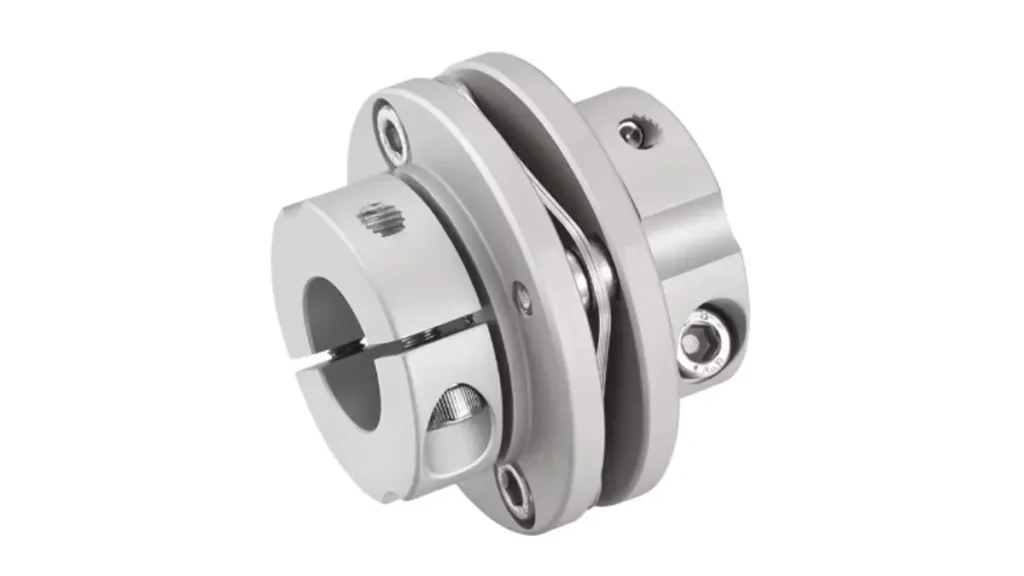
So, what is a flange coupling? You might hear this question when you start working with machines or pipes. In simple terms, a flange coupling is a device that connects two shafts together. Each shaft gets a flange at its end. You secure these flanges with bolts or screws. This setup creates a strong and rigid connection. The main job of a flange coupling is to transmit high torque and force from one shaft to another. You also get precise alignment between the shafts, which helps your equipment run smoothly.
Main Components
You can break down flange couplings into three main parts. Let’s look at each one:
Flanges
The flange is a flat, round disc that you attach to the end of each shaft. Flanges usually have holes around the edge for bolts or screws. When you join two flanges, you create a solid base for the connection. Flanges help keep everything lined up and steady.
Bolts and Screws
Bolts and screws hold the two flanges together. You tighten them to make sure the connection stays strong. The bolts also help squeeze the gasket, which makes the joint even tighter.
Gasket or Seal
A gasket or seal sits between the two flanges. This part fills in any tiny gaps or uneven spots. The gasket keeps fluids or gases from leaking out. It also helps the flange coupling handle high pressure.
How Flange Couplings Work
You might wonder how flange couplings can handle tough jobs. Here’s how they work:
- You attach a flange to each shaft.
- You place a gasket between the flanges.
- You line up the flanges and insert the bolts or screws.
- You tighten the bolts, which presses the flanges and gasket together.
This process creates a tight, leak-proof joint. The bolts squeeze the gasket, so nothing can escape. The flanges carry the load and keep the shafts in line. This design lets flange couplings handle high pressure, heat, and vibration without coming loose.
Tip: Flange couplings are great for jobs where you need a secure, leak-proof connection that can handle a lot of force.
Here’s a quick look at the mechanical principles that make flange couplings so reliable:
| Mechanical Principle | Description |
|---|---|
| Load Carrying | Flanges carry load and keep parts aligned, which is crucial for maintaining structural integrity under pressure. |
| Gasket Functionality | The gasket fills tiny surface gaps to prevent leaks, ensuring a tight seal that can withstand high pressure. |
| Bolt Preload | The tension created in the bolts when tightened generates a compressive force that squeezes the gasket, enhancing the seal’s effectiveness against pressure and vibration. |
Now you know what is a flange coupling, how it works, and why it’s so useful. Flange couplings give you a secure, leak-proof joint that stands up to tough conditions. You see them in many machines and piping systems because they do their job so well.
Types of Flange Couplings
When you look at machines or pipes, you will see different types of flange couplings. Each type has special features and is best for certain jobs. Let’s look at the main types so you can pick the right one.
Unprotected Flange Coupling
You might find unprotected flange couplings where the area is clean and safe. These do not have a cover around the connection. Each shaft connects to the flange’s boss with a counter-sunk key. Bolts hold the flanges together tightly. This design works well if you do not expect dirt or dust to get inside. You can reach these couplings easily for repairs. That makes them good for workshops or factory floors. If you want a simple connection, this type is a good choice.
Protected Flange Coupling
Protected flange couplings give you more safety. You will see a rim or cover around the bolts. This rim keeps the bolts from sticking out and protects them from harm. It also helps stop accidents if someone touches the joint. These are common in busy factories where safety is very important.
Here’s a quick look at the safety benefits you get with protected flange couplings:
| Safety Advantage | Description |
|---|---|
| Prevention of Leaks and System Failures | Flange connections seal well, which stops leaks in dangerous systems. |
| Pressure Handling Capabilities | Made to handle high pressure, so the system stays safe. |
| Use of Gaskets for Secure Seals | Gaskets fill gaps between flanges to stop leaks and make things safer. |
| Compliance with Industry Standards | Following rules makes sure flanges are safe and made well. |
If you work with high pressure or dangerous fluids, you need this type. The extra cover helps keep your system safe and working well.
Marine Flange Coupling
Marine flange couplings are made for ships and boats. You will see these in engine rooms and propeller shafts. Water and salt can cause problems, but these types use materials that do not rust. They also have seals to keep water out. If you need a flange for tough marine jobs, this type is best.
Tip: Always pick the right flange coupling for your job. The right type will help you avoid problems later.
Now you know the main types of flange couplings. Each type does a special job, so think about what you need before you choose.
Rigid vs Flexible Flange Couplings
When you look at flange couplings, you see two main types. These are rigid and flexible. You might wonder which one is right for you. Let’s talk about how they are different.
Rigid flange couplings make a strong connection. You use them when you want the shafts to stay lined up. These couplings do not let the shafts move at all. If your shafts are already lined up, rigid couplings work well. You get a solid link, but you must keep the shafts in place. If the shafts move, the rigid coupling cannot handle it. This can cause extra stress or even damage.
Flexible flange couplings are not the same. You use them when you expect some movement. These couplings can handle small shifts in the shafts. They let the shafts move a little, so you do not need perfect alignment. Flexible couplings also absorb vibration and heat changes. If your system gets hot or cold, the flexible coupling adjusts. This gives your equipment more protection.
Tip: If you want a coupling that handles movement and heat, pick a flexible flange coupling. If you need a strong connection, choose a rigid flange coupling.
Here is a quick comparison to help you decide:
- Rigid couplings do not handle misalignment. You must rely on the shafts or bearings to deal with shifts.
- Flexible couplings can handle misalignment and heat changes. You get more options for different jobs.
- Flexible couplings allow controlled movement. They help with pipe bending and heat expansion.
- Picking between rigid and flexible couplings means you balance alignment and system safety.
You might ask, “How do I pick the right one?” Think about your system. If you have perfect alignment and want strength, rigid is best. If you expect movement or vibration, flexible couplings are easier.
Let’s look at a simple table to compare the two:
| Feature | Rigid Flange Coupling | Flexible Flange Coupling |
|---|---|---|
| Handles Misalignment | No | Yes |
| Absorbs Vibration | No | Yes |
| Allows Movement | No | Yes |
| Best for | Precise Alignment | Versatile Applications |
Both types are useful. You just need to match the coupling to your job. If you choose the right one, your system works well and stays safe.
Advantages of Flange Couplings
Secure Connection
You want your machinery to stay safe and work smoothly. Flange couplings give you a secure connection that keeps everything in place. When you bolt two flanges together, you force them tightly against each other. This process locks the shafts and stops them from moving apart. You get a strong link that can handle heavy loads and resist wear.
Let’s look at why flange couplings are so reliable:
| Evidence Description |
|---|
| Flange couplings are designed to ensure precise alignment between the connected shafts to prevent misalignment issues. |
| Typically made of high-strength materials such as steel, cast iron, or alloy to handle heavy loads and resist wear and tear. |
| The bolts pass through both flanges and are tightened with nuts to secure the connection. The number of bolts depends on the size and load requirements. |
| Both flanges often have keyways or splines to transmit torque effectively and prevent relative motion between the shaft and the flange. |
You also get bolt holes that match up perfectly, so the connection stays tight. Flange couplings use keyways or splines to transmit torque and stop the shafts from slipping. You can trust this setup to keep your equipment running without problems.
Leak-Proof Joint
If you work with fluids or gases, you need a joint that won’t leak. Flange couplings help you create a leak-proof seal. You place a gasket between the flanges. When you tighten the bolts, the gasket fills any tiny gaps. This stops liquids or gases from escaping. You can use flange couplings in piping systems where leaks could cause big trouble.
Tip: Always check the gasket before you bolt the flanges together. A good gasket makes your joint even safer.
Flange couplings handle high pressure and keep everything sealed. You don’t have to worry about leaks, even when your system faces tough conditions.
Easy Disassembly and Maintenance
You want to fix or inspect your equipment without wasting time. Flange couplings make this easy. You can assemble and disassemble them without cutting or damaging parts. The bolts go through holes around the flange, so you can remove them quickly.
Here’s why maintenance is simple with flange couplings:
- Flange connections simplify maintenance and inspection processes.
- You can take apart the components fast for routine upkeep or replacements.
- Easy access reduces downtime and lets you fix wear and tear right away.
- Inspections are straightforward because you can see and touch the flanges without complex steps.
If you need to check your system or replace a part, flange couplings let you do it fast. You save time and keep your machinery working longer.
Note: Flange couplings help you avoid long shutdowns. You can get your system back up and running with less effort.
You get a secure connection, a leak-proof joint, and easy maintenance. Flange couplings make your job easier and your equipment safer.
High Pressure and Vibration Resistance
You want your equipment to handle tough jobs, right? Flange couplings give you that power. These couplings stand up to high pressure and strong vibrations without breaking a sweat. When you use flange couplings, you get peace of mind because your system stays safe, even when things get rough.
Let’s talk about pressure first. Many machines and piping systems deal with fluids or gases that push hard against the joints. If your connection fails, you could face leaks or even dangerous blowouts. Flange couplings are built to handle these challenges. They use strong bolts, thick flanges, and tight gaskets to keep everything sealed. You can trust them in high-pressure jobs.
Check out this table to see how much pressure flange couplings can handle:
| Series | Maximum Operating Pressure | Pressure Range |
|---|---|---|
| Standard-Pressure | 350 bar (5075 PSI) | 35 bar to 350 bar |
| High-Pressure | 420 bar (6090 PSI) | Up to 420 bar |
That’s a lot of pressure! You can use flange couplings in everything from water pipes to oil and gas lines. They work well in factories, ships, and even power plants. You just need to pick the right class for your job.
You also need to think about vibration. Machines shake and move, especially when they run fast or carry heavy loads. If your coupling can’t handle vibration, you might see bolts loosen or parts wear out. Flange couplings are designed to resist these problems. The bolts hold the flanges tight, and the gasket absorbs some of the shock. This means your connection stays strong, even when things get bumpy.
Here’s a quick look at the different pressure classes you might see:
| ASME B16.5 Class | Pressure Rating |
|---|---|
| 150# | Class 150 |
| 300# | Class 300 |
| 400# | Class 400 |
| 600# | Class 600 |
| 900# | Class 900 |
| 1500# | Class 1500 |
| 2500# | Class 2500 |
Tip: Always check the pressure rating before you pick a flange coupling. The right class keeps your system safe and running smoothly.
You don’t have to worry about sudden shocks or pressure spikes. Flange couplings keep everything together, so you avoid leaks and breakdowns. If you want a connection that stands up to high pressure and vibration, flange couplings are a smart choice.
Disadvantages of Flange Couplings
When you look at flange couplings, you see a lot of benefits. Still, you need to know about their drawbacks before you choose them for your project. Let’s break down the main disadvantages so you can make a smart decision.
Size and Weight
Flange couplings are not small or light. You notice their size right away. The flanges are thick and wide, and the bolts add extra bulk. If you work with tight spaces or need to keep your equipment light, flange couplings might cause problems. You may struggle to fit them into compact machinery. Heavy couplings can also put more stress on your shafts and bearings.
Here’s a quick list of issues you might face:
- Flange couplings take up more space than other types.
- Their weight can make handling and installation harder.
- You may need stronger supports or bigger tools.
Note: If you want a lightweight or compact solution, you might need to look at other coupling types.
Installation Complexity
You might think installing a flange coupling is simple, but it’s not always easy. You need to line up the shafts perfectly. If you miss the alignment, your system won’t work right. The rigid design means you can’t adjust much once you bolt everything together. You also have to deal with a lot of parts—flanges, bolts, gaskets, and sometimes seals.
The installation process gets tricky because:
- You must align the shafts with high precision.
- The rigid design can send vibrations straight through the system.
- The heavy mass may require balancing at operating speeds.
- You deal with many bolts and components.
If you rush the job or skip steps, you risk leaks, vibration, or even damage. You need patience and the right tools. Sometimes, you need extra hands to help with the heavy parts.
Tip: Take your time during installation. Double-check the alignment and bolt tightness to avoid problems later.
Limited Flexibility
Flange couplings don’t handle movement well. If your shafts shift or vibrate, the coupling can’t adjust. You need perfect alignment for the best performance. If your system faces shocks or changes in position, flange couplings may not be the best choice.
Check out this table to see the main limitations:
| Limitation | Description |
|---|---|
| Misalignment | Cannot tolerate misalignment between shafts. |
| Shock and Vibration | Not suitable for applications where shocks and vibrations are present. |
You see these limits most in dynamic systems. If your equipment moves or shakes, you might want a more flexible coupling. Flange couplings work best in stable setups where everything stays in place.
Alert: If your system needs to handle misalignment or vibration, consider a flexible coupling instead.
Now you know the main disadvantages of flange couplings. You can weigh these drawbacks against the benefits and pick the right coupling for your needs.
Applications of Flange Couplings
You can find flange couplings in lots of places. They work well for many different jobs. Let’s see where people use them and why they are important.
Machinery Power Transmission
Flange couplings are used in heavy machines. They help move power from one part to another. The power does not slip or break. In factories or plants, you see them on big machines. These machines need to run all day. Here are some places you might find them:
- Heavy-duty pumps that move water or chemicals
- Steam turbines, especially in older systems
- Industrial conveyor systems that carry materials
- High-pressure pump systems in plants
- Power transmission between engines and gearboxes
You also see flange couplings in mining machines and gearboxes. Many factories use them for hard jobs. These couplings help machines run safely and smoothly.
Tip: Flange couplings are a good pick for tough jobs. They are strong and reliable.
Piping Systems
Flange couplings are important in piping systems. You use them to join pipes together. This keeps everything sealed and safe. Here is how they help in these jobs:
- Flanged joints come apart easily for fixing or checking pipes.
- This makes it easy to keep your pipes from leaking.
- Restrained flange couplers stop pipes from slipping or coming apart.
- They hold pipes in place and keep them lined up.
- Flange couplings bring two pipe ends together tightly.
- Bolts and nuts hold the coupling strong, so leaks do not happen.
- Gaskets between the flanges keep the seal tight, even if pressure or temperature changes.
You see these couplings in water plants, oil and gas lines, and chemical factories. They help keep your system working and easy to fix.
Automotive and Marine Uses
Flange couplings are not just for factories. You also find them in cars, trucks, ships, and boats. In cars, they connect the engine and transmission shafts. This helps power move from the engine to the wheels. In ships, flange couplings connect the engine to the propeller shaft. This is important for moving the ship or boat.
Here are some common uses:
- Connecting drivetrain parts in cars and trucks
- Joining the transmission to the driveshaft
- Linking the engine to the propeller shaft on ships
- Power transmission in marine propulsion systems
People pick flange couplings for these jobs because they make a strong link. They help stop breakdowns and keep cars and boats running well.
Note: Flange couplings are trusted in many jobs. They last a long time and keep things safe.
Now you know how flange couplings are used in many places. Whether you work with machines, pipes, cars, or ships, these couplings help you do your job right.
Selecting the Right Flange Coupling
Shaft Size and Alignment
When you pick a flange coupling, check shaft size first. If the size is wrong, the coupling will not fit. Measure the shaft’s diameter and length carefully. Make sure the flanges match these numbers. This step is important for cars, pumps, and ships. Flange couplings connect engine shafts and transmission shafts in vehicles. They also link parts in machines and marine systems.
Alignment is just as important as size. If shafts are not lined up, they wear out faster. Misalignment can make the coupling break. Flange couplings have features to keep shafts straight. One flange sticks out and fits into a recess on the other. This keeps everything in a straight line. You get smooth power transfer and fewer breakdowns.
- Measure shaft diameter and length before picking a coupling.
- Check alignment to stop wear and failure.
- Use couplings with alignment features for better results.
Load and Torque
Think about load and torque when picking a flange coupling. If your system carries heavy loads, choose a coupling that can handle it. The bolts must be strong enough for the job. For example, a bolt stress of 60,000 psi needs a bolt load of 18,120 lbs. A 6-inch class 150 flanged joint has a max bolt torque of 204 ft-lb.
Torque depends on a few things. Friction between threads and nuts changes how much force you need. The k-value changes with bolt material, shape, and temperature. Always check flange rating, bolt size, gasket type, and lubricant before tightening bolts.
- Pick couplings with bolts that match your load needs.
- Think about torque and friction.
- Check flange rating and bolt size for your job.
Environmental Conditions
Do not forget about environmental conditions when picking a flange coupling. Temperature affects how well elastomers move power. High heat can make couplings weaker. If your system gets hot, use couplings that can handle it.
Humidity matters too. Low humidity can make coatings dry up. This can cause static electricity, especially with flammable fluids. In coastal areas, salty air and heat can cause metal couplings to rust. Pick materials that resist rust and tough conditions.
Tip: Always check the environment before picking a coupling. Choose materials and designs that fit your system.
If you follow these steps, your coupling lasts longer and works better. You avoid problems and keep your equipment safe.
Installation and Maintenance Tips
You want your flange coupling to last a long time and work without problems. Good installation and regular maintenance make a big difference. Let’s walk through some simple tips that help you get the best results.
Best Practices for Installation
- Always check the alignment of the shafts before you start. If the shafts are not lined up, the coupling can wear out fast or even break.
- Pick the right gasket for your job. The gasket keeps leaks away, so make sure it fits well and matches your system’s needs.
- Clean the flange faces and bolts. Dirt or rust can cause leaks or weak spots. Use a clean cloth to wipe everything down.
- Use new gaskets every time you install or reassemble a flange coupling. Old gaskets can crack or leak.
- Tighten the bolts in a cross-pattern. This means you tighten one bolt, then move to the bolt across from it, and keep going in a star shape. This helps the gasket seal evenly.
- Use a calibrated torque wrench. This tool helps you tighten the bolts to the right level. Too loose or too tight can both cause problems.
- Make sure the flanges have good support. If they hang or twist, the connection can fail.
Tip: Careful planning and the right materials make installation easier and safer.
Maintenance Steps for Long Life
- Check the bolts often. Bolts can loosen over time, especially if your system vibrates a lot. Tighten them if needed.
- Look for signs of leaks or corrosion. If you see rust, stains, or drips, fix the problem right away.
- Clean the flanges and bolts during routine checks. Remove any dirt, oil, or chemicals that could cause damage.
- Inspect the gasket for wear. If you see cracks or hard spots, replace the gasket before it fails.
- Watch for any misalignment. If the shafts move out of line, realign them to prevent extra stress on the coupling.
Here’s a quick checklist you can follow:
- Check shaft alignment
- Clean all surfaces
- Use new gaskets
- Tighten bolts in a cross-pattern
- Use a torque wrench
- Inspect for leaks and corrosion
- Check bolt tightness
- Replace worn gaskets
Note: Regular checks and quick fixes help you avoid big problems later. If you’re not sure about something, ask a professional for help.
By following these tips, you keep your flange coupling strong and safe. You save time, money, and avoid sudden breakdowns. Good installation and maintenance keep your system running smoothly every day.
Flange Coupling vs Other Coupling Types
Flange vs Sleeve Coupling
You might wonder how a flange compares to a sleeve when you need to connect shafts. Both types help you join parts, but they work in different ways. A flange uses bolts and a gasket to create a strong joint. You see this type in places where you need high strength and a tight seal. A sleeve, on the other hand, slides over the shafts and holds them together with a simple design.
Let’s look at how these two stack up:
| Feature | Flange Coupling | Sleeve Coupling |
|---|---|---|
| Mechanical Strength | High strength connection for demanding jobs | Simpler design for less demanding tasks |
| Application Range | Great for high-torque and high-pressure systems | Best for simple, aligned setups |
If you work with heavy machinery or need to handle high pressure, you should pick a flange. It gives you a secure connection that won’t let you down. A sleeve works well for smaller jobs where the shafts stay lined up and you don’t need as much force.
Tip: Choose a flange when you need strength and reliability. Go with a sleeve for easy jobs that don’t need a lot of power.
Flange vs Flexible Coupling
Sometimes your system shakes or moves. You need to decide if a flange or a flexible coupling fits best. A flange gives you a rigid joint. It keeps everything lined up and doesn’t allow movement. This works well when your shafts stay still and you want a solid link.
A flexible coupling lets the shafts move a bit. It absorbs vibration and noise. You can use it when your system faces changes in temperature or needs to bend. Flexible couplings also make installation quick and easy.
Here’s a table to help you compare:
| Advantages of Flexible Grooved Couplings | Disadvantages of Flexible Grooved Couplings |
|---|---|
| Thermal Expansion Absorption | Limited Pressure Rating |
| Vibration and Noise Damping | Not Suitable for Rigid Support Requirements |
| Quick and Easy Installation | Higher Initial Component Cost |
| Allows Angular Deflection and Misalignment | |
| Leak-Proof Sealing | |
| Maintenance-Friendly |
If you expect vibration or need to handle misalignment, a flexible coupling is a smart choice. It keeps your system safe and reduces wear. If you want a joint that stays rigid and handles high pressure, stick with a flange.
Note: Think about your system’s needs. If you want flexibility and easy maintenance, go with a flexible coupling. If you need a strong, tight joint, a flange is your best bet.
Conclusion
You now know a lot about flange couplings. Here’s a simple summary:
| Key Point | Description |
|---|---|
| Definition | Flange couplings join two shafts for strong power transfer. |
| Types | You can pick protected, unprotected, or marine flange couplings. |
| Advantages | Flange couplings are strong, easy to install, and good for tough jobs. |
Flange couplings are used in many machines and pipes. Choosing the right flange coupling keeps your equipment safe and working well. You get better results if you ask experts for help:
- You learn about materials and rules.
- You find out how to install flange couplings correctly.
- You stop leaks and problems.
As a flange coupling manufacturer, we produce flange couplings for different industrial applications and can help you choose the right type for your system. Contact us for more product details, custom options, or technical support.
FAQ
What is the main purpose of a flange coupling?
You use a flange coupling to connect two shafts. This lets power move from one machine part to another. It keeps everything lined up and secure.
Can you reuse a flange coupling gasket?
You should not reuse a gasket. Always use a new gasket when you put the flanges back together. This helps stop leaks and keeps your system safe.
How do you know if a flange coupling is tight enough?
Use a torque wrench to tighten the bolts. Check the manufacturer’s instructions for the right torque. If you see leaks or loose bolts, tighten them again.
Where do you usually see flange couplings?
You find flange couplings in factories, water plants, cars, and ships. They work well in machines, piping systems, and power transmission setups.
What materials are flange couplings made from?
Most flange couplings use steel, cast iron, or special alloys. These materials handle high pressure and last a long time.
Do flange couplings need regular maintenance?
Yes! You should check the bolts, gasket, and alignment often. Clean off dirt and rust. Replace worn parts to keep everything working well.
Can flange couplings handle misalignment?
Rigid flange couplings need perfect alignment. Flexible flange couplings can handle small shifts or vibration. Pick the right type for your setup.
How do you pick the right flange coupling size?
Measure your shaft’s diameter and length. Check the load and torque your system needs. Match these numbers to the coupling’s specs for a good fit.