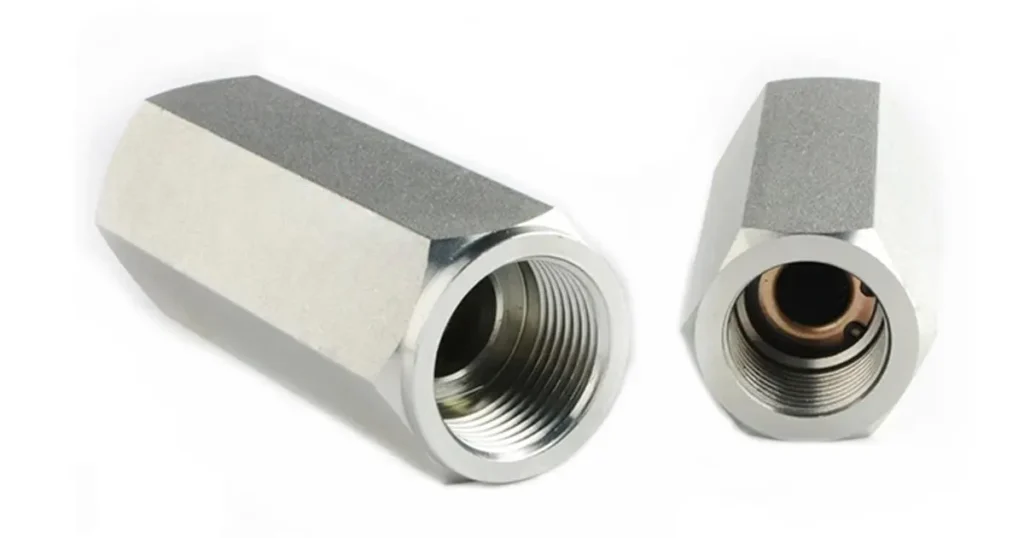
A check valve, which is a simple tool that lets fluid move one way, is essential for understanding what is a check valve. Its main job is to stop backflow, helping you avoid damage or contamination in your system.
Definition Box:
A check valve, or what is a check valve, lets flow go one way and blocks it the other way. This keeps your equipment safe and your process smooth.
You can find check valves in almost every factory or plant. They help stop expensive repairs, protect equipment from getting damaged, and keep your system working well. If you want your system to work right, you need a good check valve.
- Check valves stop backflow. Backflow can waste energy and wear out equipment.
- They work as one-way gates to stop contamination and keep your system safe.
- Without check valves, or understanding what is a check valve, your equipment can get damaged, and you may also pay more for repairs.
Key Takeaways
- A check valve lets fluid move in only one way. It stops backflow and keeps your system safe.
- Backflow can hurt your system and make it dirty. Using a check valve helps you avoid expensive fixes.
- Check valves work by themselves when fluid moves. You do not need to control them by hand.
- There are different check valves like ball, poppet, and swing. Each type is used for different jobs and needs.
- Picking the right check valve means looking at pressure, flow, and how it connects.
- It is important to install the check valve the right way. Always follow the arrow on the valve for flow direction.
- Cleaning and checking your check valve often helps it last longer.
- Many industries use check valves, like water treatment, oil and gas, and food processing.
What Is a Check Valve?
Simple Definition
If you have ever wondered what is a check valve, you are not alone. A check valve is a device that lets fluid—like water, oil, or gas—move in only one direction. You might also hear people call it a non-return valve or a one-way valve. When you use a check valve, you make sure that whatever flows through your pipes cannot turn around and go backward. This simple tool keeps your system safe and running smoothly.
Main Function
The main function of a check valve is to stop backflow. Backflow happens when fluid tries to move in the wrong direction. If you do not have a check valve, backflow can damage your pumps, mix clean and dirty fluids, or even cause safety problems. When you ask what is a check valve, you are really asking how you can protect your equipment and keep your process safe. In many industries, like oilfields or water treatment plants, check valves play a big role in keeping everything working as it should. They let fluid move forward but block it from coming back.
Note:
Check valves, also called non-return valves, are designed to let fluid flow in one direction only. They prevent reverse flow and help keep your system safe and efficient.
Two-Port, One-Way Valve
A check valve has two ports—one for fluid to enter and one for fluid to exit. You can think of it as a one-way gate. Fluid pushes through the valve in the right direction, but if it tries to go back, the valve closes and blocks the way. This is what makes a check valve different from other valves that you might open or close by hand. A check valve works automatically, using the pressure of the fluid itself.
Here is a quick look at how a check valve compares to other valves:
| Feature | Check Valve |
|---|---|
| Type | Two-port, one-way valve |
| Function | Allows fluid flow in one direction |
| Backflow Prevention | Yes |
| Operation | Operated by pressure differential |
| Cracking Pressure | Minimum upstream pressure required |
When you choose a check valve, you follow international standards like ISO, ANSI, or API. These standards make sure your check valve is safe, reliable, and fits with other parts of your system. They also help you trade and use check valves around the world without worry.
- Check valves allow fluid to flow in one direction while stopping reverse flow.
- They are critical for safety in many industries, including oilfields and water treatment.
- You will find check valves in places where you need to protect equipment and keep your process clean.
If you ever need to answer what is a check valve, just remember: it is a simple, automatic device that keeps things moving the right way and stops trouble before it starts.
Definition Box: Quick Summary
Quick Summary:
You can think of a check valve as a one-way door for fluids. This simple device lets water, oil, or gas move forward but stops it from turning around and going back. When you add a check valve to your system, you protect your equipment from damage and keep everything running smoothly.A check valve works automatically. You do not need to flip a switch or turn a handle. The flow itself opens and closes the valve. If the flow tries to reverse, the check valve shuts tight and blocks the way. This keeps your process safe and helps you avoid costly problems.
How Does a Check Valve Work?
Working Principle
When you look at a check valve, you see a simple device with two ports—one for fluid to enter and one for it to exit. Inside, there is a moveable part, like a ball or a disc, that acts as a gate. The magic happens when water or another fluid pushes against this gate. If the pressure from the incoming side is strong enough, it opens the valve. This minimum pressure is called the cracking pressure. Once the fluid moves through, the valve stays open as long as the pressure keeps up.
- The check valve opens when the pressure on the inlet side is higher than the outlet.
- If the pressure drops or tries to reverse, the moveable part snaps shut.
- This action stops water or other fluids from flowing backward.
- You do not need to do anything—the valve works on its own.
This simple design helps you avoid backflow and keeps your system safe from contamination.
Flow Direction and Backflow Prevention
You want your system to move water or oil in just one direction. That is where the check valve shines. It acts like a one-way door. When fluid flows the right way, the valve opens. If the flow tries to reverse, the valve closes tight. This is how you get reliable backflow prevention.
Here is a quick look at how the process works:
| Step | Description |
|---|---|
| 1 | Fluid flows in the intended direction, creating pressure against the valve’s internal mechanism. |
| 2 | The valve opens when the inlet pressure exceeds the cracking pressure. |
| 3 | As long as forward pressure is maintained, the valve remains open, allowing fluid to pass through. |
| 4 | If forward flow stops or reverses, the pressure differential changes, causing the valve to close automatically. |
| 5 | The closure prevents backflow, protecting the system from potential damage. |
You can see why preventing backflow is so important. If water or oil moves the wrong way, it can cause contamination or even damage your equipment. The check valve steps in to stop these problems before they start.
Automatic Operation
You do not have to flip a switch or turn a handle to use a check valve. It works automatically. The pressure of the fluid does all the work. When the pressure is right, the valve opens. If the pressure drops or reverses, the valve closes. Many check valves use a spring to help the moveable part close quickly. This fast action helps with backflow prevention and keeps your system running smoothly.
- No manual control needed
- Opens and closes based on fluid pressure
- Spring or gravity can help the valve close faster
With a check valve, you get peace of mind. You know your water or oil will only move in the direction you want. You also know you are protecting your system from backflow and contamination without any extra effort.
Check Valve Parts
Body
When you look at a check valve, the first thing you notice is the body. This part forms the main structure of the valve. It holds everything together and keeps the valve strong under pressure. The body also provides a sealing surface that blocks reverse flow. You want a sturdy body because it protects your system from leaks and keeps water moving in the right direction. Most bodies are made from metal or tough plastic, so they can handle high pressure and rough conditions.
Here’s a quick table showing the main parts and what they do:
| Component | Description |
|---|---|
| Valve Body and Seat | Forms the primary structure, withstands pressure, and provides sealing surface for blocking reverse flow. |
| Disk or Poppet Mechanism | Movable component that opens and closes to control flow direction, responding to pressure changes. |
| Spring Mechanism | Assists in closing the valve when flow stops, ensuring rapid closure and maintaining sealing pressure. |
Internal Element (Disc, Ball, Poppet)
Inside the body, you find the internal element. This part does the real work. It moves to let water flow one way and shuts tight to prevent backflow. You might see different types of internal elements, like discs, balls, or poppets.
- Discs: In swing check valves, the disc swings on a hinge. It opens when water flows forward and closes when flow stops or reverses. This design gives you reliable performance and helps reduce pressure drop.
- Balls: Ball check valves use a round ball that rolls into place. When water flows forward, the ball moves away from the seat. If flow tries to reverse, the ball returns and seals the opening, stopping backflow and preventing contamination.
- Poppets: Lift check valves use a poppet that moves up and down. The poppet lifts when water flows forward and drops back to seal the valve when flow stops. This vertical movement keeps the seal tight and helps with preventing backflow.
You want the right internal element for your system. Each type offers different benefits, like tight sealing or quick response. Choosing the right one helps you protect your equipment and keep your water clean.
Spring (If Present)
Some check valves include a spring. The spring sits behind the internal element and helps it close faster when flow stops. You get rapid closure, which is important for preventing backflow and avoiding water hammer. Water hammer happens when sudden changes in flow create shock waves that can damage pipes and equipment. The spring also keeps the valve sealed, even if the pressure drops. Not every check valve has a spring, but when it does, you get extra protection for your system.
Tip:
If you want to prevent backflow and protect your equipment, look for a check valve with a spring. It helps keep your water moving in the right direction and stops contamination before it starts.
You can see how each part works together. The body gives strength, the internal element controls flow, and the spring adds speed and sealing power. When you choose a check valve, you make sure your system stays safe and your water flows smoothly.
Sealing Surfaces
When you look inside a check valve, you notice the sealing surfaces. These surfaces play a big role in keeping your system safe. They make sure water flows in the right direction and stop leaks. You want tight sealing surfaces because they help with preventing backflow. If the seal is weak, water can sneak through and cause backflow. That can lead to contamination or damage your equipment.
The sealing surfaces sit where the internal element meets the valve body. When the valve closes, the disc, ball, or poppet presses against the seat. This contact creates a seal that blocks water from moving backward. You get a strong seal when the surfaces are smooth and clean. Sometimes, manufacturers use special materials like rubber or metal to improve the seal. These materials resist wear and keep the valve working longer.
Here’s a quick list of what makes a good sealing surface:
- Smooth finish to stop leaks
- Durable material to handle high pressure
- Resistant to corrosion and wear
- Easy to clean for better performance
If you want your check valve to last, pay attention to the sealing surfaces. Clean them regularly and check for signs of wear. A strong seal keeps your water clean and protects your system from contamination.
Tip:
Always inspect the sealing surfaces during maintenance. A small scratch or buildup can weaken the seal and let water leak backward.
Flow Path
The flow path inside a check valve guides water from the inlet to the outlet. You want a clear and direct path so water moves easily. If the flow path twists or turns too much, it can slow down the water and create pressure drops. That makes your system work harder and wastes energy.
When water enters the valve, it pushes against the internal element. If the pressure is high enough, the element moves and opens the path. Water flows through the valve and exits on the other side. If the flow tries to reverse, the internal element snaps shut and blocks the path. This action stops backflow and keeps your system safe.
You can see how the flow path affects performance. A straight path lets water move fast and reduces wear on the valve. Some check valves use special designs to improve flow and prevent turbulence. You get better efficiency and less risk of damage.
Here’s a simple table showing how the flow path impacts your system:
| Flow Path Feature | Benefit |
|---|---|
| Straight design | Faster water movement |
| Smooth surfaces | Less friction and wear |
| Wide opening | Higher flow rate |
| Minimal bends | Lower pressure drop |
If you want to protect your equipment and avoid contamination, choose a check valve with a clear flow path. Keep the path clean and free from debris. That way, water moves smoothly, and you reduce the risk of backflow.
Note:
A well-designed flow path helps your check valve work better and keeps your water safe.
Check Valve Types
Ball Type
You might see a ball type check valve in places where you need simple, reliable flow control. This valve uses a round ball inside the body. When water flows in the right direction, the ball lifts off its seat and lets the water pass. If the flow tries to reverse, the ball rolls back and seals the opening. You get excellent flow when the valve is open, and the ball closes quickly to stop backflow.
- Ball check valves work well with dirty fluids because the ball can handle small bits of debris.
- You can use them in wastewater systems, sump pumps, and irrigation lines.
- Maintenance is easy. The ball moves freely and rarely gets stuck.
Here’s a quick look at how the ball type works:
| Feature | Description |
|---|---|
| Closing Mechanism | Ball rolls into seat to block flow |
| Flow Direction | One-way, automatic |
| Best Use | Dirty water, simple systems |
Tip:
If you want a check valve that handles dirty water and needs little maintenance, the ball type is a smart choice.
Poppet Type
The poppet type check valve uses a poppet, which is a small plug or disc that moves up and down inside the valve. When water flows forward, the poppet lifts and opens the path. If the flow stops or tries to reverse, the poppet drops back onto its seat and seals the valve.
- Poppet check valves close quickly, which helps prevent water hammer.
- You often find them in hydraulic systems and places where you need fast response.
- The poppet gives you a tight seal, so you avoid leaks.
| Feature | Description |
|---|---|
| Closing Mechanism | Poppet lifts and drops to seal |
| Flow Direction | One-way, automatic |
| Best Use | Hydraulic circuits, clean water |
Note:
Poppet check valves work best when you need a quick shut-off and a strong seal.
Swing Type
Swing check valves use a disc that swings on a hinge inside the body. When water flows forward, the disc swings open and lets the water pass. If the flow stops or tries to go backward, the disc swings shut and blocks the way.
- Swing check valves are economical and easy to install.
- You see them in water treatment plants, pump systems, and pipelines.
- They work well in systems with low pressure surges.
| Feature | Description |
|---|---|
| Closing Mechanism | Disc swings shut on hinge |
| Flow Direction | One-way, automatic |
| Best Use | Water pipelines, pump protection |
Alert:
Swing check valves can slam shut if the flow reverses quickly. This slamming can cause noise or even damage pipes.
You can see that each check valve type has its own way of stopping backflow and keeping water moving in the right direction. Ball, poppet, and swing types all work automatically, but their mechanisms and best uses are different. If you choose the right type for your system, you protect your equipment and keep your process running smoothly.
Lift Type
You might see a lift type check valve in places where you need strong sealing and smooth flow. This valve uses a disc that moves up and down inside the body. When water flows in the right direction, the pressure lifts the disc off its seat. This lets the water pass through. If the flow stops or tries to reverse, the disc drops back down and seals the opening.
Lift type check valves work well in horizontal pipelines. You often find them in boiler feed systems and high-pressure water lines. The design gives you a tight seal, so you do not have to worry about leaks. You get reliable protection from backflow, which keeps your equipment safe.
Here are some quick facts about lift type check valves:
- The disc moves straight up and down.
- You get a strong seal when the valve closes.
- These valves work best with clean water or fluids.
Tip:
If you want a check valve for high-pressure water systems, the lift type is a smart choice.
Dual Plate Type
The dual plate type check valve looks a bit different from other types. Inside, you find two spring-loaded plates that swing open when water flows forward. When the flow stops or tries to go backward, the plates snap shut together. This action blocks the flow and protects your system.
You get a compact and lightweight design with dual plate check valves. They fit well in tight spaces and work in both horizontal and vertical pipes. Many people use them in large pipelines, cooling towers, and water distribution systems.
Here’s a table to help you remember the key points:
| Feature | Description |
|---|---|
| Plates | Two spring-loaded plates |
| Best Use | Large pipelines, cooling towers |
| Benefit | Compact, quick closing |
Note:
Dual plate check valves help reduce water hammer, which can damage pipes and equipment.
Hydraulic Check Valve
A hydraulic check valve is made for hydraulic systems. You use it to control the flow of oil or other fluids under pressure. When the fluid moves in the right direction, the valve opens. If the flow tries to reverse, the valve closes and stops it.
Hydraulic check valves give you precise control. You find them in machines like excavators, presses, and lifts. These valves help you keep the system safe and prevent damage from sudden pressure changes.
- You get automatic operation with no need for manual control.
- The valve responds quickly to changes in pressure.
- It helps you keep your hydraulic system running smoothly.
Alert:
Always choose the right hydraulic check valve for your system. The wrong size or type can cause leaks or reduce performance.
Comparison Table: Types, Operation, Pros, Cons, Applications
Choosing the right check valve can feel tricky. You want to make sure your system stays safe from backflow and works smoothly. Let’s break down the most common types so you can see which one fits your needs best. Here’s a handy table that compares each type, how it works, what’s good and not-so-good about it, and where you’ll usually find it.
| Type | Operation | Pros | Cons | Typical Applications |
|---|---|---|---|---|
| Ball | Ball moves to open/close | Handles dirty water, simple | Can clog with large debris | Wastewater, sump pumps, irrigation |
| Poppet | Poppet lifts/drops | Quick closing, tight seal | Not for dirty fluids | Hydraulic circuits, clean water |
| Swing | Disc swings on hinge | Easy to install, low cost | Can slam shut, noisy | Water pipelines, pump protection |
| Lift | Disc lifts up/down | Strong seal, good for pressure | Needs horizontal pipe | Boiler feed, high-pressure water |
| Dual Plate | Plates swing together | Compact, reduces water hammer | May need maintenance | Large pipelines, cooling towers |
| Hydraulic | Internal element moves | Precise control, fast response | Needs correct sizing | Excavators, presses, lifts |
Tip:
If you deal with dirty water, ball check valves are your friend. For clean water and fast response, poppet or lift types work well.
Let’s look at some quick points to help you decide:
- Ball check valves handle water with debris. You won’t worry about clogging unless the debris is too big.
- Poppet valves close fast. You get a tight seal, which helps stop backflow.
- Swing valves are easy to use. They can be noisy if water flow reverses quickly.
- Lift valves give you a strong seal. You need to install them in horizontal pipes.
- Dual plate valves are compact. They help reduce water hammer, which protects your pipes.
- Hydraulic check valves are made for machines. You get precise control in systems with oil or other fluids.
Note:
Always match the check valve to your system’s needs. Think about the type of water, the pressure, and how much maintenance you want to do.
You can see that each check valve has its own strengths. If you want to protect your equipment from backflow, pick the type that fits your water system best. The right choice keeps your process safe and helps you avoid costly repairs.
Prevent Backflow in Hydraulic Systems
Role in Hydraulic Circuits
Hydraulic circuits help move heavy things and control machines. They keep everything working well. To make sure your system works, you must stop backflow. A check valve helps with this job. It acts like a guard for your system. Fluid can move forward, but it cannot go back. You do not need to press any buttons or flip switches. The valve opens when pressure pushes it. If the flow tries to go backward, the valve closes.
Check valves are the main part of most backflow prevention systems. These spring-loaded devices open when forward pressure is stronger than the spring. They close by themselves if the flow stops or reverses. The spring is set to work at certain pressures, usually between 1 and 5 PSI, depending on what you need.
Check valves give you good protection in hydraulic circuits. They keep pumps safe and stop dirty fluid from mixing with clean fluid. You can trust them to work without extra effort.
Typical Applications
You find check valves in many hydraulic and industrial systems. They help water, oil, and other fluids move the right way. Here are some places where you see them:
- Hydraulic cylinders
- Lifting equipment
- Construction machinery
- Clamping systems
- Hydraulic presses
- Load holding circuits
- Mobile hydraulic equipment
You also see them in pump systems, aircraft hydraulic systems, irrigation systems, and fuel pump systems. These valves help keep machines safe and your process clean.
System Protection and Pressure Maintenance
You want your equipment to last and your system to stay safe. Check valves help you do this. They stop backflow, which can hurt pumps and make your supply dirty. If backflow happens, pump impellers can spin the wrong way and break. Treated water might mix with untreated water, which is bad for your process.
- Stop backflow, which can hurt pumps and make your supply dirty.
- Protect equipment from surges or water hammer.
- Make tight seals to stop leaks, which is important for safety and the environment.
Check valves are very important in industrial systems. They stop backflow, which helps keep pressure and flow steady. This is extra important in the oil and gas industry. There, they protect pumps and compressors, making sure everything works well and stays safe.
You feel better knowing your water is clean and your machines are safe. The valve keeps pressure steady and stops sudden surges. You save money on repairs and keep your system working without problems.
Industrial Use Cases
You see check valves working hard in many industries every day. These small devices play a big role in keeping your systems safe and your process running smoothly. Let’s look at some common places where you’ll find them in action.
1. Water Treatment Plants
You want clean water for your city or business. In water treatment plants, check valves stop dirty water from mixing with treated water. They keep the flow moving in the right direction. If a pump shuts off or a pipe bursts, the valve closes and blocks backflow. This helps you avoid contamination and keeps your supply safe.
2. Oil and Gas Industry
You need to move oil and gas safely. Check valves protect pumps and compressors from sudden pressure changes. They stop oil from flowing backward, which can damage expensive equipment. You also see them in pipelines, where they help control the flow and prevent leaks.
3. Chemical Processing
You work with chemicals that can be dangerous if mixed the wrong way. Check valves make sure each chemical stays in its own line. If pressure drops or a pump fails, the valve closes and stops backflow. This keeps your process safe and prevents accidents.
4. Fire Protection Systems
You want your fire sprinklers to work when you need them. Check valves keep water ready in the pipes. They stop water from draining out or flowing the wrong way. When a fire starts, the system delivers water fast because the check valve held it in place.
5. Food and Beverage Plants
You care about clean and safe products. In these plants, check valves keep water and other fluids moving in the right direction. They stop backflow that could mix clean and dirty fluids. This helps you meet health standards and protect your customers.
Here’s a quick table showing where you might use check valves:
| Industry | Why Use a Check Valve? |
|---|---|
| Water Treatment | Prevents contamination |
| Oil & Gas | Protects pumps, stops reverse flow |
| Chemical Processing | Avoids dangerous mixing |
| Fire Protection | Keeps water ready for emergencies |
| Food & Beverage | Maintains product safety |
Tip:
If you want to keep your system safe and avoid costly repairs, always use the right check valve for your industry.
You can see that check valves help you control water, oil, and chemicals in many ways. They stop backflow, protect your equipment, and keep your process safe. When you choose the right valve, you get peace of mind and a system that works the way you want.
Choosing a Check Valve
Selection Criteria
When you pick a check valve for your system, you want to make sure it fits your needs. You don’t want to guess and hope for the best. You can look at several important criteria to help you decide.
Pressure Rating
You need to check the pressure rating. Make sure the valve can handle both normal and peak pressures. If the pressure gets too high, the valve might leak or break.
Flow Rate
Think about how much water will move through your pipes. If the flow rate is too high for the valve, you might see pressure drops or slowdowns. Match the valve size to your system’s flow.
Connection Type
You want the valve to fit your pipes. Check if you need threaded, flanged, or welded connections. Picking the right connection type makes installation easier.
Material
Choose a material that works with your fluid and environment. If you use water, stainless steel or brass often works well. For chemicals, you might need special plastics or alloys.
Cracking Pressure
Cracking pressure is the minimum pressure needed to open the valve. Pick a value that matches your system. If it’s too high, the valve won’t open when you need it.
Medium
Look at what flows through your pipes. Is it water, oil, or gas? Make sure the valve can handle your medium without corroding or breaking down.
Temperature
Check the temperature range. Some valves work well with hot water, while others handle cold fluids. If your system gets very hot or cold, pick a valve that can handle it.
Installation Direction
You want to install the valve in the right direction. Most valves have arrows showing the flow. If you install it backward, you risk backflow and system failure.
Tip:
Always check the manufacturer’s specs before you buy. You save time and avoid mistakes.
Selection Table: Key Parameters
Here’s a quick table to help you compare key parameters when choosing a check valve:
| Parameter | What to Look For |
|---|---|
| Pressure Rating | Matches system’s max pressure |
| Flow Rate | Fits your water flow needs |
| Connection Type | Compatible with pipe fittings |
| Material | Resists corrosion and wear |
| Cracking Pressure | Suits your system’s operation |
| Medium | Handles water, oil, or gas |
| Temperature | Works in your temperature range |
| Installation | Correct direction for flow |
Sizing and Specification Tips
You want your system to run smoothly. Here are some tips to help you size and specify your check valve:
- Check working pressure. Make sure the valve can handle both normal and peak pressures.
- Confirm flow rate. Match the valve size to your water flow to avoid slowdowns.
- Choose the right cracking pressure. Pick a value that fits your system’s needs.
- Match the connection type. Make installation easy by picking the right fit.
- Check installation direction. Follow the arrows on the valve to prevent backflow.
- Select the right material and seal. Make sure your valve works with your fluid and environment.
If you follow these tips, you protect your equipment and keep your water moving in the right direction. You also avoid costly repairs and downtime.
Note:
You can find poppet-type valves for high-pressure circuits, in-line valves for simple setups, and pilot-operated valves for load holding. Pick the type that fits your job.
Check Valve Installation
Correct Installation Steps
You want your check valve to work right from the start. If you follow the right steps, you can avoid leaks and keep your system safe. Here’s a simple guide to help you install it:
- Turn off the water or fluid supply where you plan to work. Open any downstream faucets or drains to let out leftover pressure and fluid.
- Find the flow arrow on the valve body. This arrow shows you which way the fluid should go. Make sure you point it in the right direction.
- Measure and cut your pipe so the valve fits perfectly. Try to make your cuts clean and straight.
- Dry-fit the check valve between the pipe ends. Check that everything lines up and the spacing looks good.
- Use primer and cement if you’re working with plastic pipes. Apply them to the pipe and valve socket, then push the pipe into the valve.
- Wait for the cement to cure. Once it’s ready, turn the water back on and check for leaks.
Tip:
Always read the manufacturer’s instructions before you start. Each valve might have small differences.
Flow Direction Markings
You’ll see a symbol or an arrow on your check valve. This marking tells you which way the fluid should flow. If you install the valve backward, it can block the flow and cause backflow problems. You might even damage your system or waste time fixing mistakes. Always double-check the arrow before you finish the job. When you understand these markings, you help your system run smoothly and avoid costly repairs.
Common Mistakes
Even if you’ve installed valves before, it’s easy to make mistakes. Here are some common errors and how you can avoid them:
- Weak Pipe Support: Make sure you support the pipes near the valve. If you don’t, the valve can get damaged from too much weight or movement.
- Bad Alignment: Line up the valve and pipes carefully. If things are crooked, the valve might wear out faster or not seal right.
- Wrong Direction: Always check the flow arrow. If you put the valve in backward, it won’t stop backflow.
- Wrong Size or Type: Pick the right size and type for your job. If you guess, you might end up with leaks or poor performance.
- Loose Bolts: Tighten bolts with the right tool and follow the instructions. If bolts are too loose or too tight, you could get leaks or break the valve.
Alert:
Take your time during installation. A few extra minutes now can save you hours of repairs later.
If you follow these tips, you’ll have a check valve that works well and keeps your system safe.
Check Valve Problems and Maintenance
Common Issues
You might run into problems with your check valve if you use it every day. Sometimes, things go wrong and you need to fix them fast. Here’s a table that shows the most common issues you could face:
| Problem Type | Description |
|---|---|
| Valve Sticking Open | Stops reverse flow, messes up pressure, and can damage equipment upstream. |
| Valve Sticking Closed | Blocks steam flow, shuts down heating, or interrupts manufacturing. |
| Water Hammer Damage | Makes loud banging noises and strong vibrations when pressure changes suddenly. |
| Internal or External Leakage | Lets steam flow backward inside or leaks around the valve body. |
You might hear strange noises or see leaks. Sometimes, the valve won’t open or close like it should. These problems can cause backflow, which puts your whole system at risk.
Troubleshooting
You can spot trouble with your check valve if you pay attention to the signs. Look for sticking, leaking, loud banging, or weird pressure changes. Here’s what you can do:
- Check for debris or worn parts if the valve sticks. Corroded elastomers can also cause sticking.
- Inspect seat seals and the housing if you see leaks. Debris might stop the valve from closing tight.
- Watch for unusual pressure changes. Make sure nothing blocks the flow and check fluid pressure levels.
If you notice any of these symptoms, act quickly. You can prevent bigger problems by fixing small issues right away.
Tip:
Keep a log of any noises, leaks, or changes in your system. This helps you spot patterns and fix problems faster.
Preventive Maintenance
You can make your check valve last longer if you take care of it. Here’s a list of things you should do:
- Install the valve properly. Make sure you pick the right size so you avoid vibration damage.
- Keep everything clean. Remove debris and stop contamination from getting into the pipeline or valve.
- Stick to a regular maintenance schedule. Clean and inspect the valve often to prevent leaks and keep it reliable.
You can also follow these steps to keep your valve in top shape:
- Set up a routine for cleaning and checking the valve.
- Choose the right valve size and type for your job.
- Inspect seals and parts to make sure everything fits tight.
If you follow these tips, you keep your system safe and avoid costly repairs. You also stop backflow before it starts, which protects your equipment and keeps your process running smoothly.
Alert:
Don’t wait for problems to get worse. Regular maintenance saves you time and money.
Conclusion
A check valve works like a one-way door. It allows fluid to move in the correct direction while preventing reverse flow. Choosing the right valve, installing it correctly, and keeping the system clean can help reduce leakage, maintain stable pressure, and extend the service life of both the valve and the hydraulic system.
Proper sizing is also important. Checking the flow capacity, pressure rating, connection type, cracking pressure, and working conditions before installation can help prevent excessive pressure loss, unstable operation, and premature wear.
Chenyang Hydraulic is a professional hydraulic check valve manufacturer in China. We manufacture inline, pilot-operated, spring-loaded, ball, poppet, and cartridge check valves for different hydraulic applications. We can also provide custom solutions based on your required pressure, flow rate, connection type, material, drawings, or samples.
FAQ
What does a check valve do?
You use a check valve to let fluid flow in one direction. It stops fluid from moving backward. This keeps your system safe and prevents damage.
Where should you install a check valve?
You install a check valve where you want to prevent backflow. Common spots include pump outlets, water lines, and hydraulic circuits. Always follow the flow arrow on the valve.
How do you know if a check valve is working?
You can check for leaks or listen for strange noises. If fluid flows only one way and you see no backflow, your check valve works.
Can a check valve fail?
Yes, a check valve can fail. Dirt, debris, or worn parts can cause sticking or leaks. Regular maintenance helps you catch problems early.
What is cracking pressure?
Cracking pressure is the minimum pressure needed to open the check valve. You want to match this value to your system so the valve opens when you need it.
Do check valves need maintenance?
You should clean and inspect your check valve regularly. Remove debris and check seals. This keeps your valve working and prevents leaks.