
You might wonder what sets NPT vs BSP Threads apart when it comes to hydraulic valves. The answer matters more than you might think. Picking the right thread keeps your system safe, stops leaks, and makes sure everything fits together. If you want to avoid costly mistakes, understanding these differences is key. Whether you work with hydraulic systems every day or you love tackling advanced DIY projects, you’ll find practical tips here to help you get it right.
Key Takeaways
- NPT threads are shaped like a cone. They make a tight seal without needing extra washers. This is good for high-pressure systems.
- BSP threads have two types. BSPP is straight, and BSPT is tapered. BSPP needs a washer or O-ring to seal.
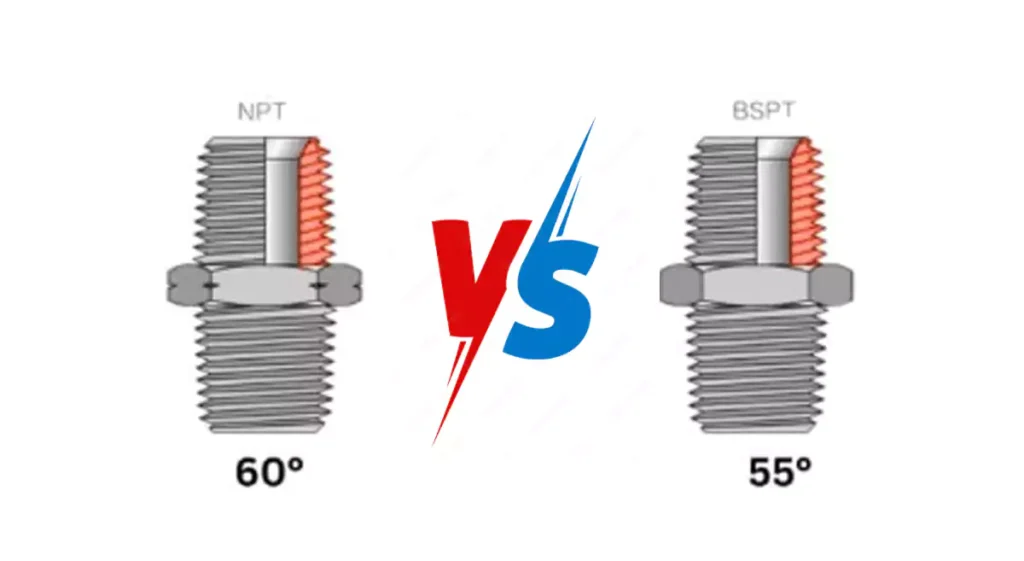
- Always check the thread angle. NPT has a 60-degree angle. BSP has a 55-degree angle. Mixing them can cause leaks.
- Use thread sealants like Teflon tape with NPT threads. This fills gaps and stops leaks.
- BSP threads are easier to take apart because of their design. You can remove them without hurting the threads.
- You can spot thread types by looking for markings. NPT fittings usually say ‘NPT’. BSP fittings may say ‘BSP’, ‘BSPP’, or ‘BSPT’.
- Think about where you live. NPT is used in North America. BSP is used in the UK, Europe, Asia, and Australia.
- Check your hydraulic fittings often. This helps you find leaks early. It keeps your system safe and working well.
NPT vs BSP Threads Overview
When you work with hydraulic valves, you’ll often hear about NPT vs BSP Threads. These two thread types look similar, but they come from different places and have unique features. Picking the right one keeps your system running smoothly.
What Are NPT Threads?
NPT stands for National Pipe Tapered Thread. William Sellers introduced this thread in 1864 during the American Industrial Revolution. You’ll find NPT threads in many industries across the United States. The threads have a tapered shape, which means the diameter gets smaller as you screw the fitting in. This design helps create a tight, leak-proof seal. You don’t need extra washers or O-rings because the threads themselves do the sealing. NPT threads work well in water, gas, and hydraulic systems. You’ll see them in construction, automotive, and many other fields.
Tip: NPT threads are great for high-pressure systems because the taper increases sealing pressure as you tighten the fitting.
What Are BSP Threads?
BSP stands for British Standard Pipe. This thread type comes from the Whitworth system, which Sir Joseph Whitworth introduced in 1841. The British Standards Institution formalized BSP threads in the early 1900s. BSP threads are common in Europe, Asia, and Australia. You’ll find two main types: BSPP (parallel) and BSPT (tapered). BSPP threads need a washer or O-ring to seal, while BSPT threads seal by the metal-to-metal contact of the threads. Both types use a 55-degree thread angle, which is a bit different from NPT.
Here’s a quick look at the history:
| Thread Type | Full Name | Origin and Historical Development |
|---|---|---|
| NPT | National Pipe Tapered Thread (NPT) | Established by William Sellers in 1864, it became a standard during the American Industrial Revolution. |
| BSP | British Standard Pipe | Developed from the Whitworth thread system introduced by Sir Joseph Whitworth in 1841, formalized by BSI in the 1900s. |
Visual Identification
You might wonder how to tell NPT vs BSP Threads apart. Here are some simple ways to spot the difference.
Thread Profile
- NPT threads have a 60-degree angle and a tapered shape. The threads get tighter as you screw them in.
- BSP threads use a 55-degree angle. BSPP threads are parallel, so the diameter stays the same. BSPT threads are tapered, but the angle is different from NPT.
| Feature | NPT | BSP |
|---|---|---|
| Thread Angle | 60° | 55° |
| Thread Form | Sellers profile | Whitworth profile |
| Thread Type | Always tapered | Parallel (BSPP) and tapered (BSPT) |
| Sealing Method | Thread interference | Requires washer or O-ring |
| Compatibility | Not interchangeable | Not interchangeable |
Markings and Standards
- NPT fittings often have “NPT” stamped on them. You might also see size markings like “1/2 NPT.”
- BSP fittings may show “BSP,” “BSPP,” or “BSPT.” Look for size markings in inches, such as “1/2 BSP.”
- BSPP fittings usually have a washer or O-ring visible, while BSPT and NPT do not.
Note: Never mix NPT and BSP threads. They look similar, but they don’t fit together and can cause leaks or damage.
If you ever feel unsure, use a thread gauge or check the markings. This quick check can save you from costly mistakes and keep your hydraulic system safe.
Technical Differences
Thread Angle and Shape
You might think all pipe threads look the same, but the angle and shape make a big difference. NPT threads use a 60-degree angle, while BSP threads use a 55-degree angle. This small change affects how the threads fit and seal.
Here’s a quick comparison:
| Thread Type | Thread Angle | Sealing Method |
|---|---|---|
| NPT | 60° | Tapered thread interference |
| BSPT | 55° | Tapered threads (BSPT) |
| BSPP | 55° | Parallel threads (BSPP) |
NPT threads have a sharper angle. This helps them wedge together tightly, which creates a seal as you tighten the fitting. BSP threads have a rounder profile, which means they need a different approach for sealing. You can spot the difference if you look closely at the thread shape.
Tip: Never try to force NPT and BSP threads together. The angles and shapes do not match, so you will not get a good seal.
Sealing Methods
Tapered vs Parallel
When you look at NPT vs BSP Threads, you will notice that not all threads seal the same way. NPT and BSPT threads are both tapered. This means the threads get tighter as you screw them in, which helps stop leaks. BSPP threads are parallel, so the diameter stays the same from end to end.
- Tapered threads (NPT, BSPT): These threads seal by wedging together. The metal-to-metal contact creates a tight fit.
- Parallel threads (BSPP): These threads do not wedge. You need a washer or O-ring to make a leak-free seal.
Here’s a table to help you see the difference:
| Thread Type | Sealing Method |
|---|---|
| NPT | Tapered threads wedge to seal, typically requires thread sealants like PTFE tape |
| BSPP | Needs washer or O-ring for sealing |
| BSPT | Tapered threads wedge to seal, may also use thread sealants |
Sealants and Gaskets
You might wonder why some threads need extra help to seal. NPT threads often need PTFE tape or pipe dope. This fills tiny gaps and helps prevent leaks. BSPT threads sometimes use sealant too, but BSPP threads rely on a washer or O-ring.
- NPT threads use metal-to-metal contact and usually need PTFE tape.
- BSPP threads need a washer or O-ring for a reliable seal.
- BSPT threads can use sealant, but the taper helps with sealing.
| Connection Type | Sealing Method | Reliability | Maintenance |
|---|---|---|---|
| NPT | Sealants | Requires sealants to fill gaps for a leak-free seal | More challenging to disassemble without damaging threads |
| BSPP | Gaskets/O-rings | Easier disassembly and reassembly without damaging threads | More forgiving for maintenance tasks |
If you want easy maintenance, BSPP threads with O-rings or washers make your life simpler. You can take them apart and put them back together without damaging the threads.
Sizing and Standards
You will find that NPT and BSP threads follow different sizing rules. NPT stands for National Pipe Tapered, and BSP stands for British Standard Pipe. Even if the outside diameter looks the same, the thread profiles are not. NPT threads have flat surfaces, while BSP threads have rounded roots and crests.
| Thread Type | Thread Angle | Thread Profile | Compatibility |
|---|---|---|---|
| NPT | 60 degrees | Flat surfaces | Not compatible with BSP |
| BSP | 55 degrees | Rounded roots and crests | Not compatible with NPT |
You might see other names too, like NPS (National Pipe Straight), BSPT (British Standard Pipe Tapered), BSPP (British Standard Pipe Parallel), Rp (ISO 7/1 for internal parallel), and Rc (ISO 7 for internal tapered). These names show the exact type of thread you have.
Mixing NPT and BSP threads can cause leaks or even mechanical failure. Always match the thread type to your system. This keeps your hydraulic valves safe and leak-free.
Note: The differences in thread design mean you should never mix NPT and BSP parts, even if they look close in size.
If you remember these technical differences, you will avoid most common mistakes with hydraulic fittings.
Pressure and Performance
When you choose threads for hydraulic valves, you want to know how they handle pressure. The way a thread seals can make a big difference in how well your system performs, especially when you deal with high-pressure fluids.
NPT threads stand out in high-pressure situations. Their tapered design means the threads get tighter as you screw them in. This shape helps create a strong seal that can handle a lot of pressure. You often see NPT threads in systems where leaks are not an option. To make sure the connection stays leak-free, you usually add Teflon tape or a sealing compound. This extra step fills in tiny gaps and keeps the system tight.
BSP threads come in two main types: BSPT (tapered) and BSPP (parallel). BSPT threads also use a taper, but they do not always hold up as well as NPT threads under very high pressure. BSPP threads stay straight and need a washer or O-ring to seal. If you use BSPP threads in a high-pressure system, you must check the sealing element often. A worn-out washer or O-ring can cause leaks.
Here’s a quick look at how NPT and BSP threads compare for pressure and performance:
- NPT threads work best for high-pressure hydraulic systems because the taper helps seal the connection as pressure increases.
- BSPT threads can handle pressure, but they may not be as stable as NPT threads in extreme conditions.
- BSPP threads rely on washers or O-rings, which can wear out and need replacement to keep the seal strong.
- Both thread types need the right sealing method. NPT needs Teflon tape or pipe dope, while BSP often needs extra sealing elements.
If you want a system that runs at high pressure without leaks, NPT threads usually give you more confidence. BSP threads can work well, but you need to pay close attention to the sealing parts. When you compare NPT vs BSP Threads, always think about how much pressure your system will face and how often you want to check for leaks.
Tip: Always check the condition of your sealing elements before starting up a high-pressure hydraulic system. A small leak can turn into a big problem fast.
Compatibility Issues
Mixing NPT and BSP Threads
You might think you can mix NPT and BSP threads if they look close in size. This is a common mistake. These threads have different angles and shapes. NPT uses a 60-degree angle. BSP uses a 55-degree angle. The pitch and spacing do not match. When you try to join them, the threads do not line up. This can cause cross-threading and damage.
Here are some problems you may face if you mix these threads:
- Mismatched fittings do not seal well because of different thread angles and pitch.
- You may need to use too much force to tighten them.
- Threads can get damaged during tightening.
- You may see leaks, even if you use sealant.
- The connection may not hold under pressure or vibration.
Tip: Always check the markings and use a thread gauge if you are not sure about the type.
Risks of Incompatibility
Mixing NPT and BSP threads in hydraulic systems can lead to serious problems. Even if you manage to screw them together, the seal will not be reliable. Leaks can happen right away or show up later. Sometimes, the damage is not just a small drip. Under high pressure, a bad connection can fail suddenly.
Here is a table that shows the main risks and consequences:
| Risk/Consequence | Description |
|---|---|
| Leaks | Mixing threads can lead to immediate leaks, even with sealants applied. |
| Thread Damage | Forcing incompatible threads can ruin expensive parts. |
| Safety Hazards | Unexpected failures can occur under pressure, posing safety risks. |
| Costly Repairs | Repairs may require replacing entire sections, leading to high costs. |
You may also face these issues:
- Thread damage and cross-threading
- Excessive torque needed to tighten
- Incomplete sealing
- Leaks under pressure or vibration
If a leak happens, you might need to stop work for hours. Repairs can cost hundreds of dollars. Sometimes, you must replace whole sections of pipe or fittings.
Warning: Catastrophic failure can happen. Under high pressure, a mismatched fitting can blow out. This can cause injury or damage nearby equipment.
Regional Usage
You will see NPT and BSP threads used in different parts of the world. Knowing which type is common in your area helps you avoid mistakes.
| Thread Type | Predominant Regions | Reasons for Preference |
|---|---|---|
| NPT | United States, Canada | Commonly used in North America, matches local standards. |
| BSP | United Kingdom, Europe, Asia, Australia | Standard in these regions, so you must select the correct type to avoid mismatches. |
If you work in North America, you will likely use NPT threads. In the UK, Europe, Asia, or Australia, BSP threads are the standard. Always check your system requirements before you buy or install fittings.
Note: When you compare NPT vs BSP Threads, always match the thread type to your region and system. This simple step can save you time, money, and trouble.
NPT vs BSP Threads in Hydraulic Valves
When you use hydraulic valves, you need to know which thread fits best. Let’s see how NPT and BSP threads are used in real hydraulic systems. You should think about a few things before you choose.
Typical NPT Applications
NPT threads are very common in North America. You will find them in many hydraulic systems and machines. NPT threads give a strong seal that stops leaks. This is why many industries use them for high-pressure work.
Here are some places where you can find NPT threads:
- Hydraulic pipes and valves in factories
- Mobile hydraulic machines, like diggers and cranes
- Pipes in factories and homes for liquids and gases
- Home pipes where a tight seal is needed
NPT threads are good for these jobs because they handle high pressure. They help keep leaks away. You can trust them for tough jobs where safety is important.
| Application Type | Description |
|---|---|
| Hydraulic Systems | Most common thread for hydraulic fittings in North America. |
| Hydraulic Equipment | Offers reliable sealing and high pressure resistance. |
| Piping Systems | Used in both industrial and household piping for leak-proof connections. |
Tip: If you work in the US or Canada, you will probably use NPT threads for most hydraulic valve jobs.
Typical BSP Applications
BSP threads are used most in the UK, Europe, Asia, and Australia. You will see them in many hydraulic valves and parts. BSP threads make it easier to take things apart and put them back together.
Here are some places where you will find BSP threads:
| Hydraulic Component Type | Application Description |
|---|---|
| Directional Control Valves | Directs fluid flow in hydraulic systems. |
| Pressure Relief Valves | Protects systems from too much pressure. |
| Flow Control Valves | Controls how fast fluid moves through the system. |
| Check Valves | Stops fluid from flowing the wrong way. |
BSP threads work well in these valves because they seal well with washers or O-rings. You will see them in both big machines and smaller equipment outside North America.
Note: If you work on a project in Europe or Asia, check your fittings. You will probably need BSP threads for your hydraulic valves.
Selection Factors
You cannot pick just any thread for your hydraulic valve. You need to think about what your system needs. Here are two big things to think about:
System Pressure
System pressure is very important when you choose a thread. NPT threads are best for high-pressure systems. Their shape helps them seal tight, even when pressure is high. You will see NPT threads in gas and hydraulic systems that need to handle a lot of force.
BSP threads, especially BSPP with O-rings, also work well in high-pressure systems. BSP threads are a good choice for water pipes because they are easy to use and fix.
Here is a quick look at how each thread type handles pressure:
| Thread Type | Common Application | Pressure Suitability |
|---|---|---|
| NPT | High-pressure gas/hydraulic systems | Strong, robust sealing |
| BSP | Water supply systems | Easy to install, reliable |
| BSPP | High-pressure hydraulics | Leak-free with O-ring/washer |
Tip: If your system has very high pressure, NPT threads can give you extra safety. For water or lower pressure, BSP threads might be easier to use.
Maintenance Needs
You should also think about how often you will need to take things apart. BSP threads, especially parallel ones with washers or O-rings, are easy to maintain. You can unscrew and put them back together without hurting the threads. This makes them a good choice if you need to fix your valves often.
NPT threads can be harder to work with. The tapered shape means you must be careful when tightening or loosening. If you take them apart too much, you might damage the threads or lose the seal.
Here is what you should remember:
- BSP threads are easier to fix and less likely to get damaged.
- NPT threads need careful handling, especially if you take them apart a lot.
Note: If you want less trouble when fixing things, BSP threads can save you time and effort.
When you compare NPT vs BSP Threads, always match the thread type to your system’s pressure and how often you need to fix it. This helps your hydraulic valves work well and stay safe.
Choosing the Right Thread
Identifying Thread Types
You want to make sure you pick the right thread for your hydraulic valve. Start by looking at the threads closely. NPT threads have a sharp 60-degree angle and a tapered shape. BSP threads use a 55-degree angle. BSPP threads are parallel, while BSPT threads are tapered. If you see a washer or O-ring, you probably have a BSPP fitting.
Here’s a quick checklist to help you identify thread types:
- Check the angle of the threads. Use a thread gauge if you have one.
- Look for markings. NPT fittings often say “NPT.” BSP fittings may say “BSP,” “BSPP,” or “BSPT.”
- Notice the shape. Tapered threads get tighter as you screw them in. Parallel threads stay the same width.
- See if there’s a washer or O-ring. That usually means BSPP.
Tip: If you feel unsure, take the fitting to a local hydraulic shop. They can help you match it.
Matching to System Requirements
You need to think about what your system needs before you choose a thread. Ask yourself a few questions:
- What kind of pressure will the system handle?
- Will you need to take the fittings apart often?
- Do you want a connection that is easy to maintain?
If your system runs at high pressure, NPT threads work well because the taper helps seal tight. For systems that need easy maintenance, BSPP threads with washers or O-rings make repairs simple. You can take them apart and put them back together without damaging the threads.
Here’s a table to help you decide:
| System Need | Best Thread Type | Why It Works Well |
|---|---|---|
| High pressure | NPT or BSPT | Tapered threads seal tightly |
| Easy maintenance | BSPP | Washer/O-ring makes it simple |
| Frequent disassembly | BSPP | Threads last longer |
| Water supply | BSP | Common in plumbing |
Note: Always match the thread type to your system’s needs. This helps you avoid leaks and keeps your system safe.
Compliance and Location
You also need to think about where you are and what rules you must follow. Different countries use different thread standards. In the United States and Canada, NPT threads are the standard. In the UK, Europe, Asia, and Australia, BSP threads are more common.
Check your local codes and industry standards before you buy or install fittings. Some jobs require you to use a certain thread type. If you use the wrong one, you might not pass inspection or you could void a warranty.
Here’s a quick guide:
- United States/Canada: Use NPT threads.
- UK/Europe/Asia/Australia: Use BSP threads.
- Always check the equipment manual or ask your supplier if you are not sure.
Pro Tip: When you compare NPT vs BSP Threads, always consider your location and compliance needs. This step saves you time and trouble later.
Installation Tips
You want your hydraulic valve installation to go smoothly and stay leak-free. Getting the threads right is only half the battle. The way you install the fittings makes a big difference in how your system performs over time. Let’s walk through some simple steps that help you avoid leaks and keep your valves reliable.
Here’s a step-by-step guide for installing NPT and BSP threaded hydraulic valves:
- Clean the Threads:
Start by cleaning both the pipe and the fitting. Dirt, debris, or old sealant can mess up your connection. Use a brush or cloth to wipe away anything that doesn’t belong. If you skip this step, you might end up with leaks later. - Apply Sealant:
For NPT threads, you need sealant. Teflon tape or pipe dope works well. Wrap the tape around the threads or spread the compound evenly. This fills tiny gaps and helps prevent leaks. BSPT threads also benefit from sealant, but BSPP threads usually rely on a washer or O-ring.
NPT thread geometry allows slight clearance between thread crests and roots, creating a helical spiral leak path. Sealant is a required component of any leakproof NPT assembly.
- Hand Tighten the Fitting:
Always start by hand-tightening. This helps you line up the threads and avoid cross-threading. If you force the fitting right away with a wrench, you might damage the threads. - Use the Correct Tool:
Grab a pipe wrench or adjustable spanner. Make sure the tool fits the fitting snugly. Tighten the fitting, but don’t go overboard. Overtightening can strip the threads or crack the fitting. You want it tight enough to seal, but not so tight that you ruin the parts. - Check for Leaks:
Once everything is in place, pressurize your system. Look for any signs of leaks. If you spot a drip, try tightening the fitting a bit more. If that doesn’t work, take it apart and reapply the sealant.
Quick Tips Table
| Step | Why It Matters | Common Mistake to Avoid |
|---|---|---|
| Clean the Threads | Prevents debris from causing leaks | Skipping cleaning |
| Apply Sealant | Fills gaps for leak-free seal | Using too little or too much |
| Hand Tighten | Ensures proper thread alignment | Forcing with tools right away |
| Use Correct Tool | Prevents damage to threads | Overtightening |
| Check for Leaks | Confirms reliable installation | Ignoring small drips |
Pro Tip: If you’re working with BSPP threads, always check the washer or O-ring. Make sure it’s in good shape before you install the fitting. A worn-out seal can cause leaks even if the threads are perfect.
You don’t need fancy tools or special skills to install hydraulic valves the right way. Just follow these steps, pay attention to the details, and your system will stay safe and leak-free. If you ever feel unsure, ask a professional or visit your local hydraulic shop for advice.
Troubleshooting and Maintenance
Common Thread Issues
You might run into a few common problems when working with hydraulic valve threads. Sometimes, the issues come from the threads themselves. Other times, they show up because of how the valve works or how you install it. Here’s a table that shows some of the most frequent thread-related issues and what they look like:
| Failure Mode | Common Issues |
|---|---|
| Mechanical Failure | – Spool stiction: The spool does not shift fully, so the actuator may not work right. – Inadequate flow: Blockages or pump problems can slow down the system. – Incorrect sizing: If the valve is too small, it cannot handle the flow. – Seal wear: Worn seals let fluid leak out and reduce performance. |
| Electrical Failure | – Low voltage: The solenoid may not get enough power to work. – Loose connections: Wires or connectors that are not tight can cause the valve to work off and on. – Wrong voltage type: Using AC instead of DC (or the other way around) can damage the solenoid. |
Tip: If you notice leaks, slow movement, or odd noises, check the threads and seals first. These small parts often cause big problems.
Preventing Leaks
You want your hydraulic system to stay leak-free. Leaks can waste fluid, damage equipment, and even cause safety hazards. Here are some simple steps you can follow to keep leaks away:
- Use the correct thread type for your fittings. Never mix NPT and BSP threads.
- Install fittings with care. Make sure you line up the threads before tightening.
- Choose adapters made for connecting NPT and BSP systems if you need to join them.
- Tighten fittings to the right torque. Too loose or too tight can both cause leaks.
- Always use a proper thread sealant, like Teflon tape, on NPT threads.
Note: Even a small leak can lead to water damage, mold, or corrosion over time. In the worst case, a bad thread connection can fail under pressure and cause serious injury.
Inspection Guidelines
Regular inspection helps you catch problems before they turn into big repairs. Here’s how you can check your NPT and BSP threads:
- Clean both the male and female parts before you look at them. Dirt can hide damage.
- Use a thread pitch gauge to measure the angle. NPT threads have a 60° angle. BSP threads have a 55° angle.
- Look at the shape. Tapered threads get narrower at the end. Parallel threads stay the same width.
- Use calipers to measure the diameter at different spots. If the diameter changes, you have a tapered thread.
- Check for markings like SAE or ISO to confirm the standard.
- Always use a thread pitch gauge to check threads. Never guess by eye.
- If the threads feel rough or jam after a few turns, stop. Forcing them can ruin the fitting.
Pro Tip: Take your time during inspection. A careful check now can save you from costly leaks and repairs later.
Conclusion
When you look at NPT vs BSP Threads, you notice each one is special. Each thread type works best for certain jobs. Picking the right thread keeps your hydraulic system safe. It also helps stop leaks. Always check if the threads match your system and region.
- Choosing the right thread stops fluid from leaking.
- Using matching hoses and fittings keeps your system strong.
- Safety features like locks are important for high-pressure work.
| Thread Type | Key Features | Application Advice |
|---|---|---|
| NPT | Tapered seal | Use for tight, leak-proof connections |
| BSPP | Needs O-ring | Choose for easy maintenance and extra sealing |
| ORFS | Flat face | Best for high-pressure, leak-free systems |
As a hydraulic valve manufacturer, Chenyang Hydraulic can help you choose the right valve based on your pressure, flow rate, thread type, material, and working conditions. If you need a standard or custom valve solution, contact our team and we will help you find or manufacture a suitable option for your project.
FAQ
What happens if you mix NPT and BSP threads?
You risk leaks and damage. The threads do not match in angle or pitch. You might force them together, but the seal will not hold. Always use the correct type for your system.
How can you quickly tell NPT from BSP threads?
Look for markings like “NPT” or “BSP” on the fitting. NPT threads have a sharper angle and taper. BSP threads use a rounder profile. A thread gauge helps if you feel unsure.
Do you always need sealant with NPT or BSP threads?
You need sealant, like Teflon tape, with NPT and BSPT threads. BSPP threads use a washer or O-ring instead. Never skip the sealant for tapered threads if you want a leak-free connection.
Can you use adapters between NPT and BSP?
Yes, you can use special adapters. These adapters connect NPT to BSP safely. Make sure you pick the right size and type. Ask your supplier if you need help choosing one.
Which thread type is better for high-pressure systems?
NPT threads work best for high-pressure jobs. The taper helps seal tight as pressure rises. BSPT can handle pressure too, but NPT gives you extra confidence in tough conditions.
Why do some BSP fittings have washers or O-rings?
BSPP threads are parallel. They need a washer or O-ring to seal. This design makes it easy to take fittings apart and put them back together without damaging the threads.
Where do you usually find NPT and BSP threads?
You find NPT threads in the United States and Canada. BSP threads show up in the UK, Europe, Asia, and Australia. Always check your region’s standard before you buy fittings.
How do you prevent leaks in hydraulic valve threads?
Clean the threads before you start. Use the right sealant or washer. Tighten the fitting by hand first, then use a tool. Check for leaks after installation. If you see a drip, fix it right away.