
If you’re wondering, is a ball valve a shut off valve, the answer is yes. You can use a ball valve to stop water, gas, or other fluids quickly. The quarter-turn handle lets you close the valve fast, which helps in emergencies. Ball valves work well in homes, factories, and even power plants. With their compact design and tight seal, you get reliable flow control without fuss.
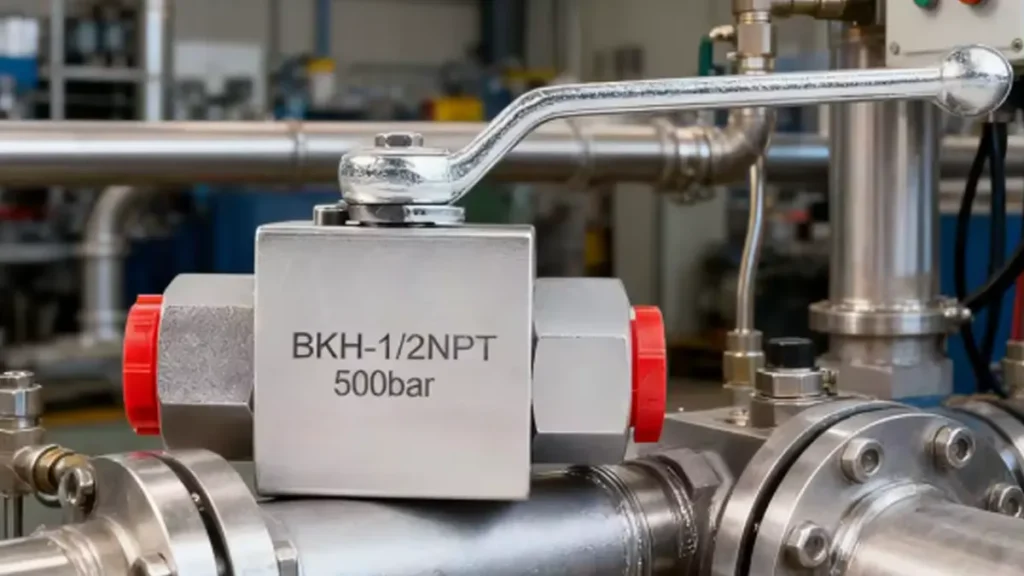
Key Takeaways
- Ball valves are a kind of shut-off valve.
- They can stop fluids from moving very fast.
- The handle turns only a little to open or close it. This makes ball valves good for emergencies.
- Ball valves close tightly. This helps stop leaks in pipes.
- They do not need much care. Ball valves last a long time without many fixes.
- You can use ball valves in homes, factories, and stores.
- Ball valves work better than gate or globe valves for quick shut-off.
- Pick the right material for your ball valve. Think about what fluid and pressure your system has. Check your ball valves often. Simple care will help them work well.
Is a Ball Valve a Shut-Off Valve?
Ball Valve as Shut-Off Valve
You might ask, is a ball valve a shut off valve? The answer is yes, and here’s why. Ball valves belong to a group called shut-off valves. You use them to stop the flow of water, gas, or other fluids in a pipe. The design makes them perfect for quick action. When you turn the handle, the ball inside rotates and blocks the passage. You get a tight seal and reliable shutoff every time.
Quick Shut-Off Feature
If you need to stop flow fast, ball valves are your best friend. You only need to turn the handle a quarter turn. That means you can shut off water or gas in seconds. This speed matters in emergencies. You don’t have to twist and turn for minutes. The ball inside moves quickly and seals the pipe. You get instant control.
Let’s compare how fast ball valves work against other shut-off valves:
| Valve Type | Mechanism Description | Shut-off Functionality |
|---|---|---|
| Gate Valve | Raises or lowers a gate, needs several turns | Delayed shut-off, gradual operation |
| Ball Valve | Rotates a ball, only needs a quarter turn | Fast shut-off, tight seal |
| Butterfly Valve | Rotates a disc, quick operation | Quick shut-off, less tight than ball valve |
| Globe Valve | Moves a plug or disc, needs several turns | Slower shut-off, gradual control |
You see, ball valves stand out for speed and reliability.
Quarter-Turn Design
The quarter-turn design makes ball valves easy to use. You grab the handle, turn it ninety degrees, and you’re done. You don’t need tools or extra strength. The ball inside has a hole through the middle. When you turn the handle, the hole lines up with the pipe, and fluid flows. Turn it again, and the ball blocks the pipe. You get a complete shutoff with one simple move.
You might wonder, is a ball valve a shut off valve in every situation? Most of the time, yes. The quarter-turn design works in homes, factories, and even power plants. You get fast action and a tight seal.
Common Applications
You find ball valves everywhere. They work in water systems, gas lines, and industrial pipes. You use them in your home to shut off water under the sink. Plumbers install them in main water lines for easy shutoff. Factories use them to control chemicals and steam. Power plants rely on them for safety and quick response.
Here are some places where you use ball valves:
- Residential plumbing for water shutoff under sinks and toilets
- Main water supply lines in homes and buildings
- Gas lines for appliances and heaters
- Industrial systems for chemicals, steam, and oil
- Fire protection systems for fast shutoff
You might ask, is a ball valve a shut off valve compared to other types? Let’s look at a quick comparison:
| Feature | Ball Valve | Gate Valve | Globe Valve |
|---|---|---|---|
| Number of Ports | More than two | Only two | Only two |
| Flow Capacity | Lower than gate valve | Higher due to larger dimensions | Moderate |
| Pressure | Not ideal for high-pressure | Better for high-pressure | Handles moderate pressure |
| Cost | Generally more expensive | Generally less expensive | Moderate |
| Maintenance | Lower maintenance required | Higher maintenance | Moderate |
| Sealing | Provides complete closure | Less effective sealing | Less effective sealing |
| Shut-off Speed | Quick opening and closing | Slower operation | Slower operation |
| Operation | Quarter-turn (90-degree) movement | Multiple turns | Multiple turns |
| Flow Control | Primarily for on/off control | On/off control | Precise flow control |
You see, ball valves give you quick shutoff and a tight seal. Globe valves let you control flow more precisely, but they take longer to close. Gate valves handle high pressure, but you need to turn them many times.
If you want fast action and reliability, ball valves are the top choice. You get easy operation, low maintenance, and a strong shutoff. Next time you ask, is a ball valve a shut off valve, you know the answer. Ball valves are shut-off valves, and they work in many places to keep your water, gas, or chemicals safe.
Shut-Off Valve Types
When you look at plumbing or industrial systems, you’ll see a few main types of shut-off valves. Each type works a little differently. Let’s break down the most common ones so you know what to expect.
Gate Valve
You’ll find gate valves in many older homes and large water systems. When you turn the handle, a metal gate moves up or down inside the valve. If you open it, the gate lifts and lets water flow. If you close it, the gate drops and blocks the flow.
Gate valves work best when you need the pipe either fully open or fully closed. They don’t do well if you try to control the flow halfway. If you leave them partly open, the gate can wear out or get stuck. You might notice that it takes several turns to open or close a gate valve. This slow action can be a problem if you need to stop water fast.
Tip: Use gate valves for main water lines where you don’t need to turn them on and off often.
Globe Valve
Globe valves look a bit like a round globe, which is where they get their name. You turn the handle, and a disc or plug moves up and down inside the valve. This design lets you control how much water flows through the pipe. You can open it a little or a lot, depending on what you need.
Globe valves work well if you want to adjust the flow, not just turn it on or off. They’re common in places where you need to fine-tune water or steam. You might see them on outdoor faucets or in heating systems. They take more turns to open or close, so they’re not the fastest option for shutoff.
Here’s a quick comparison:
| Valve Type | Best Use | Speed to Close | Flow Control |
|---|---|---|---|
| Gate Valve | On/off, main lines | Slow | Poor |
| Globe Valve | Adjusting flow | Slow | Excellent |
Ball Valve
Now, let’s talk about the ball valve. You’ll see these everywhere today, from under your kitchen sink to big industrial plants. Inside, there’s a round ball with a hole through the middle. When you turn the handle just a quarter turn, the hole lines up with the pipe and lets water flow. Turn it again, and the ball blocks the flow completely.
Ball valves stand out because they give you a quick shut-off. You don’t have to twist the handle over and over. Just one simple turn, and you’re done. This makes them perfect for emergencies or places where you need to stop water fast. Along with plug and butterfly valves, ball valves use a quarter-turn design, which saves you time and effort.
Note: Ball valves are a favorite for shut-off valves in modern plumbing because they’re reliable, easy to use, and need little maintenance.
You can see that each valve type has its own job. If you want fast action and a tight seal, the ball valve is hard to beat.
Butterfly Valve
Have you ever seen a valve that looks like a big disc inside a pipe? That’s a butterfly valve. You use butterfly valves to control or stop the flow of water, gas, or other fluids. The name comes from the disc inside, which spins like a butterfly’s wings when you turn the handle.
A butterfly valve works with a simple quarter-turn motion. You grab the handle and turn it just 90 degrees. The disc inside rotates and either blocks the flow or lets it pass through. This quick action makes butterfly valves great for situations where you need to shut off flow fast. You don’t have to twist the handle over and over. One quick turn does the job.
Tip: If you want a valve that’s easy to use and quick to operate, a butterfly valve is a solid choice.
Let’s break down how a butterfly valve works:
- Open Position: The disc lines up with the pipe, so fluid flows freely.
- Closed Position: The disc turns perpendicular to the pipe, blocking the flow completely.
- Partial Open: You can also turn the handle partway to control how much fluid passes through.
Butterfly valves stand out because they are lightweight and compact. You don’t need a lot of space to install one. They work well in large pipes, too. That’s why you often see them in water treatment plants, fire protection systems, and even in some heating and cooling systems.
Here’s a quick comparison table to help you see how butterfly valves stack up against other shut-off valves:
| Valve Type | Shut-Off Speed | Seal Tightness | Size/Weight | Best Use |
|---|---|---|---|---|
| Ball Valve | Very Fast | Excellent | Compact | Homes, industries |
| Butterfly Valve | Very Fast | Good | Very light | Large pipes, water mains |
| Gate Valve | Slow | Fair | Heavy | Main water lines |
| Globe Valve | Slow | Good | Moderate | Flow control |
You might notice that butterfly valves don’t always seal as tightly as ball valves. If you need a perfect, leak-proof shut-off, a ball valve might be better. But if you want something that’s easy to use, lightweight, and works well in big pipes, butterfly valves are hard to beat.
Note: Butterfly valves, like ball valves, use a quarter-turn design. This makes them fast and simple to operate.
You’ll find butterfly valves in many places:
- Water treatment plants
- Fire sprinkler systems
- Large HVAC (heating, ventilation, and air conditioning) systems
- Irrigation systems
If you ever need to shut off a big pipe quickly, you’ll probably use a butterfly valve. They’re easy to spot, easy to use, and they get the job done fast.
Ball Valve Design
Handle and Sphere Mechanism
When you look at a ball valve, you notice the handle first. This handle sits on top and lets you control the valve with just a simple turn. Under the handle, there’s a round ball with a hole through the center. This ball is the heart of the valve. The outer body holds everything together and keeps the parts safe from damage.
Here’s a quick table to show you the main features:
| Feature | Description |
|---|---|
| Quarter-Turn | You only need to turn the handle 90 degrees to open or close the valve. |
| Full Port Design | The hole in the ball matches the pipe size, so water flow stays strong. |
| Durability | Ball valves last a long time, even in tough plumbing jobs. |
| Sealing Mechanism | The ball creates a tight seal, so leaks are rare. |
| Versatility | You can use them for water, gas, or even chemicals in many plumbing systems. |
You can find ball valves made from different materials. Brass works well for food and water. Stainless steel stands up to rust and harsh chemicals. PVC and CPVC are light and resist corrosion, which helps in many plumbing setups.
Operation and Flow Control
Operating a ball valve feels easy. You grab the handle and turn it a quarter turn. When the hole in the ball lines up with the pipe, water flows through without much resistance. If you turn the handle again, the ball blocks the pipe and stops the water flow right away.
- Ball valves use a hollow ball that rotates inside the body.
- You only need a quick turn to open or close the valve.
- When open, water moves through with almost no drop in pressure.
- When closed, the seal is tight, so leaks are not a problem.
This simple action makes ball valves a favorite in plumbing. You get fast shut-off and reliable control, which is important in emergencies or when you need to fix something.
Advantages in Plumbing
You get many benefits when you use ball valves in plumbing. They are easy to use, so anyone can turn them on or off without much effort. Ball valves work well in both homes and big factories. They last a long time, even if you don’t use them often.
- Ball valves handle wear and tear better than many other valves.
- They keep leaks to a minimum, even after years of sitting unused.
- You can trust them for quick shut-off in any plumbing system.
- Modern designs use new materials that resist rust and damage from chemicals.
- Some ball valves are compact, so they fit in tight spaces where other valves can’t go.
If you want a valve that gives you peace of mind in your plumbing, a ball valve is a smart choice. You get strong water flow, easy operation, and a design that stands up to daily use.
Ball Valve vs Other Shut-Off Valves
Ball Valve vs Gate Valve
When you compare a ball valve to a gate valve, you notice some big differences right away. If you need to stop water or gas fast, a ball valve works best. You only turn the handle a quarter turn, and the flow stops. A gate valve takes many turns to close, which can slow you down in an emergency.
Here’s what you get with each:
- Ball valves shut off flow quickly with just a 90-degree turn.
- Gate valves need several full turns to open or close.
- Ball valves seal tightly, so leaks are rare.
- Gate valves can start to leak over time as the inside parts wear out.
- Ball valves need less maintenance and last longer.
- Gate valves may need more repairs and checks.
If you want a valve that is easy to use and keeps working for years, you will like the ball valve. It gives you peace of mind, especially when you need a fast shutoff.
Ball Valve vs Globe Valve
You might wonder how a ball valve stacks up against a globe valve. The main difference comes down to what you need the valve to do. If you want to control how much water flows, a globe valve is a good pick. If you want to stop flow completely, a ball valve is better.
Check out this table to see how they compare:
| Feature | Ball Valve | Globe Valve |
|---|---|---|
| Flow Direction | Works both ways | Works best in one direction |
| Sealing | Soft and metal options | Soft and metal options |
| Best Use | Shut-off and isolation | Flow control and throttling |
| Operation Speed | Quick on-off | Slower, better for adjusting flow |
| Leakage | Usually leak-tight | Some leakage possible |
| Where You Find Them | Factories, oil and gas, plumbing | Factories, oil and gas, plumbing |
If you need to turn water or gas on and off fast, go with a ball valve. If you want to fine-tune the flow, a globe valve gives you more control.
Ball Valve vs Butterfly Valve
Butterfly valves look different from ball valves, but both use a quarter-turn handle. You see butterfly valves in big pipes, like in water plants or fire systems. They are light and easy to use, but they do not always seal as tightly as a ball valve.
Here’s a quick look at when you might pick one over the other:
| Application Scenario | Preferred Valve | Why Choose It |
|---|---|---|
| Oil and Gas | Ball Valve | Stops flow with zero leakage |
| Chemical Processing | Ball Valve | Handles dangerous chemicals with tight shutoff |
| High-Pressure Water Systems | Ball Valve | Prevents leaks even under high pressure |
| Pipes Where Some Leakage Is Okay | Butterfly Valve | Good for large pipes where a perfect seal is not needed |
If you need a valve for a job where even a tiny leak is a problem, you should pick a ball valve. It gives you the tightest seal and works well in tough jobs. Butterfly valves are great for big pipes and quick shut-off, but they do not always stop every drop.
Ball Valve Pros and Cons
Advantages
Fast Shut-Off
You want to stop fluid flow quickly? A ball valve makes that easy. The quarter-turn handle lets you shut off water, gas, or other fluids in seconds. You don’t have to twist the handle over and over. Just turn it once, and you’re done. This speed can help you avoid damage or leaks during emergencies.
Reliable Seal
You get a tight seal every time you close a ball valve. The round ball inside fits snugly against the seats, so leaks rarely happen. If you need a valve that keeps your pipes dry and safe, this one does the job. You can trust it to hold back water, gas, or chemicals without worry.
Low Maintenance
Ball valves last a long time. You don’t have to check them often or fix them much. The simple design means fewer parts can break. Even if you leave the valve unused for months, it still works when you need it. You save time and money because you don’t have to replace or repair it often.
Here’s a quick list of what makes ball valves stand out:
- Quick and easy operation
- Reliable shut-off with a tight seal
- Minimal pressure drop, so water flows strong
- Durable and long-lasting
- Works for many types of fluids
Disadvantages
Not for Throttling
You might think you can use a ball valve to control how much water flows, but that’s not a good idea. Throttling, or leaving the valve partly open, can damage the seats inside. Over time, this can cause leaks or make the valve fail. If you need to adjust flow, you should pick a globe valve instead.
Tip: Segmented ball valves can handle limited throttling, but standard ball valves are best for full open or closed positions.
Cost
Ball valves usually cost more than gate valves or globe valves. The price depends on the material, size, and features. Stainless steel valves cost more than brass or PVC. If you need special coatings or certifications, the price goes up. Larger valves or those rated for high pressure also cost more.
Check out this table for a quick look at common disadvantages:
| Disadvantage | Description |
|---|---|
| Higher Initial Cost | Ball valves cost more upfront than gate valves of similar size and type. |
| Potential for Water Hammer | Rapid closing can cause pressure surges that may damage pipes in high-pressure systems. |
| Limited Throttling | Not suitable for throttling; partial opening can cause seat erosion and valve failure. |
| Space Requirements | Needs a full 90-degree clearance for the handle, which can be tricky in tight spaces. |
If you need a valve for a tight spot or want to control flow, you might want to look at other options. Ball valves shine when you need to stop fluid flow fast and keep your system safe.
When to Use Ball Valves
Choosing the right shut-off valve can make your life much easier. You want something that works fast, lasts a long time, and keeps your plumbing safe. Let’s look at when you should pick a ball valve for your shut-off needs.
Residential Plumbing
You see ball valves in many homes today. They have become the top choice for plumbing shut-off jobs because they are simple to use and very reliable. If you ever need to stop water flow under your sink or behind your toilet, you will likely find a ball valve there. Plumbers love them because they work every time and do not need much care.
Here are some reasons to use ball valves in your home plumbing:
- They are reliable and easy to use.
- You can shut off water lines quickly in an emergency.
- Ball valves last a long time and do not wear out easily.
- They provide a tight seal, so you do not have to worry about leaks.
- You get fast operation with just a quarter turn of the handle.
- They are perfect for places where you need a strong, dependable shut-off.
If you want peace of mind in your plumbing, a ball valve is a smart pick. You will not have to worry about stuck handles or slow shut-off when you need it most.
Industrial Applications
Ball valves are not just for homes. You will find them in many big jobs where safety and speed matter. In factories, plants, and other large buildings, these valves help control water flow, gas, and even chemicals. Their strong design and quick action make them a favorite in many industries.
Here is a table showing where ball valves shine in industrial plumbing:
| Industry | Application Description |
|---|---|
| Oil and Gas | Used for reliable sealing and quick shutoff in wellhead control and pipeline isolation. |
| Food and Beverage Processing | Sanitary design and easy cleaning help prevent bacterial growth. |
| Chemical Handling | Excellent chemical resistance and airtight sealing for harsh environments. |
| HVAC and Plumbing Systems | Durable and easy to operate in both residential and commercial plumbing. |
| High Frequency Operations | Quarter turn design allows thousands of operations, great for automated control systems. |
You can see that ball valves handle tough jobs in many places. They keep your plumbing safe and make sure everything runs smoothly.
Preferred Scenarios
You should use a ball valve when you need a fast, strong shut-off. They work best in spots where you want to stop water flow right away or where leaks could cause big problems. If you have a spot in your plumbing that needs to stay dry and safe, this valve is a great choice.
Here are some perfect times to use a ball valve:
- Emergency shut-off for water lines in your home
- Main shut-off for plumbing systems in buildings
- Gas line shut-off for heaters or stoves
- Chemical lines in factories
- Any place where you want a valve that works fast and lasts a long time
Tip: If you want a valve that you can trust for years, pick a ball valve for your next plumbing project. You will save time, avoid leaks, and keep your home or business safe.
Choosing the Right Shut-Off Valve
Factors to Consider
Picking the right valve for your plumbing job can feel tricky, but you can make it simple by focusing on a few key things. You want a valve that fits your needs and keeps your system safe. Here’s what you should look at:
- Flow Rate and Pressure: Think about how much water or gas will move through your pipes. Some valves handle high pressure better than others.
- Type of Valve: Ball valves work great for quick shut-off, but you might need a different style if you want to control the flow.
- Material: Brass, stainless steel, and PVC are common choices. Stainless steel stands up to harsh chemicals, while brass works well for everyday plumbing.
- Application: Ask yourself where you’ll use the valve. Is it for your kitchen sink, a gas line, or a factory system?
- Other Details: Don’t forget about cost, how much space you have for installation, the size of your pipes, and how easy the valve is to maintain.
Tip: For industrial plumbing, durability matters most. For home plumbing, you want something reliable and easy to use.
Installation Tips
You want your new valve to work right from the start. Good installation helps prevent leaks and keeps your plumbing safe. Here are some tips to help you out:
- Always follow the instructions that come with your valve.
- Make sure the valve lines up with your pipes. A crooked valve can cause leaks.
- Use the right tools and don’t force the valve into place.
- Check for any dirt or debris before you install. Clean pipes help your valve last longer.
- If you’re not sure, ask a plumber for help. It’s better to get it right the first time.
Note: Installing a strainer before the valve can keep out dirt and protect your plumbing system.
Maintenance Advice
You want your plumbing to last, so take care of your valves. Ball valves need less work than other types, but a little attention goes a long way. Here’s how you can keep things running smoothly:
- Set up a regular inspection schedule. Look for leaks, rust, or signs of wear.
- Lubricate the valve if it feels stiff. This keeps the handle turning easily.
- Clean around the valve to stop dirt from building up.
- Fix any problems right away. Small issues can turn into big ones if you wait.
- Flush your pipes sometimes to clear out sediment or debris.
Here’s a table to show you common problems and how to prevent them:
| Problem | What Causes It | How to Prevent It |
|---|---|---|
| Seal failure | Worn seats or old seals | Clean often, replace seals on schedule |
| Corrosion or scratches | Wrong material for the job | Pick the right valve material |
| Stuck or broken handle | Too much force or no lubrication | Use gentle force, lubricate regularly |
| Blockage by debris | Dirt or particles in the pipes | Install strainers, flush pipes sometimes |
A little care keeps your plumbing strong and your shut-off valve ready when you need it.
Conclusion
You now know that ball valves are reliable shut-off valves. They give you fast shut-off, a tight seal, and low maintenance. Choose a ball valve when you need quick action or want to avoid leaks. For most home and industrial jobs, ball valves work best.
Need help choosing the right valve? As a hydraulic shut-off valve manufacturer, we can help you select the right size, material, pressure rating, and connection type for your system. Contact us for product details or custom solutions.
FAQ
What is the main purpose of a ball valve?
You use a ball valve to stop or start the flow of water, gas, or other fluids. The quarter-turn handle makes it quick and easy to operate.
Can you use a ball valve for both water and gas lines?
Yes! Ball valves work well for water and gas lines. Just make sure you pick the right material for your system.
How do you know if a ball valve is open or closed?
Look at the handle. If it lines up with the pipe, the valve is open. If it sits across the pipe, the valve is closed.
Are ball valves better than gate valves?
Ball valves give you faster shut-off and a tighter seal. Gate valves work well for main lines but take longer to close.
Can you use a ball valve to control flow?
Ball valves are best for on/off control. If you want to adjust flow, use a globe valve instead. Throttling with a ball valve can cause damage.
How long do ball valves last?
Ball valves last many years with little maintenance. They resist wear and keep working even if you do not use them often.
Do ball valves need regular maintenance?
You do not need to service ball valves often. Just check for leaks and make sure the handle turns smoothly.
What materials are ball valves made from?
You can find ball valves made from brass, stainless steel, PVC, or CPVC. Pick the material that matches your plumbing needs.