
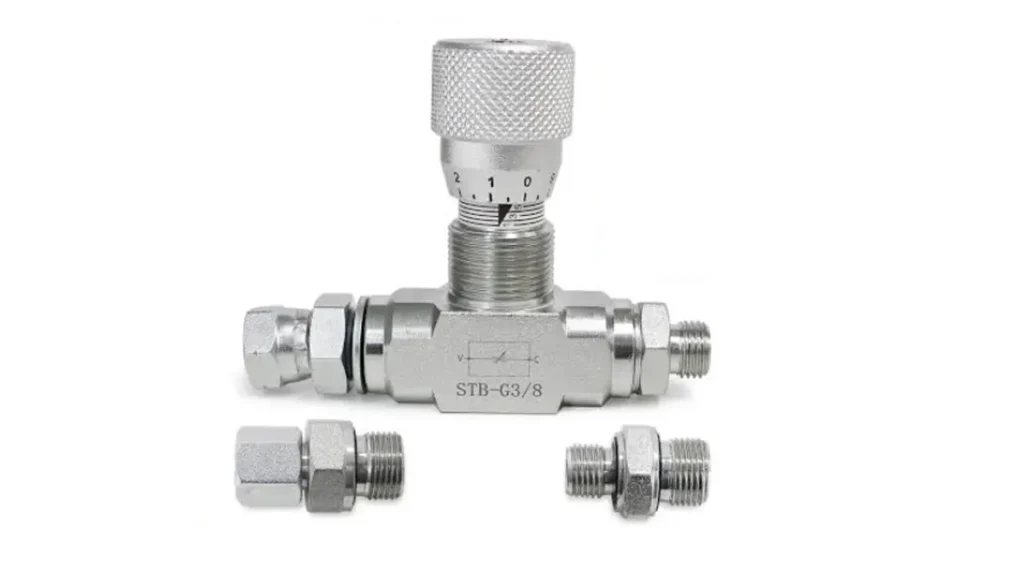
You can find many hydraulic flow control valve types in factories. Some popular ones are relief valves that stop too much pressure. Pressure reducing valves help keep pressure steady. Sequence valves control the order things happen. Picking the right valve helps your system work better. It also stops expensive problems. If you want your machines to last longer, use the right valve for your job.
Picking the right valve size and quality makes your system safer and more reliable.
Key Takeaways
- Hydraulic flow control valves help control fluid speed and pressure.
- Picking the right valve can make your system work better. It can also stop expensive repairs.
- Ball valves turn flow on or off fast. But they do not let you adjust flow exactly.
- Throttle valves are good for simple flow control. They work well when things stay the same.
- One-way flow control valves let fluid move one way only. This can save time and energy.
- Pressure-compensated valves keep flow steady, even if pressure changes.
- Always check your system’s pressure, flow, and direction before picking a valve.
- Give your supplier lots of details. This helps you get the right valve for your job.
What Are Hydraulic Flow Control Valves?
Definition and Purpose
Hydraulic systems need special valves to work well. Flow control valves help control how fast fluid moves. They also help manage how much pressure builds up. These valves let you change how fast machines like cylinders and motors move.
- Flow control valves are very important in hydraulic systems.
- They help set the flow rate and pressure.
- Their main job is to control how fast actuators move.
- These valves lower the fluid amount after the valve compared to before it.
- They only slow down the flow, following natural rules.
If you want machines to move at the right speed, you need these valves. They help everything work as it should.
How Flow Control Valves Work
You can change the flow by moving the valve. Most valves use simple parts like needles or small openings. When you turn a knob or lever, you make the opening bigger or smaller. This lets more or less fluid go through.
- The valve controls how much hydraulic fluid moves.
- It also controls how fast actuators work.
- Inside, there are parts like needles or small holes that change the flow and pressure.
You can make a cylinder move slowly by letting in less fluid. If you want it to move fast, you open the valve more.
- Flow control valves change the flow by making the port bigger or smaller.
- They set how fast parts move in hydraulic systems.
- When a cylinder extends, the valve slows the fluid, so it moves slower.
- The valve gives resistance to the flow, which helps control speed in both directions.
You get to pick how fast your machine moves. That’s pretty neat!
Benefits in Hydraulic Systems
Flow control valves give you many good things. Your system works better and uses less energy. You save money because machines last longer. They stop sudden moves and high pressure.
Tip: The right valve can cut energy use by half and save a lot of money every year.
Here’s a quick look at the main benefits:
| Benefit Description | Value |
|---|---|
| Less energy used | 20-50% |
| Money saved over ten years | 20-40% |
| Time to get your money back | 18-36 months |
| Money saved each year | $50,000-200,000 |
You also get better control over your machines. They become safer and work better. If you want your hydraulic system to last, flow control valves are a smart pick.
Why Different Hydraulic Flow Control Valve Types Exist
System Requirements
Every hydraulic system has its own needs. You might want to move a cylinder fast, or you may need slow, steady motion. Sometimes, you need to keep the oil cool or make sure the pump works well. These needs shape the type of flow control valve you pick.
Take a look at some common system requirements:
| Factor | Description |
|---|---|
| Pressure and flow range | The pressure and flow your system needs to run right. |
| Temperature and viscosity | How hot your oil gets and how thick it is. |
| Actuator speed and response | How fast and accurate you want your actuator to move. |
| Pump type | Whether you use a constant flow pump or a variable one. |
You use flow control valves to regulate actuator speed. You also control the flow rate, which changes how much energy moves through your system. If you want your machines to work their best, you need to match the valve to these requirements.
Tip: Always check your system’s pressure and flow range before you choose a valve. This helps you avoid problems later.
Flow Direction Needs
Hydraulic systems often need to send fluid in different directions. You might want to extend a cylinder, then retract it. This is where directional control valves come in. These valves send energy to the right spot at the right time. They keep fluid in standby until you need it, which makes your system more efficient.
Directional control valves can have many ports and positions. For example, a 4-port, 3-position spool valve can move fluid to extend or retract a cylinder. This setup gives you lots of control over how your actuators move. If you need precise movement, you want a valve that matches your flow direction needs.
- Direct energy where you need it.
- Keep fluid ready but not wasted.
- Control both pressure and flow by throttling fluid.
You get more options and better control when you pick the right valve for your flow direction.
Pressure and Flow Variations
Hydraulic systems do not always run at the same pressure or flow. Pumps create flow, but pressure comes from resistance in the system. Sometimes, you need to handle big changes in pressure or flow. This is why you see so many types of flow control valves.
Different valves help you manage these changes. Some valves work best when pressure stays steady. Others handle sudden spikes or drops. If you pick the wrong valve, your system might not work safely or efficiently.
- Pressure and flow rate decide how well your system works.
- You need special valves to handle changes in pressure and flow.
- Good valve design keeps your system safe and smooth.
When you understand your system’s pressure and flow patterns, you can choose the right valve and avoid trouble.
Main Types of Hydraulic Flow Control Valves
Ball Valves
You probably see ball valves in almost every industry. These valves use a round ball with a hole in the middle. When you turn the handle, the ball rotates and either lets fluid flow or stops it completely. Ball valves give you quick on/off control. You can use them in oil and gas, chemical plants, water treatment, food factories, and even in power stations.
Here’s what makes ball valves stand out:
- They give you full shutoff or open flow with just a quick turn.
- You can find them in two-way, three-way, or even four-way setups for different flow paths.
- Ball valves work well in high-pressure hydraulic systems and can handle fast cycling.
- They have a simple design and don’t cause much pressure drop.
You might pick a ball valve if you want something tough and easy to use. They work great for basic flow control, but they don’t give you fine adjustments. If you need to stop flow quickly or switch directions fast, ball valves are a smart choice.
Common Applications:
- Fluid handling systems
- Process automation
- Systems that need fast shutoff
Advantages and Limitations:
| Advantages | Limitations |
|---|---|
| Full Bore Design | Limited Flow Control |
| Durable Construction | Potential for Wear |
| Quick Operation | Size and Weight |
| Tight Sealing | Initial Cost |
| Versatile Application | Dirt Sensitivity |
| Low Maintenance |
Tip: Ball valves are not the best pick if you need precise flow control. For fine adjustments, try other types of flow control valves.
Throttle Valves
Throttle valves help you control how much fluid moves through your system. You turn a knob or lever to make the opening bigger or smaller. This changes the flow rate. Throttle valves work best when you want simple, steady flow control.
You’ll see throttle valves in places like:
- Oil and gas pipelines
- Chemical plants for dosing
- Water treatment for filters
- HVAC systems for temperature control
- Power plants for steam or gas flow
Throttle valves are easy to use. You just adjust the opening to get the flow you want. They don’t care much about which way the fluid moves, so you can use them in either direction. If you need to slow down a cylinder or control the speed of a motor, throttle valves do the job.
Note: Throttle valves don’t adjust for pressure changes. If your system pressure goes up or down, the flow rate will change too.
One-Way Flow Control Valves
One-way flow control valves let fluid move in one direction and control the flow rate, but let it move freely in the other direction. You might hear people call these check valves with a throttle or adjustable check valves. They combine the features of check valves and throttle valves.
You use one-way flow control valves when you want to slow down movement in one direction but let it move fast the other way. For example, you can make a hydraulic cylinder extend slowly but retract quickly. This helps you save time and energy.
Where You’ll Find Them:
- Lifting equipment
- Press machines
- Hydraulic presses
- Systems that need controlled movement in one direction
Why Pick One-Way Flow Control Valves?
- You get precise speed control in one direction.
- You protect your system from backflow.
- You can combine them with directional control valves for even more options.
If you need to control flow in both directions, look at two-way flow control valves or spool valves. For pressure changes, pressure control valves might be a better fit.
These three types are some of the most common types of flow control valves you’ll see in hydraulic systems. Each one has its own strengths and best uses. When you know what your system needs, you can pick the right valve and keep everything running smoothly.
Two-Way Flow Control Valves
Do you need to control flow both ways? Two-way flow control valves let you do this. These valves change the flow rate in both directions. You get more options than with one-way valves. Most two-way valves have a knob or lever you can turn. This lets you set how fast cylinders or motors move forward and backward.
You can find two-way flow control valves in:
- Hydraulic presses
- Industrial machines
- Mobile equipment
- Systems that need even speed both ways
Main Function:
Two-way valves help you set actuator speed just right. You can make things move slower or faster as you want. They are good for smooth, steady movement.
Flow Direction:
Fluid goes both ways. You control the speed each way.
Advantages:
- Simple to adjust
- Works in many places
- Helps balance movement
Limitations:
- Does not fix pressure changes
- Flow can change if pressure changes
- Not as exact as needle valves
If you want actuator speed to stay the same when pressure changes, try pressure-compensated valves.
Buyer Selection Notes:
Pick two-way valves for easy, adjustable control both ways. Make sure your system pressure does not change a lot for best results.
Needle-Type Flow Control Valves
Needle-type flow control valves give you very exact control. You turn a small stem, and a needle moves in or out of a tiny hole. This lets you set the flow rate very carefully. Use needle valves when you need to control flow for careful jobs.
You will see needle valves in:
- Fuel metering for engines
- Chemical mixing
- Instrument lines
- Sampling and pressure gauges
Key Features and Benefits:
- Precision Control: You can set flow for perfect results.
- Flexibility: Change flow rates for different needs.
- Safety: Needle valves stop leaks and damage from high pressure.
- High Pressure Drop: They keep a strong pressure difference for better control.
Common Applications:
- Fuel Metering: Keeps engine power steady.
- Chemical Processing: Mixes chemicals safely and well.
- Instrumentation: Helps measure samples and pressure with care.
Advantages:
- Good for small flows
- Lets you make fine changes
- Handles high pressure
Limitations:
- Not good for big flows
- Can clog if fluid is dirty
- Slower to use than ball or throttle valves
Tip: If you need to control tiny flows or want exact speed, needle valves are a great choice.
Buyer Selection Notes:
Pick needle valves for jobs that need careful flow control. Make sure your fluid is clean and you do not need fast changes.
Pressure-Compensated Flow Control Valves
Pressure-compensated flow control valves keep flow steady, even if pressure changes. You do not have to worry about speed changing if your pump or load changes. These valves have a special part that checks pressure before and after the opening. They change by themselves to keep the flow rate the same.
The compensator checks pressure before and after the opening. It keeps a set pressure drop. If the pressure drop goes up, the hydrostat closes and lowers flow. If the pressure drop goes down, it opens and lets more flow. This keeps flow steady even when pressure changes.
You will see pressure-compensated valves in:
- Hydraulic power units
- Test benches
- Machines with changing loads
- Systems that need steady speed
Main Function:
Keeps actuator speed the same, even if system pressure changes.
Flow Direction:
Usually works one way, but some can work both ways.
Advantages:
- Keeps flow steady
- Handles pressure changes
- Makes the system safer
Limitations:
- More complex than simple valves
- Costs more
- Needs clean fluid
Buyer Selection Notes:
Pick pressure-compensated valves if your system has changing loads or needs steady speed. Make sure your fluid is clean and you can pay for a more advanced valve.
Custom Flow Control Valves
Sometimes, you need a valve made for your system. Standard valves do not fix every problem. Custom flow control valves help when you face special challenges. You get a valve built for your job. You can pick the size, shape, material, and features. This makes your system work better and last longer.
You might need a custom valve in tough places. Maybe your system deals with extreme heat, high pressure, or strong shaking. Some industries need valves for special fluids or strict safety rules. Custom valves help you meet these needs.
Let’s check some industries and their special needs:
| Industry | Unique Requirements |
|---|---|
| Aerospace | Valves must handle extreme temperatures, high pressures, and shaking while staying light. |
| Deep-Sea Exploration | Valves need to survive high pressures and harsh conditions, made from strong materials. |
| Semiconductor Manufacturing | Needs super clean valves to stop contamination, made to exact sizes. |
| Nuclear Industry | Must handle radioactive fluids and work under high radiation and heat. |
| Pharmaceutical and Food | Must be clean, easy to wash, and stop bacteria from growing. |
Each industry has its own needs. You might need a valve that stays clean for food or medicine. You may want a valve that does not leak in deep-sea machines. Sometimes, you need a valve that works in space or near nuclear reactors.
Main Function:
Custom flow control valves fix problems standard valves cannot. You get the right flow rate, pressure, and direction for your system.
Flow Direction:
You can pick one-way, two-way, or multi-way flow. The valve fits your system’s design.
Common Applications:
- Special machines
- Research labs
- High-tech factories
- Safety systems
- Custom hydraulic units
Advantages:
- Fits your needs exactly
- Handles tough places
- Makes your system safer and better
- Cuts down on downtime
Limitations:
- Costs more than standard valves
- Takes longer to make
- Needs careful planning
Tip: If your system is unique or has strict rules, custom valves can save you trouble and money over time.
Buyer Selection Notes:
Share all your system details with the maker. Tell them about your pressure, flow, fluid type, temperature, and space limits. Give drawings or samples if you can. The more you share, the better your custom valve will fit.
Custom flow control valves help you solve tough jobs. You get a solution made just for you. If you want your system to work well, custom valves are a smart choice.
Types of Flow Control Valves: Comparison
Comparison Table
You may ask which flow control valve is best for your system. Every valve has good points and bad points. Some are good for fast shutoff. Others let you control flow very carefully. Here is a table to help you compare. It shows what each valve does, how fluid moves, where it works best, and a tip for buyers.
| Valve Type | Main Function | Flow Direction | Best For | Buyer Note |
|---|---|---|---|---|
| Ball Valve | On/Off Control | Two-way or Multiway | High-pressure, fast shutoff | Not for precise flow adjustment |
| Throttle Valve | Adjustable Flow | Two-way | Simple speed control | Flow changes with pressure |
| One-Way Flow Control | Controlled One-way Flow | One-way | Slow extend, fast retract | Use for single-direction control |
| Two-Way Flow Control | Adjustable Both Ways | Two-way | Balanced actuator speed | Not pressure-compensated |
| Needle Valve | Fine Flow Adjustment | Two-way | Metering, small flows | Needs clean fluid, slow operation |
| Pressure-Compensated | Steady Flow | One-way or Two-way | Changing loads, steady speed | Higher cost, complex design |
| Custom Valve | Tailored Solution | Any | Unique or harsh environments | Share all system details |
| Butterfly Valve | Quick Shutoff, High Flow | Two-way | Large pipes, low pressure drop | Not for high-pressure or precision |
Tip: Ball valves are strong and shut off fast. They work well in high-pressure jobs. Needle valves are best for careful flow changes. Butterfly valves shut off quickly and are good for big pipes, but not for high pressure.
Here is a short list to help you see the main differences:
- Ball valves shut off fast and handle tough work. You cannot use them for careful flow changes.
- Needle valves let you change flow very exactly. You use them for small flows and metering. They work best at low or medium pressure.
- Butterfly valves are light and cost less. You use them in big pipes for quick shutoff and low pressure drop.
Pick the valve type that matches your job. Throttle valves are good for simple speed changes. Pressure-compensated valves keep speed steady when loads change. Custom valves fix special problems in hard places.
Note: Always check your system’s pressure, flow, and direction before picking a valve. If you do not know, ask your supplier for help.
The right valve makes your hydraulic system safer and more reliable. You save money and stop downtime. You get the performance you need. Take your time, compare the choices, and pick the valve that fits your job.
How to Choose Flow Control Valves
Key Selection Criteria
Choosing the right valve can seem hard. You want your machines to work well and stay safe. You also do not want to spend extra money on repairs or downtime. Let’s look at what matters when picking flow control valves.
First, check the pressure rating and flow range. Your valve must handle your system’s highest pressure. If you pick a valve with low pressure rating, it could break when things get tough. Make sure the valve can handle your system’s flow. If the valve is too small, your machine will not work right. If it is too big, you may have trouble making small changes.
Here are some easy tips:
- Make sure the valve’s pressure rating is higher than your system’s maximum pressure.
- Pick a valve that can handle peak flow without causing big pressure drops.
- Try to use valves that are 60% to 80% open at maximum flow. Do not let them go below 20% open at minimum flow.
- Do not use oversized valves. They are hard to adjust. Undersized valves may not work for your needs.
Next, think about flow direction. Some valves only let fluid move one way. Others let fluid go both ways. If you need to control movement in both directions, pick two-way valves or directional control valves. If you only need to slow movement in one direction, one-way valves are best.
Valve size and setup matter, too. The right size stops pressure drops and keeps your system working well. Setup affects how your system fits together. You want a valve that matches your layout.
Let’s check a table of important criteria:
| Criteria | Description |
|---|---|
| Valve Sizing & Configuration | Proper sizing prevents pressure drops and inefficiencies; configuration affects system layout. |
| Environmental Factors | Consider vibrations, temperature extremes, and contamination levels. |
| Materials and Seals | Ensure compatibility with hydraulic fluid and conditions for durability. |
| Maintenance & Spare Parts | Design for easy serviceability and availability of standard parts. |
| Safety & Reliability | Valves must operate safely under high pressure to prevent failures. |
You also need to check the thread type and connection style. Make sure the valve fits your pipes and hoses. Look at the material and seal type. Pick materials that can handle your hydraulic fluid and factory conditions. If your system runs hot or cold, choose seals that will not break down.
Do not forget about space. Some valves are big and heavy. Make sure you have room to install them. If you need to adjust the valve often, pick one with easy controls.
Tip: Always share your system’s details with your supplier. Tell them about your pressure, flow, fluid type, temperature, and space limits. This helps you get the best valve for your job.
If you follow these steps, you will find a valve that keeps your machines running strong. You will also avoid mistakes and save money over time.
Common Mistakes When Choosing Flow Control Valves
Wrong Flow Direction
Not all valves work the same way. Flow direction is very important. If you put a valve in backwards, your hydraulic system can act weird. Cylinders might move slow or stop in the wrong place. Sometimes, you see jerky moves or hear strange sounds. Picking the wrong direction for flow control valves can block fluid and add too much resistance. This makes actuator movement uneven and can lower safety and productivity.
Directional control valves send fluid where you need it. If you pick the wrong valve or connect it wrong, your machine may not work right. For example, you want a cylinder to stop and hold in the middle. If you choose the wrong center spool, the cylinder may drift or not hold. The valve might fit on the manifold, but your machine acts different. Always check the spool symbol before you order. This saves money and trouble.
In one common replacement, the customer wants the cylinder to stop and hold in the middle. If the wrong center spool is picked, the cylinder may not hold as needed. The valve may bolt onto the manifold, but the machine acts different. This mistake costs more than checking the spool symbol before ordering.
Using Ball Valves for Precision
Ball valves are good for quick shutoff. You turn the handle, and fluid stops or flows fast. But ball valves are not good for fine control. Some people use ball valves for jobs that need careful flow changes. This does not work well. Ball valves only give full flow or no flow.
If you need to control speed or flow with care, use needle valves or spool valves. These let you adjust flow slowly and carefully. Ball valves are best for on/off jobs, not for slow movement or metering. Check valves are good for one-way flow, but not for fine changes. For steady speed, use pressure control valves or directional control valves.
Ignoring Pressure Rating
Pressure rating is very important. If you ignore it, your valve can fail or cause safety problems. You must pick a valve that matches your system’s highest pressure. Undersized valves cannot handle the flow and may break. Oversized valves can cause big pressure drops and waste energy. Both mistakes lead to poor control and higher costs.
Here’s a quick look at what happens if you ignore pressure rating:
| Risk Type | Description |
|---|---|
| Control Instability | Ignoring pressure ratings can make hydraulic control unstable. |
| Component Damage | An undersized valve may break from too much flow. |
| Safety Hazards | Oversized valves can cause big pressure drops and safety risks. |
| Reduced Efficiency | Both undersized and oversized valves can make the system less efficient. |
| Higher Energy Consumption | Bad flow control can use more energy. |
Pressure control valves help keep your system safe and steady. Always check the pressure rating before you buy. If you skip this step, you risk downtime, repairs, and accidents.
Wrong Thread Type
You might think all threads are the same, but that’s not true. Hydraulic valves come with different thread types. If you pick the wrong thread, your valve won’t fit. You could waste time and money trying to make things work. Sometimes, you see leaks or even damage because the threads don’t match.
Let’s look at some common thread types:
| Thread Type | Where You Find It | What It Looks Like |
|---|---|---|
| BSP (British) | European machines | Rounded, parallel or tapered |
| NPT (American) | US equipment | Tapered, tight seal |
| Metric | Asian and European systems | Straight, measured in mm |
| SAE | Hydraulic systems worldwide | Flare, strong seal |
If you use a BSP valve on an NPT pipe, you’ll run into trouble. The threads won’t line up. You might see leaks or cracks. Always check your system’s thread type before you buy a valve.
Tip: Take a picture of your old valve’s thread or bring it to your supplier. This helps you get the right match.
Seal Compatibility
Seals keep your hydraulic system safe and leak-free. If you pick the wrong seal, you risk leaks, damage, or even system failure. Not all seals work with every fluid or temperature. Some seals break down when they touch certain oils or chemicals.
Here are some common seal materials:
- Nitrile (Buna-N): Good for most oils, not for hot or harsh chemicals.
- Viton: Handles high temperatures and tough fluids.
- EPDM: Works well with water and steam, not with oil.
- PTFE (Teflon): Handles strong chemicals, lasts long.
If you use a nitrile seal with hot hydraulic oil, it might swell or crack. You could see leaks or lose pressure. Always check what fluid your system uses and how hot it gets. Pick a seal that matches these needs.
Note: If you’re not sure which seal to use, ask your supplier. They can help you find the best match for your system.
Not Checking Medium
The “medium” is the fluid your valve controls. You might use oil, water, air, or even special chemicals. If you don’t check the medium, you could pick a valve that fails fast. Some valves only work with certain fluids. Others break down if the fluid is too thick, too hot, or too dirty.
Here’s a quick checklist for picking the right valve for your medium:
- Identify the fluid: Is it oil, water, air, or something else?
- Check temperature: Does the fluid get hot or cold?
- Look for contaminants: Is the fluid clean or dirty?
- Check viscosity: Is the fluid thick or thin?
If you use a valve made for oil in a water system, you might see rust or leaks. If your fluid is dirty, some valves clog or wear out. Always tell your supplier what fluid you use.
Warning: Not checking the medium can lead to quick failures and expensive repairs. Always match your valve to your fluid.
Flow Range Issues
You might think any valve will work if it fits your pipe. That is not true. Every valve has a flow range. If you pick a valve with the wrong flow range, your system will not work right. Sometimes, the valve is too small. Sometimes, it is too big. Both can cause problems.
If you use a valve that is too small, you will see slow movement. Your machine may not get enough fluid. The actuator will move slowly or not at all. If you use a valve that is too big, you will have trouble making small changes. The valve will feel jumpy. You will not get smooth control.
Here are some signs you picked the wrong flow range:
- The actuator moves too slow or too fast.
- You cannot control speed well.
- The system makes noise or vibrates.
- You see pressure spikes or drops.
Tip: Always check the minimum and maximum flow rates for your valve. Match them to your system’s needs.
You can ask your supplier for help. Tell them your flow range. They can help you pick the right size. This saves you time and money.
Installation Space
You need to think about where you will put your valve. Some valves are big and heavy. Others are small and light. If you do not check your space, you might buy a valve that does not fit.
Imagine you buy a large valve for a small machine. You try to install it, but there is no room. You waste time and money. You may need to change your pipes or hoses. That costs even more.
Here are some things to check before you buy:
- Measure the space where the valve will go.
- Check for other parts nearby.
- Make sure you can reach the valve to adjust it.
- Think about how you will service or replace the valve.
A table can help you remember what to check:
| Checkpoint | Why It Matters |
|---|---|
| Space for valve | Valve must fit in system |
| Access for hands | You need to adjust or repair |
| Room for hoses/pipes | No kinks or sharp bends |
| Service space | Easy to remove or replace |
Note: If you are not sure, take a photo of your machine and show your supplier. They can help you pick a valve that fits.
Overlooking Custom Needs
Every system is a little different. You may need a special valve for your job. If you forget to check your custom needs, you may buy the wrong valve. That can cause big problems.
Some jobs need special materials. Others need valves that work in hot or cold places. Maybe you need a valve for a special fluid. Standard valves may not work for you.
Ask yourself these questions:
- Does my system have special rules or safety needs?
- Do I need a valve that fits a tight spot?
- Will the valve touch strong chemicals or high heat?
- Do I need a special connection or thread?
If you answer yes to any of these, you may need a custom valve. Tell your supplier everything about your system. Give them drawings or photos if you can.
Warning: Overlooking custom needs can lead to leaks, breakdowns, or safety risks. Always share your special needs before you buy.
When you check your custom needs, you get a valve that works right the first time. You save money and avoid trouble.
Applications of Hydraulic Flow Control Valves
Hydraulic Power Units
You see hydraulic power units everywhere in factories and mobile machines. These units pump fluid to drive cylinders, motors, and other parts. Flow control valves help you set the speed and force of each actuator. If you want your system to run smooth, you need to adjust the flow for each job. Sometimes, you use check valves to stop backflow and keep pressure steady. You can also use spool valves to direct fluid to different parts of the system.
Hydraulic power units often work with changing loads. You might need to slow down a cylinder or speed up a motor. Flow control valves let you do this without wasting energy. You get better control, safer operation, and longer life for your equipment.
Tip: If you want your hydraulic power unit to last, always match the valve type to your system’s needs.
Machine Tools
Machine tools need precise movement. You use flow control valves to set the speed of slides, spindles, and clamps. If you want a drill press to move slowly, you adjust the valve. If you need a milling machine to cut faster, you open the valve more. This helps you get the right finish and avoid mistakes.
You often see flow control valves in CNC machines, presses, and grinders. These valves help you keep the tool moving at the right speed. You can also use them to stop sudden jumps or jerky motion. If you want your parts to come out perfect, you need good flow control.
Here’s a quick look at common applications:
| Industry | Application Description |
|---|---|
| Industrial Equipment | Regulating conveyor belt speeds, machine tool operations, and press movements. |
Note: Machine tools work best when you use the right valve for each job. You get smoother cuts and safer operation.
Construction Machinery
Construction machinery uses hydraulic flow control valves to manage heavy loads and tough jobs. You see these valves in excavators, loaders, and cranes. If you want to control boom speed or bucket movement, you adjust the valve. This helps you lift, dig, or move materials safely.
Mobile machinery often faces changing conditions. You might need to slow down for safety or speed up to finish a job. Flow control valves let you do both. You can also use them to keep steering smooth and stable.
Here’s a table showing common uses:
| Industry | Application Description |
|---|---|
| Mobile Machinery | Controlling boom speeds on excavators, lifts on forklifts, and steering systems. |
Construction sites can be rough. If you pick the right valve, your machine works better and lasts longer.
You see flow control valves everywhere in hydraulic power units, machine tools, and construction machinery. They help you get the job done right, keep your system safe, and save money over time.
Agricultural Machinery
You see hydraulic flow control valves everywhere on modern farms. These valves help you control the speed and movement of machines like tractors, harvesters, and sprayers. If you want your equipment to work smoothly, you need the right valve for each job.
Let’s look at some common uses in agriculture:
- Tractors: You use flow control valves to adjust the speed of hydraulic lifts and steering. This helps you raise or lower attachments like plows and seeders.
- Harvesters: Valves control the movement of cutting blades and conveyors. You can set the speed to match crop conditions.
- Sprayers: Flow control valves help you manage the rate of liquid fertilizer or pesticides. You get even coverage and save money on chemicals.
Tip: If you want to avoid waste and get better results, always check your valve settings before you start work.
You can find different types of valves in agricultural machinery. Ball valves give you quick shutoff. Needle valves let you make fine adjustments. Pressure-compensated valves keep flow steady, even when the load changes. Each type has its own job.
Here’s a table to show where you might use each valve:
| Machine | Valve Type | Main Function |
|---|---|---|
| Tractor | Ball, Needle | Lift control, steering |
| Harvester | Throttle, Pressure-comp | Blade speed, conveyor movement |
| Sprayer | Needle, Pressure-comp | Liquid flow rate |
You need tough valves for farm work. Dust, mud, and vibration can cause problems. If you pick a valve with strong seals and durable materials, your equipment lasts longer. You also save money on repairs.
Sometimes, you want to change speed fast. Other times, you need slow, steady movement. Flow control valves let you do both. You can adjust them for each task. If you use the wrong valve, you might see uneven movement or waste energy.
Note: Always clean your valves and check for leaks. This keeps your machines running strong all season.
You can ask your supplier for help if you’re not sure which valve to use. Tell them about your machine, the fluid you use, and the job you need to do. They can help you pick the best valve for your farm.
If you use the right hydraulic flow control valves, your agricultural machinery works better. You get more done with less effort. Your crops grow strong, and your farm stays safe.
Industrial Machinery
You see hydraulic flow control valves everywhere in industrial machinery. These machines do the heavy lifting in factories, warehouses, and production lines. If you want your equipment to run smoothly, you need the right valves in the right places.
Think about a packaging line. You want boxes to move at the same speed every time. Flow control valves help you set the speed for conveyor belts, pushers, and lifters. You can slow things down for careful work or speed them up when you need to finish fast.
You also find these valves in presses, injection molding machines, and stamping equipment. They let you control how fast a press moves down or how quickly a mold closes. This keeps your products safe and your workers happy.
Here are some common ways you use flow control valves in industrial machinery:
- Conveyor Systems: Set the speed for moving parts or products.
- Presses: Control how fast the press head moves for safety and quality.
- Robotic Arms: Adjust the speed of each joint for smooth, precise movement.
- Mixers and Blenders: Keep the mixing blades turning at the right speed.
- Cutting Machines: Make sure the blade moves at a steady rate for clean cuts.
Tip: If your machine needs to do the same thing over and over, use pressure-compensated flow control valves. These keep the speed steady, even if the load changes.
You can also use different types of valves for different jobs. Ball valves give you quick shutoff when you need to stop everything fast. Needle valves help you make tiny adjustments for delicate work. Throttle valves are great for simple speed changes.
Here’s a quick table to show where you might use each valve:
| Machine Type | Valve Type | Main Benefit |
|---|---|---|
| Conveyor | Throttle, Ball | Speed control, shutoff |
| Press | Needle, Pressure-comp | Smooth movement |
| Robot Arm | Needle, Two-way | Precision, balance |
| Mixer | Throttle, Needle | Steady mixing |
| Cutter | Pressure-comp, Ball | Clean cuts, safety |
You want your machines to last a long time. Pick valves made from strong materials like stainless steel or brass. Check the seals often. Dirty oil or worn seals can cause leaks and slowdowns.
If you ever hear strange noises or see jerky movement, check your flow control valves first. Sometimes, a small adjustment fixes the problem. If you’re not sure which valve to use, ask your supplier. Tell them about your machine, the fluid you use, and what you want to control.
Note: Good flow control means less downtime and more products out the door. Your factory runs better, and you save money.
Flow control valves are the secret helpers in industrial machinery. They keep everything moving at the right speed, so you can focus on getting the job done.
Buyer Information for Flow Control Valves
Required Details
When you want to buy a hydraulic flow control valve, you need to give the manufacturer some important details. This helps you get the right valve for your system. If you skip any of these, you might end up with a valve that does not fit or work well. Let’s make sure you get it right the first time!
Here’s a handy checklist you can use:
- Valve Type: Tell the supplier what kind of valve you need. Is it a ball valve, needle valve, or maybe a pressure-compensated valve?
- Pressure Rating: Share your system’s maximum pressure. The valve must handle this safely. Always pick a valve with a pressure rating higher than your system’s top pressure.
- Flow Rate: Let them know how much fluid will pass through the valve. This helps pick the right size.
- Flow Direction: Say if you need one-way or two-way flow control. Some valves only work in one direction.
- Connection Type and Size: Check what kind of connections your pipes or hoses use. Is it threaded, flanged, or something else? Give the exact size.
- Thread Type: Threads can be different. You might have BSP, NPT, metric, or SAE threads. Double-check this so everything fits.
- Material: Pick a material that matches your fluid and environment. Stainless steel, brass, and carbon steel are common choices.
- Seal Type: Seals keep leaks away. Choose the right seal for your fluid and temperature. Nitrile, Viton, and PTFE are popular options.
- Medium (Fluid Type): Tell the supplier what fluid you use. Is it oil, water, or something special? Some fluids need special materials or seals.
- Operating Temperature: Let them know how hot or cold your system gets. This helps pick the right materials and seals.
- Application: Explain what the valve will do. Will it control a cylinder, a motor, or something else? The more details, the better.
- Drawings or Samples: If you have a drawing or an old valve, share it. This makes it easier for the supplier to match your needs.
- Quantity: Say how many valves you need. Some suppliers offer better prices for larger orders.
Tip: The more details you give, the easier it is for the manufacturer to help you. You save time, avoid mistakes, and get a valve that works right away.
Here’s a quick table to help you organize your information:
| Detail | What to Provide |
|---|---|
| Valve Type | Ball, needle, throttle, etc. |
| Pressure Rating | System’s max pressure (e.g., 250 bar) |
| Flow Rate | Max and min flow (e.g., 20 L/min) |
| Flow Direction | One-way or two-way |
| Connection Type/Size | Threaded, flanged, size (e.g., 1/2”) |
| Thread Type | BSP, NPT, metric, SAE |
| Material | Stainless steel, brass, etc. |
| Seal Type | Nitrile, Viton, PTFE |
| Medium | Oil, water, special fluid |
| Temperature | Operating range (e.g., -20°C to 80°C) |
| Application | What the valve will control |
| Drawings/Samples | Attach if available |
| Quantity | Number of valves needed |
If you follow this checklist, you make it easy for the supplier to find the perfect valve for your job. You also avoid delays and costly mistakes. Always double-check your details before you order. If you’re not sure about something, just ask your supplier—they’re there to help!
Conclusion
You have learned that hydraulic flow control valve types affect how your system works. Here is a simple table to help you remember what each valve does:
| Valve Type | Core Function | Typical Use |
|---|---|---|
| Directional Control | Change fluid path | Actuator movement |
| Pressure Control | Limit pressure | Safety, load holding |
| Flow Control | Set speed/volume | Cylinder, motor speed |
| Check/Load-Holding | One-way or hold | Prevent backflow |
Choose the right valve for your job. Try not to make common mistakes. Give all the details when you order a valve. Chenyang Hydraulic has both regular and custom valves. If you need help, you can ask for advice or help with installation.
FAQ
What does a hydraulic flow control valve do?
You use a hydraulic flow control valve to set how fast fluid moves in your system. This controls the speed of cylinders and motors. It helps your machine work safely and smoothly.
How do I know which valve type to pick?
You check your system’s pressure, flow, and direction needs. Look at your application and ask your supplier for advice. Each valve works best for certain jobs.
Can I use a ball valve for precise flow control?
No, ball valves work best for quick shutoff. If you want fine adjustments, you should use a needle valve or a pressure-compensated valve.
What happens if I install a valve backwards?
If you install a valve backwards, your machine may move wrong or stop working. Always check the flow direction before you install the valve.
Do flow control valves need regular maintenance?
Yes, you should clean and check your valves often. Look for leaks, dirt, or worn seals. Regular maintenance keeps your system safe and helps your valves last longer.
Are custom valves worth the extra cost?
Custom valves solve special problems. If your system has unique needs, a custom valve can save money and prevent trouble over time.
What details should I give when ordering a valve?
You need to share your system’s pressure, flow, fluid type, connection size, thread type, and application. If you have drawings or samples, send them to your supplier.
Can I use the same valve for oil and water?
No, you must pick a valve that matches your fluid. Some valves work with oil, others with water. Always check the material and seal type for compatibility.