You see the hydraulic check valve symbol in diagrams. It shows which way fluid can go. This symbol helps you find a check valve quickly. It also tells you the flow direction. If you know this symbol, you can stop backflow. You keep your hydraulic system safe. Knowing the symbol helps with fixing and designing systems.
- You stop pump failures and save time if you know how check valves work.
- You can spot problems early and spend less on repairs by reading diagrams right.
Learning about the hydraulic check valve symbol helps stop backflow and keeps your system safe.
Key Takeaways
- Learn the hydraulic check valve symbol to spot flow direction fast in diagrams.
- Know that check valves stop backflow and keep your hydraulic system safe from harm.
- Use the symbol to find problems in your hydraulic system and fix them faster.
- Look at where the check valve symbol is to make sure it is put in right and works well.
- Different symbols show different valve types; watch for springs or other signs to know what they do.
- Add the check valve symbol to your plans to help others understand and make fewer mistakes.
- Always check the arrow for flow direction to keep the system safe and working well.
- Learn how check valves are used in many jobs to get better at hydraulics.
What Is a Hydraulic Check Valve?
Check Valve Function
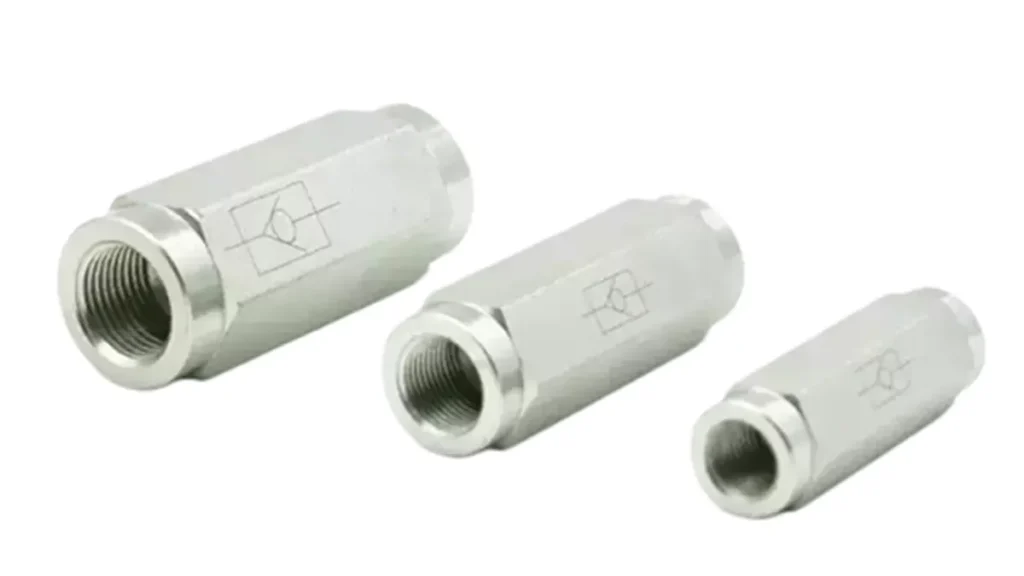
A hydraulic check valve controls which way fluid moves. It lets fluid go one way but blocks it from going back. People also call it a non-return valve. The main job is to make sure fluid only goes forward. These valves are in many hydraulic systems. They help control flow and keep things working well.
Here’s what a check valve does for you:
- Makes sure fluid only goes one way and stops it from going backward.
- Keeps pressure steady inside your hydraulic system.
- Protects pumps and other parts from damage caused by backflow.
- Works as a pressure control device, using direct-acting or pilot-operated types.
- Keeps your pump ready by holding fluid in place.
- Stops fluid from getting into pumps that are turned off.
A hydraulic check valve is important for any system that needs good flow control.
Non-Return and Backflow Prevention
You want your hydraulic system to work without trouble. A check valve helps by stopping backflow. When pressure is strong enough in the right direction, the valve opens and lets fluid through. If the flow tries to go backward, the valve shuts by itself. This keeps your system safe and working well.
The spring inside the check valve opens at a set pressure, usually between 1 and 5 PSI. This makes sure the valve closes fast if backflow happens. In high-pressure systems, like those in heavy industry, a hydraulic check valve can handle tough jobs. Some valves can even stop backflow at pressures up to 10,000 bar. You can trust these valves to protect your equipment and keep things running.
Common Uses
You see check valves in lots of places. They work in both small and big systems. Here are some common uses for a hydraulic check valve:
- Domestic and industrial water supply pipelines
- Wastewater pumping systems
- Conveyance of industrial slurry
- Oil refineries and petrochemical plants
- Natural gas distribution systems
- Water treatment plants
- HVAC systems
- Power generation facilities
- Pharmaceutical and food processing industries
- Automotive and aerospace applications
A check valve helps control flow in all these industries. It keeps fluids moving the right way and stops problems before they start.
Hydraulic Check Valve Symbol Overview
Standard Symbol Elements
Circle and Arrow
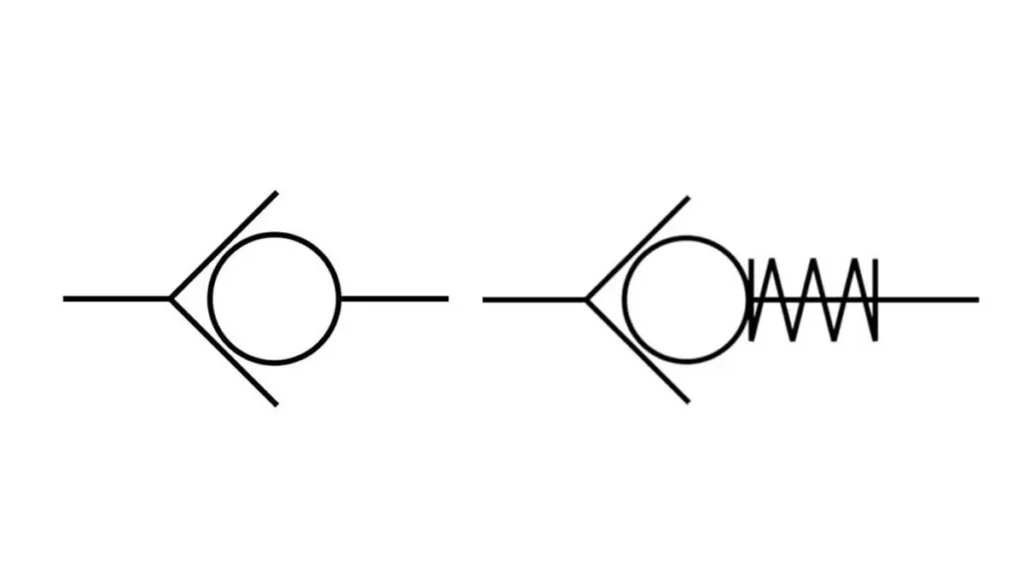
When you look at a hydraulic check valve symbol, you notice a few key shapes. The most common symbol for a check valve shows a circle or a small ball. This circle sits right in the middle of the symbol. You also see an arrow or a diagonal line. The arrow points in the direction of flow. This tells you which way fluid can move through the valve.
International standards organizations, like ISO and ASME, use these shapes to make the symbol easy to spot. ISO 1219-1 uses a straight line for the pipe, an angled arrow for flow direction, and a curved flap to show the one-way seal. ASME standards add a sharp ‘V’ shape for the check mechanism. DIN standards sometimes include a small circle for the valve seat. These details help you recognize the hydraulic check valve symbol no matter where you see it.
Flow Direction Indication
The arrow in the symbol for a check valve is important. It shows you the direction of flow. If you see the arrow pointing right, fluid can move right. If the arrow points left, fluid goes left. The circle or ball blocks flow in the opposite direction. You can spot the flow direction at a glance. This helps you understand how the valve works in your hydraulic system.
Visual Identification in Schematics
You want to find the hydraulic check valve symbol quickly in a schematic. The symbol stands out because of its unique shapes. Here’s how you can tell it apart from other hydraulic valve symbols:
- The symbol for a check valve often shows a ball or poppet held against a seat.
- If the valve is spring-loaded, you see a spring mark in the symbol.
- The arrow or diagonal line always points in the direction of flow.
- The circle or ball blocks flow going the wrong way.
These features make the hydraulic check valve symbol easy to spot. You don’t confuse it with other valves, like relief or directional valves. The symbol tells you that fluid can only go one way. It also shows you how the valve prevents backflow.
Tip: When you read a hydraulic diagram, look for the circle and arrow. These shapes help you find the check valve symbol fast. You can see if the valve is spring-loaded or not. You also know which way fluid moves.
The symbol for a check valve gives you clear information. You see the direction of flow and know the valve’s job. This helps you design, troubleshoot, and maintain your hydraulic system. You avoid mistakes and keep your equipment safe.
How to Read the Check Valve Symbol
Interpreting Flow Direction
You want to know which way fluid moves in your hydraulic system. The check valve symbol helps you figure this out. You can follow these steps to read the flow direction:
- Find the arrow on the pipeline or trace the line from the source to the equipment. The arrow shows you where the fluid should go.
- Look at the check valve symbol. Check which side is the inlet and which side is the outlet. The inlet is where fluid enters, and the outlet is where fluid leaves.
- Notice any arrows, flaps, or other marks on the symbol. These marks tell you the allowed flow direction. If you see an arrow pointing right, fluid can move right. If the arrow points left, fluid goes left.
You can spot the flow direction fast. This helps you prevent backflow and keeps your hydraulic system safe. If you read the check valve symbol correctly, you know how the valve works and where it stops fluid from going backward.
Tip: Always check the arrow and the position of the check valve symbol in your diagram. This makes sure you understand the flow path and avoid mistakes.
Recognizing Symbol Placement
You see check valves in many places on a hydraulic schematic. The symbol stands out because it looks different from other valves. You can find the check valve symbol by looking for a circle or ball with an arrow or flap. The symbol sits along the pipeline, usually between the pump and other equipment.
When you spot the check valve symbol, you know that fluid can only move one way at that spot. You can use this information to plan your system or fix problems. If you place the check valve in the wrong spot, you might get backflow or lose pressure. You want to make sure the symbol is in the right place to protect your hydraulic equipment.
Note: If you see a spring mark near the check valve symbol, it means the valve is spring-loaded. This helps the valve close faster and stop backflow.
Identifying Associated Components
You can learn more about your hydraulic system by checking what sits near the check valve symbol. Pumps, filters, and actuators often connect to check valves. If you see a check valve symbol next to a pump, it protects the pump from backflow. If you see it near a filter, it keeps dirty fluid from moving backward.
You can use a table to help you spot common components near check valves:
| Component | Why It’s Used With a Check Valve |
|---|---|
| Pump | Stops backflow and protects the pump |
| Filter | Keeps fluid clean and prevents reverse flow |
| Actuator | Controls movement and keeps pressure steady |
| Reservoir | Prevents fluid from draining back |
You can read the hydraulic diagram and see how each check valve works with other parts. This helps you design a safe system and fix problems fast. If you know where the check valve symbol sits, you can stop backflow and keep your equipment running.
Check Valve Symbol Variations
Gravity vs. Spring-Loaded Symbols
You might see different symbols for check valves in hydraulic diagrams. Some valves use gravity to close, while others use a spring. You can spot the difference by looking for extra marks in the symbol.
A gravity-operated check valve usually shows a simple triangle or ball with no spring. The valve closes because gravity pulls the part down. If you see a spring-loaded check valve, you notice a zigzag line or a coil next to the main symbol. This spring mark means the valve closes faster and works in any position, not just when gravity helps. You can use this information to pick the right valve for your hydraulic system.
Tip: If you see a spring symbol, you know the valve will snap shut quickly to stop backflow.
Pilot-Operated Check Valve Symbol
Sometimes, you need more control in your hydraulic system. That’s where a pilot-operated check valve comes in. This valve lets you open or close it using a control line. The symbol for a pilot-operated check valve looks a bit different from a standard one.
Here’s a quick table to help you compare:
| Feature | Standard Check Valve Symbol | Pilot-Operated Check Valve Symbol |
|---|---|---|
| Basic Shape | Triangle | Triangle with additional elements |
| Pilot Control Line | Not present | Dashed line indicating control |
| Spring Symbol | Present | Present |
| Flow Direction Indication | Arrow in triangle | Arrow in triangle |
You can spot the pilot control line as a dashed line. This line shows you that another part of the system can open the valve. If you need to control flow with more precision, look for this symbol in your hydraulic diagram.
Internal Design Icons
Hydraulic check valve symbols sometimes show what’s inside the valve. These small icons help you understand how the valve works.
- You might see a swing disc, which looks like a curved line or flap. This shows the valve uses a swinging part to block flow.
- Some symbols have a small circle or ball. This means the valve uses a ball to seal and stop backflow.
- You may notice a spring drawn as a zigzag or coil. This tells you the valve closes with spring force.
- A sealing mechanism, like a short line or curve, can show a flapper, ball, or disc inside the valve.
These icons make it easier for you to pick the right hydraulic check valve for your job. You can match the symbol to the type of valve you need. When you read a diagram, these details help you understand how each valve will behave in your system.
Note: Knowing these symbol variations helps you avoid mistakes and keeps your hydraulic equipment running smoothly.
Symbol for a Check Valve in Diagrams
Real-World Schematic Examples
You often see the check valve symbol in hydraulic diagrams. The symbol stands out because it uses two main parts. First, you spot a flow direction arrow. This arrow shows you where fluid can move. Second, you notice a check mechanism icon. Sometimes, this icon looks like a swing disc or a ball. These parts help you understand how the valve works to stop backflow.
Let’s look at a simple example. Imagine a hydraulic circuit with a pump, a filter, and a check valve. The diagram shows the pump pushing fluid through the filter. The check valve symbol sits right after the filter. The arrow points away from the pump, showing fluid can only go forward. The ball or disc icon tells you the valve blocks fluid from going backward. You can read the diagram and know exactly how the system keeps fluid moving in the right direction.
Tip: When you see the check valve symbol, always check the arrow. It helps you avoid mistakes when reading the diagram.
Troubleshooting with Symbols
You can use the check valve symbol to solve problems in your hydraulic system. If your system loses pressure or fluid flows the wrong way, you should check the diagram first. Find the check valve symbol and see if it sits in the right spot. The symbol tells you which way fluid should move. If the arrow points the wrong way, you might have an installation error.
Here’s a quick troubleshooting list:
- Find the check valve symbol in your hydraulic diagram.
- Check the arrow direction to see if fluid flows as planned.
- Look for the check mechanism icon to confirm the valve type.
- Make sure the symbol sits between the right components, like pumps and actuators.
If you follow these steps, you can spot problems fast. You save time and keep your hydraulic equipment safe.
Design Considerations
You need to place the check valve symbol correctly when designing a hydraulic circuit. The right position helps you identify the valve quickly. This prevents installation errors and makes maintenance easier. The symbol also shows the valve’s closing direction, which is important for its job in the system.
When you design a hydraulic system, think about these points:
- Place the check valve symbol where you want to stop backflow.
- Make sure the arrow points in the direction you want fluid to move.
- Use the check mechanism icon to match the valve’s internal design.
- Double-check the symbol’s position to avoid mistakes during installation.
Note: Good placement of the check valve symbol keeps your hydraulic system running smoothly and helps you fix issues faster.
You can use these tips to build a safe and reliable hydraulic circuit. The check valve symbol gives you clear information and helps you make smart design choices.
Why the Check Valve Symbol Matters
Safety and Maintenance
You want your hydraulic system to be safe every day. The check valve symbol shows where fluid can only go one way. This is important because the check valve blocks fluid from going backward. When you see the symbol, you know the valve stops reverse flow. This keeps pumps and other parts safe from pressure spikes. For example, in aerial work trucks, a check valve keeps the emergency pump safe by stopping backflow. If you know the symbol, you can check if the valve is in the right spot during maintenance. You can also find problems before they cause damage. This makes your job easier and helps your equipment last longer.
System Design Efficiency
When you design a hydraulic system, you want it to work well. The check valve symbol shows you where to control the flow. You can plan your system better when you know where each check valve is. This helps you avoid mistakes like putting a valve in the wrong place. You save time and money because you do not have to fix errors later. The symbol also helps you see how to keep pressure steady and stop leaks. You can use the symbol to make sure every part works together. This makes your design strong and reliable. You see how important check valves are when you plan and build a safe system.
Tip: Always check the symbol’s direction in your diagram. This easy step can stop big problems before they happen.
Communication in Engineering
You work with many people when you build or fix a hydraulic system. The check valve symbol helps everyone understand the plan. When you use the right symbol, your team can see how the system works. This helps you avoid mistakes and keeps everyone on track.
- Makes sure everyone understands the system
- Helps check the design and keep things safe
- Makes maintenance planning easier
- Stops mistakes during operation
- Helps teams from different jobs work together
If you use the check valve symbol, your team works faster and safer. It is also easier to teach new workers. Good symbols mean fewer questions and less confusion. Your whole project goes better when everyone knows what each part does.
Key Points Recap
Symbol Meaning Summary
You have learned a lot about the check valve symbol. Let’s make it simple. Here’s a quick table to help you remember what matters most:
| Key Point | Description |
|---|---|
| Function | Allows flow in one direction and prevents reverse flow. |
| Symbol Meaning | Shows that flow can go one way, but not the other. |
| Importance of Context | Always read the symbol with the line direction and tag number for the right meaning. |
| Check Mechanism Representation | May show icons for discs, balls, or springs inside the valve. |
| Procurement Considerations | Check the working medium, pipe size, and other details before you choose a valve. |
You will always see an arrow in the symbol. This arrow points to the allowed flow path. The check mechanism icon tells you what is inside the valve, like a ball or a spring. You should always look at the whole diagram, not just the symbol. This helps you understand how the hydraulic system works.
Tip: If you see a circle, triangle, or spring in the symbol, you know what type of check valve you have.
Practical Uses
You use the check valve symbol every time you read or design a hydraulic diagram. It helps you keep your system safe and working well. Here’s a table that shows how you use this symbol in real life:
| Practical Use | Description |
|---|---|
| Control Fluid Flow | Lets fluid move in one direction and blocks it from going back. |
| Prevent Backflow | Stops fluid from flowing the wrong way, which protects your equipment. |
| Maintain System Efficiency | Keeps pressure steady and helps your hydraulic system work better, even when it is shut down. |
You can spot problems fast when you know the symbol. You can also plan your system better. If you see the symbol in the right place, you know your design will work. If you see it in the wrong spot, you can fix it before you start the system.
Remember: The check valve symbol is your friend. It helps you keep your hydraulic system safe, strong, and easy to fix.
Conclusion
When you understand the hydraulic check valve symbol, you make your job easier. You spot check valves fast, avoid mistakes, and fix problems quickly.
- You keep your system safe by stopping backflow and protecting equipment.
- You boost efficiency, save money, and prevent contamination.
- You help your team work safely and keep everything running smoothly.
We make hydraulic check valves and support your projects. Want to learn more or need help? Reach out to our team today!
FAQ
What does a hydraulic check valve symbol look like?
You see a small circle or ball with an arrow. The arrow shows which way fluid can move. This symbol helps you spot the check valve in any diagram.
Why is the check valve symbol important?
You use the symbol to find check valves fast. It helps you understand how fluid flows. You can prevent backflow and protect your equipment.
Can the check valve symbol show different types of valves?
Yes! You might see a spring, ball, or flap in the symbol. These shapes tell you about the inside parts. Each symbol matches a different valve design.
How do I know the flow direction from the symbol?
Look for the arrow. The arrow points the way fluid can go. If you follow the arrow, you see the allowed flow path.
Where do I find check valve symbols in a hydraulic diagram?
You find them between pumps, filters, or actuators. The symbol sits along the pipeline. It shows where fluid can only move one way.
What is the symbolic language of hydraulic check valves?
This language uses shapes and arrows to show how check valves work. You read these symbols to understand flow and valve type in any diagram.
Do all countries use the same check valve symbol?
Most countries use similar symbols, but small details can change. Always check the legend or notes on your diagram to be sure.