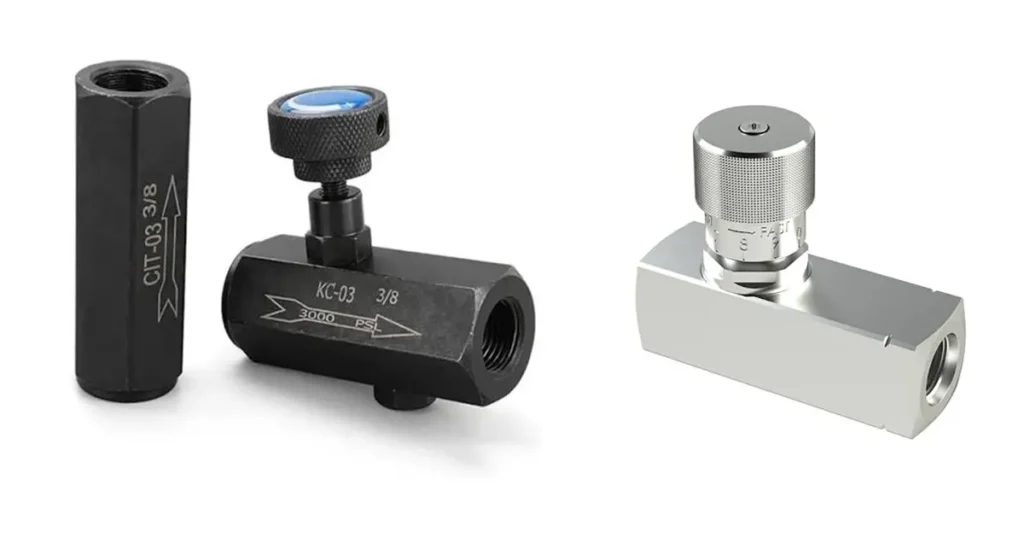
Hydraulic check valve prices change for many reasons. Many technical and market details affect the cost. You will notice big price changes because of these things:
Valve type and design
Material choice
Size and flow capacity
Pressure rating
Connection style
Customization
Order quantity
Market conditions
Tip: Tell your supplier exactly what you need and how you will use it. This helps you get better hydraulic check valve price quotes. Do not only look at the unit price. Check the features and total value of the check valve.
Key Takeaways
Hydraulic check valve prices change with type, material, size, and design. You should know these things to make good choices.
Tell suppliers what you need. This helps you get the right price and not pay extra.
Pick the best valve type for your system. Inline, spring-loaded, and ball-type valves have different uses and prices.
The material you pick changes how long the valve lasts and its price. Stainless steel lasts longer but costs more than carbon steel.
Bigger valves move more fluid but cost more money. Pick the right size for your system so you do not spend too much.
Pressure ratings are very important. Higher ratings need stronger materials and cost more, so choose what your system needs.
How many you buy changes the price. Buying a lot can give you a discount, but only buy what you need so you do not have too many.
Think about after-sales support and warranty when picking a supplier. Good support can help you save time and money later.
Hydraulic Check Valve Price Factors
Valve Type and Design
The kind of hydraulic check valve you pick changes the price. There are many types of hydraulic check valves you can buy. Each type has its own features and costs.
Inline
Inline check valves go right into the hydraulic line. You can put them in without special tools. These work well for simple systems. Inline check valves usually cost less because they are basic.
Spring-Loaded
Spring-loaded check valves use a spring to move the flow. They work well in many hydraulic systems. The spring makes them cost a little more, but you get better control. These are good when you need fast action.
Ball-Type
Ball-type check valves use a ball to stop the flow. You see these in lots of hydraulic systems. They are simple and save money. Ball-type valves do not need much care and last a long time. You can use them for many jobs.
Poppet-Type
Poppet-type check valves use a poppet to close the flow. They seal tightly and handle high pressure. These cost more than ball-type because they are harder to make. You use poppet-type valves for tough jobs.
Pilot-Operated
Pilot-operated check valves use a pilot signal to control flow. You use them in advanced hydraulic systems. These cost more because they need extra parts. You pick pilot-operated valves for more control.
Cartridge
Cartridge check valves fit inside a manifold. You can build custom hydraulic systems with them. Cartridge check valves cost more because of their special shape. They are easy to change and do not take up much space.
Custom
Custom check valves are made for special jobs. You might need different shapes or materials. Custom valves cost more because they need extra work to design and test. You should give clear details to get the right price.
Tip: To get the best price, tell your supplier the exact type and design you want. This helps you avoid mistakes and saves money.
Here is a quick look at some common hydraulic check valves:
Type
Description
Inline Mounting
Easy to put in the system without special tools.
Cartridge Designs
Go in the manifold for custom systems with special paths.
Subplate Mounting
Attach to a subplate for fast changes and moving fluid.
General-purpose valves cost less. Special valves, like pilot-operated or custom, cost more because they are harder to make.
Material Choices
Material is a big part of hydraulic check valve price. You can pick carbon steel, stainless steel, brass, or special alloys. Each one changes how strong, long-lasting, and costly the valve is.
Carbon Steel
Carbon steel check valves are strong. You can use them in tough hydraulic systems. They cost less than stainless steel but can rust. You may need coatings to help them last longer.
Stainless Steel
Stainless steel check valves last a long time and do not rust. You can use them in food, chemical, or marine systems. Stainless steel costs more, but you get less work to keep them running.
Brass and Alloys
Brass check valves are common in hydraulic systems. They last a fair amount of time and do not rust much. Brass costs less, but lead-free brass can be more expensive. Special alloys, like titanium, cost a lot and are for tough jobs.
Here is a table to help you compare materials:
Material
Durability
Corrosion Resistance
Price Impact
Brass
Moderate
Moderate
Lower, but lead-free can cost more.
Carbon Steel
High
Lower (rusts easily)
Moderate, can be cheaper than stainless steel.
Stainless Steel
Very High
Very High
Higher, good for food and tough jobs.
Material prices change around the world. When stainless steel or iron costs more, hydraulic check valve price goes up too. This can make valves cost more and change your budget.
Size and Flow Capacity
The size and flow of the check valve matter for price. Bigger valves need more material and stronger parts. You pay more for big valves because they handle more flow and pressure. Small valves cost less and fit in small spaces. Always match the size and flow to your job. This way, you do not pay for things you do not need.
Note: Always tell your supplier the size, flow, and pressure you need. This helps you get the right valve and the right price.
Hydraulic check valve price depends on many things. The type, material, size, and how hard it is to make all matter. If you want the best deal, look at all these things, not just the price for one valve.
Pressure Ratings
Pressure ratings are very important for the price. If you need a valve for high pressure, it will cost more. This is because the valve needs thicker walls and stronger materials. Special ways to make the valve are also needed. These things help the valve work in tough jobs. If you use a low pressure valve in a high-pressure system, it might leak or break.
You should always tell your supplier the pressure rating you need. This helps you get the right valve for your system. If you guess or pick the wrong rating, you could waste money. You might also have to pay for repairs. Higher pressure ratings give you more safety, but they also cost more.
Tip: Ask your supplier about the pressure rating before you buy. This helps you avoid mistakes and keeps your hydraulic system safe.
Here is a table that shows how pressure ratings change the price:
Pressure Rating
Typical Use
Price Impact
Low (up to 100 bar)
Light-duty systems
Lower
Medium (100-250 bar)
Standard hydraulics
Moderate
High (250+ bar)
Heavy-duty equipment
Higher
Design Complexity
How complex the design is changes the price and wait time. Simple check valves cost less and arrive faster. Complex designs cost more and take longer to get. Complex valves use special materials and need expert workers. Sometimes, new technology makes valves lighter and better. This can make them faster to build, but also harder to make.
If the design needs special parts, you may wait longer. If there are problems getting materials, prices can go up. New technology needs more research and skilled workers. This adds to the cost. Additive manufacturing can make valves lighter and more efficient. But it can also make them more complex and take longer to make.
Here are some things that make a check valve design more complex:
Advanced materials and careful engineering cost more to make.
Problems getting materials can cause delays and higher prices.
New technology needs more research and skilled workers, which costs more.
Additive manufacturing can make valves lighter and better, but also more complex and slower to make.
If you want a custom check valve, give your supplier clear details. This helps them make the right valve and control your costs. Complex designs may also need more care, so plan ahead.
Note: Always ask about wait time and design details before you order. This helps you avoid surprises and keeps your hydraulic system working well.
Cost Impact of Connections and Standards
When you choose a hydraulic check valve, you need to think about how it connects to your system. The connection type can change the price and how easy it is to install or replace. Some connections are simple and common. Others are special and may cost more. If you pick a non-standard connection, you might wait longer for delivery and pay extra for custom work.
Threaded Connections
Threaded connections are very popular in hydraulic systems. They let you screw the check valve right into pipes or fittings. You will see three main types:
NPT
NPT stands for National Pipe Thread. You find this type a lot in North America. NPT threads are easy to use and fit many hydraulic setups. If you pick NPT, you usually pay less because these parts are common and easy to make.
BSP
BSP means British Standard Pipe. You see BSP threads in Europe and Asia. They look like NPT but have a different shape. If you need BSP, tell your supplier. Sometimes BSP costs a bit more if you live in a place where NPT is the standard.
Metric
Metric threads use millimeters instead of inches. You find metric threads in many machines from Europe or Asia. If your hydraulic system uses metric, you need to say so. Metric check valve connections can cost more if they are not common in your area.
Tip: Always check what thread type your system uses. If you mix them up, you can get leaks or damage.
Flange and Cartridge
Some hydraulic check valves use flanges or cartridge styles. Flange connections use bolts to hold the valve in place. These work well for big pipes and high pressure. Flange valves cost more because they need more material and careful work. Cartridge valves fit inside a special block or manifold. They save space and make maintenance easy. Cartridge types can cost more, but you get fast swaps and less downtime.
Connection Type
Where You Find It
Price Impact
Threaded
Small/medium systems
Lower
Flange
Large/high pressure
Higher
Cartridge
Compact/manifolds
Moderate to high
Custom Ports
Sometimes you need a special port or connection. Maybe your hydraulic system has a unique design. Custom ports take more time and skill to make. You will pay more for these. You also need to give your supplier a drawing or sample. This helps them make the right check valve for your job.
Note: Always tell your supplier the connection standard you need. This helps you get the right part, the right price, and less trouble during maintenance.
If you want the best deal, always give clear details about your hydraulic check valve connections. This saves you time, money, and headaches later.
Customization and Special Requirements
Custom Designs
Sometimes, you need a hydraulic check valve for a special job. Custom designs help fix problems that regular valves cannot. When you ask for a custom check valve, it costs more money. Engineers must make new drawings and test the valve. They check things like what fluid you use, how much pressure, and the temperature. You might want more control or a different shape. These things mean more work for the factory.
Custom designs need extra work from engineers.
Testing takes longer and uses more tools.
You get a valve that fits your needs.
Tip: Always give your supplier clear drawings or details. This helps them make the right hydraulic check valve for you.
Special Pressure or Cracking Pressure
Some jobs need a check valve that opens at a certain pressure. This is called cracking pressure. If you want a special cracking pressure, the factory must change the spring or poppet. This needs skill and careful testing. You pay more because these changes are harder to do.
If your system uses high or low pressure, tell your supplier. They will use stronger materials or change the design. Special pressure ratings make the valve safer and last longer, but they cost more.
Here’s a table to show how special pressure needs change the price:
Requirement
Impact on Price
Standard Pressure
Lower
Custom Cracking
Higher
High Pressure
Higher
Note: Always tell your supplier the pressure you need. This helps you avoid mistakes and keeps your system safe.
Unique Materials or Compact Size
Sometimes, your system needs a check valve made from special materials. Maybe you use chemicals, saltwater, or food. You might need stainless steel, titanium, or other alloys. These materials cost more and take longer to get. If you want a small valve, the factory must use special ways to make it strong and tiny. Small valves are good for tight spaces, but they cost more because they are harder to make.
Special materials make the price go up.
Small size means more work and higher cost.
Special jobs need special answers.
Tip: Tell your supplier about the fluid, space, and where you use the valve. This helps them pick the right materials and size for your hydraulic check valve.
If you want a custom hydraulic check valve, always give clear details, drawings, and information about your system. This helps you get the best valve for your job and keeps your costs down.
OEM Markings and Testing
Do you want your company’s logo or part number on your hydraulic check valves? Maybe you need special testing before you use them in your system. These requests fall under OEM markings and testing. They sound simple, but they can change the price and delivery time of your valves.
When you ask for OEM markings, you want the factory to add your brand, logo, or a unique code to each valve. This helps you track your parts and keeps your brand strong. You might need this for quality control or to meet your customer’s rules. The factory uses laser engraving, stamping, or special labels to add these markings. Each method takes extra time and tools.
Special testing is another thing that can raise the price. You may need proof that your check valves work under certain pressures or in tough conditions. Some common tests include:
Pressure testing
Leak testing
Flow testing
Salt spray or corrosion testing
The factory must set up machines and run these tests for each valve. They also need to write reports or give you certificates. This takes more time and uses more workers.
Tip: Always tell your supplier what markings and tests you need before you order. This helps them plan and give you the right price.
Here’s a quick look at how OEM markings and testing can affect your order:
Custom Feature
Impact on Price
Impact on Lead Time
Logo or Part Number
Moderate
Slightly longer
Special Labels
Moderate
Slightly longer
Pressure/Leak Testing
Higher
Longer
Certificates/Reports
Higher
Longer
If you want these features, you should give your supplier:
Your logo or marking design (as a file or drawing)
The exact text or code you want on each valve
Details about the tests you need (type, pressure, time)
Any standards or certificates you must have
You help your supplier when you give clear details. This means fewer mistakes and a smoother order process. You also get a check valve that fits your needs.
Note: Custom markings and testing make your valves special, but they do cost more. Plan ahead and talk with your supplier early. This way, you get the right valve, on time, and with no surprises.
If you want your hydraulic check valves to stand out or meet strict rules, OEM markings and testing are a smart choice. Just remember, these extras add value but also add to the price.
Quantity, Delivery, and Supplier Factors
When you pick a hydraulic check valve, you need to think about more than just the valve. How many you buy, how fast you need them, and who you buy from can change your costs. These things also affect how much you spend over time. Let’s look at what matters.
Order Quantity
If you buy lots of valves at once, you usually pay less for each one. Suppliers like big orders because they can make many valves together. This saves them money, and they give you some savings. But if you buy too many, you might have extra valves you do not need. You will have to pay for storage and keep track of more parts.
Small orders cost more for each valve.
Big orders can save money, but you may pay for storage.
Some suppliers want you to buy a minimum amount. If you do not, you might pay more or wait longer.
Lead Time and Delivery
How fast you need your valves can change the price. If you want them quickly, you may pay extra for fast shipping. If you can wait, you might save money. If your valves come late, your project can slow down. Workers may wait, and your job can get delayed.
Here’s a table that shows how delivery and lead time can change your costs:
Evidence Description
Impact on Total Cost
Delays in delivery can lead to increased labor costs and project bottlenecks.
Increases total cost of ownership due to wasted labor hours and delays in project timelines.
Managing multiple suppliers complicates logistics and increases administrative tasks.
Raises overall procurement costs due to additional administrative burdens.
Separate shipping fees from multiple vendors can escalate costs.
Hidden costs can significantly increase the perceived price of components.
Minimum order quantities can lead to excess inventory.
Increases storage costs and overall procurement expenses.
Tip: Ask your supplier about delivery times and shipping fees before you buy. This helps you plan and avoid surprise costs.
Brand and Support
The brand of your supplier is important. Famous brands cost more because people trust them and know their products last. If your project is big or important, you may want a brand with a good name. You pay more, but you feel safer.
Support after you buy matters too. Good suppliers help you set up, train, and fix problems. They offer things like 24/7 help, advice for installation, and help with maintenance. This support means you spend less time fixing problems and more time working.
Here’s a quick look at how support and warranty can help you:
Aspect
Description
After-Sales Support
Quality suppliers provide strong after-sales service, including technical training and support.
Warranty Policies
Good warranty and replacement policies show the product is reliable.
Customer Relationship
Strong support builds long-term relationships, reduces downtime, and makes customers happy.
24/7 technical help for urgent problems.
Help with setup, maintenance, and fixing issues.
Shows the supplier wants to work with you for a long time.
Note: When you compare offers, look at more than just the price. Think about delivery, support, and the brand’s reputation. These things can save you money and trouble later.
Comparing Hydraulic Check Valve Prices
Key Parameters to Compare
When you look at prices for hydraulic check valves, do not just look at the cost. You need to make sure the valve fits your system. Here are some things you should compare:
Valve Types: You can pick swing, lift, or non-slam check valves. Each type is best for certain jobs.
Body Materials: Choose from cast iron, stainless steel, or bronze. The material should match where you use it.
Seat and Sealing: Pick metal-to-metal or soft seats. Good sealing helps stop leaks and keeps your system safe.
End Connections: See if the valve uses flanged or threaded ends. Make sure it fits your pipes.
Installation Requirements: Some valves work better in certain positions. You need to know which way the flow goes.
Testing Standards: Look for valves that meet API or ISO rules. These show the valve is good quality.
Tip: Give your supplier all these details. This helps you get a quote that fits your needs and avoids mistakes.
Avoiding Price-Only Decisions
You might want to pick the cheapest valve. But this can cause problems later. You need to think about how the valve will work in your system. Here are some things to remember:
Material Durability: Strong materials last longer and stop early breaks.
Application Suitability: Make sure the valve works with your fluids and system.
Maintenance Requirements: Some valves need more care. This can cost more over time.
Operational Conditions: Think about temperature and flow rate. The valve must handle your system’s needs.
Note: If you only look at price, you might pay more later for repairs or new parts.
Balancing Cost and Performance
You want a hydraulic check valve that works well and does not cost too much. You need to balance cost and how well it works. Here is a table to help you see how different things affect your choice:
Factor
Description
Impact on Cost and Performance
Materials
Different materials last longer and fight rust better. Stainless steel is strong.
Better materials cost more at first but last longer and need less fixing.
Valve Types
Different types, like swing or globe, work for different flows.
Picking the right type helps your system work better and saves energy.
Maintenance Practices
Checking your valve often helps it last longer.
If you skip maintenance, you might pay more for repairs and waste money.
Callout: Always ask your supplier about care and how well the valve works. This saves you money and keeps your system running longer.
If you want to compare hydraulic check valve prices the right way, use this checklist:
Valve type and material
Sealing and connection style
Installation and testing standards
Application details like fluid, pressure, and temperature
Maintenance needs
Delivery time and after-sales support
You will make a better choice and avoid hidden problems.
Conclusion
Hydraulic check valve price can go up or down for many reasons. The type, material, size, pressure, and design all change the cost. If you tell your supplier what you need and how you will use it, you get a better price. Picking the right hydraulic check valve helps stop noise, leaks, and wasting money. Do not just look at the price. You should also check if the valve is reliable, if you get help after buying, and if it fits your system.
Picking the right size and type makes your hydraulic system last longer and work better.
Chenyang Hydraulic sells both regular and custom valves. You can use them for pipelines, cylinders, high-pressure jobs, or small spaces.
Solution Type
What It Does
General Pipeline Protection
Stops flow from going backwards in pipelines
Cylinder Load Holding
Keeps loads steady in hydraulic cylinders
High-Pressure Sealing
Seals well when pressure is high
Compact Manifold Installation
Fits in small hydraulic spaces
FAQ
What information do I need to get an accurate hydraulic check valve price?
You should give your supplier details like valve type, material, size, pressure rating, connection style, and any special requirements. The more details you share, the more accurate your quote will be.
Why do stainless steel check valves cost more?
Stainless steel fights rust and lasts longer. You pay more for this material because it handles tough jobs and harsh environments. If you need extra durability, stainless steel is a smart choice.
Can I save money by buying in bulk?
Yes! When you order more valves at once, you usually get a lower price per unit. Suppliers like big orders and often give discounts. Just make sure you really need that many.
How does delivery time affect the price?
If you need valves fast, you might pay extra for rush production or shipping. Standard delivery usually costs less. Always ask about lead times before you order to avoid surprises.
What is cracking pressure, and why does it matter?
Cracking pressure is the minimum pressure needed to open the valve. If you need a special cracking pressure, the valve may cost more. Always tell your supplier the exact pressure you need.
Do custom markings or testing add to the cost?
Yes, they do. If you want your logo, part number, or special test reports, you will pay more. These extras take extra time and work at the factory.
How do I choose the right connection type?
Check your system’s threads or ports first. Pick NPT, BSP, metric, flange, or cartridge based on what fits. If you are not sure, ask your supplier for help.
Can I use the same check valve for different fluids?
Not always. Some materials work better with certain fluids. Tell your supplier what fluid you use. They will help you pick the right material for your check valve.