
Hydraulic Check Valve Failure can stop your whole system. You may notice reverse flow, pressure drops, cylinder drift, or odd sounds. These problems can soon cause bigger issues. Some common results are:
- Serious equipment damage from backflow
- Hydraulic shock that hurts pipelines
- System pollution and safety risks from dangerous material going backward
- Extra costs from wasted energy and surprise downtime
Finding problems early helps you avoid expensive repairs and keeps your equipment safe.
Key Takeaways
- Hydraulic check valve failure can cause big problems. It may damage equipment and create safety risks. It is important to find problems early.
- Some signs of valve failure are pressure loss and reverse flow. You may also see cylinder drift or hear strange noises. Regular checks help you spot these signs.
- Dirty oil is a main reason for check valve failure. Keep your hydraulic fluid clean to make your valves last longer.
- Installing the valve the right way is very important. Make sure the valve is in the correct spot. It should match the flow direction. This helps stop leaks and system failures.
- Regular maintenance is needed. Look at the valves often and check if the oil is clean. This can stop small issues from turning into big problems.
- Picking the right valve size, pressure rating, and material is important. Always match these to what your system needs for best results.
- If a valve is badly damaged, it is better to replace it. This costs less than fixing it over and over.
- Manufacturer support matters. Choose companies that give good technical help and have parts available. This helps your system run smoothly.
What Is Hydraulic Check Valve Failure?
Failure Definition
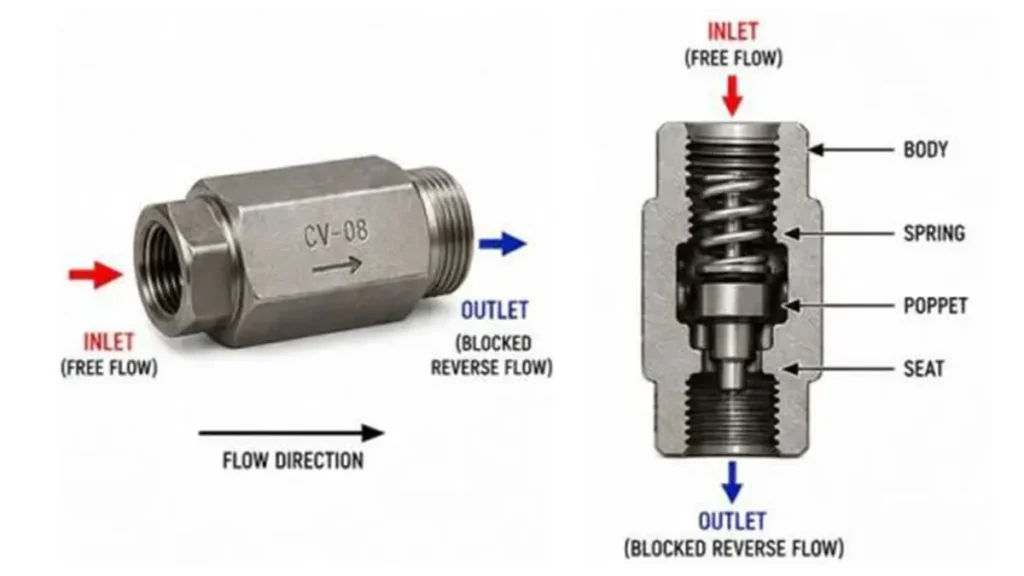
You might wonder what check valve failure really means. In technical terms, it happens when the valve can’t control one-way flow anymore. This can show up in several ways:
- The poppet gets stuck in the open or closed position.
- You notice unexpected leaks.
- The valve starts chattering or making odd noises.
- The valve refuses to open at the set pressure.
When you see these signs, your hydraulic system isn’t working as it should. The valve’s job is to let fluid move in one direction and block it from going backward. If the valve fails, you lose control over the flow. This can lead to big problems in your equipment.
Why Valve Function Matters
You depend on check valves to keep your hydraulic system safe and reliable. These valves stop backflow and protect pumps from damage. They play a key role in circuits where high and low pressure must stay separate, like in accumulators. When the valve works right, it controls the release of stored energy and keeps machinery safe.
Properly functioning safety valves protect you and your team. They prevent dangerous overpressure, which can cause fluid injection injuries, equipment ejection, or even fires. By keeping pressure in check, these valves reduce hazards and help your system run smoothly.
If you ignore check valve failure, you risk equipment damage, wasted energy, and unsafe conditions. That’s why you need to spot problems early and fix them fast.
Failure Modes
Hydraulic check valves can fail in different ways. Let’s look at the most common modes:
Leakage
You might see fluid leaking past the valve. This usually means the seal or seat is worn out. Leaks can cause pressure loss and make your system less efficient.
Sticking
Sometimes the poppet or ball gets stuck. It might stay open or closed when it shouldn’t. Sticking can lead to unpredictable flow and make your actuators move slowly or not at all.
Reverse Flow
If the valve lets fluid go backward, you have reverse flow. This can damage pumps, cause cylinder drift, and create safety risks.
Not Opening or Closing
The valve might refuse to open at the right pressure or fail to close when needed. This can happen if the spring breaks or the poppet jams. When the valve doesn’t open or close, your system loses control and performance drops.
You need to understand these failure modes so you can spot trouble early. If you catch check valve failure soon, you can fix it before it causes bigger issues.
Check Valve Failure Symptoms
Pressure Loss
You might notice your hydraulic system losing pressure. This is one of the first signs that something is wrong with your check valve. When a check valve fails, it can no longer keep fluid moving in just one direction. You may see the pressure gauge drop or notice that your machine feels weak. Sometimes, you will hear odd noises or see fluid leaking around the valve. These are clear warnings that the valve is not working right.
- Check valves keep fluid flowing in one direction.
- If the flow stops or becomes inconsistent, you may have a problem.
- Pressure loss often comes from these flow issues.
Unusual pressure changes can also point to reverse flow or inconsistent flow. If the check valve cannot hold steady pressure, you might see the gauge bounce or drop suddenly. This can make your whole system unstable.
Tip: If you spot pressure loss, check for leaks and listen for strange sounds. These clues can help you find the problem fast.
Reverse Flow
Reverse flow happens when fluid moves backward through the system. This is a big red flag. You might see the pressure upstream drop for no reason. Sometimes, the pump may even start to run backward, which can cause serious damage.
Common causes of reverse flow include:
- Wear on the valve disc sealing surface
- Foreign matter blocking the valve
- Broken springs inside the valve
- Wrong installation direction
Debris in the fluid can get stuck in the valve, holding it open or closed. If you skip regular maintenance, debris can build up over time. High-speed fluid can also damage the inside of the valve, making the problem worse.
Note: Reverse flow can lead to pump failure and system contamination. Always check the valve direction and look for signs of wear.
Cylinder Drift
Cylinder drift means your hydraulic cylinder moves when it should stay still. This usually points to internal leakage. If the check valve seal wears out, fluid can sneak past and cause the cylinder to drift.
You might notice:
- The cylinder slowly drops under load
- The valve body feels hot from fluid leaking through a small gap
- The pump runs all the time to keep pressure up
Leaks around the check valve often mean the seals or sealing surfaces are worn. If there is too much space inside the valve, fluid can bypass the parts and cause trouble. Over time, friction and frequent use can wear down the seals, making leaks more likely.
Remember: Cylinder drift is not just annoying. It can make your system unsafe and less reliable. Always check for leaks and worn seals if you see this symptom.
Slow Actuator
If your hydraulic actuator moves slowly, the check valve might be the problem. When the valve leaks inside or gets stuck, less fluid can move through. This means your equipment loses power and does not respond well. You might see a loader bucket or crane arm drift slowly. This is not just annoying—it can be dangerous. If a heavy arm drops without warning, it could hurt someone or break things.
Sometimes dirt or rust gets stuck in the valve. This can jam the poppet or ball. When this happens, the valve cannot open or close right. This slows down the actuator. If the valve parts wear out or break, the valve might make a chattering sound or not seal well. Chatter can make the fluid flow uneven. This makes the actuator move in a jerky way.
Slow actuator movement is more than just a small problem. It means you are losing control of your machine. This can make your equipment unsafe and work badly. If you see slow movement, check your valves for leaks, worn parts, or things that are stuck.
Noise and Vibration
Have you heard weird noises or felt shaking near your hydraulic check valve? These sounds often mean the valve is not working right. When the valve chatters, it opens and closes very fast. This makes noise and shakes the system. This can happen if the spring is weak or broken, or if the valve is damaged inside.
Noise and vibration are not just annoying. They can hurt other parts of your system. The shaking can make fittings loose and wear out seals faster. Pipes or hoses can get tired and break. Over time, this can cause leaks or even sudden failures.
Tip: If your system gets noisy or shakes more than normal, check the check valve. Fixing or changing a bad valve early can stop bigger problems later.
System Instability
If your hydraulic system feels jumpy or unstable, a bad check valve could be the reason. Instability can look like pressure going up and down, jerky actuator moves, or stops and starts you did not expect. If the valve leaks or lets fluid go backward, the system cannot keep steady pressure. This makes the whole machine act in strange ways.
Unstable systems make it hard to control your equipment. Parts can wear out faster. Pumps may use more energy to keep pressure up. Unsteady pressure can also be dangerous, especially with heavy loads.
Remember, your hydraulic system needs good valves to work right. If your system acts strange, do not ignore it. Check your valves and fix any problems fast to keep your equipment safe and working well.
Leakage
You might spot a puddle under your hydraulic equipment and wonder where it came from. Leakage is one of the most obvious signs that your check valve has a problem. When a check valve fails, fluid can slip past the seals or seat and escape. This can make your system lose pressure, waste oil, and even create safety hazards.
How do you know if you have a leakage issue? You may see oil dripping from the valve body or notice wet spots on hoses and fittings. Sometimes, you will smell hydraulic fluid or see a shiny film on nearby parts. If you check your oil level and it keeps dropping, that’s another clue. You might also hear hissing or bubbling sounds as air gets pulled into the system through the leak.
Why does leakage happen? There are several common reasons:
- Seals wear out over time. Friction and pressure cycles can crack seals or make them lose their stretch.
- Too much system pressure can push seals past their limit. Pressure spikes can cause sudden damage.
- High operating temperatures speed up seal aging. Heat can make seals hard and brittle, and it can also break down the oil that keeps them slippery.
- Contaminated hydraulic fluid is a big problem. Dirt, water, or tiny metal bits can scratch or tear seals, making it easier for fluid to escape.
- Using the wrong seal material can cause trouble. Some seals can’t handle certain oils, temperatures, or chemicals. They break down faster if they’re not made for your system.
- Poor installation can lead to early seal failure. If someone puts the valve together wrong, the seals might not sit right or could get pinched.
If you ignore leakage, you risk more than just a mess. Fluid loss can make your system weak and slow. It can also cause pumps to run dry, which leads to expensive repairs. Leaks can make the floor slippery and dangerous for anyone working nearby. In some cases, leaking oil can even harm the environment.
You can prevent most leakage problems by checking your valves often. Look for drips, stains, or low oil levels. Change seals before they get too old. Use the right seal material for your system and make sure everything is installed correctly. Clean oil and good filters help keep dirt out and protect your seals.
Tip: If you spot a leak, fix it right away. Small leaks can turn into big problems if you wait too long.
Causes of Hydraulic Check Valve Failure
Contaminated Oil
You might not realize how much dirty oil can cause trouble in your hydraulic system. Contaminated oil is one of the main reasons for check valve failure. When oil carries dirt, metal bits, or other particles, these can scratch and wear out the inside of your valve. Even tiny impurities can cause big problems. You may see your valve start to leak or act strangely.
Here’s what contaminated oil can do:
- It speeds up wear on pumps and valves, which leads to more failure.
- Abrasive particles cause internal leakage and make your system less efficient.
- Dirt and metal bits disrupt fluid performance and cause equipment failure.
- Small particles jam sensitive valves, making machinery stop working.
- Contaminated oil loses its ability to lubricate, which causes heat buildup and faster wear.
- Pilot valves are very sensitive. Even a little contamination can jam them and cause your whole system to fail.
- If safety functions fail because of contamination, you risk accidents.
You need to keep your oil clean. If you ignore oil cleanliness, you will see more valve failure and costly repairs. Clean oil helps your valves last longer and keeps your system safe.
Tip: Always check your filters and change them on time. Clean oil is your best defense against check valve failure.
Worn Seal or Seat
Seals and seats inside your check valve play a big role in stopping leaks. Over time, these parts wear out. When seals crack or lose their stretch, fluid slips past and causes leakage. If the seat gets scratched or damaged, your valve cannot seal properly. This leads to pressure loss and makes your system weak.
You might wonder how long seals or seats last. Most metal and plastic check valves work for about 5 to 7 years. Rubber seals can last much longer, sometimes 35 to 50 years. If you use your equipment a lot or run it in harsh conditions, seals and seats wear out faster. Heat, pressure spikes, and dirty oil all cause seals to fail sooner.
| Type of Check Valve | Typical Lifespan |
|---|---|
| Metal and Plastic | 5-7 years |
| Rubber | 35-50 years |
When you see leaks or pressure drops, check your seals and seats first. Worn parts are a common cause of valve failure. If you replace seals before they break down, you can avoid bigger problems.
Note: If you spot a leak, fix it right away. Waiting too long can cause more damage and lead to expensive repairs.
Broken or Weak Spring
The spring inside your check valve helps it open and close at the right time. If the spring breaks or gets weak, your valve cannot work properly. A broken spring can cause the valve to stay open or closed when it should not. This leads to reverse flow, pressure loss, and system instability.
You may notice your valve making odd noises or chattering. Sometimes, the actuator moves slowly or jerks. These are signs that the spring is not doing its job. If the spring is weak, the valve might not close tightly, which causes leaks and failure.
Springs break down from repeated use, high pressure, or corrosion. If you use the wrong spring for your valve, it can cause early failure. Always check the spring when you see valve problems. Replacing a weak or broken spring can fix many issues and prevent more failure.
Alert: Don’t ignore spring problems. A broken spring can cause your whole system to fail. Check springs during regular maintenance to keep your valves working well.
Stuck Poppet or Ball
You might run into trouble when the poppet or ball inside your check valve gets stuck. This problem can stop fluid from moving the way it should. When you have stuck valves, your system may act slow, lose pressure, or even stop working. You might wonder what causes this to happen. Here are some common reasons:
- Debris from loose valve pieces or other parts can block the poppet or ball.
- General wear and corrosion of elastomers can make the moving parts stick.
- Highly mobile parts, like the ball in ball check valves, may get stuck more easily.
If you use dirty oil, small bits of metal or dirt can get inside and jam the valve. Over time, worn seals can let more dirt in, making the problem worse. Corrosion from water or old oil can also make the poppet or ball hard to move. When you see slow actuators or hear odd noises, check for stuck valves right away.
Tip: Clean oil and regular maintenance help prevent stuck poppet or ball problems. If you find worn seals, replace them before they cause bigger issues.
Wrong Cracking Pressure
Cracking pressure is the force needed to open your check valve. If you pick the wrong setting, your system will not work right. You might see slow movement, leaks, or even damage to your equipment. Here’s what can happen when the cracking pressure is not correct:
- You may notice inefficiencies in flow control.
- The valve parts can wear out faster than normal.
- Your system could fail because the valve does not open or close at the right time.
- The right cracking pressure keeps flow steady and stops backflow.
- It protects your system from damage by making sure the valve opens when it should.
- Good cracking pressure settings help save energy and keep your system running smoothly.
- If the pressure is too high, you risk dangerous pressure buildup and possible failure.
- The valve needs to open at the right time to keep your system stable.
- Wrong settings can create big safety hazards.
If you see stuck valves or hear chattering, check the cracking pressure. Always match the valve’s cracking pressure to your system’s needs. This keeps everything safe and efficient.
Incorrect Installation
You might think installing a check valve is simple, but mistakes happen. Even small errors can cause big problems. Here’s a quick look at common installation mistakes and what they can do:
| Installation Error | Consequence |
|---|---|
| Incorrect flow direction | Causes complete blockage, significant drop in pressure, and potential system shutdowns. |
| Improper valve sizing | Leads to flow restriction or improper closure, causing inefficiencies and potential damage. |
| Ignoring pressure and temperature ratings | Can result in valve deformation, leaks, or malfunctioning sealing mechanisms due to exceeding limits. |
| Skipping leak testing | May lead to undetected leaks, system inefficiencies, and damage to surrounding equipment. |
If you install a valve backward, fluid cannot flow, and your machine may stop. Using the wrong size valve can block flow or let too much fluid through. If you ignore pressure and temperature ratings, the valve can warp or leak. Skipping leak tests means you might miss small leaks that turn into big problems later.
Note: Always double-check the flow direction, size, and ratings before you finish the job. A careful installation helps your check valve last longer and keeps your system safe.
Pressure Shock
Pressure shock can sneak up on your hydraulic system when you least expect it. You might see it happen during sudden starts, stops, or when a heavy load moves fast. This shock is like a wave of high pressure that slams into your check valve. If you don’t control it, you could end up with a broken valve and a big mess.
Here’s what pressure shock can do to your check valve:
- Sudden pressure spikes hit the valve hard, especially during quick blade movements or when a cylinder stops fast.
- The valve has to handle rapid closure shock. If it can’t, the inside parts might crack or break.
- High-quality materials help the valve survive these shocks. Cheap or weak materials can’t protect the valve seat, so you get leaks or total failure.
You might hear a loud bang or feel a vibration when pressure shock hits. Over time, these shocks wear out the valve and make it less reliable. If you notice your system acting rough or making strange noises after a quick movement, check for signs of pressure shock damage.
Tip: Use valves made from strong materials. Make sure your system has pressure relief devices to soften the blow from sudden spikes.
Wrong Valve Size
Choosing the wrong valve size is a common mistake. You might think a bigger valve is better, or maybe you grab whatever is on the shelf. But size matters—a lot. If your check valve is too small, it chokes the flow. Your system slows down, and pressure builds up where you don’t want it. If the valve is too big, it might not close properly. This lets fluid leak backward and causes all sorts of trouble.
Here’s what can happen when you pick the wrong size:
- Too small: The valve restricts flow. Your actuators move slowly, and the pump works harder.
- Too big: The valve doesn’t seal well at low flows. You get leaks and lose control.
- Wrong size can cause noise, vibration, and even damage to other parts.
You need to match the valve size to your system’s flow and pressure. Check the specs before you buy. If you’re not sure, ask a hydraulic expert for help.
Remember: The right size valve keeps your system running smooth and safe.
Material or Seal Issues
You might not think much about the materials or seals in your check valve, but they play a huge role in how long your valve lasts. If you use the wrong materials, you could see leaks, swelling, or even total failure much sooner than you expect.
Here’s how material or seal problems can cause trouble:
- Some chemicals in hydraulic oil can make seals swell, soften, or lose their shape. If you don’t check compatibility, your seals might fail fast.
- Seals like elastomer rings wear out from friction and use. When they lose their grip, fluid leaks past and your valve stops working right.
- High temperatures speed up wear and tear. If your valve materials can’t handle the heat, they break down faster.
- Incompatible materials can rust or corrode. This weakens the seal and lets fluid escape.
You should always check if the seal material matches your oil and temperature range. If you see leaks, swelling, or cracks, it’s time to replace the seals. Don’t wait for a total breakdown.
Note: Good seals and the right materials keep your hydraulic system leak-free and reliable. Always double-check before you install a new valve.
Troubleshooting Hydraulic Check Valve Failure
Visual Inspection
Start your troubleshooting with a good look at the check valve. You can spot many problems just by using your eyes. Here’s what you should do:
- Look for signs of corrosion on the valve body or fittings.
- Check for any blockages or buildup around the valve.
- Inspect the area for leaks, drips, or wet spots.
- Notice if the hydraulic fluid looks dirty or cloudy.
- Watch for any loose bolts or damaged hoses.
If you see anything unusual, don’t wait. Fixing small issues early can save you from bigger headaches later. Always keep your work area clean and dry. This helps you spot leaks or problems faster.
Tip: Make visual inspection a regular part of your troubleshooting routine. It’s quick, easy, and can catch trouble before it gets worse.
Flow Direction Check
You need to make sure the check valve is letting fluid flow the right way. A flow direction check is a key step in troubleshooting. If the valve lets fluid move backward, you could have leaks, pressure loss, or even damage to your system. When you check the flow direction, you can find out if the valve is stuck, installed wrong, or has internal damage. This simple test helps you spot problems like reverse flow or a valve that isn’t closing tight.
If you find that fluid moves both ways, the valve may have failed. You should replace or repair it right away. Always follow the arrows or markings on the valve body to confirm the correct direction.
Note: Regular flow direction checks help you catch issues early and keep your hydraulic system running smoothly.
Oil Cleanliness
Dirty oil is one of the top reasons check valves fail. When you start troubleshooting, always check the oil. Clean oil keeps your valves working longer and helps prevent sticking or leaks. You should know the right cleanliness level for your system. The ISO 4406 code tells you how clean your oil should be for different parts.
Here’s a quick guide:
| Component Type | Recommended ISO 4406 | Why |
|---|---|---|
| Servo/Proportional Valves | 16/14/11 or cleaner | Tight clearances; silt causes failure |
| Solenoid Directional Valves | 18/16/13 or 19/17/14 | Moderate clearances; can stick |
| Cartridge Valves | 18/16/13 or cleaner | Pilot orifices clog easily |
| Gear Pumps | 19/17/14 | More tolerant but still wears over time |
To keep your oil clean:
- Install high-efficiency filters with a Beta rating of 1000 or more.
- Use off-line “kidney-loop” filtration for continuous cleaning.
- Test your oil every few months in a lab.
- For mobile machines, use inline filters with bypass indicators.
The right oil cleanliness depends on your machine, how you use it, and where you work. Setting a target cleanliness level helps you balance maintenance costs and system life. Clean oil makes troubleshooting easier and keeps your check valves in top shape.
Remember: Clean oil is your best friend when it comes to troubleshooting hydraulic check valve failure.
Pressure and Cracking Pressure
You want your hydraulic check valve to open at the right moment. If the pressure is too low or too high, your system can act up. Checking the pressure and cracking pressure helps you spot problems before they get worse.
Cracking pressure is the force needed to start opening the valve. If you set it wrong, your valve might not open when you need it. Sometimes, the valve opens too soon or too late. This can cause slow movement, leaks, or even damage.
Here’s how you can measure pressure and cracking pressure step by step:
- Set up your test area. Place the check valve between a pressure source and a gauge.
- Slowly increase the pressure from the inlet side. Watch the gauge closely.
- Write down the pressure when the valve starts to open. This is your cracking pressure.
- Look for leaks at low flow rates. Make sure the valve seals tight when closed.
- If your valve lets you adjust the cracking pressure, make changes as needed.
If you notice the valve opens at the wrong pressure, you may need to adjust it or replace it. Always check for leaks while testing. Leaks mean the valve isn’t sealing well.
You can use a table to keep track of your results:
| Test Step | What to Look For | Action Needed |
|---|---|---|
| Increase inlet pressure | Valve starts to open | Record cracking pressure |
| Low flow rate | Leaks or drips | Inspect seals |
| Adjustable valve | Wrong cracking pressure | Adjust or replace |
Checking pressure and cracking pressure helps you keep your hydraulic system safe and reliable. If you find problems, fix them right away.
Spring and Poppet Check
The spring and poppet inside your check valve work together. The spring pushes the poppet closed. When pressure builds, the poppet moves and lets fluid flow. If either part fails, your valve won’t work right.
You should check the spring for signs of weakness or breakage. A weak spring can’t hold the poppet closed. This lets fluid leak backward. If the spring breaks, the valve might stay open or closed all the time.
Look at the poppet for wear or sticking. Dirt, rust, or debris can jam the poppet. If the poppet sticks, your actuator may move slowly or jerk. Sometimes, the poppet wears down and can’t seal tight.
Here’s what you can do:
- Remove the valve and inspect the spring. Look for cracks, rust, or stretching.
- Press on the poppet. It should move smoothly and return to its place.
- Clean any dirt or debris you find. Replace worn parts if needed.
If you hear chattering or see slow movement, check the spring and poppet first. Fixing these parts can solve many valve problems.
Seal Condition
Seals keep fluid from leaking past the check valve. If seals wear out, crack, or lose their shape, you’ll see leaks and pressure loss. You need to check seals often to keep your system running strong.
Look for signs of damage. Seals may look dry, brittle, or swollen. Sometimes, you’ll see oil dripping from the valve body. If you spot wet spots or smell hydraulic fluid, check the seals right away.
You can use a simple checklist:
- Inspect seals for cracks, swelling, or hard spots.
- Check for leaks around the valve.
- Make sure the seal material matches your oil and temperature range.
- Replace seals that look worn or damaged.
Good seals keep your hydraulic system safe and leak-free. If you find a bad seal, change it before it causes bigger trouble.
Installation Position
You might not think much about where you put your check valve, but the installation position can make or break your hydraulic system. If you install the valve in the wrong spot or at the wrong angle, you can run into all sorts of trouble. Sometimes, a valve that works fine on the bench acts up once you put it in the machine. Why? The answer often comes down to position.
Here’s what you need to watch for:
- Flow Direction: Always check the arrow or marking on the valve body. If you install the valve backward, fluid can’t flow the right way. This mistake can cause total system failure.
- Orientation: Some check valves need to sit upright. If you mount them sideways or upside down, gravity might keep the poppet or ball from sealing tight. This can lead to leaks or slow response.
- Accessibility: Place the valve where you can reach it for inspection and maintenance. If you hide it behind other parts, you’ll have a hard time checking for leaks or making repairs.
- Vibration and Movement: Avoid mounting the valve where it will shake a lot. Too much vibration can loosen fittings or wear out seals faster.
- Support: Make sure the valve is supported well. If it hangs from hoses or pipes, the weight can cause stress and lead to cracks or leaks.
Tip: Before you tighten the last bolt, double-check the installation position. A few extra minutes now can save you hours of troubleshooting later.
Step-by-Step Process
Troubleshooting a hydraulic check valve doesn’t have to feel overwhelming. You can follow a simple process to find and fix most problems. Here’s a step-by-step guide you can use every time:
- Shut Down the System
- Turn off the hydraulic power. Make sure all pressure is released before you start.
- Inspect Visually
- Look for leaks, rust, or damage around the valve. Check for loose bolts or wet spots.
- Check Flow Direction
- Find the arrow on the valve. Make sure fluid flows the right way. If not, you may need to reinstall the valve.
- Test Oil Cleanliness
- Pull a small oil sample. If it looks dirty or cloudy, change the oil and filters.
- Measure Pressure and Cracking Pressure
- Use a pressure gauge to see if the valve opens at the right pressure. If the numbers don’t match the specs, adjust or replace the valve.
- Examine Spring and Poppet
- Remove the valve if needed. Check if the spring is broken or weak. Press on the poppet to see if it moves smoothly.
- Inspect Seal Condition
- Look for cracks, swelling, or hard spots on the seals. Replace any that look worn out.
- Check Installation Position
- Make sure the valve sits in the right spot and orientation. Fix any mounting issues.
- Reassemble and Test
- Put everything back together. Turn the system on and watch for leaks, noise, or slow movement.
Here’s a quick table to help you remember each step:
| Step | What to Do | What to Look For |
|---|---|---|
| Shut Down System | Turn off power, release pressure | Safety first |
| Visual Inspection | Check for leaks, rust, damage | Wet spots, loose bolts |
| Flow Direction | Confirm arrow matches flow | Backward installation |
| Oil Cleanliness | Sample oil, check filters | Dirty or cloudy oil |
| Pressure/Cracking Pressure | Use gauge, compare to specs | Wrong opening pressure |
| Spring and Poppet | Inspect for wear or sticking | Broken spring, stuck poppet |
| Seal Condition | Look for cracks or swelling | Worn or damaged seals |
| Installation Position | Check orientation and support | Wrong angle, loose mounting |
| Reassemble and Test | Run system, observe performance | Leaks, noise, slow movement |
Remember: Regular troubleshooting keeps your hydraulic system running strong. Don’t wait for a breakdown—catch problems early and fix them fast!
Repair or Replace: Solution for Failure
When to Repair
You might ask when it’s smart to fix a hydraulic check valve instead of getting a new one. Repair is a good idea if the damage is small or only affects parts like seals or springs. If your valve has worked well before and doesn’t break often, fixing it can save money and time. If you can find replacement parts easily and they don’t cost much, repairing is a smart move.
Here are times when repair makes sense:
- The valve has only small damage.
- It has worked well before.
- Parts are easy to get and not expensive.
- Repair costs less than buying a new valve.
- The valve is pretty new and still fits your system.
Repairing helps your system keep working without needing a full replacement. It also stops long downtime and keeps costs low.
When to Replace
Sometimes, fixing isn’t the best choice. If your valve has big damage or keeps breaking, replacing it is safer. Old valves may not have parts anymore or may not work as well as newer ones. Getting a new valve can make your system work better and last longer.
Think about replacing your valve if:
- It has lots of damage.
- It keeps failing again and again.
- The valve is old and parts are hard to find.
- You want newer technology.
- Repair costs are almost the same as buying new.
Buying a new valve can seem expensive at first, but it saves money later by stopping many repairs and downtime.
Signs of Irreparable Damage
Knowing when a valve can’t be fixed helps you save time and money. Some signs mean you should stop fixing and get a new valve:
| Signs of Irreparable Damage | What It Means |
|---|---|
| Cracked or broken valve body | Unsafe to use, can’t be fixed |
| Severely corroded or worn internal parts | Repair won’t make it work again |
| Springs snapped or missing | Valve won’t open or close right |
| Seals and seats damaged beyond repair | Leaks and pressure loss won’t stop |
| Valve performance repeatedly fails | Bigger problems inside the valve |
If you see any of these signs, replace the valve right away. Trying to fix a badly damaged valve wastes time and can make your system fail.
Tip: Always compare repair and replacement costs. Sometimes, getting a new valve is the best way to keep your system safe and working well.
The right choice depends on how bad the damage is, the cost, and what your system needs. By knowing when to fix or replace, you keep your hydraulic system running smoothly and avoid big surprises.
Summary Table: Repair vs. Replace Criteria
| Criteria for Repair | Criteria for Replacement |
|---|---|
| Minor damage | Extensive damage |
| Good performance history | Repeated failures |
| Parts availability | Obsolete models |
| Lower repair cost | Technological upgrades |
| Relatively new valve | Repair cost near replacement cost |
Use this table to help you decide what to do next.
Cost-Benefit Analysis
When you face a failing hydraulic check valve, you probably wonder, “Should I fix it or just get a new one?” That’s where a cost-benefit analysis comes in handy. You want to make the smartest choice for your equipment and your wallet.
Let’s break it down. First, think about the direct costs. Repairs often look cheaper at first, especially if you only need to swap out a seal or spring. You can get your system running again quickly. But sometimes, repairs add up. If you keep fixing the same valve over and over, those small costs can turn into a big bill.
On the other hand, replacing a valve costs more up front. You pay for the new part and maybe some extra labor. But a new valve can last longer and work better. You might save money in the long run because you avoid repeated breakdowns and emergency repairs.
Here’s a quick look at the main cost factors:
- Repairs usually cost less and take less time for minor issues.
- Replacement makes more sense if the valve has severe damage or keeps failing.
- Some valve parts are so expensive to fix that buying a new valve is actually cheaper.
- A new valve costs more at first but can save you money by reducing future repairs and downtime.
You also need to think about downtime. Every hour your machine sits idle, you lose money. If a repair takes too long or doesn’t last, you might face more shutdowns. A new valve can get your system back to full strength and keep it running smoothly.
Let’s compare repair and replacement side by side:
| Factor | Repair | Replacement |
|---|---|---|
| Upfront Cost | Lower for minor fixes | Higher, but one-time |
| Downtime | Short if parts are on hand | May be longer for sourcing |
| Long-Term Savings | Lower if repairs repeat | Higher if valve lasts longer |
| Risk of Failure | Higher with old/worn valves | Lower with new valve |
| Parts Availability | Easy for common valves | May be hard for old models |
Tip: If you find yourself repairing the same valve again and again, it’s probably time to invest in a replacement. You’ll save money and headaches down the road.
In the end, you want to look at the big picture. Don’t just focus on the price tag today. Think about how much time, money, and trouble you’ll save over the next few years. Sometimes, spending a little more now means you spend a lot less later.
If you’re not sure which way to go, talk to a hydraulic expert. They can help you weigh your options and pick the best path for your system.
Preventing Hydraulic Check Valve Failure
Oil Cleanliness
You want your hydraulic system to last a long time. Clean oil is very important for stopping check valve failure. Dirty oil causes problems. It carries grit, metal bits, and water. These things can scratch seals and clog valves. If you do not keep oil clean, you might get leaks or slow movement. Sometimes, your whole system can break down.
Pick the right hydraulic fluid for your machine. Always use what the manufacturer says. The correct viscosity helps seals and keeps parts moving well. Test your fluid often. This lets you find dirt early. If you see cloudy oil or find particles, change it right away.
Make a routine for checking oil every day. Look for signs of dirty oil during your checks. Clean valves often to remove buildup. If you see leaks or hear strange noises, check your oil first. Clean oil helps valves last longer and stops expensive repairs.
Tip: Clean oil protects your hydraulic system from wear. It keeps your equipment running strong.
Proper Filtration
Filtration stops dirt and metal from hurting your system. Good filters catch small bits before they reach your check valves. If you skip filter maintenance, dirt can get into your system.
Use filters with a high Beta rating. These filters catch tiny particles that cause big problems. Change filters often. Do not wait for warning lights or bypass signs. If you use your equipment in tough places, try off-line filtration. This cleans oil even when your machine is off.
Here’s a simple table to help you remember good filtration:
| Filtration Practice | Why It Matters |
|---|---|
| High Beta rating filter | Stops small particles from damaging valves |
| Regular filter changes | Prevents clogging and keeps oil flowing freely |
| Off-line filtration | Cleans oil during downtime for extra protection |
If you keep your filters working well, you protect your valves from sticking, leaking, and early failure.
Correct Pressure Rating
Picking the right pressure rating for your valve is very important. If you use a valve that cannot handle your system’s pressure, you risk leaks and cracks. Sometimes, the valve can break suddenly. Always check the pressure specs before you install a new valve.
Match the valve’s pressure rating to your system’s highest working pressure. If your equipment runs at high pressure, use a valve made for that. Do not guess or use any valve just because it is handy. Wrong pressure ratings can make the valve bend or fail.
Check your system’s pressure during regular maintenance. If you see spikes or drops, look at your valves for stress. Replace any valve that shows cracks or leaks. Keeping the pressure rating correct helps your hydraulic system stay safe and reliable.
Note: The right pressure rating keeps your valves working smoothly. It stops dangerous failures.
Match Cracking Pressure
You want your hydraulic check valve to open at just the right moment. If the cracking pressure is too high or too low, your system can act up. Matching the cracking pressure to your system’s needs helps you avoid leaks, slow movement, and even dangerous pressure spikes.
Cracking pressure is the force needed to start opening the valve. You can find this number in the valve’s specs. If you pick a valve with the wrong cracking pressure, you might see your actuator move too slowly or not at all. Sometimes, fluid leaks backward because the valve doesn’t close tight enough.
Here’s how you can match cracking pressure:
- Check your system’s working pressure. Write it down.
- Look at the valve’s datasheet. Find the cracking pressure rating.
- Pick a valve that opens just above your system’s minimum pressure.
- Avoid valves with cracking pressure that is too close to your maximum pressure. This can cause delays or missed signals.
Tip: If you’re not sure which cracking pressure to choose, ask your hydraulic supplier. They can help you find the best match for your equipment.
You can use a simple table to compare options:
| System Pressure | Valve Cracking Pressure | Result |
|---|---|---|
| 1000 psi | 50 psi | Opens easily |
| 1000 psi | 900 psi | Opens late, slow flow |
| 1000 psi | 1100 psi | Won’t open |
Matching cracking pressure keeps your system running smooth. You get steady flow and reliable performance.
Installation Checks
You need to install your check valve the right way. If you skip installation checks, you risk leaks, reverse flow, or even total system failure. Always double-check the valve’s position and direction before you finish the job.
Here’s what you should do:
- Find the arrow or marking on the valve body. Make sure it matches the flow direction.
- Mount the valve in the right orientation. Some valves need to sit upright.
- Tighten all fittings and bolts. Loose parts can cause leaks.
- Test for leaks after installation. Run the system and watch for drips or wet spots.
- Make sure the valve is easy to reach for maintenance.
Note: Careful installation stops problems before they start. Take your time and follow the manufacturer’s instructions.
You can use a checklist to help you remember:
- Flow direction matches system
- Valve sits in correct orientation
- Fittings and bolts are tight
- No leaks after testing
- Valve is accessible
Proper installation keeps your hydraulic system safe and reliable.
Material and Seal Selection
You want your check valve to last a long time. Picking the right materials and seals makes a big difference. If you use the wrong seal, you might see leaks, swelling, or even total failure.
Look at your hydraulic fluid type. Some oils need special seals. High temperatures can break down regular seals. If your system runs hot, pick seals made for heat. If you use aggressive fluids, check for chemical compatibility.
Here’s a quick guide:
- Use nitrile seals for most standard hydraulic oils.
- Pick Viton seals for high temperatures or aggressive fluids.
- Choose stainless steel valves for corrosive environments.
Alert: Always check the manufacturer’s recommendations. Using the wrong seal or material can cause early failure.
You can use a table to compare seal options:
| Seal Material | Best For | Not Good For |
|---|---|---|
| Nitrile | Standard oils, low temp | High temp, aggressive fluids |
| Viton | High temp, chemicals | Low temp, mild oils |
| EPDM | Water-based fluids | Petroleum oils |
The right material and seal keep your valve leak-free and strong. You protect your equipment and avoid costly repairs.
Regular Maintenance
You want your hydraulic system to work every time you hit the switch. Regular maintenance is the secret to keeping your check valves in top shape. If you skip maintenance, you invite leaks, slowdowns, and even total breakdowns. You don’t want that kind of trouble.
Start with a simple routine. Make a checklist and stick to it. Here’s a sample you can use:
- Inspect check valves for leaks or drips every week.
- Listen for odd noises like chattering or hissing.
- Feel for vibration near the valve body.
- Check for loose bolts or fittings.
- Look at the oil level and color.
- Test the system pressure and compare it to normal readings.
- Clean around the valve to remove dust and grime.
You don’t need fancy tools to spot most problems. Your eyes, ears, and hands work just fine. If you find something wrong, fix it right away. Small problems grow fast in hydraulic systems.
Tip: Set a reminder on your phone or calendar. Regular checks help you catch issues before they turn into big repairs.
You should also schedule deeper inspections. Every few months, take the valve out and look inside. Check the seals for cracks or swelling. Inspect the spring and poppet for wear or rust. Clean any dirt or debris you find. Replace worn parts before they fail.
Here’s a quick table to help you plan your maintenance:
| Task | How Often | What to Look For |
|---|---|---|
| Visual inspection | Weekly | Leaks, loose parts, dirt |
| Listen for noise | Weekly | Chatter, hiss, vibration |
| Oil check | Weekly | Low level, dirty oil |
| Deep valve inspection | Quarterly | Worn seals, rust, debris |
| Pressure test | Quarterly | Wrong cracking pressure |
| Replace seals/springs | As needed | Cracks, loss of tension |
Don’t forget to keep records. Write down what you check and what you fix. This helps you spot patterns and plan for future repairs.
If you work in a tough environment—like dusty factories or outdoor sites—you may need to check your valves more often. Heat, dirt, and heavy use wear out parts faster.
Remember: Regular maintenance saves you money and stress. You get more life from your valves and fewer surprise breakdowns. Make maintenance a habit, and your hydraulic system will thank you.
Choosing a Replacement Hydraulic Check Valve
Pressure and Flow
You want your hydraulic system to run smoothly. That means you need to pick a check valve that matches your system’s pressure and flow. If you choose a valve with a low pressure rating, it might burst or leak. If you pick one with a high rating, you may spend more money than you need. Always check your system’s maximum working pressure before you buy a new valve.
Flow rate matters, too. If your valve is too small, it will choke the flow and slow down your actuators. If it’s too big, it might not seal well at low flows. You should know how much oil your system moves every minute. Look at your pump’s specs or ask your maintenance team. Matching the valve to your flow keeps your equipment fast and safe.
Here’s a quick checklist for pressure and flow:
- Check your system’s maximum pressure.
- Find out your normal flow rate.
- Pick a valve with ratings that meet or beat your numbers.
- Don’t guess—double-check the specs.
Tip: Using the wrong valve can cause leaks, slowdowns, or even safety hazards. Always match the valve to your system’s needs.
Cracking Pressure
Cracking pressure is the force needed to open the check valve. If you get this wrong, your system won’t work right. Too high, and your actuator moves slowly or not at all. Too low, and you might get backflow or leaks.
You should always check the datasheet for the valve’s cracking pressure. Match it to your system’s minimum working pressure. If you’re not sure, ask your supplier for help. Some valves let you adjust the cracking pressure, but most have a fixed setting.
Here’s a simple table to help you decide:
| System Pressure | Cracking Pressure | What Happens |
|---|---|---|
| 1000 psi | 10 psi | Opens easily |
| 1000 psi | 900 psi | Opens late, slow flow |
| 1000 psi | 1100 psi | Won’t open |
Note: The right cracking pressure keeps your system running smooth and stops unwanted flow.
Connection Type
You need to connect your check valve to your pipes or hoses. There are many connection types, and picking the right one makes installation easy. Common types include threaded, flanged, and cartridge connections. Some systems use wafer or piston check valves, which fit in special spots.
Think about your system’s layout. If you have tight spaces, a compact connection works best. If you need to remove the valve often, choose a type that’s easy to disconnect. Always match the connection size and type to your existing fittings.
Here’s a quick list of things to check:
- Match the valve’s connection to your pipe or hose size.
- Pick a type that fits your installation space.
- Make sure the connection can handle your system’s pressure.
- Look for easy-to-service designs if you do lots of maintenance.
Choosing the right connection type saves you time and trouble during installation and repairs.
Valve Size
You might think any check valve will fit your system, but size matters a lot. If you pick a valve that is too small, you will choke the flow. Your actuators will move slowly, and your pump will work harder. If you choose a valve that is too big, you may have trouble with sealing. Sometimes, a large valve will not close tightly at low flows, and you will get leaks.
To pick the right size, you need to know your system’s flow rate. Check your pump’s specs or ask your maintenance team. Most valve manufacturers list the recommended flow range for each size. Always match the valve’s size to your system’s needs.
Here’s a quick checklist to help you:
- Find your system’s maximum flow rate (in gallons per minute or liters per minute).
- Look at the valve’s datasheet for its flow range.
- Pick a valve that handles your flow without being too close to its limit.
- Make sure the valve’s port size matches your pipes or hoses.
Tip: If you are not sure, ask your supplier for help. They can help you avoid costly mistakes.
Material and Seals
You want your check valve to last a long time. The material and seal type make a big difference. If you use the wrong material, you might see rust, swelling, or leaks. Some hydraulic fluids need special seals. High temperatures can break down regular seals fast.
Here’s a simple table to guide you:
| Material/Seal | Best For | Not Good For |
|---|---|---|
| Stainless Steel | Corrosive fluids, outdoors | Mild indoor use |
| Brass | Standard oil, low cost | High pressure, harsh fluids |
| Nitrile Seals | Standard oil, low temp | High temp, chemicals |
| Viton Seals | High temp, chemicals | Low temp, mild oils |
Always check your fluid type and temperature range. Pick seals that match your oil and working conditions. If you see leaks or swelling, you may need a different seal material.
Note: The right material and seal keep your valve strong and leak-free.
Installation Space
You need to think about where you will put your new check valve. Some valves are big and need lots of room. Others are compact and fit in tight spots. If you pick a valve that is too large, you may not have space to install it. If you choose a small valve, make sure it still meets your flow and pressure needs.
Measure the space before you buy. Look at the valve’s dimensions on the datasheet. Check for room to tighten fittings and do maintenance. If you need to reach the valve often, pick a spot that is easy to access.
- Measure the length, width, and height of the space.
- Check for nearby hoses, pipes, or other parts.
- Make sure you can reach the valve for inspection and repairs.
Alert: A valve that is hard to reach will make future maintenance tough. Plan ahead to save time and trouble.
Manufacturer Support
When you choose a new hydraulic check valve, you need more than just the right size or type. You also want good help from the company that makes it. Good support can save you time and money. It helps you fix problems quickly and keeps your machines working.
You might ask, what does “manufacturer support” mean? It is more than just selling you a valve. Here are some things to look for:
- Technical Help: Can you call or email the company if you have questions? Do they answer fast and explain things well? You want a team that knows their products and can help you choose the right valve.
- Documentation: Good companies give you easy-to-read manuals and guides. These papers help you put in and take care of your valve. If you lose a manual, you should find it on their website.
- Customization: Sometimes, your machine needs a special valve. The best companies can make valves just for your needs. They might even help you design a valve if you have a drawing.
- Warranty and Returns: Check if the company promises to fix or replace broken valves. A good warranty means they trust their products. Easy returns or exchanges help you if something goes wrong.
- Parts Availability: You want to get new seals or springs fast. Ask if the company keeps these parts ready to ship. Fast shipping means your machine is fixed sooner.
- Training and Resources: Some companies have videos or classes to teach you about their valves. These lessons show you how to install, fix, and take care of your valves.
Tip: Before you buy, call the company’s help line. Ask a question about putting in or fixing a valve. See how fast and helpful they are. This shows you what kind of help you will get later.
Here is a table to help you compare manufacturer support:
| Support Feature | Why It Matters |
|---|---|
| Technical Help | Solves problems fast |
| Clear Documentation | Makes installation and repairs easier |
| Customization | Fits your unique system needs |
| Warranty/Returns | Reduces risk and cost |
| Parts Availability | Cuts downtime |
| Training Resources | Boosts your team’s skills |
Picking a valve with good manufacturer support helps you worry less. You know someone will help you if you have a problem. You can fix things faster and keep your hydraulic system working well.
Conclusion
Hydraulic check valve failure happens for many reasons. Contamination, wear, wrong choice, pressure shock, or bad installation can cause it. If you ignore these problems, your equipment can get badly damaged. Damage can happen quickly and surprise you. You might see leaks, slow movement, or hear weird noises. Small damage can grow fast if you do not fix it. Doing regular maintenance stops damage from spreading. Troubleshooting helps you find damage early. Replacing parts on time keeps your system safe. Chenyang Hydraulic can help you pick or make a valve to stop damage. If you have tough or repeating damage, ask for expert help.
Don’t let damage destroy your hydraulic system. Watch closely and fix problems fast!
- Clean oil keeps your system safe.
- Installing valves the right way prevents trouble.
- Picking the right valve stops damage.
- Good seals keep fluid inside and protect parts.
- Manufacturer support helps you solve problems.
FAQ
What does a hydraulic check valve do?
You use a hydraulic check valve to let fluid flow in one direction. It stops fluid from going backward. This keeps your system safe and working right.
How can I tell if my check valve is failing?
Look for leaks, slow movement, or strange noises. You might see pressure drop or feel vibration. If your machine acts weird, check the valve first.
Can I clean and reuse a failed check valve?
Sometimes you can clean a dirty valve and use it again. If you see cracks or broken parts, you need a new valve. Always check the seals and springs.
How often should I check my hydraulic check valves?
Check your valves every week. Listen for noise and look for leaks. Regular checks help you catch problems early and avoid big repairs.
What causes a check valve to stick?
Dirt, rust, or worn parts can make a valve stick. Old oil or broken springs also cause trouble. Clean oil and good filters help prevent sticking.
How do I pick the right replacement check valve?
Match the valve to your system’s pressure, flow, and connection type. Check the material and seal for your oil and temperature. Ask your supplier if you’re not sure.
Is it safe to run my system with a leaking check valve?
No, it’s not safe. Leaks can cause pressure loss, slow movement, or even damage. Fix leaks right away to keep your system safe.