You can find hydraulic ball valve symbols in many diagrams. These diagrams show how hydraulic and process control systems work. The symbols help you know how the system works and keep it safe. If you know what a hydraulic ball valve symbol means, you can make better choices. This helps when you design or fix a system. You can avoid mistakes that might cause problems or safety issues. Looking at each hydraulic ball valve symbol keeps your documents clear. Each hydraulic ball valve symbol is a bit different, so you must check the details.
Knowing a hydraulic ball valve symbol helps you read diagrams. It also helps you keep the system safe and working well.
Key Takeaways
- Knowing hydraulic ball valve symbols helps you read diagrams right and avoid errors.
- The solid circle on a line shows a hydraulic ball valve, making it different from other valve symbols.
- Always look at each symbol’s details, like flow direction and valve position, to make sure the system works well.
- Use the right symbol in diagrams so engineers and technicians can work together and talk clearly.
- Learn the difference between two-way and three-way ball valve symbols to know how they control flow.
- Watch for extra marks or shapes in symbols, because they show if a valve is manual or actuated.
- Look for pressure ratings and connection types in symbols to pick the right spare parts for fixing or upgrading.
- Practice reading and understanding valve symbols to get better and keep the system safe.
Hydraulic Ball Valve Symbol Overview
Symbol Representation in Diagrams
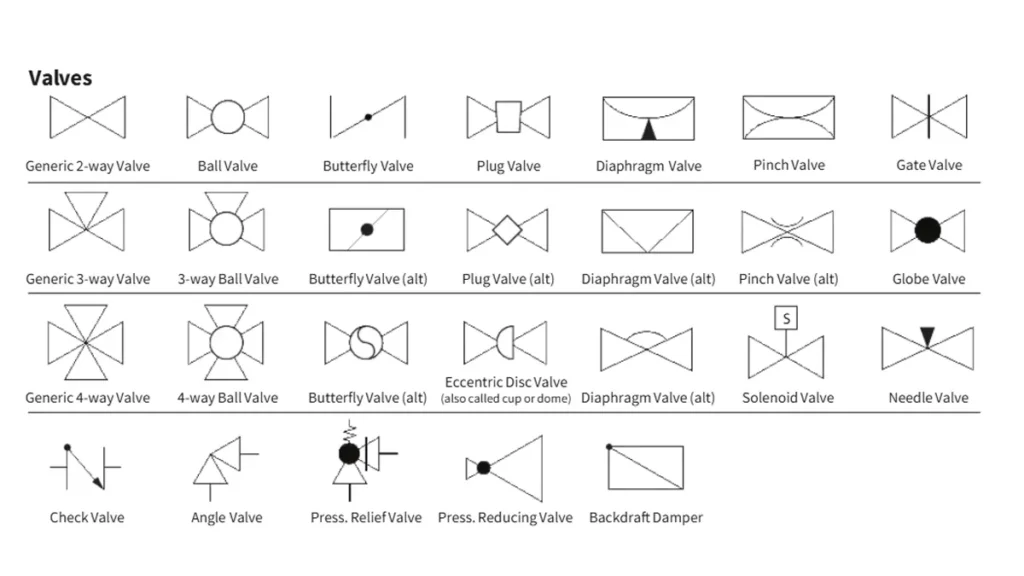
Hydraulic ball valve symbols show up in lots of diagrams. These symbols help you see how things work in the system. Most of the time, the symbol looks like a solid circle on a line. Sometimes, you might notice extra marks, like a handle or actuator, that show how to use the valve. This symbol is easy to spot because other valves use different shapes. For example:
- The hydraulic ball valve symbol has a solid circle on the line.
- Other valve symbols might have arrows, rectangles, or other shapes.
- You can find the hydraulic ball valve symbol in process flow diagrams and piping and instrument diagrams.
When you look at a diagram, always check each symbol’s details. This helps you not make mistakes and keeps your system safe.
Purpose in Hydraulic Schematics
Hydraulic ball valve symbols are used in hydraulic schematics and P&IDs to show where you control flow. These symbols let you see which parts you can open or close. You will find these symbols in many P&IDs because they make ball valves easy to find. The main reason is to show how the valve works and controls flow. You can see this in the table below:
| Symbol Description | Function |
|---|---|
| Solid circle intersecting a flow path | Shows how a ball valve works and controls flow in hydraulic schematics. |
| Universal graphical representation | Helps you find ball valves in piping and instrument diagrams (P&IDs) and makes flow control easier to see. |
When you read a diagram, you can spot the ball valve symbol fast and know what it does. This helps you plan, build, and fix hydraulic systems.
Function and Identification
The hydraulic ball valve symbol shows where you can stop or start flow in a system. In process control diagrams, the symbol follows ISO 1219 rules. You see a solid circle crossing the line. This makes it easy to find. Other valve symbols use other shapes, so you need to look closely. If you mix up the hydraulic ball valve symbol with another one, you could make mistakes in your diagram or P&ID.
Tip: Always look at the shape and marks on each symbol in your diagram. This helps you find the hydraulic ball valve symbol and keeps your system safe.
You need to learn how to tell the hydraulic ball valve symbol from other valve symbols. This skill helps you read diagrams, plan systems, and not make mistakes.
Basic Meaning and Operation
Open/Closed Positions
You can see if a hydraulic ball valve is open or closed by checking the symbol and handle. The handle shows if the valve lets fluid pass or blocks it. If the handle goes the same way as the pipe, the valve is open. If the handle goes across the pipe, the valve is closed. Sometimes, color codes or marks help you know the position faster. Some valves have windows so you can see the ball’s direction.
Here is a quick guide:
| Position | Description |
|---|---|
| Open | Handle goes the same way as the pipe or flow. |
| Closed | Handle goes across the pipe. |
| Color Coding | Some handles use colors, like red for closed and green for open. |
| Markings | Marks on the valve show if it is open or closed. |
| Ball Position | Windows let you check the ball’s direction. |
Tip: Always look at the handle or marks before using a valve. This helps you not make mistakes and keeps the system safe.
Flow Direction
The hydraulic ball valve symbol shows which way the fluid moves. You can find this by looking at the shape and arrows or marks on the symbol. Sometimes, a white circle means the valve is open. A black circle means the valve is closed. Arrows can show where the fluid goes, and labels mark the inlet and outlet.
Here are some common visual cues:
- Circles in the symbol show the valve’s shape and flow.
- Arrows show how to turn the valve to open or close it.
- Inlet and outlet marks show where fluid enters and leaves.
When you read a diagram, look for these details. They help you see how the system works and where the fluid goes.
Isolation and Shut-Off
A hydraulic ball valve lets you stop or start flow in a hydraulic circuit. The symbol—a solid circle crossing a line—follows ISO 1219 rules. This symbol tells you the valve can block part of the system or shut off flow. You use these valves for repairs, maintenance, or to control pressure.
| Feature | Description |
|---|---|
| Symbol Representation | A solid circle crossing a flow path, following ISO 1219 rules. |
| Functionality | Shows the valve can block or shut off flow in hydraulic systems. |
Using the right symbol helps everyone understand the system. It gives a common language that stops mistakes and helps teamwork. When you see this symbol, you know you can use the valve to block a section or shut off flow for safety or repairs.
Note: Always use the correct symbol in your diagrams. This makes it easier for engineers, technicians, and contractors to work together and keep the system running well.
Ball Valve Symbols in Diagrams
Two-Way Ball Valve Symbol
You will see the 2-way ball valve symbol in many hydraulic diagrams. This symbol shows a valve with two ports. Fluid can enter one side and leave the other. The 2-way ball valve symbol looks like a solid circle placed on a straight line. This simple design helps you spot it quickly among other valve symbols.
When you look at valve symbols, you should notice the number of ports. The 2-way ball valve symbol always has two connection points. You use this valve to start or stop flow in one direction. It works well for isolation and shut-off tasks. You will find this symbol in most basic hydraulic circuits.
Tip: Always count the ports in the symbol. This helps you tell the difference between a 2-way ball valve symbol and other ball valve symbols.
Three-Way Ball Valve Symbol
The 3-way ball valve symbol shows a valve with three ports. You use this valve when you need to mix, split, or change the direction of flow. The 3-way ball valve symbol looks different from the 2-way version. It often shows three triangles, each pointing to a port. This design helps you see that the valve can send fluid in more than one way.
Here is a table to help you understand the 3-way ball valve symbol:
| Feature | Description |
|---|---|
| Ports | A 3-way ball valve has three ports. |
| Symbol Representation | The symbol usually has three triangles, each pointing to a port. |
| Functionality | It can send flow in more than one way, important for mixing or changing flow. |
| Example Usage | In heating and cooling, it can mix hot and cold water or direct water to different parts of a building. |
You will see the 3-way ball valve symbol in systems that need to control flow paths. This symbol helps you know when a valve can do more than just open or close. When you compare valve symbols, always look for the number of ports and the shape of the symbol.
Manual and Actuated Symbols
You can find both manual and actuated ball valve symbols in diagrams. These ball valve symbols show how you control the valve. A manual ball valve uses a handle or lever. The symbol for a manual ball valve is a simple circle with a horizontal line. This line shows the handle you turn by hand.
An actuated ball valve uses a device to open or close the valve. The symbol for an actuated ball valve adds a square or oval shape above the valve. This shape shows the actuator, which can be electric, pneumatic, or hydraulic.
Here is a table to help you see the difference:
| Valve Type | Symbol Description |
|---|---|
| Manual Ball Valve | A simple circle with a horizontal line. |
| Actuated Ball Valve | Includes a square or oval actuator icon above the valve. |
When you read diagrams, you should check if the ball valve symbols show manual or actuated control. This helps you know how to operate the valve in real life. You can avoid mistakes by looking for these details in the symbol.
Note: Always check the symbol for extra shapes or marks. These show if the valve is manual or uses an actuator.
High Pressure Variants
You may see special symbols for high-pressure ball valves in hydraulic diagrams. These valves work in systems with very strong fluid pressure. The symbol for a high-pressure ball valve often adds extra lines or bold marks. These marks show that the valve can handle more pressure than a standard valve.
Here are some ways you can spot a high-pressure ball valve symbol:
- The symbol may have a thick outline or double lines.
- You might see a small triangle or arrow near the circle. This shows the valve is built for high pressure.
- Sometimes, the symbol includes a pressure rating or a label, such as “HP” for high pressure.
You should always check for these extra details. They help you choose the right valve for your system. Using the wrong valve can cause leaks or damage.
Tip: Always match the symbol in your diagram with the pressure needs of your system. High-pressure valves keep your equipment safe.
Symbol Variations by Standard
Hydraulic ball valve symbols can look different in diagrams from different countries or industries. You may notice changes in shape, size, or labels. These changes happen because of different standards. The two most common standards are ISO and ANSI.
Here is a table that shows how these standards affect ball valve symbols:
| Standard | Description |
|---|---|
| ANSI | Sets rules for the shape, size, and labels of ball valve symbols. This helps you read diagrams clearly and avoid mistakes. |
| ISO | Uses ISO 1219 to make sure all hydraulic and pneumatic valve symbols look the same. This makes it easy for you to find and understand symbols in any diagram. |
You should always check which standard your diagram uses. This helps you read the symbols the right way. If you work with international teams, knowing both standards helps you avoid confusion.
Note: Always look at the legend or key in your diagram. The legend tells you which standard the symbols follow.
Reading Ball Valve Hydraulic Symbol
Placement in Hydraulic Circuits
You can spot the ball valve hydraulic symbol in many parts of a hydraulic circuit diagram. When you look at a complicated diagram, there are some easy steps to find this symbol fast. Here is a simple guide:
- Find the Main Shape: Search for a circle with a line through the middle. This shape shows the ball inside the valve.
- Look for Extra Marks: Check for arrows or lines that tell you which way the fluid moves or how the valve works.
- Read the Notes: Look at any words near the symbol. These might tell you about pressure or what the valve is made of.
- Notice Special Details: Watch for special marks. These can show what kind of valve it is or if it does something special.
- Use the Diagram Legend: Always check the legend. It explains what the symbols mean for that company or industry.
Tip: If you are not sure, use the legend to help you. It will help you not make mistakes and keep your system safe.
Identifying Inlet and Outlet
You need to know where the fluid comes in and goes out when you read a ball valve hydraulic symbol. The symbol has marks that show which way the fluid moves. These marks help you put the valve in the right spot. Look for these things:
- Arrows or lines point to the inlet and outlet spots.
- The symbol might have words or letters to show the ports.
- The flow direction helps you put the valve in the right place.
When you see these marks, you can tell which side is the inlet and which is the outlet. This helps you put the valve in the right way and keeps the system working well.
Note: Always look for arrows or words. They show you how the fluid moves through the valve.
Recognizing Valve Position
You can tell the position of a ball valve hydraulic symbol by looking at its shape and extra marks. Different symbols show different positions and types. Here are some common ways:
- Basic Ball Valve Symbol: A circle with two triangles shows which way the fluid goes.
- Manual Ball Valve Symbol: A circle with a line across it means you turn it by hand.
- Actuated Ball Valve Symbol: A shape above the valve means it opens or closes by itself.
- Normally Closed Ball Valve Symbol: Shaded or marked to show it is closed.
- 2-Way Ball Valve Symbol: A ball in the middle with two lines for flow.
- 3-Way Ball Valve Symbol: More shapes for mixing or changing flow, like L-Port or T-Port.
- Hydraulic Ball Valve Symbol: A solid circle on a line, following ISO 1219 rules.
You need to look at these marks to know if the valve is open, closed, manual, or automatic. This skill helps you read diagrams and see how the system works.
Tip: Practice reading different symbols. You will get better and faster at finding valve positions in hydraulic circuits.
Connections with System Components
When you read a hydraulic diagram, you need to see how the ball valve connects with other parts of the system. The symbol does not stand alone. It links to pipes, pumps, actuators, and other valves. You must look at the lines and shapes around the ball valve symbol to understand its role.
You can follow these steps to identify connections:
- Find the ball valve symbol. Look for the solid circle on a line.
- Trace the lines that lead to and from the symbol. These lines show pipes or hoses.
- Check for other symbols near the ball valve. You might see pumps, cylinders, filters, or pressure gauges.
- Look for labels or numbers. These help you know which component connects to which port.
- Use the diagram legend. It explains what each symbol means.
You often see ball valves placed between a pump and an actuator. Sometimes, you find them next to a filter or before a pressure gauge. The ball valve can isolate a section or control flow to a specific part.
Here is a table that shows common connections:
| Component | Connection with Ball Valve | Purpose |
|---|---|---|
| Pump | Inlet or outlet | Controls flow from pump |
| Actuator | Downstream | Directs fluid to actuator |
| Filter | Upstream or downstream | Allows maintenance or cleaning |
| Pressure Gauge | Near ball valve | Monitors system pressure |
| Reservoir | Connected through valve | Isolates reservoir |
Tip: Always check the direction of flow. The lines and arrows show how fluid moves between components.
You can use the ball valve to shut off flow to a pump for maintenance. You might open the valve to let fluid reach an actuator. If you see a filter symbol near the ball valve, you know you can clean the filter by closing the valve.
Sometimes, you see multiple ball valves in a circuit. Each valve connects to different parts. You must read the diagram carefully to see which valve controls which section.
You can also spot special connections. For example, a ball valve might link to a relief valve. This setup protects the system from high pressure. You might see a ball valve next to a check valve. This combination stops backflow.
If you want to understand the whole system, you must look at all connections. The ball valve symbol helps you see where you can control, isolate, or protect parts of the hydraulic circuit.
Note: Practice tracing connections in sample diagrams. You will get better at finding how ball valves interact with other components.
Valve Symbols Comparison
Ball Valve vs Check Valve Symbol
You need to know the difference between ball valve and check valve symbols when you read hydraulic diagrams. Ball valve symbols show a solid circle on a line. This symbol means you can open or close the flow by turning the valve. You control the flow with your hand or an actuator.
Check valve symbols look different. You will see a line with a triangle pointing in one direction. The triangle shows that fluid can move only one way. The check valve stops fluid from going backward. You do not control this valve by hand. The system pressure moves it.
Here is a table to help you compare:
| Symbol Type | Main Shape | Function |
|---|---|---|
| Ball Valve | Solid circle on a line | Manual or automatic shut-off |
| Check Valve | Line with a triangle | Stops backflow, one-way flow |
Tip: Always look for the triangle in check valve symbols. This shape tells you the valve only lets fluid move one way.
Ball Valve vs Shut-Off Valve Symbol
You might think ball valves and shut-off valves are the same. They both stop flow, but their symbols are not always alike. Ball valve symbols use a solid circle. Shut-off valve symbols can look like a gate or a globe. Sometimes, you see a straight line with a small rectangle or a different shape.
Ball valves use a ball inside to block or let fluid pass. Shut-off valves might use a disc or gate. The symbol for a shut-off valve often has a line with a rectangle or a special mark. You need to check the shape to know which valve you see.
Here is a quick list to help you:
- Ball valve symbol: Solid circle on a line.
- Shut-off valve symbol: Line with a rectangle or special mark.
- Ball valves turn with a handle or actuator.
- Shut-off valves may use a wheel or lever.
Note: Always check the legend in your diagram. It explains what each symbol means.
Ball Valve vs Flow Control Valve Symbol
You will see flow control valve symbols in many hydraulic diagrams. These symbols look different from ball valve symbols. A flow control valve symbol often has an arrow or a diagonal line across a box. This shape shows that the valve can change the speed of the fluid.
Ball valve symbols do not have arrows or diagonal lines. They only show a solid circle on a line. You use a ball valve to start or stop flow. You use a flow control valve to adjust how fast the fluid moves.
Here is a table to compare:
| Symbol Type | Main Shape | Function |
|---|---|---|
| Ball Valve | Solid circle on a line | On/off flow control |
| Flow Control Valve | Box with arrow or diagonal | Adjusts flow rate or speed |
Remember: If you see an arrow or diagonal line, you are looking at a flow control valve, not a ball valve.
You can read valve symbols better when you know these differences. This skill helps you avoid mistakes and keeps your system safe.
Ball Valve vs Directional Control Valve Symbol
You will see both ball valve and directional control valve symbols in hydraulic diagrams. These two valve symbols look different and serve different jobs. You need to know how to tell them apart so you can read diagrams the right way.
A ball valve symbol shows a solid circle on a straight line. This symbol means you can open or close the flow with a simple turn. You use ball valves when you want to start or stop fluid quickly. The symbol stays simple, so you can spot it fast.
A directional control valve symbol looks more complex. You will see boxes, arrows, and lines. These shapes show how the valve moves fluid in different directions. Directional control valves can have two, three, or more positions. Each position lets fluid flow a certain way. The symbol often has one or more rectangles with arrows inside. These arrows point to the path the fluid takes.
Here is a table to help you compare:
| Valve Type | Symbol Features | Main Function |
|---|---|---|
| Ball Valve | Solid circle on a line | On/off flow control |
| Directional Control Valve | Rectangles, arrows, and lines | Directs flow to different paths |
Tip: If you see arrows and boxes, you are looking at a directional control valve symbol. If you see a simple circle, it is a ball valve.
You should always check the details in valve symbols. This helps you avoid mistakes when you build or fix a hydraulic system.
Avoiding Symbol Confusion
You can avoid confusion with valve symbols by learning a few simple steps. Many valve symbols look alike, but small details make a big difference. If you mix up symbols, you might use the wrong valve or connect parts the wrong way.
Follow these tips to read valve symbols correctly:
- Check the shape. Look for circles, rectangles, arrows, or triangles.
- Count the ports. Ball valves have two or three ports. Directional control valves may have more.
- Read the legend. Diagrams often have a key that explains each symbol.
- Look for extra marks. Handles, actuators, or pressure ratings can change the meaning.
- Practice with real diagrams. The more you see, the easier it gets.
Note: Always slow down and double-check valve symbols before you make changes to a system.
You will get better at reading valve symbols with practice. This skill helps you keep systems safe and working well.
Real-World Importance of Ball Valve Symbols
Maintenance and Troubleshooting
Ball valve symbols help you keep your hydraulic system working well. When you look at a diagram, the symbol shows you where the valve is. You can tell if the valve is manual or uses an actuator. This helps you know how to use the valve. If you know what the symbol means, you will not make mistakes when fixing things. You know where to stop the flow and which valve to check first. This saves you time and helps stop accidents.
- Ball valve symbols show which way fluid moves, so you do not take off the wrong pipe.
- You can find mistakes in how valves are put in by matching the symbol to the real valve.
- You make fewer mistakes because the symbol tells you how the valve works.
If you read the diagram closely, you can fix problems faster and stay safe.
System Design and Installation
Ball valve symbols are important when you design a system. You use these symbols to plan where each valve should go. The symbol gives you a clear idea of the system, so you can talk with your team. When you follow the symbol, you do not get confused and everyone knows the plan.
- Ball valve symbols use rules that people in other countries also use, so everyone can read them.
- You use the symbol to show if the valve is manual or automatic, which helps when you put it in.
- The symbol makes diagrams simple to read, so you do not miss anything important.
If you put ball valve symbols in the right place, you build a safer and better system. You also make it easier for others to fix or change the system later.
Safety and Pressure Control
Safety depends on how well you read ball valve symbols. You use these symbols to find where you can shut off the system. If you need to stop the flow fast, the symbol shows you where to go. You also use ball valve symbols to control pressure and keep equipment safe.
| Safety Feature | How Ball Valve Symbols Help |
|---|---|
| Emergency Shut-Off | Shows exact spot for quick action |
| Pressure Control | Tells you which valves keep things safe |
| Isolation | Helps you block parts for repairs |
Ball valve symbols give you the facts you need to keep the system safe and stop damage.
When you know what ball valve symbols mean, you make things safer and work better. You make smart choices and protect people and machines.
Spare Parts Selection
When you work with hydraulic systems, you need to pick the right spare parts for repairs or upgrades. The hydraulic ball valve symbol gives you important clues that help you make smart choices. If you read the symbol carefully, you can avoid mistakes and keep your system running smoothly.
You see many types of ball valves in diagrams. Each symbol tells you something about the valve’s job and how it works. If you know what the symbol means, you can match the right spare part to the valve in your system.
Here are some ways the ball valve symbol helps you choose spare parts:
- The symbol shows if the valve is manual or uses an actuator. You need to know this before you order a handle, lever, or actuator for a repair.
- The symbol tells you how many ports the valve has. A two-way valve needs different parts than a three-way valve.
- The symbol often includes color coding or marks. These help you see if the valve is open or closed. You can use this information to pick seals or seats that fit the valve’s position.
- The symbol may show special features, like high-pressure ratings or unique connections. You need these details to find parts that can handle the right pressure or fit the right pipe size.
If you mix up symbols, you might order the wrong part. This can cause delays or even damage your system. Always check the diagram and match the symbol to the part you need.
You can use a simple checklist when you select spare parts:
- Look at the symbol in the diagram.
- Count the number of ports.
- Check for handles, actuators, or special marks.
- Notice any color codes or labels.
- Match these details to the spare part catalog.
Tip: Always double-check the symbol before you buy or install a spare part. This step saves you time and money.
You also help your team by using the right symbols. When everyone understands the diagram, you can talk about repairs and upgrades without confusion. You keep the system safe and working well.
If you want to become better at spare parts selection, practice reading diagrams and symbols. You will get faster and make fewer mistakes. The more you learn about ball valve symbols, the easier it becomes to keep your hydraulic system in top shape.
Common Mistakes with Ball Valve Symbols
Confusing with Other Valve Symbols
It is easy to mix up ball valve symbols with other valve symbols. Many rotary valves, like butterfly or plug valves, use circles in their symbols. If you do not check carefully, you might pick the wrong valve for your system. This mistake can cause trouble when you install or use the system.
Here is a table that shows common mistakes and how to avoid them:
| Mistake | Description | Solution |
|---|---|---|
| Mixing up rotary valve symbols | Ball valves and butterfly valves both use circles, but the inside symbol is not the same. | Look for a small circle for ball valves and a straight line for butterfly valves. |
| Ignoring pneumatic actuation variations | You might mix up double-acting and spring-return pneumatic symbols. | Check for extra marks or actuator symbols above the valve. |
| Using outdated symbols | Old or non-standard symbols can confuse you. | Always use the newest standards and check the diagram legend. |
Tip: Always compare the symbol in your diagram with the legend. This step helps you avoid costly mix-ups.
Ignoring Flow Direction
You must pay attention to flow direction when you read ball valve symbols. Many symbols have arrows or marks that show which way the fluid should go. If you miss these details, you might put the valve in backwards. This mistake can cause leaks, blockages, or even make the system fail.
- Putting a valve in the wrong way can stop your system. You may lose time and production.
- Leaks from valves put in wrong can waste resources and cause safety problems.
- Wrong flow direction can cause turbulence. This can wear out the valve faster and make it break early.
Note: Always look for arrows or labels on the symbol. These marks show you the correct flow direction and help you avoid problems.
Misreading Valve Position
You need to know if a ball valve is open or closed when you look at a diagram. Some symbols show the valve’s position with a handle, line, or shading. If you misread the position, you might open a valve that should stay closed or close a valve that should stay open.
Misreading the valve position can cause several issues:
- You might trap moisture or debris inside the system. This can lead to corrosion and leaks.
- You could cause pressure to build up in the wrong place, risking equipment damage.
- You may send fluid to the wrong part of the system, which can disrupt operations.
Always check for extra marks or notes near the symbol. These details help you see if the valve is open, closed, or in a special position.
If you take your time and look for these details, you will make fewer mistakes. You will also keep your hydraulic system safe and working well.
Overlooking Pressure or Connection Type
You have to look closely at pressure ratings and connection types in hydraulic ball valve symbols. Many people forget these small details when they read diagrams. Missing these things can cause big problems in your system. If you pick a valve without checking the pressure rating, you might get leaks or break your equipment.
Ball valve symbols sometimes have extra marks or labels. These marks show if the valve can handle high pressure. You might see thick lines, two circles, or a small triangle next to the symbol. These signs mean the valve is made for strong hydraulic systems. If you do not notice these marks, you could put in a valve that cannot handle the pressure.
Connection type is also very important. Hydraulic ball valves connect to pipes or hoses in different ways. The symbol might show if it is threaded, flanged, or welded. Each connection has its own symbol or note. If you miss this, you could buy the wrong valve or use the wrong part. This mistake can make leaks or make repairs harder.
Here is a table to help you find pressure and connection details:
| Symbol Feature | What It Means | Why It Matters |
|---|---|---|
| Bold lines | High-pressure valve | Stops leaks and failures |
| Double circles | Special pressure rating | Fits what your system needs |
| Triangle mark | High-pressure or special use | Keeps your system safe |
| Threaded symbol | Screw-on connection | Easy to put on and take off |
| Flanged symbol | Bolt-on connection | Strong and tight fit |
| Welded symbol | Permanent connection | No leaks, but hard to change |
Tip: Always look for extra marks or notes near the ball valve symbol. These details help you choose the right valve for your system.
You can stop mistakes by reading the diagram slowly and carefully. Look for pressure ratings and connection types before you buy or put in a valve. If you do not know, ask your team or check the legend in the diagram. This step keeps your hydraulic system safe and working well.
If you ignore pressure or connection type, you can lose time and money. You might have to do your work again or fix leaks. You keep your system safe when you pay attention to every detail in the symbol.
Conclusion
You can learn hydraulic ball valve symbols by using easy steps. First, look at the shape of the valve body. Next, check if there is an actuator symbol. Look for any special marks or features on the symbol. Read the tag number and match it with the process flow diagram. Always follow the rules and use the right documents so you do not make mistakes. Knowing what each symbol means helps you stay safe and keeps your system working. When symbols are clear, it is easier for everyone in engineering to work together.
FAQ
What does a hydraulic ball valve symbol mean?
A hydraulic ball valve symbol shows where you can start or stop fluid flow in a system. You use this symbol to find ball valves in diagrams. It helps you understand how the system works and where you can control flow.
How do you tell a ball valve symbol from other valve symbols?
You spot a ball valve symbol by looking for a solid circle on a line. Other valves use different shapes, like triangles or rectangles. Always check the legend in your diagram to confirm the symbol.
How do you read a hydraulic ball valve symbol in a schematic?
You find the symbol by looking for a circle on a line. Arrows or marks show flow direction. Labels or notes help you see if the valve is open or closed. Always use the legend for extra help.
What is the difference between a two-way and a three-way ball valve symbol?
A two-way ball valve symbol has two ports. You see a single line with a circle. A three-way ball valve symbol has three ports. It often shows three lines meeting at the circle. Each type controls flow differently.
Can you choose a ball valve just by looking at the diagram symbol?
No, you should not pick a valve only by the symbol. The symbol shows type and function, but you need more details. Always check pressure ratings, size, and connection type before you choose a valve.
Do all hydraulic ball valve symbols look the same?
No, symbols can look different in each diagram. Standards like ISO or ANSI may change the shape or marks. Always check the legend or notes in your diagram to understand the symbols.
Why is it important to know the difference between valve symbols?
If you mix up valve symbols, you might use the wrong valve or connect parts the wrong way. This can cause leaks, damage, or safety problems. Knowing the symbols helps you keep the system safe and working well.