
You need the correct hydraulic ball valve npt thread for safety. This valve uses a special thread to stop high-pressure fluid leaks. If you choose the wrong type, like BSP or metric, leaks can happen. You might also get a broken valve in your system. Always check the thread standard before buying. Also check the valve size and pressure rating. Look at the material and seal type too. Make sure you know the working medium.
Key Takeaways
- Hydraulic ball valves with NPT threads help control strong fluid flow. Their special thread shape helps stop leaks.
- NPT threads make a tight seal by pressing the threads together. The seal gets even better with PTFE tape or pipe dope.
- These valves are often made from brass, stainless steel, or carbon steel. Each material works best with certain fluids and places.
- Always use the right thread type for your system. Using the wrong type can cause leaks, damage, or even make the system fail.
- Two-way valves are good for turning flow on or off. Three-way valves can change where the flow goes or mix fluids.
- Check the valve’s pressure and temperature ratings before using it. This makes sure the valve is safe for your system.
- Use tools like thread gauges or calipers to check the thread size and type. This helps you avoid mistakes when installing.
- You can get custom hydraulic ball valves with NPT threads. These can be made in special sizes, materials, or with extra features.
What Is a Hydraulic Ball Valve NPT Thread?
Definition and Function
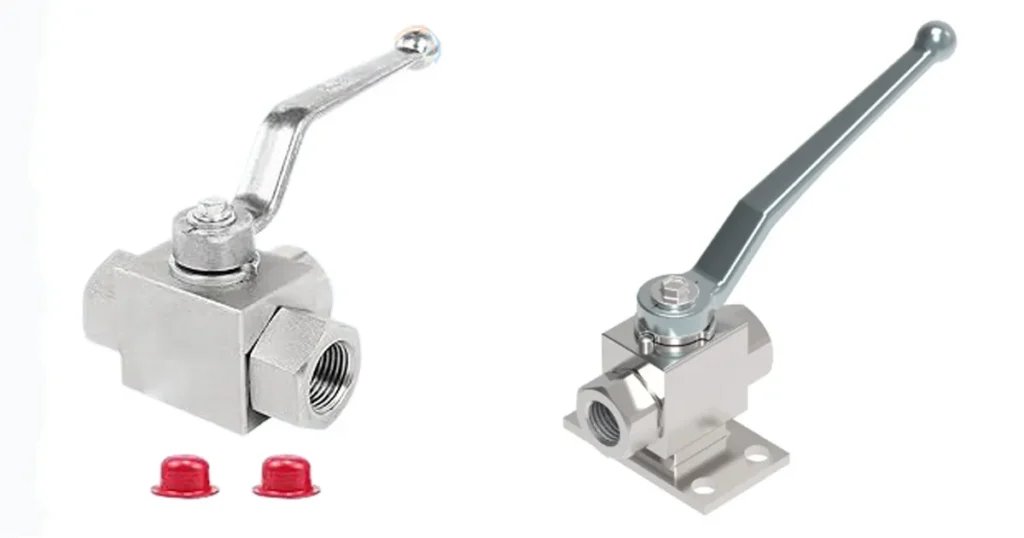
You might wonder what makes a hydraulic ball valve npt thread so important in your system. This type of valve helps you control the flow of fluid under high pressure. You will see a round ball inside the valve. When you turn the handle, the ball rotates. If the hole in the ball lines up with the pipe, fluid can move through. If you turn the ball, it blocks the flow and shuts off the line. You use these valves in places like oil and gas plants, factories, and heavy machinery. They give you safe and precise control over fluid transfer, even when the pressure gets high.
Here’s a quick look at what a hydraulic ball valve npt thread does:
- Controls the flow of fluid in hydraulic systems.
- Uses a ball with a hole to open or close the passage.
- Handles high-pressure fluid transfer safely.
- Works in many industries, from manufacturing to energy.
NPT Thread Structure
NPT stands for National Pipe Taper. You will find this thread type on many threaded ball valve and threaded valves. The special thing about npt threads is their tapered shape. The threads get tighter as you screw the parts together. This design helps create a strong seal. When you connect the male and female npt threads, they compress against each other. This compression increases the contact area and forms a mechanical seal. If you add a thread sealant like PTFE tape, you fill in any tiny gaps. This stops leaks and keeps your system safe. The npt thread structure is key for leak resistance in high-pressure fluid transfer.
You can spot npt threads by their angle and taper. The threads are not straight. They get narrower as they go deeper. This is what makes the national pipe taper design so good for sealing.
Common Materials and Pressure Ratings
You want your hydraulic ball valve npt thread to last and handle tough jobs. That’s why manufacturers use strong materials. The most common ones are:
- Brass
- Stainless steel
- Carbon steel
Each material has its own strengths. Brass resists corrosion and works well with many fluids. Stainless steel stands up to harsh chemicals and high pressure. Carbon steel gives you extra strength for heavy-duty jobs.
Pressure ratings matter, too. Most hydraulic ball valve npt thread models can handle high pressure. Some go up to 6000 PSI or more. Always check the pressure rating before you buy. Make sure the valve matches your system’s needs. The right material and pressure rating keep your fluid transfer safe and reliable.
Why Thread Type Matters
Sealing and Leak Prevention
You want your hydraulic system to stay safe and dry. The right thread type helps you get a reliable sealing under pressure. NPT threads are popular because they give you a leak-proof finish. When you use npt threads on threaded valves, you get a strong mechanical seal. The tapered shape squeezes the threads together and stops fluid from escaping. You can install these valves with simple tools. You do not need fancy equipment. NPT works in many places, like plumbing, irrigation, and industrial lines. It also saves you money on small and medium pipe sizes.
Here’s a quick table showing why npt threads are preferred for sealing and leak prevention:
| Reason | Description |
|---|---|
| Reliable sealing under pressure | NPT threads create a strong mechanical seal that resists leaks. |
| Simple installation | Requires minimal tools, making it user-friendly for installation. |
| Versatile use | Works in plumbing, irrigation, and industrial lines. |
| Cost-effective | Saves money for small to medium pipe sizes. |
Compatibility with Hydraulic Fittings
You need to match the thread type with your fittings. NPT threads and BSP threads are not the same. NPT uses a 60° angle and a tapered shape. BSP uses a 55° angle and a parallel shape. If you mix them, you will not get a leak-free connection. The sealant you use must fit the thread type. If you force the wrong threads together, you can damage the valve and lose fluid. You should use adapters or transition fittings if you need to connect npt to other thread types. Always check material compatibility and thread specifications before you install.
- NPT threads do not match BSP threads because of different angles and shapes.
- You must use the right sealant for each thread type.
- Proper thread engagement keeps your system safe.
- Adapters help you connect npt to other threads.
Proper compatibility keeps your hydraulic system running smoothly. If you use the wrong thread, you risk leaks, pressure loss, or even system failure. Mixing G Pipe Thread and npt can cause poor sealing and damaged threads. You should use adapters made for your valve and fluid. This prevents costly repairs and keeps your system safe.
Risks of Mismatched Threads
You might think any thread will work, but that is not true. If you use the wrong thread on your valve, you can get leaks or break the connection. Mismatched threads do not seal well. Fluid can escape, and your system can lose pressure. You may need to fix or replace parts. This costs time and money. Always check the thread type before you install threaded valves. Make sure your npt threads match the fittings. You protect your system and keep your fluid moving where it should.
Tip: Double-check the thread type on every valve before installation. This simple step helps you avoid leaks and keeps your hydraulic system safe.
How NPT Threads Work on Ball Valves
Tapered Thread Design
You might wonder why the tapered thread design matters so much for your hydraulic ball valve. This special shape gives you a strong seal and easy installation. When you screw the male and female parts together, the threads get tighter as you go deeper. This creates a tight wedge seal that keeps fluid from leaking out. Here’s what happens with npt threads:
- The tapered shape makes the fit tighter as you turn the valve into place.
- The metal threads press against each other, forming a strong seal.
- The more you tighten, the better the seal works, especially when you deal with high pressure.
You can count on this design to keep your system safe. The tapered thread design is one reason why npt is so popular in hydraulic systems.
Sealing Mechanism
You want your hydraulic system to stay leak-free, even under pressure. Npt threads help you do that with a smart sealing mechanism. When you connect threaded valves, the threads squeeze together and block the path for fluid to escape. This metal-to-metal contact gives you a reliable seal. But there’s more to it. The shape of npt threads leaves a tiny spiral path between the threads. If you don’t use a sealant, fluid can sneak through this path and cause leaks.
That’s why you should always use PTFE tape or pipe dope on the male threads. The sealant fills in the small gaps and stops leaks. You get a double layer of protection—first from the tight metal fit, then from the sealant. This combo keeps your hydraulic ball valve working safely, even when the pressure rises.
Tip: Always apply sealant to the male threads, not the female ones. This keeps your system clean and leak-free.
Installation Tips
You want simple installation when you put in a new hydraulic ball valve. Here’s how you can get it right every time:
- Hand-tighten the valve first, then use a wrench to give it 1.5 to 3 more turns. This makes sure the npt threads seal well.
- For elbows or tees, never back off the fitting to line it up. If you do, you might break the seal and cause leaks.
- Always use PTFE tape or pipe dope on the male threads. This blocks the spiral leak path in npt.
- Don’t put sealant on the female threads. This keeps extra sealant out of your system.
- Use just enough sealant—cover the first 2–3 threads, but keep the very end clear.
- For stainless steel valves, use PTFE tape or anti-seize to stop the threads from sticking together.
- Tighten stainless steel parts slowly by hand. Don’t use power tools, or you might damage the threads.
If you follow these steps, you’ll get a leak-free seal and a long-lasting valve. Npt threads make it easy to install and maintain your hydraulic system.
NPT on Ball Valves vs BSP and Metric Threads
Key Differences
You might see different thread types when you look at hydraulic ball valves. The most common are npt on ball valves, BSP, and metric threads. Each type has its own shape, angle, and way of sealing. If you mix them up, you can get leaks or damage your valve. Here’s a table to help you see the main differences:
| Thread Type | Sealing Method | Key Characteristics |
|---|---|---|
| NPT | Metal-to-metal thread interference; needs sealant (PTFE tape/paste) | Tapered threads, 60° angle |
| BSPP | Face sealing with washer or O-ring on flat surface | Parallel threads, 55° angle |
| BSPT | Tapered thread interference, like NPT but not compatible | Tapered threads, 55° angle |
NPT on ball valves use a 60-degree angle and a tapered thread. This design helps you get a tight seal with sealant. BSPP threads are parallel and use a washer or O-ring for sealing. BSPT threads are tapered but have a 55-degree angle. Metric threads look different and often use a gasket or O-ring.
Tip: Never assume all threaded valves use the same thread type. Always check before you buy or install.
Identification Methods
You can spot the right thread type if you know what to look for. Here are some easy steps:
- Check the datasheet or manual for your valve.
- Use a thread gauge to measure the pitch.
- Look for O-rings or sealing washers on the face.
- See if the thread tapers or stays straight.
- Think about where the equipment comes from—NPT is common in North America, BSP in Europe and Asia.
NPT on ball valves seal with metal-to-metal contact and need PTFE tape or paste. BSPP uses a washer or O-ring. BSPT looks like npt but does not fit right. Metric threads often have a flat face and use a gasket.
If you follow these steps, you can avoid mixing up npt with other thread types. This keeps your hydraulic system safe and leak-free.
Compatibility Issues
You might wonder if you can swap npt on ball valves with BSP or metric fittings. The answer is no. These threads do not match. The angles and shapes are different. If you try to force them together, you can damage the valve or cause leaks. Here’s a quick table to show why they do not fit:
| Aspect | NPT Threads | BSP Threads |
|---|---|---|
| Thread Angle | 60 degrees | 55 degrees |
| Thread Shape | Tapered | Parallel |
| Direct Interchangeability | Not feasible | Not feasible |
| Required Adapters | Yes | Yes |
You always need an adapter if you want to connect npt to BSP or metric. Never try to mix them without the right part. This rule keeps your system working and stops leaks before they start.
Note: Using the wrong thread can lead to costly repairs and downtime. Always double-check your threaded valves before installation.
Common NPT Thread Sizes
Standard Sizes for Hydraulic Ball Valves
When you pick a hydraulic ball valve, you need to know the standard NPT sizes. These sizes help you match your system’s flow needs. Each size has a different flow capacity, so you can choose what works best for your job. Here’s a handy table to show you the most common NPT thread sizes and their flow rates:
| NPT Thread Size | Flow Capacity (Cv) |
|---|---|
| 1/4” | 6.4 |
| 3/8” | 9.5 |
| 1/2” | 12 |
| 3/4” | 19 |
| 1” | 25 |
| 1 1/4” | 32 |
| 1 1/2” | 38 |
| 2” | 50 |
You can see that as the NPT size goes up, the flow capacity also increases.
Tip: Always check the flow capacity before you choose a valve. This helps you avoid pressure drops and keeps your system running smooth.
Sizing Tips for Applications
Choosing the right NPT size for your application can feel tricky, but you can make it simple by following a few tips. Here are some things you should always keep in mind:
- Size and Thread Compatibility: Make sure the fitting matches your pipe size. Double-check that all threads are the same type and size.
- Pressure Rating and Temperature Considerations: Look at the highest pressure and temperature your system will face. Pick a size that can handle these conditions without failing.
- Environmental Factors: Think about what kind of fluid you use and where your system sits. Choose materials that resist rust and damage from chemicals or weather.
You can avoid leaks and system failures by picking the right NPT size. If you feel unsure, ask your supplier for help or check the manufacturer’s guide. The right choice keeps your equipment safe and your work stress-free.
Main Uses of Hydraulic Ball Valve NPT Thread
Industrial Machinery
Hydraulic ball valves with NPT threads are used a lot in factories. These valves help control fluid in machines like presses and conveyor belts. They work well under high pressure and tough jobs. NPT threads make it easy to put the valve in place. You can change valves fast because they fit well and are easy to find. This saves time when you fix machines. The seal is strong, so leaks do not happen. This keeps machines safe and working right.
Here are some machines that use these valves:
- Hydraulic presses
- Metal cutting machines
- Automated assembly lines
- Material handling equipment
You can count on these valves for important jobs. They help your system stay safe and work well.
Hydraulic Power Units
Hydraulic power units use ball valves with NPT threads for many reasons. You need to move hydraulic fluid between pumps and other parts. These valves let you start, stop, or change the fluid’s path. You get good control for each job. NPT threads make it simple to put in or take out the valve. You can swap parts without much trouble. This means your machines do not stop for long.
You see these valves in:
- Mobile and stationary power packs
- Industrial hydraulic systems
- Test benches for hydraulic parts
You want a valve that works every time you use it. NPT threads help make the valve reliable. You can also use these valves in plumbing, which helps connect different parts of your system.
Tip: Always check the pressure rating before you put in a valve. This keeps your system safe and stops problems.
Mobile Equipment
Hydraulic ball valves with NPT threads are found in machines that move, like tractors and forklifts. These machines need strong valves that can handle shaking and bumps. You want a valve that stays sealed, even when the machine moves a lot. NPT threads give a tight fit and stop leaks. You can use these valves in many ways, like steering or lifting.
Here is a table with common uses for mobile equipment:
| Equipment Type | Typical Application |
|---|---|
| Tractor | Hydraulic steering |
| Excavator | Boom and arm control |
| Forklift | Lift and tilt functions |
| Loader | Bucket movement |
These valves work well in every job. You can put them in fast, which helps when you need to fix or upgrade your machine. It is also easy to find new parts that fit.
Note: Always use the right thread sealant for mobile machines. This stops leaks and keeps your hydraulic system working, even in hard jobs.
Two-Way vs Three-Way Valves
When you pick a hydraulic ball valve with NPT threads, you’ll see two main types: two-way and three-way. Each one does a different job in your system. If you know how they work, you can make your setup safer and easier to use.
Let’s break it down:
What’s a Two-Way Valve?
A two-way valve has two ports—one for fluid to come in and one for fluid to go out. You use this valve when you want to start or stop flow in a straight line. It’s simple. You turn the handle, and the ball inside either lets fluid pass or blocks it. You can send fluid in either direction. This makes two-way valves great for basic shut-off jobs.
What’s a Three-Way Valve?
A three-way valve has three ports. This design lets you control where the fluid goes. You can use it to switch flow between two different lines, mix two flows together, or even split one flow into two paths. You get more options with a three-way valve. You’ll see these in systems where you need to change the direction of fluid or combine flows without adding extra valves.
Here’s a quick table to help you compare:
| Valve Type | Description |
|---|---|
| Two-Way | Designed with two ports for straight-line flow control; bidirectional for flow in either direction; used for simple shut-off applications. |
| Three-Way | Controls flow between multiple pipeline paths; used to divert, redirect, or combine flow; reduces need for additional valves; available in L-port and T-port configurations. |
How Do You Choose?
Think about what you want your valve to do. If you just need to turn flow on or off, a two-way valve is your best bet. It’s easy to use and install. If you need to send fluid to different places or mix flows, go with a three-way valve. You’ll save space and cut down on the number of valves you need.
Tip: Three-way valves come in L-port and T-port styles. L-port valves switch flow between two lines. T-port valves can mix or split flow. Check your system’s needs before you pick one.
Where Will You Use Them?
- Two-way valves: Great for shutting off pumps, isolating parts of your system, or stopping flow for repairs.
- Three-way valves: Perfect for switching between tanks, mixing fluids, or sending flow to different machines.
You don’t have to guess which valve you need. Look at your system and ask, “Do I need to just stop flow, or do I need to change where it goes?” That answer will point you to the right valve every time.
Key Specs to Check Before Buying
Pressure and Temperature Ratings
You want your hydraulic system to run safely and last a long time. That means you need to check the pressure and temperature ratings before you buy a threaded ball valve. These ratings tell you how much force and heat the valve can handle without failing. If you pick a valve with the wrong rating, you risk leaks or even damage to your equipment.
Here’s what you should look for:
- Some threaded ball valve models can handle pressure up to 11,000 psi. That’s strong enough for most industrial jobs.
- Temperature ratings can reach up to 1000°F (520°C). This helps when you work with hot fluid or steam.
- You’ll see different classes, like Class 150 (285 PSI), Class 300 (740 PSI), and Class 600 (1,480 PSI). Always match the class to your system’s needs.
Tip: Always check both the pressure and temperature ratings on the label. This keeps your system safe and helps with pressure control.
Valve Body and Seal Materials
You want your valve to last, even in tough places. The material of the valve body and seals makes a big difference. Some fluids can cause rust or wear out soft parts. You need to pick the right materials for your job.
Here are some top choices for durability:
- PTFE seals give you great chemical resistance and last a long time. They work well in high-performance systems.
- Metal seals handle high pressure and high temperatures. They give you reliable pressure control.
- Composite seals mix materials for extra strength and flexibility.
For the valve body, you have strong options:
- Stainless Steel 316/CF8M resists corrosion, especially in chemical plants.
- Duplex Stainless Steel (2205/2507) gives you high strength and fights off pitting and crevice corrosion.
- Nickel-based alloys like Hastelloy C-276 and Inconel 625 stand up to harsh chemicals and extreme conditions.
Note: Always match the material to your fluid and environment. This keeps your threaded ball valve working longer.
Flow Direction and Port Design
You want smooth fluid movement and easy control in your system. The flow direction and port design of your threaded ball valve affect how well your system works. If you get this wrong, you might see pressure drops or poor fluid control.
Keep these points in mind:
- The flow path must line up right for the best fluid management. This helps you avoid pressure loss.
- Multi-port designs, like T-port and L-port valves, give you more ways to direct fluid. These are great for complex systems.
- You can choose between full port and reduced port designs. Full port lets more fluid through with less turbulence. Reduced port can limit flow but may fit better in tight spaces.
Tip: Always check the port design and flow direction before you buy. This helps you get the best performance from your threaded ball valve.
Installation Space
You want your hydraulic ball valve to fit perfectly in your system. Installation space matters more than you might think. If you pick a valve that’s too big or too small, you can run into trouble. Tight spaces make it hard to turn the lever or connect pipes. You might not have enough room for maintenance. Sometimes, you need to squeeze a valve into a crowded area. Other times, you want extra space for safety or easy access.
Let’s break down what you should look for:
- Valve Size: Check the size of the valve. Hydraulic ball valves with NPT threads come in sizes from 1/4” up to 2”. You need to measure your pipe and the space around it. Make sure the valve fits without blocking other parts.
- Drive and Lever Clearance: Most valves use an stainless steel lever. You need enough room to move the lever all the way. If the lever hits another pipe or wall, you can’t open or close the valve.
- Connection Type: NPT threads can be female or male. Look at the space needed for threading and tightening. You don’t want to struggle with tools in a cramped spot.
- Optional Features: Some valves have locking devices or ISO 5211 top flanges. These add extra length or height. Make sure you have space for these options if you need them.
Here’s a handy table to help you check the main features for installation space:
| Feature | Details |
|---|---|
| Drive | Inox lever |
| Connection | NPT Female/Male Thread |
| Flow | Full Or Reduced |
| Material | SS 304, SS 316, Carbon Steel, Brass |
| Measure | From 1/4” to 2” |
| Seals | Virgin P.T.F.E. |
| Operating Temperature | -20°C to +160°C |
| Outer Finish | Polished |
| Seals made of | P.T.F.E. with glass, P.T.F.E. with carbographite, High-molecular weight polyethylene |
| Reliable sealing performance | Yes |
| Optional locking device | Yes |
| Optional ISO 5211 top flange | Yes |
You can see that these valves come in many sizes and materials. Some have extra features that need more space. Always check the specs before you buy. If you plan to use a locking device or top flange, measure the area carefully.
Tip: Use a ruler or tape measure to check the space around your pipes. Make sure you can turn the lever and reach the valve for maintenance. If you’re not sure, ask your supplier for a drawing or dimensions.
You want your valve to work smoothly and last a long time. Picking the right size and checking installation space helps you avoid headaches later. You’ll save time and keep your hydraulic system running strong.
Avoiding Common Mistakes with NPT Threads
When you work with hydraulic systems, you want everything to run smoothly. But small mistakes with npt threads can cause big problems. Let’s look at the most common errors and how you can avoid them.
Thread Type Selection Errors
You might think all threads look the same, but they’re not. One of the biggest mistakes is mixing up npt with BSP or metric threads. If you try to mate an npt fitting to a BSP port, you can get leaks or even a failed connection. Sometimes, the threads seem to fit, but they only partially engage. This gives you a false sense of security. Later, you might see leaks or lose control over your system.
Here’s a quick table showing how often these mistakes happen:
| Error Type | Description | Prevalence (%) |
|---|---|---|
| Human error during selection | Incorrect thread identification or measurement leading to leaks or failures | 60–90 |
To avoid these errors, always check the threads before you install a valve. You can follow these steps:
- Verify threads per inch with a pitch gauge.
- Measure the outer diameter using calipers.
- Confirm the thread angle is 60 degrees for npt.
Tip: Never guess the thread type. Take a few minutes to measure and check. This keeps your system safe and leak-free.
Ignoring Pressure or Material Specs
You want your valve to last and keep your system safe. If you ignore pressure ratings or pick the wrong material, you risk early corrosion, leaks, or even dangerous failures. For example, using a valve that can’t handle your system’s pressure can lead to a burst or sudden loss of control. Picking the wrong material can cause rust or damage from the fluid you use.
Always match the valve’s pressure rating and material to your job. Check the label and make sure the valve can handle your system’s needs. This simple step helps you avoid costly repairs and keeps your equipment running longer.
Sealant and Installation Issues
You might think any sealant will do, but that’s not true. Using the wrong sealant or skipping it can cause leaks. If you put sealant on the female threads, you can clog the system. Too much sealant can also block flow or damage the valve. Always use PTFE tape or pipe dope on the male threads only. Cover the first two or three threads, but leave the end clear.
When you install the valve, hand-tighten first, then use a wrench for one and a half to three more turns. Don’t over-tighten, or you might strip the threads. If you need to line up the valve, never back it off—this can break the seal.
Here’s a handy table to help you spot and fix common mistakes:
| Mistake | Problem Caused | How to Avoid |
|---|---|---|
| Mixing thread types | Leaks, system failure | Measure and confirm thread type |
| Wrong pressure rating | Burst or leaks | Check label for correct rating |
| Incorrect material | Corrosion, early failure | Match material to fluid and job |
| No or wrong sealant | Leaks, blockages | Use PTFE tape on male threads only |
| Over-tightening | Stripped threads, leaks | Tighten to recommended turns |
| Backing off after tightening | Broken seal, leaks | Always align before final tightening |
Remember: Small steps like checking threads, pressure, and sealant can save you time and money. You stay in control and keep your hydraulic system safe.
Confirming the Right NPT Threads
Measuring Thread Size and Pitch
You want to make sure you have the right fit before you install anything. The best way to check your threads is with a thread gauge. This tool helps you match the pitch and shape of the threads on your hydraulic ball valve. You just line up the gauge with the threads and see if they match. If you want to be extra sure, you can use a taper gauge to check the angle. This gives you a perfect match every time.
If you do not have a thread gauge, you can use a caliper. Measure the outside diameter of the male thread. Then, count how many threads are in one inch or measure the space between them. This method works well when you are out in the field and need a quick answer. You do not need fancy tools—just a little patience and a steady hand.
Tip: Always measure twice. A small mistake can lead to leaks or a loose connection.
Using Identification Tools
You do not have to guess what kind of thread you have. There are special tools that make this job easy. A thread pitch gauge is small and fits in your pocket. You can use it to check the pitch on any fitting. Some kits come with both pitch and taper gauges, so you can check everything at once.
You might also see color-coded cards or plastic templates. These let you match the thread to a chart. If you work with lots of different valves, these tools save you time and trouble. You can keep them in your toolbox and use them whenever you need to check a fitting.
Here’s a quick list of handy tools:
- Thread pitch gauge
- Taper gauge
- Caliper
- Thread identification cards
Note: Using the right tool helps you avoid mixing up NPT with other thread types.
Manufacturer Documentation
You can always check the paperwork that comes with your valve. Most manufacturers include a datasheet or manual. This paperwork tells you the exact thread type, size, and pitch. You might see a diagram or a table with all the details. If you lose the manual, you can visit the manufacturer’s website. Many companies post their datasheets online.
If you still have questions, you can call the manufacturer’s support team. They can help you find the right information. This step saves you time and keeps your system safe.
If you are not sure, always ask before you install. It is better to double-check than to fix a leak later.
Custom Hydraulic Ball Valves with NPT Threads
OEM and Customization Options
Sometimes, you need a hydraulic ball valve that is not standard. Manufacturers can make special valves just for your system. You can ask for different features, sizes, or materials. Some companies let you pick the handle style or add a lock. Others can make a valve with more ports or special seals. If you need a different finish or a valve for strong chemicals, you can ask for that too.
Here are some things you can choose when you want a custom valve:
- Pick the body material, like stainless steel or brass.
- Choose the seal type for your working medium.
- Ask for special port designs, such as L-port or T-port.
- Request extra features, like ISO 5211 mounting pads or locking handles.
- Get a valve with a unique size or shape to fit tight spaces.
You can also ask for custom packaging or labels if you want your brand on the valve. Manufacturers will work with you to meet safety rules and standards. This helps you get a valve that works well and lasts longer.
Tip: Custom valves can help with hard-to-fit places. If you have a special project, talk to the manufacturer about what you need.
Information Needed for Quotes
If you want a price for a custom hydraulic ball valve with an NPT thread, you need to give the manufacturer some details. This helps them make the right valve and give you a fair price. You should get this information ready before you ask for a quote:
- Size and type of thread (NPT, BSP, or metric)
- Valve size and flow needs
- Pressure and temperature ratings for your system
- Body and seal material choices
- Port design (two-way, three-way, L-port, T-port)
- Special features or certifications needed
- Working medium (oil, water, chemicals)
- Installation space or mounting needs
- Quantity and delivery time
Manufacturers also want to know if you need your own brand or special packaging. You should check what products the company offers. Make sure the company follows safety rules and has the right certifications. This keeps your system safe and helps you avoid problems later.
Here’s a quick table to help you organize your quote request:
| Information Needed | Why It Matters |
|---|---|
| Thread type and size | Ensures proper fit and sealing |
| Valve specs | Matches system requirements |
| Material choices | Prevents corrosion or failure |
| Port design | Controls flow direction |
| Certifications | Meets safety and industry rules |
| Quantity and timeline | Helps with planning and delivery |
Note: The more details you give, the faster you get a good quote. If you are not sure about something, ask the manufacturer for help.
Conclusion
Picking the right hydraulic ball valve with NPT threads helps your system stay safe and stops leaks. You should always check these things before you buy:
- Thread type
- Pressure rating
- Material
- Size
- Seal type
- Working medium
- Application
As a hydraulic ball valve manufacturer, Chenyang Hydraulic supplies NPT, BSP, metric, flanged, and custom hydraulic ball valves for different industrial hydraulic systems. We can also manufacture valves based on your drawings, samples, connection standards, and project requirements.
If you are not sure which connection type is right for your system, contact us. Chenyang Hydraulic can provide professional selection and manufacturing support for your hydraulic ball valve project.
FAQ
What does NPT mean on a hydraulic ball valve?
NPT stands for National Pipe Taper. You see this thread type on many hydraulic valves. The tapered shape helps you get a tight, leak-resistant seal.
Can you use NPT and BSP threads together?
No, you cannot mix NPT and BSP threads. The angles and shapes do not match. If you try, you will get leaks or damage the valve.
How do you know if your valve has NPT threads?
You can check the product label or datasheet. You can also use a thread gauge or caliper to measure the thread angle and pitch. NPT threads have a 60° angle and a tapered shape.
Do you need sealant with NPT threads?
Yes, you should always use PTFE tape or pipe dope on the male threads. The sealant fills small gaps and helps stop leaks.
What size NPT thread do you need?
You need to match the valve size to your pipe. Common sizes include 1/4”, 3/8”, 1/2”, 3/4”, and 1”. Check your system’s flow and pressure needs before you choose.
Can you get custom hydraulic ball valves with NPT threads?
Yes! Many manufacturers offer custom options. You can pick the size, material, port design, and special features. Just ask for a quote with your requirements.