
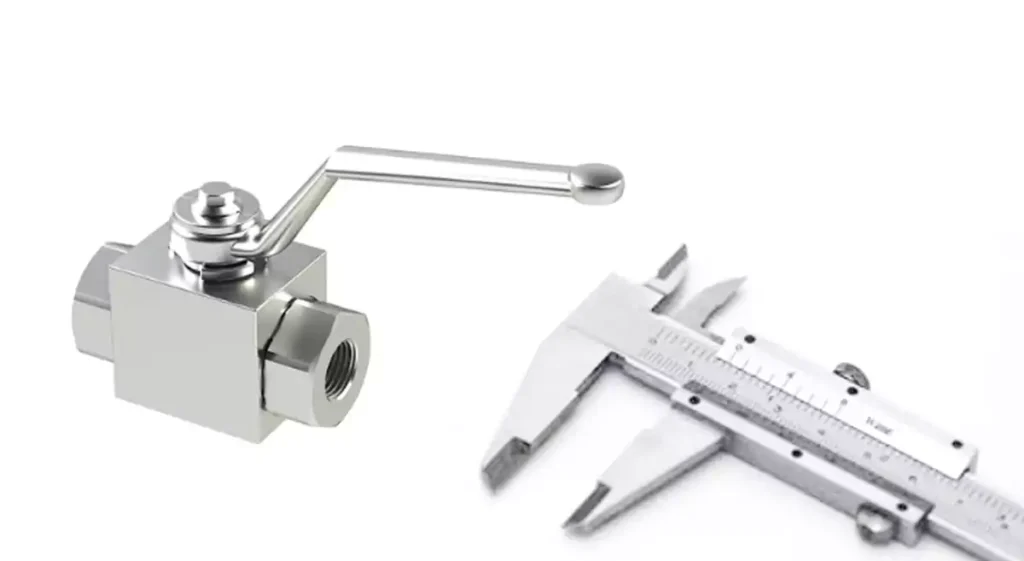
Measuring a hydraulic ball valve takes more than a quick look at the outside. You need to check the bore size, port size, inlet and outlet diameter, thread type, pressure rating, material, seal type, and even the installation space. If you skip these steps, you might run into leaks, poor fit, or thread mismatch. Don’t just trust your eyes—get technical details, drawings, or samples for accuracy. Watch out for common mistakes like mixing up units or ignoring flow limits. Even the seat and stem size can change how a hydraulic valve fits and works. Want to know how to measure ball valve size the right way? Let’s get started.
Key Takeaways
- To measure ball valve size, check the bore size, port size, and connection type. Getting the right measurements stops leaks and helps the valve fit well.
- Know the difference between nominal size and actual size. Nominal size is the name on the valve. Actual size is the real size of the opening.
- Pick the port size that matches your flow needs. Full-port valves let the most flow go through. Reduced-port valves slow the flow but may cost less.
- Use calipers and tape measures to get exact measurements. Calipers work best for small parts. Tape measures are good for bigger valves.
- Always look at thread types and sizes. The wrong thread can cause leaks and make it hard to install.
- Think about what you need the valve for when picking a size. Different jobs need different sizes to work best.
- Ask suppliers for help if you are not sure. They can give advice so you do not make mistakes. They help you pick the right valve for your system.
- Check all your measurements and details before you buy. This step saves time and stops expensive mistakes.
What Is Ball Valve Size?
You might think the outside size is all you need. That is not correct. Valve size means the inside diameter where fluid moves. It also means the connection size for your pipe. If you want your hydraulic system to work well, focus on these details. Do not just look at the outside shape.
Nominal vs. Actual Size
When you learn about ball valve sizing, you see two terms. These are nominal size and actual size. The nominal size is the number on the valve body. It can say “1 inch” or “DN20.” This number matches the pipe size. It does not show the exact hole inside the valve. The actual size is the real measurement of the port inside the ball. Sometimes it is called the effective diameter. These numbers can be different. Full-port and reduced-port valves can have different sizes.
Here is a table to show the difference:
| Term | Description |
|---|---|
| Nominal Diameter | The size shown on the valve body. It is in inches or ‘DN’ with mm (like DN20 = ¾ inch). |
| Effective Diameter | The real port diameter in the ball. It can be different from nominal diameter. It depends on the valve type (full-bore, reduced-bore, or standard-bore). |
In the hydraulic industry, valve size uses Nominal Pipe Size (NPS). This standard helps you match the valve to your pipeline. It also affects how much fluid can go through the valve. It changes how well your system works.
Port and Bore Size
Port size is the opening inside the ball. Fluid passes through this part. It is important for ball valve sizing. If the port is too small, you get less flow. You also get more pressure drop. A full-port valve has a hole that matches the pipe size. You get maximum flow. Reduced-port valves have a smaller opening. This slows things down but can cost less.
See this table to learn how port size changes things:
| Valve Type | Orifice Size Comparison | Flow Impact | Price Comparison |
|---|---|---|---|
| Full-Port | Same as pipe diameter | Maximum flow, less pressure drop | Larger, more expensive |
| Reduced-Port | Smaller than pipe diameter | Less flow, more pressure drop | Smaller, cheaper |
To keep your hydraulic system running well, match the port size to your flow needs. Many ball valve sizes come in full-port and reduced-port options.
Connection Size
Connection size tells you what pipe or fitting you can use. There are different standards in the world. In North America, NPT is most common. In Europe and Asia, you may see BSP or metric threads. Some valves use flanged connections. These follow ANSI or DIN standards.
Here is a table for standard ball valve sizes and connections:
| Connection Type | Region | Size Measurement |
|---|---|---|
| NPT (National Pipe Thread) | North America | Inches |
| BSP (British Standard Pipe) | Europe and Asia | Inches or Millimeters |
| Metric Threads | Europe or Asia | Millimeters |
| Flanged Connections | ANSI or DIN standards | Size and Flange Pattern |
When you pick a hydraulic ball valve, check the connection size. This step helps you avoid leaks or mismatches. It also stops installation problems. If you know the right valve size and connection, you save time and money.
Ball valve sizing is not just about numbers. It makes sure your hydraulic system works safely and well. If you are not sure, look at technical drawings. You can also ask your supplier for help. This way, you get the right fit every time.
Why Accurate Valve Size Matters
System Fit and Compatibility
You want your hydraulic system to work well. The right valve size helps this happen. If you pick the wrong size, you can have big problems. When you choose ball valves, think about how the valve fits with your pipes and parts. A valve that is too small or too big can cause leaks. It can also make bad connections or even damage things. Picking the right size helps your system work better and saves money. You should always check the flow rating and pressure drops. These things change how well your hydraulic system works.
Here are some key points to remember:
- Valve sizing is very important for how things work. It changes pressure, flow, and how much energy you use.
- A valve that is too small can cause pressure drops and make things work worse.
- A valve that is too big can waste energy and cost more money.
Flow and Pressure Impact
Flow is very important when you pick a valve size. If you use a valve that is too small, you make a bottleneck. The fluid has to squeeze through a small space. This makes a big pressure drop and can hurt pumps or other parts. If you use a valve that is too big, you lose control of the flow. You might also waste energy and money.
Let’s see how valve size changes your hydraulic system:
| Valve Size | Pressure Drop | Flow Control | Cost |
|---|---|---|---|
| Too Small | High | Hard | Low |
| Just Right | Low | Easy | Moderate |
| Too Large | Very Low | Poor | High |
When you pick ball valves, match the flow rate to your system. This helps you save power and keeps your system safe. Always think about things like pressure loss and energy use.
If you use the wrong valve size, you might see these problems:
- A hole that is too small: High pressure drops, less power, and safety problems.
- A hole that is too big: Bad control, system problems, and damage from pressure spikes.
- More wear and tear: More repairs and higher costs.
- System problems and wasted energy: Bad performance and wasted power.
Common Hydraulic Applications
You see hydraulic ball valves in many places. Each job needs the right valve size for best results. Picking the right size for each job gives you the right flow and pressure. Here are some common uses:
| Application Area | Common Size Range | Key Selection Factor |
|---|---|---|
| Hydraulic Power Units | 1/4″ – 1″ | Steady flow, low pressure drop |
| Construction Machinery | 3/8″ – 1-1/2″ | Handles dirt, shaking, and high pressure |
| Agricultural Machinery | 1/2″ – 1-1/2″ | Chemical resistance, high flow |
| Machine Tools | 1/4″ – 3/4″ | Precise control, compact size |
| Test Benches | 1/4″ – 1″ | High pressure, reliability |
| Industrial Oil Circuits | 1/2″ – 2″ | High flow, low pressure drop |
You should always check the flow for your job. The right valve size keeps your system safe, strong, and working well. When you think about flow and pressure, you stop mistakes and save time and money.
Tools to Measure Valve Size
You want to get the right ball valve size for your hydraulic system. You need the right tools to measure everything. If you use the wrong tool, you might get the wrong size. That can lead to leaks or poor fit. Let’s look at the best tools for the job.
Calipers and Tape Measures
Calipers and tape measures help you check the diameter of the valve openings. You can use calipers for small parts and tape measures for bigger ones. Calipers give you a precise reading. Tape measures work well for quick checks. If you want the most accurate results, use calibrated calipers or a precision tape. You can measure the bore, the port, and the pipe connections. You can also check the valve body if you need to match it to your hydraulic setup.
Here’s a quick tip:
Calipers are great for measuring inside and outside diameters. Tape measures are handy for longer distances or larger valves.
Check out this table for the best tools to use:
| Measurement Method | Tool Used |
|---|---|
| Check the pipe’s specification | Calipers |
| Measure the diameter of each opening | Tape measure, Calipers |
| Measure the valve bore | Caliper, Micrometer |
You can see that calipers work for almost every measurement. Tape measures help when you need to check bigger sizes. If you want to double-check your work, use both tools.
Thread Gauges
Thread gauges help you figure out the thread type and size. You need to know if your hydraulic valve uses NPT, BSP, or metric threads. If you use the wrong thread, you can get leaks or a bad fit. Thread gauges let you match the valve to your pipe or fitting. You just line up the gauge with the threads and read the size. You can find thread gauges at most hardware stores. They are easy to use and save you time.
Here’s a tip for you:
Always check the thread standard before you install a new valve. It keeps your hydraulic system safe and leak-free.
Reference Charts
Reference charts make your job easier. You can use a ball valve size chart to match your measurements to standard sizes. These charts show you the right bore, port, and connection sizes for hydraulic valves. You can find charts online or in catalogs. If you use a ball valve size chart, you avoid mistakes and get the right fit. You can also check flow rates and pressure drops for each size. That helps you pick the best valve for your hydraulic system.
Here’s how you can use a ball valve size chart:
- Look up the bore size you measured.
- Find the matching port and connection size.
- Check the flow rate and pressure rating for your hydraulic application.
If you want to make sure your hydraulic system works well, use a ball valve size chart every time you measure. It saves you time and money.
How to Measure Ball Valve Size: Step-by-Step
Check Valve Markings
You can start your inspection by looking at the markings on the hydraulic ball valve. These markings give you a lot of information before you even pick up a tool. Here’s how you can use them:
- Find the basic shape. Look for a circle with a line through the center. This shows the ball inside the valve.
- Check for arrows or lines. These show you the flow direction and how you should turn the handle.
- Read the text near the symbol. You will see important details like pressure ratings and what material the valve is made from.
- Notice any special features. Some valves have extra marks that tell you about special types or uses.
- Look at the diagram legend. This helps you understand company or industry symbols that might look different.
Tip: Always write down the numbers and letters you see. These details help you when you need to order a new hydraulic valve or check the specs.
Measure Bore and Port Size
Now you need to measure the bore and port size. This is a key step in how to measure ball valve size for your hydraulic system. The bore is the inside hole where the fluid flows. The port is the opening that connects to your pipe.
Follow these steps to measure valve size for the bore and port:
- Take the valve out of the system if you can. This makes it easier to measure.
- Use a vernier caliper for the most accurate reading. A micrometer also works for small valves.
- Insert the caliper into the bore. Open it until it fits snugly inside the hole.
- Read the measurement in inches or millimeters. Write it down.
- Repeat for the port if it is a different size.
You want to get this right because the bore size controls how much fluid can move through your hydraulic valve. If you pick the wrong size, you might get leaks or lose pressure.
Note: Always measure the inside diameter, not the outside. The inside size is what matters for flow.
Measure Inlet and Outlet Diameter
The next step in how to measure ball valve size is to check the inlet and outlet diameter. These are the ends where your pipes connect to the valve. You need to match these sizes to your hydraulic pipes for a good fit.
Here’s how you can do it:
- Use a caliper or a tape measure. Place the tool across the opening of the inlet and then the outlet.
- Write down the numbers you see. Make sure you measure both ends, as some valves have different sizes on each side.
- Compare your measurements to the pipe size in your hydraulic system.
If you measure valve size for the inlet and outlet correctly, you avoid leaks and make installation easy. You also make sure your hydraulic system runs smoothly.
| Step | Tool Needed | What to Record |
|---|---|---|
| Measure Bore | Caliper | Inside diameter (mm/in) |
| Measure Port | Caliper | Port opening (mm/in) |
| Measure Inlet/Outlet | Caliper/Tape | End diameters (mm/in) |
Tip: Double-check your numbers before you buy or install a new hydraulic ball valve. A small mistake can lead to big problems.
Now you know how to measure ball valve size for the most important parts. These steps help you pick the right valve size for your hydraulic system every time.
Measure Thread Size and Type
You need to know the thread size and type before you can connect your ball valve to a hydraulic system. Threads come in many shapes and sizes. If you get this wrong, you might end up with leaks or a valve that just won’t fit. Here’s how you can measure thread size and type like a pro:
- Thread Pitch Gauge: This tool looks like a pocketknife with lots of metal blades. Each blade has teeth that match different thread pitches. Clean the threads first. Pick a blade and line it up with the threads. If the teeth fit perfectly, you’ve found the pitch. Write down the number you see on the blade.
- Calipers: Calipers help you measure the diameter of the threads. For outside threads, use the outer jaws. For inside threads, use the inner jaws. You can also use calipers to measure the distance across several threads and then divide by the number of threads to find the pitch.
- Ruler or Measuring Tape: If you don’t have fancy tools, a ruler works for a quick check. For imperial threads, count how many peaks you see in one inch. That’s your threads per inch (TPI). For metric threads, measure the distance between two thread peaks and divide by the number of spaces.
- Thread Matching: Sometimes, you have a sample fitting that you know works. Try screwing it into the valve. If it fits snugly, you’ve found your match. This method is fast but not as exact as using tools.
Tip: Always double-check your measurements. Even a small mistake can cause leaks or damage your hydraulic system.
Identify Thread Standard (NPT, BSP, Metric)
After you measure the thread size, you need to figure out the thread standard. The most common types are NPT, BSP, and Metric. Each one looks a little different and seals in its own way. If you mix them up, you can get leaks or cross-threaded parts.
Here’s a quick table to help you spot the difference between NPT and BSP threads:
| Feature | BSP (BSPP/BSPT) | NPT |
|---|---|---|
| Thread angle | 55° Whitworth profile | 60° profile |
| Parallel vs taper | BSPP = parallel, BSPT = taper | Tapered |
| Typical sealing location | BSPP: face with washer/O-ring; BSPT: on threads (with sealant) | Seals on threads; sealant used |
You can use these steps to identify the thread standard:
- Measure the outside diameter (OD) of the male thread or the inside diameter (ID) of the female thread with calipers. Compare your measurement to a reference chart for BSP or NPT sizes.
- Use a thread pitch gauge to check the threads per inch (TPI) or the distance between threads. Don’t just guess—18 TPI and 19 TPI look almost the same.
- Check if the thread is tapered or straight. Measure the OD near the first thread and then near the last thread. If the size changes, you have a tapered thread.
Note: Metric threads use millimeters for both diameter and pitch. NPT and BSP use inches. Always check your units before you order or install a valve.
Measure Overall Length
You also need to know the overall length of your ball valve. This measurement helps you make sure the valve fits in your hydraulic system without bumping into other parts. It also helps you plan for handle movement and installation space.
Here’s how you can measure the overall length:
- Place the valve on a flat surface.
- Use a tape measure or calipers to measure from one end of the valve body to the other, including the threaded ends or flanges.
- Write down the total length in millimeters or inches.
If you want to be extra careful, measure the space where you plan to install the valve. Make sure you have enough room for the valve body and the handle to turn.
Pro Tip: Always check the manufacturer’s drawing for the “face-to-face” dimension. This number tells you the exact length you need for a perfect fit.
Assess Seat and Stem Size
You might think the seat and stem are small parts, but they play a huge role in how your hydraulic ball valve works. If you skip these measurements, you could end up with leaks or a valve that fails too soon. Let’s break down what you need to check.
First, look at the valve seat. This is the part that touches the ball and stops fluid from leaking out. You want a seat that fits tight and matches your system’s needs. Here’s what you should pay attention to:
- The seat must seal well to prevent leaks. If the seat is too loose or the wrong size, fluid can escape.
- The material matters. PTFE seats work well with chemicals. Elastomer seats handle lower pressures. Metal seats are best for high temperatures and tough jobs.
- Soft seats (like PTFE or rubber) give you a bubble-tight seal. These are great for low-pressure systems.
- Metal seats last longer in harsh conditions. They can handle high pressure and heat, but they might not seal as tightly as soft seats.
Now, check the stem. This is the rod that connects the handle to the ball inside the valve. The stem must fit just right. If it’s too small or too big, you might get leaks around the handle. Here’s what to look for:
- The stem must keep a tight seal. Packing materials around the stem (like PTFE, graphite, or rubber) help stop leaks.
- The stem should be strong and safe. Many stems have anti-blowout designs so they stay in place, even if something goes wrong.
- Regular maintenance of the stem packing keeps your valve working well. If you see drips or feel the handle getting loose, check the packing.
Tip: Always match the seat and stem materials to your system’s pressure, temperature, and fluid type. This helps your valve last longer and work better.
Here’s a quick table to help you compare seat and stem options:
| Part | Common Materials | Best For | Key Benefit |
|---|---|---|---|
| Seat | PTFE, Elastomer, Metal | Chemicals, Low/High Pressure | Leak prevention, durability |
| Stem | Stainless Steel, Coated | Corrosive fluids, High pressure | Strength, safety |
| Packing | PTFE, Graphite, Rubber | Different temps/fluids | Sealing, easy maintenance |
If you measure the seat and stem size correctly, you avoid leaks and make sure your hydraulic system stays safe.
Check Installation Space and Handle Clearance
You don’t want to buy a valve and find out it won’t fit. That’s why you need to check the installation space and handle clearance before you order or install a ball valve. Here’s how you can make sure everything fits just right.
- Make sure the valve lines up with your pipes. The centerlines of the valve and pipes should match. If they don’t, you could stress the valve or cause leaks.
- Don’t let the valve support the weight of the pipes. Use pipe supports so the valve doesn’t bend or break.
- Check that the handle or actuator can move all the way. The handle needs enough room to turn fully from open to close. If something blocks the handle, you won’t be able to operate the valve.
- Cycle the valve open and closed before you finish installation. Make sure nothing gets in the way.
- Look around for other equipment. You need space to reach the valve for maintenance or repairs. If another machine or wall blocks the valve, you’ll have a hard time fixing problems later.
Note: Always measure the space where you plan to install the valve. Leave extra room for the handle and for your hands.
Here’s a checklist to help you remember what to look for:
- Valve and pipe centerlines match
- Valve does not carry pipe weight
- Handle or actuator has full movement
- No obstructions for cycling the valve
- Easy access for maintenance
If you follow these steps, you’ll avoid headaches during installation. Your hydraulic ball valve will fit, work smoothly, and stay easy to maintain.
How to Size Ball Valves for Hydraulics
Sizing a ball valve for your hydraulic system might sound tricky, but you can break it down into simple steps. You want your system to run smoothly, avoid leaks, and keep everything safe. Let’s walk through how to size ball valves so you get the best fit for your needs.
Match Valve Size to Flow and Pressure
You need to match the ball valve to your system’s flow and pressure. Start by figuring out your pipe diameter. This tells you how much fluid can move through your hydraulic lines. Next, check your operating pressure and the flow rate you need. These numbers help you pick the right size.
Here’s a handy table to guide you on how to size ball valves for hydraulic systems:
| Criteria | Description |
|---|---|
| Maximum flow when 90% open | Keeps the valve from wearing out too fast. |
| Minimum flow when 10% open | Lets you control low flow rates without problems. |
| Normal flow when 60-70% open | Gives you good control and a long-lasting valve. |
| Pressure drop management | Try to keep the valve’s pressure drop at 10-15% of your total system drop or at least 10 psi. |
| Pipe size relation | Don’t use a valve smaller than half your pipe size. |
| Media velocity | For clean liquids, aim for about 3 meters per second. Go lower for gritty or abrasive fluids. |
If you want to know how to size ball valves, always check these points. You’ll avoid common mistakes like picking a valve that’s too small or ignoring pressure drop.
Consider Application Needs
Every hydraulic job is different. You need to think about the factors to consider when choosing ball valve sizes. Ask yourself these questions:
- What type of ball valve do you need? (Floating, trunnion-mounted, V-port, full-port, or reduced-port)
- What’s the highest pressure your system will see?
- How hot or cold will things get?
- Will the valve material handle your hydraulic fluid, or could it corrode?
- Do you want to turn the valve by hand, or do you need an actuator?
- What kind of pipe connections do you have?
You should also look at other factors to consider when choosing ball valve sizes, like system temperature changes, actuator load, and how accurate you need the flow control to be. If you match the valve to your application, you’ll get better performance and fewer problems.
Tip: Always check the media compatibility. Some fluids can damage certain valve materials.
Consult Manufacturer or Supplier
Sometimes, you need expert help. Manufacturers and suppliers know how to size ball valves for all kinds of hydraulic systems. They can help you avoid mistakes, like choosing a valve just because it matches your pipe size or forgetting about pressure drop.
Here’s what you can ask your supplier:
- What’s the best valve for my flow and pressure?
- Will this valve work with my hydraulic fluid?
- Can you help me with installation space or special requirements?
- Do you have drawings or charts to double-check my choice?
If your system is complex or critical, don’t guess. Get advice from someone who knows hydraulic valves inside and out. You’ll save time, money, and headaches.
Note: The right valve size keeps your hydraulic system safe, efficient, and reliable.
Choose the Right Ball Valve Size
You want your hydraulic system to work well. You do not want leaks or pressure drops. You also do not want to pay for repairs. To stop these problems, you must pick the right ball valve size. This step saves you time and money. It also keeps you from getting frustrated. Let’s see how you can avoid mistakes and get the best fit.
Avoid Common Sizing Mistakes
Many people make the same mistakes when picking valves. You can skip these problems if you know what to look for.
- If the valve is too small, it blocks the flow. This makes a bottleneck in your system.
- If the valve is too big, it costs more money. It can also be hard to install.
- If you pick the wrong port size, less fluid moves through. Your hydraulic lines will not work as well.
- If you only match the pipe size, you might block the flow. The valve might not work right.
- If you ignore Cv or Kv values, you may not get enough flow. Pressure drop can also be a problem.
- If you use the wrong material or pressure rating, the valve can break.
- If you mix up thread standards, you can get leaks. You might also have trouble installing the valve.
- If you skip testing after you install, you do not know if it works. Your system could have hidden problems.
- If you do not line things up or tighten too much, you can break the valve or the pipes.
- If you use a low-pressure valve in a high-pressure system, it can fail badly.
- If you forget about material compatibility, the valve can rust or break.
Tip: Always check your measurements and specs before you buy or install a valve.
Provide Accurate Specs for Quotes
If you want to buy the right valve, give clear details. Suppliers need to know what you need for your hydraulic system. Here is what you should tell them:
- What material do you want? (Like stainless steel or corrosion-resistant)
- What fluid will go through the valve?
- What is the pressure rating and temperature range?
- What kind of end connection do you need? (Threaded or flanged)
- What is the port size and valve size?
- How will you open the valve? (Manual, electric, or pneumatic)
- What seal material do you need?
- Do you need easy access for maintenance?
- How long do you want the valve to last?
You should also say if you need special coatings or finishes. Nickel or chrome plating can help protect the valve. Some jobs need you to follow safety rules or codes. For example, some pipelines must meet federal or ASME standards.
Note: The more details you give, the easier it is for suppliers to find the right valve for you.
Use Drawings or Samples
Drawings and samples help you avoid mistakes. If you have a drawing or a sample valve, show it to your supplier. This makes it easier to match the right size and features.
- Drawings show the exact size, thread type, and connection details.
- Samples let the supplier see the real valve. They can check for special features.
- Both help stop mistakes with threads, port sizes, or handle space.
If you use drawings or samples, your new valve will fit and work right the first time.
Pro Tip: Always keep a copy of your drawings or take clear photos of your sample valve. This helps you get the right part every time.
Valve Size and System Performance
Flow Rate and Pressure Drop
You want your hydraulic system to move fluid fast and smooth. The flow rate tells you how much fluid passes through the valve in a set time. If you pick the wrong valve size, you can slow things down or cause problems. A small valve can choke the flow and make the pump work harder. A big valve can waste energy and money.
You should always check the flow rate before you choose a valve. If you want to know how to calculate cv for valves, you can use charts or ask your supplier. The Cv value shows how much flow passes through the valve at a certain pressure drop. When you match the valve size to your system, you get the best flow and less pressure loss.
Here’s a quick table to help you see how flow rate and pressure drop work together:
| Valve Size | Flow Rate (GPM) | Pressure Drop (psi) |
|---|---|---|
| Small | Low | High |
| Correct | Right | Low |
| Large | High | Very Low |
If you want your hydraulic system to last, always check these numbers.
Material and Seal Compatibility
You need to think about what goes inside your hydraulic valve. The fluid can be oil, water, or something else. Some fluids can damage the valve or the seals. If you use the wrong material, you might see leaks or rust.
Pick a valve with the right body and seal material for your fluid. Stainless steel works well for many hydraulic jobs. PTFE or rubber seals can handle most fluids, but you should always check. If you use the wrong seal, it can break down and cause leaks.
Tip: Always ask your supplier if you are not sure about material and seal compatibility. This step keeps your hydraulic system safe.
Safety and Reliability
You want your hydraulic system to run without trouble. The right valve size helps you avoid leaks, bursts, or sudden failures. If you use the wrong valve-to-pipe size relationships, you can stress the pipes or the valve. This can lead to accidents or damage.
Check the pressure rating and make sure the valve matches your system. Test the valve before you use it. Look for leaks or strange noises. If you see a problem, fix it before you start the system.
Here are some quick safety checks:
- Make sure the valve fits the pipe.
- Check the handle or actuator for smooth movement.
- Test for leaks after installation.
If you follow these steps, your hydraulic system will stay safe and reliable.
Conclusion
To keep your hydraulic system safe and reliable, you should measure the ball valve carefully before ordering. Check the valve size, thread standard, pressure rating, connection type, material, seal type, and installation space. Clear drawings, photos, samples, or old valve markings can help avoid leakage, thread mismatch, and costly replacement mistakes.
As a hydraulic ball valve manufacturer, Chenyang Hydraulic can provide standard and custom hydraulic ball valves for different pressure ratings, thread types, materials, and working conditions. If you are not sure which size or connection type is right, send us your requirements, drawings, or sample valve. Our team can help you choose or manufacture the right hydraulic ball valve for your system.
FAQ
How do I know if my ball valve is full-port or reduced-port?
You can check the valve markings or look at the technical drawing. If the bore matches the pipe size, you have a full-port valve. If the bore is smaller, it’s a reduced-port valve.
Can I use a tape measure instead of calipers?
Yes, you can use a tape measure for larger valves. Calipers give you more accurate results for small parts. For best results, use both tools and double-check your numbers.
What happens if I pick the wrong thread type?
You might get leaks or the valve may not fit your pipe. Always check if you need NPT, BSP, or metric threads. Use a thread gauge or compare with a known fitting.
Do I need to match the valve material to my hydraulic fluid?
Yes, you do. Some fluids can damage certain materials. Stainless steel works for most fluids. Always check with your supplier if you are not sure about compatibility.
How do I measure the valve if it’s already installed?
You can measure the exposed parts with a tape measure or calipers. For threads, use a thread gauge. If you can’t remove the valve, take clear photos and ask your supplier for help.
Why does the handle clearance matter?
If the handle hits something, you can’t open or close the valve. Always check for enough space around the valve. This makes operation and maintenance much easier.
Can I use a ball valve for both high and low pressure?
Ball valves work for many pressure ranges. Always check the pressure rating on the valve or in the specs. Never use a low-pressure valve in a high-pressure system.