
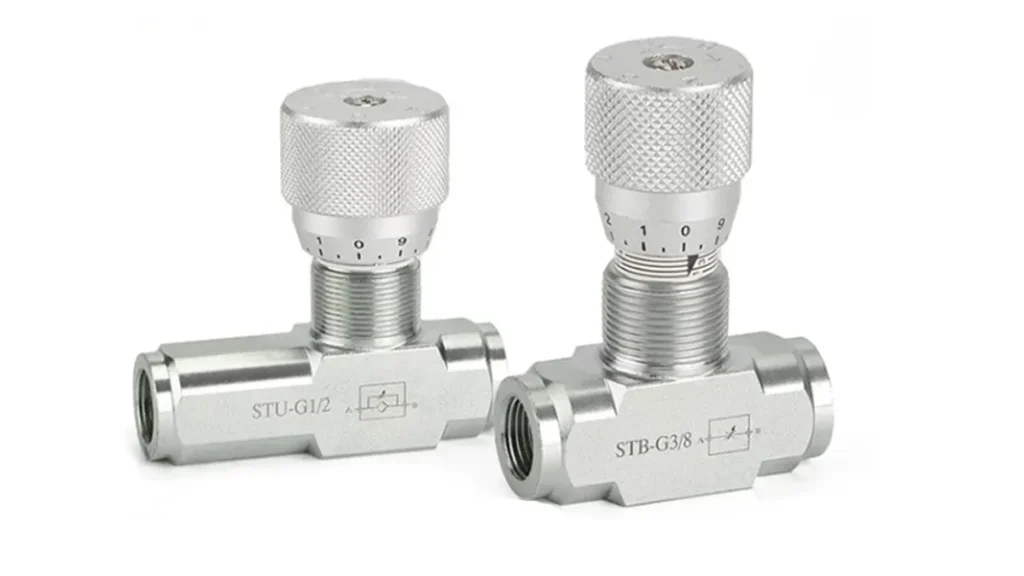
Curious about How Does a Hydraulic Throttle Valve Work? This valve operates by adjusting the size of its opening, which directly affects how oil flows within hydraulic systems. When you change the valve setting, you create resistance, helping to manage pressure drops. Here’s a table that explains the main functions of How Does a Hydraulic Throttle Valve Work:
| Function | Description |
|---|---|
| Regulation of Fluid Flow | How Does a Hydraulic Throttle Valve Work: It controls fluid flow by lowering pressure at a specific point. |
| Speed Regulation | How Does a Hydraulic Throttle Valve Work: It acts as a speed controller by adjusting the movement speed in hydraulic systems. |
| Control of Movement | How Does a Hydraulic Throttle Valve Work: Its primary role is to control the movement of fluids and gases in various systems. |
Key Takeaways
- A hydraulic throttle valve changes how much fluid can pass. It does this by making its opening bigger or smaller. This affects how oil moves in hydraulic systems.
- When the opening is small, resistance goes up. Oil moves slower. When the opening is big, resistance goes down. Oil moves faster.
- You can change the valve to control how fast actuators move. This is important for machines that need to move exactly right.
- Maintenance is very important. Check for leaks often. Test the hydraulic fluid. Look at seals to make sure the valve works well.
- Throttle valves are easy to use and not expensive. They are a good choice for controlling flow and pressure in many places.
- Knowing how throttle valves are different from other valves helps you pick the best one. For example, flow control valves work differently.
- Look at seals and supports often. If parts are worn out, leaks can happen. This can make the system fail and not work well.
- Using a throttle valve can help save energy. Watch out for heat loss. Pressure-compensated designs can make the system work better.
How Does a Hydraulic Throttle Valve Work
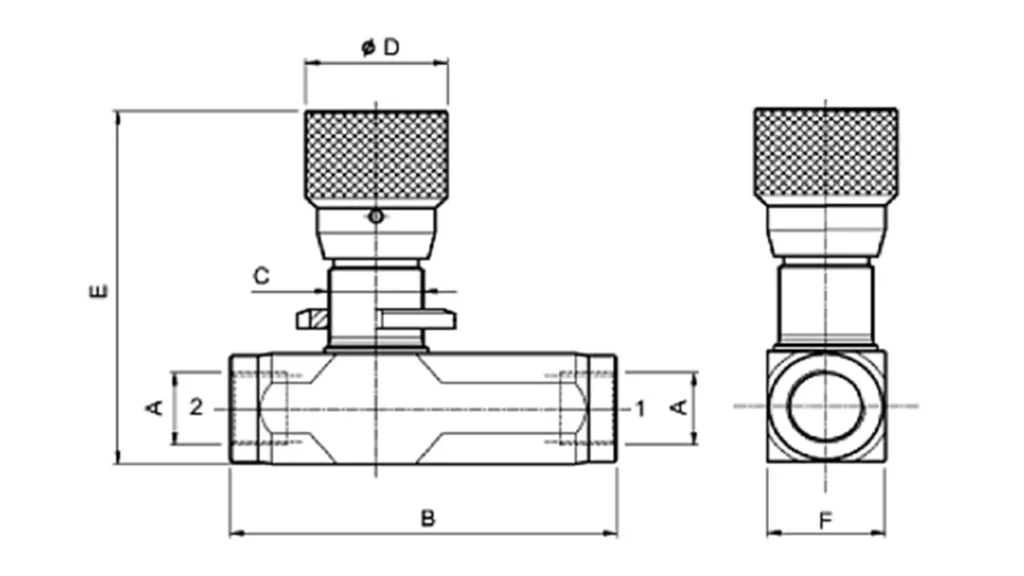
Throttling Principle
Flow Cross-Section Modification
If you want to control oil flow, you use a hydraulic throttle valve. The valve changes the size of its opening. This lets you make the path for oil wider or narrower. When the opening gets smaller, resistance goes up. Oil moves slower, and less oil flows past the valve. If you open the valve more, oil moves faster and faces less resistance.
- The throttle valve controls fluid flow by making a restriction in the hydraulic circuit.
- Changing the area of the flow path helps you control how much fluid goes through.
- Making the valve opening smaller increases resistance and lowers the flow rate downstream.
- When you make the valve opening smaller, resistance gets higher.
- Higher resistance means less oil flows downstream.
- If you open the valve wider, resistance drops and more fluid passes through.
You can decide how much oil moves and how fast it goes. This is why hydraulic throttle valves are important when you need to be exact.
Flow Resistance Creation
Let’s talk about resistance now. Changing the valve opening creates resistance in the flow. This resistance slows down the oil and helps you control movement. The throttle valve acts like a gatekeeper. It decides how much oil can go through and how much stays back. You use resistance to control speed and movement in hydraulic machines.
Tip: If you want a hydraulic actuator to move slower, make the valve opening smaller. The actuator will slow down because the oil faces more resistance.
The throttling process is key for controlling flow and lowering pressure in pipes. It works by letting oil move from high pressure to low pressure areas. This stops the system from losing performance. You use this idea to keep your hydraulic equipment working well.
Pressure Drop and Flow Control
How does a hydraulic throttle valve work with pressure? When oil goes through the valve, the small opening makes oil move faster. Faster oil causes a drop in pressure across the valve. The link between resistance and pressure drop follows fluid dynamics rules. Smaller openings cause bigger pressure drops, so actuators move slower. Bigger openings let oil move faster and lower the pressure drop.
You use the throttle valve to control flow and pressure. If you want to change the speed of a hydraulic cylinder, adjust the valve opening. If you need to manage pressure, use the same method. The throttle valve lets you control both flow and pressure exactly. You can set your hydraulic system for different jobs.
- Throttle valves lower pressure in fluid systems.
- They change velocity and help save energy.
- Both theory and real uses are looked at, including limits of equations like Bernoulli’s.
You can control movement, speed, and pressure in your hydraulic system with one valve. That’s how a hydraulic throttle valve works in real life. You can use this simple idea to keep your machines running the way you want.
Main Components of Throttle Valves
Valve Body
The valve body is like a strong shell. It holds all the other parts inside. It keeps them safe from damage. The valve body also handles the pressure from the hydraulic fluid. It must be tough because it faces high pressure and heat. Makers use different materials for the valve body. They pick the material based on what the valve will do. Some common materials are gray cast iron, carbon steel, and stainless steel. Each material can handle different amounts of pressure and heat. Look at this table to see how they are different:
| Material Type | Max Pressure (MPa) | Working Temperature (°C) |
|---|---|---|
| Gray cast iron | 0 to 1.5 | 0 to 250 |
| Nodular graphite | 0 to 3 | 0 to 350 |
| Brass | 0 to 3 | -200 to 200 |
| Carbon steel | 0 to 13.5 | 0 to 450 |
| Stainless steel casting | 0 to 13.5 | -150 to 750 |
| Bronze | 0 to 3 | -200 to 200 |
| Ductile iron casting | 0 to 3 | 0 to 350 |
You want a valve body that fits your system. If you work with high pressure or heat, stainless steel or carbon steel is a good pick.
Throttle Element
The throttle element is inside the valve body. It controls how much fluid can go through. It might look like a plate or disc. This part changes its angle to let more or less fluid pass. When you turn the adjustment mechanism, the throttle element moves. This lets you set how fast the fluid flows. The design of the throttle element is important. A good design can save energy. Throttling losses can waste a lot of energy in hydraulic systems. Some designs use pressure-compensated safety valves. These keep the pressure loss steady. This helps your system work better and saves energy.
- Throttle elements with low friction help the system work better.
- Smart designs can save up to 44.5% energy.
- Pressure compensation keeps the system working well.
Adjustment Mechanism
You use the adjustment mechanism to control the valve. This part lets you move the throttle element. You might use a handle, knob, or actuator. When you move the adjustment mechanism, you change the opening in the valve. This sets how fast the fluid moves. The adjustment mechanism should be easy to use and accurate. If you want fine control, pick valves with smooth adjustment features.
Tip: If you want to change the speed of a hydraulic actuator, use the adjustment mechanism to set the flow rate. You will see results fast and can make small changes.
Throttle valves also have seals and supports. But the main parts you use are the body, throttle element, and adjustment mechanism. These parts work together to help you control fluid movement and how the system works.
Seals and Supports
When you look at a hydraulic throttle valve, you might notice some small but important parts inside. These are the seals and supports. They do not get as much attention as the main body or the adjustment knob, but they play a huge role in keeping your valve working right.
Seals keep the hydraulic fluid where it belongs. You do not want oil leaking out of your valve. Leaks can cause pressure loss, messy work areas, and even damage to your equipment. Seals fit tightly around moving parts inside the valve. They stop fluid from escaping and help the valve hold its position. If you ever see oil around your valve, you probably have a worn-out seal.
Supports, like springs, help the valve move back to its starting spot. When you adjust the valve, the spring pushes it back to neutral when you let go. This makes sure the valve does not stick or stay in the wrong place. Springs also help the valve react quickly when you need to change the flow. You get smooth and reliable control every time.
Here’s a simple table to show what each part does:
| Component | Role |
|---|---|
| Seals | Prevent leakage and maintain proper valve positioning. |
| Springs | Provide return force to restore the valve to its neutral position. |
You might think these parts are small, but they make a big difference. If a seal fails, your valve can lose pressure fast. If a spring breaks, the valve might not return to its normal spot. This can lead to slow response or even system failure. You want your hydraulic system to run smoothly, so you need to check these parts often.
Let’s say you notice your actuator moving slower than usual. You check the valve and see a bit of oil leaking out. That’s a sign the seal needs replacing. Or maybe the valve feels loose and does not snap back after you adjust it. The spring inside might be worn out. Fixing these small parts can save you from bigger problems later.
You should always pick valves with high-quality seals and strong supports. Good seals last longer and keep your system clean. Strong springs help the valve work fast and stay reliable. When you take care of these parts, your whole hydraulic system works better.
Tip: Make it a habit to inspect the seals and supports during regular maintenance. Catching a worn seal or weak spring early can prevent costly repairs and downtime.
Seals and supports may seem simple, but they are the backbone of a reliable hydraulic throttle valve. They keep everything running tight, smooth, and safe.
Operation in Hydraulic Systems
Fluid Movement and Regulation
When you use hydraulic systems, you want to move fluid in a controlled way. The throttle valve helps you do this. It sits in the flow path and lets you change how much fluid moves through the system. You can make the opening bigger or smaller. This changes the flow and the speed of your hydraulic actuators.
- Throttle valves control flow rates and pressure. This is important for managing how fast your actuators move.
- You create a variable restriction in the flow path. This gives you precise control over hydraulic fluid movement.
- The regulation of flow rates affects how well your hydraulic system works.
- You can control the volume of fluid passing through the system each second.
- You can adjust the velocity of the fluid flow.
- You can manage how fluid gets to different parts of your hydraulic system.
If the temperature in your hydraulic system goes up, the fluid gets thinner. This means it moves faster and faces less resistance. Sometimes, the flow rate can get higher than you want. You need to keep an eye on temperature to make sure your system stays under control.
Adjusting Flow Rate
You can adjust the flow rate in hydraulic systems by turning the throttle valve. When you make the opening smaller, you slow down the fluid. This lowers the speed of your hydraulic actuators. If you open the valve more, the fluid moves faster. You get more power and speed in your system.
Here’s how you can use the throttle valve to control flow rate:
- Turn the adjustment knob or handle on the valve.
- Watch the actuator speed change as you adjust the flow.
- Set the flow rate to match the job you need to do.
You get a lot of flexibility with this setup. You can fine-tune your hydraulic system for different tasks. If you need slow, steady movement, close the valve a bit. If you want fast action, open it up.
Impact on System Performance
The way you use the throttle valve has a big effect on your hydraulic system. You can see the changes right away. When you control flow and pressure, you make your system more efficient. You also protect your equipment from damage.
Here’s a table that shows how the throttle valve affects system performance:
| Feature | Description |
|---|---|
| Flow Regulation | Throttle valves let you control oil flow with high precision. |
| Flow Cross-Section Adjustment | You can fine-tune flow rates for better system performance. |
| Volume Flow Dependency | The flow depends on the valve opening and the pressure difference. |
If you set the throttle valve right, your hydraulic system runs smoother. You save energy and get more work done. You also avoid problems like overheating or leaks. When you understand how to use the throttle valve, you get the most out of your hydraulic system.
Tip: Always check your system’s pressure and flow rate after making adjustments. This helps you catch issues early and keep everything running safely.
Throttle Valve vs. Other Valves
When you look at hydraulic valves, you might wonder how a throttle valve compares to other types. There are many choices in hydraulic systems. Not all valves do the same job. Let’s look at the differences so you can pick the right one.
Throttle Valve vs. Flow Control Valve
A throttle valve changes the flow by making the opening bigger or smaller. This is good if you want an easy way to slow down or speed up oil. But there is a problem. If the pressure changes, the flow rate changes too. You might not get steady movement if your system pressure goes up and down.
A flow control valve gives you more steady flow. It has a throttle and a pressure compensator. This keeps the flow steady even when the pressure changes. If you need exact control, use a flow control valve. These valves are best for systems where accuracy is important.
Here’s a simple table to show the difference:
| Feature | Throttle Valve | Flow Control Valve |
|---|---|---|
| Function | Changes flow by adjusting the opening | Has throttle and pressure compensator |
| Flow Stability | Less steady, flow changes with pressure | Keeps flow steady even if pressure changes |
| Application Suitability | Basic, cheap, less accurate | Good for high-precision systems |
Tip: If you want to save money and don’t need perfect accuracy, a throttle valve is fine. If you need steady speed, use a flow control valve.
Throttle Valve vs. Pressure Control Valve
Pressure control valves are found in hydraulic systems too. These valves keep the pressure at a set level. They do not control the flow rate. A throttle valve changes the flow by making the opening bigger or smaller. But if the pressure changes, the flow changes too.
Look at this table for a quick comparison:
| Valve Type | Characteristics | Stability |
|---|---|---|
| Throttle Valve | Changes flow by adjusting the opening; flow changes with pressure. | Less steady |
| Flow Control Valve | Has throttle and pressure compensator; keeps flow steady. | More steady |
If you need steady pressure, use a pressure control valve. If you want to change the flow, use a throttle valve or a flow control valve.
Selection Criteria
Picking the right hydraulic valve depends on what your system needs. Ask yourself some questions:
- Does your system have steady pressure and a constant load? Use a fixed or variable flow control valve.
- Does your system have changing loads or pressure? Pick a pressure-compensated flow control valve.
- Does your system face big changes in pressure, load, or temperature? Go for a pressure and temperature compensated valve.
Here’s a helpful table to guide you:
| Scenario | Valve Type |
|---|---|
| Steady pressure and constant load on the cylinder or hydraulic motor. | Fixed Flow Control Valve (Orifice), Variable Flow Control Valve |
| Changing load on the cylinder or hydraulic motor and changing pressure in the system | Pressure Compensated Flow Control Valve |
| Changing load on the cylinder or motor, changing system pressure, and changing temperature | Pressure and Temperature Compensated Valve |
Note: Always match the hydraulic valve to your system’s real conditions. The right choice keeps your equipment working well and safely.
When you know the differences between throttle valves, flow control valves, and pressure control valves, you can make smart choices for your hydraulic system. You get better performance, less downtime, and more control over your machines.
Applications in Hydraulic Systems
Actuator Speed Control
You want your hydraulic system to move at the right speed. The throttle valve helps you do this. You can slow down or speed up a hydraulic actuator by turning the throttle. This changes how much oil flows. If you make the opening smaller, the actuator moves slower. If you open it more, the actuator moves faster. You control the speed with easy changes.
Let’s say you use a machine that lifts heavy parts. You want the lift to move slowly for safety. You use the throttle valve to set the best speed. This makes your system safer and easier to use.
Pressure Regulation
Sometimes, you need to keep the pressure just right in your hydraulic system. The throttle valve helps with this. When you adjust the throttle, you add resistance. This resistance lowers the pressure. You can use this to protect your equipment from too much force.
For example, if you use a press machine, you want to stop sudden jumps in pressure. The throttle valve lets you control the pressure drop. You keep your system running smooth and safe.
Tip: Always look at your pressure gauge after you change the throttle valve. This helps you find problems before they get worse.
Industrial and Mobile Uses
You see throttle valves in many places. They work in factories, on farms, and at construction sites. Here are some common uses:
- Industrial machines use throttle valves to control actuator movement. You find them in injection molding machines and assembly lines.
- Construction machines like excavators and wheel loaders use throttle valves to set digging or lifting speed.
- Cars and trucks use throttle valves to control brake pressure and power steering.
- Airplanes use throttle valves for landing gear and flight controls.
Here’s a table with more examples from mobile equipment:
| Application Type | Description |
|---|---|
| Construction Machinery | The Z2FS valve is important for excavators and cranes. It gives precise flow control for tough jobs. |
| Agricultural Machinery | This valve keeps flow steady under different loads. It is important for good farm equipment work. |
You can see that the throttle valve is a key part of many hydraulic systems. It helps you control flow, pressure, and speed in all kinds of machines.
Advantages and Limitations of Throttle Valves
Benefits
Using a hydraulic throttle valve gives you some clear benefits. The main benefit is you can control flow very precisely. You can set the throttle to make your actuator move at the speed you want. This is great when you need careful movement, like in machines or when lifting heavy things slowly. You get to pick how fast or slow things move. This makes your work safer and more exact.
Another good thing is the simple design. A throttle valve does not have many moving parts. This makes it strong and hard to break. You do not need to fix it often. It also costs less to buy and take care of. The simple build saves you money.
New technology has made throttle valves even better. Makers use strong alloys and new materials now. These help the valve last longer and work in tough places. Factories use machines to make every valve the same, with no mistakes. Engineers use computers to design the best shape for the flow path. This helps your hydraulic system work better and waste less energy. Some new valves use materials that do not leak and work with fluids that are better for the environment.
Tip: If you want a valve that is reliable and does not cost much, a throttle valve is a good choice for your hydraulic system.
Drawbacks
Throttle valves have some limits you should know about. Here is a table to show them:
| Limitation | Description |
|---|---|
| Impact on system efficiency | Throttle valves cause a pressure drop. This turns hydraulic energy into heat and lowers efficiency. |
| Increased fluid temperatures | Energy loss makes the fluid hotter. This can hurt how well it works and make it not last as long. |
| Unsuitable for load-sensitive apps | If the load changes, the actuator speed can change too. This happens because the restriction stays the same. |
You might notice your hydraulic system gets warmer if you use a throttle valve a lot. This is because the valve turns some energy into heat. If your system needs to keep the same speed when the load changes, a throttle valve may not be best. The speed can change if the pressure goes up or down.
Note: Always check your system’s temperature and how it works if you use throttle valves for a long time. This helps you find problems before they get worse.
When you know both the good and bad points, you can decide if a throttle valve is right for your hydraulic system.
Maintenance and Best Practices
Inspection Tips
You want your hydraulic system to work smoothly every day. Regular checks on your valve help you catch problems early. Here’s a simple routine you can follow:
- Look for leaks or damage every month. Check around the valve for oil spots, rust, or cracks.
- Test your hydraulic fluid twice a year. Make sure it’s clean and not too thick or thin. Dirty or old fluid can hurt your valve.
- Tighten bolts and fittings using the right torque. If you use the wrong force, you might cause leaks or make the valve sit wrong.
- Run a function test with the system under load. Watch how the valve works when the hydraulic system is moving parts.
- Clean or change filters every month. Clean fluid keeps your valve and the whole hydraulic system healthy.
Tip: Keep a checklist for your inspections. This helps you remember each step and spot changes over time.
Troubleshooting
Sometimes, even with good care, your hydraulic valve might act up. You can use this table to spot common issues and what might cause them:
| Common Issues | Possible Causes |
|---|---|
| Incomplete shifting | Spring is weak, spool is stuck, linkage is worn, or pilot pressure is low |
| Actuator shifting | Spool is worn or not centered, or there’s a leak in the cylinder or valve seat |
| Cylinder load dropped | Loose lines, broken spring, leaking relief valves or O-rings, or wrong spool spot |
| Variations in flow | Spool is binding, leaks in cylinder, dirty or thick oil, or low pressure |
| Erratic pressure | Worn poppet or seat, or dirty oil |
| Slow flow | Blocked piston or orifices, leaky relief valves, hot oil, or piston is cocked |
If you see slow movement or odd noises, check the valve first. Look for leaks, listen for hissing, and feel for heat. Clean or replace parts as needed. If you fix small problems fast, you avoid bigger repairs later.
Longevity
You want your hydraulic valve to last as long as possible. Good habits make a big difference. Try these best practices:
- Change your hydraulic fluid often. Clean fluid keeps the valve working right.
- Replace filters and check hoses and seals on a set schedule.
- Watch system pressure and temperature. If numbers change, check the valve.
- Swap out seals and gaskets before they wear out.
- Pick high-quality hydraulic fluids. These protect seals and help the valve keep steady pressure.
Note: A little care goes a long way. When you follow these steps, your hydraulic valve will serve you well for years.
Conclusion
You’ve learned how a hydraulic throttle valve works by controlling fluid flow through an adjustable valve opening. Each part of the valve helps manage flow rate, actuator speed, and system pressure. With a simple structure and reliable flow control, hydraulic throttle valves are often used in systems where load changes are small and stable movement is required.
Choosing the right hydraulic throttle valve depends on your working pressure, flow rate, medium, connection type, installation space, and operating conditions. Checking the valve specifications before selection can help you avoid leakage, unstable movement, pressure loss, and unnecessary maintenance costs.
As a hydraulic valve manufacturer, we can help you choose suitable hydraulic throttle valves and related hydraulic valve solutions for your application. We support different sizes, materials, connection types, and custom requirements based on your system needs.
If you need help with your next project, contact our team. We can provide professional valve selection support and manufacturing solutions for your hydraulic system.
FAQ
What does a hydraulic throttle valve do?
You use a hydraulic throttle valve to control how fast oil moves in your system. It lets you adjust the speed of actuators and manage pressure drops. This helps your machines work just the way you want.
Can I use a throttle valve to control actuator speed?
Yes, you can! Just turn the adjustment knob to make the actuator move faster or slower. This gives you easy control over the speed for different jobs.
How do I know if my throttle valve needs maintenance?
Look for oil leaks, slow actuator movement, or odd noises. If you see any of these signs, check the seals and springs. Regular checks help you catch problems early.
Is a throttle valve the same as a flow control valve?
No, they are different. A throttle valve changes flow by adjusting the opening. A flow control valve keeps flow steady, even if pressure changes. Pick the one that fits your needs best.
What happens if I set the throttle valve too tight?
If you close the valve too much, oil flow slows down a lot. Your actuator may move too slowly or even stop. Always adjust the valve a little at a time.
Where do I find throttle valves in real machines?
You see them in construction equipment, farm machines, factory lines, and even trucks. They help control speed and pressure in many types of hydraulic systems.
Can a throttle valve save energy?
A throttle valve can help you control flow, but it does create some energy loss as heat. For better energy savings, look for pressure-compensated designs or use them only when needed.
How often should I check my hydraulic throttle valve?
Check your valve every month for leaks, loose parts, or slow movement. Regular checks keep your system running smoothly and help you avoid big repairs.