
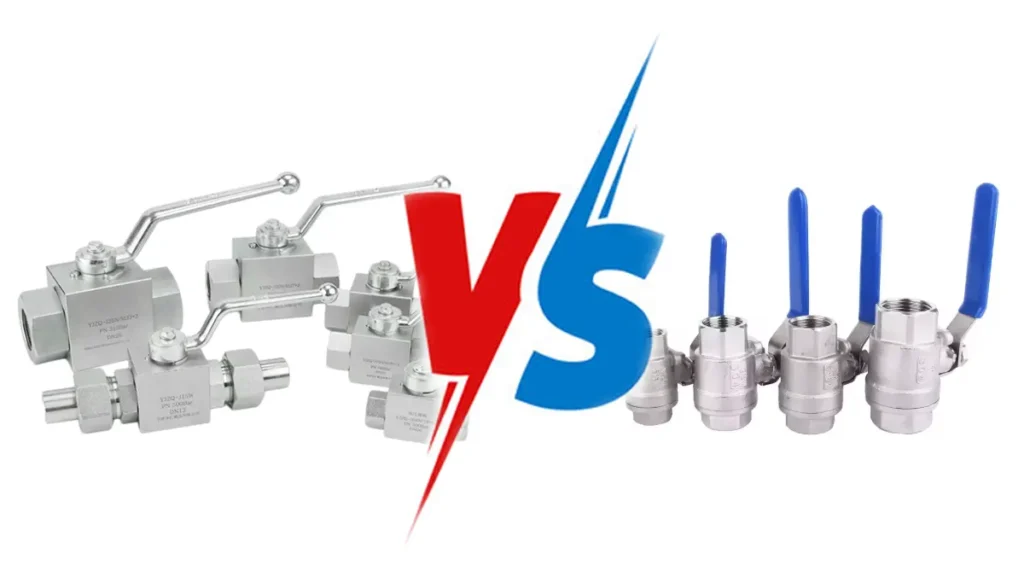
When you compare high pressure vs low pressure ball valves, you notice significant differences in how they manage force and flow. High pressure vs low pressure ball valves are designed for distinct system requirements. People utilize high pressure vs low pressure ball valves to ensure that hydraulic or industrial systems remain safe and operate efficiently. Selecting the appropriate high pressure or low pressure ball valve enhances your system’s performance and ensures the safety of everyone at work. If you opt for the incorrect high pressure or low pressure ball valve, you may encounter leaks or hazardous issues.
- The correct pressure rating enhances safety and prevents costly problems.
- The wrong valve can endanger workers and damage equipment.
- Understanding pressure ratings is essential for maintaining your system’s integrity every day.
This blog focuses on industrial and hydraulic applications, not residential plumbing.
Key Takeaways
- High pressure ball valves can handle up to 3000 PSIG. Low pressure valves usually work up to 275 PSI.
- Picking the right valve stops leaks and keeps people safe. This is important in hydraulic and industrial systems.
- High pressure valves have special seals to stop leaks. Low pressure valves use regular seals.
- The material is important. High pressure valves use strong metals like stainless steel. Low pressure valves often use lighter metals like brass.
- Using a low pressure valve in a high pressure system is risky. It can cause leaks or make equipment break.
- Always check the pressure and temperature ratings first. This helps you pick a valve that fits your system.
- High pressure ball valves are needed in oil and gas jobs. Low pressure valves are good for things like home plumbing.
- Buying the right valve saves money over time. It lowers repairs and stops expensive accidents.
High Pressure vs Low Pressure Ball Valves: Quick Comparison
Comparison Table
You may ask how high-pressure ball valves compare to ordinary ball valves. The table below shows the main differences between them:
| Feature | High-Pressure Ball Valves | Ordinary Ball Valves |
|---|---|---|
| Max. Pressure | Up to 3000 PSIG | Up to 275 PSI |
| Body Strength | Thick, reinforced for safety | Lighter, cost-efficient |
| Sealing Mechanism | Bubble-tight, advanced seals | Standard seals |
| Materials | Stainless steel, alloy steel, corrosion-resistant | Cast iron, steel, copper alloys, stainless steel |
| Max. Temperature | Up to 450°F | Up to 400°F |
| Applications | Refineries, chemical plants, offshore platforms, hydraulic systems | Instrument lines, light process piping, general service |
| Cost | Higher | Lower |
| Safety Risk | Low (if used correctly) | High (if used in wrong application) |
Tip: Always check the pressure rating before picking a ball valve. Using the wrong type can cause leaks or dangerous accidents.
Main Differences Overview
Let’s look at the most important differences:
- Pressure Handling:
High-pressure ball valves handle much higher pressures than ordinary ball valves. High-pressure ball valves can go up to 3000 PSIG. Ordinary ball valves usually stop at 275 PSI. - Body Strength:
High-pressure ball valves have thick, strong bodies. This keeps them safe when pressure gets high. Ordinary ball valves are lighter and not made for strong force. - Sealing Performance:
High-pressure ball valves shut off tightly. They use advanced seals to stop leaks. Ordinary ball valves use standard seals for low-pressure jobs. - Material Choice:
High-pressure ball valves use stainless steel, alloy steel, or other tough metals. These last longer and resist harsh chemicals. Ordinary ball valves use cast iron, steel, or copper alloys. These work well for everyday use but not for tough places. - Applications:
High-pressure ball valves are used in refineries, chemical plants, offshore platforms, and hydraulic systems. Ordinary ball valves are best for instrument lines, light process piping, and general service. - Cost:
High-pressure ball valves cost more because they use stronger materials and special designs. Ordinary ball valves are cheaper and fit basic needs. - Safety Risk:
Using ordinary ball valves in high-pressure systems can cause leaks or dangerous blowouts. High-pressure ball valves keep your system safe if used right.
Note: High-pressure ball valves are made for safety and reliability. Ordinary ball valves are good for simple jobs but cannot handle high-pressure systems.
If you want your hydraulic or industrial system to work safely, always match the ball valve to your pressure needs. High-pressure ball valves help in tough places. Ordinary ball valves are good for lighter jobs and save money.
Design & Construction Differences
Valve Body & Size
Reinforcement for High Pressure
You can see differences in ball valve bodies right away. High pressure valves have thick, strong bodies. They use tough metals like XM-19 and Inconel 718. These metals help the valve handle very strong force. The design has secure connections and extra support. This keeps the valve safe when pressure gets high.
Low pressure valves use lighter materials. Most use metals like 316L stainless steel. Their bodies are not thick or reinforced. These valves work well for gentle jobs. They cannot handle strong force.
| Feature | High Pressure Ball Valves | Low Pressure Ball Valves |
|---|---|---|
| Materials | Specialty alloys like XM-19, Inconel 718 | Standard materials like 316L |
| Structural Design | Engineered for extreme forces | Less robust design |
Size and Flow Capacity
High pressure valves are often smaller than low pressure valves. Thick walls take up space inside the valve. This makes the opening smaller. You get strong performance but sometimes less flow. Low pressure valves have bigger openings. More fluid can pass through easily.
Sealing Performance
High Pressure Sealing
Sealing is very important for high pressure valves. These valves use advanced seals made from special materials. Some have spring-loaded steel seat rings. These seals stop leaks even under stress. Features like Double Block and Bleed (DBB) help isolate parts for safety.
Low Pressure Sealing
Low pressure valves use rubber seals. These seals work for everyday jobs. They can fail if pressure gets too high. Leaks are more likely if used in the wrong place.
| Feature | High Pressure Ball Valves | Low Pressure Valves |
|---|---|---|
| Sealing Mechanism | Spring-loaded steel seat rings, advanced seals | Rubber seats |
| Leakage Risk | Minimal due to secure sealing | Higher risk under pressure |
Tip: Always match the seal type to your system’s pressure. This keeps your equipment safe and leak-free.
Connection Types
Threaded, Flanged, Welded
There are different ways to connect ball valves. Flanged connections are good for medium or high pressure. They are reliable and easy to fix. Welded connections are best for very high pressure or temperature. They make a strong, leak-proof joint. Welded connections are harder to install and remove. Threaded connections are simple and cheap. They only work for low pressure and small sizes.
| Connection Method | Advantages | Limitations |
|---|---|---|
| Flange Connection | Good for medium/high pressure; reliable | Higher cost; temp. limits |
| Welded Connection | Handles high pressure/temp.; strong | Hard to disassemble; complex setup |
| Threaded Connection | Low cost; easy to install | Only for low pressure; small size |
Suitability for Hydraulics
Hydraulic systems need strong, leak-proof connections. Flanged and welded types are best for these jobs. They keep the system safe and working well. Threaded connections cost less but are not safe for high pressure hydraulics.
Note: Always pick the right connection for your pressure needs. This helps you avoid leaks and keeps your team safe.
Materials & Durability
High Pressure Valve Materials
Carbon Steel, Stainless Steel, Alloy Steel
High pressure ball valves use very strong metals. These include carbon steel, stainless steel, and alloy steel. Each metal helps the valve last longer and stay safe.
| Material | Contribution to Durability and Safety |
|---|---|
| Stainless Steel | High corrosion resistance, keeps working in harsh environments |
| Carbon Steel | Handles high pressure, perfect for hydraulic systems |
| Alloy Steel | Extra strength for extreme conditions |
Stainless steel is used in places like food factories and chemical plants. It does not rust and keeps things clean. Carbon steel is good for hydraulic systems because it can handle strong force. Alloy steel is used for jobs that need extra strength, like offshore rigs or heavy machines.
- Stainless steel is great for clean and tough jobs.
- Carbon steel is reliable for high pressure work.
- Alloy steel is best for very hard jobs.
Low Pressure Valve Materials
Brass, Cast Iron, Others
Low pressure ball valves use lighter and cheaper materials. Brass and cast iron are common. Sometimes, PVC or other plastics are used.
| Material | Durability | Maintenance Needs |
|---|---|---|
| Brass | Moderate | Moderate |
| Cast Iron | Moderate | High |
| PVC | Low | High |
| Stainless Steel | High | Low |
Brass is popular because it is strong and not expensive. Cast iron works for simple jobs but needs more care to stop rust. PVC is only good for easy jobs and does not last long. Stainless steel can be used for low pressure valves if you need them to last longer.
- Brass and PVC are good for simple jobs.
- Stainless steel and brass last longer in tough places.
- Regular care stops leaks and keeps valves working.
Tip: Always pick the right material for your system. This helps your valve last longer and need less checking.
Impact on Pressure Rating
The metal you pick for your ball valve changes how much pressure it can handle. Strong metals like stainless steel and carbon steel work for high pressure systems. Softer materials like brass or PVC are only for low pressure.
| Material Type | Properties Impacting Pressure Rating |
|---|---|
| Stainless Steel Grades | Different grades offer unique corrosion resistance and strength |
| Seals and Seats | PTFE seals resist chemicals; other materials handle higher temperatures |
| Valve Body Design | Thicker, reinforced bodies handle more pressure |
| Stem Design | Blowout-proof stems add safety in high pressure jobs |
- You must follow safety rules for high pressure or oxygen jobs.
- Valves handle less pressure as temperature goes up, so check both ratings.
If you choose the right metal, your valve will last longer and stay safe. If you pick the wrong one, you could get leaks or dangerous problems. Always check the pressure and temperature ratings before you buy.
Pressure Ratings & Safety
Ball Valve Pressure Rating
When you look at ball valves, you will see pressure ratings. These ratings show the highest pressure the valve can handle safely. There are different standards for these ratings. The standard depends on where you work or what your system needs. Here are some common standards and what they mean:
| Standard | Description | Pressure Rating Example |
|---|---|---|
| ANSI/ASME | Class numbers (150, 300, etc.) show pressure in psi. | Class 150: 285 psi at room temp |
| API | Used for oil and gas jobs, goes up to 10,000 psi. | API 6A: up to 20,000 psi |
| DIN | Uses PN numbers in bar for pressure. | PN16, PN25, PN40 |
| JIS | Like DIN but uses different steps. | N/A |
Most ordinary ball valves use ANSI/ASME Class 150 or DIN PN16 ratings. These are good for light jobs. If you need a valve for high pressure, look for higher ratings like API 6A or DIN PN40. Always check the label before you put in a valve.
Working Pressure vs Max Pressure
You might ask about working pressure and maximum pressure. Working pressure is the pressure your system uses most of the time. Maximum pressure is the highest pressure the valve can take before it breaks. This is important for safety.
With ordinary ball valves, do not let the system pressure get close to the max rating. Staying under the max keeps your equipment safe and helps it last longer. Engineers set the working pressure lower than the max for safety. This way, if something goes wrong, your valve will not break.
Tip: Pick a valve with a max pressure rating higher than your system’s normal working pressure. This helps stop leaks and accidents.
Pressure Spikes & Safety Margins
Pressure spikes can happen very fast. Sometimes, the pressure jumps much higher than normal for a short time. These spikes can be three to five times higher than usual. If you use ordinary ball valves in a system with lots of pressure changes, you could break the valve or cause a leak.
Here is a table to show how different jobs affect your choice:
| Scenario | Implication on Valve Selection |
|---|---|
| Dynamic Systems | May need bigger safety margins because of pressure changes. |
| Critical Applications | Need more safety to stop hazards or valve failure. |
| Pressure Spikes | Can be 3 to 5 times normal, so use valves rated higher than PN16. |
| Higher PN-rated Valves | Picking PN25 instead of PN16 gives more safety in changing systems. |
If you work with low pressure, you may not worry about spikes. But in many factories, pressure can change quickly. Ordinary ball valves are not made for these surprises. Always pick a valve with a safety margin that fits your system.
Note: Do not use ordinary ball valves where pressure spikes happen a lot. Always plan for surprises to keep your team and equipment safe.
Risks of Using Low Pressure Valves in High Pressure Systems
You might think a ball valve is just a ball valve, but using a low pressure valve in a high pressure system can lead to serious trouble. When you push a valve past its limits, you put your equipment, your team, and your whole operation at risk.
Let’s break down what can actually go wrong. Here’s a quick look at some of the biggest risks:
| Risk Type | Description |
|---|---|
| Cavitation Risks | Rapid pressure changes cause bubbles to form and collapse. This eats away at the inside of your valve and can destroy it over time. |
| High Torque Requirements | High pressure systems need more force to turn the valve. If your valve isn’t built for this, you’ll struggle to operate it or even break the handle. |
What does this mean for you?
If you use a low pressure ball valve where the pressure is too high, you might see leaks, sudden bursts, or even a total valve failure. Cavitation is a sneaky problem. You may not notice it at first, but over time, those tiny bubbles can chew up the valve’s insides. This leads to rough operation, leaks, and sometimes a valve that just won’t close.
High torque is another big issue. In a high pressure system, you need more muscle to turn the valve. If the valve isn’t designed for that, you could bend or snap the handle. Sometimes, the stem breaks off. That means you lose control of the flow, which can be dangerous.
Here are some warning signs you might spot if you use the wrong valve:
- The valve feels stiff or hard to turn.
- You hear strange noises, like rattling or banging, when the valve is in use.
- You see drips or puddles forming around the valve.
- The handle or stem looks bent or damaged.
Alert: Never ignore these signs. A small leak can turn into a big accident fast. High pressure can send parts flying or spray hazardous fluids.
You also risk damaging other parts of your system. When a valve fails, it can send shockwaves through your pipes. This might break pumps, hoses, or even cause injuries.
If you want your system to run safely, always match the valve’s pressure rating to your system’s needs. Don’t try to save money by using a low pressure valve where you need a high pressure one. The cost of a failure is always higher than the price of the right valve.
Remember:
- Safety comes first.
- The right valve protects your people and your equipment.
- If you’re not sure, ask an expert before you install.
Applications & Selection Guide
High Pressure Ball Valve Uses
High-pressure ball valves are used for tough jobs. These valves control strong force and keep things safe. You can find them in factories and big plants. They do hard work and stop leaks or bursts.
| Industry Sector | Application Type |
|---|---|
| Oil and Gas | High pressure flow control |
| Energy and Power | Critical applications |
| Water and Wastewater Treatment | Effective flow management |
| Chemicals | Various processing applications |
| Building and Construction | Infrastructure support |
| Pharmaceuticals | Production processes |
| Agriculture | Irrigation systems |
| Metals and Mining | Resource extraction |
| Pulp and Paper | Manufacturing processes |
| Food and Beverages | Processing and packaging |
Hydraulic Systems, Industrial Equipment, Construction Machinery
Hydraulic systems use high-pressure ball valves every day. These valves move oil or water with strong force. Big machines like cranes and excavators need them. They help control movement and keep workers safe.
Industrial equipment needs high-pressure ball valves for safety. Machines like presses and pumps use them to work well. Construction machines use these valves to handle shocks and pressure changes. These valves keep machines running in tough places.
Tip: If your job has strong force or sudden pressure, pick high-pressure ball valves.
Low Pressure Ball Valve Uses
Low pressure ball valves are for jobs with gentle force. You see them where safety matters but pressure is low. These valves save money and are easy to use.
Some common uses for low pressure ball valves are:
- Residential plumbing
- Compressed air systems
- Laboratory and research equipment
- Heating and cooling systems
- Aquariums and aquatic systems
- Water treatment and filtration
- Fire protection systems
- Chemical transfer and processing
- Agriculture and irrigation
- Beverage and food processing
- Fuel systems
Tank Filling, Low Pressure Industrial Processes
Low pressure ball valves fill tanks or move liquids slowly. They work in small factories, labs, and farms. If you water plants or control air in a shop, these valves help. They are also used in food and drink factories for gentle flow.
Note: Low pressure ball valves are not for heavy-duty jobs. Use them only where pressure stays low and steady.
Why Hydraulic Systems Need High Pressure Valves
Hydraulic systems push fluids with a lot of force. High-pressure ball valves keep things safe and working right. Using the wrong valve can cause leaks or damage.
See this table for why high-pressure ball valves are best for hydraulics:
| Performance Criteria | Description |
|---|---|
| Pressure Ratings | These valves handle pressures above 1500 PSI (100 bar). |
| Material Strength | Strong metals like stainless steel help them survive high force. |
| Design and Construction | Thick bodies and special seals keep the valve safe under pressure. |
You want your hydraulic system to last a long time. High-pressure ball valves give strength and safety. They stop leaks, handle shocks, and keep machines moving. Picking the right valve protects your team and equipment.
Alert: Never use a low pressure valve in a hydraulic system. Always check the pressure rating before you install.
How to Choose for High Pressure Applications
You want your system to run safely and smoothly. Picking the right ball valve for high pressure jobs can feel tricky, but you can break it down into simple steps. Let’s walk through what you need to check before you buy.
First, look at the pressure rating. High-pressure ball valves are made for systems above 1500 PSI. If your system pushes fluids with strong force, you need a valve that can handle it. Don’t settle for anything less. Always check the label or specs to see the maximum pressure.
Next, think about temperature. The fluid’s temperature changes how much pressure the valve can take. If your system gets hot, make sure the valve’s temperature rating matches or beats your needs. Some high-pressure ball valves use special materials that work well in both high pressure and high heat.
You also need to check the material. High-pressure ball valves use thick bodies and strong metals like stainless steel. These metals last longer and keep your system safe. If your fluid is harsh or corrosive, pick a valve that resists chemicals. You don’t want the valve to break down or rust.
Let’s talk about sealing. High-pressure ball valves often use advanced seals or seat materials. These seals stop leaks even when pressure spikes. If your system faces sudden changes, look for valves with specialized sealing systems.
Here’s a quick checklist to help you choose:
- Check the pressure rating. Make sure it matches your system’s needs.
- Verify the temperature rating. Pick a valve that works in your operating range.
- Choose strong materials. Stainless steel or alloy steel are best for high-pressure ball valves.
- Make sure the valve resists chemicals. Check for compatibility with your fluid.
- Look for advanced sealing. Specialized seals keep leaks away.
- Check for industry standards. ANSI/ASME ratings and fire-safe certifications mean the valve meets strict rules.
- Think about flow rate. Make sure the valve lets enough fluid through for your job.
Tip: If you’re not sure about a valve, ask the manufacturer for help. They can guide you to the best high-pressure ball valves for your system.
You can use this table to compare your options:
| Factor | What to Check | Why It Matters |
|---|---|---|
| Pressure Rating | Max PSI or bar | Prevents leaks and blowouts |
| Temperature Rating | Max °F or °C | Stops valve from failing |
| Material | Stainless steel, alloy steel | Handles force and corrosion |
| Sealing System | Advanced seat/seal materials | Keeps operation leak-tight |
| Chemical Compatibility | Fluid vs. valve material | Avoids rust or breakdown |
| Certification | ANSI/ASME, fire-safe | Meets safety standards |
| Flow Rate | Valve size and opening | Ensures system efficiency |
When you choose high-pressure ball valves, you protect your equipment and your team. You avoid costly repairs and keep your system running longer. Don’t rush the decision. Take your time and check every detail.
Alert: Never use a low-pressure valve in a high-pressure system. The risks are too high. Always match the valve to your job.
If you follow these steps, you’ll find the right high-pressure ball valves for your application. You’ll feel confident knowing your system is safe and reliable.
Manufacturer Guidance & Quality
When you choose a ball valve, you want to make a good choice. Manufacturers give advice to help you pick the best one. Let’s see what you should check and why it matters.
Key Selection Factors
Pressure, Medium, Temperature
Start with the basics. You must know your system’s pressure. You also need to know the fluid type and temperature range. These three things help you pick the right ball valve.
- Pressure: Always check the highest pressure your system will reach. Pick a valve with a pressure rating above your normal working pressure.
- Medium: Think about what flows through the valve. Is it water, oil, gas, or something that can corrode? Some fluids need special materials or seals.
- Temperature: High or low temperatures can change how a valve works. Make sure the valve’s temperature rating fits your system.
Tip: Write down your pressure, fluid, and temperature before you talk to a manufacturer. This helps you get the right advice quickly.
Connection, Material, Seal, Space
Next, check how the valve fits in your system.
- Connection: Do you need threaded, flanged, or welded ends? Each type works best for certain pressures and setups.
- Material: Stainless steel, carbon steel, or brass? Pick a material that matches your fluid and environment.
- Seal: The seal stops leaks. For high pressure, you need advanced seals. For low pressure, standard seals may work.
- Space: Measure the space where you will put the valve. Some valves need more room to work.
| Factor | What to Check |
|---|---|
| Connection | Threaded, flanged, welded |
| Material | Match to fluid and pressure |
| Seal | Advanced or standard |
| Space | Enough room for installation |
Custom Solutions & Special Needs
Sometimes, your job needs more than a regular valve. Manufacturers can build custom ball valves for special pressures, temperatures, or fluids. You might need a special size or a unique connection. If your setup is tricky, ask about custom options. Manufacturers can help you design a valve that fits your needs.
Note: Custom valves may take longer to make, but they fix problems that regular valves can’t.
Quality, Certification, Compliance
Always check for quality. Good manufacturers test their valves and follow strict rules. Look for certifications like ISO, API, or CE. These show the valve meets safety and quality standards.
- Always ask for test reports or certificates.
- Make sure the valve matches your country’s rules.
- Certified valves last longer and keep your system safe.
Alert: Using uncertified valves can cause leaks, fines, or accidents. Always check for quality marks before you buy.
If you follow these tips and work with a trusted manufacturer, you’ll get a ball valve that keeps your system safe and working well.
Cost & Performance Considerations
Cost Differences
You will see that high pressure ball valves cost more. This is because they need stronger materials and better engineering. High pressure ball valves use thick stainless steel or alloy steel. They also have extra parts to handle strong force. Bigger valves and those for higher pressure cost even more.
Here are some reasons why high pressure ball valves are expensive:
- They use top materials like stainless steel and alloy steel.
- Making them is harder and takes more steps.
- The design must follow strict safety and strength rules.
Low pressure ball valves use lighter materials like brass or cast iron. These are easier to make and put in place. You pay less at first, but you might need to buy new ones more often.
Tip: If your system needs to handle strong force, buying a high pressure ball valve saves money later. You will not have to fix things as much or stop work.
Performance & Reliability
High pressure ball valves work well in tough jobs. They keep your system safe and running. They shut off tightly and stop leaks, even if pressure goes up fast.
Here is what makes a ball valve work well:
- Pressure Ratings: High pressure ball valves can take big pressure jumps and daily use. You can trust them in hydraulic systems or heavy industry.
- Temperature Tolerances: These valves work in very hot or cold places. They do not break or change shape, so you do not worry about problems.
- Flow Rates: High pressure ball valves control fluids very well. Some can even use machines to manage flow exactly.
Low pressure ball valves are best for easy jobs. They work with steady flow and gentle force. They are reliable, but may not last long in hard places.
Note: Always check the pressure, temperature, and flow numbers before you pick a valve. This helps you choose the right one for your job.
Safety Risks & Failure Impact
Safety is the most important thing when picking a ball valve. High pressure ball valves keep your team and equipment safe. If you use a low pressure valve in a high pressure system, you could get leaks, bursts, or even hurt someone.
Here is what can happen if a valve breaks:
| Risk Type | What You Might See |
|---|---|
| Leaks | Fluid gets out and makes a mess |
| Bursts | Valve breaks and parts fly out |
| Downtime | System stops and costs you money |
| Injuries | Workers can get hurt |
You can avoid these problems by using the right valve for your system. High pressure ball valves help you feel safe. You know your equipment and team are protected.
Alert: Never try to save money on safety. The right valve keeps your work going and your people safe.
Conclusion
Picking the right ball valve is important. High-pressure ball valves keep you safe in hard jobs. Ordinary ball valves are good for easy tasks. Use high-pressure ball valves for strong force or harsh fluids. Always check if the material fits your system. Look at the pressure rating and design before you choose. Our company has high-pressure ball valves with different ratings and materials. We also offer many connection types. If you need something special, ask us about custom solutions. Talk to experts before you make your choice.
FAQ
What is the main difference between high pressure and low pressure ball valves?
High pressure ball valves handle much stronger force. You use them in tough jobs like hydraulic systems. Low pressure ball valves work for lighter tasks. Always check the pressure rating before you choose.
Can I use a low pressure ball valve in a high pressure system?
Never use a low pressure ball valve in a high pressure system. It can leak or burst. This puts you and your equipment at risk. Always match the valve to your system’s needs.
How do I know which material to pick for my ball valve?
You should look at your fluid type and pressure. Stainless steel works for harsh chemicals and high pressure. Brass or PVC fits gentle jobs. If you are unsure, ask your supplier for advice.
Why do high pressure ball valves cost more?
High pressure ball valves use stronger metals and thicker bodies. They need special seals and better designs. This makes them safer and more reliable, but also more expensive.
What signs show my ball valve is failing?
- The valve feels hard to turn.
- You see leaks or drips.
- The handle looks bent.
- You hear strange noises.
If you notice these, replace the valve right away.
Do I need special certifications for industrial ball valves?
Yes, you should look for certifications like ISO, API, or CE. Certified valves meet safety and quality rules. This keeps your system safe and helps you avoid problems.