
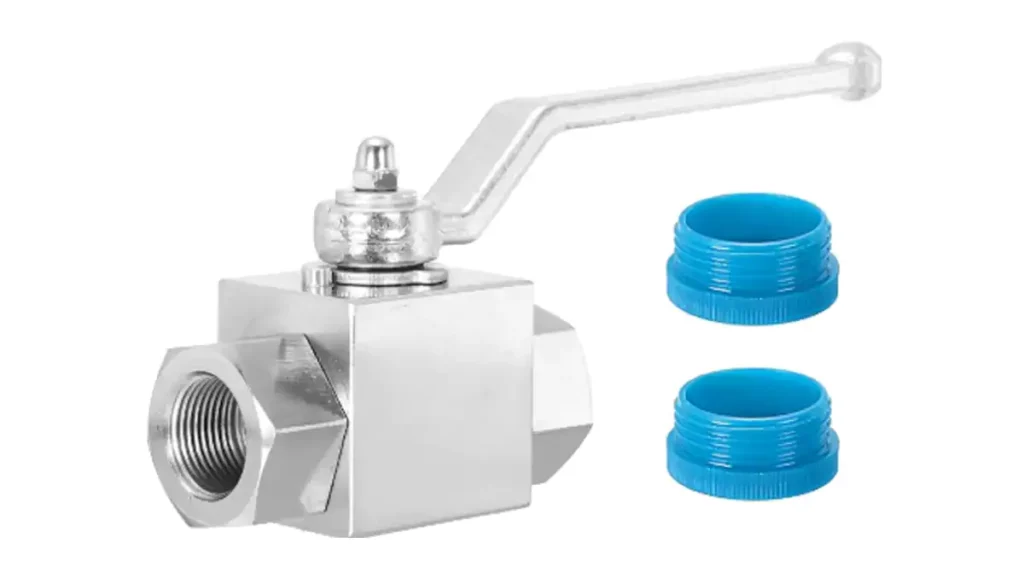
When you choose a high pressure valve pressure rating, pick one higher than your system’s top pressure. This gives you extra safety. Temperature changes can make a valve weaker. Use a rating that is at least 1.5 times your usual working pressure. To help you stay safe, watch for these common mistakes:
- Not thinking about temperature can make valves wear out fast.
- Choosing the wrong size lowers pressure and makes things less efficient.
- Picking the wrong material can cause leaks.
- Not following industry standards can break rules or laws.
Getting the right rating for your job keeps your system safe. If you are not sure, ask an expert.
Key Takeaways
- Pick a valve with a pressure rating 1.5 times higher than your system’s normal pressure. This helps keep things safe.
- Think about how temperature changes can affect the valve. Hotter temperatures can make the valve’s pressure rating go down.
- Choose the right valve size. This keeps things working well and stops pressure from dropping.
- Learn what words like PSI, CWP, and MAWP mean. This helps you make good choices.
- Make sure the flange fits with your valve. This keeps the installation safe and works well.
- Check and take care of your valves often. This helps you find problems early and makes them last longer.
- Ask experts for help if you are not sure. This stops expensive mistakes and keeps things safe.
- Keep up with industry rules. This makes sure your valves are safe and work as they should.
High Pressure Valve Pressure Rating Basics
What Is Valve Pressure Rating
A high pressure valve pressure rating shows how much pressure the valve can take before it leaks or breaks. This number tells you the most pressure the valve can safely hold in your system. You should pick a valve with a pressure rating higher than your system’s normal pressure. This helps keep your equipment safe and stops accidents.
Here’s a simple table to help you learn about different pressure ratings and what they mean:
| Pressure Rating Type | Description |
|---|---|
| Valve Pressure Rating | The most pressure a valve can take without leaking. |
| Operating Pressure | The usual pressure your equipment uses. |
| Design Pressure | The normal pressure plus any extra pressure that might happen. |
| Maximum Allowable Working Pressure (MAWP) | The highest pressure your equipment can handle safely. |
| Rest Pressure | The pressure used by the maker to check for leaks. |
| Burst Pressure | The pressure that will break or damage the valve. |
| Safe Working Pressure | The highest pressure for using the valve all the time, set lower than burst pressure. |
Key Terms: PSI, CWP, WOG, SWP, MAWP
You will see many words when you look for valves. Here are the most common ones and what they mean:
- PSI means pounds per square inch. It is how we measure pressure.
- CWP means cold working pressure. It shows the most pressure the valve can take at room temperature, which is about 73°F.
- WOG means water, oil, gas. This rating tells you the most pressure for these fluids at normal temperatures.
- SWP (or WSP) means steam working pressure. This is the most pressure for steam, which is much hotter than water or oil.
- MAWP means maximum allowable working pressure. This is the highest pressure your valve can safely take.
CWP and WOG are almost the same. Both work for water, oil, or gas at room temperature. SWP is special for steam, which needs to handle more heat.
Safety Margin and Standard Temperature
You should always pick a valve with a pressure rating higher than your system’s normal pressure. This is because pressure can go up fast sometimes. If you pick a valve that matches your system’s top pressure, you could get leaks or even a burst valve.
Tip: The best way is to choose a valve with a pressure rating at least 1.5 times your usual working pressure. For example, if your system runs at 1000 PSI, pick a valve rated for at least 1500 PSI.
Most pressure and temperature ratings use a standard temperature of 68°F (20°C). If your system gets hotter, the valve’s highest pressure rating can go down. Always check the maker’s chart to see how temperature changes the rating.
Picking the right valve pressure rating keeps your system safe and working well. If you do not know what to pick, ask a valve expert for help.
Types of Valve Pressure Ratings
Common Standards: ASME, ANSI, PN
When you buy valves, you will see different standards. These standards help you compare pressure ratings. The most common are ASME, ANSI, and PN. Each standard uses its own way to show ratings. Look at this table to see how they are different:
| Feature | ANSI/ASME Class | PN Rating |
|---|---|---|
| Standard | ASME B16.34 | EN 1092-1 |
| Unit | psi (pounds/in²) | bar |
| Typical Range | Class 150–2500 | PN 6–PN 400 |
| Region | USA & Global Projects | Europe, DIN/EN Countries |
| Conversion | Not exact; use reference charts | Not exact; use reference charts |
ASME and ANSI use psi. PN uses bar. In the US, you will see ASME or ANSI. In Europe, you will see PN ratings. Always check which standard your project needs.
High Performance Ball Valve Ratings
High performance ball valves are made for hard jobs. They can handle high pressure and heat. When you look at high performance ball valve ratings, you will see some common words. Here is a table to help you know what they mean:
| Acronym | Meaning | Description |
|---|---|---|
| CWP | Cold Working Pressure | Maximum working pressure for the valve in normal ambient temperatures (-20°F to 100°F). |
| WOG | Water, Oil, and Gas | Pressure rating for these materials at ambient temperatures, excluding combustible gases. |
| SWP/WSP | Steam Working Pressure | Maximum pressure for steam at the highest temperature rating for severe service ball valves. |
If you need a high performance ball valve, check these ratings. Make sure the valve fits your system. Some valves work with water, oil, and gas, but not steam. Others are made for steam and high heat.
Temperature Effects on Ratings
Temperature changes how valves work. When it gets hotter, the pressure rating goes down. You need to know this before you pick a valve. Here are some things to remember:
- When temperature goes up, the pressure rating goes down.
- For example, an ASTM A216 WCB Class 600 valve rated at 102.1 bar at 38°C drops to 84.6 bar at 300°C and only 70.0 bar at 400°C.
- Always check the temperature chart from the manufacturer. This de-rating is important for high-temperature jobs.
Tip: Never guess the pressure rating at high temperatures. Always use the charts and ask the manufacturer if you are not sure.
Picking the right high performance ball valve means more than just looking at the label. You need to match the pressure ratings and standards, check the temperature, and make sure the valve fits your job. If you do this, your system will be safe and work well.
Valve Selection Guide
Identify System Pressure
You must know your system’s pressure before picking a valve. First, find the highest pressure your equipment will reach. This is called the operating pressure. But sometimes, pressure can go higher than normal. You need to be ready for those times, too.
Here’s an easy way to check your system pressure:
- Set the pressure limit. This is when you want the relief valve to open. For example, if your system runs at 3000 PSI, you might set the limit at 3300 PSI.
- Check the valve capacity. Make sure the valve can handle your system’s flow. If the valve is too small, it cannot protect your equipment.
- Think about the environment. If your system uses chemicals or faces tough conditions, pick a valve made from the right material.
- Look at the temperature. Hot or cold temperatures can change how a valve works. Some parts, like O-rings, must handle heat or cold.
Tip: Write down your system’s highest pressure, flow rate, and temperature range. This helps you compare choices and avoid mistakes.
Consider MAWP and Safety Factor
Now let’s talk about safety. You do not want your valve to fail if pressure rises. That is why you must know the maximum allowable working pressure, or MAWP. This is the highest pressure your equipment can take without breaking.
- The valve’s set pressure should never be above the MAWP.
- Always pick a valve that opens at or below the MAWP.
- The MAWP should be at least 10% higher than your highest expected pressure.
MAWP is a hard limit. If you go over it, you could break your equipment or cause an accident. Safety valves usually open before you reach the MAWP. This keeps you in the safe zone.
Remember: Design pressure is the highest pressure your system should reach. It must always be equal to or less than the MAWP. Never pick a valve that matches your system’s top pressure exactly. Always leave a safety margin.
Factor in Temperature and Fluid Type
Temperature and fluid type can change how valves work. Some valves are good with water at room temperature but not with steam or chemicals. You must match the valve material to your job.
Here’s a quick look at how temperature affects different materials:
| Material | Temperature (°C) | Pressure Rating (%) |
|---|---|---|
| Cast Iron | 100 | 70% |
| Steel Pipe | 100 | Adjusted using T |
- Water works with many materials, but you must check for dirt and temperature.
- Steam needs materials that can handle high heat. If you use the wrong valve, it can break quickly.
- Corrosive fluids, like acids, need special materials such as stainless steel.
If your system is hot or cold, pick a valve that can handle it. For high pressure valve jobs, you may need a high performance ball valve with special bonnets or seals. Always check for leaks or damage, especially in tough conditions.
Note: The right valve pressure rating depends on both temperature and fluid type. Do not guess—always check the manufacturer’s charts for high performance ball valve ratings and cold working pressure.
Picking the right valve means thinking about more than just pressure. You must look at pressure, temperature, fluid, and the environment. This keeps your system safe and working well.
Flange Standards and Compatibility
You need to pay close attention to flange standards when you pick a valve. Flanges connect your valve to the rest of your piping system. If the flange does not match, you cannot install the valve safely. Flange standards also affect the pressure rating of your valve.
Here’s why flange standards matter:
- Pressure ratings are standardized. This helps you mix and match valves and pipes from different manufacturers.
- You keep your system safe. The right flange prevents leaks, bursts, and accidents.
- You meet international rules. Standards like ASME, DIN, and EN make sure your system follows the law.
- You avoid downtime. The right flange means fewer repairs and less wasted time.
- You get the right fit. Flange compatibility helps you pick the best valve for your process.
Always check the flange standard for your project. Look for ASME, ANSI, or PN numbers. These tell you if the valve will fit your pipes and if it can handle the pressure. If you are not sure, ask your supplier or a valve expert.
Tip: When temperature rises, the strength of valve materials drops. This means the valve cannot hold as much pressure. Always check the pressure rating at your system’s highest temperature, not just at room temperature.
Match Valve Pressure Rating to Application
You want your valve to work safely and last a long time. To do this, you must match the valve pressure rating to your application. Start by looking at your system’s highest pressure. The valve’s rating must meet or beat this number.
Here’s what you should do:
- Match the valve’s CWP (cold working pressure) to your system’s highest pressure.
- Think about the temperature range. Hotter systems need valves that can handle less pressure.
- Check the type of fluid. Water, oil, gas, and steam all need different valves.
- Look at the construction. High pressure valves use stronger materials to handle stress.
- Always check the pressure rating at the highest temperature your system will reach.
- Never guess. Always compare the valve’s rating to your system’s maximum pressure.
If you match the rating to your process, you avoid leaks and breaks. You also make your system safer and more reliable. This step is key for any high pressure valve pressure rating decision.
Review Manufacturer Specs
You should always read the manufacturer’s datasheet before you buy a valve. The datasheet gives you all the details you need to make a smart choice.
Here’s a checklist for reviewing specs:
- Find the standard. Look for codes like ASME B16.34.
- Check the materials. Make sure the body, trim, and seat are right for your fluid and temperature.
- Use the pressure–temperature table. Match your system’s highest temperature, not just the normal one.
- Read across the table to find the allowable pressure.
- Compare this number to your system’s maximum and surge pressures.
- Add a safety margin for cycling or upset conditions.
- Look for special notes. Some valves have limits for certain fluids or need special approval for tough jobs.
You should also check for seat temperature limits and derating factors for soft-seated valves. Watch for footnotes. These can tell you if the valve only works for non-corrosive fluids or if you need to call the manufacturer for special cases.
Note: If you see anything you do not understand, ask the manufacturer or a valve expert. It is better to ask questions now than to fix a problem later.
Common Mistakes in Valve Pressure Rating Selection
Ignoring Temperature Effects
Some people think a valve will always work at its pressure rating. This is not true if things get hot. When temperature goes up, the valve gets weaker. For example, a PN16 valve can hold 16 bar at 20°C. But at 100°C, it can only hold about 11.2 bar. If you forget this, your valve might break much sooner than you think.
Here is a table that shows how temperature changes pressure ratings for different materials:
| Material | Temperature (°C) | Pressure Rating (%) |
|---|---|---|
| Cast Iron | 100 | 70 |
| Steel Pipe | Adjusted | Based on regulations |
You should always look at the manufacturer’s chart for the right numbers. If your system gets hot, you need to know how much the pressure rating drops. Do not guess. Using the wrong valve can cause leaks or even make the valve burst.
Tip: If you are not sure, ask your supplier for the pressure rating at the highest temperature your system will reach, not just at room temperature.
Overlooking Pressure Surges
Pressure surges happen very fast and are easy to miss. These are quick jumps in pressure that go above your normal level. If you do not plan for them, your valve could break from the shock.
Here are some problems that can happen if you miss pressure surges:
- The valve or pipes can get damaged.
- The valve can lose its lubrication.
- The valve plate can come apart or break.
- Your system can slow down or stop working right.
You should always pick a valve that can handle more than just the normal pressure. Think about the highest pressure your system might reach, even for a short time. This helps you avoid repairs and keeps your system working well.
Misreading Rating Terminology
Valve ratings can be hard to understand. If you mix up the words, you might choose the wrong valve. Some people think a valve with a certain pressure class is safe for any system below that number. This is not always true, especially if the temperature or fluid changes.
Here are some common mistakes people make:
- Only looking at the pressure class
- Not thinking about temperature derating
- Forgetting seat temperature limits
- Thinking all materials are the same
- Not thinking about short-term pressure surges
Not knowing what terms like SIL ratings mean can also cause safety problems. If you do not understand these ratings, you might pick a valve that will not protect your system when you need it most. Always check the words and ask questions if you do not know.
Note: Accidents often happen when people do not really know how valves work. Take time to learn the basics and read the manufacturer’s information.
Neglecting Flange Standards
You might think all flanges are the same, but that’s not true. Flange standards matter a lot when you pick a high pressure valve. If you skip this step, you can run into big problems. The wrong flange can cause leaks, make your system unsafe, or even stop your project.
Flanges connect your valve to the rest of your piping. Each flange has its own size, shape, and pressure rating. You need to match these exactly. If you don’t, the valve won’t fit, or worse, it might not hold the pressure your system needs.
Different industries use different standards. For example, oil and gas projects often follow ASME B31.3, while water systems might use AWWA standards. You should always check which standard your project needs before you buy a valve. This helps you stay safe and follow the rules.
Here’s a quick table to show you how two common flange standards compare:
| Pressure Rating Type | Description |
|---|---|
| ANSI Classes | Compliance and safety in industrial piping systems. |
| PN Ratings | Ensures system reliability based on correct selection. |
If you use the wrong flange, you might not meet safety codes. You could also fail an inspection. That means more time and money spent fixing mistakes.
Let’s look at why picking the right flange standard is so important:
- Selecting a higher PN-rated valve can give you an extra safety margin.
- This is very important if your system has pressure spikes, high temperatures, or uses harsh chemicals.
You should always check the flange size, pressure class, and material. Don’t just look at the valve’s pressure rating. Make sure the flange matches your pipe and the rest of your equipment. If you mix up ANSI and PN flanges, they won’t fit together. That can lead to leaks or even dangerous blowouts.
Tip: Always double-check flange compatibility before you order. If you’re not sure, ask your supplier or a valve expert. It’s better to ask questions now than to fix a costly mistake later.
Remember, flange standards are not just about fitting parts together. They help keep your system safe and reliable. When you pay attention to flange standards, you avoid leaks, downtime, and safety risks. You also make sure your system meets all the rules for your industry.
Ensuring Reliability and Safety
Inspection and Maintenance
You want your high pressure valves to last and work safely. Regular inspection and maintenance make a big difference. If you set up a routine, you can spot problems before they get serious. Here’s what you should do:
- Check for leaks around the valve body and connections.
- Look at actuators and controls to make sure they move smoothly.
- Test the valve’s function under normal operating pressure.
- Lubricate moving parts to keep everything working well.
- Watch for signs of wear, like strange noises or vibrations.
When you catch small issues early, you avoid big repairs later. You also keep your system running and cut down on downtime. If you use the right materials, like stainless steel for cold jobs or chrome-molybdenum alloys for high-pressure steam, your valves will last longer. For sour service, always pick materials that meet NACE MR0175/ISO 15156 standards.
Tip: Set up a regular inspection program. This helps you find stress or wear before it causes trouble.
Consulting Experts
Sometimes, you run into problems you can’t solve alone. That’s when you should talk to a valve manufacturer or an industry expert. These people know a lot about different applications and can help you pick the right valve for your job.
- Experts can help you choose the best type and material for your system.
- They know how to handle special cases, like pressure surges or tough fluids.
- If you have a unique process, they can suggest custom solutions.
- Their advice can save you money by preventing equipment failures.
You don’t have to guess when you have questions. Experts have seen many systems like yours. They can help you avoid mistakes and keep your equipment safe.
Staying Updated on Standards
Industry standards change over time. If you stay up to date, you make better choices for your high pressure valve systems. Standards give you clear rules for pressure and temperature ratings. They also make sure your valves get tested for safety and performance.
- Following standards means your valves can handle the loads in your system.
- You lower the risk of failure because your valves meet strict guidelines.
- You can trust that your equipment will work as expected.
If you know the latest standards, you can pick valves that match your operating pressure and temperature. This keeps your system safe and reliable.
Note: Always check for updates to standards like ASME, ANSI, or EN. This helps you stay ahead and avoid problems.
Taking care of your valves, asking for expert help, and following the latest standards will keep your system running smoothly. You protect your investment and make sure your high pressure valves work when you need them most.
Conclusion
Picking the right high pressure valve pressure rating helps your system stay safe and work well. This is important for a few reasons:
- If you choose a valve rated higher than your system’s top pressure, you stop leaks and dangerous problems.
- Your equipment works better and does not break down as much.
- You follow the rules for safety in your industry.
| Factor | Why It Matters |
|---|---|
| Pressure | Handles the highest force your system can create. |
| Temperature | Makes sure your valve works, even when things heat up. |
Always check the valve specifications before buying, including pressure rating, size, flow direction, connection type, material, and seal compatibility. This helps you choose the right valve for your system and keeps the equipment working safely.
As a hydraulic valve manufacturer, Chenyang Hydraulic can help you review your working conditions and recommend a suitable valve solution. If you need a standard or custom valve, send us your pressure, thread type, material, drawings, or samples, and our team will help you choose or manufacture the right valve for your project.
FAQ
What does “pressure rating” mean for a valve?
Pressure rating tells you the highest pressure a valve can safely handle. You should always pick a valve with a rating higher than your system’s top pressure.
How do I know if a valve is right for high temperature?
Check the manufacturer’s pressure-temperature chart. If your system gets hot, the valve’s pressure rating drops. Always match the rating to your highest temperature.
Can I use the same valve for water, oil, and gas?
Many valves have a WOG (Water, Oil, Gas) rating. If you see this, you can use the valve for these fluids at normal temperatures. Always check the label.
Why do I need a safety margin?
A safety margin protects you from pressure spikes. Pick a valve rated at least 1.5 times your normal working pressure. This keeps your system safe.
What happens if I ignore flange standards?
If you skip flange standards, your valve might not fit or seal right. This can cause leaks or even dangerous blowouts. Always match flange types.
How often should I inspect high pressure valves?
You should check your valves at least once a year. Look for leaks, wear, or strange noises. Regular checks help you catch problems early.
Who can help me pick the right valve?
You can ask your valve supplier or a manufacturer’s expert. They know the details and can help you choose the best valve for your job.
Tip: Always read the datasheet and ask questions if you are not sure. This keeps your system safe and running well.