
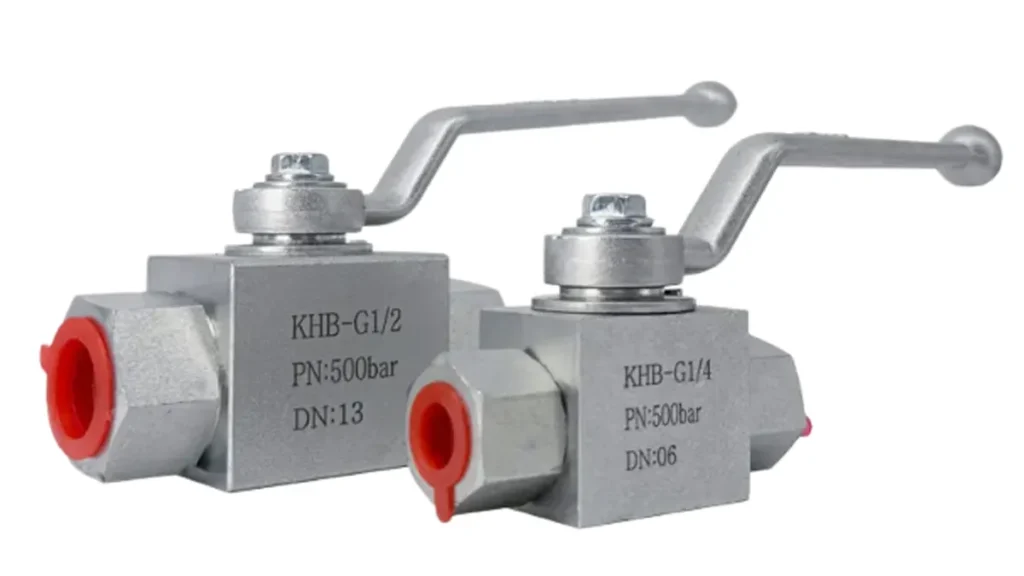
You may see that high pressure ball valve price changes a lot. This happens because things like material quality, pressure ratings, size, and brand matter. When you pick high pressure valves for your job, you get good performance, safety, and better cost control. Look at the table below to see how picking high pressure valves for your needs helps safety and saves money:
| Key Factor | Impact on Safety and Cost-Effectiveness |
|---|---|
| Material Selection | Stainless steel lasts longer and keeps things safe. |
| Actuator Reliability | Actuator failures cause up to 40% downtime; strong actuators work better. |
| Proper Sizing | Right sizing stops problems and makes things run well. |
| Energy Efficiency | Valves that save energy can lower costs by up to 30%. |
| Long-term vs Upfront Cost | Looking at long-term savings is important for saving money. |
You should always think about things like compatibility, high pressure valve uses, dangers with high pressure valves, and what your job needs. Regular maintenance and correct installation help you get good performance and tight closure with high pressure valves. International trends, like material prices and demand, also change the price. Remember, maintenance and repair, installation, and types of high pressure valves all affect how well they work and how safe they are.
Key Takeaways
- The material used changes the valve’s price. Stainless steel lasts longer and is safer.
- Picking the right size stops leaks and helps the valve work well. Make sure the valve fits your system.
- Pressure and temperature ratings are very important. Always check these ratings to stop problems in your system.
- Taking care of valves often makes them last longer. Check valves a lot to find problems early.
- The brand is important. Good brands usually give better quality and help.
- Automated valves make things safer and work better. Use them for big systems or if you need to change things a lot.
- Certifications show the valve is safe and follows rules. Always look for these when you buy a valve.
- Think about how much the valve costs now and later. Buying a good valve can save you money in the future.
Material Quality and High Pressure Ball Valve Price
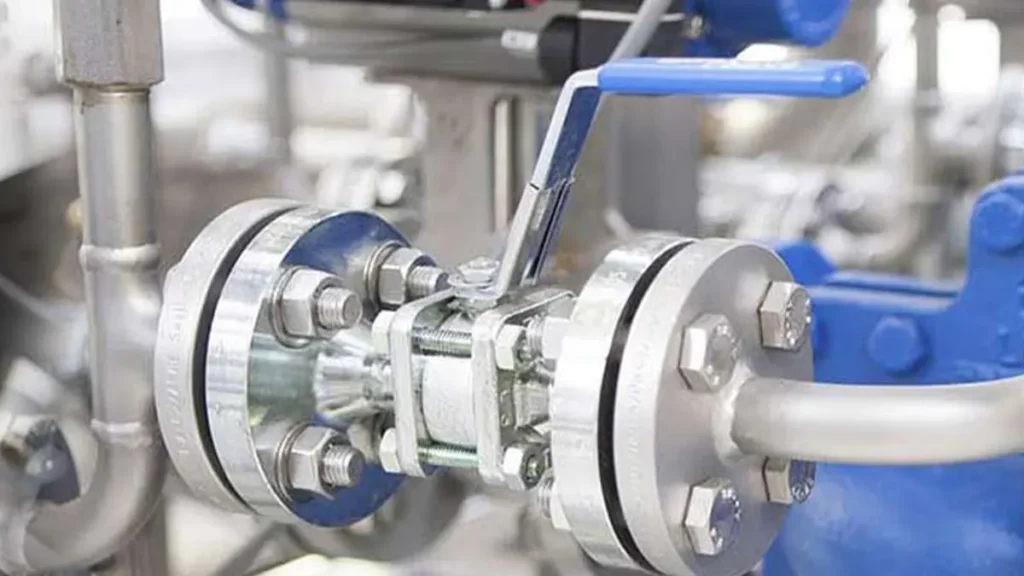
When you look at high pressure ball valves, you may see prices change a lot. This is mostly because of the material quality. If you want a good product, you should know what it is made of. The price of metals like stainless steel and brass can go up or down. This makes it hard for companies to keep prices the same. Sometimes, prices change or there are special rules in quotes. If you have a set budget, this can make planning harder.
Common Materials for High Pressure Valves
You can pick from a few main materials for high pressure valves. Each one has its own good points and costs.
Stainless Steel
Stainless steel is strong and does not rust easily. You see it used in chemical plants and oil and gas work. It costs more, but it lasts a long time and is very tough. If you need a valve for hard jobs, stainless steel is a smart choice.
Carbon Steel
Carbon steel works well and costs less than stainless steel. It is good for many high pressure valve jobs, but it does not fight rust as well. It is still strong, but it may not last as long in rough places.
Brass and Alloys
Brass is cheaper and works well with clean fluids. You see it in plumbing, HVAC, and watering systems. It does not do well with high heat. Some high pressure valves use special alloys to work better or fight rust.
Here’s a quick look at how these materials compare:
| Material | Cost | Performance | Durability | Suitability for Applications |
|---|---|---|---|---|
| Brass | Lower cost | Good for clean jobs with safe fluids | Can get damaged by high heat | Plumbing, irrigation, HVAC, oil & gas |
| Stainless Steel | Higher cost | Strong, fights rust, good for hard jobs | Very tough, lasts over 20 years | Chemical plants, oil & gas work |
| Carbon Steel | Moderate | Good for many uses | Tough, but not as much as stainless | General industry, water, oil & gas |
Corrosion Resistance and Media Compatibility
You want your high pressure ball valves to last a long time. This means picking materials that can handle the fluids and conditions in your system. Stainless steel, like 316 or duplex, fights rust and chemicals. This makes it great for sea or chemical jobs. For really tough places, alloys like Hastelloy cost more but protect even better.
- Stainless steel ball valves cost more because they last longer and fight rust.
- Brass ball valves are a good mix of price and use for normal jobs.
- PVC ball valves are the cheapest, but only work for low pressure.
Always check if the material works with your fluid. This helps stop leaks, damage, or early breaks.
Seat and Seal Materials
The seats and seals inside high pressure valves are important too. They stop leaks and help the valve last longer. PTFE seats work for many jobs, but can break at high heat. If you need more heat resistance, reinforced PTFE or PEEK can help, but metal seats are better for some jobs.
- The seat material sets the pressure and heat limits for your high pressure ball valves.
- Think about how strong your fluid is so the seats do not wear out fast.
- Pick seats and seals that fit your needs for the best life and strength.
- The right seat means fewer leaks and better safety.
When you pick high pressure valves, choose strong and good materials. This gives you a valve that works well, lasts longer, and keeps your system safe.
Pressure and Temperature Ratings
When you look at high pressure valves, you need to think about how much pressure and heat they can handle. These two things play a big part in how well your system works and how much you pay for high pressure ball valves. If you pick the wrong valve, you could face leaks, damage, or even safety risks.
Maximum Pressure Ratings
Every high pressure valve comes with a pressure rating. This tells you the highest pressure the valve can safely handle. If you use a valve above its rating, it might fail. You do not want that to happen. Always check the pressure requirements for your system before you buy.
You will notice that as the temperature goes up, the pressure rating goes down. Here is a simple table to show you how this works:
| Temperature (°C) | Pressure Rating (PN) |
|---|---|
| 20 | 16 |
| 60 | 12 |
| 80 | 10 |
| 100 | 8 |
If your system runs hot, you need to pick high pressure ball valves that can handle both the heat and the pressure. This keeps your system safe and running well.
Temperature Range
Temperature range matters a lot when you choose high pressure valves. Some jobs need valves that work in freezing cold or very hot places. The material inside the valve must stay strong and not break down. For example, if you need a valve for high heat, you might see materials like chromium-molybdenum steel or SUS310S stainless steel. These materials keep their strength even when things get really hot.
When you pick high pressure ball valves for high temperatures, you pay more. The reason is simple. Manufacturers test these materials to make sure they work well and stay safe. They also need to meet special rules for carbon content and other features. This careful process adds to the high pressure ball valve price, but it gives you peace of mind.
Tip: Always match the temperature range of your high-pressure valve to your system. This helps you avoid leaks and keeps your equipment safe.
Impact on High Pressure Ball Valve Price
Pressure and temperature ratings have a big effect on what you pay. If you need high pressure ball valves that work at higher pressures or temperatures, you will see the price go up. The reason is that these valves use stronger materials and go through more testing.
- Maximum working pressure drops as temperature rises.
- High pressure valves for tough jobs cost more because they need better materials.
- Picking the right pressure rating keeps your system safe and saves money in the long run.
When you shop for high pressure valves, always check your pressure requirements and temperature needs. This helps you pick the right high-pressure valve for your job. You get better safety, longer life, and fewer problems down the road.
Size, Flow, and Port Configuration
Choosing the right size and port configuration for high pressure ball valves makes a big difference in your system. You want reliable operation and tight closure every time. If you pick the wrong size, you might see leaks, wasted energy, or even damage. Let’s break down what you need to know.
Valve Size and Flow Capacity
You have many options when it comes to valve size. Smaller high pressure valves, like 1/4 inch or 1/2 inch, cost less. They use less material and are easier to make. Larger high pressure ball valves, such as 4 inch or 6 inch, need more raw material and stronger designs. These bigger valves also require higher machining precision and more complex testing. That means the price goes up.
- Smaller valves are cheaper and fit simple jobs.
- Larger valves cost more because they need extra engineering and materials.
- Bigger valves usually have higher flow capacity. They let more fluid pass through and match the pipe size, so you get less resistance and pressure drop.
If you want reliable performance, you must match the valve size to your system. This helps you avoid problems and keeps your high pressure valves working well.
Port Configuration Options
You can choose from different port configurations for high pressure ball valves. The most common types are L-Port and T-Port. Each one fits a different job and affects the price.
| Port Configuration | Cost | Application |
|---|---|---|
| L-Port | Generally lower | Simple diversion tasks |
| T-Port | Slightly higher | Mixing and splitting fluid streams |
L-Port valves work for basic diversion. They cost less and are easy to use. T-Port valves handle mixing or splitting flows. They cost a bit more but give you more control. If you need tight closure and special flow paths, T-Port might be the way to go.
Sizing for Application Efficiency
Proper sizing helps you get the best performance from your high pressure valves. When you size your high pressure ball valves correctly, you keep your system running in the optimal flow range. This reduces energy use and lowers maintenance costs. You also extend the life of your equipment.
- Correct sizing means less energy wasted.
- You spend less on maintenance and repair of high pressure valves.
- Your valves last longer, so you save money over time.
Regular maintenance keeps your high pressure ball valves working smoothly. You get tight closure and avoid leaks. If you use the right types of high pressure valves, you protect your system and make sure everything works as it should.
Tip: Always check your system’s needs before picking a high-pressure valve. This helps you avoid costly mistakes and keeps your operation safe.
Regular maintenance and smart sizing help you get the most out of your high pressure valves. You enjoy reliable operation, tight closure, and lower costs in the long run.
Valve Design and Actuation
When you pick high pressure ball valves, you should look at how they are made and how you want to use them. These choices change the price, how easy they are to fix, and how well your system works.
Body Design (One-Piece, Two-Piece, Three-Piece)
There are three main body designs for high pressure ball valves. Each design has its own price, repair needs, and ways to fix it.
| Feature | 1-Piece | 2-Piece | 3-Piece |
|---|---|---|---|
| Cost (Initial) | Low ($) | Medium ($$) | High ($$$) |
One-piece high pressure valves are the cheapest. You cannot fix them if they break, so you must buy a new one. Two-piece valves cost a little more. You can take them apart, but you have to remove the whole valve to fix it. Three-piece high pressure ball valves cost the most at first, but you can fix them without taking them out of the line. This saves money on repairs and makes fixing them easier.
| Valve Type | Upfront Cost | Maintenance Cost | Replacement Difficulty |
|---|---|---|---|
| 1-Piece | Lowest | High (Must buy new) | Hard (Remove whole valve) |
| 2-Piece | Moderate | Medium (Labor cost) | Medium (Remove whole valve) |
| 3-Piece | Highest | Lowest (Cheap seals) | Easy (Fix while in-line) |
If you want a valve that works well and is easy to fix, three-piece high pressure ball valves are a good choice. You pay more at first, but you save time and money later.
Note: One-piece valves are good for simple jobs where you do not need repairs. Three-piece valves are best for tough jobs and places where you want to fix things quickly.
Manual vs. Automated Actuation
You also need to pick how you want to open and close your high pressure valves. You can choose manual or automated actuation.
- Manual high pressure ball valves cost less. You turn them by hand. They are simple and easy to fix. You must be there to use them, and mistakes can happen.
- Automated high pressure valves cost more. They use electric or air power to open and close. You can control them from far away. They give you better control and help keep workers safe. They need more care and a power source.
Manual valves are good if you do not need to change the flow often. Automated high pressure ball valves are better for big systems or places where safety is important. They help you get good performance and make your job easier.
Special Features and Customization
Some high pressure ball valves have special features or custom options. These can make the price go up, but they also help the valve work better.
| Feature | Description | Impact on Price |
|---|---|---|
| Material Selection | High-grade metals like duplex stainless steel or Hastelloy | Increases due to raw material costs |
| Pressure Rating | Higher classes (600 and above) need stronger parts | Significantly increases cost |
| Sealing Technology | Metal seats or advanced seals for tough jobs | Higher costs for materials and machining |
| Automation Options | Pneumatic or electric actuation | Adds significant cost |
If you need a high-pressure valve for a special job, you might want custom materials, higher pressure ratings, or advanced seals. These features make your high pressure valves last longer and work better, but you will pay more.
Tip: Always match the features of your high pressure ball valves to what your system needs. This helps you get the best performance and value for your money.
Picking the right design and actuation for your high pressure ball valves helps you get a valve that fits your job, lasts longer, and keeps your system safe.
Certifications and Compliance
When you buy high pressure ball valves, certifications matter a lot. These marks help you know the valve works well and keeps things safe. Let’s look at what you should know.
Industry Certifications (API, ISO, etc.)
You will see different certifications on high pressure valves. These marks mean the valves follow strict rules. Here are some common ones:
- NSF, API, and CE show the valve meets industry rules.
- ISO means the maker uses good methods.
- API is important for oil and gas jobs.
Manufacturers pay money to get these certifications. They test their high pressure ball valves to prove they meet the rules. This costs money, so prices go up. If you want a valve you can trust, look for these marks. They help you know the valve will work for your job.
Tip: Always check for certifications before buying. They help you avoid trouble and keep your system safe.
Safety and Environmental Standards
Safety and environmental rules change how high pressure valves are made. There are laws that control emissions and safety. These laws make companies use high pressure ball valves with special safety features. This helps the market grow.
There are also rules for fire safety. API 607 and API 6FA tell how to test fire-safe valves. If you work in construction or waste management, you need valves that follow these rules. Fire-safe ball valves help your site stay safe and follow the law.
- Safety rules make makers add extra features to high pressure valves.
- Environmental rules push for cleaner and safer products.
- Spending on compliance and government help lets companies upgrade their systems.
Note: Fire-safe high pressure ball valves protect your site and help you follow the law.
Effect on High Pressure Ball Valve Price
Certifications and compliance make high pressure ball valves cost more. Makers pay for testing, paperwork, and special designs. These costs get added to the price. If you need high pressure ball valves with extra safety or environmental features, you pay more. The price goes up, but you get a safer and better product.
Here’s a table to show how certifications and standards change prices:
| Factor | Impact on Price | Benefit to You |
|---|---|---|
| Industry Certifications | Higher cost | Reliable performance |
| Safety Standards | Higher cost | Safer operation |
| Environmental Compliance | Higher cost | Cleaner, legal operation |
When you pick high pressure valves, look for certifications and compliance. You get a product that works well, lasts longer, and keeps your system safe. You also help your company follow the law and protect the environment.
Brand, Manufacturer, and Support
When you buy high pressure ball valves, the brand can change the price. Some brands care a lot about quality. Others sell cheaper valves but may not check them as well. You should know this before you pick a brand.
Brand Reputation and Quality Control
A good brand name means you can trust the valve. Famous brands use better materials and test their valves before selling them. This helps the valve work well for hard jobs. Here is a table that shows how price, quality, and materials match with the brand’s promise:
| Price Level | Quality Indicator | Material Used | Manufacturer Commitment |
|---|---|---|---|
| Low | Low | Calcium carbonate filler | No quality control |
| Fair | High | 100% virgin PVC | Strict quality control |
| High | High | 100% virgin PVC | 100% pressure testing |
If you pick a strong brand, you pay more at first. But you get a valve that works well and lasts longer. Cheaper brands may skip tests. This can lead to leaks or broken valves.
Warranty and After-Sales Service
Warranties and help after you buy are important. Good companies will fix problems if something goes wrong. Here is why this matters:
- Companies with warranties make you feel safe about your valve.
- Repair kits let you fix the valve instead of buying a new one.
- Using repair kits saves money and keeps your system working.
If you want your valve to last, pick a brand with good support and easy-to-find parts.
Tip: Always ask about warranty and help after you buy. This can save you money and time if you need repairs.
Price Differences Among High Pressure Valve Brands
Not all high pressure ball valves cost the same. Some brands cost more because they use better materials or add special features. Other brands keep prices low for simple jobs. Here is a table to show the differences:
| Pricing Tier | Description | Price Range |
|---|---|---|
| Budget | Mostly unbranded imports, good for non-critical applications | N/A |
| Mid-Range Value | Eagle brand, quality materials for clean industries | $71 to $300 |
| Premium | Brands like Swagelok, high precision and engineering | $500 to $2,000 |
Swagelok valves can cost $300 or more for a 1″ stainless steel valve. These are trusted for important jobs. Victaulic sells strong valves starting at $200. Eagle has good deals, with 1″ valves starting at $75. This is about 20–30% less than Swagelok.
When you pick a high pressure valve, think about what your system needs. Sometimes, paying more for a good brand means fewer problems. Other times, a mid-range brand gives you what you need for less money.
Note: Picking the right brand helps you get high pressure ball valves that last longer and work better for your job.
Choosing High Pressure Valves for Your Application
Environmental Considerations
When you use high pressure valves, think about where they will go. Outdoor places have rain, dust, and sunlight. Chemical plants or places near the ocean can hurt your high pressure ball valves. Some areas are dangerous and need special explosion-proof designs.
- Outdoor jobs need materials that do not rust.
- Chemical plants need extra coatings for protection.
- Dangerous places need explosion-proof high pressure valves.
Check if your area gets very hot or cold. Also, see if there are strong chemicals. High pressure valves can have problems with big temperature changes and harsh chemicals. Stainless steel, brass, and PVC are common choices. Each one is good for different reasons. Stainless steel lasts a long time and does not rust. Brass is cheaper and works well with clean fluids. PVC is light but may not work in tough spots.
Coatings like Teflon or epoxy help stop rust. Always check your job needs before picking high pressure valves. If you need valves for hot jobs, use stainless steel like 316H or 310S. These work better in heat. Hotter jobs cost more and may need special metals.
Matching Valve Features to System Needs
You want your high pressure valves to work well and last long. Pick features that fit your system to save money and avoid problems. Check your valves often to find damage early. This keeps your system safe and stops big failures.
- Good high pressure ball valves can last over 20 years if you take care of them.
- Checking valves often stops dangerous problems and keeps workers safe.
- Well-kept valves help you follow rules and stop leaks.
- Fixing problems early costs less than waiting for a big break.
Always think about things like flow rate, valve size, and if it fits your system. Electric actuators help you control the valve quickly and easily. They make your system work better and cut down on waiting. A good actuator means less time fixing things, which is important for high pressure valves.
| Material | Advantages | Disadvantages |
|---|---|---|
| Stainless Steel | Does not rust, lasts long | Costs more |
| Brass | Works well, not expensive | Rusts easier |
| Plastic | Light, not expensive | May not work in tough places |
Practical Tips for Buyers
If you want the best high pressure valves, try not to make mistakes. Here are some easy tips:
- Learn as much as you can before buying.
- Ask experts for help so you do not waste money.
- Check your high pressure valves often for leaks or problems.
- Look at stem seals, seats, and bolts to keep things working.
- Think about how the fluid moves and if the valve fits your system.
- Pick materials that do not rust and last longer.
- Make sure your high pressure ball valves follow world rules.
Follow these steps when picking high pressure valves:
- Find out how much fluid you need to move.
- Pick the right valve size for your job.
- Make sure the valve fits your system so nothing goes wrong.
Always look at what your job needs and the types of high pressure valves. This helps your system work better and keeps it safe.
Tip: If you pay attention to these things, your high pressure ball valves will last longer and have fewer problems.
Conclusion
When choosing high pressure ball valves, you should look at more than just the price. Material quality, pressure rating, valve size, design, certifications, and manufacturer support can all affect the final cost. These factors also determine how well the valve performs in demanding hydraulic systems.
As a high pressure ball valve manufacturer, Chenyang Hydraulic helps customers choose the right valve based on working pressure, media, connection type, material, and application. A well-made valve may cost more at first, but it can improve safety, reduce maintenance, and lower long-term operating costs.
FAQ
What makes high pressure ball valves cost more?
You pay more for strong materials, high pressure ratings, and trusted brands. Extra features like automation or certifications also raise the price.
How do I choose the right size for my valve?
You check your system’s flow rate and pipe size. Pick a valve that matches these numbers. This helps your system run smoothly.
Can I use brass valves for high pressure jobs?
Brass works for clean fluids and lower pressures. For tough jobs, you need stainless steel or carbon steel. Brass may not last long in harsh conditions.
Do certifications really matter?
Yes, certifications show the valve meets safety and quality standards. You get peace of mind and avoid trouble with rules or inspections.
How often should I check my high pressure valves?
You should inspect your valves every few months. Look for leaks, wear, or damage. Regular checks keep your system safe and working.
Are automated valves worth the extra cost?
Automated valves save time and boost safety. You control them remotely. If your system needs fast changes or extra safety, automation is a smart choice.
What’s the best material for outdoor use?
Stainless steel stands up to rain, sun, and chemicals. You get long life and less rust. Brass and plastic may not last as long outside.
Can I repair a high pressure ball valve myself?
You can fix three-piece valves with repair kits. One-piece valves need full replacement. Always follow the manufacturer’s instructions for safety.