
When picking between a flanged or threaded ball valve, the right one depends on what you need. Flanged valves are good for high-pressure jobs. They are also used when maintenance happens a lot. Big industries like oil and gas use flanged valves. Power plants use them in large pipes. These valves help keep the seal strong. Threaded valves are better for small pipes. They work well in pipes under 2 inches wide. They are used in utility jobs or places with little space. People argue about flanged vs threaded ball valves. The choice is about pressure, pipe size, and how often you fix the system.
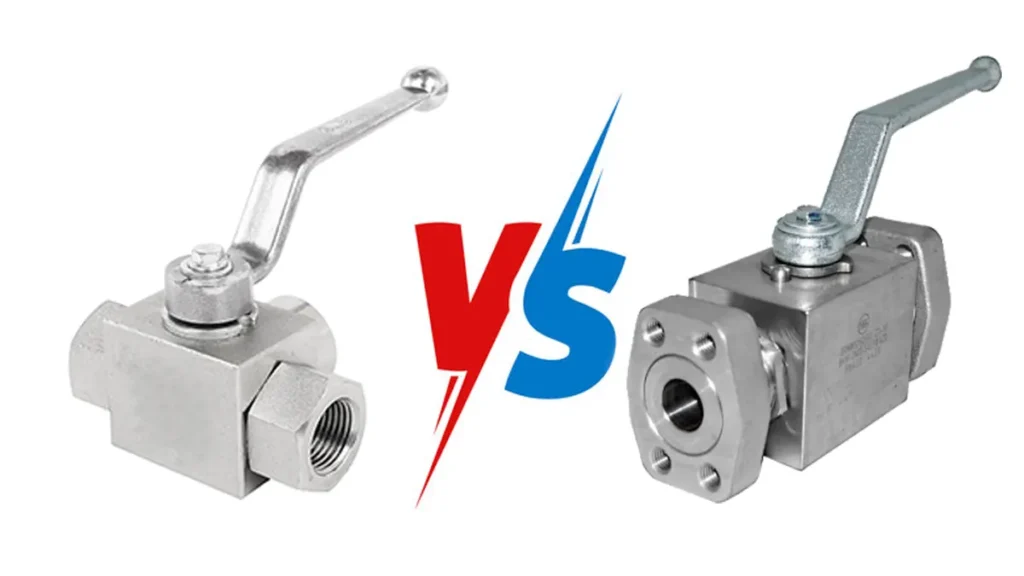
Key Takeaways
- Flanged ball valves are good for high pressure and heat. They are used in big jobs like oil and gas.
- Threaded ball valves are best for small pipes under 2 inches. They work well for low pressure or small spaces.
- Flanged valves take more time and tools to put in. Threaded valves are easy to install by screwing them in.
- Flanged valves are simple to fix because you can take them out without cutting the pipe. This saves time and money on repairs.
- Think about the pressure and size of your system before picking a valve. Flanged valves can handle more pressure than threaded ones.
- Threaded valves cost less at first but may cost more to fix if the threads break.
- Always look at where you will use the valve. Flanged valves are better for places with shaking or lots of fixing.
- Use a chart to help pick the right valve for your system. This keeps your work safe and running well.
Flanged vs Threaded Ball Valve Overview
What Is a Flanged Ball Valve?
A flanged ball valve has flanges on both ends. These flanges connect to pipes with bolts. A gasket sits between the flanges. This setup makes a strong seal. It can handle high pressure. Many factories use this kind of valve. Flanged valves follow rules like ASME B16.5 or API 608. They come in many sizes, from small to very big. People pick flanged valves for tough jobs. Oil and gas plants use them. Chemical factories use them too. The design lets workers remove the valve easily. They just unbolt it. There is no need to cut the pipe. Some flanged ball valves are easy to turn. Some have seals that clean themselves. These features help the valve last longer. They also help the valve work well in hard places.
What Is a Threaded Ball Valve?
A threaded ball valve connects to pipes with screw threads. The ends have threads that match the pipe. This valve works best for small pipes. Most are used for pipes up to two inches wide. You see threaded valves in homes and small factories. They are easy to put in. You just screw them into place. People use tape or paste to stop leaks. A threaded valve costs less money. It also takes up less space than a flanged valve. It fits in small spots or for short-term jobs. It can be harder to fix. Taking it out might hurt the threads.
Key Differences Between Flanged and Threaded Valves
The main difference is how each valve connects. Flanged valves use bolts and gaskets. Threaded valves use screw threads. Flanged valves handle more pressure and heat. Threaded valves are better for lower pressure and heat. Flanged valves are easy to take out for repairs. You do not need to cut the pipe. Threaded valves are harder to remove. The threads can get damaged. Flanged valves need more room. Threaded valves are smaller and lighter.
Here is a table that shows the differences:
| Feature | Flanged Valves | Threaded Valves |
|---|---|---|
| Connection Method | Flanges bolted together with a gasket for sealing | Screw threads connect directly to pipe fittings |
| Installation Process | Needs alignment, gasket, and bolts; more complex | Simple and fast; just screw into place |
| Pressure and Temperature Handling | Handles higher pressure and temperature | Best for low-to-medium pressure and moderate temperature |
| Maintenance and Repair | Easy to remove for maintenance; no pipe cutting | Harder to remove; threads can get damaged |
| Space Requirements | Needs more space for bolts and access | More compact and lighter |
Here is another table with more details:
| Specification | Flanged Ball Valve | Threaded Ball Valve |
|---|---|---|
| Common Size Range | 1/2″ to 36″ | 1/4″ to 4″ |
| Practical Size Limit | No practical limit | 2″ for most industrial use |
| Pressure Rating | Up to 6,170 PSI | Up to 1,975 PSI |
| Seal Mechanism | Gasket compression | Thread engagement + sealant |
| Installation Time | 45–60 min | 15–20 min |
| Vibration Resistance | High | Moderate |
| Upfront Cost | 2–3x higher | Baseline |
Tip: Flanged valves are best for high pressure, high heat, or when you need to fix things often. Threaded valves are good for small, low-pressure jobs or when you do not have much space or money.
Here are some common uses for each type:
- Flanged ball valves: Oil and gas plants, chemical factories, power stations, and places that need lots of repairs or handle high pressure.
- Threaded ball valves: Home plumbing, HVAC systems, small factories, and short-term or low-pressure jobs.
You should pick flanged or threaded valves based on pressure, size, and how often you need to fix things. Both types are important in the world of ball valves.
Side-by-Side Comparison: Flanged vs Threaded
Connection Method
When looking at the valve connection type, the key differences between flanged and threaded valves stand out right away. A flanged connection uses two flat surfaces called flanges. Workers bolt these flanges together with a gasket in between. This setup spreads the force evenly and gives the valve more strength. It works well for industrial jobs that need high pressure or high temperature. The flanged connection also helps with seal integrity and leak prevention, which is important in many industrial ball valves.
A threaded connection works differently. It uses screw threads on the valve and pipe. Workers twist the valve into place, often adding tape or paste to stop leaks. This method is quick and easy but does not handle extreme conditions as well as a flanged connection. The threaded connection depends on how well the threads fit and how good the sealant is. If the threads get damaged, leaks can happen.
Here’s a quick look at the main points:
- Flanged connection:
- Uses bolts and gaskets for a strong, even seal.
- Handles high pressure and temperature.
- Best for industrial settings.
- Threaded connection:
- Screws into place with sealing tape or paste.
- Works for lower pressure and smaller pipes.
- Easier and faster to install.
Installation Process
The installation process for each valve type also shows clear differences. Installing a flanged valve takes more time and effort. Workers must line up the flanges, insert a gasket, and tighten the bolts in a certain order. This job can take up to an hour, especially with larger valves. The process needs more tools and careful alignment. In big industrial plants, this extra work pays off because the valve will last longer and be easier to maintain.
Threaded valves, on the other hand, are much simpler to install. Workers just screw the valve onto the pipe. They use a wrench and some sealing tape or paste. The whole job can take as little as 15 to 20 minutes. This makes threaded valves a good choice for small projects or places where time matters.
Here’s a table that shows the difference in installation time:
| Specification | Flanged Ball Valve | Threaded Ball Valve |
|---|---|---|
| Installation Time (2″) | 45–60 min | 15–20 min |
Tip: Flanged valves need more time and skill to install, but they offer better long-term performance in tough jobs. Threaded valves save time and money for smaller, less demanding tasks.
Pressure and Temperature Ratings
Pressure and temperature handling capabilities are some of the most important factors in the flanged vs threaded ball valve debate. Flanged valves can handle much higher pressure and temperature than threaded valves. This makes them the top pick for heavy-duty industrial uses.
Threaded valves have limits. They work well for low to medium pressure and moderate heat. If the pressure gets too high, the threads might not hold, and leaks can happen. Flanged valves, with their strong bolted design, can take on much more.
Here’s a table that compares the ratings for both types:
| Connection Type | Class | Max PSI at 100°F | Max PSI at 400°F |
|---|---|---|---|
| Flanged | 150 | 285 | 230 |
| Flanged | 300 | 740 | 600 |
| Flanged | 600 | 1,480 | 1,200 |
| Flanged | 2500 | 6,170 | — |
| Threaded | 150 | 285 | 230 |
| Threaded | 300 | 740 | 600 |
| Threaded | 600 | 1,480 | 1,200 |
| Threaded | 800 | 1,975 | 1,600 |
Flanged valves can reach pressure classes up to 2500, with working pressures as high as 6,170 PSI. Threaded valves usually top out at class 800, with a maximum of 1,975 PSI. Both types can handle similar temperatures, but flanged valves are more reliable when the job gets tough.
Maintenance Needs
Maintenance is important when picking flanged or threaded ball valves. People want to know which valve is easier to fix. The answer depends on how the valve connects and how much stress the system has.
- Flanged connection makes fixing easy. Workers can unbolt the valve and take it out. They do not need to cut the pipe. This saves time and keeps the pipeline safe. Flanged valves handle vibration well. They stay steady in busy factories.
- Threaded connection can be hard to fix. If the valve gets stuck from rust, workers may need to cut the pipe. This takes more time and can hurt the system. Threaded valves do not handle vibration as well. They might loosen or leak in moving systems.
People who work in places with lots of repairs often pick flanged valves. They know the valve is easy to remove and put back. Threaded valves are best for small jobs where fixing is not a big deal.
Note: Flanged valves help reduce repair time. Threaded valves can cause more work if they get stuck.
Cost Factors
Cost matters when buying valves. Buyers want to save money over time. Flanged and threaded ball valves have different costs.
| Valve Type | Initial Cost | Maintenance Cost | Long-term Benefits |
|---|---|---|---|
| Threaded | Lower | Higher | Risk of thread damage |
| Flanged | Higher | Lower | Replaceable seals for economy |
Threaded valves cost less at first. They are fast to install and need no special tools. Over time, fixing them can cost more. If the threads break, workers may need to replace the valve or cut the pipe.
Flanged valves cost more at the start. They need bolts, gaskets, and careful setup. The good news is fixing them costs less. Workers can change seals or remove the valve without hurting the pipeline. Flanged valves are smart for big jobs or places with lots of repairs.
Tip: Think about both the first price and fixing costs. Spending more now can save money later.
Space and Size Requirements
Space is important in tight places. Flanged ball valves need more room because of their shape. The flanged connection makes the valve longer and harder to fit.
- A standard 6-inch flanged ball valve is almost 16 inches long. This long size can make it hard to install in small spaces.
- Threaded connection is smaller. These valves fit easily in tight spots and are lighter. People use them in homes, small factories, or places with little space.
Butterfly valves are even smaller, but ball valves seal better and last longer. When space is tight, threaded valves are the best choice. Flanged valves work well in open areas where size does not matter.
Tip: Measure your space before picking a valve. Flanged valves need more room. Threaded valves fit in small places.
Pros and Cons of Flanged vs Threaded
Flanged Ball Valve Pros
Many people choose a flanged ball valve for tough jobs. This type of valve stands out because of its strong design and reliable performance. Here are some of the main advantages of flanged valves:
- Robust & Leak-Tight Connection: The flanged connection gives the valve extra strength. It keeps leaks away, even when the system faces high pressure or heat.
- Ease of Installation & Maintenance: Workers can install or remove the valve without cutting the pipe. This makes repairs and inspections much easier.
- Excellent Shut-Off: When closed, the valve creates a bubble-tight seal. This stops fluid from leaking through.
- Low Torque & Quick Operation: The valve opens and closes fast. It does not need much force to turn.
- Minimal Pressure Drop (Full Port): When fully open, the valve lets fluid flow with almost no resistance.
- Versatility: The flanged valve comes in many sizes, pressure ratings, and materials. It fits many different jobs.
- Durability & Long Life: This valve lasts a long time. It works well in harsh places and keeps going strong.
Tip: A flanged ball valve works best in places where safety, strength, and easy repairs matter most.
Flanged Ball Valve Cons
Even the best valves have some downsides. The flanged ball valve is no different. Here are a few things to watch out for:
- PTFE seats can get damaged if someone uses the valve for throttling. This can lead to leaks or lower performance.
- When closed, fluid can get trapped inside the ball. Over time, this can cause vapor pressure to build up or lead to corrosion.
- The valve takes up more space than other types. It needs room for the flanges and bolts.
- The upfront cost is higher. Buyers pay more at first for the extra strength and features.
Note: Always check if the system needs a flanged connection. Sometimes, a smaller or cheaper valve works just as well.
Threaded Ball Valve Pros
A threaded ball valve offers its own set of benefits. Many people like this valve for smaller jobs or places with tight spaces. Here are some reasons why:
- Leak-Proof Service: The valve gives a tight seal. This is important in places like oil and gas plants.
- Quick Operation: The valve opens and closes fast. This helps in emergencies.
- Cost-Effectiveness: The valve costs less to buy and maintain. It saves money over time.
- High Durability: The valve uses strong materials. It can handle high pressure and heat for its size.
- Versatility: People use this valve in many places, such as water treatment and HVAC systems.
Tip: A threaded ball valve is a smart pick for small pipes, quick jobs, or when saving money matters most.
Threaded Ball Valve Cons
A threaded ball valve brings many benefits, but it also comes with some drawbacks that users should know. While the advantages of threaded valves make them popular for small jobs, these valves do not fit every situation. Let’s look at the main cons of using a threaded valve.
- Limited Pressure and Size Range
A threaded ball valve works best in low to medium pressure systems. It cannot handle the same high pressures as a flanged valve. Most threaded valves top out at about 2 inches in size for industrial use. If someone tries to use them in bigger pipes or high-pressure lines, leaks or failures can happen. - Risk of Thread Damage
Threads can get damaged during installation or removal. If workers over-tighten the valve, the threads may strip or crack. Cross-threading is another common problem. Once the threads get damaged, the valve may not seal well. This can lead to leaks or even the need to replace the whole section of pipe. - Harder to Maintain and Replace
Maintenance can be tricky with threaded valves. If the valve gets stuck because of rust or buildup, removing it can be tough. Sometimes, workers have to cut the pipe to get the valve out. This adds time and cost to repairs. In contrast, flanged valves come off easily with just a few bolts. - Not Ideal for Frequent Maintenance
A threaded valve does not suit systems that need regular maintenance. Every time someone removes and reinstalls the valve, the threads wear down a little more. Over time, this can weaken the connection and increase the risk of leaks. - Vibration and Movement Issues
Threaded connections do not handle vibration as well as flanged ones. In systems with lots of movement, the threads can loosen. This can cause leaks or even make the valve fall out of place.
Note: If a system faces high pressure, frequent repairs, or lots of vibration, a flanged valve may be a better choice.
Here’s a quick table to sum up the main cons:
| Drawback | Impact on System |
|---|---|
| Limited pressure/size | Not for big or high-pressure jobs |
| Thread damage | Leaks, costly repairs |
| Hard to maintain | More time and effort needed |
| Not for frequent repair | Threads wear out |
| Vibration issues | Can loosen or leak |
Choosing the right valve means looking at the whole system. While the advantages of threaded valves are clear for small, simple jobs, their cons can cause trouble in tougher settings.
Application Guide: Choosing the Right Valve
High-Pressure and Critical Systems
If a system has high pressure or must not fail, a flanged valve is the best choice. Big factories like oil refineries and power plants use this valve. The bolts and gasket make a strong seal. This stops leaks, even when pressure is very high.
To pick the right flanged valve, you need to check some things. The table below shows what to look for:
| Criterion | Description |
|---|---|
| Pressure Class vs. Temperature De-rating | Check how pressure ratings drop when it gets hotter. Do not choose a valve by room temperature only. |
| Body & Trim Material | High pressure can cause rust. Pick materials that do not wear out or rust easily. |
| Trunnion vs. Floating Design | If pressure is over 1,500 psi, use trunnion ball valves. These handle stress better. |
| Seat Material | High pressure can hurt seats. Choose seats that do not break or get squeezed. |
| End Connections | For pressure over 10,000 psi, use RTJ flanges with strong gaskets. Do not use spiral wound gaskets above Class 1500. |
A flanged valve is safe for important systems. Workers can take it out for repairs without cutting the pipe. This saves time and keeps things safe. Flanged valves seal well, are easy to fix, and last a long time. These reasons make them the best for tough jobs in factories.
Tip: Always match the valve’s pressure class to what the system needs. Do not guess when safety is important.
Low-to-Medium Pressure and Small Sizes
Not all jobs need a heavy-duty valve. Some systems have lower pressure or small pipes. In these cases, a threaded valve is usually best. This valve fits pipes from ½ inch to 2 inches wide. It costs less and does not take up much space.
The table below shows when to use a threaded or flanged valve:
| Criteria | Threaded Ball Valve | Flanged Ball Valve |
|---|---|---|
| Max Operating Pressure | Low to Medium | Very High |
| Pipe Size Range | ½” – 2″ | 2″ and larger (Standard) |
| Initial Cost | Lower | Higher |
| Maintenance & Repair | Harder, Sometimes Damaging | Easy, Bolted Disassembly |
| System Vibration | Not Good | Handles Well |
| Space Requirements | Small | Needs More Space |
| Best For | Cheap, Small Systems | Important, Serviceable Systems |
A threaded valve is good for home plumbing, small factories, or tight spaces. It is simple to put in and does not need special tools. Threaded valves are quick to set up, cost less, and are small. But they do not work as well with vibration or lots of repairs as flanged valves do.
Note: If the system is small and does not need much fixing, a threaded valve is a smart pick.
Cost-Sensitive Projects
Some projects need to save money. A threaded valve helps keep costs low. It is cheaper to buy and does not need much fixing. This means fewer repairs and less time when the system is off.
Here is a table that shows how a threaded valve saves money:
| Feature | Benefit |
|---|---|
| Lower Procurement Costs | Reduced bore ball valves cost less than full bore valves. |
| Durability | You do not need to replace them often, so you save money. |
| Minimal Maintenance | Fewer repairs and less stopping work, so you save on fixing costs. |
Here are more reasons why a threaded valve is good for saving money:
- The valve lasts longer, so there is less downtime.
- You get more value because you do not need to replace it often.
- Repairs do not happen much, so work is not stopped often.
When people need to pick between flanged and threaded valves, they should think about the budget, how much pressure the system has, and how often it will need repairs. For many jobs that need to save money or are small, a threaded valve gives good savings and works well.
Tip: Saving money is important, but do not pick a valve that cannot handle the pressure or keep things safe.
Maintenance-Intensive Environments
Some systems need a lot of care. Workers check and fix these systems often. In these places, the right valve can save time and trouble. Flanged ball valves work best in maintenance-heavy environments. They let workers remove and replace the valve without cutting the pipe. This makes repairs faster and safer.
Flanged valves also handle vibration and stress better. They stay tight, even when the system shakes or moves. This helps prevent leaks. Workers can swap out seals or gaskets without much effort. They just unbolt the valve, do the repair, and bolt it back in.
Threaded ball valves do not fit well in these settings. If a worker removes a threaded valve many times, the threads can wear out. Damaged threads may cause leaks or make it hard to reinstall the valve. Sometimes, workers must cut the pipe to get the valve out. This takes more time and can stop the whole system.
Here are some signs that a flanged valve is the right choice for maintenance-intensive jobs:
- The system needs regular inspections or cleaning.
- Workers must replace valves or seals often.
- The pipeline faces a lot of vibration or movement.
- Downtime costs a lot of money.
Tip: Flanged valves help workers finish repairs quickly and keep the system running smoothly.
Decision Matrix
Choosing between flanged and threaded ball valves can feel tricky. A simple decision matrix can help. This table shows the best valve type for different needs. Just match your system’s main features to the right column.
| System Need | Flanged Ball Valve | Threaded Ball Valve |
|---|---|---|
| High Pressure | ✅ | ❌ |
| Frequent Maintenance | ✅ | ❌ |
| Large Pipe Size (over 2″) | ✅ | ❌ |
| Tight Space | ❌ | ✅ |
| Low-to-Medium Pressure | ❌ | ✅ |
| Quick, Low-Cost Installation | ❌ | ✅ |
| Cost-Sensitive Project | ❌ | ✅ |
| Handles Vibration Well | ✅ | ❌ |
If you want to know how to choose between flanged and threaded valves, start by asking these questions:
- Does the system run at high pressure or need a strong seal?
- Will workers need to repair or replace the valve often?
- Is the pipe size bigger than 2 inches?
- Is there enough space for a flanged connection?
- Is saving money the top goal?
Note: Flanged valves win in tough, high-pressure, or maintenance-heavy jobs. Threaded valves work best for small, simple, or budget-friendly projects.
This matrix makes it easy to pick the right valve for any job.
Common Mistakes with Flanged vs Threaded Valves
Choosing the right hydraulic ball valve can feel tricky. People often make mistakes that lead to leaks, downtime, or even damage. Let’s look at the most common problems and how to avoid them.
Misapplication Risks
Many users pick a valve without checking what their system really needs. This can cause big problems later. Here are some common missteps:
- They forget to check the flow and pressure in their system. A valve that works in a home might fail in an industrial plant.
- They ignore how often the system needs maintenance. If a valve is hard to fix, it can slow down repairs and cost more money.
- They do not think about the environment. Valves in wet or dirty places can rust or break down faster.
- They choose the wrong valve for the job. This can hurt seal integrity and lead to leaks.
Tip: Always match the valve to the job. Think about pressure, flow, and where the valve will go.
Installation Errors
Even the best valve will not work if someone installs it wrong. Some mistakes happen again and again:
- Workers do not line up the pipe and valve. This can cause stress and leaks.
- They tighten bolts or threads unevenly. This can break the seal or damage the valve.
- They forget to use enough thread sealant on threaded valves. This can let fluid escape.
- Sometimes, the valve threads are not made right at the factory. This can make installation hard and hurt leak prevention.
A careful installer checks every step. They use the right tools and follow the instructions. This helps keep the system safe and running.
Maintenance Oversights
People sometimes skip important steps when they take care of their valves. This can lead to early failure or leaks. Here’s a table that shows what to watch out for:
| Common Oversight | Description |
|---|---|
| Over-torqueing | Can crack the seat or stretch threads beyond tolerance. |
| Dry assembly | Accelerates galling, especially with stainless steel components. |
| Wrong lubricant | Silicone or oil-based grease can swell O-rings or trap dirt, leading to potential failures. |
| Best practice | Use a calibrated wrench to stay within the torque window and apply compatible lubricants. |
In industrial settings, regular checks and the right tools make a big difference. Workers should always use the right lubricant and never force a valve. This keeps the valve working longer and helps avoid costly repairs.
Note: Good maintenance keeps valves safe and helps them last longer.
Conclusion
Choosing between a flanged ball valve and a threaded ball valve depends on your system pressure, pipe size, installation space, maintenance needs, and working conditions. Flanged ball valves are often used in high-pressure, large-size, or critical hydraulic systems because they provide strong sealing and are easier to remove for maintenance. Threaded ball valves are a practical choice for smaller hydraulic systems where space, cost, and simple installation matter more.
As a hydraulic ball valve manufacturer, Chenyang Hydraulic can help you choose the right valve type based on your pressure rating, material, connection standard, temperature range, medium, and application environment. We manufacture threaded and flanged hydraulic ball valves for different industrial hydraulic systems, and we also support custom requirements based on drawings or samples.
If you are not sure which connection type is better for your project, contact Chenyang Hydraulic for professional selection and manufacturing support.
FAQ
What is the main difference between a flanged valve and a threaded valve?
A flanged valve connects with bolts and gaskets. A threaded valve screws directly onto the pipe. Each works best in different situations.
Can you use a threaded valve for high-pressure systems?
No, a threaded valve usually handles low to medium pressure. High-pressure jobs need stronger connections, like flanged valves.
How do you install a flanged valve?
Workers align the flanges, place a gasket, and tighten bolts. This process takes more time but gives a strong seal.
Which valve is easier to maintain?
A flanged valve is easier to remove and repair. Workers can unbolt it without cutting the pipe. Threaded valves can be harder to fix.
Are flanged valves more expensive than threaded valves?
Yes, flanged valves cost more upfront. They last longer and make repairs easier, so they can save money over time.
Where do people use threaded valves most often?
People use threaded valves in homes, small factories, and places with tight spaces. These valves fit smaller pipes and cost less.
What mistakes do people make when choosing a valve?
Some pick the wrong valve for the job. Others forget to check pressure or pipe size. Always match the valve to the system’s needs.
Can vibration cause problems with threaded valves?
Yes, vibration can loosen threaded valves. This may lead to leaks or damage. Flanged valves handle vibration better.