
Are you curious why flanged ball valve price changes a lot? The reason is because of many things. These include size, material, pressure rating, flange standard, seal type, how well it is made, if it is custom, and how many you buy. If you want a good price, you need to know these things. Most people who buy for factories want flanged valves for high pressure. Stainless steel flanged valves last longer in hard places. The best brands usually get about 4.5 stars. Look at the table below to see how market rules and brand name change flanged ball valve price:
| Evidence Type | Statistic/Insight |
|---|---|
| Customer Preference | Over 70% of users like ball valves because they last long. |
| Material Quality | Most customers pick stainless steel valves over plastic in tough places. |
| Maintenance Concerns | 60% of reviews worry about how often they need fixing. |
| Average Ratings | Best models get about 4.5 stars, but some get less than 3 stars because of problems. |
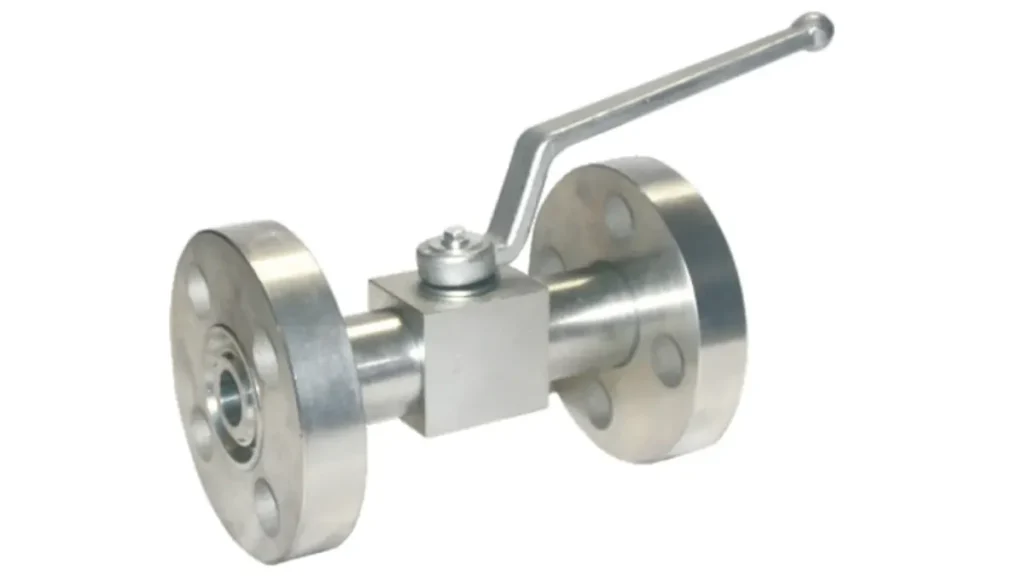
Key Takeaways
- Flanged ball valve prices change with size, material, and pressure rating. You should know these things to make smart buying choices.
- Stainless steel valves last longer in tough places. Pick them if you need strong valves for hard jobs.
- Custom flanged valves cost a lot more money. Check if regular sizes work for you before picking custom ones.
- High-pressure valves need stronger materials and better designs. This makes them cost more. Pick the right valve for your job.
- Buying from manufacturers can help you save money. It is often cheaper than buying from distributors. Think about your buying choices.
- Buying many valves at once can get you discounts. If you need a lot, ask suppliers about bulk prices to save money.
- The right seal material is very important for how the valve works. Make sure the seal fits your job to stop leaks and keep it working well.
- Watch market trends and material costs. This helps you know when prices might change and helps you buy at the best time.
What Influences Flanged Ball Valve Price?
Many Things Affect Price
When you look at flanged ball valve price, you might think size is the only thing that matters. But that is not right. There are lots of things that change the price. People who buy valves need to check more than just how wide the valve is. Here are some important things that can make the price go up or down:
- The material of the valve body is important. Cast iron is the least expensive. Cast steel costs more money. Stainless steel is even more expensive. Special alloys like Hastelloy or titanium cost the most.
- The core inside the valve also changes the price. Ceramic cores last the longest. They need special machines to make them. This makes them cost more than stainless steel, copper, or plastic cores.
- The seal material matters too. PTFE (Teflon) and flexible graphite seals work better for hard jobs. But they cost more than regular rubber seals.
- How carefully the valve is made is important. Valves that need very tight seals, like ones used in airplanes or chip factories, can cost 20–50% more than normal valves.
- Special treatments make the price higher. Chrome plating, heat treatment, or PTFE coating make valves stronger or tougher. But these things also make the price go up.
- The brand name can change the price a lot. Big brands from other countries can cost 2–5 times more than small brands. This is because they do more testing and have better service.
- How you buy the valve matters. If you buy straight from the factory, it is cheaper. If you buy from a distributor, the price can be 10–20% higher. Shipping and import taxes can add another 20–40%.
- The price of raw materials changes all the time. If steel or nickel gets more expensive, the valve price goes up too.
- The market can change quickly. When there are lots of building projects, prices go up.
- Extra features like automation, sensors, or safety parts make the valve price higher.
All these things show that the market for flanged valves is not simple. You need to look at more than just size when you compare prices.
How You Use the Valve Changes Price
The way you use flanged valves changes what you need and how much you pay. Some jobs need valves that can handle high pressure or dangerous fluids. Other jobs need valves that are easy to fix or check. Here is a table that shows how flanged ball valves and standard ball valves are different:
| Feature | Flanged Ball Valves | Standard Ball Valves |
|---|---|---|
| Connection Type | Flanged ends bolted to pipeline | Threaded or welded ends |
| Installation | Quick installation, easy removal | May need pipe cutting |
| Maintenance | Easier to maintain and inspect | More work to fix |
| Leak Resistance | High, good for high pressure | Lower, not for high pressure |
| Cost | Higher initial price | Usually cheaper |
| Durability Under Pressure | Made for high pressure and heat | May wear out faster |
| Common Applications | Chemical, water, gas, industry | Small pipes, low pressure |
You can see that flanged ball valves cost more, but they are safer and last longer in tough jobs. The market often wants valves that meet strict rules. For example, some valves must pass fire tests (API 607), pipeline standards (API 6D), or hydrogen safety checks (ISO 23826:2021). These rules make the design better but also make the price higher.
Let’s look at how design and use change safety and price:
| Evidence Description | Impact on Safety | Impact on Cost |
|---|---|---|
| Design for ultra-high-pressure applications needs strong sealing and impact resistance. | Makes valves safer in extreme jobs. | Costs more to design and build. |
| Valves must handle sudden pressure changes and fast-moving fluids. | Stops failures in hard conditions. | Needs better materials, so price goes up. |
| Stress and material behavior affect valve life. | Lowers risk of valve breaking. | May need more repairs or better materials, raising cost. |
So, when you pick a flanged ball valve, think about where and how you will use it. The market has many choices, but the right price depends on what you need for safety, strength, and long life. This helps you see why some valves cost more than others.
Valve Size and DN
Size and Material Usage
When you look at flanged ball valves, size matters a lot. The DN, or diameter nominal, tells you how wide the valve is inside. Bigger DN means a bigger valve body. This change affects many things, like how much metal you need, how heavy the valve gets, and how much it costs to make.
- Flanged ball valves use more material as the size goes up. A DN100 valve needs much less steel than a DN500 valve.
- The weight of the valve increases quickly with size. A small valve might weigh just a few pounds, but a large one can weigh hundreds.
- More material means higher costs. Steel, stainless steel, and special alloys all add up fast when you need thick walls for high pressure.
- Flanged ball valves are usually picked for sizes 2 inches and above. Sometimes, people use them for smaller pipes if the job is very important.
- These valves are strong and stable. They work well in tough places like oil and gas plants, chemical factories, and power stations.
- Flanged connections let the valve handle higher pressure and temperature. This makes them a top choice for big pipelines.
- The installation is more complex than with threaded valves. You need the right gaskets and careful fitting. This adds to the cost.
- Even though the first price is higher, flanged ball valves often save money over time. They last longer and are easier to fix.
Tip: If you need a valve for a big or high-pressure job, a flanged ball valve is usually worth the extra cost. It will last longer and need less fixing.
Manufacturing Complexity
Making a flanged ball valve is not always simple. The bigger the valve, the harder it is to make. Small valves, like DN100 and below, have a simple shape. Factories know how to make these well, so the cost stays low.
- For DN100 and below, the design is simple. Machines can make these quickly and with little waste.
- When you get to DN500 and above, things change. The valve needs much more metal. The parts are bigger and heavier. Workers need special tools to move and shape them.
- Large valves need careful casting and machining. The inside must be smooth so the ball can turn easily. This takes more time and skill.
- For DN1000 and above, the valve is huge. It is almost like making a piece of big equipment. Transporting these valves to the job site can be a big job by itself.
- Assembly is harder for large valves. Each part must fit perfectly. If something is off, the valve might leak or break under pressure.
Here’s a quick look at how size changes the work and cost:
| Valve Size (DN) | Manufacturing Complexity | Typical Use Cases |
|---|---|---|
| DN100 & below | Simple, low cost | Water, small pipelines |
| DN500 & above | High, more expensive | Oil, gas, industry |
| DN1000 & above | Very high, special care | Power plants, main pipelines |
So, when you see a big price jump for larger flanged ball valves, it’s not just about the size. It’s about the extra work, more material, and the skill needed to make sure the valve works safely and lasts a long time.
Pressure Rating and Valve Price
High vs. Low Pressure Valves
Have you noticed some flanged ball valves cost much more? This is mostly because of pressure rating. High-pressure valves must handle tough jobs. They face strong forces inside pipes. So, their bodies need to be thicker and made from stronger materials. Stainless steel and special alloys are common. These materials cost more because they are harder to work with and last longer.
Low-pressure valves use lighter materials. They don’t need to be as strong. Many options exist for these jobs, so prices stay lower. High-pressure valves are made for safety and long use. The market requires strict testing for them. If you need a valve for oil, gas, or chemical plants, the price goes up fast. These valves must meet tough rules.
Here is a quick comparison:
| Valve Type | Pressure Rating | Material Used | Typical Market Price | Common Applications |
|---|---|---|---|---|
| Low-Pressure Flanged | Up to 10 bar | Cast iron, brass | Lower | Water, HVAC, light industry |
| High-Pressure Flanged | 50 bar and up | Stainless steel, alloys | Higher | Oil, gas, power plants |
The market for high-pressure valves is smaller but more demanding. Buyers want valves that won’t break. That’s why the cost is higher. The market also wants these valves to last longer and need less fixing.
Structural and Sealing Requirements
The shape of a flanged ball valve changes a lot when pressure goes up. High-pressure valves need thicker walls and stronger bolts. The market asks for advanced engineering. Makers use special machines to make sure every part fits well. Hard sealing materials like PTFE and elastomers are very important. They keep the valve tight and stop leaks, even under high pressure.
Here are things that raise the cost for high-pressure valves:
- Using materials like stainless steel and special alloys makes the valve stronger. These materials are costly and hard to shape.
- Sealing materials like PTFE and elastomers keep the valve tight. They add to the cost and need careful handling.
- The design is more complex. The market wants high precision. This means more time and skill in making the valve.
- Hard sealing materials need very accurate machining. This raises the cost more.
- Assembly must be very good. The market won’t accept mistakes. Quality control adds to the cost.
The market also cares about standards. International rules like ANSI, API, JIS, and DIN set safety and performance levels. The market expects valves to pass these tests. If a valve meets API or DIN standards, the price goes up. The market wants valves that are reliable and last long. This means better materials and stricter checks.
Here is how standards affect the market and price:
- International standards make sure valves are safe and strong.
- The market uses these rules to pick the right valve for each job.
- Following standards means better reliability. The market pays more for this.
- The material type changes the price. The market prefers high-quality materials, so costs rise.
So, when buying flanged ball valves, remember pressure rating, structure, sealing, and market standards all affect price. The market values quality and safety, so high-pressure valves cost more.
Flange Dimensions and Standards
Standard vs. Custom Flanges
When you look at flanged ball valves, the flange size and shape matter a lot. Most factories use standard flanges. These follow rules set by groups like ANSI, DIN, or JIS. Standard flanged valves fit easily with pipes and other equipment. You can find them in catalogs, and they are ready to ship. Custom flanged valves are different. They are made for special jobs. Maybe the pipe is bigger or smaller than usual. Maybe the bolt holes are in a strange pattern. Custom flanged valves take more time to make. They cost more because the factory needs to change the design and use special tools.
Here are some things to think about:
- Standard flanged valves are cheaper and faster to get.
- Custom flanged valves are good for unique jobs but cost more.
- If you need a flanged valve for a new project, check if standard sizes will work first.
Tip: Always ask your supplier if a standard flanged valve fits your job. Custom flanged valves can raise your budget fast.
Bolt Holes and Face-to-Face Length
The bolt holes on a flanged valve are important. They let you connect the valve to the pipe. Standard flanged valves have bolt holes in a set pattern. This makes installation easy. If the bolt holes are not standard, you might need special bolts or gaskets. That can slow down your project and add cost.
Face-to-face length is another key part. It is the space between the two flanges on the valve. Standard flanged valves have a set face-to-face length. This helps you plan your pipeline. If you use a custom flanged valve, the face-to-face length might change. You may need to adjust your pipes or supports.
Here’s a quick table to show how these features affect price:
| Feature | Standard Flanged Valve | Custom Flanged Valve |
|---|---|---|
| Bolt Hole Pattern | Fixed, easy to match | Special, harder to match |
| Face-to-Face Length | Set by standards | Can be changed |
| Price | Lower | Higher |
| Delivery Time | Fast | Slow |
If you want to save money, stick with standard flanged valves. Custom flanged valves are best for special jobs where nothing else fits.
Note: Non-standard flange dimensions can increase cost. Always check the flange drawing before you order a flanged valve.
Flanged ball valves are popular because they are strong and easy to install. The flange size, bolt holes, and face-to-face length all play a big role in price. If you choose standard flanged valves, you get a good deal and fast delivery. Custom flanged valves are great for tough jobs, but they cost more and take longer.
Valve Materials and Cost
Carbon Steel vs. Stainless Steel
Picking the right material for flanged ball valves is important. It can change how long your system works and how much you spend. Carbon steel is a common pick because it costs less. It works well inside buildings or in places you can control. If you paint or plate it, it lasts longer. Stainless steel costs more money. But it does not rust or corrode easily. This makes it great for flanged valves in wet or rough places, like by the ocean or in chemical plants.
Let’s see how these materials are different:
| Material | Corrosion Resistance | Strength | Typical Applications | Cost Level |
|---|---|---|---|---|
| Carbon Steel | Moderate | High | Indoor, buried, general industry | Low |
| Stainless Steel | Excellent | High | Wet, marine, chemical, food | High |
| Low Alloy Steel | Good | High | Oil, gas, power plants | Medium |
| Polymer-Coated Steel | Very Good | High | Buried, chemical, aggressive soil | Medium |
Stainless steel flanged valves last longer in hard jobs. Carbon steel flanged valves are best where rust is not a big worry. If you need a valve for a chemical plant or salty water, stainless steel is worth the extra money.
Tip: Always check the place before you pick a flanged valve material. The wrong choice can cause leaks or make the valve break early.
Core and Seal Materials
The core and seal materials inside flanged ball valves matter a lot. They change how well the valve works and how much it costs. Different jobs need different materials. POM is good for smooth turning because it has low friction. PTFE is known for fighting chemicals and sliding easily, but it can change shape under pressure. NBR works well with oil and fuel, but it does not like heat or strong chemicals. FKM (Viton) is best for chemicals and high heat, but it costs more.
Here’s a quick look at common seal materials:
| Material | Advantages | Disadvantages | Common Applications |
|---|---|---|---|
| FKM | Handles chemicals and heat | High cost, less flexible in cold | Oil, gas, chemical plants |
| PTFE | Great for corrosive fluids | Lower strength, can creep | Food, beverage, acids |
| NBR | Good with oil and fuel | Breaks down in heat, weak to chemicals | Hydraulics, general valves |
| EPDM | Works well with water and steam | Bad with oils | Water treatment, irrigation |
- FKM seals keep flanged valves safe in chemical plants, but they cost more.
- PTFE seals are good for flanged valves in food factories or places with strong acids.
- NBR seals are used in flanged valves for hydraulic systems.
- EPDM seals are picked for flanged valves in water and steam jobs.
The material you pick changes how flanged ball valves handle pressure, heat, and chemicals. People must think about what chemicals are used, how hot it gets, and how fast things flow. Stainless steel and special coatings help flanged valves last longer in tough places. Picking the right seal stops leaks and saves money on fixing.
Note: The best flanged valve for your job depends on both the body and the seal materials. Always match the material to your job for the best results and lowest cost.
Valve Applications and Market
Industrial and Hydraulic Uses
Flanged ball valves play a big role in many industries. You see these valves in factories, power plants, and water systems. They are also common in oil and gas fields. People pick flanged valves because they are strong and easy to install. These valves can handle high pressure and tough jobs. In oil and gas pipelines, safety is very important. Flanged valves help stop leaks and keep workers safe.
Let’s look at how different jobs change what kind of flanged valves you need:
| Application Requirement | Material Type | Design Consideration |
|---|---|---|
| Corrosive Media | 316L stainless steel, duplex 2205, Hastelloy | Corrosion resistance |
| Abrasive Media | Stellite, ceramic coatings | Wear resistance |
| High Pressure | High torque/force actuators | Actuator sizing |
| Extreme Temperatures | Low-temperature steel, Inconel | Specialized materials and lubricants |
| High Viscosity Media | Full-port ball valves | Minimize flow resistance |
Factories that work with oil or gas often need valves that can handle strong chemicals or thick fluids. Some flanged valves use special coatings to fight rust or wear. Others use strong metals to last longer. In oil and gas plants, valves must pass strict safety tests. This can make the price go up, but it keeps the system safe.
When you buy flanged valves, you need to think about more than just the first price. There are other costs, like putting the valve in, using energy, and fixing it later. For example:
- The total cost of owning flanged valves includes:
- What you pay at first
- The cost to install the valve
- How much energy the valve uses
- How much it costs to fix or replace the valve
Some valves use air to open and close. These are called pneumatic actuators. They cost less at first, but you need a system to make compressed air. That adds to the price. Electric actuators cost more when you buy them, but they can save money on energy and repairs over time.
Extreme and Specialized Conditions
Some places need flanged ball valves that can handle very hard jobs. Think about oil rigs in the ocean or gas plants in the desert. These valves must work in high pressure, very hot or cold weather, and with strong chemicals. Flanged valves for these jobs use the best materials, like stainless steel or special alloys. They also use advanced seals to stop leaks.
Here are some things that make flanged valves good for extreme jobs:
- They can handle very high pressure without breaking.
- They use strong metals that do not rust or wear out fast.
- They have special seals that keep oil and gas from leaking.
- The flanged design makes the valve strong and easy to bolt in place.
If you compare flanged ball valves to other types, you see some differences:
- The first price for ball valves is usually 25-35% less than plug valves. This makes them a good choice if you want to save money at the start.
- Over time, ball valves might cost more to fix. If the seat inside the valve fails, you may need to replace the whole valve.
In oil and gas fields, people want valves that last a long time and do not leak. They are willing to pay more for flanged valves that meet these needs. The right valve can save money by stopping leaks and lowering repair costs.
Tip: Always match the flanged valve to the job. Oil and gas jobs need strong, safe valves. Picking the right one helps your system run better and last longer.
Manufacturing Precision and Customization
Machining Accuracy
Let’s talk about how flanged ball valves are made. The way a valve is cut and shaped matters a lot. If the parts are not exact, the valve might leak or break. Factories use special machines to make sure every part fits just right. This is called machining accuracy. When a valve needs to hold back high pressure, the parts must be even more perfect.
High-precision valves cost more because they take longer to make. Workers check the size of every part. They use tools that measure tiny details. If a valve is for a chemical plant or a power station, it needs this extra care. Some factories even use robots to help with the work. This helps the company keep up with manufacturing growth in the market.
Tip: If you need a valve for a tough job, ask about the machining accuracy. It can save you money on repairs later.
Surface Treatments
The outside of a flanged ball valve needs to be strong, too. Surface treatments help protect the valve from rust, chemicals, and wear. There are many ways to treat a valve’s surface. Some common methods are:
- Painting or powder coating
- Chrome or nickel plating
- PTFE (Teflon) coating
- Heat treatment
Each treatment adds to the cost. For example, a valve with a PTFE coating will cost more than a plain steel valve. But it will last longer in a chemical plant. If you need a valve for salty water or strong acids, surface treatments are a smart choice.
Here’s a quick table:
| Surface Treatment | Protection Level | Cost Impact | Best Use Case |
|---|---|---|---|
| Paint/Coating | Basic | Low | Indoor, dry places |
| Chrome/Nickel | Medium | Medium | Water, mild chemicals |
| PTFE/Heat Treat | High | High | Chemicals, outdoors |
Custom Valve Solutions
Sometimes, a standard valve just won’t work. Maybe you need a special size, a rare material, or a unique seal. This is when you need a custom valve solution. Custom valves are made just for your job. They take more time and cost more money. The factory might need to design new parts or use special machines.
Custom valves are common in oil, gas, and chemical plants. These places have tough rules and hard jobs. If you order a custom valve, expect a longer wait and a higher price. But you get a valve that fits your system perfectly.
Note: Always talk to your supplier about what you need. Custom valves can solve big problems, but they are an investment.
Custom manufacturing and high precision make flanged ball valves safer and stronger. They also raise the price. Think about what your job needs before you choose.
Flanged Ball Valves Market Trends
Supply and Demand
The flanged ball valves market changes all the time. Supply and demand play a big part in how much you pay. When factories build more, the market gets busy. If there are fewer projects, demand drops. This can make prices go down. Sometimes, the price of steel or other raw materials goes up. When that happens, the cost to make flanged valves rises too. Companies may charge more to cover these costs.
Here are some things that affect supply and demand in the flanged ball valves market:
- Economic slowdowns can cause less demand for flanged valves. Factories and plants may pause new projects.
- When the market is uncertain, buyers wait before making big purchases. This can lower demand.
- If raw material prices jump, the cost to make flanged ball valves goes up. This often leads to higher prices for buyers.
The flanged ball valves market is global. It covers regions like North America, Europe, Asia Pacific, South America, and the Middle East & Africa. Each region has its own market size, growth, and trends. Some regions see more new factories and pipelines, which means more demand for flanged valves. Others may slow down, which affects the market share and revenue.
Brand and Warranty
Brand reputation matters a lot in the flanged ball valves market. Well-known brands often charge more. They have a good track record for quality and safety. Buyers trust these brands, especially for big projects. A strong brand can mean better warranty terms. Some brands offer longer warranties or better service. This can save money if something goes wrong.
When you look at flanged ball valves, check the warranty. A longer warranty shows the company stands by its product. It also gives peace of mind. Some brands have a bigger market share because they offer better support and service. This can be a big driver for buyers who want less risk.
Added Features and Bulk Pricing
Flanged ball valves come with many extra features. Some have locking mechanisms for safety. Others have position indicators so you can see if the valve is open or closed. These features help in tough jobs but can raise the price. Buyers should think about which features they really need.
Buying in bulk can help save money. Many suppliers offer discounts for large orders. This is common in the flanged ball valves market. If you need a lot of valves, ask about bulk pricing. It can lower the cost per valve and help your budget.
Here’s a quick table to show how added features and bulk pricing affect the market:
| Feature or Option | Impact on Price | Market Opportunity |
|---|---|---|
| Locking Mechanism | Higher | Safety-focused jobs |
| Position Indicator | Higher | Easy monitoring |
| Bulk Order Discount | Lower per valve | Big projects |
Tip: Always ask about discounts if you need many flanged ball valves. Added features are great, but only pay for what you need.
The flanged ball valves market keeps changing. Watch for new trends, like smart valves or eco-friendly materials. These can open up new opportunities and change the market size and growth. Stay updated on market trends to get the best value for your project.
Conclusion
Flanged ball valve price can vary depending on valve size, pressure rating, flange dimensions, body material, seal type, customization requirements, and order quantity. When choosing a valve, it is important to look beyond the price and make sure the valve matches your system pressure, working medium, temperature range, and installation conditions.
A lower-cost valve may not always be the right choice if it cannot meet your safety, sealing, or long-term performance requirements. The better approach is to compare the full specifications and choose a valve that fits your actual working conditions.
As a flanged ball valve manufacturer, Chenyang Hydraulic can help you review your valve size, pressure rating, flange connection, material, seal options, and drawings before quotation. If you need a standard or custom flanged ball valve, send us your system details, and our team will help you choose or manufacture a suitable solution for your project.
FAQ
What makes flanged ball valves cost more than regular ball valves?
Flanged ball valves use more material and need stronger designs. They handle higher pressure and last longer. This makes them more expensive than regular ball valves.
How do I choose the right material for my flanged ball valve?
Look at your job site. If you deal with chemicals or water, pick stainless steel. For dry places, carbon steel works fine. Ask your supplier for advice.
Can I get a discount if I buy many flanged ball valves?
Yes! Most suppliers offer bulk pricing. If you order a lot, you can save money. Always ask about discounts before you buy.
Why do custom flanged ball valves cost more?
Custom valves need special designs and extra work. Factories use unique tools and materials. This takes more time and raises the price.
What is the best seal material for flanged ball valves?
PTFE is good for chemicals. FKM works well with oil and heat. NBR is best for hydraulic jobs. Pick the seal that matches your fluid and temperature.
Do flanged ball valves meet international standards?
Many flanged ball valves follow standards like ANSI, API, DIN, or JIS. Always check the product specs to make sure it fits your project needs.
How does market analysis 2026 help buyers?
Market analysis 2026 shows trends in supply, demand, and pricing. It helps buyers plan purchases and find the best deals for flanged ball valves.
Can I use flanged ball valves for extreme conditions?
Yes! Flanged ball valves work well in tough jobs like oil rigs or chemical plants. Pick strong materials and seals for the best performance.