Hydraulic Valves for Construction Machinery
Construction machinery depends on hydraulic systems to lift, dig, steer, rotate, clamp and move heavy loads. The hydraulic valves installed in these systems must operate reliably under high pressure, pressure spikes, vibration, contamination and changing outdoor conditions.
Chenyang Hydraulic manufactures hydraulic ball valves, shut-off valves, check valves and flow control valves for construction equipment and mobile hydraulic systems. Our standard and custom valve solutions are suitable for excavators, wheel loaders, cranes, drilling rigs, lifting platforms, concrete machinery and other heavy equipment.
Valves Built Around Real Machine Conditions
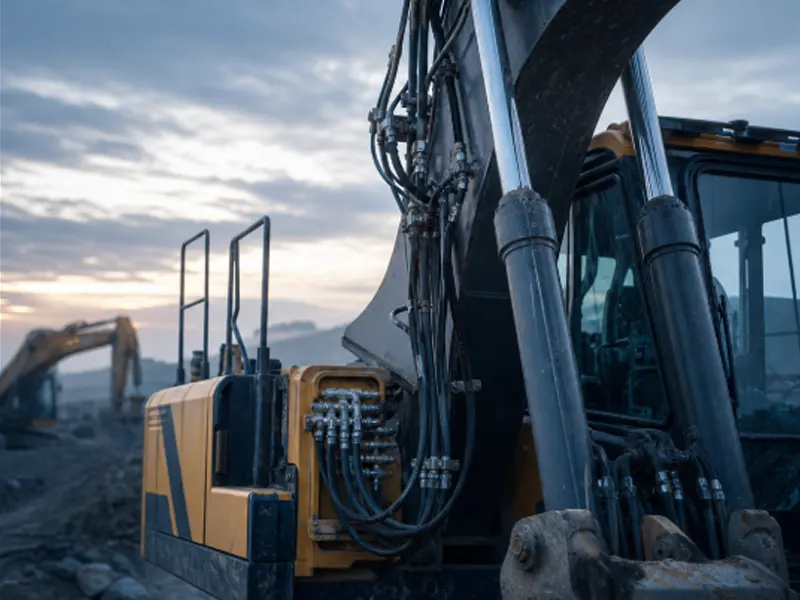
Construction machinery depends on hydraulic systems to lift, dig, steer, rotate and move heavy loads. The valves installed in these circuits must operate reliably through pressure spikes, vibration, contamination and temperature changes.
Chenyang Hydraulic manufactures standard and custom valve solutions for construction equipment. Product configuration can be evaluated using your working pressure, flow, connection, installation dimensions, drawing or existing model reference.
Ball and shut-off valves provide quick hydraulic line isolation for maintenance and attachment circuits.
Check valves prevent unwanted reverse flow but should not be treated as universal load-holding valves.
Throttle and speed control valves regulate oil flow when adjustable actuator movement is required.
Correct selection considers peak pressure, pressure drop, port standard, oil, temperature and available space.
Custom port direction, mounting, material, seals, handle and surface treatment can support OEM integration.
What Construction Machinery Demands from a Hydraulic Valve
A valve that fits the port is not automatically right for the machine. Mobile equipment creates a combination of pressure, motion and environmental challenges.
Rapid cylinder movement and changing loads can create transient pressure above normal working conditions. Confirm both operating and peak pressure.
Travel, digging and impact work place repeated loads on valve bodies, connections, handles and mounting arrangements.
External dirt and contaminated oil can damage seats, restrict internal movement and increase leakage or pressure loss.
Compact compartments require careful checking of body size, port direction, handle clearance and maintenance access.
Repeated pressure and thermal cycles make sealing materials, machining quality and stable assembly especially important.
Cold starts and high oil temperatures change viscosity, pressure drop and seal performance throughout the working day.
Four Different Jobs, Four Different Selection Priorities
Separating the functions helps buyers avoid using a visually similar valve for the wrong purpose.
Line Isolation
Ball and shut-off valves separate a line for maintenance, attachment replacement or circuit service.
Backflow Prevention
Check valves allow forward flow and block reverse flow according to their cracking pressure and design.
Speed Adjustment
Throttle and flow control valves regulate oil flow to influence hydraulic cylinder or motor speed.
Flow Switching
Three-way ball valves can divert or select between flow paths when the internal port pattern matches the circuit.
FAQs
What hydraulic valves are used in construction machinery?
Construction machinery may use hydraulic ball valves, shut-off valves, check valves, throttle valves, speed control valves, directional valves and load-control valves. The correct type depends on whether the circuit needs isolation, backflow prevention, flow adjustment, flow switching or load holding.
Which hydraulic valves are suitable for excavators?
Excavators commonly use high-pressure ball valves, shut-off valves, check valves and flow control valves in auxiliary lines, attachment circuits, breaker lines, test ports and maintenance isolation points. Selection must match the pressure, flow, connection and circuit function.
Can a hydraulic ball valve control cylinder speed?
A ball valve is primarily designed for fully open or fully closed operation. It is not normally suitable for precise cylinder speed adjustment. Use a throttle valve, speed control valve or pressure-compensated flow control valve when adjustable speed control is required.
What pressure rating is required for construction equipment?
There is no single pressure rating suitable for every machine. The valve must be selected according to the equipment’s normal working pressure, maximum pressure and possible pressure spikes. Always confirm the hydraulic system data before ordering.
What is the difference between a two-way and three-way hydraulic ball valve?
A two-way ball valve opens or closes one flow path. A three-way valve has three ports and can switch or divert flow between different lines. The internal L-port or T-port configuration must match the hydraulic circuit.
Are block-type ball valves suitable for construction machinery?
Block-type ball valves are often suitable for mobile machinery because they are compact and available with multiple hydraulic connection standards. Pressure, flow, dimensions and connection type must still be confirmed.
Can a standard check valve hold a suspended load?
A standard check valve may prevent reverse flow, but it should not automatically be treated as a safe load-holding valve. Suspended-load circuits often require pilot-operated check valves, counterbalance valves or other purpose-designed load-control components.
How do I choose the correct connection type?
Check the equipment drawing or existing connection carefully. Common standards include BSP, NPT, SAE and metric threads. Also confirm male or female connection, sealing method, tube size and port dimensions.
Can construction machinery hydraulic valves be customized?
Yes. Valves can be customized according to drawings, samples, pressure ratings, flow requirements, connection standards, materials, seals, mounting dimensions, port directions, handles and surface treatments.
What information should I send for a quotation?
Please provide the equipment type, valve function, working pressure, maximum pressure, flow rate, port size, connection type, hydraulic fluid, temperature, material, quantity and any available drawing, sample or existing model number.
Contact Us
Talk to our engineering team for product selection, technical support, and customized hydraulic valve solutions.
Need Hydraulic Valves for Construction Machinery?
Send your working pressure, flow, connection, dimensions, material requirement, quantity and drawing. We will evaluate a suitable standard valve family or custom production route.