
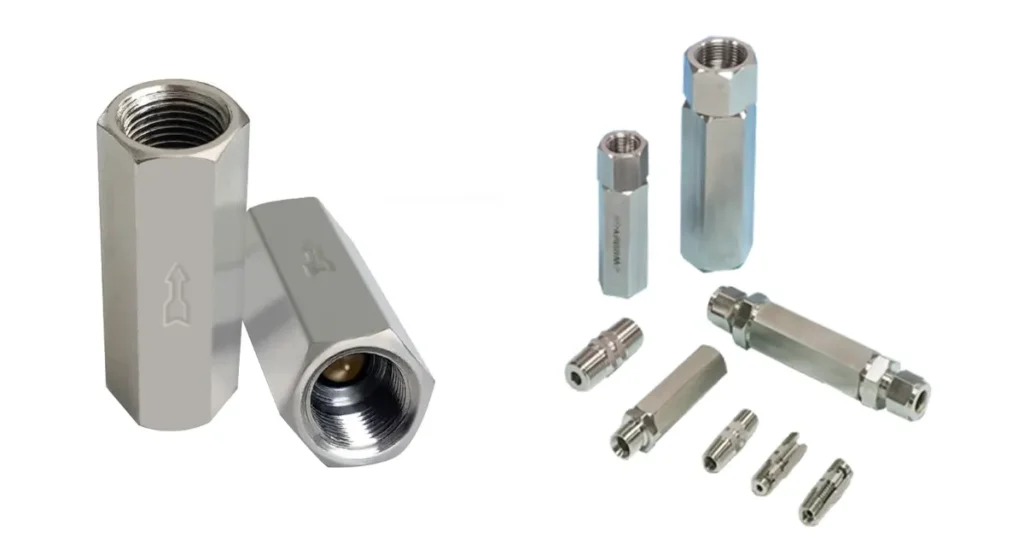
Check valve cracking pressure means the lowest upstream pressure needed for you to see any flow through a check valve. You can think of it as the point where the valve just begins to open. This pressure is not the same as the full-open pressure, which is higher and allows maximum flow. Cracking pressure plays a big role in how your system works. It affects when fluid starts moving and helps prevent backflow. Here’s why it matters:
- It sets the minimum pressure needed to open the valve and let fluid through.
- The valve design, like spring loaded or springless, changes how the cracking pressure behaves.
- Spring loaded check valves seal better and leak less, but springless types open with almost no pressure.
Choosing the right cracking pressure keeps your system reliable and efficient.
Key Takeaways
- Cracking pressure is the lowest pressure needed to move fluid through a check valve.
- Picking the correct cracking pressure helps your system work well and stops backflow.
- Different check valve designs change cracking pressure. Spring-loaded valves seal better than ones without springs.
- Always look at the datasheet for the exact cracking pressure. This helps you avoid problems in your system.
- Low cracking pressure makes fluid flow start easily. High cracking pressure gives better backflow protection.
- Watch your system’s working pressure. Make sure it is higher than the cracking pressure for smooth operation.
- Fluid thickness affects cracking pressure. Thicker fluids need more pressure to open the valve.
- Testing cracking pressure the right way helps stop delays and keeps your hydraulic system working well.
Check Valve Cracking Pressure Basics
What Is Cracking Pressure
When you look at a check valve, you might ask when it lets fluid through. The answer is that cracking pressure is the lowest pressure at the inlet that makes the valve open a little. This is when you first see fluid start to move. Think of it as the starting point for flow in your system. If the pressure is lower than this, nothing will pass through.
Different check valves have their own cracking pressure traits. Here is a table showing some common types and what to expect:
| Check Valve Type | Cracking Pressure Characteristics |
|---|---|
| Inline Check Valves | Usually have lower cracking pressures, good for low-flow jobs |
| Dual Disc Check Valves | Small design with medium cracking pressures |
| Y-Check Valves | Easy to maintain and have steady cracking pressure |
| Spring Check Valves | You can change cracking pressure by picking a spring |
| Ball Check Valves | Simple and use gravity, so cracking pressure can change |
| Foot Valves | Special check valves for pump suction lines |
You can see that the valve’s design changes how much pressure you need to start flow. For example, spring check valves let you pick a spring to set the cracking pressure you want. Ball check valves use gravity, so their cracking pressure is not always the same.
Tip: Always look at the datasheet to find the exact cracking pressure for your valve. The maker tests and lists these numbers for you.
Pressure Differential Role
People sometimes talk about “pressure differential” with check valves. This means the difference in pressure between the inlet and outlet sides. The pressure difference is what pushes the valve open.
- Cracking pressure is the pressure difference needed to start flow.
- You measure it when there is no flow, just as the valve opens.
- When fluid moves, the pressure drop across the valve can change.
The pressure difference is important because it shows the least force needed to open the valve. If your system never gets to this pressure, the valve stays shut and nothing moves. Spring tension, valve size, and the type of fluid can all change the cracking pressure.
- Cracking pressure is measured as the difference between inlet and outlet, usually in PSI.
- For spring-loaded check valves, the spring and flow direction matter.
- In swing check valves, the flapper’s weight sets the cracking pressure, so you have less control.
Cracking vs. Full-Open Pressure
You might think that when a check valve cracks open, it is ready for full flow. That is not true. Cracking pressure is just the beginning. Full-open pressure is higher. It is the pressure needed to push the valve all the way open so fluid can move easily.
Let’s break it down:
- Cracking pressure: The valve just starts to open. You see the first bit of flow.
- Full-open pressure: The valve is fully open. You get the most flow with the least resistance.
If you only reach the cracking pressure, your flow will be slow and small. To get the best results, your system should reach or go above the full-open pressure. This helps you avoid slow response or extra wear on your equipment.
Note: Always know both the cracking pressure and the full-open pressure for your check valve. This helps you size your system right and avoid problems.
How Check Valve Cracking Pressure Works
Inlet and Outlet Pressure
You need to check the pressure on both sides of a check valve. The inlet pressure pushes fluid toward the valve. The outlet pressure is on the other side. When the inlet pressure gets higher than the outlet pressure by a certain amount, the valve starts to open. This difference is called the check valve cracking pressure. If the inlet pressure is too low, the valve stays closed. Nothing will flow through. This happens in systems where pumps turn on and off a lot. The pressure must be high enough before the valve opens.
Valve Mechanism and Spring Force
A check valve works because of its inside parts. Many check valves use springs to keep the valve closed. The spring force decides the cracking pressure. You need enough pressure to push against the spring and open the valve. Springs also help the valve seal tightly when closed. This stops leaks and backflow.
- The cracking pressure is the lowest pressure needed to open the valve against the spring.
- Spring force is important for a good seal when the valve is closed.
- The way spring force and cracking pressure work together helps stop backflow.
Poppet, Ball, Disc Types
Check valves have different designs inside. Each design handles cracking pressure in its own way.
| Valve Type | How It Works | Cracking Pressure Control |
|---|---|---|
| Poppet | Has a spring-loaded plug | Spring sets cracking pressure |
| Ball | Has a ball and uses gravity or a spring | Gravity or spring changes cracking pressure |
| Disc | Has a swinging disc | Weight or spring controls cracking pressure |
If you pick a spring-loaded poppet, you can choose the spring strength to set the cracking pressure. Ball types may use gravity, so the cracking pressure can change if the valve is not straight up. Disc types use weight or springs, so you have some control.
Fluid Properties Impact
The fluid in your check valve changes how much pressure you need to open it. Viscosity and density are important.
- Viscosity changes how hard it is for the valve to open.
- Thicker fluids need more pressure to open the valve.
- Density changes how much force is on the valve, which changes the cracking pressure.
If you use a thin fluid, it moves easily and needs less pressure to open the valve. Thick fluids need more force, so the cracking pressure goes up.
- Thin fluids move easily, so cracking pressure is lower.
- Thick fluids need more force, so cracking pressure is higher.
The properties of the fluid, like viscosity and density, can change the cracking pressure. Thick fluids need more force to move through the valve, which can make the cracking pressure higher.
You should always check what kind of fluid is in your system. If you switch from water to oil, the cracking pressure might change. This can change how your system starts and stops.
Cracking Pressure and Other Pressure Terms
Full-Open Pressure
After a check valve cracks open, full-open pressure is next. This is the pressure that pushes the valve all the way open. When you reach full-open pressure, fluid moves easily. The valve gives the least resistance. If you only reach cracking pressure, the valve opens a little. You get just a small flow. Full-open pressure lets you have the most flow. You need to know both values to size your system right.
Here’s a quick comparison:
| Term | What It Means |
|---|---|
| Cracking Pressure | Valve just starts to open, first flow appears |
| Full-Open Pressure | Valve is fully open, maximum flow possible |
If your system never gets to full-open pressure, flow can be slow. Your equipment might wear out faster. Always check both numbers in the datasheet before you pick a valve.
Working Pressure
Working pressure is the pressure your system uses most of the time. You want working pressure to stay above cracking pressure. If working pressure drops below cracking pressure, the check valve closes. Flow stops. This can cause problems in your process.
Let’s break down the relationship:
- Cracking pressure is the lowest pressure needed for flow to start.
- Working pressure must be higher than cracking pressure for the valve to stay open.
- If working pressure falls below cracking pressure, the valve shuts and blocks flow.
You should always check your system’s working pressure before choosing a check valve. If your working pressure is too close to the cracking pressure, you might see unstable flow or valve chatter.
Tip: Keep a safe margin between working pressure and cracking pressure. This helps your system run smoothly and avoids sudden stops.
Maximum Pressure Rating
Maximum pressure rating tells you the highest pressure the check valve can handle safely. You never want to go over this value. If you do, you risk leaks, cracks, or even valve failure. Manufacturers test valves and list the maximum pressure rating in the datasheet.
Here’s what you need to remember:
- Maximum pressure rating is not the same as cracking pressure or working pressure.
- It’s the absolute limit for safe operation.
- Always check this rating before installing a valve in your system.
If your system pressure gets close to the maximum rating, you should use a stronger valve or redesign your setup. Safety comes first.
Note: Always use a check valve with a maximum pressure rating higher than your system’s peak pressure. This protects your equipment and keeps your process safe.
Pressure Drop
When you use a check valve, you always get some resistance to flow. This resistance is called pressure drop. The pressure drop across the check valve is the difference in pressure between the inlet and the outlet when fluid moves through the valve. You might think this is a small detail, but it can have a big impact on your system.
Here’s what happens:
- Every check valve creates a pressure drop that your pump must overcome.
- This pressure drop means your pump works harder and uses more energy.
- If the pressure drop is high, you may need a bigger pump, which costs more to run.
Let’s look at why this matters for you:
- The energy lost as fluid pushes through the valve adds up over time.
- High pressure drops can make your system less efficient.
- If you pick a valve with too much resistance, you could spend thousands more on electricity over the years.
Tip: Always check the datasheet for pressure drop values before you choose a check valve. A valve that looks cheap at first might cost you much more in energy bills later.
You can use this table to see how pressure drop affects your choices:
| Valve Size | Typical Pressure Drop | Pump Size Needed | Energy Cost Impact |
|---|---|---|---|
| Small | Low | Small | Lower |
| Medium | Medium | Medium | Moderate |
| Large | High | Large | Higher |
If you want your system to run smoothly and save money, you need to size your valve correctly. Proper calculations help you manage energy losses and prevent system damage. Don’t ignore the pressure drop across the check valve. It’s a key part of system design.
Resealing Pressure
After the flow stops or reverses, you want your check valve to close tightly. This is where resealing pressure comes in. Resealing pressure is the minimum reverse pressure needed to close the valve and stop leaks. If the reverse pressure is too low, the valve might not seal well, and you could get backflow.
You need good resealing pressure for these reasons:
- It keeps your system stable by stopping unwanted flow.
- It protects pumps and other equipment from damage.
- It helps you avoid leaks that could cause safety or environmental problems.
In some check valves, like those without springs, you need enough backpressure to push the valve closed. If you don’t have enough, the valve might not seal, and fluid could leak backward. This is especially important in systems where you need high sealing performance.
Note: Always check the resealing pressure in the datasheet, especially if your system needs to prevent any backflow. Good resealing pressure means better protection for your equipment.
Why Cracking Pressure Matters
Valve Response
You want your check valve to react quickly when your system needs it. The cracking pressure sets the point where the valve starts to open. If the cracking pressure is too high, the valve might respond slowly. If it is too low, the valve could open too soon and cause problems. The response time depends on how fast the pressure builds up and how the valve mechanism works.
Take a look at this table to see how different factors affect valve response:
| Evidence | Description |
|---|---|
| Dynamic Pressure Feedback | The dynamic pressure feedback orifice resulted in a longer response time by the relief valve, although it improved the valve stability. |
You can see that a slower response might make your system more stable, but it can also delay flow. If the seat of a relief valve erodes, the cracking pressure drops. This change can cause your system to lose the working pressure it needs. You might notice that a pilot-operated relief valve works well for low pressure override jobs, but it usually responds slower.
- A high cracking pressure can delay valve opening.
- A low cracking pressure can make the valve open too early.
- Changes in valve parts can shift the cracking pressure and affect response.
Flow Start and System Efficiency
You need the right cracking pressure to start flow at the right time. The check valve cracking pressure is the minimum upstream pressure needed to open the valve for detectable flow. If your system cannot reach this pressure, the valve stays closed and nothing moves. When the pressure is just right, fluid starts to flow, and your system works as planned.
- Cracking pressure controls when flow begins.
- It influences how efficient your system runs.
- The pressure differential must overcome the valve’s resistance to get flow started.
If you pick a check valve with the wrong cracking pressure, your pump might work harder than needed. This wastes energy and can raise your costs. You want the pressure to match your system’s needs so you get smooth flow and good efficiency. In industrial systems, cracking pressure plays a big role, especially when flow rates change.
Backflow Protection
You rely on your check valve to stop backflow. The cracking pressure helps keep the valve closed when the pressure drops or reverses. If the cracking pressure is set too low, the valve might not seal well. This can let fluid leak backward and cause damage. If the pressure is set too high, the valve might not open when you need it, blocking flow.
- Proper cracking pressure keeps your system safe.
- It protects pumps and equipment from reverse flow.
- It helps prevent leaks and keeps your process stable.
You should always check the datasheet for the right cracking pressure. This makes sure your check valve works as expected and keeps your system running smoothly.
Pressure Loss and Pump Load
You might not realize how much cracking pressure affects your pump and your whole system. When you pick a check valve, you set the minimum pressure needed to open it. This pressure creates resistance. The pump must work harder to push fluid through the valve. If the cracking pressure is high, your pump faces more resistance. That means more energy use and higher costs.
Let’s break it down. Every check valve adds a bit of pressure loss. This loss is the difference between the pressure before the valve and after it. Your pump must overcome this loss to keep fluid moving. If you choose a valve with a high cracking pressure, you increase the load on your pump. The pump needs to push harder, which can lead to:
- More electricity use
- Higher operating costs
- Faster pump wear
- Extra heat in your system
You want your system to run smoothly. If the pump works too hard, it can overheat or break down. You might see more maintenance and downtime. That’s not good for your business or your budget.
Here’s a simple table to show how cracking pressure affects pump load:
| Cracking Pressure | Pump Load | Energy Use | Maintenance Needs |
|---|---|---|---|
| Low | Light | Lower | Less frequent |
| Medium | Moderate | Moderate | Average |
| High | Heavy | Higher | More frequent |
If you pick a valve with low cracking pressure, your pump does not need to work as hard. You save money on energy and repairs. If you pick a valve with high cracking pressure, your pump faces a heavy load. You spend more on electricity and maintenance.
Tip: Always check the datasheet for pressure loss values. Look for valves with cracking pressure that matches your system needs. You can save money and avoid problems by making the right choice.
You should also think about the size of your pump. If you use a valve with high cracking pressure, you might need a bigger pump. That costs more upfront and over time. If you use a valve with low cracking pressure, you can use a smaller pump. That saves money and space.
You can see how important cracking pressure is for your system. It affects how hard your pump works, how much energy you use, and how often you need repairs. Make sure you pick the right valve for your job. Your pump will thank you!
Low vs. High Cracking Pressure
Low Cracking Pressure Pros
You might wonder why someone would choose a check valve with low cracking pressure. There are some clear benefits. Low cracking pressure means the valve opens with just a little push from the fluid. This makes your system more sensitive and responsive.
- Easy Flow Start: You don’t need much pressure to get fluid moving. This is great for systems with gentle pumps or gravity-fed lines.
- Less Pump Load: Your pump works less because it doesn’t have to fight against a strong spring or heavy valve. You save energy and reduce wear.
- Better for Low-Pressure Systems: If your system runs at low pressure, a valve with low cracking pressure fits perfectly. You avoid delays and keep things running smoothly.
- Reduced Pressure Loss: The valve opens quickly, so you lose less pressure across it. This helps keep your system efficient.
Tip: Low cracking pressure valves work well in applications where you want fast response and minimal resistance.
Low Cracking Pressure Cons
Low cracking pressure isn’t always the best choice. You need to think about the downsides before you decide.
- Risk of Backflow: The valve might open too easily, letting fluid move backward if the pressure drops. This can cause leaks or damage.
- Less Sealing Power: With a weak spring or light mechanism, the valve may not seal tightly. You could see more leakage when the system shuts down.
- Sensitive to Pressure Fluctuations: If your system pressure changes a lot, the valve might chatter or open and close too quickly. This can lead to unstable flow.
- Not Ideal for High-Pressure Jobs: In systems with strong pumps or high pressure, a low cracking pressure valve might not hold up. You could see unwanted movement or even valve failure.
Here’s a quick table to help you compare:
| Pros | Cons |
|---|---|
| Easy flow start | Risk of backflow |
| Less pump load | Less sealing power |
| Good for low-pressure jobs | Sensitive to fluctuations |
| Reduced pressure loss | Not for high-pressure systems |
High Cracking Pressure Pros
Now, let’s look at the advantages of high cracking pressure. You get a valve that needs more force to open. This can be a big plus in certain situations.
- Strong Backflow Protection: The valve stays closed until the pressure is high enough. You keep fluid moving in the right direction and avoid leaks.
- Better Sealing: A strong spring or heavy mechanism helps the valve seal tightly. You see less leakage and more reliable performance.
- Stable Operation: High cracking pressure makes the valve less sensitive to small pressure changes. You avoid chatter and get steady flow.
- Ideal for High-Pressure Systems: If your system runs at high pressure, a valve with high cracking pressure can handle the load. You get durability and safety.
Note: High cracking pressure valves are perfect for jobs where you need strong sealing and reliable backflow protection.
High Cracking Pressure Cons
You might think high cracking pressure sounds great for tough jobs, but it comes with some real drawbacks. If you choose a check valve with high cracking pressure, you need to watch out for these issues:
- Harder Flow Start: Your system needs a lot of force to get fluid moving. If your pump isn’t strong enough, the valve stays closed. You might see delays or even no flow at all.
- Increased Pump Load: The pump has to work extra hard to push past the strong spring or heavy valve. This means more energy use and higher bills. Your pump could wear out faster, too.
- Higher Pressure Loss: You lose more pressure across the valve. This can make your system less efficient. If you want smooth flow, high cracking pressure can get in the way.
- Not Good for Low-Pressure Systems: If your system runs at low pressure, a high cracking pressure valve just won’t open. You could end up with blocked lines or stalled equipment.
- Slower Response: The valve takes longer to react when you need flow. If your process needs quick action, high cracking pressure can slow things down.
Here’s a table to help you see the downsides:
| Cons | Impact on Your System |
|---|---|
| Harder flow start | Delayed or blocked flow |
| Increased pump load | More energy, faster wear |
| Higher pressure loss | Lower efficiency |
| Not for low-pressure jobs | Valve stays closed |
| Slower response | Missed timing, slow operation |
Tip: If you notice your pump working harder or your flow slowing down, check the cracking pressure. You might need a valve with a lower cracking pressure.
You can run into trouble if you pick a valve that’s too tough for your system. Pumps can overheat, lines can clog, and your whole process can grind to a halt. High cracking pressure works best in high-pressure jobs, but it’s not a one-size-fits-all solution. Always match the valve to your system’s needs.
If you’re unsure, ask your supplier for advice. They can help you find the right balance between sealing power and easy flow. Don’t let high cracking pressure cause headaches in your operation. Choose wisely, and your system will thank you.
Selecting the Right Check Valve Cracking Pressure
System Pressure and Flow
You want your check valve to work with your system, not against it. Start by looking at your system’s pressure. This is the force that pushes fluid through your pipes. If your system runs at low pressure, you need a check valve with a low cracking pressure. That way, the valve opens when you need it to. If your system uses high pressure, you can pick a valve with a higher cracking pressure for better sealing.
Think about your flow rate, too. Flow rate means how much fluid moves through your system in a certain time. If you have a high flow rate, you want a valve that opens wide and fast. If your flow is slow, a valve with normal cracking pressure works well. Always match the valve to your system’s needs.
Here’s a quick checklist for you:
- Check your system’s minimum and maximum pressure.
- Measure your normal flow rate.
- Pick a check valve that opens at the right pressure for your setup.
Tip: If you are not sure, ask your valve supplier for help. They can help you find the best fit for your system.
Allowable Pressure Drop
Every check valve creates some resistance. This resistance causes a pressure drop. Pressure drop is the difference in pressure before and after the valve. You want to keep this drop as low as possible. If the pressure drop is too high, your pump has to work harder. This means more energy use and higher costs.
When you choose a check valve, look for one that keeps the pressure drop within your system’s limits. Some valves have special designs for minimizing cracking pressure and reducing pressure loss. If you need to save energy, focus on valves with low pressure drop.
Here’s a table to help you see how pressure drop affects your system:
| Pressure Drop | Pump Workload | Energy Use | System Efficiency |
|---|---|---|---|
| Low | Light | Low | High |
| Medium | Moderate | Medium | Medium |
| High | Heavy | High | Low |
Note: Always check the datasheet for pressure drop values. This helps you avoid surprises after installation.
Fluid Viscosity and Temperature
The type of fluid in your system changes how your check valve works. Viscosity means how thick or thin your fluid is. Water is thin, oil is thick. Thick fluids need more force to move, so the cracking pressure goes up. Thin fluids flow easily, so the valve opens with less pressure.
Temperature also matters. Hot fluids can get thinner, while cold fluids get thicker. If your system runs hot or cold, check how temperature changes your fluid’s viscosity. This can change the cracking pressure you need.
Here’s what you should do:
- Know your fluid’s viscosity at normal operating temperature.
- Pick a check valve that works with your fluid type.
- If your fluid changes temperature, make sure the valve can handle those changes.
Tip: If you switch from water to oil, or if your system heats up, check if you need a different valve. The right choice keeps your system running smoothly.
Valve Position and Response
Where you place your check valve in the system changes how it works. You might not think about it, but gravity, orientation, and even vibration can affect the cracking pressure and how fast the valve reacts. If you install a check valve in a vertical line, gravity helps the valve close. In a horizontal line, the valve might need more pressure to open or close because gravity does not help as much.
You want your valve to respond quickly when the system starts or stops. If the valve sits far from the pump or at a high point, the pressure might drop before it reaches the valve. This delay can slow down the response time. Sometimes, you need the valve to open right away to avoid water hammer or sudden pressure spikes. Other times, a slower response keeps the system stable.
Here are a few things you should check:
- Valve Orientation: Vertical mounting usually gives you faster closing and better sealing. Horizontal mounting can slow things down.
- Distance from Pump: The farther the valve is from the pump, the longer it takes for pressure to build up and open the valve.
- System Vibration: If your system shakes or vibrates, the valve might open and close too quickly. This can cause chatter or even damage the valve.
- Height Differences: If the valve sits above or below the rest of the system, gravity can help or hurt the response.
Tip: Always match the valve’s cracking pressure to its position in the system. If you mount the valve high up, you might need a lower cracking pressure. If you put it close to the pump, a higher cracking pressure could work better.
You can test the response by slowly increasing the pressure and watching when the valve opens. If you see a delay or hear chattering, you might need to change the valve type or its position. Fast response keeps your system safe and smooth. Slow response can lead to pressure surges or even leaks.
When you pick a check valve, think about where you will put it and how fast you need it to react. The right position and cracking pressure work together to give you the best performance.
Hydraulic Check Valve Applications
Pump Outlets
You often see a check valve right at the outlet of a pump. This spot matters because you want to stop fluid from flowing backward when the pump shuts off. If you don’t use a check valve here, backflow can damage your pump or cause leaks. The cracking pressure of the valve decides how quickly it opens when the pump starts. If the pressure is too high, the pump must work harder to push fluid through. If the pressure is too low, you risk leaks when the pump stops.
Here’s a quick tip:
Always match the cracking pressure to your pump’s minimum output. This keeps your system safe and avoids extra wear.
You can use this table to see how different cracking pressures affect pump outlets:
| Cracking Pressure | Pump Start | Backflow Risk |
|---|---|---|
| Low | Easy | Higher |
| Medium | Moderate | Lower |
| High | Hard | Lowest |
Cylinder Circuits
Hydraulic cylinders need smooth movement. You use a check valve in cylinder circuits to control flow direction and hold pressure. When you want the cylinder to extend or retract, the valve opens at the right pressure. If the cracking pressure is too high, the cylinder may move slowly or not at all. If it’s too low, you might see unwanted movement or leaks.
You want the valve to respond quickly but also seal tightly. This balance helps you control the cylinder and keep your system stable. Sometimes, you need to hold the cylinder in place. The check valve keeps pressure inside, so the cylinder doesn’t drift.
Tip: Test your cylinder circuit with different cracking pressures. Find the setting that gives you smooth movement and strong holding power.
Return Lines
Return lines carry fluid back to the reservoir. You use a check valve here to stop fluid from flowing backward into the system. The cracking pressure must be low enough so the fluid returns easily. If the pressure is too high, you create resistance and slow down the return flow. This can cause the pump to work harder and raise your energy costs.
You want the valve to open with just a little pressure. This keeps your system efficient and prevents pressure buildup in the return line. If you notice slow return flow, check the cracking pressure of your valve.
Here’s a simple list to help you:
- Use low cracking pressure for easy return flow.
- Check for leaks if the valve opens too easily.
- Watch for pressure spikes if the valve sticks closed.
You can see how the right check valve and cracking pressure make a big difference in pump outlets, cylinder circuits, and return lines. Each spot needs a different approach, but the goal stays the same: smooth flow, safe operation, and reliable performance.
Accumulator Circuits
You might use an accumulator in your hydraulic system to store energy or smooth out pressure spikes. Accumulators act like shock absorbers. They help your system run steady, even when loads change fast. But to make an accumulator work right, you need a check valve with the correct cracking pressure.
When you charge an accumulator, fluid flows in and builds up pressure. The check valve sits between the pump and the accumulator. It keeps the stored fluid from flowing back into the pump when the pump stops or the system pressure drops. If you pick a check valve with the wrong cracking pressure, you can run into problems.
Here’s what you need to watch for:
- Too High Cracking Pressure: The accumulator may not fill up all the way. Your system loses stored energy. You might see slow response or weak pressure when you need it most.
- Too Low Cracking Pressure: Fluid can leak back into the pump. The accumulator might not hold pressure. You risk losing the energy you stored.
Tip: Always match the check valve’s cracking pressure to your system’s minimum pump pressure. This helps the accumulator fill up and hold pressure without leaking.
Let’s look at a simple example. Imagine your pump runs at 1000 PSI, and your accumulator needs to stay charged at 900 PSI. If your check valve cracks open at 950 PSI, the accumulator never fills up. If it cracks at 100 PSI, fluid leaks back too easily. You want a cracking pressure just above the system’s normal backpressure, but below the pump’s output.
Here’s a quick table to help you decide:
| Cracking Pressure | Accumulator Fill | Risk of Backflow | System Efficiency |
|---|---|---|---|
| Too High | Poor | Low | Low |
| Just Right | Good | Low | High |
| Too Low | Good | High | Low |
You can see how the right cracking pressure keeps your accumulator working well. It stores energy, prevents leaks, and helps your system respond fast. If you notice your accumulator losing pressure or not filling up, check the valve’s cracking pressure first. A small change can make a big difference.
Note: Always check the datasheet for your check valve. The right cracking pressure keeps your accumulator circuit safe and efficient.
Issues from Incorrect Cracking Pressure
Delayed Opening
Have you ever noticed your system takes longer than expected to start moving fluid? This can happen if you pick a check valve with the wrong cracking pressure. When the cracking pressure is set too high, your system needs to build up more pressure before the valve opens. You might see pumps running, but nothing flows right away. This delay can slow down your whole process.
Imagine you need quick action in your hydraulic system. If the valve waits for extra pressure, you lose valuable time. Your equipment might not respond fast enough. This can be a big problem in machines that need instant movement or in safety systems. Always make sure the cracking pressure matches your system’s needs so you get the response you want.
Tip: If you notice slow starts, check the cracking pressure first. It’s often the main reason for delayed opening.
Excessive Pressure Loss
Choosing the wrong cracking pressure can also cause you to lose more pressure than you expect. Every check valve creates some resistance, but if the cracking pressure is too high, the pressure drop across the valve gets worse. Your pump has to work harder to push fluid through. This means more energy use and higher costs.
You might see these signs in your system:
- The pump runs hotter than normal.
- You hear strange noises from the pipes.
- The flow rate drops even when the pump works hard.
Here’s a simple table to show how this works:
| Cracking Pressure | Pressure Drop | Pump Effort |
|---|---|---|
| Low | Low | Light |
| High | High | Heavy |
If you want to save energy and money, always check the datasheet for pressure drop values. Pick a check valve with the right cracking pressure for your job.
Unstable Movement
Unstable movement is another issue you might face with the wrong cracking pressure. If the pressure needed to open the valve is too close to your system’s normal operating pressure, the valve can open and close too quickly. This makes the flow start and stop in short bursts. You might see jerky or uneven movement in your cylinders or actuators.
This problem can cause wear on your equipment. It can also make your process less accurate. If you need smooth and steady motion, make sure the cracking pressure is set just right. A small change can make a big difference in how your system runs.
Note: Unstable movement often points to a mismatch between your system pressure and the check valve’s cracking pressure. Adjusting this can help you get smoother operation.
Valve Chatter
Have you ever heard a strange rattling or clicking noise coming from your hydraulic system? That sound might be valve chatter. Valve chatter happens when a check valve opens and closes rapidly. You can spot it by the noise, but it also causes vibration and can damage your equipment.
Why does valve chatter show up? Incorrect cracking pressure is a big reason. If the cracking pressure is too close to your system’s normal operating pressure, the valve can’t decide whether to stay open or closed. The pressure keeps bouncing around the cracking point, so the valve moves back and forth quickly. You get that annoying chatter.
Let’s break it down:
- Too Low Cracking Pressure: The valve opens too easily. Small pressure changes make it snap open and shut.
- Too High Cracking Pressure: The system struggles to reach the pressure needed to open the valve. When it finally does, the valve slams open, then closes again as the pressure drops.
You might notice these signs:
- Loud clicking or rattling noises
- Pipes shaking or vibrating
- Flow that starts and stops in bursts
Here’s a quick table to help you spot valve chatter:
| Symptom | What It Means |
|---|---|
| Noise | Valve opens and closes rapidly |
| Vibration | System feels shaky |
| Uneven Flow | Fluid moves in short bursts |
Valve chatter isn’t just annoying. It can wear out your valve, damage seals, and even crack pipes. You might see leaks or need to replace parts sooner than you expect.
Tip: If you hear chatter, check your system pressure and the valve’s cracking pressure. Make sure they aren’t too close together.
You can fix valve chatter by picking a check valve with the right cracking pressure for your system. Sometimes, you need to adjust the spring or choose a different valve design. You can also add dampers or use a valve with a slower response to smooth out the movement.
Don’t ignore valve chatter. It’s a warning sign that something isn’t right. If you fix it early, you protect your equipment and keep your system running smoothly. If you need help, ask your supplier or check the datasheet for advice. You’ll save money and avoid headaches down the road.
Testing Cracking Pressure
Gradual Pressure Application
You want to test the cracking pressure of your check valve, but you don’t need fancy tools. You can use a simple pump or pressure source. Start by applying pressure slowly to the inlet side of the valve. Don’t rush. If you push too fast, you might miss the exact moment the valve opens. You need to increase the pressure step by step. Watch the gauge closely. When you see the pressure rise, keep your eyes on the numbers.
Here’s a quick checklist for gradual pressure application:
- Connect your pressure source to the valve inlet.
- Make sure the outlet is closed or monitored.
- Increase pressure slowly, not all at once.
- Watch for any signs of movement or flow.
Tip: If you use a hand pump, you can control the pressure better. This helps you spot the cracking point more easily.
Detecting Initial Flow
You need to know when the valve actually cracks open. The first sign is a tiny bit of fluid moving through the valve. Sometimes, you see a small bubble or drop. Other times, you hear a faint click or feel a vibration. You can use a flow meter or just watch for fluid at the outlet.
Here are some ways to detect initial flow:
- Look for drops or bubbles at the outlet.
- Listen for a soft click or pop from the valve.
- Use a flow meter for more accuracy.
- Feel for vibration in the pipe.
| Method | What You Notice | How Accurate? |
|---|---|---|
| Visual | Drops, bubbles | Good |
| Audible | Click, pop | Fair |
| Flow Meter | Digital reading | Best |
| Touch | Vibration | Fair |
Note: The first flow means you’ve reached the cracking pressure. Write down the pressure reading right away.
Importance of Accurate Testing
You want your system to work right every time. Accurate testing helps you avoid mistakes. If you guess the cracking pressure, you risk picking the wrong valve. This can lead to leaks, slow starts, or even equipment damage. You need to test carefully and record the results.
Why does accurate testing matter?
- You get reliable performance from your check valve.
- You prevent backflow and protect your pump.
- You save money by avoiding costly repairs.
- You keep your system safe and efficient.
If you test the cracking pressure the right way, you can trust your valve to open when you need it. You also make sure your system runs smoothly. Don’t skip this step. Take your time and do it right.
Accurate testing gives you confidence in your system. If you’re not sure, ask your supplier or check the datasheet for guidance.
Check Valve Selection Checklist
Key Steps Before Ordering
You want to make sure you pick the right check valve before you place your order. Here’s a simple checklist to help you out:
- Know Your System Pressure: Write down your minimum and maximum operating pressures. This helps you match the cracking pressure to your needs.
- Check Flow Rate: Measure how much fluid moves through your system. You want a valve that can handle your flow without slowing things down.
- Review Fluid Type: Is your fluid water, oil, or something else? The thickness (viscosity) and temperature can change how the valve works.
- Look at Valve Position: Decide if you’ll mount the valve vertically or horizontally. This affects how gravity and spring force work.
- Confirm Pressure Drop: Check the datasheet for pressure loss across the valve. You want to keep this as low as possible.
- Check for Backflow Needs: If you need strong backflow protection, pick a valve with higher cracking pressure and tight sealing.
- Read the Datasheet: Always check the manufacturer’s datasheet for cracking pressure, full-open pressure, and resealing pressure.
- Ask for Advice: If you’re unsure, reach out to your supplier or manufacturer. They can help you find the best fit.
Tip: Don’t guess. Double-check your numbers and compare them to the datasheet. This saves you headaches later.
Here’s a quick table to help you organize your info:
| Checklist Item | What to Record |
|---|---|
| System Pressure | Min/Max PSI |
| Flow Rate | GPM or LPM |
| Fluid Type | Water, Oil, etc. |
| Valve Position | Vertical/Horizontal |
| Pressure Drop | Datasheet Value |
| Backflow Protection | Yes/No |
| Datasheet Review | Cracking/Full-Open PSI |
| Expert Advice | Contact Info |
Hydraulic System Considerations
You need to think about how your hydraulic system works day-to-day. Every system is a little different, so you want to match your check valve to your setup.
- Pump Output: Make sure your pump can reach the cracking pressure. If your pump is weak, pick a valve with lower cracking pressure.
- Cylinder Movement: If you use cylinders, you want smooth starts and stops. Choose a valve that opens quickly but seals tight.
- Return Lines: For easy flow back to the tank, use a valve with low cracking pressure. This keeps your pump from working too hard.
- Accumulator Circuits: If you have an accumulator, set the cracking pressure just right. Too high or too low can cause leaks or slow response.
- Temperature Swings: If your system gets hot or cold, check how the fluid changes. Pick a valve that works in all conditions.
Note: Always test your system after installing a new valve. Watch for slow starts, leaks, or strange noises. If you see problems, check your cracking pressure and valve type.
You can use this checklist every time you order a check valve. It helps you avoid mistakes and keeps your hydraulic system running smooth. If you follow these steps, you’ll get the right valve for your job and save money on repairs and energy.
Conclusion
Selecting the correct check valve cracking pressure is essential for stable flow control, reliable sealing, and efficient hydraulic system operation. A cracking pressure that is too high may delay valve opening and increase energy loss, while a value that is too low may cause unstable operation or insufficient reverse-flow protection. Always confirm the required pressure, flow rate, back pressure, fluid condition, and installation position before making a selection.
At Chenyang Hydraulic, we manufacture standard and custom hydraulic check valves with different cracking pressures, connection types, materials, and pressure ratings. You can share your system parameters, drawings, or samples with us, and we will help you select and manufacture a check valve that matches your application requirements.
FAQ
What is check valve cracking pressure?
Cracking pressure is the lowest pressure at the valve’s inlet that lets fluid start to flow. You need this pressure to open the valve just enough for movement.
How do you find the right cracking pressure for your system?
You check your system’s minimum pressure and flow needs. Look at the datasheet for each valve. Ask your supplier if you feel unsure.
Can you adjust the cracking pressure on a check valve?
Some valves let you change the spring to adjust cracking pressure. Others have fixed settings. Always check the manufacturer’s instructions.
Why does fluid viscosity matter for cracking pressure?
Thicker fluids need more force to move. If your fluid is heavy, you need a higher cracking pressure. Thin fluids open the valve more easily.
What happens if you pick the wrong cracking pressure?
You might see leaks, slow starts, or pump overload. Your system could run less efficiently. Always match the valve to your system’s needs.
Do all check valves have the same cracking pressure?
No, each valve type and size has its own cracking pressure. You must check the datasheet for exact values.
How can you test a check valve’s cracking pressure?
You apply pressure slowly to the inlet. Watch for the first sign of flow. Record the pressure when the valve opens.
Is cracking pressure the same as full-open pressure?
No, cracking pressure is when the valve just starts to open. Full-open pressure is higher and lets maximum flow through.