
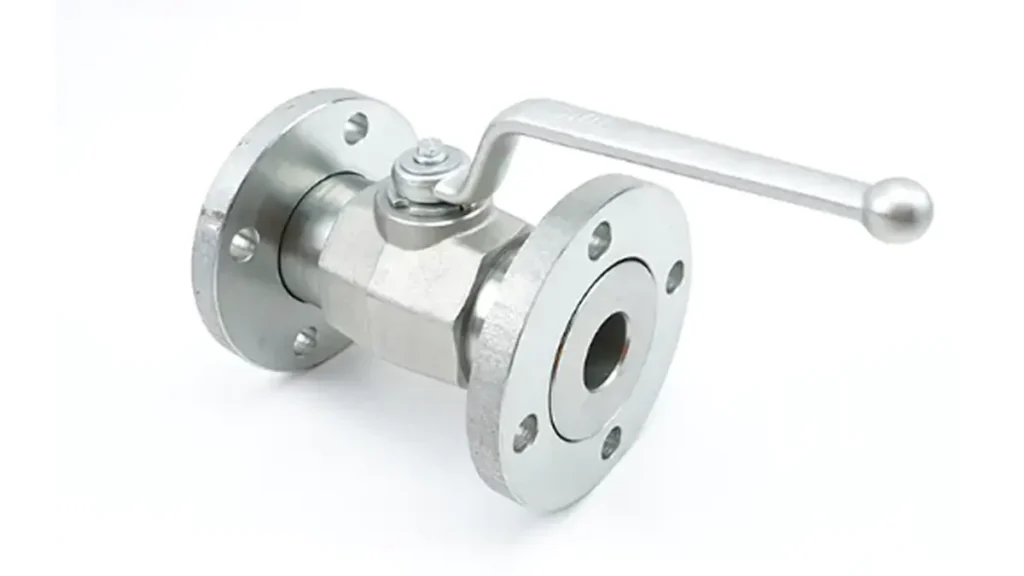
You want the best flanged ball valves for your hydraulic system. These valves must work with high pressure and harsh temperatures. They also need to handle tough fluids. The best flanged ball valves give you reliable shut-off. They are easy to maintain. They work well with hydraulic oil. You should check the pressure rating and temperature rating. You need to look at material compatibility and size. You should check sealing type and actuation method. Maintenance and cost are important too. The best flanged ball valves make your system safer. They also make it more efficient. If you see leaks or failures often, you may not have the best flanged ball valves. You will find answers to common mistakes and questions here.
Key Takeaways
- Flanged ball valves shut off flow well. They work best in high-pressure hydraulic systems.
- Check the valve’s pressure and temperature limits. Make sure they fit your system’s needs.
- Pick materials that work with your hydraulic fluid. This helps stop leaks and damage.
- Flanged connections are easier to fix than threaded ones. They let you check parts quickly.
- Choose how you want to control the valve. You can pick manual, electric, hydraulic, or pneumatic.
- Look at your valves often for leaks and damage. This keeps your system safe and working well.
- Think about the total cost, including fixing and upkeep, when picking a valve.
- Always match the flange size and type to your pipes. This stops problems when you install it.
Flanged Ball Valves Overview
Structure and Operation
You see ball valves everywhere in hydraulic systems. These valves use a round ball with a hole through the center. When you turn the handle, the ball rotates. This action opens or closes the flow of oil. You get a quick shut-off with just a quarter turn. Ball valves work well as shut-off valves because they seal tightly and stop leaks. You can find different types of ball valves, like the floating ball valve and the trunnion ball valve. The floating ball valve uses the pressure of the fluid to press the ball against the seat. This design gives you a good seal. The trunnion ball valve has extra support for the ball. This type handles higher pressure and larger sizes. You can trust ball valves for fast and reliable shut-off in many hydraulic circuits.
Flanged Connections
Flanged connections make your life easier when you work with hydraulic ball valves. You bolt the flanges together, which creates a strong seal. Flanged ball valves fit well in high-pressure systems. You can find flanged connections in many sizes and materials. They work better than threaded connections in tough jobs. Here’s a quick look at why flanged connections stand out:
| Advantage | Description |
|---|---|
| Readily available | You can find flanged connections in many sizes and materials. |
| High pressure performance | They handle high pressures better than most other fittings. |
| Ease of assembly | You can assemble them easily, even in tight spaces. |
| Maintenance benefits | You can inspect and replace seals or parts without much trouble. |
| Reduced chance of loosening | They stay tight, even in tough conditions. |
You get more benefits too. Flanged ball valves last longer in demanding hydraulic systems. The O-ring seal helps stop leaks. You can also do maintenance faster compared to threaded types of valves. If you need to check or replace a part, you just unbolt the flanges. You do not need to cut pipes or struggle with damaged threads.
Comparison to Other Shut-Off Valves
You might wonder how flanged ball valves compare to other shut-off valves, like gate valves or check valves. Flanged ball valves shine in high-pressure and high-temperature jobs. You can count on them for reliable shut-off, even when the system works hard. They are easier to maintain. You can remove a flanged ball valve quickly without cutting pipes. This feature helps when you need frequent maintenance. Threaded ball valves work better for small pipes and lower pressure. They can be hard to fix if the threads get damaged. Flanged ball valves handle much higher pressure than threaded types. Some flanged ball valves work up to 6,170 PSI, while threaded ones usually stop at 1,975 PSI. You see flanged ball valves in oil and gas, heavy machinery, and other places where you need strong shut-off valves. Check valves let fluid flow in one direction, but they do not give you the same control as a ball valve. You find many types of valves in hydraulic systems, but ball valves give you the best mix of speed, sealing, and reliability.
Why Flanged Ball Valves for Hydraulic Systems
Hydraulic System Demands
Hydraulic systems use high pressure and face tough jobs. You need valves that do not break easily. Ball valves help because they control flow fast and shut off tight. You can trust them to keep your system safe and working well. When you use hydraulic oil, you want a valve that does not leak and lasts long. Flanged ball valves are good for this. They have fewer moving parts, so they do not wear out fast. You can open or close them with a quick turn. This makes it easy to stop or start the flow right away.
Here’s why people like flanged ball valves in hydraulic systems:
| Feature | Description |
|---|---|
| Design Simplicity | Fewer moving parts mean less damage over time. |
| Fast Operation | You can open or close them very quickly. |
| Leak Prevention | They fit tightly, so leaks are rare. |
| Flow Efficiency | The full opening lets oil move easily. |
| Durability | They stand up to tough jobs and heat. |
| Ease of Maintenance | You can take them apart and fix them fast. |
Benefits in High Pressure
Hydraulic systems often use high pressure. Ball valves with flanged ends handle this better than most valves. Some ball valves work up to 10,000 psi. That is a huge amount of force! You need strong valves for big machines and test benches. Flanged ball valves keep your system safe when pressure gets high. They do not break or leak when stressed. You get a tight shut-off even at top pressure.
| Pressure Type | Value |
|---|---|
| Maximum Operating Pressure | 10,000 psi |
| Working Pressure | 6,000 psi |
| Pressure Range | 250 PSI to 10,000 PSI |
| Pressure Grade | 420 bar / 210 bar |
You can count on flanged ball valves to keep things running well. High pressure needs strong valves. Ball valves give you that strength and dependability.
Compactness and Space Saving
Space is important in hydraulic systems. You often work in small areas. Flanged ball valves save space because they are small. Wafer segment ball valves fit between flanges, so you do not need extra room. This design makes your system lighter. You use less material and fewer bolts. That saves money and makes it easier to put together. You can use smaller actuators and fit valves in tight spots. Compact ball valves make your system work better and are easier to fix.
Tip: If you want to save space and money, pick flanged ball valves with a small body. It will make putting them in and fixing them much easier.
Typical Applications
You can find flanged ball valves in many hydraulic systems. These valves are used when you need strong shut-off and easy fixing. If you work with big machines or high-pressure systems, you use these valves a lot. They help control oil and keep machines safe.
Here are some places where people use these valves:
- Energy supply systems use them to handle high pressure and keep flow steady.
- Steel works use them to control hydraulic circuits in hard jobs.
- Pipeline builders use them for fast shut-off and to stop leaks.
- Power stations use them to control oil and protect important equipment.
- Wastewater plants use them to move fluids and stop contamination.
- Chemical storage places use them to handle strong fluids safely.
- Metal treatment needs valves that can take heat and pressure.
- Pharmaceutical companies need clean and exact shut-off for their systems.
- Mining machines use them to work in rough places and carry heavy loads.
- Power plants use them for safety and to work well.
- Agrochemical jobs need valves that do not rust and work with many fluids.
You also see these valves in hydraulic machines and mining tools. These machines need valves that can take a lot of use and still work. If you use a test bench or build things, you want a valve that opens and closes fast. Flanged ball valves give you speed and trust.
Note: You can use flanged ball valves in almost any hydraulic system. They fit well in both moving and factory machines. You get strong results in small and big machines.
Here is a table to show where these valves help:
| Application Area | Why Use Flanged Ball Valves? |
|---|---|
| Power Units | Fast shut-off, easy fixing |
| Construction Machinery | Handles high pressure, does not wear out fast |
| Machine Tools | Good control, tight seal |
| Test Benches | Quick to use, shuts off well |
| Industrial Equipment | Lasts long, safe for hard jobs |
You can see these valves work in many places. If you want a valve that lasts and keeps your system safe, think about flanged ball valves. They help stop leaks, save time, and make your work easier.
What Makes the Best Flanged Ball Valves
Performance and Reliability
You want your hydraulic ball valve to work well every time. Good performance means it opens and closes easily. It should do this even when pressure or temperature is high. Reliability means you can trust it for many years. The best ball valves are strong and seal tightly. They are easy to use. You get quick shut-off and steady oil flow. In a hydraulic system, you need a valve that works with heat and pressure. It should not wear out or break. Look for valves with tough seats and strong stems. The ball inside should move smoothly. These things help the valve last longer and work better.
Leak Prevention and Sealing
Stopping leaks is very important in hydraulic ball valves. You do not want oil to leak out. The best ball valves use special sealing methods. Screw-type fittings work well with very high pressure. They have a small area for sealing. Flange-type body seals have a bigger sealing area. You can use different gaskets with them. This helps you pick the right seal for your system. Stem seals matter too. One-piece packing is simple but can leak if it gets cold. Two-piece chevron packing works better with heat and pressure. It keeps the seal tight and stops leaks. Always check the sealing parts before you pick a ball valve. If you see leaks, you may need a better seal. Good seals keep your valve safe and working well.
Tip: Always look at the sealing area and packing type when you choose ball valves. Better seals mean fewer leaks and longer use.
| Sealing Feature | Benefit |
|---|---|
| Screw-type fitting | Handles very high pressure |
| Flange-type body seal | Flexible sealing solutions |
| Chevron packing | Works well with high temperature and pressure |
Durability and Maintenance
Durability is also very important in ball valves. You want a valve that can take heat, pressure, and tough fluids. Maintenance helps your valve last longer. Keep your valve clean and oiled. This helps it work better. Check your valve often for damage or leaks. Plan times to shut down and check all parts. Pressure tests help you find weak spots. Store extra valves in a dry, cool place. Do not let them get too hot or cold. These steps help your valve stay strong and last longer.
- Clean the valve so dirt does not block the ball or hurt the seal.
- Oil the stem and moving parts so they move easily.
- Check for damage or leaks near the stem, seals, and ball.
- Plan shutdowns to do deep cleaning and checks.
- Test pressure to find leaks.
- Store valves in dry, cool places.
If you do these things, your ball valve will last longer and work better. You will have fewer problems and get more use from your valves.
Fluid Compatibility
You have to think about fluid compatibility when choosing a flanged ball valve for your hydraulic system. Fluids are not all the same. Some fluids are thick, and some are thin. Some fluids can even change thickness when the temperature changes. If you pick the wrong valve, you might see leaks or sticking. The valve could even stop working. This can shut down your whole system and cost you money and time.
Let’s look at why fluid compatibility is important. Hydraulic fluids can be mineral oils, synthetic oils, water-glycol mixes, or special chemicals. Each kind of fluid reacts in its own way with valve materials. Some fluids can make seals get bigger or break apart. Other fluids can make the valve body rust or wear away. You want your valve to last a long time. So, you need to match the valve material to the fluid you use.
Thick fluids, like heavy oils, need more force to move through a valve. You might notice the valve is harder to open or close. Sometimes, the ball can stick if the fluid is too thick. This can slow things down or even cause damage. If your fluid gets thicker when it is cold, the problem gets worse. You should check the valve’s design and make sure it can handle these changes.
Here is a table to show how different fluids can affect your valve choice:
| Fluid Type | Common Issues | Best Valve Materials |
|---|---|---|
| Mineral Oil | Swelling of seals | Nitrile, Carbon Steel |
| Synthetic Oil | Seal breakdown | Viton, Stainless Steel |
| Water-Glycol | Corrosion, leaks | Stainless Steel, EPDM |
| Phosphate Ester | Seal softening | EPDM, PTFE |
| Aggressive Fluids | Corrosion, swelling | PTFE, Stainless Steel |
Tip: Always check the chemical compatibility chart from your valve supplier. This helps you avoid picking the wrong seal or body material.
You also need to think about temperature. When the fluid gets hot, it can get thinner. When it gets cold, it can get thicker. This change can make the valve harder or easier to use. If you use a valve that is not made for these changes, you might see leaks or sticking. The pressure needed to open the valve, called cracking pressure, can go up with thicker fluids. If your system uses thick oil, you need a valve that can handle higher opening pressures.
Here is what you should do:
- Know what kind of fluid you have and its properties.
- Check the temperature range in your system.
- Pick valve materials that work with your fluid.
- Ask your supplier for help if you are not sure.
You want your hydraulic system to work well. Picking the right flanged ball valve for your fluid keeps your system safe and working right. You stop leaks, have less downtime, and get the best performance from your equipment.
Key Specs for Hydraulic Ball Valves
Pressure Rating
You need to check the pressure rating before you pick ball valves for your hydraulic system. This rating tells you how much force the valve can handle. If you choose a ball valve with a low pressure rating, it might break or leak when your system runs hard. Most hydraulic systems use ball valves rated between 1,000 and 3,000 PSI. Some jobs need even higher ratings, like 6,000 PSI or more. You can find ball valves with different pressure grades. The right choice depends on your flow requirements and how tough your system is.
Here’s a table that shows common pressure ratings for flanged ball valves:
| PN Rating (bar) | ASME Class | Approx. PSI at Ambient | Governing Standard |
|---|---|---|---|
| PN 16 | Class 150 (partial) | 232 PSI | EN 1092-1 / ASME B16.5 |
| PN 20 | Class 150 | 290 PSI | EN 1092-1 / ASME B16.5 |
| PN 50 | Class 300 | 725 PSI | EN 1092-1 / ASME B16.5 |
| PN 110 | Class 600 | 1,450 PSI | EN 1092-1 / ASME B16.5 |
| PN 150 | Class 900 | 2,175 PSI | EN 1092-1 / ASME B16.5 |
| PN 260 | Class 1500 | 3,625 PSI | EN 1092-1 / ASME B16.5 |
| PN 420 | Class 2500 | 6,090 PSI | EN 1092-1 / ASME B16.5 |
You can see that ball valves come in many pressure grades. If you work with high-pressure oil circuits, you should look for Class 600 or higher. These ball valves keep your system safe and reliable.
Tip: Always match the pressure rating of your ball valve to your system’s highest working pressure. This helps prevent leaks and failures.
Temperature Rating
Temperature rating is another key spec you need to check. Hydraulic systems can get hot or cold, depending on the job. If your ball valve cannot handle the heat, seals may break or the valve body may warp. Most ball valves work well between -20°F and 400°F. Some special valves can handle even higher temperatures. You should check the temperature rating for both the valve body and the seals. If your system runs hot, pick ball valves with high-temperature seals like PTFE or Viton. If your system runs cold, make sure the valve does not freeze or crack.
Note: Always check the temperature rating for both the valve and the seals. This keeps your hydraulic system running smoothly.
Flange Size and Standards
You need to match the flange size and standards to your pipes and equipment. Flanged ball valves come in many sizes, from small (½ inch) to large (12 inch or more). The flange standard tells you how the valve connects to your pipes. The most common standards are ASME B16.5 and EN 1092-1. If you mix standards, you may have leaks or trouble fitting the valve. Always check the flange size and make sure it matches your system.
Here’s a quick checklist for flange size and standards:
- Check the pipe size in your system.
- Pick ball valves with matching flange size.
- Make sure the flange standard fits your pipes (ASME or EN).
- Double-check the bolt pattern and gasket type.
If you follow these steps, you will get a tight fit and avoid leaks. Flanged ball valves work best when you match the size and standard to your system.
Reminder: Never mix flange standards. Always use the same standard for all valves and pipes in your hydraulic system.
Material Selection
You want your flanged ball valve to last a long time. It should also work well with your hydraulic fluid. The material you pick is very important. Some materials can handle strong chemicals. Other materials are better for high pressure or heat. You need to choose a valve material that fits your system.
Here is a simple table about common materials and what they do best:
| Material | Advantages |
|---|---|
| PVDF | Stands up to strong chemicals, works with harsh liquids and gases, does not break in sunlight, can handle heat up to about 115°C. |
| Polyethylene (PE) | Light, good for strong acids and bases, used in water pipes, can handle heat up to about 60°C. |
| PTFE (Teflon) | Works with many chemicals, is very slippery, works with lots of fluids. |
| Metals | Best for high heat and pressure, does not break down in rough or corrosive fluids. |
If you use hot oil or high pressure, metal valves are best. If you use strong chemicals, PVDF or PTFE might be better. Always check what your fluid needs before you pick a material.
Tip: If you do not know which material to use, ask your supplier for a chart that shows what works.
Seat and Seal Materials
Seats and seals stop leaks in your valve. You need the right material for these parts too. Some seats can take more heat and pressure. Other seats are softer but may wear out faster.
Here is a table to compare metal seats and soft seats:
| Feature | Metal Seat Ball Valve | Soft Seat Ball Valve |
|---|---|---|
| Temperature Resistance | Handles very hot and cold (up to 1,500°F) | Depends on the material, usually not as high |
| Pressure Rating | Great for high-pressure jobs | Good for medium pressure |
| Wear Resistance | Very strong, even with hard coatings | Not good for fluids with grit |
| Leakage Prevention | Shuts tight, does not leak | Can change shape and leak |
| Maintenance Frequency | Needs less fixing | Needs more checks |
| Lifecycle Cost | Costs more at first, saves money later | Cheaper at first, may cost more later |
If you need a valve for high pressure or tough jobs, pick metal seats. For lower pressure or less harsh fluids, soft seats can work well.
Note: Always check the seat and seal material to make sure it works with your fluid and temperature.
Port Design (Full vs Reduced)
Port design changes how fluid moves in your valve. You can pick a full port or a reduced port. Each one has its own good points.
| Valve Type | Flow Characteristics | Pressure Drop Characteristics |
|---|---|---|
| Full Port Valve | Lets fluid move fast, gives you high flow. | Very little pressure drop, best for high-pressure jobs. |
| Reduced Port Valve | Smaller opening, slows down flow, can make more resistance. | Higher pressure drop, not as good for high flow or pressure. |
If you want the most flow and the least pressure loss, pick a full port valve. Reduced port valves are good if you need to save space or money, but you might see more pressure drop.
Tip: For most hydraulic systems, full port valves work better and help your pump do less work.
Actuation Methods
You have a few ways to open and close flanged ball valves in your hydraulic system. The way you choose is called the actuation method. Each method has its own strengths and weaknesses. Picking the right one can make your system easier to use and safer.
Here are the main actuation methods you will see:
- Manual: You turn a handle or lever by hand. This works well for small systems or places where you do not need to open and close the valve often.
- Electric: An electric motor moves the valve for you. You can control it with a button or from a control room. This is great for automation.
- Hydraulic: Oil pressure moves the valve. This gives you a lot of power and works well in high-pressure jobs.
- Pneumatic: Air pressure moves the valve. This is fast and clean, but not as strong as hydraulic.
Let’s look at electric and hydraulic actuation in more detail. These two are common in hydraulic systems:
| Actuation Method | Pros | Cons |
|---|---|---|
| Electric Actuated | High precision control, easy to connect to automation, no need for extra oil or air, advanced options. | Slower to respond, needs protection in tough places, can be heavy, may get hot during use. |
| Hydraulic Actuated | Very strong, perfect for high pressure, smooth and powerful movement. | More complex, costs more to set up, needs clean oil, leaks can cause pollution. |
Tip: If you want easy control and automation, electric actuators are a good choice. If you need lots of power, hydraulic actuators work best.
Think about how often you need to move the valve, how much power you need, and if you want to control the valve from far away. This will help you pick the right actuation method for your system.
Cost Considerations
Cost matters when you choose a flanged ball valve. You want a valve that fits your budget but also works well and lasts a long time. There are a few things to think about when you look at cost.
Here are the main cost factors:
| Cost Factor | Description |
|---|---|
| Initial Cost | The price you pay to buy the valve. |
| Total Cost of Ownership | All the money you spend over the valve’s life, including repairs and upkeep. |
| Local Availability | How easy it is to get the valve near you. This can change shipping time and cost. |
| Maintenance Frequency | How often you need to fix or check the valve. More maintenance means more cost. |
You might find a cheap valve at first, but it could cost more later if it breaks or needs lots of repairs. A valve that lasts longer and needs less fixing can save you money over time. If you can buy the valve close to home, you will wait less and pay less for shipping.
Note: Always think about the total cost, not just the price tag. A good valve saves you time, money, and trouble in the long run.
When you pick a flanged ball valve, balance the price with quality, reliability, and how easy it is to get and maintain. This helps your hydraulic system run better and keeps your costs under control.
Flanged vs Threaded Ball Valves
Pros and Cons
You see two main types of connections for ball valves in hydraulic systems: flanged and threaded. Each type has its own strengths and weaknesses. Flanged ball valves use bolts and gaskets to create a strong seal. Threaded ball valves screw into place with sealing tape. You get more pressure handling with flanged ball valves. They can take up to 6,170 PSI. Threaded ball valves usually max out at 1,975 PSI. Flanged ball valves also handle higher temperatures. Threaded ball valves work best in low to medium temperatures.
Here’s a quick table to help you compare:
| Feature | Flanged Ball Valves | Threaded Ball Valves |
|---|---|---|
| Connection Method | Bolts and gaskets | Screws and sealing tape |
| Pressure Handling | Up to 6,170 PSI | Up to 1,975 PSI |
| Temperature Handling | High temperatures | Low to medium temperatures |
| Installation Process | More complex, up to an hour | Simpler, 15-20 minutes |
| Best Application | High-pressure, industrial settings | Low-pressure, smaller systems |
Tip: If you need a valve for tough jobs or high pressure, flanged ball valves are the safer choice.
Installation and Maintenance
You want to know how easy it is to install and maintain these valves. Flanged ball valves take more time to install. You need to align the flanges, add gaskets, and bolt everything together. This process can take up to an hour. Threaded ball valves are quicker. You screw them in, add sealing tape, and you’re done in about 20 minutes. Maintenance is easier with flanged ball valves. You can unbolt them and check the seals or replace parts without cutting pipes. Threaded ball valves can be tricky if the threads get damaged. You might need to cut the pipe or use special tools.
- Flanged ball valves: Easier to maintain, better for frequent checks.
- Threaded ball valves: Faster to install, harder to fix if threads wear out.
Note: If you plan to do regular maintenance, flanged ball valves make your life easier.
When to Choose Each Type
You need to pick the right ball valve for your system. Flanged ball valves work best in high-pressure and industrial settings. You see them in power units, heavy machinery, and places where safety matters. Threaded ball valves fit smaller systems and low-pressure jobs. You use them in home workshops or simple hydraulic circuits.
Ask yourself these questions:
- Does your system run at high pressure?
- Do you need easy maintenance?
- Is your space limited?
If you answer yes to the first two, flanged ball valves are your best bet. If you need a quick install and your system is not too tough, threaded ball valves will do the job.
Remember: The right ball valve keeps your system safe and saves you time.
Applications of Ball Valves in Hydraulic Systems
Power Units
Power units are used in many hydraulic systems. These units need strong ball valves to work well. Ball valves help you shut off flow fast. They seal tight and stop leaks. This keeps your system safe. You see ball valves in energy supply, power plants, pipelines, sewage plants, and steel factories.
Ball valves do these jobs in power units:
- Stop flow in pipes
- Close tightly to prevent leaks
- Shut off reliably in high-pressure jobs
- Make fixing easier
Ball valves are not for controlling flow amount. They are for starting or stopping flow. In power plants, you need valves for high pressure and heat. Ball valves seal well and keep things separate. They also help with automation and make systems work better.
| Application | Benefit |
|---|---|
| Power generation in power plants | Seals well and keeps things separate in tough jobs |
| Critical applications | Lasts long and saves money in steam power plants |
| Automation | Reliable and easy to automate for better work |
Tip: If you want your power unit to last longer, pick ball valves with strong seals and easy fixing.
Construction and Agricultural Machinery
Hydraulic systems are used in construction and farm machines. These machines need tough valves for dirt, shaking, and heavy work. Ball valves help you control oil flow quickly. You can shut off the system fast if something breaks. This keeps your equipment safe and stops long downtime.
Ball valves in these machines:
- Handle high pressure and rough jobs
- Resist damage from dust and dirt
- Make repairs faster and easier
- Keep oil circuits clean and leak-free
You see ball valves in tractors, excavators, loaders, and harvesters. These valves let you work longer without leaks or failures. You can trust ball valves to keep your machine running in hard jobs.
Machine Tools and Test Benches
Machine tools and test benches need careful control. Ball valves help you start and stop oil flow fast. This lets you test equipment safely and get good results. Ball valves seal tight so you do not lose pressure.
In machine tools, ball valves:
- Shut off quickly for safety
- Keep oil circuits steady
- Make fixing simple
- Allow easy replacement
Test benches use ball valves for high-pressure oil circuits. You can open or close the valve with a quick turn. This makes your work faster and safer. Ball valves help you get reliable results every time.
Note: If you use machine tools or test benches, pick ball valves that fit your pressure and flow needs. This keeps your system safe and working well.
Mobile and Industrial Equipment
You see ball valves everywhere in mobile and industrial equipment. These machines work hard every day. They need strong valves that can handle tough jobs. When you use a ball valve in a forklift, crane, or dump truck, you get quick shut-off and easy control. You can stop the flow of oil fast if something goes wrong. This keeps your equipment safe and helps you avoid big repairs.
Ball valves work well in mobile equipment because they are compact. You do not have much space in these machines. A ball valve fits into tight spots without trouble. You can also find ball valves in industrial machines like presses, injection molding machines, and conveyor systems. These machines need reliable valves to keep oil moving and parts working.
Here are some ways ball valves help in mobile and industrial equipment:
- You can shut off oil flow quickly during maintenance.
- You get a tight seal that stops leaks.
- You can control the system with just a quarter turn.
- You save time because ball valves are easy to use.
Let’s look at a table that shows where you might use ball valves in these machines:
| Equipment Type | Ball Valve Use Case |
|---|---|
| Forklifts | Shut off hydraulic oil for repairs |
| Cranes | Control oil flow to lifting arms |
| Dump Trucks | Stop leaks in tipping systems |
| Press Machines | Isolate parts for safe maintenance |
| Conveyor Systems | Control oil to motors and brakes |
You want your equipment to last a long time. Ball valves help by making it easy to check for leaks and fix problems. You can open or close a ball valve fast, even if you wear gloves. This makes your job safer and easier.
Tip: Always check your ball valves during regular equipment checks. If you see leaks or the handle feels stiff, it might be time to replace the valve.
Ball valves are a smart choice for mobile and industrial equipment. They give you control, safety, and peace of mind. When you pick the right ball valve, your machines work better and last longer.
Common Mistakes in Valve Selection
Choosing the right ball valves for your hydraulic system can feel tricky. Many people make the same mistakes, but you can avoid them if you know what to watch for. Let’s look at some of the most common problems.
Ignoring Pressure or Temperature
You might think all ball valves work the same, but that’s not true. If you ignore the pressure or temperature ratings, you put your whole system at risk. Every ball valve has a maximum pressure it can handle. If your system goes over that limit, you could see leaks or even a sudden failure. That’s not just a mess—it can be dangerous.
You also need to think about temperature. If your hydraulic oil gets too hot or too cold, the seals inside the ball valve might break down. This can lead to leaks or stuck valves. Always check the pressure and temperature ratings before you buy.
Here’s what can happen if you skip this step:
- The ball valve leaks when pressure spikes.
- The valve fails during a surge load.
- Seals wear out fast in hot or cold conditions.
- You face costly repairs or downtime.
Tip: Always pick ball valves with a pressure rating above your system’s highest pressure. Don’t forget to check for pressure surges and temperature swings.
Wrong Material or Seal Choice
Not all ball valves are made from the same stuff. If you pick the wrong material, you might see rust, swelling, or even cracks. Some fluids can eat away at certain metals or seals. Others might make the seals soft or brittle. You need to match the ball valve material to your hydraulic fluid and the environment.
Here are some mistakes people make:
- Using a ball valve with a seal that swells in oil.
- Picking valves that rust in wet or salty air.
- Forgetting about chemical compatibility.
- Ignoring the need for special seals in high heat.
You should always check a chemical compatibility chart. Ask your supplier if you’re not sure. The right material keeps your ball valves working longer and saves you money.
Mismatched Flange Standards
Flanged ball valves come in different standards, like ASME or EN. If you mix these up, you’ll have trouble during installation. The bolt holes might not line up. The gasket might not seal. You could end up with leaks or a valve that just won’t fit.
Here’s what can go wrong:
- The ball valve doesn’t match your pipe flanges.
- You waste time and money trying to make it fit.
- Leaks happen because the gasket doesn’t seal right.
- You need to order new valves or parts.
Note: Always match the flange standard of your ball valve to your pipes and equipment. Double-check the size, bolt pattern, and gasket type before you buy.
If you avoid these mistakes, your hydraulic system will run smoother and last longer. You’ll spend less time fixing leaks and more time getting work done.
Overlooking Maintenance Needs
You might think once you install ball valves, you can forget about them. That’s a big mistake. Every ball valve needs regular checks and care. If you skip maintenance, you could face leaks, stuck handles, or even total failure. You don’t want your hydraulic system to stop working because you ignored a simple fix.
Here’s what happens when you overlook maintenance:
- The ball valve handle gets hard to turn.
- Seals wear out and start to leak.
- Rust builds up inside the valves.
- You spend more time and money on emergency repairs.
You should always plan for easy access to your ball valves. If you hide them behind other equipment, you make it tough to check or replace them. Pick ball valves that let you remove and service them without cutting pipes. Flanged ball valves are great for this because you can unbolt them fast.
Tip: Set a reminder to check your ball valves every few months. Look for leaks, rust, or stiff movement. A quick check now saves you a big headache later.
A good maintenance plan keeps your hydraulic system running longer. You avoid costly downtime and keep your equipment safe. Always read the manual for your ball valve and follow the care steps.
Underestimating Flow or Space
You might think any ball valve will fit your system. That’s not true. If you pick a ball valve that’s too small, you choke the flow. Your pump works harder, and your system loses power. If you choose a ball valve that’s too big, you waste money and space.
Let’s look at what can go wrong:
| Mistake | What Happens |
|---|---|
| Valve too small | Low flow, high pressure drop |
| Valve too big | Wasted space, higher cost |
| Not enough space | Hard to install or remove valves |
Always check the flow rate your system needs. Pick ball valves with the right port size. Full port ball valves let oil move freely. Reduced port ball valves save space but can slow things down. Measure the space where you want to install the valve. Make sure you can reach the handle and remove the valve if needed.
Note: Never guess the size or space for your ball valves. Measure first, then choose the right valve. This keeps your system running smooth and easy to fix.
Choosing the right ball valves means thinking about flow and space from the start. You get better performance and fewer problems down the road.
How to Choose the Right Ball Valve
Selecting the right ball valves for your hydraulic system can feel overwhelming. You want to make sure you get the best performance, safety, and value. Let’s break down the process into simple steps so you can make a smart choice every time.
Step-by-Step Guide
Assess Pressure and Flow
Start by looking at your system’s pressure and flow needs. Every hydraulic setup has a maximum pressure and a certain flow rate. If you pick a ball valve that can’t handle your highest pressure, you risk leaks or even a burst. Check your pump’s specs and the thickest oil you use. Write down the highest pressure and flow you expect. This helps you avoid problems later.
Tip: Always choose a ball valve with a pressure rating higher than your system’s peak. This gives you a safety margin.
Select Flange Standard and Size
Next, match the flange standard and size to your pipes. You’ll see standards like ASME or EN. If you mix them up, the ball valves won’t fit right. Measure your pipe’s diameter and check the bolt pattern. Pick a valve with the same flange size and standard. This step keeps your installation smooth and leak-free.
- Check your pipe size and flange type.
- Match the valve’s flange to your system.
- Double-check the bolt holes and gasket type.
Choose Materials and Seals
Now, think about what your hydraulic fluid can do to the valve. Some fluids can eat away at certain metals or seals. Others might cause swelling or cracks. Look at your fluid’s chemical makeup and temperature range. Choose a ball valve made from materials that resist corrosion and wear. For seals, pick ones that stay strong in your system’s heat and pressure.
| Fluid Type | Good Valve Materials | Best Seal Materials |
|---|---|---|
| Mineral Oil | Carbon Steel, Stainless | Nitrile, Viton |
| Synthetic Oil | Stainless Steel | PTFE, Viton |
| Water-Glycol | Stainless Steel | EPDM |
Note: If you’re not sure, ask your supplier for a compatibility chart.
Decide on Port and Actuation
You have two main port designs: full port and reduced port. Full port ball valves let oil flow freely, which is great for high flow and low pressure drop. Reduced port valves save space but can slow down the flow. Think about your system’s needs.
For actuation, decide how you want to open and close the valve. Manual handles work for simple jobs. Electric or hydraulic actuators are better for automation or remote control. Pick the method that fits your workflow and safety needs.
Consider Maintenance and Cost
Maintenance matters more than you might think. Choose ball valves that are easy to reach and service. Flanged ball valves let you unbolt and check them fast. This saves time and money during repairs. Also, look at the total cost—not just the price tag. A cheaper valve might cost more in the long run if it breaks down often.
- Plan for regular checks and cleaning.
- Store spare valves in a dry, cool place.
- Balance initial cost with long-term savings.
Custom Solutions
Sometimes, your system needs something special. Maybe you have odd pipe sizes or unique fluids. In these cases, ask about custom ball valves. Many manufacturers can build valves to fit your exact needs. Custom options help you get the best fit and performance.
Callout: Don’t settle for “almost right.” If your system is unique, custom ball valves can save you headaches and downtime.
Manufacturer Support
You don’t have to figure out everything alone. Good manufacturer support makes selecting the right ball valves much easier and keeps your system running strong. Here’s how a reliable manufacturer helps you:
| Criteria | Description |
|---|---|
| Application Fit | Makes sure the valve matches your system’s needs. |
| Product Quality | Gives you valves that last and perform well. |
| Lead Times | Helps you get the valves when you need them. |
| Documentation | Provides clear instructions for setup and care. |
| Technical Support | Offers help if you have questions or need to fix a problem. |
You get even more benefits when you work with a trusted manufacturer:
- They guide you in choosing the right ball valve for your job.
- They help you fit new valves into your current system.
- They boost your system’s safety and reliability.
Chenyang Hydraulic Capabilities
Chenyang Hydraulic stands out when you need support for your hydraulic ball valves. They offer a wide range of high-pressure flanged ball valves and custom solutions. You can count on their technical team to help you pick the best valve for your application. They provide fast lead times and detailed documentation. If you run into trouble, their support team is ready to help you troubleshoot and optimize your system.
Tip: Reach out to Chenyang Hydraulic if you need expert advice or a custom ball valve. Their experience can save you time and prevent costly mistakes.
Choosing the right ball valve doesn’t have to be hard. Follow these steps, work with a strong manufacturer, and your hydraulic system will stay safe and efficient.
Conclusion
When picking ball valves for your hydraulic system, look at pressure class, material, and flange standard. The right ball valve helps keep your system safe and working well. Here’s a simple chart with common ASME classes and what they are used for:
| ASME Class | Max Pressure (A105 at 100°F) | Typical Application |
|---|---|---|
| 150 | 285 psig | Low-pressure gathering, utility |
| 600 | 1,480 psig | Midstream transmission, processing |
| 1500 | 3,705 psig | High-pressure injection, deepwater |
| 2500 | 6,170 psig | Extreme high-pressure wellhead/subsea |
You get the best results when the ball valve matches your system’s pressure, flow, material, connection type, and working conditions. Chenyang Hydraulic manufactures hydraulic ball valves for different industrial applications, including standard and custom options.
If you are not sure which valve is right for your system, send us your pressure rating, thread type, material requirements, drawings, or samples. As a hydraulic ball valve manufacturer, we can help you choose or produce the right valve for your project.
FAQ
What makes ball valves better for hydraulic systems?
You get fast shut-off and tight sealing with ball valves. These valves handle high pressure and tough fluids. You can trust them for reliable performance in hydraulic circuits.
How do I choose the right ball valve size?
Check your pipe diameter and flow rate. Pick a ball valve that matches your system’s needs. If you choose the wrong size, you might see leaks or low flow.
Can ball valves handle high temperatures?
Most ball valves work well up to 400°F. If your system runs hotter, look for special valves with high-temperature seals. Always check the temperature rating before you buy.
Are flanged ball valves easier to maintain?
Yes, you can unbolt flanged ball valves quickly. This makes maintenance simple. You do not need to cut pipes or struggle with damaged threads.
What materials work best for ball valves in hydraulic oil circuits?
You should use stainless steel or carbon steel for most hydraulic oil jobs. These materials resist corrosion and last longer. Always check compatibility with your fluid.
How often should I check my valves for leaks?
You should inspect your valves every few months. Look for leaks, rust, or stiff handles. Regular checks keep your system safe and prevent costly repairs.
Can I automate ball valve operation?
You can use electric or hydraulic actuators to automate ball valve movement. This helps you control your system remotely and improves safety.
What’s the difference between full port and reduced port ball valves?
Full port ball valves let oil flow freely with little resistance. Reduced port valves save space but can slow down flow. Pick the design that fits your system’s needs.