
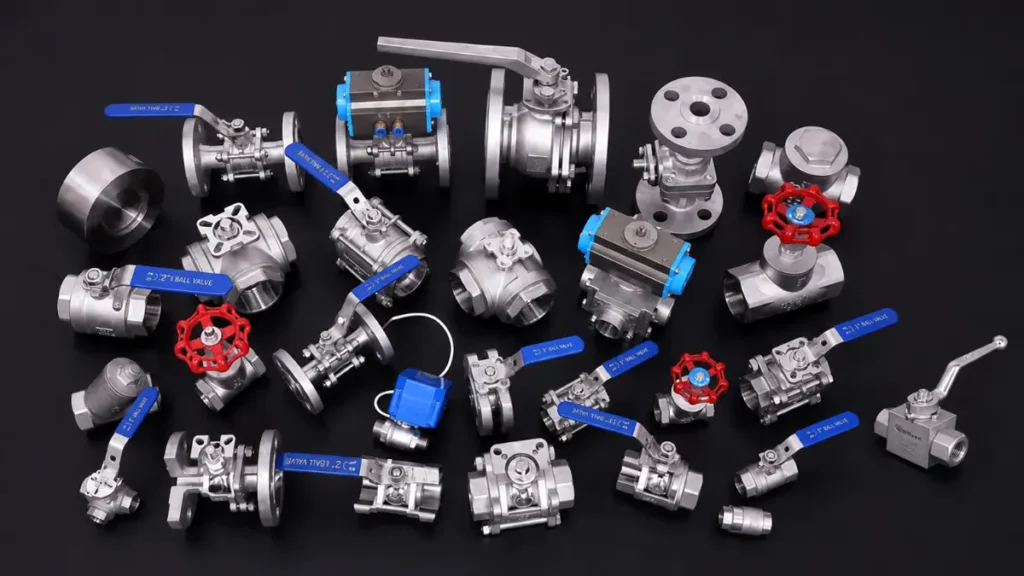
High pressure systems can cause leaks and seal problems. If you want to feel safe, you need the right ball valve. Experts suggest the best ball valves for high pressure applications, including metal sealed, forged steel, trunnion, fire-safe, and anti-static ball valves for hard jobs. You should match the valve size, material, and design to your system. Look closely at pressure rating, seal type, material, and flow coefficient (Cv). Picking the best ball valves for high pressure applications keeps your equipment safe and working well.
Key Takeaways
- Pick high pressure ball valves made from strong materials like forged steel or stainless steel. These materials help the valve last longer and keep it safe.
- Make sure the valve’s pressure rating matches your system’s highest pressure. This helps stop leaks and keeps the valve from breaking.
- Choose the right seal material for the fluid type and temperature. This makes the seal work well and last longer.
- Think about the valve size. It should fit your pipe size so the flow stays good and blockages do not happen.
- Use hydraulic ball valves for high pressure systems. They give fast and dependable control of fluids.
- Check and take care of your ball valves often. This helps you find leaks or damage early and keeps them working well for a long time.
- Learn the difference between 2-way and 3-way valves. This helps you pick the best one for your flow control needs.
- Talk to manufacturers for expert help and special options. This can help you get the right valve for your needs.
High Pressure Ball Valves Overview
Definition and Features
High pressure systems are hard to work with. High pressure ball valves let you control fluids safely. You can open or close these valves fast because they use a quarter-turn. These valves stop leaks by closing tightly. Some types, like trunnion mounted ball valves, work with even higher pressures. Many have strong seals made from PTFE or PEEK. These seals can handle strong chemicals and very hot temperatures. High pressure ball valves are made from tough materials like forged steel. This helps them stay strong and keep their shape.
Tip: For a safe system, pick valves with strong bodies and tough seals. These last longer and keep your equipment safe.
Standard vs. High Pressure Ball Valves
You may wonder how high pressure ball valves are different from standard ones. Check out this table:
| Feature | High Pressure Ball Valves | Standard Ball Valves |
|---|---|---|
| Construction | Forged steel, robust body | Standard materials |
| Seals and Seats | Reinforced PTFE or PEEK | Basic seals |
| Shutoff Capability | Tight shutoff under high pressure | Standard shutoff |
| Actuator Torque | High-torque actuators | Standard actuators |
| Application Suitability | Extreme conditions | General applications |
High pressure ball valves are made for tough jobs. They use stronger materials and better seals. These valves shut off flow even when pressure is high. Standard ball valves are good for normal jobs, but they cannot handle as much stress.
Common Applications
You see high pressure ball valves in many places. They help control fluids and keep things working well. Here are some places where you use them:
Hydraulic Systems
You use high pressure ball valves in hydraulic systems to move fluids. These valves help run heavy machines and keep pressure steady.
Construction Machinery
You need these valves in construction machines. They handle the high pressure for cranes, excavators, and loaders.
Oil and Gas
You find high pressure ball valves in wellhead control, subsea systems, and pipelines. They keep oil and gas moving safely.
Power Plants
You use these valves to control steam and coolant in power plants. They help keep the plant running and stop leaks.
Marine Equipment
You see high pressure ball valves in ballast water and fuel systems. They help keep ships safe and working well.
Industrial Equipment
You use these valves in factories and processing plants. They handle strong chemicals and heat, so your machines last longer.
Note: High pressure ball valves are also used in aerospace, defense, and pharmaceutical jobs. They help control fuel and fluids in tough places.
Why Specialized Ball Valves Are Needed
Sealing Challenges
Working with high pressure ball valves can be tricky. High pressure pushes seals very hard. If you pick the wrong valve, you might see leaks. Sometimes, seals can even break. Here are some sealing problems you should know about:
- Friction: The ball and seat rub together. This makes it harder to turn the valve. Over time, the seal can wear out.
- Thermal Expansion: Hot and cold temperatures change the size of parts. If you don’t control this, the valve may leak or stop working.
- Wear and Corrosion Resistance: Seals must handle tough chemicals and rough places. You need the right materials and coatings to keep your valve working.
These problems are important. If you ignore them, your system could fail when you need it most.
Strength and Durability
You want your ball valve to last a long time. High pressure systems need strong materials. Weak materials can crack or break. Here are some materials that help your valve stay strong:
| Material Type | Properties |
|---|---|
| Stainless Steel | Great strength and resists rust |
| Carbon Steel | Strong and lasts under high pressure |
| Alloys (e.g., Hastelloy, Monel, Inconel) | Resist heat and harsh chemicals |
| Seals and Gaskets | PTFE stops leaks even when pressure is high |
Stainless steel does not rust and stays strong. Carbon steel can handle heavy loads. Special alloys fight heat and bad chemicals. PTFE seals keep leaks away even when pressure is high. You need these materials for tough jobs.
Wear Resistance
High pressure systems can be rough on valves. Dirt, fibers, and chemicals can damage your valve. If you don’t pick a valve with good wear resistance, you will need to replace it soon.
The wear and corrosion resistance of the sealing parts is very important for long-lasting use. In tough places with solid bits, fibers, or harsh chemicals, picking the right materials and coatings matters a lot. Using special materials and coatings for the ball and seat helps metal seated ball valves fight wear and corrosion. This makes them last longer.
You want your valve to work for a long time. Pick metal seated ball valves with special coatings. These valves resist wear and keep your system running. If you care about wear resistance, you save money and avoid problems.
Risks of Incorrect Selection
Choosing the wrong ball valve for high pressure jobs can cause big problems. You might think all ball valves look the same, but they don’t work the same way. If you pick the wrong one, your whole system could be at risk.
Let’s look at what can go wrong:
- The valve can break down too soon if it doesn’t have the right pressure rating. You might see leaks or even a burst valve.
- If you use a valve that can’t handle the pressure, the inside parts can bend or crack. This can stop the valve from working and put your equipment in danger.
- Picking the wrong material can lead to rust or corrosion. Seals might break, and you could end up with leaks that are hard to fix.
- If you use a standard shutoff valve for jobs that need throttling, you might get turbulence or even cavitation. This means the valve can leak and your system won’t run smoothly.
- Putting a low-pressure valve in a high-pressure line is risky. It can fail suddenly, which could hurt people or damage machines.
- Some fluids are very harsh. If you don’t use the right material, the valve can get pitted or worn out fast.
Tip: Always check the pressure rating and material before you buy a valve. Stainless steel ball valves work well for high pressure and tough environments.
You might think you’re saving money by picking a cheaper or standard valve. In reality, you could end up spending more on repairs, replacements, and lost time. When a valve fails, you might have to shut down your whole system. That means lost production and higher costs.
You also need to think about safety. A burst valve can spray hot or dangerous fluids. This can hurt workers and damage other equipment. If you use the wrong valve, you risk more than just money—you risk safety.
Here’s a quick checklist to help you avoid these risks:
- Match the valve’s pressure rating to your system.
- Choose materials that resist corrosion and wear.
- Use precision-machined valves for high-pressure jobs.
- Never use low-pressure valves in high-pressure lines.
- Pick the right valve for the job—don’t use shutoff valves for throttling.
When you take the time to choose the right ball valve, you protect your equipment, your team, and your budget. Don’t let a simple mistake turn into a big problem. Make smart choices and keep your high pressure system running safely.
Best Ball Valves for High Pressure Applications
Hydraulic Ball Valves
Hydraulic systems need valves that can take a lot of pressure. Hydraulic ball valves are great for this job. They let you control fluid flow quickly and easily. You only need to turn them a little to open or close. This makes them good for fast shutoff or emergencies.
Hydraulic ball valves come in many types. Some have full-bore openings, so pressure does not drop much. Others have reduced-bore designs for special uses. You can use electric, pneumatic, or hydraulic actuators with them. This means you can use your hand or control them from far away.
Here is what makes hydraulic ball valves special:
| Specification | Details |
|---|---|
| Actuation | Quarter-turn for fast open/close response |
| Configuration | Full-bore or reduced-bore with minimal drop |
| Flow Capability | Bidirectional flow in two-port designs |
| Pressure Ratings | Up to 6,000 psi, depending on materials |
| Actuator Compatibility | Electric, pneumatic, and hydraulic actuators |
| Maintenance Requirements | Low due to simple design with few parts |
You may see these valves rated by PSI, CWP, or WOG. PSI shows the highest pressure the valve can take. CWP means cold working pressure at normal temperatures. WOG means the valve works with water, oil, and gas at room temperature.
Tip: For the best ball valves for high pressure applications in hydraulic systems, always check the pressure rating and make sure the valve fits your system.
Stainless Steel Ball Valves
Stainless steel ball valves are used in tough places. They are strong, last a long time, and work well. These valves do well with high pressure, high heat, or freezing cold. You can use them in pipelines that shake or move, and they still work.
Here is why stainless steel ball valves are liked for high pressure jobs:
| Advantage | Description |
|---|---|
| Superior structural strength | Handles higher pressures (up to Class 1500/PN250 and above) |
| Wider temperature adaptability | Works from -196°C (cryogenic) to +500°C+ (very hot) |
| Excellent impact and fatigue resistance | Great for vibrating or pulsating pipelines |
You also get more good things:
- Stainless steel valves last a long time, even in hard places.
- You do not need to fix them often.
- They keep working when things get rough, so you can trust them.
If you want the best ball valves for high pressure applications that can handle chemicals, saltwater, or very hot or cold places, stainless steel is a good choice.
Carbon Steel Ball Valves
Carbon steel ball valves are strong and not too expensive. You see them in power plants, oil refineries, and big factories. They work with water, oil, gas, and steam.
Look at how carbon steel ball valves work at different temperatures and pressures:
| Temperature (°F) | Class 150 (psi) | Class 300 (psi) | Class 600 (psi) | Class 900 (psi) | Class 1500 (psi) | Class 2500 (psi) |
|---|---|---|---|---|---|---|
| -20°F to 100°F | 285 | 740 | 1,480 | 2,220 | 3,705 | 6,170 |
| 200°F | 260 | 675 | 1,350 | 2,025 | 3,375 | 5,625 |
| 300°F | 230 | 655 | 1,315 | 1,970 | 3,280 | 5,470 |
| 400°F | 200 | 635 | 1,270 | 1,900 | 3,170 | 5,280 |
| 500°F | 170 | 600 | 1,200 | 1,795 | 2,995 | 4,990 |
| 600°F | 140 | 550 | 1,095 | 1,640 | 2,735 | 4,560 |
| 700°F | 110 | 535 | 1,065 | 1,600 | 2,665 | 4,440 |
| 800°F | 80 | 410 | 825 | 1,235 | 2,055 | 3,430 |
You can use carbon steel ball valves for:
- Moving hydrocarbons in big plants
- Feedwater systems in power stations
- Water systems in factories
- Automated systems that need remote control
If you want the best ball valves for high pressure applications that are strong and not too costly, carbon steel is a good pick. You get good shutoff and long life, even when pressure is high.
Forged Steel Ball Valves
You want a ball valve that can handle the toughest jobs. Forged steel ball valves give you that power. These valves are made by shaping steel under high pressure. This process makes the steel very strong and dense. You get a valve that stands up to extreme pressure without bending or breaking.
Here’s why you might pick forged steel ball valves for your system:
- They offer top structural strength. You can trust them in places where pressure gets very high.
- These valves can handle pressures up to Class 1500/PN250 and even higher.
- The body stays strong and does not change shape, even when things get rough.
- Forged carbon steel gives you both strength and good resistance to rust.
- You get a long service life, even in tough spots like oil rigs or chemical plants.
If you need the best ball valves for high pressure applications, forged steel is a smart choice. You can use them in power plants, refineries, and anywhere you need safety and reliability. You also get peace of mind because these valves last a long time.
Tip: Always look for valves with a robust body. Forged steel and stainless steel are your best bets for high pressure jobs.
2-Way and 3-Way Designs
You have options when it comes to how your ball valve works. The two main types are 2-way and 3-way designs.
- 2-way ball valves let you start or stop the flow in a straight line. You use these when you want simple on/off control.
- 3-way ball valves give you more choices. You can switch flow between two different lines or mix two flows together. These are great for systems that need to change direction or split flow.
Let’s break it down:
| Design Type | How It Works | Where You Use It |
|---|---|---|
| 2-Way | One inlet, one outlet. Simple open/close. | Shutoff, isolation, emergency stop. |
| 3-Way | One inlet, two outlets (or vice versa). Switches or mixes flow. | Mixing, diverting, changing flow paths. |
If you want the best ball valves for high pressure applications, think about what your system needs. For simple shutoff, go with 2-way. For more control, try a 3-way valve.
Threaded and Flanged Types
You also need to pick how your valve connects to the pipes. The two main types are threaded and flanged.
Here’s a quick look at the benefits and limits of each:
| Valve Type | Benefits | Limitations |
|---|---|---|
| Threaded Ball Valves | Compact design. Good for small pipes. Easy to install. | Threads must match exactly. Leaks can happen if not tight. |
| Flanged Ball Valves | Great for big pipes. Easy to take apart for repairs. | Bulkier. Needs more space. |
Threaded ball valves work well when you have small lines and want a quick setup. Flanged ball valves are better for big jobs where you need strong, leak-proof connections. You can take them apart easily for cleaning or fixing.
When you choose the best ball valves for high pressure applications, think about your pipe size and how often you need to do maintenance. Pick the connection type that fits your job best.
Note: Always check your system’s pressure and size before picking a connection type. This helps you avoid leaks and keeps your system safe.
Key Selection Criteria
Valve Sizing
Picking the right size for your ball valve matters a lot. If you get it wrong, your system might not work well or could even fail. You want your valve to match your pipe size and handle the flow you need.
Pipe Size Match
You should always check the size of your pipes before choosing a valve. If the valve is too small, it can cause blockages. If it’s too big, you might waste money and space. Matching the valve to your pipe keeps everything running smoothly.
Here’s what you need to think about when sizing a ball valve:
| Factor | Description |
|---|---|
| Flow Rate Requirements | Make sure the valve can handle normal, minimum, and maximum flow, including emergencies. |
| Pressure Drop Considerations | Too much pressure drop can cause problems like cavitation, which damages the valve. |
| Temperature Effects | Hot or cold temperatures change how fluids move and may limit what materials you can use. |
| Flow Types | Know if your flow is turbulent or smooth (laminar). This affects how you size your valve. |
Tip: Always measure your pipe and check your system’s flow needs before picking a valve.
Flow Rate and Cv
You might see the term “Cv” when shopping for ball valves. Cv stands for “flow coefficient.” It tells you how much fluid can pass through the valve at a certain pressure. If you pick a valve with the wrong Cv, your system could slow down or speed up too much.
To find the right Cv, look at your system’s flow rate and pressure. You want a valve that lets enough fluid through without causing big drops in pressure. If you’re not sure, ask your supplier for help.
Pressure Rating
You need to make sure your ball valve can handle the pressure in your system. If you use a valve with a low pressure rating, it could burst or leak. High pressure systems need strong valves.
Check out these common pressure classes:
| Pressure Class | Application |
|---|---|
| Class 150 | Medium and low-pressure conditions |
| Class 300 | Medium and low-pressure conditions |
| Class 600 | High-pressure systems |
| Class 900 | High-pressure systems |
| Class 2500 | Extremely high-pressure systems |
For most high pressure jobs, you should look for Class 600, Class 900, Class 1500, or Class 2500 valves. These can handle tough conditions and keep your system safe.
Note: Always check your system’s maximum pressure before buying a valve.
Material Options
You want your ball valve to last. The material you pick makes a big difference. Some materials work better in high pressure or corrosive places.
Carbon Steel
Carbon steel is strong and affordable. You see it in factories, power plants, and oil refineries. It handles high pressure well and lasts a long time. If you need a tough valve that won’t break the bank, carbon steel is a good choice.
Stainless Steel
Stainless steel resists rust and works in harsh environments. You can use it with water, steam, air, and mild chemicals. If you need extra protection from acids or saltwater, pick stainless steel 316 or 316L. These types have added molybdenum, so they fight corrosion even better.
| Material Type | Characteristics | Applications |
|---|---|---|
| Stainless Steel (304) | Good for water, steam, air, mild chemicals | General use |
| Stainless Steel (316/316L) | Extra resistance to acids and chlorides | Chemical, marine, pharmaceutical |
| Duplex Stainless Steel (2205) | High strength, fights chloride stress corrosion | Oil & gas, chemical |
| Super Austenitic (904L) | Handles extreme corrosion | Strong acids, sulfuric acid |
| Titanium | Top corrosion and abrasion resistance | Acid leaching, harsh chemicals |
Brass
Brass valves work well in low to medium pressure jobs. They resist corrosion and are easy to install. You often see brass in water systems and some gas lines. If your system isn’t too harsh, brass can be a simple and reliable option.
Tip: For corrosive places, pick stainless steel, bronze, or PTFE. If you deal with strong acids, titanium is your best bet.
Seal Materials
When you pick a ball valve for high pressure, you need to think about the seal. The seal keeps leaks away and helps your valve last longer. Different seal materials work better in different jobs. Here’s a quick look at some common options:
PTFE
PTFE, or Teflon, is a popular choice. It handles most chemicals and works well in hot and cold places. PTFE seals are smooth, so the valve turns easily. You see PTFE in many high pressure ball valves because it resists sticking and lasts a long time. If you need a seal that works with lots of fluids, PTFE is a safe bet.
POM
POM, also called acetal, is tough and handles wear well. It works best in places where you need a hard, strong seal. POM does not like very high heat, but it stands up to pressure and keeps its shape. You might use POM seals in valves that open and close a lot.
NBR
NBR, or nitrile rubber, is good for oil and fuel. It resists swelling and breaking down when it touches oil. NBR does not like strong acids or very hot spots, but it works well in many machines and hydraulic systems.
FKM
FKM, known as Viton, is great for high heat and harsh chemicals. It keeps its shape and stays strong even when things get hot. If you deal with acids, fuels, or solvents, FKM seals can help your valve last longer.
Here’s a table to help you compare some seal materials:
| Seal Material | Temperature Range | Pressure Rating | Chemical Resistance |
|---|---|---|---|
| Glass Reinforced PTFE | Up to 550°F | Higher than PTFE | Good, except for hot caustics and hydrofluorics |
| Stainless Steel Reinforced PTFE | -20°F to 550°F | Higher than PTFE | Fire resistant, higher friction than PTFE |
| PEEK | -70°F to 600°F | Not specified | Excellent, unaffected by steam and hot water |
| UHMW Polyethylene | -70°F to 200°F | 1.5 ksi | Very good abrasion resistance |
| Chlorinated Polyether | Up to 257°F | Not specified | Resistant to over 300 chemicals |
Tip: Always match your seal material to your fluid and temperature. This helps you avoid leaks and keeps your system safe.
Connection Types
You also need to pick how your valve connects to your pipes. The right connection makes installation easy and helps prevent leaks.
Threaded
Threaded ball valves screw right onto your pipes. You can install them quickly, and they work well for small or medium pipes. If you need to take the valve off for cleaning, threaded connections make it simple. Just make sure the threads match your pipe size.
Flanged
Flanged ball valves use flat, round ends with holes for bolts. You bolt them to the pipe flanges. Flanged connections are strong and work best for big pipes or high pressure jobs. You can take them apart for repairs without cutting the pipe.
| Connection Type | Best For | Key Benefit |
|---|---|---|
| Threaded | Small/medium pipes | Quick install, easy removal |
| Flanged | Large/high pressure | Strong seal, easy maintenance |
Note: Always check your system’s pressure and pipe size before picking a connection type.
Operating Methods
How you open and close your valve matters, too. You can pick manual or actuated options, depending on your needs.
Manual
Manual ball valves use a handle or lever. You turn it by hand to open or close the valve. Manual valves are simple and cost less. They work well when you can reach the valve easily and do not need fast or remote control.
Actuated
Actuated ball valves use electric, pneumatic, or hydraulic power. You can control them from far away or connect them to an automatic system. Actuators help when you need to open or close valves quickly, or when the valve is hard to reach.
Here’s a table to show how different operating methods work:
| Operating Method | Description | Impact on System Performance |
|---|---|---|
| Manual Operation | Operated by hand, using a lever or wheel | Simple, but not good for large or remote valves |
| Electric Actuators | Use electric motors, can connect to control systems | Good feedback, works where electricity is available |
| Hydraulic Actuators | Use pressurized fluid, strong for big valves | Powerful, but needs a hydraulic supply |
| Pneumatic Actuators | Use air or gas, safe for hazardous areas | Safe in explosive places, but may have less power |
| Fail-Safe Operation | Goes to a safe state if power fails | Increases safety during power loss |
| Position Indicators | Show if the valve is open or closed | Helps you and your system know the valve’s status |
Tip: If you want more control or need to automate your system, actuated valves are a smart choice.
Ball Valve Comparison
Hydraulic vs. Standard
You might wonder if you need a hydraulic ball valve or if a standard one will do the job. Let’s break it down. Hydraulic ball valves are built for tough jobs. They handle much higher pressures than standard ball valves. You can trust them in systems that run up to 6,000 psi. Standard ball valves usually can’t take that kind of pressure.
Hydraulic ball valves also need less maintenance. Their simple design means you won’t have to fix them as often. If your system opens and closes valves a lot, hydraulic types last longer. Standard ball valves might wear out faster in these situations.
Here’s a quick table to help you compare:
| Feature | Hydraulic Ball Valves | Standard Ball Valves |
|---|---|---|
| Pressure Ratings | Up to 6,000 psi | Usually lower |
| Maintenance Requirements | Low maintenance | Higher maintenance |
| High-Cycle Applications | Very reliable | May not be reliable |
Tip: If your system runs under high pressure or cycles on and off a lot, go with hydraulic ball valves. They save you time and money in the long run.
Stainless Steel vs. Carbon Steel
Choosing between stainless steel and carbon steel ball valves can feel tricky. Both have strengths. Stainless steel resists rust and works well in wet or harsh places. You see these valves in chemical plants, marine jobs, and places with lots of moisture. They last a long time and need little care.
Carbon steel is strong and costs less. You find these valves in oil refineries, power plants, and big factories. They handle high pressure and heat, but they can rust if you use them with water or chemicals.
Here’s how you can decide:
- Pick stainless steel if you need a valve that fights rust and handles tough chemicals.
- Choose carbon steel if you want strength and a lower price for dry or less corrosive jobs.
Stainless steel valves cost more, but they last longer in harsh spots. Carbon steel works well if you keep things dry and clean.
2-Way vs. 3-Way
You also need to think about how you want to control the flow. A 2-way ball valve is simple. It lets you start or stop flow in one line. You use these for basic shutoff jobs.
A 3-way ball valve gives you more options. You can switch flow between two lines or mix two flows together. These valves work well if you need to change directions or combine fluids.
Let’s look at the differences:
- 2-Way Ball Valve: One path in, one path out. Simple on/off control.
- 3-Way Ball Valve: One path in, two paths out (or the other way around). You can mix or divert flow.
If you want easy control, pick a 2-way valve. If you need to switch or mix flows, go with a 3-way valve.
Threaded vs. Flanged
When you pick a ball valve, you need to decide how it will connect to your pipes. The two main choices are threaded and flanged. Each type has its own strengths, so you want to match the connection to your job.
Threaded ball valves screw right onto the pipe. You can install them quickly, and you do not need special tools. These valves work best for smaller pipes and places where you want a simple setup. If you need to take the valve off for cleaning or repairs, you just unscrew it. That makes things easy.
Flanged ball valves use flat ends with holes for bolts. You bolt the valve to the pipe flanges. This type gives you a strong, leak-proof seal. Flanged valves work well for big pipes and high-pressure systems. You can take them apart for maintenance without cutting the pipe.
Here’s a table to help you compare:
| Feature | Threaded Ball Valve | Flanged Ball Valve |
|---|---|---|
| Best for Pipe Size | Small to medium | Medium to large |
| Installation | Quick, simple | Needs bolts and alignment |
| Maintenance | Easy removal | Easy for large valves |
| Pressure Handling | Moderate | High |
| Leak Resistance | Good if tight | Excellent |
Tip: If you work with high pressure or large pipes, flanged valves give you more safety and strength. For smaller jobs, threaded valves save time and space.
Manufacturer Support
Choosing the right ball valve for high pressure jobs can feel tricky. You do not have to figure it out alone. Good manufacturers offer support that helps you make smart choices and keep your system safe.
You can expect help like:
- Direct engineering advice for picking the right high-pressure valve. Experts help you figure out torque values and which trim materials work best.
Installation and Maintenance
Installation Tips
You want your high pressure ball valve to work right from the start. Good installation makes a big difference. Here’s how you can get it right:
- Check your system first. Know what kind of fluid you have, the temperature, and how much pressure you need to handle.
- Pick a valve that matches your needs. Make sure the material and size fit your job.
- Clean the pipes before you start. Dirt or old sealant can cause leaks.
- Always depressurize the line. Never work on a pressurized system.
- Use Teflon tape or pipe dope on threaded connections. This helps stop leaks.
- Align the valve with the flow direction. Make sure the handle and body line up.
- Tighten the valve with a torque wrench. Follow the manufacturer’s instructions for how tight it should be.
- Use quality gaskets if you have flanged valves. They help seal the connection.
- Test the valve before you use it. Open and close it a few times. Check for leaks.
Tip: Take your time during installation. A careful job now saves you from headaches later.
Maintenance Practices
Keeping your ball valve in good shape means less downtime and fewer repairs. Here’s what you should do:
- Look at the valve often. Check for leaks, rust, or worn parts.
- Test the valve by opening and closing it. Make sure it moves smoothly.
- Check the seals and seats. If they look worn or cracked, replace them.
- Lubricate moving parts with the right grease. This keeps the valve working well.
- Keep the area around the valve clean. Dirt can cause problems.
- Make sure all bolts are tight. Loose bolts can lead to leaks.
- If your valve has an actuator, test it with a partial stroke. This helps you spot problems early.
- Replace any worn parts right away. Don’t wait for a small problem to get bigger.
Regular care helps your valve last longer and keeps your system safe.
Troubleshooting
Sometimes things go wrong. Here’s how you can fix common problems:
| Problem | What to Check | What to Do |
|---|---|---|
| Leak at connection | Pipe threads, gasket, bolt torque | Tighten bolts, replace gasket, reapply sealant |
| Hard to operate | Lubrication, debris, stem wear | Lubricate, clean, replace stem |
| Valve won’t seal | Seat or seal damage | Replace seat or seal |
| Actuator not working | Power supply, wiring, air/hydraulic lines | Check connections, test actuator |
If you see a leak, check the connections first. Tighten bolts or replace gaskets if needed. If the valve is hard to turn, try adding lubricant or cleaning out debris. For sealing problems, look at the seats and seals. Replace them if they’re worn out. If your actuator isn’t working, check the power or air supply.
Note: Always follow safety rules when you work on high pressure valves. Wear gloves and eye protection.
Safety Precautions
When you use high-pressure ball valves, safety is very important. You want to keep yourself, your team, and your equipment safe. High-pressure systems can be risky if you do not follow the right steps. Let’s look at some safety rules you should always remember.
Personal Protective Equipment (PPE)
You need to wear the right gear for the job. Gloves, safety glasses, and steel-toed boots help protect you. If you work with chemicals, use a face shield and special gloves. Wear ear protection if it is loud where you work.
Depressurize Before Maintenance
Never try to fix or put in a valve when the system has pressure. Always turn off the system and let out all the pressure. Check the pressure gauges to make sure it is safe. If you skip this, you could get hurt by fast-moving fluid.
Lockout/Tagout Procedures
You should use lockout/tagout steps to stop the system from turning on. Put a lock and tag on the valve or control panel. This shows everyone that work is being done and keeps the system off. You do not want someone to start the system while you are working.
Check for Hazardous Fluids
Some fluids are dangerous, like toxic, flammable, or corrosive ones. You need to know what is inside the pipes. Read the safety data sheets (SDS) for each fluid. If you work with dangerous fluids, use extra gear and follow special disposal rules.
Proper Lifting and Handling
Ball valves can be heavy and hard to move. Use lifting tools or ask for help if the valve is big. Do not try to lift heavy valves alone. You could hurt your back or drop the valve and break it.
Inspect Tools and Equipment
Before you start, check your tools to make sure they work. Make sure wrenches, torque tools, and gaskets are not broken. Bad tools can slip and cause accidents.
Safe Work Area
Keep your work area clean and free of mess. Clean up spills, trash, or anything in the way. You want to move safely and not trip over things.
Emergency Procedures
Know where the emergency shutoff and first aid kit are. If something bad happens, you need to act fast. Practice emergency drills with your team so you are ready.
Tip: Always follow the manufacturer’s safety instructions. If you are not sure about a step, ask a supervisor or check the manual.
Here’s a quick table to help you remember the basics:
| Safety Step | Why It Matters |
|---|---|
| Wear PPE | Protects you from injury |
| Depressurize system | Prevents sudden fluid release |
| Lockout/tagout | Stops accidental startup |
| Check fluid hazards | Avoids chemical exposure |
| Use proper lifting | Prevents back injuries |
| Inspect tools | Reduces risk of accidents |
| Keep area clean | Stops slips and trips |
| Know emergency steps | Helps you respond quickly |
You can never be too careful with high-pressure systems. Take your time, follow these steps, and always put safety first. If you build good habits now, you will keep yourself and your team safe every day.
Manufacturer Advice
Selection Support
You do not have to choose a high-pressure ball valve by yourself. Good manufacturers want to help you pick the right one. They know a lot about their products. You can ask them questions about your system. They will help you find the right size, material, and pressure rating. If you tell them about your fluid, temperature, and pressure, they can suggest the best options for you.
Here are some ways to get the most help from manufacturers: Bring details about your system. Know your pipe size, pressure, and what will flow through the valve. Ask for help if your job is tricky. If you use special fluids or high temperatures, let them know. Ask for technical data sheets. These sheets show pressure ratings, flow rates, and materials. Ask for installation guides. These guides show you how to put in the valve the right way.
Tip: Do not be afraid to ask questions. The more you share, the better advice you get. Manufacturers want your system to work well.
Customization Options
Sometimes, you need a ball valve that is not standard. Maybe your system has special needs. Manufacturers can make custom valves just for you. You can ask for different materials, sizes, or seals. You can even get special handles or actuators.
Here are some ways you can change your valve:
| Custom Option | What You Get |
|---|---|
| Special Materials | Valves for acids, saltwater, or heat |
| Unique Sizes | Valves that fit odd pipe sizes |
| Seal Choices | Seals for oil, steam, or chemicals |
| Custom Actuators | Electric, pneumatic, or hydraulic |
| Fire-Safe Design | Extra safety for risky jobs |
| Anti-Static Devices | Safe for flammable fluids |
You can also ask for special coatings or markings. If you need a valve for a tough spot, just ask. Manufacturers like to help solve problems.
Certifications
You want to know your valve is safe and strong. Certifications show that a valve meets strict rules. Manufacturers can give you certificates for pressure, safety, and quality. These papers prove the valve passed tests.
Look for these common certifications: API 6D is for oil and gas pipelines. ISO 9001 is for quality management. CE Mark is for European safety. Fire-Safe means the valve can handle fire. ATEX is for explosive areas.
Note: Always ask for certificates if your job needs them. Certified valves keep your system safe and help you follow the law.
If you work with a good manufacturer, you get more than just a valve. You get support, custom options, and proof that your valve is ready for the job.
Conclusion
Choosing the right ball valve for high pressure applications helps improve system safety, reliability, and long-term performance. Always check the pressure rating, material, seal type, size, and connection method before making a decision.
As a high pressure ball valve manufacturer, Chenyang Hydraulic provides standard and custom valve solutions for different hydraulic systems. Contact us today for technical support or a custom quote.
FAQ
What makes a ball valve suitable for high pressure?
You want a valve with a strong body, quality seals, and a high pressure rating. Look for forged steel or stainless steel. These materials handle stress and last longer.
How do I know if my valve can handle my system’s pressure?
Check the pressure rating on the valve or in the technical sheet. Match it to your system’s maximum pressure. When in doubt, ask your supplier.
Can I use a standard ball valve for high pressure jobs?
No, you shouldn’t. Standard ball valves can fail under high pressure. You need a valve designed for high pressure to keep your system safe.
What seal material should I choose?
Pick your seal based on the fluid and temperature. For most jobs, PTFE works well. For hot or harsh chemicals, try FKM or PEEK.
Tip: Always match the seal to your fluid for best results.
How often should I maintain my high pressure ball valve?
Check your valve every few months. Look for leaks, rust, or hard movement. Lubricate moving parts and replace worn seals as needed.
What’s the difference between 2-way and 3-way ball valves?
A 2-way valve lets you start or stop flow in one line. A 3-way valve lets you switch flow between two lines or mix flows. Choose based on your system’s needs.
Do I need a threaded or flanged connection?
Use threaded connections for small pipes and easy installs. Choose flanged connections for large pipes or high pressure. Flanged valves are easier to maintain.
| Connection Type | Best For | Main Benefit |
|---|---|---|
| Threaded | Small pipes | Quick install |
| Flanged | Large/high pressure | Strong, easy repair |