
You can see ball valves in many hydraulic systems. They help you turn off, block, or control flow fast. These valves are used in lots of places. For example, mobile equipment uses them for emergency shutoff. Power plants use them to keep turbines safe. Here are some places where Ball Valve Applications are found:
| Industry | Application Description |
|---|---|
| Mobile Hydraulic Equipment | Used in construction machines, farm tractors, and moving materials for control and emergency shutoff. |
| Hydraulic Presses | Used to shut off cylinders and control fluid bypass. This helps make things safer and more productive. |
| Marine Hydraulic Systems | Used for deck machines and moving cargo. They do not rust easily in tough places. |
| Manufacturing Automation | Used in robots and assembly lines for careful control and long-lasting use. |
| Power Plants | Controls turbines and gives emergency shutdowns. This helps things work well. |
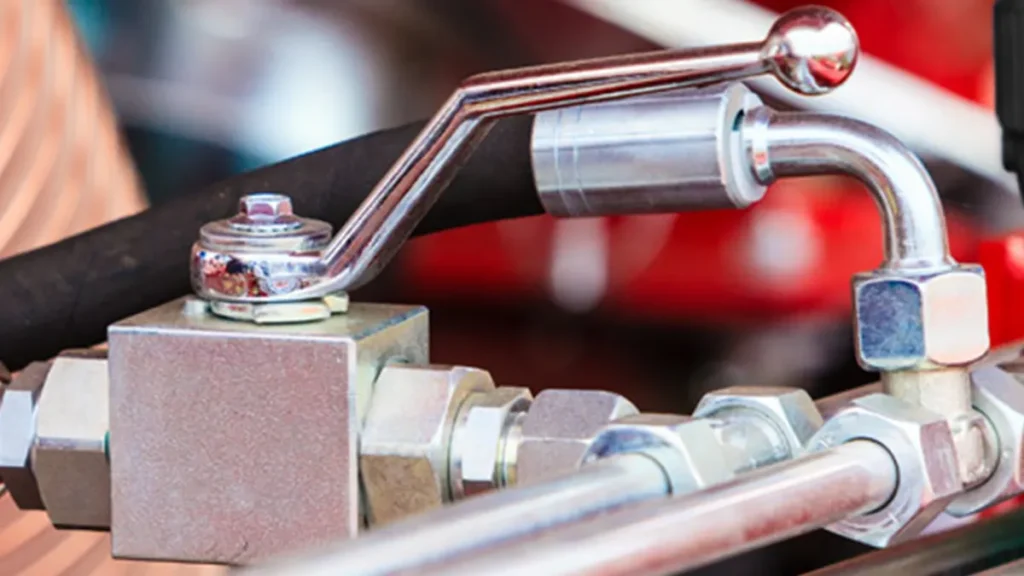
Key Takeaways
- Ball valves can stop flow fast with a quarter turn. This is important in emergencies in hydraulic systems.
- Ball valves seal well and stop leaks, even with high pressure. This keeps things safe and helps systems work well.
- Ball valves are small and fit in tight spaces easily. They work well in mobile machines and equipment.
- Ball valves are easy to use and need no special tools. This makes it simple for new workers to learn.
- Ball valves help with safe repairs by isolating parts for maintenance. You do not need to shut down the whole system, so downtime is less.
- Ball valves can be used in many industries. These include mobile equipment, oil and gas, and manufacturing automation.
- Picking the right ball valve means checking pressure ratings, materials, and connection types. This helps the valve work best.
- Custom ball valves can be made for special needs. They give solutions for unique hydraulic system requirements.
Why Use Ball Valves in Hydraulic Systems
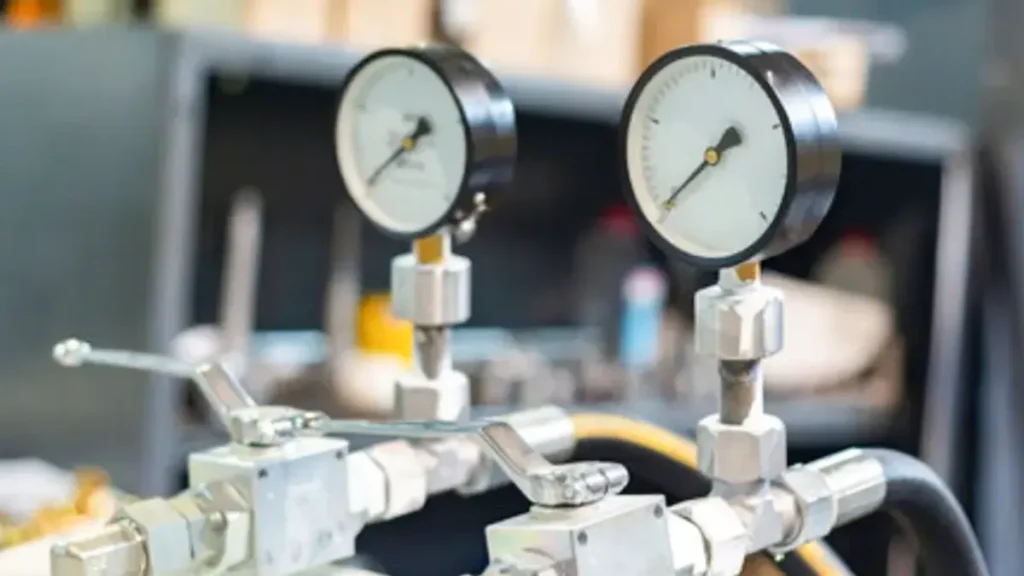
Quick Shutoff
You want your hydraulic system to react fast when you need it. That’s where a ball valve shines. With just a quarter-turn of the handle, you can stop or start the flow right away. This quick shutoff is important during emergencies. For example, if a hose bursts on a construction machine, you need to stop the oil flow fast to prevent damage or spills. Ball valves make this possible because you don’t have to turn the handle many times. You just move it once, and the flow stops or starts.
Let’s look at how ball valves compare to other valves:
| Feature | Ball Valve | Gate Valve |
|---|---|---|
| Primary Use | On/Off Control | Throttling/Regulating Flow |
| Operation Speed | Very Fast (90° turn) | Slow (Multiple rotations) |
| Durability | High (Simple design) | Moderate (Prone to wear) |
| Sealing Ability | Excellent, positive shutoff | Good, but can leak over time |
You can see that ball valves give you speed and a strong seal. That’s why you find them in mobile equipment, oil and gas rigs, and factory machines.
Reliable Sealing
You need a valve that doesn’t leak. Ball valves are known for their reliable sealing. When you close the valve, the round ball inside presses tightly against the seats. This creates a positive shutoff. You don’t have to worry about leaks, even if your system runs at high pressure. Many ball valves can handle pressures from 1,000 to 6,000 PSI. Some special designs go up to 10,000 PSI. This makes them perfect for tough jobs in mining, oil fields, and heavy machinery.
Ball valves also work well in dirty or harsh environments. Unlike gate valves, they don’t get stuck as easily from debris. You get a tight seal every time, which keeps your system safe and efficient.
Compact Design
Space matters in hydraulic systems. You often need to fit many parts into a small area. Ball valves have a compact design. They don’t take up much room, so you can install them almost anywhere. The simple shape and short body make them easy to fit into tight spots, like inside a control panel or on a crowded machine.
Here are some reasons why you might choose a ball valve for your system:
- You want a valve that’s easy to install in small spaces.
- You need a valve that’s light but strong.
- You want fewer parts, which means less chance of something breaking.
Ball valves also have a full-bore design. This means the hole inside the valve is as big as the pipe. You get minimal pressure drop, so your system runs smoothly and efficiently.
Tip: If you want a valve that’s fast, reliable, and easy to fit, a ball valve is a smart choice for your hydraulic system.
Easy Operation
You want your hydraulic system to be simple to use. Ball valves make that possible. You do not need special tools or training to operate them. Just grab the handle and turn it. That’s it! You can open or close the valve with one quick motion. This helps you save time and avoid mistakes.
Ball valves use a quarter-turn design. You only need to move the handle 90 degrees. When the handle lines up with the pipe, the valve is open. When the handle is across the pipe, the valve is closed. You can see the position right away. This makes it easy to check if the valve is open or shut, even from a distance.
Here’s why you’ll love the easy operation of ball valves:
- No complicated steps: You do not have to spin a wheel or push a button many times.
- Fast action: You can react quickly in emergencies or during normal work.
- Clear position: You always know if the valve is open or closed.
- Less training: New workers can learn to use ball valves in minutes.
Tip: If you want to make your system safer and easier for everyone, choose ball valves for your hydraulic lines.
You will find ball valves in many places where speed and simplicity matter. For example, mobile equipment operators need to act fast. Factory workers want to avoid confusion. Oil and gas crews work in tough conditions and need valves that are easy to use, even with gloves on. Ball valves deliver on all these needs.
Maintenance Isolation
Maintenance is part of every hydraulic system. You need to fix leaks, change filters, or replace parts. Ball valves help you do this safely and easily. You can use them to isolate sections of your system. This means you can shut off the flow to one part without stopping the whole system.
Imagine you need to work on a cylinder or pump. You just close the ball valve before that part. Now, you can remove or repair it without oil spilling everywhere. The rest of your system keeps running. This saves you time and keeps your workplace clean.
Here are some ways ball valves help with maintenance:
- Quick isolation: You can block off any section in seconds.
- Safety: You avoid spills and pressure build-up.
- Less downtime: You do not have to shut down the whole system.
- Easy planning: You can schedule repairs without stopping production.
Note: Always check the pressure before opening any part of your hydraulic system. Ball valves make isolation easy, but safety comes first!
You will see ball valves used for maintenance isolation in factories, mining equipment, and oil rigs. They help you keep your machines running longer and safer. If you want less mess and more uptime, ball valves are the way to go.
Main Functions of Ball Valves
Shutoff and Isolation
You want your hydraulic system to stay safe and work well. That’s why you need a ball valve for shutoff and isolation. When you turn the handle, you can stop the flow of oil or fluid right away. This quick action helps you react fast during emergencies. If a hose bursts or a leak happens, you can close the valve in seconds. You do not have to worry about turning a wheel many times. Just a quarter-turn does the job.
Ball valves give you a tight seal. You can trust them to block the flow completely. This keeps your system safe from leaks and pressure surges. You also get peace of mind when you need to work on your equipment. You can shut off one part of the system and keep the rest running. This means less downtime and more work done.
Tip: Always check the valve position before starting maintenance. A closed ball valve keeps you safe from sudden fluid release.
Flow Direction Control
You often need to control where the fluid goes in your hydraulic system. Ball valves help you do this with ease. You can use them to switch the flow between different lines or circuits. This is important when you want to power different tools or machines from the same system.
Flow control valves, including ball valves, let you change the direction of flow quickly. You just move the handle, and the fluid goes where you want. This makes your system flexible and easy to use. You can set up your machines to do many jobs without changing the pipes.
Here’s how ball valves help with flow direction:
- You can switch between different machines or tools.
- You can send fluid to a backup system if needed.
- You can control the flow for testing or cleaning.
Ball valves also help with flow regulation. You get smooth and steady movement in your system. This keeps your machines working right and helps you avoid problems.
Equipment Protection
You want your machines to last a long time. Ball valves protect your equipment from damage. They stop pressure spikes and sudden surges from reaching sensitive parts. If something goes wrong, you can close the valve fast and keep your pumps, cylinders, and hoses safe.
Flow control valves also keep dirt and debris out. Ball valves seal tightly, so you do not get leaks or contamination. This means your oil stays clean, and your system runs better.
You can use ball valves to block off parts of your system during repairs. This keeps the rest of your equipment safe and working. You do not have to shut down everything for a small fix.
Note: Using ball valves for protection saves you money on repairs and keeps your machines running longer.
Ball valves play a big role in keeping your hydraulic system safe, clean, and efficient. You get fast shutoff, easy flow control, and strong protection for all your equipment.
Maintenance Safety
You want your hydraulic system to run smoothly. You also want to keep everyone safe during repairs. Ball valves make maintenance much easier and safer for you. When you need to work on a machine, you can use a ball valve to block off the section you want to fix. This stops oil or fluid from leaking out. You do not have to drain the whole system. You just close the valve and get to work.
Imagine you need to change a filter or replace a hose. You do not want oil spraying everywhere. You do not want pressure to build up and cause an accident. Ball valves help you avoid these problems. You turn the handle, and the flow stops right away. You can see if the valve is open or closed. This gives you confidence before you start your work.
Here’s how ball valves boost maintenance safety for you:
- Quick isolation: You can shut off one part of the system in seconds.
- No mess: You keep oil and fluid inside the pipes.
- Less risk: You avoid sudden pressure bursts or leaks.
- Easy checks: You can see the valve position at a glance.
Tip: Always check the pressure gauge before you open any part of your hydraulic system. Even with the valve closed, some pressure might remain.
Ball valves also help you plan your maintenance. You can fix one section while the rest of the system keeps running. This means less downtime for your machines. You do not have to stop everything just to change a small part. Your team stays safe, and your work gets done faster.
You will find ball valves near pumps, cylinders, and filters. You can use them to block off any area that needs repair. This makes your job easier and keeps your workplace clean.
Let’s look at a quick example:
| Task | Ball Valve Use | Safety Benefit |
|---|---|---|
| Change a cylinder | Close valve before work | No oil spills, no leaks |
| Replace a filter | Isolate filter section | No pressure accidents |
| Fix a hose | Shut off flow instantly | Safe, clean repair |
You want to avoid surprises during maintenance. Ball valves give you control. You can work with peace of mind, knowing you have stopped the flow and made the area safe. If you want a safer and cleaner hydraulic system, ball valves are your best friend.
Ball Valve Applications in Hydraulic Systems
Industrial Machinery
You see ball valve applications everywhere in industrial machinery. These machines need strong and reliable ways to control oil flow. You want your equipment to run smoothly and safely. Ball valves help you do that. They give you quick shutoff, easy isolation, and steady flow control.
When you pick a ball valve for your industrial machines, you need to look at a few things:
- Pressure ratings: Most ball valves in these systems handle between 1,000 and 6,000 PSI. Some special ones go up to 10,000 PSI.
- Temperature limits: Make sure your valve can handle the heat or cold in your shop.
- Materials: You want a valve made from strong metals like stainless steel or brass.
- Size options: Pick a size that matches your pipes and flow needs.
You also need to think about the type of fluid conveyance system you have. Some fluids need special seals or materials. If you use a ball valve with the wrong material, it might rust or break down. Always check the specs before you buy.
Tip: Ball valve applications in industrial machinery keep your machines safe and your work on track. You get less downtime and more control over your fluid conveyance.
Mobile Equipment
Ball valve applications play a big role in mobile equipment. Think about tractors, excavators, or forklifts. These machines move around and face tough jobs every day. You need valves that can handle bumps, shakes, and high pressure.
Here’s a quick look at what matters most when you choose a ball valve for mobile gear:
| Selection Factor | Description |
|---|---|
| Pressure rating | The valve must handle the highest pressure your system will see. |
| Temperature rating | The valve’s materials should work in hot or cold weather. |
| Material compatibility | The valve must not react with the oil or fluid you use. |
| Actuation method | Decide if you want to turn the valve by hand or use a remote control. |
| End connection type | Make sure the valve fits your pipes, whether they are threaded or flanged. |
You want your fluid conveyance system to be tough and easy to fix. Ball valves help you shut off flow fast if a hose breaks. You can also use them to switch between different tools or attachments. This makes your work faster and safer.
Note: Always match your ball valve to your machine’s needs. The right choice keeps your fluid conveyance running strong, even in rough conditions.
Oil and Gas Systems
Oil and gas systems need the best ball valve applications for safety and control. You work with high pressures and dangerous fluids. A leak or failure can cause big problems. Ball valves give you the control you need.
You get precise flow control with these valves. This helps you spot problems early and fix them before they get worse. Many oil and gas companies use smart ball valves. These connect to digital monitors. You can watch your system in real time and plan repairs before anything breaks.
Ball valves also help you meet safety and environmental rules. They seal tightly, so you have fewer leaks and less pollution. This keeps your site safe and helps you follow the law.
Here’s why you want ball valves in your oil and gas hydraulic systems:
- You get fast shutoff in emergencies.
- You can spot leaks or pressure drops early.
- You can connect valves to smart systems for better control.
- You help protect the environment by stopping leaks.
Tip: Ball valve applications in oil and gas systems keep your team safe and your equipment running. You get peace of mind and better results every day.
Hydraulic Power Units
You use hydraulic power units (HPUs) to run many machines. These units pump oil or fluid to different parts of your system. Ball valves play a big role here. You need to control flow, shut off lines, and keep everything safe.
When you add ball valves to your HPU, you get quick shutoff. If you spot a leak or need to fix something, you just turn the handle. The flow stops right away. This keeps your team safe and your shop clean.
Ball valves also help you switch between different circuits. You can send oil to one machine or another. This makes your system flexible. You do not have to change pipes or hoses. You just move the valve handle.
Here’s what you should look for when picking a ball valve for your hydraulic power unit:
- High pressure rating: Your HPU might run at 3,000 PSI or more. Make sure your valve can handle it.
- Strong materials: Stainless steel or brass works best. These metals last longer and resist rust.
- Seal compatibility: Check that the valve seals work with your oil or fluid. Some fluids need special seals.
- Easy operation: You want a valve that opens and closes with little effort. This helps during emergencies.
Tip: Place ball valves near pumps, filters, and main lines. This gives you control over every part of your HPU.
You see ball valves in HPUs for factories, mobile machines, and even offshore rigs. They help you keep your system running, make repairs easy, and protect your equipment from damage. If you want a safe and reliable hydraulic power unit, ball valves are a must.
Mining Equipment
You work with some of the toughest machines in the world when you step into a mining site. These machines dig, lift, and move heavy rocks all day. They need strong hydraulic systems to keep going. Ball valves play a huge role in keeping your mining equipment safe and reliable.
You want your machines to run without leaks or breakdowns. Ball valves help you control the flow of oil or fluid in your system. You can shut off a line fast if something goes wrong. This keeps your team safe and your equipment in good shape.
Mining sites are rough. You deal with dust, mud, and big temperature swings. Your ball valves must handle high pressure and heat. They also need to last a long time, even when you use them every day. Here’s what you should look for when picking ball valves for mining equipment:
- Choose materials that can handle high temperatures and pressure. Stainless steel or special alloys work best.
- Check the pressure rating. Make sure the valve matches your system’s highest pressure.
- Look for advanced seals. These seals stop leaks, even when it gets hot.
- Pick valves that match your system’s oil or fluid. The wrong material can break down or rust.
- Think about safety. Good ball valves protect against pressure spikes and sudden changes in temperature.
- Make sure the valve is easy to reach for maintenance. You want to fix things fast if there’s a problem.
- Compare the size and connection type. The valve should fit your pipes and be easy to install.
Tip: The right ball valve keeps your mining machines running longer and helps you avoid costly repairs.
Let’s look at a quick table to help you remember what matters:
| Selection Factor | Why It Matters | What To Check For |
|---|---|---|
| Material | Handles heat, pressure, and tough conditions | Stainless steel, special alloys |
| Pressure Rating | Matches system’s max pressure | Check PSI rating |
| Seal Technology | Prevents leaks in hot, dirty places | Advanced or high-temp seals |
| Compatibility | Works with your oil or fluid | Match valve to system media |
| Safety Features | Protects against spikes and stress | Built-in safety measures |
| Maintenance Access | Easy to reach and service | Good location, simple design |
| Size & Connection | Fits your pipes and system | Correct port size, end type |
You see ball valves on shovels, drills, and haul trucks. You use them to isolate parts of the system during repairs. You also use them to switch between different tools or control the flow to big cylinders. When you pick the right ball valve, you get more uptime and fewer headaches.
If you want your mining equipment to work hard and stay safe, don’t skip on ball valves. They are small parts, but they make a big difference every day.
Ball Valve Types for Hydraulic Systems
2-Way Ball Valve
You will see 2-way ball valves in almost every hydraulic system. These valves have one inlet and one outlet. You use them when you want to start or stop the flow in a straight line. The design is simple, but it works well for most jobs. You just turn the handle, and the ball inside opens or closes the path. This gives you quick shutoff and easy control.
You might wonder how these compare to needle valves. Needle valves give you fine control over flow, but 2-way ball valves are all about speed and simplicity. If you need to block flow fast, a 2-way ball valve is your best friend. You will find them near pumps, cylinders, and filters. They help you isolate parts of your system for repairs or emergencies.
Tip: Use 2-way ball valves when you want reliable shutoff and don’t need to adjust the flow slowly.
3-Way Ball Valve
A 3-way ball valve gives you more options. You can send fluid in different directions with just one valve. These valves have three ports. You can use them to mix, divert, or switch flow between two lines. This makes your system flexible and easy to change.
Let’s say you want to switch between two machines or send oil to a backup line. A 3-way ball valve does the job with one quick turn. You do not need extra pipes or fittings. You can also use these valves with needle valves for even more control. The ball valve switches the path, and the needle valves fine-tune the flow.
You will see 3-way ball valves in test benches, machine tools, and mobile equipment. They help you save space and make your system easier to use.
Note: If you want to control where your fluid goes, a 3-way ball valve is a smart choice.
High Pressure Ball Valve
Hydraulic systems often run at very high pressures. You need a valve that can handle the stress. High pressure ball valves are built for tough jobs. They have thicker bodies and stronger materials than standard valves. You can use them in oil and gas, chemical plants, and power stations.
Here’s a quick look at how high pressure ball valves compare to standard ones:
| Feature | High-Pressure Ball Valves | Standard Ball Valves |
|---|---|---|
| Pressure Rating | Above 1500 PSI | Lower pressures |
| Construction | Thicker, stronger | Less robust |
| Applications | Heavy-duty, critical systems | Moderate use |
| Sealing Systems | Leak-tight, specialized | Standard seals |
| Longevity | Lasts longer under stress | Wears out faster |
You get better performance and longer life with high pressure ball valves. They seal tightly, even when the pressure spikes. You can trust them to keep your system safe. If you use needle valves for fine control, pair them with high pressure ball valves for the best results. The ball valve gives you quick shutoff, and the needle valves let you adjust the flow exactly how you want.
Tip: Always check the pressure rating before you pick a ball valve. High pressure ball valves keep your system safe and running strong.
You will find these valves in places where safety and reliability matter most. They work well with needle valves in high-pressure circuits, giving you both control and protection.
Flanged Ball Valve
You might see flanged ball valves in big hydraulic systems. These valves use flanges to connect to pipes. Flanges look like flat rings with holes for bolts. You bolt the valve to the pipe, and you get a strong, leak-free joint. This setup works well when you need to handle high pressure or large pipe sizes.
You will find flanged ball valves in factories, power plants, and oil refineries. These places use heavy-duty machines. You want a valve that stays tight, even when the system shakes or vibrates. Flanged ball valves give you that security. They do not come loose like threaded valves sometimes do.
Let’s look at why you might pick a flanged ball valve for your hydraulic system:
- You need to connect to large pipes.
- You want a valve that is easy to remove for repairs.
- You work with high pressure or tough fluids.
- You want a strong seal that does not leak.
You can use flanged ball valves with other valves, like needle valves. Needle valves give you fine control over flow. Flanged ball valves give you quick shutoff and isolation. You might put a flanged ball valve at the start of a line and use needle valves further down for adjusting flow. This setup gives you both speed and control.
Here’s a quick table to help you compare:
| Valve Type | Best For | How It Helps You |
|---|---|---|
| Flanged Ball Valve | Quick shutoff, large pipes | Fast isolation, strong seal |
| Needle Valves | Fine flow control | Adjusts flow slowly |
You can also use flanged ball valves in places where you need to take the valve out for cleaning. You just unbolt the flanges and lift the valve out. This makes maintenance simple. You do not have to cut the pipe or use special tools.
Tip: If you want a valve that is easy to install and remove, try a flanged ball valve. You get a strong connection and less trouble during repairs.
You might wonder if you can use needle valves instead of flanged ball valves. The answer is no. Needle valves work best for small flows and fine adjustments. Flanged ball valves handle big flows and give you fast shutoff. You need both types in a good hydraulic system.
You will see flanged ball valves in places where safety and strength matter most. They work well with needle valves, check valves, and other control devices. If you want a system that is easy to fix and safe to use, flanged ball valves are a smart choice.
Custom Hydraulic Ball Valve
Sometimes, you just can’t find the perfect ball valve for your hydraulic system. Maybe your machine has a tight space. Maybe you need a special connection or a unique pressure rating. That’s when you need a custom hydraulic ball valve. You get a valve that fits your system exactly. You don’t have to settle for something that almost works.
You might wonder, “Why not just use standard valves?” Standard valves work for most jobs. But your system might have special needs. Maybe you need a valve that handles super high pressure. Maybe you want a handle that’s easy to turn with gloves. Or maybe you need a valve that works with special fluids. Custom valves solve these problems.
Let’s look at what you can customize:
- Body material: You can pick stainless steel, brass, or even special alloys.
- Seal type: You can choose seals that work with your oil, water, or chemicals.
- Port size and shape: You can match the valve to your pipes or hoses.
- Handle style: You can get a long handle, a short one, or even a locking handle.
- Mounting options: You can ask for special brackets or flanges.
You can also ask for custom features. Maybe you want a valve that works with sensors. Maybe you need a valve that connects to a control panel. You can even get a valve that works with needle valves for fine flow control. This setup gives you both quick shutoff and precise adjustment.
Here’s a quick table to show you what you can customize:
| Feature | Why It Matters | Example Option |
|---|---|---|
| Body Material | Handles tough jobs or special fluids | Stainless steel |
| Seal Type | Stops leaks with any fluid | PTFE, Viton |
| Port Size | Fits your pipes exactly | 1/4″, 1/2″, custom |
| Handle Style | Easy to use in your workspace | Locking, extended |
| Mounting | Makes installation simple | Flange, bracket |
You might use custom ball valves with needle valves in test benches. You can set up a system where the ball valve gives you fast shutoff, and the needle valves let you fine-tune the flow. This combo works great for labs, factories, or anywhere you need both speed and control.
Custom valves also help when you need to meet safety rules. Maybe your site needs a special color handle or a tamper-proof design. You can get exactly what you need. You can even ask for a valve that works with needle valves for extra safety.
Tip: If you’re not sure what you need, talk to a valve expert. They can help you design a custom hydraulic ball valve that works with your system and your needle valves.
You don’t have to settle for “almost right.” With custom hydraulic ball valves, you get the perfect fit for your job. You save time, avoid leaks, and make your system safer and easier to use.
Application Comparison Table
Picking the right ball valve can seem hard. You want the best one for your job. This table helps you compare different uses and valve types. It shows what to look for and gives tips to help you choose.
Application | Valve Type | Key Factor | Notes
| Application | Valve Type | Key Factor | Notes |
|---|---|---|---|
| Industrial Machinery | 2-Way Ball Valve | Pressure rating, material | Go for stainless steel if you need extra strength. |
| Mobile Equipment | High Pressure Ball Valve | Vibration resistance, seal type | Pick a valve with tough seals for bumpy rides. |
| Oil and Gas Systems | Flanged Ball Valve | Leak-tight seal, corrosion resistance | Choose a valve with a strong flange and special coatings. |
| Hydraulic Power Units | 2-Way or 3-Way Ball Valve | Flow direction, connection type | Use 3-way valves if you need to switch between circuits. |
| Machine Tools | Stainless Steel Ball Valve | Size, easy operation | Stainless steel lasts longer in busy shops. |
| Test Benches | Custom Hydraulic Ball Valve | Port size, special features | Ask for custom handles or ports for testing needs. |
| Mining Equipment | High Pressure Ball Valve | Durability, advanced seals | Look for valves that handle dust and high pressure. |
Tip: Always check the pressure rating before you pick a valve. You want your valve to handle the highest pressure your system will see.
You might ask why these things matter. Pressure rating shows if the valve can take your system’s force. Material tells how long the valve will last, especially in tough places. Seal compatibility stops leaks, even with special fluids. Connection type makes sure the valve fits your pipes. Operation method helps you pick if you want to turn the valve by hand or use a remote.
Here’s a quick checklist to help you remember what to look for:
- Check the pressure rating.
- Match the valve material to your fluid.
- Pick the right seal for your oil or fluid.
- Make sure the valve fits your pipes.
- Decide if you want manual or automatic operation.
Note: If you are not sure, ask your supplier for help. They can help you find the best ball valve for your job.
You can use this table as a cheat sheet. It helps you compare choices and pick the right ball valve every time. The right valve keeps your system safe, easy to use, and working well.
Choosing Ball Valves for Hydraulic Systems
Check Pressure Rating
You always want to start with the pressure rating. This tells you how much force your ball valve can handle before it fails. If you pick a valve with a low pressure rating for a high-pressure system, you risk leaks or even dangerous blowouts. That’s why you need to match the valve to your system’s highest pressure.
Here’s what you should know about different ball valve types and pressure:
- Floating ball valves work best for lower-pressure jobs. The ball inside moves with the pressure and seals against the seat.
- Trunnion-mounted ball valves are made for high-pressure systems. These valves hold the ball in place, so you get less leakage and more stability.
- V-port ball valves give you precise flow control. You can use them when you need to adjust the flow exactly, not just turn it on or off.
Tip: Always check the pressure rating on the valve tag or in the manual. Never guess. If your system runs at 3,000 PSI, your valve should handle at least that much.
Confirm Size and Flow
You want your hydraulic system to run smoothly. That means picking the right valve size. If the valve is too small, you get slow flow and pressure drops. If it’s too big, you waste money and space.
Here’s how you can confirm the right size:
- Look at your pipe size. The valve should match it.
- Check the flow rate you need. Most ball valves have a chart that shows how much fluid can pass through at different sizes.
- Think about the job. For example, a small cylinder might only need a 1/4-inch valve, but a big pump could need a 1-inch or larger valve.
You can use this simple table to help you:
| Pipe Size | Common Valve Size | Typical Flow Rate (GPM) |
|---|---|---|
| 1/4″ | 1/4″ | Up to 5 |
| 1/2″ | 1/2″ | Up to 12 |
| 1″ | 1″ | Up to 50 |
Note: Always check the flow chart from the valve maker. This helps you avoid slowdowns or pressure problems.
Select Connection Type
You need to connect your ball valve to your pipes or hoses. There are a few common connection types. Each one works best in different situations.
- Threaded connections: These screw onto the pipe. They’re easy to install and remove. You see them in smaller systems or where you need to change valves often.
- Flanged connections: These use bolts and gaskets. They give you a strong, leak-free joint. You find them in big pipes or high-pressure jobs.
- Welded connections: These are permanent. You weld the valve right to the pipe. This works well in places where you never want leaks, like oil and gas plants.
Think about your system. Do you need to take the valve out for cleaning? Go with threaded or flanged. Do you want a super-strong, permanent seal? Welded is the way.
Tip: Match the connection type to your pipe and your maintenance plan. This makes your system safer and easier to work on.
Choose Material and Seal
You want your ball valve to last a long time and work without leaks. That’s why you need to pick the right material and seal. The material of the valve body and the type of seal both matter a lot. If you choose the wrong ones, your valve might rust, crack, or let fluid leak out.
Let’s break it down:
- Valve Body Material:
- Stainless Steel: Great for tough jobs. It resists rust and works well with many fluids. You see it in oil, gas, and outdoor systems.
- Brass: Works well for lower pressure and clean fluids. It’s common in small machines and indoor setups.
- Carbon Steel: Handles high pressure but can rust if you use it with water or in wet places.
- Special Alloys: Needed for very harsh chemicals or extreme temperatures.
- Seal Material:
- PTFE (Teflon): Handles most oils and chemicals. It’s a good all-around choice.
- Viton: Stands up to high temperatures and tough fluids.
- NBR (Buna-N): Works well with oil and fuel but not with strong chemicals.
Tip: Always check what fluid you use in your system. Some fluids can eat away certain materials or seals. If you’re not sure, ask your supplier for advice.
Here’s a quick table to help you choose:
| Fluid Type | Best Valve Material | Best Seal Material |
|---|---|---|
| Hydraulic Oil | Stainless Steel | PTFE, NBR |
| Water | Brass, Stainless | PTFE |
| Chemicals | Special Alloy | PTFE, Viton |
| Fuel | Carbon Steel | NBR |
If you pick the right combo, your valve will last longer and keep your system safe.
Confirm Flow Direction
You need to know which way the fluid moves in your system. Ball valves usually work in both directions, but some have a preferred flow path. If you install the valve backward, you might get leaks or poor performance.
Look for an arrow or marking on the valve body. This shows you the correct flow direction. If you don’t see one, check the manual or ask your supplier. When you set up your system, always double-check the flow direction before you tighten everything down.
- Why does this matter?
- Some valves have seals or seats that only work well one way.
- You want to avoid pressure build-up or damage.
Note: If you use a 3-way or multi-port ball valve, flow direction gets even more important. Make sure you understand how the ports connect inside the valve.
Review Installation Space
You don’t want to get stuck with a valve that won’t fit. Before you buy, check the space where you plan to install the ball valve. Measure the area and look at what’s around it. Some valves need extra room for the handle to turn. Others need space for maintenance or for connecting pipes.
Here’s what you should check:
- Valve size: Make sure the body fits between your pipes.
- Handle clearance: The handle needs to turn a full 90 degrees. Watch out for walls, panels, or other parts in the way.
- Access for maintenance: You want to reach the valve easily if you need to fix or replace it.
- Mounting position: Some valves work best when installed in a certain direction or angle.
Tip: Draw a simple sketch of your system. Mark where the valve will go and how much space you have. This helps you avoid surprises during installation.
If you plan ahead, you’ll save time and avoid headaches. The right fit means your valve works better and lasts longer.
Manual vs. Pneumatic Operation
You have two main ways to operate a ball valve in your hydraulic system. You can turn it by hand (manual), or you can use air power (pneumatic). Each method has its own strengths. Let’s break them down so you can pick what works best for you.
Manual Ball Valves
Manual ball valves use a simple handle. You grab the handle and turn it a quarter turn to open or close the valve. This method works well if you want something easy and reliable.
- Pros:
- Simple to use
- No extra power needed
- Easy to see if the valve is open or closed
- Low cost
- Cons:
- You must be near the valve to operate it
- Not good for hard-to-reach places
- Can be tough to turn under high pressure
Manual valves fit best in small systems or places where you can reach the valve easily. If you want to save money and keep things simple, manual is a smart choice.
Pneumatic Ball Valves
Pneumatic ball valves use air pressure to move the valve. You press a button or flip a switch, and the valve opens or closes by itself. This method works great if you need to control the valve from far away or want to automate your system.
- Pros:
- Fast and easy to operate
- Works from a distance
- Good for hard-to-reach spots
- Great for automation
- Cons:
- Needs an air supply
- Costs more than manual valves
- More parts to maintain
Pneumatic valves shine in big factories, test benches, or places where safety matters. You can open or close the valve without touching it. This keeps you safe and saves time.
Tip: If you want to control your system from a control room or need quick action, go with pneumatic. If you want simple and low-cost, stick with manual.
Here’s a quick table to help you decide:
| Operation Type | Best For | Key Benefit |
|---|---|---|
| Manual | Small/simple systems | Low cost, easy use |
| Pneumatic | Large/automated systems | Remote control, speed |
Custom Options
Sometimes, you need something special for your hydraulic system. Standard ball valves might not fit your space or job. That’s where custom options come in. You can ask for a ball valve made just for you.
You can change many things on a custom ball valve:
- Body material: Pick stainless steel, brass, or a special metal.
- Seal type: Choose seals that work with your oil, water, or chemicals.
- Port size and shape: Match the valve to your pipes or hoses.
- Handle style: Get a long handle, short handle, or even a locking handle.
- Mounting options: Add brackets or flanges for easy installation.
- Automation: Add electric or pneumatic actuators for remote control.
Custom valves help when you have tight spaces, special fluids, or need extra safety. You can even ask for color-coded handles or special markings to make things clear for your team.
Note: If you’re not sure what you need, talk to your supplier. They can help you design a valve that fits your system perfectly.
Custom options give you more control and make your hydraulic system safer and easier to use. You don’t have to settle for “almost right.” You can get a valve that does exactly what you want.
Common Mistakes with Ball Valves
Size-Only Selection
You might think picking a ball valve is as simple as matching the pipe size. Many people make this mistake. They look at the pipe, grab a valve with the same size, and call it a day. But there’s more to it. Size matters, but it’s not the only thing you should check.
When you choose a valve based only on size, you can run into problems. The valve might not handle the flow rate you need. It could cause pressure drops or slow down your system. Sometimes, the inside of the valve is smaller than the pipe, which can choke the flow.
What should you do instead?
- Check the flow rate your system needs.
- Look at the valve’s Cv (flow coefficient) to see how much fluid can pass through.
- Make sure the valve’s bore matches your application.
Tip: Always check both the size and the flow specs. This helps you avoid slowdowns and keeps your system running smooth.
Ignoring Pressure Rating
You need to know how much pressure your system uses. If you ignore the pressure rating, you risk leaks or even dangerous blowouts. Some people pick a valve just because it fits or looks strong. That’s risky.
Every ball valve has a maximum pressure rating. If your system goes over that number, the valve can fail. High-pressure systems need special valves made for tough jobs.
Here’s a quick table to help you remember:
| System Pressure | Valve Needed |
|---|---|
| Up to 1,000 PSI | Standard Ball Valve |
| 1,000–6,000 PSI | High-Pressure Valve |
| Over 6,000 PSI | Special Heavy-Duty |
Alert: Never guess the pressure rating. Always check the label or ask your supplier. Safety comes first!
Mixing Thread Standards
You might see different thread types on ball valves and pipes. Mixing them can cause leaks or damage. For example, NPT (National Pipe Thread) and BSP (British Standard Pipe) look similar but do not fit together well.
If you force two different thread types, you can strip the threads or crack the valve. You might not notice a problem right away, but leaks can show up later.
How can you avoid this mistake?
- Check the thread type on both the valve and the pipe.
- Use adapters if you need to connect different standards.
- Ask your supplier if you’re not sure.
Note: Always match thread standards. This keeps your system leak-free and safe.
Using Low-Pressure Valves
You might think any ball valve will work in your hydraulic system. That’s a common mistake. If you use a low-pressure valve in a high-pressure system, you set yourself up for trouble. Low-pressure valves can’t handle the force. They might leak, crack, or even burst. That’s not just a mess—it’s a safety risk.
Let’s break it down. Hydraulic systems often run at pressures way above what a standard valve can take. Some systems push oil at 3,000 PSI or more. Low-pressure ball valves are usually made for water lines or air systems. They might only handle 150 PSI or 300 PSI. That’s a huge difference.
Here’s what can happen if you use the wrong valve:
- The valve body can split open.
- Seals can blow out.
- You might see oil spraying everywhere.
- The system could lose pressure and stop working.
- Someone could get hurt.
Alert: Always check the pressure rating on the valve. Never guess. If you’re not sure, ask your supplier or look at the valve’s tag.
You want your system to run safely and smoothly. High-pressure ball valves cost more, but they last longer and protect your equipment. They use thicker metal and stronger seals. You get peace of mind knowing your valve won’t fail when you need it most.
Here’s a quick table to help you compare:
| Valve Type | Typical Max Pressure | Best For |
|---|---|---|
| Low-Pressure Valve | Up to 300 PSI | Water, air, low-stress |
| High-Pressure Valve | 1,000–10,000 PSI | Hydraulic, oil, mining |
If you see a cheap valve online, check the specs before you buy. Saving a few dollars now can cost you big later. You don’t want to replace valves every few months or clean up oil spills.
Tip: When in doubt, go with a valve rated higher than your system’s max pressure. It’s better to be safe than sorry.
You can avoid headaches by picking the right valve from the start. Your machines will thank you, and so will your team.
Not Confirming Drawings
You might think you can just grab a ball valve, screw it in, and get to work. But if you skip checking the drawings, you could run into big trouble. Drawings show you exactly how the valve fits in your hydraulic system. They tell you the size, the port layout, the flow direction, and even where the handle sits when the valve is open or closed.
If you don’t confirm the drawings, you might end up with a valve that doesn’t fit. Maybe the handle hits another part. Maybe the ports don’t line up with your pipes. You could even install the valve backward and mess up the flow. That means leaks, wasted time, and maybe even damage to your equipment.
Let’s look at what can go wrong if you skip this step:
- The valve body is too big for the space.
- The handle can’t turn all the way because something blocks it.
- The ports are in the wrong place, so your pipes don’t connect.
- The flow direction is wrong, which can cause leaks or poor performance.
- The mounting holes don’t match your system.
You don’t want to find these problems after you start installing. That’s why you should always check the drawings first. Here’s a simple checklist you can use before you buy or install a ball valve:
- Look at the valve’s dimension drawing. Does it fit in your space?
- Check the port layout. Do the connections match your pipes?
- Find the flow direction arrow. Will the fluid move the way you want?
- See where the handle sits when open and closed. Will it hit anything?
- Match the mounting holes to your system.
Tip: Ask your supplier for a drawing or 3D model before you order. You can even print it out and hold it up to your machine to see if it fits.
Here’s a quick table to help you remember what to check:
| Drawing Detail | Why It Matters | What to Look For |
|---|---|---|
| Dimensions | Fits in your space | Length, width, height |
| Port Layout | Matches your pipes | Number, size, position |
| Flow Direction | Prevents leaks or mistakes | Arrow or marking |
| Handle Position | Easy to operate | Clearance for turning |
| Mounting Holes | Secure installation | Hole size and spacing |
You save time and money when you confirm the drawings. You avoid surprises and make your installation smooth. If you’re not sure, ask for help. Your supplier or engineer can walk you through the drawing and point out anything tricky.
Don’t skip this step. Double-check the drawings every time. Your hydraulic system will thank you!
Conclusion
You now know why ball valves are important in hydraulic systems. They help with quick shut-off, safe isolation, flow control, and easier maintenance. Choosing the right hydraulic ball valve can improve system safety, reduce leakage risk, and support longer equipment service life.
As a hydraulic ball valve manufacturer, Chenyang Hydraulic can provide standard and custom ball valves for different hydraulic applications. We can help you choose the right valve based on pressure rating, valve size, connection type, material, seal requirements, flow direction, drawings, or samples.
If you need hydraulic ball valves for your system, send us your working conditions and requirements. Our team can help you select or manufacture a suitable valve solution for your project.
FAQ
What does a ball valve do in a hydraulic system?
You use a ball valve to start or stop the flow of fluid. The handle turns a ball inside the valve. When you turn it, the ball blocks or opens the path. This gives you quick control.
How do I know if a ball valve fits my system?
You check the pressure rating, size, and connection type. Look at your pipes and see if the valve matches. If you are not sure, ask your supplier for help. You want a valve that fits and works safely.
Can I use a ball valve for high-pressure jobs?
Yes, you can. Many ball valves handle high pressure, but you must check the rating. Some valves work up to 10,000 PSI. Always pick a valve that matches your system’s highest pressure to stay safe.
Why does my ball valve leak sometimes?
You might have the wrong seal or material. Dirt or damage can cause leaks, too. Check the valve for wear and make sure it matches your fluid. If you see leaks, replace the seals or the valve.
How often should I check or replace a ball valve?
You should check your valve every few months. Look for leaks, rust, or hard turning. If you see problems, replace the valve right away. Regular checks keep your hydraulic system safe and working well.
Can I install a ball valve myself?
Yes, you can install it if you follow the instructions. Make sure the valve fits your pipes and matches the flow direction. If you feel unsure, ask a technician or your supplier for help.
What is the difference between manual and pneumatic ball valves?
Manual valves use a handle you turn by hand. Pneumatic valves use air power and can be controlled from far away. Manual is simple and cheap. Pneumatic is fast and good for big systems.