
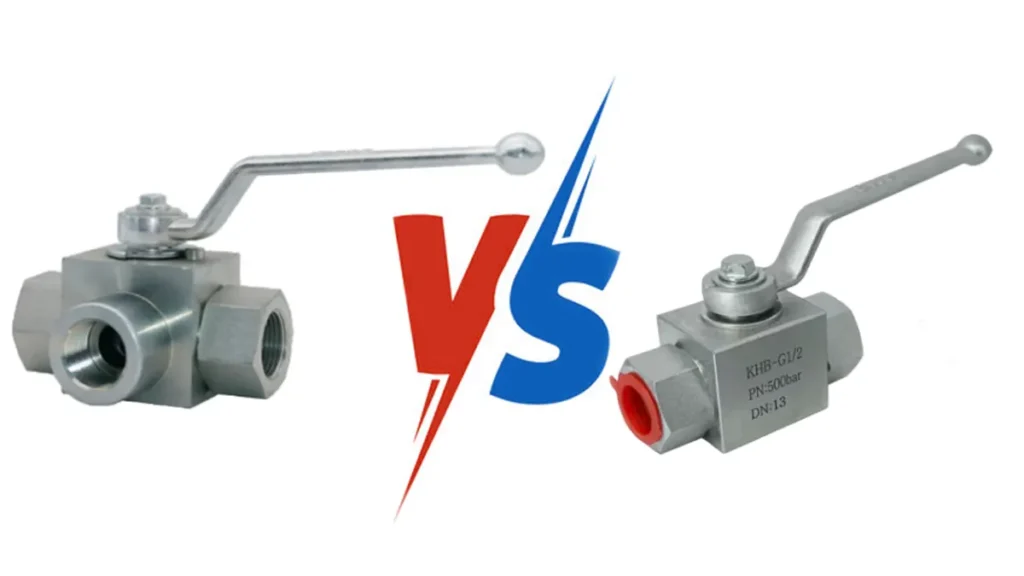
The biggest difference between a 2 Way vs 3 Way Hydraulic Ball Valve is the number of ports and how each one moves fluid. If you want simple on and off control, a 2 Way valve is the way to go. However, if you need to mix or change the flow, a 3 Way valve provides more options. Choosing the right valve can enhance your system’s performance and longevity. Here are some key points to consider:
- Full port ball valves allow fluid to flow easily, resulting in less pressure drop and improved efficiency.
- Reduced port valves are more cost-effective and assist in flow control, but they tend to slow down the fluid more.
- Floating ball valves are suitable for low or medium pressure applications, while trunnion-mounted valves are designed for high pressure and demanding tasks.
Understanding these distinctions between a 2 Way vs 3 Way Hydraulic Ball Valve will help you select the best valve for your hydraulic system.
Key Takeaways
- 2-way valves have two ports. They are good for simple on and off control. This makes them great for basic flow control.
- 3-way valves have three ports. They can mix or send fluid in different ways. This gives more choices when designing a system.
- Pick 2-way valves for jobs where you need to stop flow. They also work well with pumps that change speed to save energy.
- Use 3-way valves if you need flow all the time. They are also good for mixing fluids without turning off the system.
- Full port ball valves help fluid move faster and lower pressure loss. Reduced port valves cost less but can slow down the fluid.
- It is important to check your valves often. Check 2-way valves every 5 to 10 years. Check 3-way valves every 2 to 5 years to keep them working well.
- Think about what your system needs. Look at pressure, temperature, and fluid type before picking a valve.
- Ask manufacturers for help when choosing a valve. This will help your hydraulic system last longer and work better.
2 Way vs 3 Way Hydraulic Ball Valve: Core Differences
Number of Ports
When you look at a 2 way vs 3 way hydraulic ball valve, the first thing you notice is the number of ports. This is a big deal because it changes how you control the flow in your system.
Here’s a simple table to help you see the difference:
| Feature | 2-Way Ball Valve | 3-Way Ball Valve |
|---|---|---|
| Number of Ports | Two (inlet and outlet) | Three (one inlet, two outlets) |
| Function | Simple on/off control | Diverts or mixes flow |
| Applications | Isolating pipe sections | Mixing or diverting fluids |
You use 2 way valves when you want to start or stop the flow. These valves have just two ports, so the fluid can only go in one direction or stop completely. On the other hand, 3 way valves have three ports. This lets you send fluid in different directions or even mix two flows together. If you need more control, 3 way valves give you more options.
Flow Pathways
The way fluid moves through these valves is also different. With 2 way valves, you get a simple path. The fluid either flows straight through or stops. This makes them perfect for basic on/off jobs.
3 way valves let you do more. You can mix two flows or send fluid to different places. For example, you might want to combine hot and cold water or switch the flow between two tanks. Here’s a quick look at how the flow pathways compare:
| Aspect | 2 Way Ball Valve | 3 Way Ball Valve |
|---|---|---|
| Functionality | Simple on/off control of fluid flow | Mixes or diverts fluid between different ports |
| Flow Patterns | One direction or shut-off | Multiple directions, mixing, or diverting |
| Applications | Isolation or shut-off | Mixing, temperature control, or flow diversion |
You can see that 3 way valves are more flexible. They always have one open orifice, so fluid keeps moving. This is great if you need constant flow. If you use variable speed pumps, 2 way valves work better because you can control the flow rates more precisely.
Impact on System Design
Choosing between a 2 way vs 3 way hydraulic ball valve changes how you design your system. If you want simple control and easy installation, 2 way valves are the best choice. They work well with variable speed pumps and help you save energy. You get lower pressure drops and better control over flow.
If your system needs constant flow, 3 way valves are the way to go. They keep one path open all the time, so you don’t get sudden changes in pressure. This helps your system run smoothly. You can use them to mix fluids or send flow in different directions without stopping the system.
Here’s a quick tip:
If you need to isolate a section of pipe or just turn the flow on and off, stick with 2 way valves. If you need to mix or divert fluids and keep the flow steady, go with 3 way valves.
When you pick the right valve, you make your system safer and more reliable. You also make maintenance easier because you use the right tool for the job.
2-Way Hydraulic Ball Valve Overview
Structure and Operation
Inlet and Outlet Ports
When you look at 2 way valves, you notice they have two ports. One port lets fluid in, and the other lets it out. This simple setup makes these valves easy to understand and use. You can see how the fluid moves in a straight line from one side to the other. This design helps you control the flow with just a quick turn.
Here’s a quick table to show you the main features:
| Key Features | Description |
|---|---|
| Two ports | One inlet and one outlet for fluid flow |
| Two positions | Fully open or fully closed |
| Binary control | Operates in an on/off manner |
| Reliable operation | Simple design reduces failure points |
Ball Mechanism
Inside 2 way valves, you find a round ball with a hole through the middle. When you turn the handle, the ball rotates. If the hole lines up with the ports, fluid flows right through. If you turn the ball so the hole is sideways, the flow stops. This ball mechanism gives you quick shutoff and easy control. You can use different types of actuation, like manual handles, electric solenoids, or even air-powered systems.
- Manual operation lets you turn the valve by hand.
- Solenoid versions use electricity for fast, remote control.
- Some 2 way valves use system pressure or compressed air to move the ball.
You get a tight seal and fast response, which is great for high-pressure systems. Many 2 way valves can handle pressures from 1,000 to 6,000 PSI, and some go even higher.
Typical Applications
On/Off Control
You often use 2 way valves for simple on/off control. When you need to start or stop the flow in a pipe, these valves do the job. You just turn the handle, and the fluid either moves or stops. This makes them perfect for basic tasks in many hydraulic systems.
Isolation Functions
2 way valves work well for isolating parts of your system. If you need to do maintenance or repairs, you can close the valve and keep the rest of the system running. This keeps your work area safe and dry. Here’s a table with common uses:
| Application Type | Description |
|---|---|
| Line Isolation | Isolate sections of piping for maintenance or safety. |
| Maintenance Bypasses | Maintain equipment without shutting down the whole system. |
| General Purpose Flow Control | Regulate the flow of fluids in many processes. |
Use with Variable Speed Pumps
If you use variable speed pumps, 2 way valves give you great control. You can adjust the flow to match what your system needs. The full-bore design of many 2 way valves means you get less pressure drop and better efficiency. These valves also work well with thick hydraulic fluids, helping you avoid wear and tear on your equipment.
Tip: If you want a valve that is easy to use, reliable, and perfect for on/off or isolation jobs, 2 way valves are a smart choice. You get simple operation and strong performance, even in tough conditions.
3-Way Hydraulic Ball Valve Overview
Structure and Operation
Three-Port Design
When you look at 3 way valves, you see three ports instead of two. This extra port gives you more control over where the fluid goes. You can send fluid to two different places or mix two streams together. These valves have a more complex design than 2-way valves, but you get more options for your hydraulic system.
Here’s a quick table to help you compare:
| Feature | 2-Way Ball Valves | 3-Way Ball Valves |
|---|---|---|
| Number of Ports | 2 | 3 |
| Flow Control Capabilities | On/off control of flow | Diverting or mixing flow |
| Complexity | Simpler design | More complex |
| Typical Applications | Simple flow control | Mixing or directing flow |
You can see that 3 way valves let you do more with your system. You can change the direction of the flow or combine fluids. This makes them a great choice for many jobs.
L-Port and T-Port Options
You will find two main types of 3 way valves: L-port and T-port. The L-port has a passage inside shaped like the letter “L.” It lets you switch the flow between two different outlets. The T-port has a passage shaped like a “T.” This design lets you mix fluids from two inlets or send fluid to two outlets at the same time.
Tip: If you need to switch between two tanks, use an L-port. If you want to mix fluids or split the flow, pick a T-port.
Typical Applications
Mixing and Diverting
You can use 3 way valves to mix two different fluids or divert one stream into two directions. This is helpful in systems where you need to blend liquids or change where the fluid goes without stopping the system. For example, you might want to mix hot and cold water or send oil to different machines.
Constant Flow Systems
Many industries use 3 way valves in systems that need constant flow. These valves always keep one path open, so the fluid never stops moving. This helps prevent pressure spikes and keeps your equipment safe. You will see these valves in hydraulic power units, industrial machinery, and even in automotive manufacturing.
Here are some common uses:
- Hydraulic power units send fluid to motors and cylinders.
- Industrial machines use these valves to direct fluid and improve production.
- Agricultural equipment controls fluid for lifting and spraying.
- Oil and gas companies manage drilling fluid and wellhead operations.
- Car factories use them for robotic arms and lifts.
Always-Open Orifice Advantage
One big advantage of 3 way valves is the always-open orifice. This means there is always a path for the fluid to move. You do not get sudden stops or changes in pressure. Your system runs smoother, and you reduce the risk of damage. If you need steady flow and want to avoid pressure problems, these valves are a smart choice.
Note: 3 way valves give you flexibility and safety. You can mix, divert, and keep your system running without interruption.
2 Way vs 3 Way Hydraulic Ball Valve: Comparison
Features and Functions Table
You might wonder how 2 way valves and 3 way valves stack up side by side. Here’s a handy table to help you see the main differences at a glance:
| Feature | 2-Way Control Valve | 3-Way Control Valve |
|---|---|---|
| Number of Ports | Two (inlet and outlet) | Three (one inlet and two outlets, or vice versa) |
| Function | Controls flow rate in a single path | Mixes or diverts fluid between two paths |
| Flow Control Type | On/off or throttling | Mixing or diverting |
| Typical Applications | Simple flow regulation, isolation | Temperature control, bypass, blending |
| Installation Complexity | Simple | More complex |
| Cost | Lower | Higher |
| Pressure Drop | Generally lower | May be higher due to flow path complexity |
This table makes it easy to compare the main features and functions of each valve type. You can see how the number of ports and the way they handle flow set them apart.
Summary of Key Differences
Ports and Flow Paths
When you look at 2 way vs 3 way hydraulic ball valve options, the first thing you notice is the number of ports. 2 way valves have two ports—one for fluid to enter and one to exit. This setup gives you a straight path for flow. You get simple on/off control or can throttle the flow rates as needed.
3 way valves have three ports. This design lets you mix two flows or divert fluid from one path to another. You can send fluid to different places or blend two streams together. If you need more control over where your fluid goes, 3 way valves give you that flexibility.
Application Suitability
You want to match the right valve to your job. 2 way valves work best when you need to start or stop flow in a single line. They are great for isolation, simple flow regulation, or when you use variable speed pumps. You often see them in basic hydraulic systems, irrigation, or any place where you just need to open or close a line.
3 way valves shine in more complex setups. If you need to mix fluids, control temperature, or switch flow between two destinations, these valves make your life easier. They are common in heating and cooling systems, blending stations, and bypass lines. You can often save money by using one 3 way valve instead of several 2 way valves for the same job.
Tip: If your system needs to change flow direction or mix fluids, go with 3 way valves. For simple on/off jobs, stick with 2 way valves.
Maintenance and Installation
You probably want to know how much work these valves need over time. 2 way valves have a simple design. You only need to check them every 5-10 years in most cases. They are easy to install and don’t need much attention.
3 way valves are a bit more complex. You should plan to maintain them every 2-5 years. They also need annual calibration checks to keep everything running smoothly. Because they have more moving parts, you might spend a little more time on upkeep.
Here’s a quick list to help you remember:
- 2 way valves: Maintenance every 5-10 years.
- 3 way valves: Maintenance every 2-5 years, plus yearly calibration.
Note: Even though 3 way valves cost more up front, they can save you time and money in complex systems by reducing the number of valves you need.
You now have a clear picture of how these valves compare. Think about your system’s needs, how often you want to do maintenance, and how much control you need over your flow. This will help you pick the best valve for your job.
Choosing the Right Hydraulic Ball Valve
Decision Factors
When you pick between 2 way valves and 3 way valves, you want to look at a few important things. Making the right choice keeps your system running smoothly and helps you avoid problems down the road.
System Requirements
Start by thinking about what your system needs. Ask yourself these questions:
- What type of fluid will flow through the valve? Some fluids need special materials to prevent corrosion.
- How much pressure and temperature will the valve handle? Always check the ratings to match your system.
- What kind of actuation do you want? You can choose manual, electric, or pneumatic controls.
- How often will you need to maintain the valve? Easy access can save you time and trouble.
- Does your system follow any industry standards? For example, API for oil and gas, ANSI for industrial piping, or ISO for global compatibility.
Here’s a quick table with some common standards:
| Standard | Application | Description |
|---|---|---|
| API | Oil and Gas | Pipeline ball valves for safety and performance in tough conditions |
| ANSI | Industrial Piping | Pressure classes and materials for many industries |
| ISO | Global Standards | Quality management and actuator compatibility |
Flow Control Needs
Think about how you want to control the flow. If you need simple on/off control, 2 way valves are a great fit. If you want to mix or divert flow, a 3 way valve gives you more options. You should also consider:
- Do you need precise flow control? V-port valves work well for metering.
- Is pressure drop a concern? Full-port valves help keep flow efficient.
- Will you use the valve for high-pressure jobs? Trunnion-mounted or high-pressure valves handle tough tasks.
Space and Cost
Space and budget matter too. 2 way valves take up less room and usually cost less. 3 way valves can replace two or more regular valves, which sometimes saves money in complex systems. Always check if the valve fits your piping and if the cost matches your project.
Application Scenarios
Let’s look at when you should use each type of valve. Picking the right one helps you avoid common mistakes.
When to Use 2-Way
You want to use 2 way valves when:
- You need to start or stop flow in a single line.
- You want to isolate a section for maintenance.
- Your system uses variable speed pumps.
- You have limited space or a tight budget.
Tip: Don’t use standard shutoff valves to throttle flow. This can cause turbulence and wear out the valve faster.
When to Use 3-Way
Choose a 3 way valve if:
- You need to mix two fluids or split flow between two places.
- Your system needs constant flow with no dead zones.
- You want to control temperature by blending hot and cold fluids.
- You want to reduce the number of valves in a complex system.
Common mistakes to avoid:
- Picking the wrong valve type for your job. This can cause backpressure or dead spots.
- Using a shutoff valve to control flow. This leads to breakdowns.
- Ignoring pressure and material ratings. The wrong choice can cause leaks or bursts.
- Misreading the handle position. Always double-check before operating.
- Overlooking early signs of wear. Fix small leaks or corrosion before they get worse.
Best practice: Always match the valve to your system’s needs. Check ratings, materials, and flow paths before you buy.
You can always ask a manufacturer for help. They can guide you on pressure, temperature, materials, and the best actuation method for your setup. This way, you get a valve that fits your system and lasts longer.
Conclusion
Now you know the big differences between 2-way and 3-way hydraulic ball valves. Each valve works best for certain jobs. Picking the right one helps your system work well and last longer. Here’s why your choice is important:
- Choosing the right valve gives you better flow control.
- The correct valve helps you save money and avoid problems.
- Planning ahead means you will need fewer repairs and less maintenance.
As a hydraulic ball valve manufacturer, we provide 2-way and 3-way hydraulic ball valves for different high-pressure applications. We can also support custom sizes, materials, thread types, sealing options, and valve designs based on your drawings or application needs.
If you are not sure which valve is right for your system, contact our team. We can help you choose or customize the right hydraulic ball valve for your project.
FAQ
What is the main difference between a 2-way and a 3-way hydraulic ball valve?
You get two ports with a 2-way valve—one for fluid in, one for fluid out. A 3-way valve has three ports. You can mix or switch the flow with a 3-way valve.
Can I use a 3-way valve instead of two 2-way valves?
Yes, you can. A 3-way valve can do the job of two 2-way valves in many systems. This saves space and makes your setup simpler.
When should I pick a 2-way valve?
Pick a 2-way valve when you want to start or stop flow in one line. It works well for isolation and basic on/off control.
What does “L-port” and “T-port” mean for 3-way valves?
An L-port lets you switch flow between two paths. A T-port lets you mix or split flow. You choose the shape based on what your system needs.
Do these valves work with high pressure?
Most hydraulic ball valves handle high pressure. You should always check the pressure rating before you buy. Some types work better for tough jobs.
How do I know which valve size to choose?
Check your pipe size and flow needs. The valve should match your pipe diameter. If you are not sure, ask your supplier for help.
How often do I need to maintain these valves?
You should check 2-way valves every 5-10 years. For 3-way valves, check them every 2-5 years and do yearly calibration. Regular checks help prevent leaks.
Can I automate these valves?
Yes! You can add electric or pneumatic actuators to both 2-way and 3-way valves. This lets you control them from a distance or with a button.