
You may think hydraulic check valve sizes only fit the pipe size, but that is not true. When you pick a check valve, you must check flow rate, pressure, port size, thread type, and the inside passage. If you choose the wrong size, you might get pressure loss, noise, or damage in your hydraulic system. Always read the manufacturer’s details and make sure you know what your job needs before you buy.
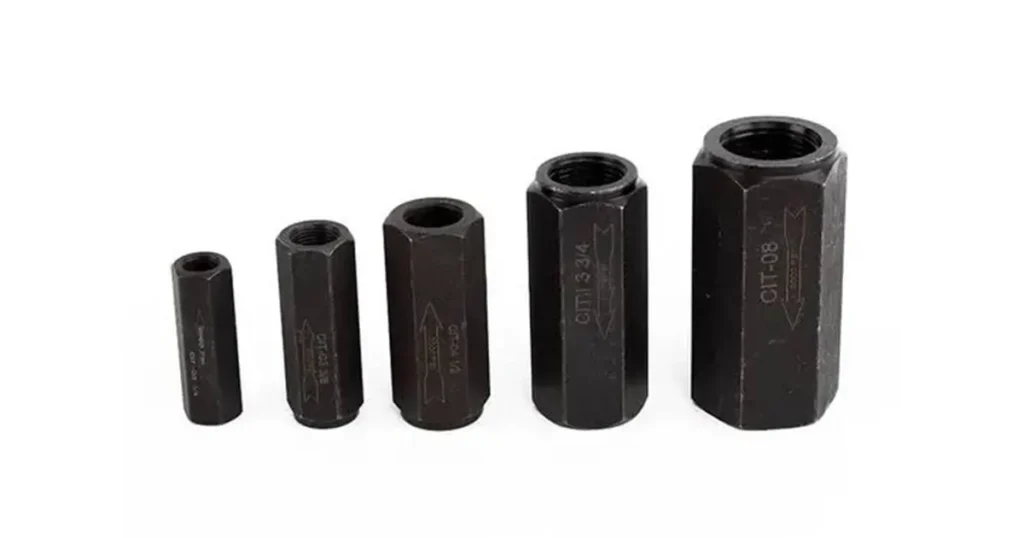
Tip: The right size helps your system work better and safer, especially when the job is hard.
Key Takeaways
- Picking the right hydraulic check valve size is very important. It helps your system work well. Always think about flow rate, pressure, and port size.
- Most check valve sizes go from 1/8 inch to 2 inches. Look at manufacturer catalogs to see what sizes you can get.
- Sometimes, you need custom check valves for special jobs. Talk to suppliers if you need a special solution.
- Opening pressure changes how your system works. Pick a valve with the right opening pressure. This stops backflow and keeps things running smoothly.
- There are different types of check valves for different jobs. Pick ball, poppet, or swing check valves for your system’s needs.
- Always match the valve size to your system’s flow and pressure. Do not just match it to the pipe size. This helps stop leaks and keeps things working right.
- Look at manufacturer data closely before you buy. This makes sure the valve fits your needs.
- Measure the space where you will put the valve. Make sure there is enough room for the valve and for fixing it later.
Hydraulic Check Valve Sizes Overview
Standard Sizes Range
When you look for check valves, you will see many standard options. Most manufacturers offer common hydraulic check valve sizes that fit many jobs. You can find check valves as small as 1/8 inch and as large as 2 inches. Some brands also show these sizes in millimeters, from 6 mm up to 50 mm. This range covers most needs in machines, tools, and industrial systems.
Here’s a quick look at what two major brands offer:
| Manufacturer | Size Range |
|---|---|
| Tu-Lok | 1/8″ To 2″ / 6 Mm To 50 Mm |
| Fit-Lok | 1/8″ To 2″ / 6 Mm To 50 Mm |
You can use this table to compare what you need with what is available. Always check the catalog or website for the latest options.
Custom and Large Sizes
Sometimes, your system needs a check valve that is not in the standard list. Maybe you work with very high flow or special equipment. In these cases, you can find custom and large check valves. Some companies make check valves up to 24 inches for big pipelines or special machines. You might need to share your drawing, photo, or even a sample to get the right fit.
Manufacturer specifications play a big role here. They decide what sizes, materials, and connection types you can get. These specs make sure the check valve works well in your system and matches your pressure and flow needs. If you have a unique job, talk to the supplier about custom options.
Opening Pressure Options
Opening pressure is the force needed to let fluid pass through the check valve. You want to pick the right opening pressure for your system. If it is too high, your pump works harder. If it is too low, you might get backflow.
Here are some common opening pressure options you might see:
- Some check valves open at about 0.05 MPa, which is good for low-resistance systems.
- Others open at 0.08 MPa or 0.09 MPa, matching many manufacturer specs.
- A few check valves may have higher opening pressures, like 0.15 MPa, often because of special seat or outlet designs.
You should always check the opening pressure in the product data. This helps you avoid problems with flow or pressure loss.
Tip: The right hydraulic check valve sizes and opening pressure keep your system safe and efficient. Always match the check valve to your real needs, not just the pipe size.
Common Types of Check Valves
When you look at hydraulic check valves, you will notice a few main types. Each one works a bit differently and fits certain jobs better. Let’s break down the most common types you might see when choosing hydraulic check valve sizes.
1. Ball Check Valves
Ball check valves use a round ball that moves up and down inside the valve body. When fluid flows in the right direction, the ball lifts and lets it pass. If the flow tries to go backward, the ball drops and seals the opening. These valves are simple and reliable. You often find them in small to medium hydraulic systems. They work well with clean fluids and can handle high pressure. Ball check valves usually have a compact design, so they fit in tight spaces.
2. Poppet (Spring) Check Valves
Poppet check valves use a spring-loaded poppet instead of a ball. The spring pushes the poppet against the seat to stop reverse flow. When the fluid pressure is strong enough, it pushes the poppet open. These valves react quickly to changes in flow direction. You can use them in both vertical and horizontal lines. The spring helps seal the valve tightly, so you get less leakage. Poppet check valves do create a bit more resistance to flow than swing types, but they give you dependable sealing and fast response.
3. Swing Check Valves
Swing check valves have a disc that swings open when fluid flows forward. When the flow stops or reverses, the disc swings back to block the passage. These valves work best in systems where you want a smooth flow and low pressure drop. Swing check valves do not close as fast as spring types. If your system has sudden flow reversals, you might hear a slamming sound. This can lead to water hammer, which is a shock wave in the pipe. Some swing check valves use dampening devices to reduce this problem. They may also leak a bit under high pressure or if the reverse flow is strong.
Note: Swing check valves are great if you want minimal pressure drop, but they might not be the best choice for high-pressure or fast-closing needs.
How to Choose the Right Type
You should pick the check valve type based on your system’s needs. If you want quick closure and tight sealing, go for a poppet or spring check valve. If you need smooth flow and low resistance, a swing check valve might work better. Ball check valves are a good choice for simple, compact systems.
Remember, the type you choose affects how well your hydraulic check valve sizes match your system. Always check the manufacturer’s data and think about your flow direction, pressure, and installation space.
Hydraulic Check Valve Size Chart
Choosing the right hydraulic check valve can feel tricky, but a good size chart makes it much easier. You want to see how different options compare, so you can match your system’s needs. Let’s break down the most important details you’ll find in a typical chart.
Inch and Metric Examples
Hydraulic check valves come in many sizes. You’ll see both inch and metric options, which helps you match the valve to your pipes or fittings. Here’s a quick table that shows some of the most common body and port sizes you’ll find:
| Body Size | Port Size |
|---|---|
| 1/4″ | 1/4″ |
| 3/8″ | 3/8″ |
| 1/2″ | 1/2″ |
| 3/4″ | 3/4″ |
| 1″ | 1″ |
| 1 1/4″ | 1 1/4″ |
| 1 1/2″ | 1 1/2″ |
| 2″ | 2″ |
You might also see these sizes listed in millimeters, like 6 mm, 10 mm, or 25 mm. Some brands use both systems, so always double-check the chart before you order. Each manufacturer may have a slightly different list, so don’t be surprised if you see extra options or missing sizes in some catalogs.
Tip: Always match the valve size to your system’s flow and pressure, not just the pipe size.
Pressure Ratings
Pressure ratings tell you how much force the valve can handle. This is important because you don’t want a valve that bursts or leaks under pressure. Different types of check valves have different pressure limits. Here’s a table to help you compare:
| Type | Pressure Rating | Size Range |
|---|---|---|
| Poppet | Up to 5000 psi | 1/4″ to 2″ |
| Ball | Up to 3000 psi | 1/8″ to 2″ |
| Pilot | Up to 4000 psi | 1/4″ to 3″ |
| Cartridge | Up to 5000 psi | Varies |
You’ll notice that poppet and cartridge valves can handle higher pressures. Ball check valves work well for medium pressure jobs. Always check the pressure rating in the product details, because it can change by series or brand.
Flow Capacity
Flow capacity shows how much fluid can move through the valve. This number is usually in gallons per minute (GPM) or liters per minute (LPM). If you pick a valve that’s too small, you’ll get slow flow or pressure loss. Here’s a table with some typical flow rates for different thread sizes:
| Max Flow Rate (GPM) | Max Flow Rate (LPM) | Thread (BSP) | Thread (Metric) | Model Options |
|---|---|---|---|---|
| 0.5–0.8 | 2–3 | N/A | M6 | RVA2, RVB2 |
| 1.1–1.6 | 4–6 | N/A | M8X1 | RVA3, RVB3 |
| 2.1–2.6 | 8–10 | G1/8 | M10X1 | RVA4, RVB4, RVE4, RVF4, RVG4 |
| 4.7–6.6 | 18–25 | G1/4 | M14X1.5 | RVA6, RVB6, RVE6, RVF6, RVG6 |
| 9.2–11.9 | 30–45 | G3/8 | M18X1.5 | RVA8, RVB8, RVE8, RVF8, RVG8 |
| 15.9–18.5 | 60–70 | G1/2 | M22X1.5 | RVA10, RVB10, RVE10, RVF10, RVG10 |
| 23.8–26.4 | 90–100 | G3/4 | M27X2 | RVA16, RVB16, RVE16, RVF16, RVG16 |
Valve charts can look different from one manufacturer to another. Always check the latest chart for your chosen brand and series. This helps you pick the best valve for your job and avoid problems with flow or pressure.
Applications of Hydraulic Check Valves
Hydraulic check valves are important in many machines and factories. They let fluid move one way and stop it from going backward. These valves protect hydraulic systems and help them work well. Let’s see where check valves are used most.
Industrial Systems
Check valves are found in lots of industrial systems. They stop backflow and keep things safe. Here are some places you might see them:
- Agricultural machines, like tractors and harvesters, use check valves to control hydraulic parts and keep fluid moving right.
- Construction and heavy equipment, such as excavators and cranes, need check valves to manage hydraulic cylinders and keep pressure steady.
- Industrial machines, including hydraulic presses and robotic arms, use check valves for fluid control and to keep flow going one way.
- Oil and gas pipelines use check valves to stop backflow and move fluids safely.
- Wastewater treatment plants use check valves to stop backflow and protect pumps and filters.
- Water supply systems use check valves to keep water from going backward and causing problems.
Most check valves in these jobs are sized from ¼″ to 2″. You pick the size based on how much fluid your system needs to move, not just the pipe size.
If you want your hydraulic systems to stay safe and work well, you need the right check valve for each job.
Machinery and Equipment
Check valves are used in many types of machines and equipment. They help control fluid and keep systems safe. When you pick a check valve size, you look at what the machine needs and how much fluid it uses. You don’t just match the pipe size. If the valve is too small, fluid can’t move fast enough. If it’s too big, it can wear out early and waste energy.
You need to check how much fluid the valve can handle and how much pressure it can take. The valve must handle the highest flow and keep pressure drops low. The way flow rate and pressure drop work together is not always easy. Make sure your check valve fits the job and keeps your machine working without problems.
Always check the manufacturer’s data and make sure the check valve matches your real job needs.
Process and Pump Lines
Check valves are very important in process and pump lines. They stop backflow and keep systems safe. In wastewater treatment, check valves protect pumps and keep dirty water from going backward. In water supply systems, they stop backflow and keep water clean.
You also find check valves in hydraulic power units, cylinders, mobile equipment, machine tools, and test benches. These jobs need good fluid control and backflow prevention. You want your check valve to fit the space, handle the pressure, and match the flow rate.
Tip: If you want your hydraulic systems to last longer and work better, always pick the right check valve for each job.
Selecting the Right Check Valve Size
Flow Rate and Pressure
You want your hydraulic system to run smoothly. Picking the right check valve starts with knowing your flow rate and pressure. If you get these wrong, your system can slow down or even fail. Here’s a simple step-by-step process to help you choose the best check valve for your needs:
- Define Your Application and Media
First, look at what your system does. Are you working with oil, water, or another fluid? Each application needs a check valve that matches the media. - Assess System Pressure, Temperature, and Flow
Check the highest pressure your system will reach. Write down the temperature and flow rate. These numbers help you find a check valve that can handle the job. - Determine Material and Sizing
Pick a material that works with your fluid. Make sure the check valve size fits your flow rate. If the valve is too small, you get pressure loss. If it’s too big, you waste energy. - Select the Right Type of Check Valve
Choose a check valve type that fits your application. Ball, poppet, or swing check valves all work differently. - Match Size and Flow Capacity
Compare the valve’s specs with your system’s needs. Make sure the check valve can handle your flow rate and pressure.
Tip: Always check the manufacturer’s data. You want a check valve that fits your hydraulic system, not just your pipe size.
If you follow these steps, you avoid common mistakes. You keep your hydraulic system safe and efficient. You also make sure your check valves last longer.
Connection Standards
You need to match your check valve to your system’s connection standards. If you pick the wrong thread or port, your valve won’t fit. You might waste time and money. Here’s what you should check:
- Thread Type: Look at your pipes and fittings. Are they BSP, NPT, or metric? Each check valve comes with its own thread type.
- Port Size: Make sure the port size matches your line. If the port is too small, you get flow restriction. If it’s too big, you risk leaks.
- Connection Method: Some check valves use threaded connections. Others use flanged or cartridge types. Pick the method that fits your application.
| Connection Type | Common Standards | Where You Find Them |
|---|---|---|
| Threaded | BSP, NPT, Metric | Small hydraulic lines, machine tools |
| Flanged | ANSI, DIN | Large pipelines, industrial applications |
| Cartridge | Custom, ISO | Hydraulic blocks, compact systems |
Note: Always check the catalog or technical sheet. You want your check valve to fit your system without extra adapters.
Valve Location and Flow Path
Where you put your check valve matters. You need to think about the flow path and the valve’s location in your hydraulic system. If you place the check valve in the wrong spot, you can get backflow or pressure loss.
Ask yourself these questions:
- Where does the fluid enter and exit?
- Is the check valve close to the pump or actuator?
- Does the flow go up, down, or sideways?
You want the check valve to stop backflow and keep your system safe. If you put it too far from the pump, you might get slow response. If you put it too close, you can get noise or vibration.
Tip: Draw a simple diagram of your hydraulic system. Mark where you want the check valve. This helps you see the best location and flow path.
You also need to check the space around the valve. Make sure you have room for installation and maintenance. If your check valve is hard to reach, you might have trouble fixing it later.
Check valves play a big role in many applications. You see them in hydraulic power units, machine tools, and process lines. If you pick the right size and location, your system works better and lasts longer.
Installation Space
You can’t just pick any check valve and hope it fits. You need to check the space where you want to install the valve. If you skip this step, you might end up with a valve that’s too big or too small for your system.
Start by measuring the area where the valve will go. Look at the length, width, and height. Don’t forget to check for things like nearby pipes, walls, or other equipment. You want to make sure you have enough room to install the valve and still reach it for maintenance.
Here’s a quick checklist to help you:
- Measure the distance between the pipe ends.
- Check the space around the valve for tools and hands.
- Look for any bends or tight spots in the piping.
- Make sure you can see the flow arrow and markings on the valve.
- Think about how you’ll remove the valve if you need to replace it.
Tip: If you have a tight spot, look for compact or cartridge-style check valves. These fit better in small spaces.
Some valves need more room because they have long bodies or big handles. Others are short and easy to fit in small places. Always check the valve’s dimensions in the catalog or datasheet before you buy.
If you’re not sure, draw a simple sketch or take a photo of your setup. Show this to your supplier. They can help you pick a valve that fits your space.
Manufacturer Data Review
You want your hydraulic system to work right the first time. That means you need to read the manufacturer’s data before you order a check valve. This data gives you all the details you need to make a smart choice.
Here’s what you should look for in the manufacturer’s datasheet:
| What to Check | Why It Matters |
|---|---|
| Flow Rate (GPM/LPM) | Makes sure the valve can handle your system flow |
| Pressure Rating (psi/bar) | Keeps the valve safe under system pressure |
| Cracking Pressure | Tells you when the valve will start to open |
| Connection Type/Size | Ensures the valve fits your pipes or fittings |
| Body Dimensions | Confirms the valve fits your installation space |
| Material & Seal Type | Matches the valve to your fluid and temperature |
| Temperature Range | Prevents leaks or damage from hot/cold fluids |
| Certifications | Meets safety or industry standards |
Don’t just look at the pictures. Read the numbers and notes. Some valves look the same but have different specs. If you skip this step, you might get a valve that doesn’t work for your job.
Note: If you can’t find the data you need, ask the supplier for a technical sheet or call their support team.
Always compare your system’s needs with the manufacturer’s specs. If something doesn’t match, keep looking. The right check valve will save you time, money, and headaches later.
Sizing Factors and Mistakes
Pipe Diameter vs. Valve Size
You might think you can just match the pipe diameter to the valve size, but that’s not always true. Many people make this mistake when choosing check valves for hydraulic systems. If you pick a valve based only on pipe size, you can run into problems like noise, leaks, or even faster wear. The right valve size depends on flow rate and fluid velocity, not just the pipe.
Here’s a quick table to show what happens if you get it wrong:
| Consequence | Description |
|---|---|
| Disc flutter | The valve moves too much and becomes unstable |
| Reduced sealing performance | The valve doesn’t stop backflow well |
| Noise | You hear unwanted sounds during operation |
| Accelerated wear | The valve needs more maintenance |
| Proper sizing importance | You need to size based on flow rate and fluid velocity |
If you want your hydraulic system to work smoothly, always check the flow rate and velocity before picking a valve. Don’t just look at the pipe diameter.
Thread and Port Confusion
Threads and ports can be tricky. You might see a valve that looks right, but the threads don’t match your pipes. This mistake can cause slow leaks, even if everything seems tight at first. Sometimes, the threads get damaged during installation, which leads to cracks or extra costs later.
Here are some problems you might face if you mix up thread and port standards:
- Slow leaks that pass pressure tests but fail during real use
- Thread galling, which means the threads get stuck or damaged
- Fatigue cracks from vibration
- O-ring extrusion when pressure spikes
- More downtime and higher costs for repairs
Always check the thread type and port size before you buy check valves. If you’re not sure, ask your supplier or look at the technical sheet. Matching the right threads and ports keeps your hydraulic system safe and saves you money.
Pressure Drop Issues
Pressure drop is a big deal in hydraulic systems. If you ignore it, your system can lose energy and cost more to run. When fluid moves through a check valve, it loses some pressure. If the valve is too small, the drop gets bigger. That means you might need a larger pump, which uses more energy and raises your bills.
Here’s what you need to know:
- Pressure drop across a check valve means energy loss
- High pressure drops can lead to bigger pumps and higher costs
- Accurate sizing helps manage energy losses and keeps your system efficient
- Too much pressure drop can stress parts and cause early failures
- Smaller valves might work for jobs that don’t run often, but always check with the manufacturer if you go above rated flows
If you want your hydraulic system to last and work well, always check the pressure drop in the datasheet. Picking the right valve size keeps your flow steady and your costs low.
Oversizing Risks
Some people think a bigger hydraulic check valve is better. That idea is not always right. If you pick a valve that is too big, your equipment may not work well. Oversizing can cause more problems than you think.
Here are some things that can happen if the valve is too large:
- The valve disc might move up and down because the pressure is not strong enough to hold it still.
- This movement can wear out parts inside the valve, like the disc, hinge, and seat.
- You will have to pay more for repairs, and the valve will not last as long.
When the disc moves too much, it does not seal tightly. You might hear odd sounds or see leaks. The valve can break sooner, so you spend more money fixing or replacing it. You want your hydraulic system to work well, so picking the right size is important.
If the valve is too big, your system may react slowly. The valve might not close fast enough, which can let fluid flow backward or cause pressure jumps. To keep your equipment safe and working well, always match the valve size to your flow rate and pressure, not just the pipe size.
Tip: Do not guess. Use the manufacturer’s data and your system’s numbers to find the best size. Oversizing may look safe, but it often causes bigger problems.
Ordering Without Data
Ordering a hydraulic check valve without checking the technical data is a common mistake. You might think you know what you need, but skipping the details can cause headaches later. If you do not check the specs, you could get a valve that does not work for your system.
Here is a table that shows what can go wrong:
| Issue Type | Description |
|---|---|
| Improper Valve Function | Picking the wrong valve can make it work badly and hurt your system. |
| System Inefficiencies | Parts that do not match can make things slow, hot, or leaky, and waste energy. |
| Safety Hazards | A valve that fails can be dangerous for people and machines. |
You might order a valve that fits the manifold, but the machine acts differently. For example, if you want a cylinder to stop and hold in the middle, picking the wrong center spool can make it fail. The machine will not stay in place, and you will have to fix it, which takes time and money.
Other problems are slow movement, extra heat, and leaks. These issues make your system less efficient and can even be unsafe. If the valve does not work as it should, you could damage equipment or put people at risk.
Note: Always check the technical sheet, confirm the specs, and ask questions if you are not sure. Getting the right data before you order saves you from costly mistakes and keeps your hydraulic system safe.
Replacement and Custom Solutions
When you need to replace a check valve, you want everything to fit and work right the first time. Getting the right measurements makes your job much easier. If you skip this step, you might end up with leaks, slowdowns, or a valve that just won’t fit. Let’s walk through what you should check before you order a new valve or ask for a custom one.
Measurement Checklist
You don’t want any surprises when you swap out a valve. Here’s a handy checklist to help you measure and record the important details. Grab a tape measure and a notepad, and check each item below:
| Task | Description |
|---|---|
| Body length | Measure the full length of the valve body. |
| Port-to-port length | Check the distance between the centers of the ports. |
| Thread diameter/pitch | Write down the thread size and pitch for each port. |
| Number of ports | Count how many ports the valve has. |
| Connection type | Note if it’s threaded, flanged, or cartridge style. |
| Wrench size | Find out what size wrench fits the valve. |
| Flow arrow and markings | Look for arrows or labels that show flow direction. |
| Pressure rating | Check the maximum pressure the valve can handle. |
| Installation space | Measure the area where the valve will sit. |
You should also check the actuator and control system if your valve has them. Make sure everything moves smoothly and responds to signals. Here’s a quick table for those checks:
| Task | Description |
|---|---|
| Calibration of Actuator | Make sure the actuator moves as far as it should. |
| Control System Calibration | Check that the control system sends the right signals. |
| Control System Inspection | Look for any broken wires or bad connections. |
| Functional Testing | Open and close the valve to see if it works smoothly. |
Tip: Take a few photos or make a quick sketch. If you send these to your supplier, they can help you find the perfect match.
Custom Valve Options
Sometimes, your system needs something special. Maybe you have a unique connection, a tough environment, or a tricky installation spot. You don’t have to settle for a standard valve. Many companies, like Chenyang Hydraulic, can build a custom solution just for you.
Here are some custom options you can ask for:
| Customization Feature | Description |
|---|---|
| New development | Get a valve made for your exact job. |
| Special connection | Ask for unique threads or flanges. |
| Special housing | Choose a different shape or size for tight spots. |
| Modified pressure ranges | Set the valve to handle higher or lower pressures. |
| Adjusted opening pressure | Pick when the valve starts to open. |
| Extended temperature range | Use the valve in hot or cold places. |
| Modified sealing concept | Get seals that fit your fluid or pressure. |
| Sealing material | Choose special materials for tough jobs. |
| Use of alternative materials | Try stainless steel, brass, or other metals. |
| Examples of custom solutions | Flange valves, cartridge check valves, and more. |
If you want a custom hydraulic check valve, send your supplier a drawing, a photo, or even a sample. This helps them understand what you need. Chenyang Hydraulic can make both standard and custom valves, so you get the right fit every time.
Note: Custom valves can solve problems that standard ones can’t. Don’t be afraid to ask for exactly what you need.
Conclusion
You want your hydraulic system to work well. The right check valve size helps keep the flow steady. It also stops energy from being wasted. If you pick the wrong check valve, you could get leaks or have trouble putting it in. Sometimes, using a check valve with higher crack pressure makes things more stable. It can also mean less fixing and repairs. One check valve with 20 psi crack pressure stopped backflow. This made the process safer for everyone. Always look at the manufacturer’s data before you buy. Here is a simple checklist to help you pick the right check valve:
- Make sure you know your flow rate and pressure.
- Match the check valve to your connection type.
- Check the crack pressure and where the valve will go.
- Measure the space where you will put the valve.
- Read the technical sheet for details.
Chenyang Hydraulic can help you get standard or custom check valves for any job.
FAQ
What happens if I pick the wrong check valve size?
You might get leaks, noisy pipes, or slow flow. Your system could even break down. Always check the specs before you buy.
Can I use a bigger check valve for better flow?
Bigger is not always better. If the valve is too large, it may not seal well. You could get leaks or early wear.
How do I know which thread type I need?
Check your pipe or fitting. Look for markings like BSP, NPT, or metric. If you are not sure, ask your supplier or check the manual.
What is cracking pressure?
Cracking pressure is the minimum pressure needed to open the valve. You want to match this to your system so the valve works right.
Do all check valves work with any fluid?
No, some valves only work with certain fluids. Always check the material and seal type. Pick one that matches your fluid.
How do I measure for a replacement check valve?
Measure the body length, port size, and thread type. Take note of the space around the valve. A quick photo helps your supplier find the right match.
Can I install a check valve in any direction?
No, you must follow the flow arrow on the valve body. If you install it backward, it will block flow and not protect your system.