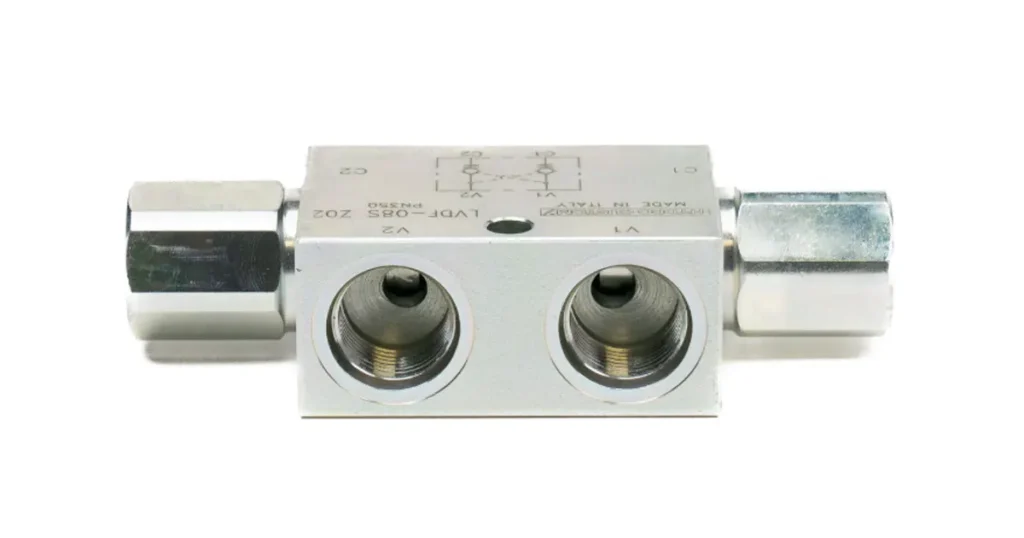
You may ask, what is a pilot operated check valve? This valve lets fluid move in one direction. It stops fluid from going back unless pilot pressure is used. These valves are common in hydraulic systems. They help keep actuators in place. They also stop cylinders from moving by themselves. If you want your machines to be safe, you should know about this valve. It helps make machines work well and last longer.
Key Takeaways
- A pilot-operated check valve lets fluid move one way. It stops fluid from going back unless pilot pressure turns it on.
- These valves help control hydraulic systems better. They stop things from moving when they should not.
- This keeps people and machines safe. Pilot-operated check valves are needed for holding loads.
- They are used in cranes and hydraulic cylinders. You must take care of pilot lines and valve parts often.
- This keeps them working right and stops leaks. Picking the right pilot-operated check valve is important.
- You need to think about pressure, flow, and the place it will be used. The pilot pressure must be strong enough to open the valve.
- If the pilot pressure is too low, the system can fail. Knowing how pilot-operated and standard check valves are different helps you choose the best one.
- Using pilot-operated check valves makes systems work better. They also make them safer and more reliable in many industries.
What Is a Pilot Operated Check Valve
Basic Function
If you want to understand what is a pilot operated check valve, you need to know how it works in a hydraulic system. This valve lets fluid move freely in one direction. When you try to push fluid the other way, the valve blocks it. You can only open the valve in reverse if you use pilot pressure. This special pressure comes from another part of your system. It acts like a signal that tells the valve to let fluid go back.
Here’s how it stands out from other check valves:
- A standard check valve works by itself. It only responds to the direction of fluid flow.
- A pilot operated check valve gives you more control. It blocks reverse flow unless you send a pilot signal. This means you can hold a load steady and only release it when you want.
When you ask, what is a pilot operated check valve, think of it as a smart gatekeeper. It knows when to let fluid pass and when to hold it back, based on your commands.
Key Features
You might wonder what makes these valves different from regular check valves. Let’s look at the main features in a simple table:
| Feature | Simple Check Valve | Pilot Operated Check Valve |
|---|---|---|
| Flow Control | Forward only | Forward + controlled reverse |
| Load Holding | Moderate (may drift) | Excellent (positive lock) |
| Remote Control | None | Full hydraulic control |
| Leakage Rate | 5-10 drops/min | <1 drop/min |
| Cost | Low | Moderate |
| Application | Basic backflow prevention | Precision load control |
You can see that pilot operated check valves give you much better control. They hold loads in place with almost no leakage. You can also control them from a distance using hydraulic signals. If you need to keep a heavy load steady, this valve is your best choice.
Importance in Hydraulics
Now, let’s talk about why these valves matter so much in your hydraulic systems. When you ask what is a pilot operated check valve, you’re really asking why it’s so important for safety and control.
- Safety: These valves stop machines from moving when you don’t want them to. They protect both your equipment and the people using it.
- Precision: You can move cylinders and actuators exactly where you want. The valve holds them in place until you decide to move them again.
- Reliability: Your system works the same way every time. You don’t have to worry about loads drifting or moving on their own.
Tip: If you want your hydraulic machines to work safely and smoothly, always choose the right check valves for your needs.
When you understand what is a pilot operated check valve, you see how it keeps your machines safe, steady, and easy to control.
Valve Structure and Ports
Main Components
You might wonder what makes a pilot-operated check valve tick. Let’s break it down. Every valve has a few key parts that work together to control fluid flow. If you look inside, you’ll find these main components:
| Component | Contribution to Operation |
|---|---|
| Pilot Port | Lets you activate backflow. The valve acts as a regular check valve until you use this port. |
| Control Element | Usually a ball or piston. When you pressurize the pilot port, this part opens the valve for flow both ways. |
| Cracking Pressure | Sets the first resistance. You need to overcome this to open the valve. It keeps the valve from opening by accident. |
| Pressure Control | Decides when the valve opens. It uses pilot pressure and the pressure difference between inlet and outlet. |
You can think of the pilot port as the “unlock” button. The control element is the moving part that responds to your signal. Cracking pressure acts like a safety lock. Pressure control makes sure the valve only opens when you want it to. Each piece plays a role in keeping your hydraulic system safe and steady.
Tip: If you want your valve to work right, make sure all these parts are in good shape. A worn-out control element or a weak cracking pressure can cause trouble.
Port Functions
Now, let’s talk about the ports. You’ll see three main ports on a pilot-operated check valve: inlet, outlet, and pilot port. Each one has a special job.
The inlet port is where fluid enters the valve. It flows straight to the outlet port when you want forward movement. The valve blocks reverse flow, so fluid can’t go back unless you use the pilot port. When you apply pilot pressure, the pilot port sends a signal to the control element. This action opens the valve and lets fluid move in the opposite direction.
Imagine you’re running a hydraulic cylinder. Fluid goes in through the inlet, pushes the cylinder, and exits through the outlet. If you need to retract the cylinder, you use the pilot port. The pilot pressure lifts the internal seal, and now fluid can flow backward. If you stop the pilot pressure, the valve closes again. The poppet inside traps the fluid, so nothing leaks or creeps.
You get precise control over your hydraulic circuit. The ports work together to keep your system safe, prevent unwanted movement, and let you operate machinery exactly how you want.
Note: If you ever see cylinder drift or unexpected movement, check your pilot port and control element first. These parts often cause the most issues.
How a Pilot Operated Check Valve Works
Understanding how a pilot operated check valve works helps you control your hydraulic systems with confidence. This valve acts like a smart gate. It lets fluid move forward, blocks it from going back, and only opens for reverse flow when you give it a special signal. Let’s break down each step.
Forward Flow
When you want fluid to move in the normal direction, the valve makes it easy. The check mechanism inside the valve opens up as soon as the pressure at the inlet gets high enough. Fluid flows from the inlet port to the outlet port without much resistance. You don’t need to do anything special for this to happen. The valve just lets the flow pass through.
- You push fluid into the inlet.
- The valve opens automatically.
- Fluid moves to the outlet and powers your actuator or cylinder.
This simple action keeps your hydraulic systems running smoothly. You get fast and easy movement when you need it.
Reverse Flow Blocking
Now, what if you want to stop fluid from going backward? The pilot operated check valve has you covered. When the pressure tries to push fluid from the outlet back to the inlet, the check mechanism closes tight. The valve blocks the flow and holds everything in place.
- The check element (like a poppet or ball) seals the passage.
- No fluid can move in the reverse direction.
- Your actuator or cylinder stays locked in position.
This feature is important in hydraulic systems. It keeps loads from drifting or moving when you don’t want them to. You get peace of mind knowing your equipment will stay put.
Tip: If you notice your cylinder creeping or moving on its own, check the valve. It might not be blocking reverse flow as it should.
Pilot Release Mechanism
Sometimes, you need to let fluid move backward. Maybe you want to lower a load or retract a cylinder. The pilot release mechanism gives you this control. Here’s how it works:
Pilot Pressure Action
You send a pilot signal to the pilot port. This signal is usually a burst of pressure from another part of your hydraulic system. When the pilot pressure reaches the valve, it pushes against the check mechanism. This force unlocks the valve and lets fluid flow in the reverse direction.
- The pilot port receives pressure.
- The check element lifts or shifts out of the way.
- Fluid flows from the outlet back to the inlet.
This action combines the safety of a check valve with the flexibility of remote control. You decide exactly when to allow reverse flow. The valve only opens when you send the right pilot pressure.
Factors Affecting Release
A few things can change how well the pilot release works:
- Pilot Pressure Level: If the pilot pressure is too low, the valve might not open. Make sure your system can deliver enough pressure to the pilot port.
- Valve Design: Some valves need more pilot pressure than others. Check the specs for your valve.
- System Back Pressure: High pressure on the outlet side can make it harder to open the valve. Watch for this in your hydraulic systems.
- Wear and Tear: Old or damaged parts can stop the valve from working right. Regular checks help you avoid problems.
Note: Pilot operated check valves do not modulate flow. They act like an on-off switch. The valve stays closed until you apply pilot pressure, then it opens fully for reverse flow.
You can see how the pilot release mechanism gives you full control. You get the best of both worlds: strong blocking when you need it, and easy release when you want it. This makes pilot operated check valves a smart choice for many hydraulic systems.
Flow Scenarios and Pilot Control
Typical Circuit Examples
You can find pilot-operated check valves in many hydraulic circuits. These valves help you control flow and keep machines safe. Here are some common ways to use them:
- Accumulators: You use two check valves in accumulator circuits. This setup lets you fill the accumulator and keep pressure after the machine is off. The valves make sure hydraulic energy stays stored and ready.
- Flow control valves: If you want exact flow control, check valves help a lot. They keep fluid moving forward and stop backflow. This helps your system work the same every time.
- Protecting pumps: You put check valves right after pumps. They stop backflow and protect your pump. This keeps your system running well.
These examples show how pilot-operated check valves give you more control. You choose when to let flow move and when to lock it. This makes your hydraulic system safer and better.
Tip: If you want better flow control in your system, add pilot-operated check valves. You will see better performance and fewer problems.
Preventing Cylinder Creep
Cylinder creep can cause big problems in hydraulic systems. Sometimes, gravity or small leaks make a cylinder move when it should stay still. You need something that locks your cylinder and stops unwanted movement.
Pilot-operated check valves fix this problem for you. Here is how they work:
- The valve gives you a strong, leak-free seal. It locks the cylinder until you send a signal to move it.
- If your system has a small leak or loses pressure, the valve keeps the boom or cylinder locked. You do not have to worry about loads drifting.
- In vertical or angled setups, gravity tries to pull the cylinder down. The valve stops this by holding the cylinder tight.
- You see these valves in clamps, manufacturing machines, and mobile machines like outriggers. They give fail-safe protection and hold loads securely.
- When you stop the pump, the valve locks the hydraulic cylinder in place. This is much more reliable than a directional control valve.
Note: If you want your equipment to stay safe and steady, use pilot-operated check valves. They keep your cylinders locked and stop creep, even in tough conditions.
You feel good knowing your hydraulic system will hold loads where you want. The valve gives you full control over flow and keeps your machines working as you expect.
Pilot Pressure and Ratio
What Is Pilot Pressure
You might wonder what makes a pilot-operated check valve open when you want it to. The answer is pilot pressure. Think of pilot pressure as the “brain” that tells the valve what to do. Here’s what you need to know:
- Pilot pressure comes from a separate hydraulic line.
- This pressure connects to a special port on the valve.
- When you apply pilot pressure, it pushes on the pilot piston inside the valve.
- The force from pilot pressure lifts the main poppet, so fluid can flow in both directions.
- You get remote control over the valve, which means you decide when to let fluid move.
If you want your system to work smoothly, you need the right pilot pressure. It gives you the power to control your valve from a distance.
Tip: Always check your pilot pressure line. If it’s weak or blocked, your valve won’t open when you need it.
Understanding Pilot Ratio
You may hear people talk about pilot ratio when choosing a valve. This ratio tells you how much pilot pressure you need compared to the load pressure. It’s a big deal for controlling heavy loads and keeping your system stable.
The pilot ratio is crucial for valve selection because it shows the relationship between the load pressure and the pilot pressure needed to operate the valve. This ratio affects how steady your load stays, especially when the load pressure changes. For example, you might see pilot ratios like 1:8, 1:4.5, or 1:5.5. Each ratio fits different situations. If your load changes a lot, you need a ratio that matches those changes. The right pilot ratio helps you set the relief pressure and keeps your system safe.
Note: If you pick the wrong pilot ratio, your valve might not work well. Your load could move when you don’t want it to.
Influencing Factors
Several things can change how pilot pressure and pilot ratio work in your system. You need to watch out for these factors:
- Load Pressure: If your load gets heavier, you need more pilot pressure to open the valve.
- Valve Design: Some valves need higher pilot pressure because of their shape or size.
- System Back Pressure: High back pressure can make it harder for pilot pressure to lift the poppet.
- Fluid Quality: Dirty or thick fluid can block the pilot line and slow down the valve.
- Temperature: Hot or cold temperatures change how fluid moves and how much pressure you need.
If you pay attention to these factors, you keep your hydraulic system running strong. You get better control and fewer surprises.
Tip: Test your system often. If you notice slow valve response or drifting loads, check your pilot pressure and ratio first.
Valve Symbols and Identification
Reading Hydraulic Symbols
When you look at a hydraulic diagram, you see many shapes. These shapes are called hydraulic symbols. They show how each valve works in your system. A pilot-operated check valve has its own special symbol.
You will see arrows on the symbol. One arrow points forward. This means fluid can move that way. The other side does not let fluid go back unless you use pilot pressure. There is also a dashed line on the symbol. This dashed line is the pilot line. It shows the valve needs a signal to open for reverse flow.
If the pilot line has no pressure, fluid only moves one way. It cannot go back. When you add pressure to the pilot line, the valve opens. Now fluid can move both ways. You can find these details in most hydraulic circuit diagrams. The dashed pilot line is very important. It tells you the valve is not just a normal check valve.
Tip: To find a pilot-operated check valve in a diagram, look for the dashed pilot line and arrows. These symbols show how the valve controls flow.
Sometimes you see double pilot-operated check valves in diagrams. These are often used with CETOP directional valves. The symbol has two pilot lines. This means you can control flow in both directions.
- Dashed pilot lines show where you use pilot pressure.
- Arrows show which way fluid can go.
- Double pilot symbols mean you control both sides.
Symbol Variations
Hydraulic symbols can look different for each type of pilot-operated check valve. You need to know what each symbol means. This helps you read diagrams easily. Here is a simple table to help you:
| Symbol Type | Description |
|---|---|
| Pilot Operated Check Valve | Has a small pilot line (dashed) to lift and open the valve for flow back. |
| Double Pilot Operated Check Valve | Follows ISO 1219 standards, shows two triangles for bi-directional control, with spring symbols. |
The pilot-operated check valve symbol always has a dashed pilot line. This line connects to the valve. It shows where you send the pilot signal. The double pilot-operated check valve symbol has two triangles. These triangles point in opposite ways. This means you can control flow both ways. Springs in the symbol show the valve closes when you stop pilot pressure.
Note: If you want to understand your hydraulic circuit, learn these symbol types. They help you see which valves give you more control and which ones just block flow.
When you know these symbols, you can read hydraulic diagrams with confidence. You see how pilot-operated check valves work and where they are in your system. This skill helps you fix problems and make good choices for your machines.
Single and Double Pilot Operated Check Valve
Single Design
You will find a single pilot operated check valve in many simple hydraulic systems. This valve lets fluid go one way but blocks it from going back. If you want fluid to move backward, you must use pilot pressure at the pilot port. The single design is good when you only need to control movement in one direction. For example, it can hold a cylinder in place or stop a load from sliding down.
A single pilot operated check valve is easy to use and put in. You only need one pilot line for it to work. This makes it a good pick for small machines or systems that do not need two-way control. If you want things to be simple, this design is a good choice.
If you want to save room and make things less complicated, a single pilot operated check valve is a smart pick.
Double Pilot Operated Check Valve
A double pilot operated check valve gives you more ways to control your system. It lets you move fluid both ways. This valve has two pilot ports, one on each side. When you use pilot pressure on either port, you open the flow in that direction. You get control in both directions, so you can hold or let go of loads no matter which way they move.
You often see a double pilot operated check valve in heavy presses. It holds loads in any spot during the work cycle. Mobile cranes also use this valve. It stops the boom from drifting and keeps the crane safe both ways. Vertical lifts use a double pilot operated check valve to stop gravity from moving the load. You get exact placement every time.
This valve keeps things safe in both directions. It stops things from moving when you do not want them to. Emergency stops use a double pilot operated check valve to lock the system right away. Systems with more than one cylinder use this valve to keep all cylinders moving together. Modern machines with smart controls also need a double pilot operated check valve for tricky moves.
If you want full control and safety, pick a double pilot operated check valve for your hydraulic system.
Application Differences
You might ask when to use a single pilot operated check valve or a double pilot operated check valve. The answer depends on what you need.
| Valve Type | Best Use Cases |
|---|---|
| Single Pilot Operated Check Valve | Simple load holding, one-way control, small machines |
| Double Pilot Operated Check Valve | Heavy presses, cranes, vertical lifts, multi-cylinder systems, emergency stops, automation |
If you only need to stop movement in one direction, a single pilot operated check valve is enough. If you need to control both ways, stop drift, or keep cylinders working together, a double pilot operated check valve is better.
You can see that a double pilot operated check valve gives you more options. It works for hard jobs and keeps your system safe. You feel sure your equipment will stay where you want it.
Pick the right valve for your job. You will get better results and safer machines.
Comparison with Other Valves
Standard Check Valve
You might ask how a pilot-operated check valve is different from a standard check valve. Both valves help control which way fluid moves in your hydraulic system. A standard check valve is also called a non-return valve. It lets fluid go one way and stops it from going back. This type works well for simple jobs where you just want to stop backflow.
A pilot-operated check valve gives you more control over your system. You can keep a load still and only let it move when you choose. This is helpful for machines that must stay in place until you send a signal. Here’s how they compare for leakage and control:
- Both types of check valve can leak a little bit over time.
- A pilot-operated check valve often gives better control in tough jobs.
- Sometimes, you see less leakage with a pilot-operated check valve.
If you need to keep a heavy load from moving or want to stop cylinder drift, a pilot-operated check valve is usually the best pick. You get to decide when things move, so your system is safer and works better.
Counterbalance Valve
Now, let’s see how a pilot-operated check valve is different from a counterbalance valve. These two valves do different things, even though both help control loads in hydraulic systems. You use a counterbalance valve when you want smooth and steady movement, especially when lowering a load.
Here’s a simple table that shows the main differences:
| Feature | Pilot-Operated Check Valve | Counterbalance Valve |
|---|---|---|
| Functionality | On/off operation for static load holding | Modulating control for dynamic loads |
| Load Handling | Primarily for static loads | Suitable for dynamic loads with smooth control |
| Operation during lowering | Can cause jerky movement due to abrupt closure | Provides controlled lowering, preventing runaway |
| Pressure Relationship | Requires pilot pressure to open against back-pressure | Combines load pressure and pilot pressure for modulation |
You use a pilot-operated check valve when you want to lock a load in place and only move it when you send a signal. This works best for holding things steady. A counterbalance valve helps you lower loads smoothly and keeps things from dropping too fast. It gives you more control over speed and movement.
Tip: If you need smooth lowering or want to stop a load from falling too fast, pick a counterbalance valve. If you just need to hold a load steady, a pilot-operated check valve is a good choice.
When you know the differences, you can pick the right valve for your hydraulic system. This helps your machines work better and keeps everyone safe.
Applications in Industry
Hydraulic Cylinders
You can find pilot-operated check valves in many hydraulic cylinders. These valves help keep loads steady and safe. When you use a hydraulic system to lift or hold something, you want the cylinder to stay still. Pilot-operated check valves make this happen. They lock the cylinder so it does not move when you stop the pump. This means your equipment will not drop a load by mistake.
Here are some ways these valves help with hydraulic cylinders:
- Load-holding in material handling: You use them in forklifts, cranes, and lifts to keep loads up in the air.
- Preventing cylinder drift: These valves keep cylinders from moving in vertical setups. This is important for clamps.
- Accumulator circuits: They keep accumulators full of energy until you need it.
- Safety circuits: The valves lock actuators if power goes out or a hose breaks. This keeps people safe.
If you want your hydraulic systems to work well, you need pilot-operated check valves. They give you control and safety every time.
Lifting and Construction Equipment
You work with heavy things in lifting and construction machines. Safety is very important. Pilot-operated check valves help you control fluid in one direction. They stop fluid from going back until you use pilot pressure. This lets you hold loads tight and move them carefully. You do not have to worry about sudden drops.
When you use cranes, lifts, or excavators, you want your hydraulic system to work fast and safe. These valves stop accidents by locking parts in place. You can trust your machine to stay where you want it. If you lose power or a hose breaks, the valve keeps the load from falling.
Tip: Use pilot-operated check valves in your lifting machines. You will have safer work and worry less about problems.
Agricultural and Clamping Systems
You see pilot-operated check valves in many farm machines and clamping tools. Farmers use hydraulics to move plows, sprayers, and harvesters. These valves help keep tools steady and stop them from moving when you do not want. When you clamp things in a factory, you want the clamp to stay tight. Pilot-operated check valves keep the clamp locked until you let go.
Here’s a simple table showing where you use these valves:
| Application | Benefit |
|---|---|
| Tractor lifts | Holds tools steady |
| Sprayers | Stops drift |
| Factory clamps | Keeps clamps locked |
| Harvesters | Stops unwanted movement |
You get more control and safety in your machines. Your hydraulic systems work better and last longer. You spend less time fixing things and more time working.
Note: If you want your farm and factory machines to stay safe, add pilot-operated check valves to your hydraulic systems.
Test Equipment
You might not think about test equipment every day, but it plays a huge role in many industries. If you work with hydraulics, you know how important it is to test your systems before using them in the real world. That’s where pilot-operated check valves come in. These valves help you run safe and accurate tests on all kinds of hydraulic machines.
When you set up a hydraulic test bench, you want to control the flow of fluid and keep everything steady. Pilot-operated check valves let you do just that. They hold pressure in one part of your system while you test another. You can lock a cylinder in place, check for leaks, or measure how much pressure your system can handle. If you need to release pressure, you just use the pilot signal. The valve opens, and you can safely let the fluid move.
Here’s how you might use pilot-operated check valves in test equipment:
- Leak Testing: You fill a cylinder or hose with fluid, then use the valve to trap the pressure. If the pressure drops, you know there’s a leak.
- Pressure Holding: You want to see if your system can hold a certain pressure. The valve locks the fluid in place so you can watch the gauge.
- Controlled Release: Sometimes, you need to let pressure out slowly. The pilot signal lets you open the valve only when you’re ready.
- Safety Checks: If something goes wrong, the valve keeps parts from moving or dropping. This protects both you and your equipment.
Tip: Always check your pilot lines before running a test. A blocked or weak pilot line can give you false results.
You’ll find these valves in many types of test equipment, such as:
| Test Equipment Type | Why Use a Pilot-Operated Check Valve? |
|---|---|
| Hydraulic test benches | Hold and release pressure during tests |
| Burst test rigs | Trap high pressure for burst testing |
| Endurance testers | Keep actuators locked for long periods |
| Mobile test carts | Prevent leaks and control flow on the go |
If you want your test results to be accurate, you need valves that don’t leak and respond quickly. Pilot-operated check valves give you that peace of mind. They help you spot problems before they reach the field. You can trust your equipment to work the same way every time.
So, next time you set up a test, remember how much a good pilot-operated check valve can help. You get better control, safer tests, and more reliable results. That’s a win for you and your whole team!
Advantages and Limitations
Benefits
When you use pilot-operated check valves, you get a lot of great features that make your work easier and safer. Let’s look at some of the main benefits:
- You get enhanced control precision. This means you can move and stop your machines exactly where you want. In many industrial jobs, this level of control helps you avoid mistakes and keeps everything running smoothly.
- You save energy. These valves help your system work more efficiently, so you use less power. Over time, this can lead to real cost savings for your business.
- You increase safety. The valve’s reliable control mechanism keeps loads from moving when they shouldn’t. This protects both your equipment and the people working nearby.
You will also notice that these valves help prevent cylinder drift. Your machines stay in place, even if you turn off the pump. You can trust your system to hold heavy loads without slipping. If you work with lifting equipment or presses, this is a big advantage.
Tip: If you want your hydraulic system to last longer, pilot-operated check valves can help reduce wear and tear. Less movement means less damage to seals and other parts.
Another benefit is remote control. You can open or close the valve from a distance using pilot pressure. This makes your job easier, especially when you need to control machines in hard-to-reach places.
Drawbacks
Even though pilot-operated check valves offer many benefits, you should know about a few drawbacks before you choose them for your system.
- These valves can cost more than standard check valves. If you only need basic backflow prevention, you might not need the extra features.
- They need a clean and steady supply of pilot pressure. If your pilot line gets blocked or loses pressure, the valve might not open when you want.
- Sometimes, the valve can be sensitive to dirt or thick fluid. If your system is not clean, the valve may stick or respond slowly.
- Installation can be a bit more complex. You need to connect the pilot lines correctly. If you make a mistake, the valve might not work as expected.
You might also notice that these valves do not modulate flow. They act more like an on-off switch. If you need smooth, gradual movement, you may want to look at other options.
Note: Always check your system for leaks and keep your fluid clean. This helps your pilot-operated check valves work their best.
If you weigh the benefits and drawbacks, you can decide if this valve is the right fit for your hydraulic setup.
Valve Selection Guide
Choosing the right pilot-operated check valve can make your hydraulic system safer and more reliable. You want to match the valve to your system’s needs. Let’s walk through the key things you should look for.
Key Criteria
Here’s a handy table to help you see what matters most when picking a valve:
| Criteria | Description |
|---|---|
| Maximum pressure rating | Must exceed maximum system pressure with a safety factor (usually 1.25×) |
| Flow capacity | Should handle your pump’s max flow without causing too much pressure drop |
| Response time | Direct-acting for quick protection, pilot-operated for steady control |
| Port size and configuration | Needs to fit your system’s plumbing and reduce flow restriction |
| Adjustment range | Should cover your working pressure plus a little extra for safety |
| Environmental conditions | Think about temperature, vibration, and exposure to dirt or water |
| Mounting configuration | Subplate, inline, or manifold—pick what fits your setup best |
Let’s break these down so you know what to check.
Pressure and Flow
You want your valve to handle the highest pressure your system can reach. Always pick a valve with a pressure rating higher than your system’s max—add a safety factor, like 1.25 times your top pressure. For flow, check your pump’s maximum output. The valve must let all that fluid pass without slowing things down or causing a big pressure drop. If you pick a valve that’s too small, your system will struggle.
Tip: Never guess your pressure or flow. Always check your machine’s specs first!
Pilot Ratio and Cracking Pressure
Pilot ratio tells you how much pilot pressure you need to open the valve. If you have heavy loads, you might need a higher ratio. Cracking pressure is the force needed to start opening the valve. Make sure the valve’s cracking pressure matches your system’s needs. If it’s too high, your actuator might not move when you want. If it’s too low, you could get leaks or drift.
Size, Material, and Seals
Pick a valve size that matches your hoses and pipes. This keeps flow smooth and avoids bottlenecks. Materials matter, too. For most jobs, steel or brass works well. If you work in a place with lots of moisture or chemicals, look for corrosion-resistant materials. Seals keep leaks away. Choose seals that match your hydraulic fluid and temperature range.
Connection and Medium
Check how the valve connects to your system. You might need threaded, flanged, or cartridge-style connections. Make sure the valve fits your setup. Also, think about the fluid you use. Some valves work better with certain oils or fluids. Always match the valve to your hydraulic medium for best results.
Note: If you’re not sure which valve fits your system, ask an expert or check with your supplier. The right choice keeps your machines running strong.
Installation and Common Mistakes
When you install a pilot-operated check valve, you want your hydraulic system to work smoothly. Sometimes, mistakes happen during selection or installation. These mistakes can cause your valve to fail or your machine to act up. Let’s look at the most common errors and how you can avoid them.
Selection Errors
Picking the right valve matters. If you choose the wrong one, your system might not work at all. Here are some mistakes you might make when selecting a pilot-operated check valve:
- You pick a pilot-operated valve for a system with zero pressure. These valves need pressure to work. If your system doesn’t have enough, the valve won’t open or close as you expect.
- You ignore the minimum pressure line on the datasheet. Every valve has a minimum pressure it needs to operate. If you skip this detail, your installation might fail.
- You overlook the pilot line. If the pilot signal is weak or blocked, the main poppet won’t lift fully. You might think another part is broken, but the problem is really with the pilot line.
Tip: Always check the datasheet for minimum pressure requirements. Make sure your system can supply enough pilot pressure. If you’re not sure, ask your supplier for help.
Choosing the right valve saves you time and money. You get a system that works the way you want.
Installation Issues
Even if you pick the perfect valve, you can run into trouble during installation. Here are some issues you might face:
- Contamination in the pilot line causes erratic operation. Dirt or debris can block the signal and make the valve act strange.
- Incorrect pilot pressure makes the main poppet lift only partway. Your valve won’t open fully, so your actuator might move slowly or not at all.
- Improper installation practices lead to internal leakage. If you don’t follow the instructions, fluid can slip past the seals.
- A weak or blocked pilot signal prevents the valve from working. You might see your cylinder drift or your load move when it shouldn’t.
- Installing a clean valve into a dirty oil path leads to repeated failures. The dirt gets inside and causes problems again and again.
- Not verifying pilot pressure at the connection can make diagnosis hard. If pilot pressure is below 5 bar, the issue is usually in the pilot circuit, not the valve.
Note: Always clean your lines before installing a new valve. Check pilot pressure at the connection. If you see problems, look at the pilot circuit first.
You want your hydraulic system to run strong and steady. Avoid these mistakes, and your pilot-operated check valve will give you years of reliable service. If you ever feel stuck, reach out to a hydraulic expert. They can help you find and fix issues fast.
Troubleshooting Issues
Insufficient Pilot Pressure
You might notice your pilot-operated check valve does not open when you expect. This problem often comes from not having enough pilot pressure. If the valve stays closed, your actuator or cylinder will not move. You want to find out why this happens so you can fix it fast.
Here are some common reasons for low pilot pressure:
- Weak pilot signals can stop the valve from opening.
- Long pilot lines may cause pressure drops. The longer the line, the more pressure you lose before it reaches the valve.
- Contamination in the pilot lines can block the flow. Dirt or debris can build up and stop pressure from getting through.
- Blockages in the pilot line make it hard for pressure to reach the valve.
- Problems with the directional control valve can stop the pilot signal. If this valve does not work right, your pilot pressure will be too low.
- Sometimes, the pilot pressure is just too low to overcome the main system pressure.
If you see your valve not opening, check the pilot line first. Look for dirt, kinks, or leaks. Make sure the directional control valve sends a strong signal. If your pilot line is very long, try to shorten it or use a bigger line to reduce pressure loss.
Tip: Always keep your pilot lines clean and as short as possible. This helps your valve work every time you need it.
Back Pressure Problems
Back pressure can cause trouble in your hydraulic system. When pressure builds up on the outlet side of the valve, it can stop the valve from opening or closing as it should. You might see slow movement or even no movement at all.
Back pressure often comes from:
- Restrictions in return lines.
- Small or clogged filters.
- Too many valves or fittings in the return path.
If you notice your actuator moves slowly or gets stuck, check for back pressure. Look at your return lines and filters. Remove any blockages or replace dirty filters. Make sure your system has enough flow to handle the return fluid.
Note: High back pressure can also make your valve leak or chatter. Fixing back pressure problems keeps your system running smooth.
Leakage and Drift
You want your hydraulic cylinder or actuator to stay in place. If you see it moving slowly when it should not, you have leakage or drift. This means fluid is slipping past the valve, even when it is supposed to be closed.
Common causes of leakage and drift include:
- Worn or damaged seals inside the valve.
- Dirt or debris stuck in the valve seat.
- Internal wear from old age or poor maintenance.
- Incorrect installation that leaves gaps or misalignments.
To fix leakage and drift, inspect the valve for worn parts. Clean out any dirt or debris. Replace seals if they look damaged. Make sure you install the valve correctly and tighten all fittings.
Tip: Regular maintenance and cleaning help prevent leaks and keep your system safe.
If you follow these steps, you can solve most problems with pilot-operated check valves. Your machines will work better, and you will have fewer headaches.
Unstable Operation
Have you ever seen your hydraulic system act weird? Maybe the actuator moves in a jerky way. Sometimes the valve makes noise or chatters. The movement can feel jumpy, not smooth. This is called unstable operation. It makes your machine hard to use. If you ignore it, parts can get damaged.
Unstable operation in a pilot-operated check valve can look like this:
- The actuator moves unevenly or jerks.
- The valve chatters or makes loud noises.
- The machine stops and starts suddenly.
- Loads are not held steady.
You want your system to run quietly and smoothly. If it doesn’t, you should find out why. Here are some reasons for unstable operation:
- Air in the Hydraulic Lines
Air bubbles can get stuck in your system. These bubbles squeeze and stretch, making the actuator move jumpily. You might hear hissing or see the cylinder shake. - Contaminated Hydraulic Fluid
Dirt, water, or sludge in the oil can block small parts inside the valve. This makes the valve stick or move slowly. The actuator may pause or move in bursts. - Incorrect Pilot Pressure
If pilot pressure changes a lot or drops fast, the valve opens and closes too quickly. This makes the actuator move in a jerky way. - Worn or Damaged Valve Parts
Old seals, springs, or poppets don’t hold pressure well. They let fluid leak or make the valve flutter. - High Back Pressure
Too much pressure on the outlet side can make the valve unstable. The valve may not close all the way or may chatter as it tries to seal.
Tip: If your system feels unstable, check for air and dirt first. These are the most common causes.
Here’s a simple troubleshooting checklist to help you fix unstable operation:
| Problem Area | What to Check | What to Do |
|---|---|---|
| Air in system | Bubbles in sight glass, noisy lines | Bleed air from the system |
| Dirty fluid | Cloudy or dark oil | Change or filter the hydraulic oil |
| Pilot pressure | Fluctuating gauge readings | Adjust or stabilize pilot supply |
| Valve condition | Leaks, worn seals, odd noises | Inspect and replace worn parts |
| Back pressure | Slow return flow, high readings | Clear return lines and filters |
You can fix most unstable operation problems with regular care. Keep your oil clean, check for leaks, and bleed air from the lines. If problems stay, check pilot pressure and valve parts. Sometimes, you just need to replace a seal or clean a passage.
Remember: A stable hydraulic system keeps your machines safe and easy to use. Don’t ignore small signs of trouble. Fix them early, and you’ll save time and money later.
Buyer Information Checklist
If you want to buy a pilot-operated check valve, you need the right facts. This checklist helps you make good choices and avoid mistakes. Let’s look at what you should know so you feel sure about your buy.
Application Data
First, think about where you will use the valve. Every hydraulic system is different from others. If you know your job, you can pick the best valve.
- What kind of machine do you have? Is it a crane, lift, or test bench?
- How much weight or force does your system use?
- Do you need to hold a load still or move it both ways?
- What is the work area like? Is it dusty, wet, or has chemicals?
- How often will you use the valve? Is it every day or just for tests?
Tip: Write down your answers before you call a supplier. You will save time and get better help.
Specification Needs
You want your valve to fit your system’s needs. If you miss something, your equipment might not work right. Here are the most important things to check:
- Pressure and Flow Ratings: Make sure the valve can handle your system’s highest pressure and flow.
- Pilot Ratio: This tells you how much pilot pressure you need to open the valve with a load.
- Decompression Feature: If your system has high pressure, this stops hydraulic shock.
- Materials and Seals: Pick parts that work with your fluid and the work area.
- Certifications and Quality: Choose valves from makers who meet world quality rules.
Here’s a simple table to help you remember:
| Specification | Why It Matters |
|---|---|
| Pressure Rating | Stops valve failure |
| Flow Capacity | Keeps system working well |
| Pilot Ratio | Makes operation easy |
| Decompression | Protects from hydraulic shock |
| Materials & Seals | Stops leaks and rust |
| Certifications | Shows the valve is reliable |
If you check these things, you will avoid most problems and keep your system safe.
Custom Requirements
Sometimes, you need something special for your machine. Maybe you want extra features or a different size. Custom needs help you get the right valve.
- Do you need special ways to mount the valve?
- Do you want extra ports or odd sizes?
- Do you need special coatings or seals for tough places?
- Do you want a valve for a small space or a rare fluid?
If you have custom needs, tell your supplier early. They can help you get a valve that fits your system just right.
Note: Custom valves may take longer to get, but they fix problems that normal valves can’t.
If you use this checklist, buying a pilot-operated check valve is much easier. You get a valve that fits, works well, and keeps your machines safe.
Conclusion
You now know how a pilot-operated check valve controls reverse flow, holds loads, and improves hydraulic system safety. Choosing the right valve requires checking working pressure, flow rate, pilot pressure, pilot ratio, connection type, material, and operating conditions.
As a hydraulic valve manufacturer, Chenyang Hydraulic provides standard and custom pilot-operated check valves for industrial hydraulic systems. Send us your technical requirements, drawings, samples, or application details, and we can help you select or manufacture the right valve for your system.
FAQ
What is the main difference between a pilot-operated check valve and a standard check valve?
You get more control with a pilot-operated check valve. It lets you block or release flow with a pilot signal. A standard check valve only allows flow in one direction and cannot be controlled remotely.
Can I use a pilot-operated check valve for both directions of flow?
Yes, you can. If you choose a double pilot-operated check valve, you control flow in both directions. This works well for cylinders that need to move up and down or in and out.
Why does my cylinder still drift with a pilot-operated check valve?
You might have a leak or worn seals inside the valve. Dirt or damage can also cause problems. Check for leaks and clean the valve. If the problem stays, you may need to replace the valve or seals.
How much pilot pressure do I need to open the valve?
You need enough pilot pressure to overcome the load pressure. Most valves need at least 5 bar (about 70 psi) at the pilot port. Always check your valve’s datasheet for the exact number.
Can I install a pilot-operated check valve myself?
Yes, you can install it if you follow the instructions. Make sure you connect the pilot line correctly and keep everything clean. If you feel unsure, ask a hydraulic expert for help.
What happens if my pilot line gets blocked?
If your pilot line gets blocked, the valve will not open for reverse flow. Your actuator or cylinder will stay locked. Always keep the pilot line clean and check for blockages during maintenance.
Do pilot-operated check valves need regular maintenance?
Yes, they do. You should check for leaks, dirt, and worn parts. Clean the valve and pilot lines often. Regular care helps your valve last longer and keeps your system safe.