
You may ask, “Which check valve material is best?” The answer is not easy. It depends on the fluid in your system. It also depends on how you use the valve. Choosing the right material keeps your system safe. It makes your system reliable and saves money. Some fluids or tough places can cause problems. This happens if you pick the wrong material. Think about what you need. Also, think about how your fluid works with each material.
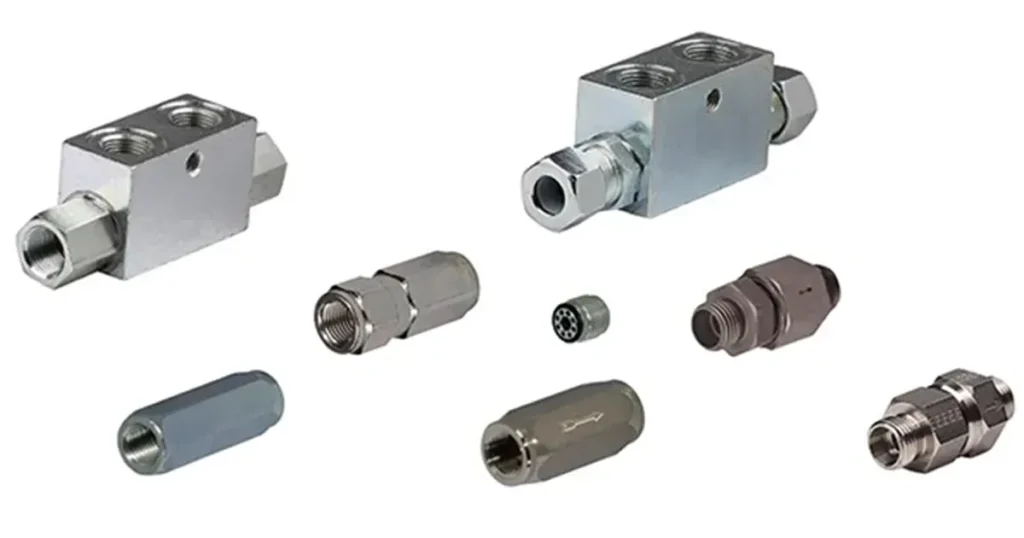
Key Takeaways
- Picking the right check valve material keeps your system safe and reliable.
- Carbon steel is strong and cheap, but it needs coatings to stop rust.
- Stainless steel does not rust easily, so it works well in tough places.
- Always check if the fluid matches the material to stop leaks and breaks.
- Look at both normal and high pressure to make sure your valve can handle the job.
- Doing regular checks helps you avoid sudden stops and expensive fixes.
- Some valves need special certificates for food or medical use.
- Talk to experts to find the best material for your system so it works well.
Why Check Valve Material Matters
Performance and Safety
When you pick the right check valve material, you set your hydraulic system up for success. The material you choose affects how long your check valve lasts and how well it works. If you use carbon steel or stainless steel, you get strength and durability. These materials help your valve keep its shape and stop leaks. Stainless steel stands up to harsh chemicals and wet places. Carbon steel works well when you need extra strength for high pressure.
- Carbon steel and stainless steel both help your check valve last longer.
- These materials keep the valve strong, even under tough conditions.
- A good material choice helps stop backflow and keeps your system safe.
You want your system to run smoothly. The right material helps you avoid sudden breakdowns and keeps your equipment safe.
Risks of Poor Material Choice
If you pick the wrong material, you can run into big problems. Some materials do not handle certain fluids or pressures well. This can lead to leaks, breakdowns, or even system failure. Take a look at the table below to see what can go wrong:
| Risk Type | Description |
|---|---|
| Downtime Exposure | The wrong material can cause your system to stop working, which hurts productivity. |
| Emergency Replacement Logistics | You might need to replace valves fast, which costs more and adds stress. |
| Maintenance Labor | Bad material choices mean more repairs and higher labor costs. |
| Seal Compatibility Failures | If the material does not match the fluid, seals can fail and cause leaks. |
| Pressure Instability Effects | The wrong material can make pressure jump around, hurting other parts of your system. |
Corrosion is a big reason valves fail. It can eat away at the valve body, cause leaks, or even make the valve break without warning. Sometimes, people choose a valve just because it is cheap. This can lead to more problems and higher costs later.
Application Demands
Every system is different. You need to think about what your system needs before you choose a check valve. Ask yourself these questions:
- What kind of fluid will flow through the valve? Is it corrosive, thick, or full of particles?
- How hot or cold will the system get?
- Will the valve face high pressure?
- Does your industry have special rules for materials?
- What is your budget?
Fluid compatibility is key. If your fluid reacts with the valve material, you will have leaks or damage. Some industries, like food or medicine, need special materials to meet safety rules. You also need to balance cost with how long you want the valve to last. Picking the right check valve material helps you avoid trouble and keeps your system running strong.
Check Valve Components and Materials
Valve Body Materials
You may wonder what makes a check valve strong. The answer often starts with the valve body. This part holds all the other parts together. It faces the most stress in the valve. You want a body that can handle pressure and wear. It should also stand up to the fluid inside. Look at the table below to see common materials and their features:
| Material Type | Characteristics | Applications |
|---|---|---|
| Carbon Steel | Strong, wear-resistant, high pressure tolerance, susceptible to corrosion | Oil & gas industries, non-corrosive applications |
| Stainless Steel | Corrosion-resistant, heat-resistant, non-magnetic, good weldability | Chemical, textile, petroleum, food industries |
| Low Alloy Steel | Enhanced strength and toughness, suitable for high-pressure applications | High-pressure industrial pipelines |
| Exotic Alloys | Excellent corrosion resistance for extreme environments | Specialized applications requiring high durability |
If you work with oil and gas, carbon steel is a good choice. It handles high pressure but can rust if the fluid is corrosive. Stainless steel is good for places with lots of chemicals or food. It does not rust easily. Low alloy steel is tough and works well in pipelines. Exotic alloys are best for very harsh conditions.
Internal Parts: Poppet, Ball, Guide
Inside the check valve, there are parts like the poppet, ball, and guide. These parts move and help seal the flow. They need to be hard and tough to last a long time. Here is a table to show your options:
| Material | Hardness (HRC) | Corrosion Resistance | Notes |
|---|---|---|---|
| Type 52100 Steel | 62 | Low | Hard and wear resistant, not corrosive. |
| Type 440C Stainless Steel | 58 | Moderate | Hard, available in many sizes. |
| Type 316 Stainless Steel | N/A | High | Unhardened, difficult to produce high quality balls. |
| Tungsten Carbide | N/A | Moderate | Extremely hard and wear resistant, expensive. |
| Hastelloy® Alloys | N/A | Very High | Extremely corrosive resistant, custom made. |
| Other Materials | N/A | Varies | Includes various alloys and ceramics. |
If you need something very hard, type 52100 steel is a good pick. It does not fight rust well. Type 440C stainless steel is hard and resists rust better. Tungsten carbide is super hard but costs more money. Hastelloy alloys are great for strong chemicals.
Seat Materials
The seat is where the poppet or ball touches the valve body. You want this spot to be smooth to stop leaks. Sometimes, unfinished seats from additive manufacturing have powder bits. These bits make the surface rough. A rough seat does not seal well and lets fluid leak. You need extra work to fix this, which takes more time and money.
- Smooth seats help your check valve seal well.
- Rough seats let fluid leak and lower performance.
- Extra finishing steps make sealing better but cost more.
When you pick a check valve material, always check the seat quality. A good seat keeps your system safe and stops leaks.
Spring Materials
You might not think much about the spring inside a check valve, but it does a lot of work. The spring helps the valve open and close at the right time. It keeps the flow under control and stops problems like water hammer, which can damage your pipes.
When you pick a spring material, you want something tough. The spring faces stress every time the valve moves. It also deals with changes in temperature and vibration from the system. If you choose the wrong material, the spring can wear out fast or even break.
Here are some things you should know about spring materials:
- Chrome-silicon steel alloys are a top choice for high-performance springs. These alloys give the spring high tensile strength and help it resist fatigue. That means your check valve will last longer and work better.
- Springs made from these alloys can handle tough jobs. They keep their shape and strength, even when the system shakes or heats up.
- The spring’s job is to make sure the valve closes smoothly. This helps prevent sudden pressure spikes that can hurt your system.
- If you want your check valve to last, you need a spring that can handle stress and keep working without getting stuck or losing its shape.
You should also think about the environment. If your system has a lot of vibration or big temperature swings, you need a spring material that can handle those changes. Good spring design and regular checks help you avoid problems like coil bind, where the spring gets stuck and stops working.
Seal Materials
Seals are the last line of defense against leaks in your check valve. They keep the fluid where it belongs and stop outside stuff from getting in. Picking the right seal material is key for a safe and reliable system.
Let’s look at some common seal materials and what they do best:
- Nitrile rubber (NBR): This is a good all-around choice. It works well in most systems and gives you solid sealing.
- Fluorocarbon (FKM): If your system gets hot, FKM is a smart pick. It stands up to high temperatures and keeps sealing tight.
- Polyurethane: This material shines in high-pressure jobs. It stays strong and flexible, even when the pressure goes up.
- PTFE: If you deal with harsh chemicals or need low friction, PTFE is your friend. It resists chemicals and heat, so it works in tough spots.
You want to make sure your seal matches your fluid. Some fluids can make seals swell, shrink, or get hard. To check this, experts use tests. They soak seals in the fluid and heat them up. Then, they look for changes in size or hardness. If the seal stays the same, it’s a good match.
Choosing the right seal material helps you avoid leaks, downtime, and costly repairs. Always match your seal to your fluid and system needs for the best results.
Carbon Steel Check Valve Material
Strength and Pressure
When you want a tough check valve, carbon steel stands out. This material gives you the muscle to handle high pressure and heavy loads. You can trust carbon steel to keep your system safe, even when things get rough. Many hydraulic systems use carbon steel because it holds up under stress and does not bend easily.
Take a look at this table to see how carbon steel performs in real-world settings:
| Material Type | Strength Rating | Pressure Rating | Applications |
|---|---|---|---|
| Carbon Steel (A216 WCB) | ~800 | Up to 25,000 psi | Steam lines, oil & gas |
| 7/16-20 SAE 5lb | N/A | 5,000 psi | N/A |
You can see that carbon steel (A216 WCB) can handle up to 25,000 psi. That is a lot of pressure! This makes it a great choice for steam lines and oil and gas systems. If your job needs a check valve that will not give up under pressure, carbon steel is a smart pick.
Machinability
You might wonder how easy it is to shape carbon steel into a check valve. The answer is, it is pretty straightforward. Carbon steel machines well, so manufacturers can cut, drill, and finish it without much trouble. This means you get a check valve that fits your system just right.
Because carbon steel is easy to work with, you can find many sizes and shapes. If you need a custom check valve, carbon steel makes the job easier and faster. You also save money because the process does not take as long as with some other metals.
Surface Treatments
One thing you need to know about carbon steel is that it can rust if you do not protect it. To fight corrosion, manufacturers use special surface treatments. These treatments make your check valve last longer, even in tough environments.
Here are some common treatments for carbon steel:
| Treatment | Hardness (HV) | Case Depth (µm) |
|---|---|---|
| Nitriding | Up to 1200 | 200-300 |
| Boronizing | 1200-2000 | 20-100 |
Nitriding gives the surface a hard shell, making it tougher and more resistant to wear. Boronizing goes even further, giving you a super-hard layer that helps stop rust and damage. With these treatments, your check valve can handle harsh fluids and outdoor conditions.
Tip: Always ask about surface treatments when you order a carbon steel check valve. The right treatment can make a big difference in how long your valve lasts.
Choosing carbon steel as your check valve material gives you strength, easy machining, and options for extra protection. This makes it a reliable choice for many hydraulic systems.
Industrial Uses
You see carbon steel check valves almost everywhere heavy-duty work happens. These valves show up in places where strength and reliability matter most. If you work in a big industry, you probably use them every day. Here are some of the main spots where carbon steel check valves shine:
- Petrochemical plants: These valves help control the flow of oil, gas, and chemicals. They handle high pressure and tough fluids.
- Oil and gas fields: You find them in pipelines and refineries. They keep the flow moving in one direction and stop dangerous backflow.
- Power generation: Power plants use carbon steel check valves to manage steam and water. These valves stand up to heat and pressure.
- Water treatment: When you need to move lots of water or chemicals, carbon steel valves do the job.
- Mining operations: These valves handle abrasive slurries and rough conditions underground.
- Pharmaceutical manufacturing: You see them in systems that need strong, reliable flow control.
- General manufacturing: Factories use these valves in machines and process lines.
You get a valve that works well in high-pressure and high-temperature places. Carbon steel check valves are tough. They last a long time if you use them in the right spot.
But you should know about a few limits. Carbon steel check valves can be sensitive to how you install them. If you put them in the wrong direction, they might not work right. Sometimes, they can slam shut or cause pressure drops if the flow changes quickly. You need to watch out for pulsating flow, too. That can make the valve wear out faster.
Cost and Limitations
When you look at price, carbon steel check valves usually save you money. They cost less than stainless steel valves. This makes them a smart pick for big projects where you need lots of valves. You get great strength and durability without breaking your budget.
Here’s a quick look at what you get with carbon steel check valves:
- Affordable: You pay less up front, especially compared to stainless steel.
- Strong: Carbon steel handles high pressure and high temperature.
- Durable: These valves last a long time in tough jobs.
- Better than cast iron: Carbon steel resists corrosion better than cast iron and works at higher pressures.
But there are a few things to keep in mind:
- Not as corrosion-resistant: Carbon steel does not fight rust as well as stainless steel. If your fluid is corrosive, you may need a protective coating.
- Needs surface treatment: In some places, you must add a coating to stop rust and extend valve life.
- Sensitive to environment: If you use them outdoors or with harsh chemicals, check the coating and maintenance needs.
Tip: Always match your valve material to your fluid and environment. If you need extra corrosion resistance, ask about special coatings or consider stainless steel.
You get a good balance of cost and performance with carbon steel check valves. They work best in high-pressure jobs where corrosion is not a big problem. If you take care of them and use the right surface treatments, they will serve you well for years.
Stainless Steel Check Valve Material
Corrosion Resistance
You want your check valve to last. Stainless steel gives you strong protection against rust and chemical attack. This material stands up to water, acids, and many harsh fluids. You can use stainless steel in places where other metals fail. It keeps its shape and strength, even when the environment gets tough. If your system faces saltwater, cleaning chemicals, or high humidity, stainless steel is a smart choice. You do not have to worry about the valve breaking down from corrosion. That means less downtime and fewer leaks.
Stainless steel also resists pitting and cracking. You get a smooth surface that does not let bacteria or dirt build up. This makes it perfect for food, medicine, and clean water systems. You can trust stainless steel to keep your fluid pure and your system safe.
Cost Factors
You might notice that stainless steel check valves cost more at first. The price is higher than cast iron or carbon steel. You pay extra for the strong corrosion resistance and long life. But you get what you pay for. Stainless steel lasts longer and needs less maintenance. You save money over time because you do not have to replace the valve as often.
Here are some reasons why stainless steel costs more:
- You get superior corrosion resistance and durability.
- The material works well in challenging environments.
- Stainless steel valves have a higher initial cost.
- You can save money in the long run because they last longer and need fewer repairs.
- The environment matters. If your system faces aggressive fluids or outdoor conditions, stainless steel offers the best protection.
You should think about the total cost, not just the price tag. Stainless steel check valves can lower your life-cycle costs. You spend less on maintenance and replacements. That makes them a good investment for many systems.
When to Choose Stainless Steel
You should pick stainless steel when your system faces tough fluids or strict cleanliness rules. If you work with chemicals, saltwater, or high-purity fluids, stainless steel is the best check valve material. You also need it in places where hygiene matters, like food factories or hospitals.
Choose stainless steel if:
- Your fluid is corrosive or aggressive.
- You need a valve that lasts a long time.
- Your system must stay clean and safe.
- You want to reduce maintenance and downtime.
Stainless steel gives you peace of mind. You know your check valve will keep working, even when conditions get rough. You can focus on your job and not worry about leaks or failures.
Typical Applications
You may wonder where stainless steel check valves are used. These valves are important when you need reliability and corrosion resistance. They work in many industries and help systems run well.
Here are some common places you find stainless steel check valves:
| Application Type |
|---|
| Mine dewatering |
| Water and steam systems |
| Gas and liquid pipelines |
| Cooling towers |
| Gas storages |
| Water treatment |
| HVAC systems |
| Product tank farms |
| Gas export facilities |
Let’s look at what this means for you:
- Mine Dewatering: You need to get water out of mines quickly. Stainless steel check valves work with dirty water and keep going, even if there are chemicals or dirt.
- Water and Steam Systems: These valves stop water from flowing backward. They also work in steam lines where it is hot and under pressure.
- Gas and Liquid Pipelines: You want gas or liquid to move one way. Stainless steel check valves do this, even if the fluid is strong or the pressure is high.
- Cooling Towers: These systems use water with chemicals to stop algae or scale. Stainless steel does not get damaged by these chemicals.
- Gas Storages and Export Facilities: You need to keep tanks and pipes safe from leaks. Stainless steel check valves help protect your system.
- Water Treatment: Clean water is important. Stainless steel valves do not rust or change the water, so it stays pure.
- HVAC Systems: These valves control water and refrigerant flow in heating and cooling systems. Stainless steel can handle changes in temperature and moisture.
- Product Tank Farms: You store many liquids in big tanks. Stainless steel check valves help control flow and stop mixing or contamination.
Tip: If you work with harsh fluids or need things clean, stainless steel check valves are a good choice. They last longer and need less fixing, so you worry less about leaks or problems.
Stainless steel check valves fit many jobs. They help you in tough places. When you pick stainless steel, you get a valve that works hard and keeps your system safe.
Check Valve Material Comparison: Carbon Steel vs Stainless Steel
Strength and Pressure
You want your check valve to handle the job without breaking. Both carbon steel and stainless steel give you strong options, but they shine in different ways. Carbon steel brings high tensile strength and can take on heavy loads. It works well in systems that need to handle a lot of pressure. Stainless steel also has high strength, but it stands out in places where you need both strength and resistance to harsh conditions.
Here’s a quick look at how these materials compare:
| Material | Strength Characteristics | Pressure Ratings |
|---|---|---|
| Stainless Steel | Excellent corrosion resistance and high strength | Can operate at pressures up to several hundred psi in harsh environments |
| Carbon Steel | High tensile strength and durability, more prone to corrosion | Withstands pressures from a few hundred psi to several thousand psi depending on grade and design |
If you need a check valve for very high-pressure jobs, carbon steel often gives you more choices. Stainless steel works well when you need strength and also want to fight off rust or chemicals.
Corrosion Resistance
Corrosion can ruin a check valve fast. You want a material that stands up to water, chemicals, and tough environments. Stainless steel gives you built-in protection. It does not need extra coatings or paint. You can use it in wet or salty places without worry. Carbon steel, on the other hand, needs a little help. It works best with a coating or paint to keep rust away.
Check out this table to see the difference:
| Material | Corrosion Resistance |
|---|---|
| Carbon Steel (WCB/A105) | Low (Needs painting/coating) |
| Stainless Steel (304/316) | Excellent (Built-in protection) |
If you work with water, chemicals, or outside in the weather, stainless steel is the safer bet. You do not have to worry about the check valve material breaking down from rust.
Cost and Value
You probably want to know which material gives you the best value for your money. Carbon steel usually costs less. It gives you a good mix of strength and price. You see it a lot in big projects where you need many valves. Stainless steel costs more up front, but it lasts longer and needs less fixing. That means you save money over time, especially if you work in a tough environment.
Here’s a simple table to help you compare:
| Material | Cost Comparison | Value Proposition |
|---|---|---|
| Stainless Steel | Higher price point | Superior corrosion resistance and durability |
| Carbon Steel | Balanced cost and performance | Good for high-pressure applications, better than cast iron |
Tip: If you want a check valve that lasts and does not need much care, stainless steel is a smart choice. If you need to save money and work with high pressure, carbon steel is a solid pick.
Choosing the right check valve material depends on your system, your fluid, and your budget. Think about what matters most for your job before you decide.
Application Suitability
You want your check valve to fit your job. Choosing the right material helps your system work better. It also makes your system last longer. Carbon steel and stainless steel are both strong. Each one works best in different places. You need to match them to your job.
Let’s see where each material is used. Here’s a table that shows the best places for carbon steel and stainless steel check valves:
| Material | Best Applications |
|---|---|
| Carbon Steel | Oil & Gas pipelines (non-corrosive crude) |
| Steam and power generation plants | |
| High-pressure hydraulic systems | |
| Dry gas distribution | |
| Stainless Steel | Chemical processing |
| Food & beverage | |
| Marine applications | |
| Pharmaceuticals | |
| Water treatment |
Carbon steel is used for tough jobs. It handles high pressure and dry gas. You find it in oil and gas pipelines and power plants. Carbon steel works well when your fluid does not cause rust. It gives you strength and saves money.
Stainless steel is good for harsh fluids and clean systems. You use it in chemical plants and food factories. It also works in water treatment. Stainless steel stands up to saltwater and strong chemicals. It keeps your fluid pure and your system safe.
Here’s another table to show common uses:
| Material | Common Applications |
|---|---|
| Carbon Steel | Oil and gas |
| Power generation | |
| Steam lines | |
| Non-corrosive industrial processes | |
| Stainless Steel | Chemical processing |
| Food & beverage | |
| Marine applications | |
| Pharmaceuticals | |
| Water treatment |
You might wonder, “How do I choose?” Think about your fluid. If your system uses water, chemicals, or food, stainless steel is safer. If you work with oil, steam, or dry gas, carbon steel is strong and affordable.
Tip: Always check your fluid’s chemistry. If you see rust or need strict cleanliness, stainless steel is best. If you need high pressure and your fluid is clean, carbon steel works well.
You should also look at your environment. If your system is outside or near saltwater, stainless steel lasts longer. If your job is inside and the fluid is not harsh, carbon steel saves money.
You want your check valve to fit your needs. Picking the right material helps you avoid leaks and repairs. Take time to check your system. Ask yourself what matters most—strength, rust resistance, or cost. When you match your material to your job, your system works better and stays safe.
Internal Check Valve Materials
Poppet and Ball Options
When you look inside a check valve, you find the poppet or ball. These parts move to let fluid flow one way and stop it from going back. The material you choose for these parts makes a big difference in how long your valve lasts and how well it works.
Here’s a table to help you compare common poppet and ball materials:
| Material Type | Performance Characteristics |
|---|---|
| Stainless Steel | Good balance of hardness and corrosion resistance. Sometimes struggles with perfect sealing. |
| Brass | Seals well but can wear out faster than harder materials. |
| Hardened Alloys | Very durable and wear-resistant. Great for high temperatures. |
| Ceramic Composites | Excellent resistance to wear and corrosion. Lasts a long time. |
| Protective Coatings | Lowers friction and stops damage. Makes the valve last longer. |
If you want a poppet or ball that stands up to tough jobs, hardened alloys or ceramic composites are smart picks. Stainless steel works well in most places, but sometimes it does not give the best sealing ability. Brass is softer and seals well, but it may wear out faster if your system runs all the time.
Seat Material Choices
The seat is where the poppet or ball touches the valve body. This spot is important for stopping leaks. The right seat material helps your check valve work better and last longer.
Check out this table to see how different seat materials perform:
| Seat Material | Leakage Performance |
|---|---|
| Metal-to-metal, PTFE O-ring | May let some fluid leak (up to 190 cc/min/inch at 80 psi) |
| Resilient O-ring | Gives bubble-tight shutoff. No visible leaks at 80 psi |
If you need a tight seal, resilient O-ring seats are the way to go. They stop leaks and keep your system safe. Metal seats or PTFE work well for tough fluids like sour gas or abrasive slurries. For high temperatures, you might need graphite packing or special high-temp seals. If you use acids or strong chemicals, look for chemically rated elastomers or PTFE seats.
Spring and Guide Materials
Springs and guides help the check valve open and close at the right time. You want these parts to be strong and able to handle tough fluids or high pressure. Here are some top choices:
- High-strength forged materials like carbon steel, stainless steel, or nickel alloys work well in demanding jobs.
- Corrosion-resistant overlays are important if you use sour gas or CO₂.
- Naval brass is a good pick for the body and retainer. It lasts a long time.
- Kel-F® (PolyChloroTriFluoroEthylene) gives you great mechanical strength and resists chemicals.
- Stainless steel stands out for corrosion resistance and durability. It works in both high and low-pressure systems.
- Brass is easy to machine and affordable. It fits many uses.
- Resilient elastomers add flexibility and help with sealing in moving parts.
You want your check valve to last and work smoothly. Picking the right materials for the poppet, ball, seat, spring, and guide helps you get the best performance and fewer leaks.
Seal Material Options
When you pick a seal for your hydraulic check valve, you want something that keeps leaks away and stands up to your fluid. Not all seals work the same way. Some seals handle heat better. Others fight off harsh chemicals. If you choose the wrong seal, you might see leaks, swelling, or even a total breakdown.
Let’s look at some top seal materials you’ll find in hydraulic check valves. Each one has its own strengths. Here’s a quick table to help you compare:
| Seal Material | Key Properties | Applications |
|---|---|---|
| Viton (Fluorocarbon) | Excellent resistance to high temperatures and a wide range of chemicals. Good resistance to compression set. | High-pressure applications with aggressive fluids or elevated temperatures. |
| PTFE (Teflon) | Excellent chemical resistance, low friction, ideal for high-pressure and high-temperature applications. | Systems with highly corrosive fluids or extreme temperatures. |
| Polyurethane | Excellent abrasion resistance and high tensile strength, suitable for dynamic loading. | High-pressure applications with frequent or rapid pressure changes. |
You might wonder which seal works best for your job. Here’s a simple way to think about it:
- Viton is your go-to if you deal with hot fluids or strong chemicals. It keeps its shape and seals tight, even when things heat up.
- PTFE (you might know it as Teflon) is a champion against harsh chemicals. It also slides smoothly, so it works well if your system gets really hot or uses tough fluids.
- Polyurethane shines when your system faces lots of movement or pressure changes. It’s tough and bounces back from wear and tear.
Tip: Always match your seal to your fluid. If you use the wrong material, your seal could swell, shrink, or get hard. That means leaks and more repairs.
You also need to think about how your system runs. Does it get hot? Does the pressure jump up and down? Do you use special fluids? If you answer yes to any of these, you need a seal that can handle those challenges.
Here are a few things to check before you choose:
- Temperature: Some seals melt or get brittle if it gets too hot or cold.
- Chemical compatibility: Not all seals like the same fluids. Some chemicals eat away at certain materials.
- Pressure: High pressure can crush weak seals. Pick one that stays strong under load.
- Movement: If your valve opens and closes a lot, you want a seal that can flex without breaking.
If you’re not sure which seal to pick, talk to your valve supplier. Give them details about your fluid, temperature, and pressure. They can help you find the best match.
Choosing the right seal material keeps your system safe, stops leaks, and saves you money on repairs. Take your time and pick the seal that fits your job. Your hydraulic system will thank you!
Seat and Seal Material Selection
Metal Seats
You want your check valve to last and stop leaks. Metal seats give you strong sealing and handle high pressure. These seats use materials like stainless steel or hardened alloys. Metal seats work well in systems where the fluid is hot or abrasive. You see them in places like steam lines and oil pipelines.
Metal seats can take a beating. They resist wear and keep their shape. If you need a valve for tough jobs, metal seats are a smart choice. They do not break down easily. You get less downtime and fewer repairs.
Here’s a quick table to show where metal seats shine:
| Seat Material | Best Use Cases | Pressure Tolerance | Leak Tightness |
|---|---|---|---|
| Stainless Steel | Steam, chemicals, oil | High | Moderate |
| Hardened Alloy | Abrasive fluids, slurries | Very High | Moderate |
Tip: Metal seats work best when you need strength. If you want bubble-tight shutoff, you may need a softer seat.
POM, PTFE, PEEK Seats
Sometimes, you need a seat that handles chemicals or gives a tighter seal. That’s where specialty polymers come in. You see names like POM, PTFE, and PEEK. These materials are tough and resist chemicals.
- POM (Polyoxymethylene): This seat is strong and resists wear. It works well in water and oil systems.
- PTFE (Polytetrafluoroethylene): You know it as Teflon. PTFE stands up to harsh chemicals and high temperatures. It gives you a smooth surface and tight seal.
- PEEK (Polyether ether ketone): PEEK is super tough. It handles high pressure and aggressive fluids. You find it in chemical plants and places with strong acids.
Here’s a table to help you compare:
| Polymer Seat | Chemical Resistance | Temperature Range | Seal Quality |
|---|---|---|---|
| POM | Good | -40°C to 100°C | Tight |
| PTFE | Excellent | -60°C to 200°C | Very Tight |
| PEEK | Outstanding | -50°C to 250°C | Tight |
Note: Specialty polymer seats help your check valve handle aggressive fluids. They also reduce leaks and last longer in tough environments.
NBR, FKM, PTFE Seals
You need seals that match your fluid and system. NBR, FKM, and PTFE are common choices. Each one has its own strengths.
- NBR (Nitrile Rubber): NBR seals work well with oils and water. They handle moderate temperatures and pressures.
- FKM (Fluorocarbon): FKM seals resist heat and chemicals. You use them in systems with hot fluids or strong acids.
- PTFE: PTFE seals fight off harsh chemicals and high temperatures. They do not swell or break down easily.
Here’s a quick list to help you pick:
- NBR: Good for oil and water, moderate heat.
- FKM: Great for hot fluids and chemicals.
- PTFE: Best for aggressive fluids and high heat.
If you want your check valve to stay leak-free, match your seal to your fluid. Testing helps you find the best fit.
You see that seat and seal choices depend on your system’s pressure, temperature, and fluid. Picking the right materials keeps your check valve working and your system safe.
Compatibility with Fluids
When you pick a seat or seal for your check valve, you need to think about the fluid in your system. Not every material works with every fluid. Some fluids can break down seals or seats fast. Others might cause swelling, shrinking, or even leaks. You want your valve to last, so matching the right material to your fluid is key.
Start by asking yourself a few questions:
- What kind of fluid will flow through your valve? Is it oil, water, gas, or something more aggressive like acid?
- Does your fluid have any additives or chemicals that could attack rubber or plastic?
- Will your fluid get hot or stay cold?
Different fluids need different materials. Here’s a quick table to help you see what works best:
| Fluid Type | Good Seat/Seal Materials | Materials to Avoid |
|---|---|---|
| Hydraulic Oil | NBR, FKM, POM | Natural rubber |
| Water | EPDM, PTFE, POM | NBR (for hot water) |
| Acids/Chemicals | PTFE, FKM, PEEK | Standard rubbers, POM |
| Steam | PTFE, FKM | NBR, Polyurethane |
| Food/Beverage | PTFE, EPDM (FDA grade) | Non-food grade materials |
If you use aggressive chemicals, you need specialty polymers. PTFE and PEEK stand up to strong acids and solvents. These materials do not react with most fluids. They also keep their shape in high heat. You see PTFE a lot in chemical plants for this reason.
Tip: Always check the chemical compatibility chart from your valve supplier. If you skip this step, you might end up with a seal that fails fast.
Some fluids, like brake fluid or phosphate esters, need special seals. FKM works well with many chemicals, but not all. NBR is great for oil but not for strong acids. EPDM handles water and steam but does not like oil.
Temperature also matters. Hot fluids can make some seals soft or brittle. Cold fluids can make them hard and crack. PTFE and FKM handle wide temperature ranges. Polyurethane works well in cold but not in high heat.
You want your check valve to stay leak-free. Matching the seat and seal material to your fluid keeps your system safe. If you are not sure, ask your supplier for advice. Give them details about your fluid, temperature, and pressure. They can help you pick the best material for your job.
Pressure and Check Valve Material Selection
Choosing the right check valve material means you need to think about pressure. Pressure is not just a number on a gauge. It tells you how much force your valve will face every day. If you pick the wrong material, your valve might fail when you need it most. Let’s break down what you need to know.
Working and Peak Pressure
You will see two main types of pressure in your system: working pressure and peak pressure. Working pressure is the normal force your valve handles most of the time. Peak pressure is the highest force that might hit your valve, even if it only happens for a second.
- Working Pressure: This is the steady pressure your system runs at. For example, your hydraulic line might run at 3,000 psi all day.
- Peak Pressure: Sometimes, pressure spikes happen. Maybe you turn a pump on or off, or there’s a sudden stop in flow. These spikes can be much higher than your normal pressure.
If you choose a check valve material that cannot handle your peak pressure, you risk leaks or even a burst valve. Always check the pressure ratings for both the valve and the material. Here’s a quick table to help you compare:
| Material | Typical Max Working Pressure | Handles Pressure Spikes? |
|---|---|---|
| Carbon Steel | Up to 25,000 psi | Yes, with proper design |
| Stainless Steel | Up to 10,000 psi | Yes, but check grade |
| Brass | Up to 600 psi | Not for high spikes |
Tip: Always pick a material that can handle your highest possible pressure, not just the average.
Cracking Pressure
Cracking pressure is the minimum pressure needed to open your check valve. If your system never reaches this pressure, the valve stays closed. If the cracking pressure is too low, the valve might open when you don’t want it to.
You need to match the cracking pressure to your system. Here’s what to think about:
- Low cracking pressure works well for gravity-fed or low-pressure systems.
- High cracking pressure helps in systems where you want to stop backflow until the pressure is strong enough.
Manufacturers set the cracking pressure by choosing the right spring and material. If you need a special cracking pressure, let your supplier know.
Material Strength
Material strength is the backbone of your check valve. Stronger materials handle higher pressures and last longer. If you use a weak material, your valve might bend, crack, or leak.
- Carbon steel gives you high strength for tough jobs.
- Stainless steel offers good strength and fights corrosion.
- Brass is softer and works for low-pressure jobs.
You want a material that matches your pressure needs. If you push a weak material too hard, it will fail. Always check the strength rating before you buy.
Remember: The right material keeps your system safe and running. Don’t guess—check your numbers and talk to your supplier if you’re not sure.
Fluid Compatibility in Check Valve Selection
You want your hydraulic check valve to last. You also want it to work every time you need it. The secret to this is picking materials that match your fluid. If you skip this step, you might see leaks, swelling, or even a broken valve. Let’s look at how different fluids can change your material choice.
Hydraulic Oils and Additives
Hydraulic oil is the most common fluid in many systems. It keeps things moving and helps parts stay cool. But not all oils are the same. Some have special additives that fight rust, foam, or wear. These additives can react with certain materials.
Here’s what you should think about:
- Some oils have zinc or phosphorus. These can attack brass or some plastics.
- Additives might make rubber seals swell or get soft.
- High-pressure oil can push through weak seals or seats.
You need to check if your oil has special chemicals. If you use the wrong material, your valve might not seal. You could see leaks or need repairs sooner than you want.
Tip: Always ask your oil supplier for a list of additives. Share this list with your valve supplier. This helps you pick the right seat, seal, and body materials.
Here’s a quick table to help you match materials with common hydraulic oils:
| Oil Type | Good Materials | Materials to Avoid |
|---|---|---|
| Mineral Oil | NBR, FKM, Carbon Steel | EPDM, Some Plastics |
| Fire-Resistant | FKM, PTFE, Stainless | NBR, Brass |
| Biodegradable | EPDM, PTFE | NBR, Polyurethane |
If you use fire-resistant or biodegradable oils, you need to be extra careful. These fluids often need special seals and seats.
Synthetic and Specialty Fluids
Some systems use synthetic fluids or other special liquids. These fluids can be tough on standard materials. You might see these in aircraft, food plants, or chemical factories.
Let’s break down what you need to know:
- Synthetic fluids can break down rubber seals that work fine with oil.
- Some specialty fluids, like phosphate esters, need EPDM or PTFE seals.
- Food-grade fluids need materials that meet safety rules. You might need FDA-approved PTFE or EPDM.
You can’t guess when it comes to synthetic fluids. Always check the chemical chart for your valve. If you’re not sure, ask your supplier for help.
Here’s a list of common specialty fluids and what works best:
- Skydrol (aircraft fluid): Needs EPDM or PTFE seals.
- Glycol-based fluids: Use EPDM or PTFE.
- Food-grade fluids: Pick FDA-approved materials.
If you use the wrong material, you might see the seal turn sticky, crack, or even fall apart. That means leaks and downtime.
Chemical Resistance
Chemical resistance is a big deal in many industries. Some fluids eat away at metal or rubber. Others cause swelling or make the material brittle.
You need to match your valve material to your fluid. Here’s why:
- The right material keeps your valve strong and leak-free.
- The wrong material can break down fast, causing system failures.
- Chemical compatibility helps you avoid costly repairs and downtime.
Here’s a table to show how different materials handle chemicals:
| Material | Chemical Resistance | Best For |
|---|---|---|
| Stainless Steel | Excellent (most fluids) | Water, acids, chemicals |
| PTFE | Outstanding | Strong acids, solvents |
| PEEK | Superior | Aggressive chemicals |
| Brass | Fair | Mild fluids |
| NBR | Good (oils) | Mineral oil, fuel |
| EPDM | Good (water, steam) | Water, steam, glycol |
If you work with acids, solvents, or strong cleaners, you need PTFE or PEEK. Stainless steel works for most jobs, but not all. Brass is good for mild fluids, but not for strong chemicals.
Note: Always check the chemical compatibility chart before you order. This small step can save you a lot of trouble.
You want your check valve to last. Fluid compatibility is the key. When you match your materials to your fluid, you get a valve that works longer and keeps your system safe.
Temperature and Environmental Factors
High/Low Temperature
Temperature changes can really test your check valve. If your system gets very hot or cold, you need to think about how materials react. Some metals and plastics get weak or brittle when the temperature swings. For example, carbon steel can lose strength at high heat. Stainless steel holds up better in hot spots. If you work in freezing places, some seals and plastics can crack or get stiff.
Here’s a quick table to show how common materials handle temperature:
| Material | High Temp Limit | Low Temp Limit | Notes |
|---|---|---|---|
| Carbon Steel | ~425°F (218°C) | -20°F (-29°C) | Can lose strength at high heat |
| Stainless Steel | ~800°F (427°C) | -320°F (-196°C) | Great for extreme temperatures |
| PTFE | ~500°F (260°C) | -328°F (-200°C) | Stays flexible in cold |
| NBR (Nitrile) | ~212°F (100°C) | -40°F (-40°C) | Not for very hot systems |
Tip: Always check the temperature range for your valve parts. If you push a material past its limit, you risk leaks or breaks.
Humidity and Outdoor Use
Humidity and outdoor weather can cause big problems for check valves. If you install a valve outside, rain and moisture can lead to rust. Some metals, like carbon steel, rust faster when wet. Stainless steel fights off rust and works well in damp places. If you use your valve in a humid factory or near the ocean, you need materials that resist corrosion.
You should also think about UV rays from the sun. Some plastics and rubbers break down if they sit in sunlight for too long. PTFE and stainless steel handle outdoor use better than most other materials.
Here’s what you can do to protect your valves:
- Pick stainless steel for wet or salty places.
- Use special coatings on carbon steel to stop rust.
- Choose UV-resistant plastics if your valve sits in the sun.
If you want your valve to last outside, ask your supplier about weather protection.
Thermal Expansion
Thermal expansion means materials grow or shrink when the temperature changes. This can change how your check valve fits together. If a metal body expands more than a plastic seat, you might see leaks. If a seal shrinks in the cold, it can let fluid slip by.
You need to match materials with similar expansion rates. This helps your valve stay tight, even when the weather changes. Here’s a simple list to help you remember:
- Metals and plastics expand at different rates.
- Big temperature swings can loosen seals.
- Always check the expansion rates if your system heats up or cools down a lot.
Note: Tell your supplier if your system faces big temperature changes. They can help you pick materials that work well together.
When you think about temperature and the environment, you make your check valve last longer. You also keep your system safe and leak-free.
Surface Treatment and Corrosion Protection
When you pick a check valve, you want it to last. Sometimes, the right material is not enough. You need extra protection. That’s where surface treatments come in. These treatments help your valve fight off rust, chemicals, and wear. Let’s look at your options.
Plating Options
Plating adds a thin layer of metal to your check valve. This layer acts like armor. It keeps out water, salt, and chemicals that cause rust. You see plating used a lot on carbon steel valves. Here are some common plating choices:
- Zinc Plating: This is the most popular. Zinc stops rust and gives your valve a shiny look. It works well for indoor systems or places with low moisture.
- Nickel Plating: Nickel gives you better protection than zinc. It stands up to chemicals and high humidity. You find nickel plating in food plants and chemical factories.
- Chrome Plating: Chrome is tough. It resists scratches and looks great. You see chrome on valves that need to stay clean and shiny.
Here’s a quick table to help you compare:
| Plating Type | Best For | Key Benefit |
|---|---|---|
| Zinc | Indoor, dry places | Rust protection |
| Nickel | Wet, chemical areas | Chemical resistance |
| Chrome | Clean, visible spots | Hardness, shine |
Tip: If your valve faces water or chemicals, plating can save you from early rust and leaks.
Coatings
Coatings work a bit differently. Instead of metal, coatings use paint or special chemicals. These layers stick to the valve and block out moisture and dirt. You can pick from many types:
- Epoxy Coating: Epoxy is like a shield. It stops water and chemicals from touching the metal. You see epoxy on valves in water plants and outdoor pipes.
- PTFE (Teflon) Coating: PTFE is super slippery. It keeps sticky fluids and chemicals from building up. PTFE also helps your valve move smoothly.
- Polyurethane Coating: This coating is flexible and tough. It stands up to bumps and scrapes. Polyurethane works well in places with lots of movement.
You can even use more than one coating for extra protection.
When to Use Surface Treatments
You might wonder, “Do I really need a surface treatment?” Here’s how you decide:
- Your valve sits outside or in a wet place.
- Your fluid has salt, acid, or strong chemicals.
- You want your valve to last longer with less fixing.
- You use carbon steel and want to stop rust.
If you check any of these boxes, a surface treatment is a smart move. Stainless steel valves often skip extra coatings because they already fight rust. Carbon steel almost always needs help, especially outdoors or with harsh fluids.
Remember: Surface treatments add a small cost up front, but they save you money and trouble later. Ask your supplier which option fits your job best.
Cost, Service Life, and Maintenance
Initial vs Long-Term Cost
You might look at the price tag first when you buy a check valve. That’s normal. Everyone wants to save money. But the cheapest valve is not always the best deal. You need to think about how long the valve will last and how much it will cost you over time.
Let’s compare two choices:
| Valve Material | Lower Initial Cost | Longer Service Life | Less Frequent Replacement |
|---|---|---|---|
| Carbon Steel | ✅ | ❌ | ❌ |
| Stainless Steel | ❌ | ✅ | ✅ |
Carbon steel valves cost less at first. You pay less up front. Stainless steel costs more, but it lasts longer. You won’t need to replace it as often. Over time, you might spend less money with stainless steel because you avoid repairs and new parts.
Tip: Always look at the total cost, not just the price you pay today. A valve that lasts longer can save you money in the long run.
Maintenance Needs
Every check valve needs some care. If you pick the right material, you can make your life easier. Some valves need more cleaning, oiling, or checking. Others just keep working with little help.
Here’s what you should know:
- Carbon steel needs more attention. It can rust if you don’t check it. You might need to clean or coat it often.
- Stainless steel fights off rust and chemicals. You spend less time on upkeep.
- Special seals like PTFE or FKM last longer with tough fluids. They don’t need as much checking.
You want to spend your time running your system, not fixing valves. If you choose a valve that matches your fluid and environment, you cut down on maintenance.
If you have a busy plant or a hard-to-reach spot, pick a valve that needs less care. You’ll thank yourself later.
Downtime and Replacement
Downtime costs you money. When a valve fails, your system stops. You might lose hours or even days. That means lost work and stress.
Here’s how material choice affects downtime:
- Cheap valves can fail fast. You need to shut down and swap them out.
- Better materials like stainless steel or PTFE seals last longer. You get fewer surprises.
- Easy-to-maintain valves let you fix problems quickly.
You can use this checklist to lower downtime:
- Pick materials that match your fluid and pressure.
- Ask for valves with long-life seals.
- Plan regular checks, but not too often.
Remember: A little more spent on the right valve can save you big headaches. Less downtime means more work done and less money lost.
Choosing the right check valve material helps you control costs, cut down on repairs, and keep your system running strong. Think about the big picture, not just the price tag.
Step-by-Step Check Valve Selection Guide
Picking the right check valve can seem hard. You need to make sure your valve fits your system. If you follow easy steps, you can avoid mistakes. Let’s go through each step together.
Define Application Requirements
Before you choose a valve, learn what your system needs. This is the most important step. Take your time and get all the facts.
Pressure and Flow
First, check your system’s pressure and flow. Ask yourself:
- What is the normal working pressure?
- How high can the pressure spike?
- How fast does fluid move through the valve?
You want a valve that handles steady and peak pressures. If your flow changes a lot, make sure the valve can keep up.
Fluid Type
Next, look at the fluid in your system. Is it oil, water, gas, or something else? Some fluids have special additives or are very strong. The fluid type affects which materials you should pick for the valve body, seat, and seals.
If you use chemicals or special fluids, always check if they react with certain materials. This helps you avoid leaks and damage.
Temperature and Environment
Think about where your valve will work. Will it face high heat or freezing cold? Is the area wet, dusty, or outdoors? Temperature and environment can change how materials act. Some seals get hard in the cold. Some metals rust in damp places.
Valve Size and Connection
Pick the right size for your valve. The size affects how much fluid can flow through. Also, check the connection type. Does your system use threaded, flanged, or welded ends? The right size and connection make installation easy and safe.
Leakage and Service Life
Decide how much leakage you can allow. Some systems need bubble-tight shutoff. Others can handle a small drip. Also, think about how long you want the valve to last. If you need long service life, choose tougher materials and better seals.
Maintenance and Budget
Ask yourself how often you want to check or replace the valve. Some materials need more care. Others last longer with less work. Set your budget, but remember that a cheap valve might cost more in repairs later.
Match Material to Needs
Now that you know your system’s needs, match the valve material to those needs. Here’s a simple process you can follow:
- Write down your service conditions. Include pressure, temperature, fluid type, and environment.
- Pick the valve type that fits your job. For example, do you need a ball check valve or a poppet type?
- Check the pressure drop and flow stability. Make sure the valve won’t slow down your system or cause surges.
- Review how the valve closes. Some valves close fast and can cause water hammer. Others close slowly and protect your pipes.
- Confirm the material, pressure class, installation orientation, and all details before you order.
Use a table like this to help you compare:
| Requirement | What to Check | Example Choices |
|---|---|---|
| Pressure | Max working and peak pressure | Carbon steel, stainless steel |
| Fluid Compatibility | Reaction with valve materials | PTFE, FKM, PEEK |
| Temperature | High or low extremes | Stainless steel, PTFE |
| Environment | Outdoor, humidity, chemicals | Stainless steel, coated steel |
| Service Life | Expected years of use | Hardened alloys, specialty seals |
Tip: Always match the material to your system’s toughest condition, not just the average day.
Consult Experts
If you feel unsure, talk to a valve selection expert or your supplier. Give them as much information as you can:
- System pressure and flow
- Fluid type and any additives
- Temperature range
- Installation environment
- Required valve size and connection
- Leakage limits and service life goals
- Maintenance plans and budget
The more details you share, the better advice you’ll get. Experts can help you avoid common mistakes and pick the best check valve for your job.
When you order, always provide detailed system information. This helps the manufacturer recommend the right materials and design for your needs.
By following these steps, you can make smart choices and keep your hydraulic system running smoothly. Good valve selection protects your equipment, saves money, and gives you peace of mind.
Common Check Valve Selection Mistakes
Overlooking Corrosion
You might think your check valve will last forever. Corrosion can change that fast. If you ignore corrosion, you set yourself up for leaks, rust, and even sudden valve failure. Corrosion eats away at metal parts. It can make your valve weak and unsafe.
Here’s what happens when you overlook corrosion:
- Rust forms on the valve body.
- Seals break down faster.
- The valve sticks or jams.
- You see leaks or pressure drops.
Tip: Always check if your fluid or environment can cause rust. Saltwater, chemicals, and even humid air can speed up corrosion. Stainless steel or coated valves help fight this problem.
A quick table can help you spot risky situations:
| Environment | Corrosion Risk | Best Material |
|---|---|---|
| Outdoor/Marine | High | Stainless Steel |
| Chemical Plant | High | PTFE, PEEK, FKM |
| Indoor/Dry | Low | Carbon Steel |
Don’t let corrosion sneak up on you. Pick the right material from the start.
Ignoring Fluid Compatibility
You want your check valve to work with your fluid. If you skip this step, you could see seals swell, shrink, or even melt. Some fluids attack rubber or plastic. Others break down metal. You need to match your valve materials to your fluid.
Ask yourself:
- What fluid will flow through the valve?
- Does it have additives or strong chemicals?
- Is it hot, cold, or under pressure?
If you ignore fluid compatibility, you might see:
- Swollen or cracked seals
- Sticky or jammed valves
- Leaks and system failures
Note: Always check a chemical compatibility chart before you buy. If you’re not sure, ask your supplier for help.
Underestimating Pressure/Temperature
Pressure and temperature matter more than you think. If you pick a valve that can’t handle your system’s pressure, you risk a blowout. If your valve faces heat or cold it can’t handle, seals may fail or metal can warp.
Here’s what you need to check:
- What is your system’s highest pressure?
- How hot or cold does it get?
- Does the pressure spike sometimes?
A simple table can help you remember:
| System Factor | What to Check | Why It Matters |
|---|---|---|
| Pressure | Max and peak levels | Prevents bursts/leaks |
| Temperature | Highs and lows | Stops seal failure |
If you’re not sure about your system’s limits, ask an expert. It’s better to be safe than sorry.
Don’t let these mistakes cost you time and money. Take a few extra minutes to check your system and pick the right check valve.
Choosing by Price Alone
You might think grabbing the cheapest check valve is a smart move. It feels good to save money up front. But picking a valve just because it costs less can lead to big headaches later. Let’s talk about why price should not be your only guide.
When you choose the lowest-priced valve, you often get lower quality. Cheap valves may use weak materials or poor seals. They might not match your fluid or handle your system’s pressure. You could see leaks, rust, or even a sudden failure. That means more repairs, more downtime, and more money spent in the long run.
Here’s what can happen if you pick by price alone:
- The valve wears out fast and needs early replacement.
- You face leaks that damage other parts of your system.
- Your system stops working, causing lost time and stress.
- You spend more on emergency fixes and labor.
Tip: The cheapest valve today can become the most expensive problem tomorrow.
Let’s look at a quick table to compare what you get with a low-cost valve versus a quality valve:
| Feature | Low-Cost Valve | Quality Valve |
|---|---|---|
| Upfront Price | Low | Higher |
| Service Life | Short | Long |
| Maintenance Needs | Frequent | Minimal |
| Risk of Failure | High | Low |
| Total Cost Over Time | High | Lower |
You can see that a quality valve costs more at first. But it lasts longer and needs less fixing. You save money and avoid stress over time.
You should also think about safety. A cheap valve can fail without warning. That can put people and equipment at risk. Some industries have rules about which materials you must use. If you pick the wrong valve, you might not meet these rules. That can lead to fines or shutdowns.
Here’s how you can make a smarter choice:
- Write down what your system needs. Think about pressure, fluid, temperature, and environment.
- Ask your supplier for advice. Tell them about your system and what matters most to you.
- Look at the total cost, not just the price tag. Think about how long the valve will last and how much it will cost to fix or replace.
- Choose a valve that matches your needs, not just your budget.
Remember, a good check valve is an investment. It keeps your system safe, saves you money, and gives you peace of mind.
Buyer Information Checklist
System Pressure and Flow
You want your check valve to work right every time. Start by knowing your system’s pressure and flow. Write down the normal pressure your system runs at. Also, note the highest pressure it might reach, even for a short time. This is called peak pressure. If you skip this step, you might pick a valve that fails when you need it most.
Think about how fast your fluid moves. High flow rates can push a valve too hard. Low flow might not open the valve at all. Here’s a quick checklist for you:
- What is your normal working pressure?
- What is the highest pressure your system can reach?
- How fast does your fluid flow?
- Does your system have sudden pressure spikes?
Tip: Always choose a valve that can handle your highest pressure and flow, not just the average.
Fluid and Additives
The fluid in your system matters a lot. Some fluids are gentle. Others can eat away at seals or metal. You need to know what you’re working with. Write down the type of fluid you use. Is it oil, water, or something else? Does it have any special additives?
Additives can protect your system, but they might attack certain materials. For example, some oils have chemicals that break down rubber seals. Some fluids need food-grade or chemical-resistant materials.
Here’s a table to help you organize your info:
| Fluid Type | Additives Present? | Special Notes |
|---|---|---|
| Hydraulic Oil | Yes/No | List any known additives |
| Water | Yes/No | Is it hot, cold, or treated? |
| Chemicals | Yes/No | List chemical names |
| Food/Beverage | Yes/No | Needs FDA-approved materials |
Note: Always share your fluid details with your valve supplier. This helps them pick the right materials for your job.
Environment and Installation
Where you install your check valve changes what you need. Some places are hot, cold, wet, or dusty. Outdoor valves face rain, sun, and maybe salt in the air. Indoor valves might deal with steam or chemicals in the air.
Ask yourself these questions:
- Will the valve be inside or outside?
- Will it face rain, humidity, or salt?
- Is the area hot, cold, or both?
- Will the valve be easy to reach for checks and repairs?
If your valve sits outside, you might need stainless steel or a special coating. If it’s in a food plant, you need clean, safe materials. Tight spaces might need a smaller valve or special connections.
Tip: Take a photo of your installation spot. Show it to your supplier. This helps them suggest the best options for your setup.
By gathering this info, you make it much easier to get the right check valve. You also help your supplier give you better advice. Your system will run smoother, and you’ll avoid costly mistakes.
Special Requirements
Sometimes, your hydraulic system needs more than the basics. Every system is a bit different. You might need something extra for your check valve to work well. Let’s look at some special needs you might have.
Does your valve need to meet strict rules? Some jobs, like food or medicine, need special materials. You may need FDA-approved parts or valves that follow ISO or API rules. If your system moves drinking water, you might need NSF certification. Always check if your job has rules for valve materials or design.
You might also need a valve in a special size or shape. Standard valves do not always fit every setup. Sometimes, you need a valve with a certain length or connection. If your pipes are close together or space is tight, ask for custom sizes. Makers can build valves to fit your exact needs.
Some systems work in tough places. Maybe your fluid is very hot or cold. Sometimes, the fluid has rough bits in it. You might need a valve for high pressure or high heat. If your fluid is strong, like acids or solvents, you need materials that resist damage. Special polymers or alloys can help with this.
Noise and shaking can be a problem in some systems. If you want things quiet, ask about valves that lower noise. Some valves have springs or seats that help stop shaking and sound.
You might want your valve to work with sensors or controls. Some check valves can connect to monitors. You can watch how they work or get alerts if there is a problem.
Here is a quick checklist for special needs:
- Industry certifications (FDA, NSF, ISO, API)
- Custom sizes or shapes
- Extreme temperature or pressure
- Chemical resistance
- Noise or vibration reduction
- Automation or monitoring features
Tip: Write down your special needs before you order. Share them with your supplier. The more details you give, the better your valve will fit your system.
If you are not sure what counts as a special need, ask your team or supplier. They can help you decide what matters most. You want a check valve that does more than just work. It should help your system stay safe, easy, and reliable.
Conclusion
Choosing the right hydraulic check valve material helps improve system safety, reliability, and service life. Before selecting a valve, consider the working pressure, fluid compatibility, temperature, corrosion exposure, connection type, seat material, and seal requirements.
As a hydraulic check valve manufacturer, Chenyang Hydraulic provides standard and custom solutions for different industrial hydraulic systems. Send us your pressure rating, material requirements, drawings, samples, or working conditions, and we can help you select or manufacture the right check valve for your application.
FAQ
What is the most common check valve material?
You usually see carbon steel and stainless steel. Carbon steel works well for high pressure. Stainless steel fights corrosion and lasts longer in tough environments.
How do I know if my fluid will damage the valve?
Check the chemical compatibility chart from your supplier. If your fluid reacts with the valve material, you risk leaks or breakdowns. Always ask before you buy.
Can I use a check valve outdoors?
Yes, you can. Pick stainless steel or use a coated carbon steel valve. These materials resist rust and weather. Ask your supplier about outdoor options.
What happens if I choose the wrong seal material?
You might see leaks, swelling, or hard seals. Your valve could fail early. Always match the seal to your fluid and temperature.
Do I need a special valve for food or medicine?
Yes, you do. You need FDA-approved materials like PTFE or stainless steel. These keep your fluid clean and safe.
How often should I check my check valve?
You should check your valve every few months. Look for leaks, rust, or worn seals. Regular checks help you catch problems early.
Can I get a custom check valve for my system?
Yes, you can. Many suppliers offer custom sizes, shapes, and materials. Share your system details to get the best fit.
What is cracking pressure?
Cracking pressure is the force needed to open the valve. If your system never reaches this pressure, the valve stays closed.