
You may wonder why the hydraulic flow control valve price changes so much. The main factors that affect the cost include valve type, size, material, flow rate, pressure rating, seal material, connection type, and special features. A basic valve can cost between $60 to $70, but the hydraulic flow control valve price increases with additional options. Choosing the right material ensures the valve lasts longer and prevents rust. Selecting the appropriate size helps manage costs and enhances performance. Special features, such as improved reliability, can raise the price but provide benefits in the long run. By understanding these factors, you can inquire about the right hydraulic flow control valve price and secure the best deal.
Key Takeaways
- The price of hydraulic flow control valves changes with type, size, material, and features.
- You should pick the right valve material to make it last longer and stop rust. This can help you save money over time.
- Picking the right valve size helps it work better and keeps costs down.
- Some special features make valves more reliable. These features can make the first price higher but help you later.
- Market trends and raw material prices can change how much valves cost.
- Always look at the pressure rating and flow rate. This helps you pick a valve that fits your system for best results.
- Talk clearly with suppliers about what you need. This helps you get the right price and avoid mistakes that cost money.
- Good valves may cost more at first but can save you money later. This is because you will not need as much repair or replacement.
What Affects Hydraulic Flow Control Valve Price?
Key Cost Drivers
You might wonder why the hydraulic flow control valve price changes a lot. There are many reasons for this. Let’s look at the main things that make the price go up or down.
| Cost Driver | Description |
|---|---|
| High Initial Investment and Installation Costs | You pay more at first for special valves. These valves are made for tough jobs. Special materials and hard setups cost more money. |
| Complex Maintenance and Downtime Requirements | Keeping your valve working well can cost a lot. If a valve breaks, you lose time and money. |
| Susceptibility to Wear and Corrosion | Valves can wear out and rust, especially in rough places. You need to buy new ones more often, which costs more over time. |
| Skilled Workforce Requirement | New valves need workers who know what they are doing. If someone sets up a valve wrong, things can go bad and cost more. |
| Volatility in Raw Material Prices | The price of stainless steel and other metals changes a lot. This makes it hard to know how much a valve will cost. |
| Integration Challenges with Legacy Systems | Adding new digital valves to old systems is hard. You might have to spend more money to make them fit. |
| Strict Regulatory and Compliance Requirements | Following rules takes time and money. Companies must do things a certain way, which makes valves cost more. |
| Economic Uncertainty and Capital Spending Constraints | The economy changes how many valves people buy. When times are bad, companies wait to buy, and prices can change. |
The hydraulic flow control valve price depends on more than just the valve. The table shows how things like setup, fixing, and workers can change the price. If you buy from China hydraulic flow control valve wholesalers, you may see that prices also change because of what happens in China.
Why Pricing Varies
Some hydraulic flow control valves cost as little as $60-$70. These are basic models. If you want more features, the price goes up. Here are some things that make the price change:
- Valve Type: There are different types, like throttle or needle valves. Some are simple, and some are hard to make. This changes the price.
- Size: Bigger valves use more metal and take more work. That makes them cost more.
- Material: Stainless steel, iron, and special metals cost more. If metal prices go up in China, the hydraulic flow control valve price goes up too.
- Flow Rate and Pressure Rating: Valves that handle more flow or pressure need to be stronger. This makes them cost more.
- Seal Material: Good seals last longer and fight off damage. Better seals cost more money.
- Connection Type: Different connections need different work. Special connections add to the price.
- Features: Extra features, like stopping dirt or saving energy, cost more. You pay more for better control.
- Market Trends: Changes in the economy in China and the world change prices. This affects the hydraulic flow control valve price.
Tip: If you want a good valve, look for top hydraulic flow control valve wholesalers in China. They have many choices and can make special valves for you.
Here’s how special features and specs can change the price:
- Valves that keep out dirt need tighter parts. You need cleaner oil, which costs more to keep up.
- How you put in the valve, like subplate or in-line, changes how hard it is to install and the price.
- New tech, like proportional control and load-sensing, saves energy. You pay more at first, but you save money later.
When the price of metals like stainless steel and iron goes up, it costs more to make hydraulic flow control valves. This means the price in stores goes up too. Sometimes, this makes people buy fewer valves. You see this with China hydraulic flow control valve wholesalers, who change prices when metal costs and demand change.
When you look at prices from different China hydraulic flow control valve wholesalers, check if the company is trusted and knows a lot. A good supplier helps you avoid extra costs. If you want a special valve or your own label, it will cost more and take longer.
You want your valve to work well and last a long time. If you buy a cheap valve, you might have to replace it a lot. Top hydraulic flow control valve wholesalers in China care about quality and making what you need. Always think about the starting price, how good the valve is, and how long it will last when you look at the hydraulic flow control valve price.
Hydraulic Flow Control Valve Basics
What Is a Flow Control Valve?
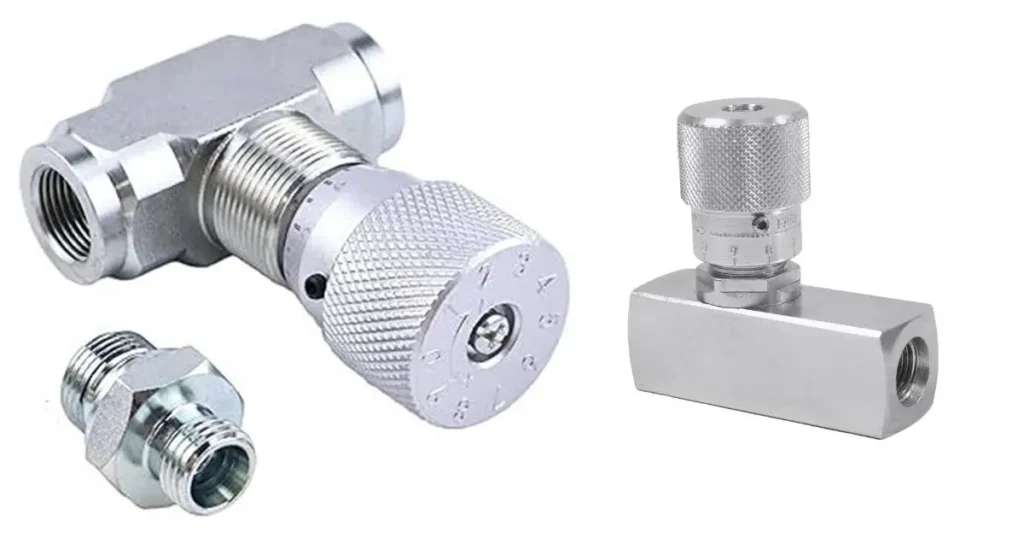
A hydraulic flow control valve is small but strong. It controls how fast fluid moves in a system. You can use it to make things go slower or faster. This valve helps you control machines and tools that need careful movement. When you turn the knob, you change how much fluid moves. This lets you control how fast and strong parts like cylinders or motors work.
Tip: To get smooth movement in your system, use a good flow control valve.
Main Functions
Hydraulic flow control valves do more than just start or stop fluid. They help you set the speed and how well your equipment works. There are different valves for different jobs. Here is a quick look at what each type does:
| Type of Valve | Function | Description |
|---|---|---|
| Throttle Valve | You can slow down flow by hand. | It is cheap but can change if pressure changes. |
| Speed Control Valve | Keeps flow steady in one way, even if load changes. | Also called a two-way flow valve, it has pressure control. |
| Relief Throttle Valve | Keeps flow steady even if pressure changes. | It mixes a throttle valve and a pressure relief valve. |
| Flow Divider/Combiner Valve | Splits or joins flow between two parts. | It helps two cylinders move together, even if loads are not the same. |
Pick a valve based on what you need to do. If you want easy control, use a throttle valve. If you need steady speed, pick a speed control valve. For hard jobs, a relief throttle valve works best. Flow divider valves help two parts move at the same time.
Common Applications
Hydraulic flow control valves are used in many places. You see them in factories, on building sites, and on farms. Each job needs a special kind of valve. Here is a table that shows where you use them and what matters most:
| Industrial Sector | Key Selection Criteria |
|---|---|
| Manufacturing and Automation Equipment | You need valves that are exact and work the same every time. |
| Construction and Heavy Machinery | Valves must handle shocks, dirt, and tough weather. |
You use these valves in robots, presses, and belts in factories. You also find them in machines like excavators and cranes. In factories, you want valves that always work the same. In big machines, you need valves that last through dirt and bumps.
Note: Think about where you will use your valve. Pick one that fits your job and keeps your machines safe.
The right hydraulic flow control valve helps your machines work better and last longer. If you know what your system needs, you can pick the best valve and save money.
Valve Type and Structure
Throttle Valve
You see throttle valves in many hydraulic systems. This valve lets you control the speed of fluid by changing the size of the opening. When you turn the handle, you make the hole bigger or smaller. This action changes how much fluid can pass through. You use this valve when you want simple speed control. It works best when the pressure stays the same. If the pressure changes a lot, the flow can change too. That means your machine might not move at the same speed all the time.
Throttle valves cost less than other types. They have a simple design. You do not need many parts to make this valve. If you want to save money and do not need perfect speed control, this valve is a good choice.
Tip: Use a throttle valve for jobs where you do not need exact speed, like lowering a lift or moving a conveyor.
One-Way Flow Control Valve
A one-way flow control valve gives you more control. This valve lets fluid move freely in one direction. In the other direction, it slows the flow down. You use this valve when you want a machine to move fast one way and slow the other way. For example, you might want a cylinder to lift slowly but drop quickly.
This valve has a special part inside called a check valve. The check valve lets fluid pass one way without slowing down. When fluid tries to go the other way, the valve makes it move slower. This design helps you save energy and keep your system safe.
One-way flow control valves cost more than throttle valves. They have more parts inside. You pay more, but you get better control and safety.
Two-Way Flow Control Valve
A two-way flow control valve gives you control in both directions. You use this valve when you want to set the speed for moving forward and backward. This valve works well in machines that need steady speed, no matter which way they move.
Inside, this valve has two flow paths. You can adjust both paths to get the speed you want. This valve costs more than a throttle valve or a one-way flow control valve. The design is more complex. You get better control and smoother movement.
Note: Choose a two-way flow control valve for machines that need the same speed in both directions, like presses or lifts.
Here’s a quick table to help you compare:
| Valve Type | Main Use | Cost Level | Control Direction |
|---|---|---|---|
| Throttle Valve | Simple speed control | Low | One |
| One-Way Flow Control Valve | Different speeds each direction | Medium | One (with free flow) |
| Two-Way Flow Control Valve | Steady speed both ways | High | Both |
When you pick a valve, think about what your machine needs. The right valve helps you save money and get the best performance.
Needle-Type Valve
You might see a needle-type valve in places where you need fine control. This valve uses a long, pointed stem that fits into a small seat. When you turn the handle, the stem moves up or down. You can adjust the flow with great accuracy. If you want to set the speed of a cylinder or motor very precisely, this valve works well.
Needle-type valves are popular in lab setups and small machines. You can use them for jobs that need tiny changes in flow. The design is simple, but the machining must be exact. If the stem or seat is not perfect, the valve will leak or not work right. You pay more for this precision. The cost goes up because making each part takes time and skill.
Tip: Choose a needle-type valve when you need to control flow in small steps. It helps you get smooth movement and avoid sudden changes.
Custom Valve Options
Sometimes, you need a valve that fits your system exactly. You can ask for custom valve options. These valves are made just for you. You pick the size, material, and features. If you want a valve that handles high pressure or special fluids, you can get it made.
Custom valves can include special seals, unique shapes, or extra ports. You might need a valve that fits into a tight space or connects to unusual pipes. The factory will design and build the valve to match your needs. This process takes longer and costs more. You pay for the engineering, testing, and special parts.
Here’s a quick list of what you can customize:
- Size and shape
- Material for body and seals
- Connection type
- Extra features like sensors or relief valves
Custom valves help you solve tough problems. If you have a unique machine or want better performance, a custom valve is the answer.
Impact on Pricing
The type and structure of a valve change the price a lot. Simple valves cost less. Complex valves cost more. If you pick a valve with many parts inside, you pay more for the work and materials. Precise machining and high-quality casting make the price go up. If a valve block has a defect, the whole block might need to be replaced. That adds to the cost.
Modular valves are easier to fix. You can swap out parts without taking apart the pipes. This saves money and time. Integrated blocks reduce leaks and assembly time, but they need careful design. You pay more for reliability and quality.
Note: When you choose a valve, think about how much you want to spend and how long you want it to last. A cheap valve might break sooner. A quality valve saves money in the long run.
If you want a valve that fits your system and works well, look at the structure and features. The right valve helps your machine run smoothly and keeps costs under control.
Pressure Rating and Flow Rate
Pressure Rating Impact
Pressure rating tells you how much force a valve can handle. If you need a valve for high-pressure jobs, you must choose one made from tough materials. Strong alloys and thicker walls help the valve stand up to heavy loads. You pay more for these upgrades because they use more metal and need careful design. Manufacturers test these valves with a 1.5x multiplier. This means the valve must survive pressures 50% higher than its rated limit. Safety and reliability matter most in high-pressure systems. You do not want leaks or failures. When you pick a valve with a higher pressure rating, you invest in better materials and stricter testing. This adds to the price, but it keeps your equipment safe.
Tip: Always check the pressure rating before you buy. If you use a valve with a low rating in a high-pressure system, you risk damage and downtime.
Flow Rate Capacity
Flow rate capacity shows how much fluid can move through the valve in a set time. If you need fast movement, you must pick a valve with a higher flow rate. Bigger valves let more fluid pass. You see this in machines that lift heavy loads or move quickly. When you choose a valve, look at the flow rate listed in gallons per minute (GPM) or liters per minute (LPM). If you pick a valve that is too small, your system slows down. If you pick one that is too big, you waste money and energy.
Here’s a quick table to help you compare:
| Valve Size | Typical Flow Rate (GPM) | Common Use |
|---|---|---|
| Small | 1-10 | Light machines, lab tools |
| Medium | 10-50 | Factory equipment |
| Large | 50+ | Heavy machinery |
You must match the valve size to your system’s needs. If you get it right, your machines run smoothly and efficiently.
Orifice Size and Pressure Difference
Orifice size is the opening inside the valve where fluid flows. If you pick a small orifice, you restrict flow. This slows down your machine. If you pick a large orifice, you let more fluid pass. This speeds things up, but it can also raise costs. Precision matters here. If the orifice is not made well, your valve leaks or loses performance.
Pressure difference is the gap between the pressure before and after the valve. Pumps create flow, but resistance builds pressure. Both orifice size and pressure difference affect how your valve works. If you want steady performance, you must balance these factors. Some valves use temperature-compensated designs. These keep the flow steady even when temperatures change. You save money because you do not need to adjust or replace the valve often.
Note: If you want smooth control, look for valves with precise orifice machining and temperature compensation. This helps your system stay reliable and efficient.
You see that pressure rating, flow rate, and orifice size all play a part in the final price. If you need high performance, you pay more for better materials, careful design, and strict testing. If you match your valve to your system, you get the best value and avoid costly mistakes.
Temperature Effects
Temperature plays a big role in how your hydraulic flow control valve works. If your system runs hot, you need a valve that can handle the heat. High temperatures can cause seals to break down and metal parts to expand. This can lead to leaks or even failure. You want your valve to stay strong and reliable, even when things get hot.
When you pick a valve for high-temperature jobs, you must look for special materials. Stainless steel and heat-resistant alloys work better than regular metals. Some valves use temperature-compensated designs. These keep the flow steady, even when the oil gets hotter or cooler. You pay more for these features, but you get better performance.
Note: If your machine works in a hot environment, ask for a valve that can handle the heat. This saves you money on repairs and downtime.
Here’s a quick table to show how temperature affects your choice:
| Temperature Range | Valve Material Needed | Extra Features | Cost Impact |
|---|---|---|---|
| Normal (up to 80°C) | Standard steel, basic seals | None | Low |
| High (80°C – 120°C) | Stainless steel, special seals | Temperature compensation | Medium |
| Extreme (120°C+) | Heat-resistant alloys, advanced seals | Custom design, extra testing | High |
If you need a valve for high temperatures, you pay more for tough materials and special designs. This helps your system run smoothly and last longer.
Control Accuracy
You want your hydraulic system to move just the way you want. Control accuracy makes this possible. If your valve is too big or too small, you lose control. The machine might jerk or move too slowly. Picking the right size and type helps you get smooth and steady movement.
- Control accuracy keeps your actuator speed steady. You don’t want your cylinder to speed up or slow down without warning.
- If you use a valve that’s too big, it becomes too sensitive. Small changes make a big difference, which can mess up your control.
- Proper sizing means your valve works in the right flow range. This gives you better performance and saves money.
- Accurate valves help your system handle pressure changes. You get consistent results, even when loads shift.
Tip: Always match your valve to your system’s needs. This helps you avoid wasted energy and keeps your machines running right.
When you focus on control accuracy, you get better results and fewer problems. You pay a bit more for a precise valve, but you save money in the long run. Your machines work better, and you spend less on repairs.
Material and Seal Selection
Valve Material Options
When you pick a hydraulic flow control valve, you need to think about what it’s made of. The material you choose affects how long your valve lasts and how well it works. Most valves use steel, stainless steel, or cast iron. Sometimes, you see brass or special alloys for certain jobs. If you want the best quality, stainless steel stands out. It fights off rust and handles tough jobs. Cast iron works well for big machines that don’t need to move fast. Brass is good for light-duty work and when you want to save money.
You should match the valve material to your system’s needs. If your fluid is harsh or your machine runs hot, you need a stronger material. Picking the right one helps you avoid leaks and keeps your system running smoothly. When you choose high-quality materials, you spend less time fixing problems and more time getting work done.
Tip: Always check if your valve material matches your fluid and working conditions. This simple step protects your investment and boosts the quality of your system.
Seal Material Choices
Seals keep the fluid inside your valve and stop leaks. You have many choices for seal materials, like NBR (nitrile), FKM (Viton), EPDM, and PTFE (Teflon). Each one works best in different situations. NBR handles most oils and is budget-friendly. FKM stands up to high heat and tough chemicals. EPDM works well with water-based fluids. PTFE resists almost anything but can be more expensive.
Here’s a table to help you see how seal material choices affect price and performance:
| Seal Material | Fluid Compatibility | Temperature Range | Maintenance Needs | Impact on Quality and Cost |
|---|---|---|---|---|
| NBR | Most oils | -30°C to 100°C | Low | Good for basic quality, low cost |
| FKM (Viton) | Oils, chemicals | -20°C to 200°C | Low | High quality, higher cost |
| EPDM | Water, steam | -40°C to 150°C | Medium | Good quality, moderate cost |
| PTFE (Teflon) | Almost all fluids | -60°C to 200°C | Very low | Top quality, highest cost |
Seal material selection shapes the quality of your valve. If you pick the wrong seal, you might face leaks, more repairs, and lower system quality. The right seal means fewer breakdowns and longer life for your equipment. Sometimes, you can add backup rings to softer seals. This lets your valve handle higher pressure and boosts quality without changing the whole design.
Fluid Compatibility
You need to make sure your valve and seals work with the fluid in your system. Fluid compatibility is a big deal. If you use the wrong materials, your valve might leak or break down. This can lead to expensive repairs and even safety problems. When you match the valve and seal materials to your fluid, you get better quality and fewer headaches.
Choosing the right combination keeps your system efficient. You avoid problems like swelling, cracking, or softening of seals. This means your valve keeps its quality and you spend less on maintenance. Always check what fluid you use before you buy a valve. This simple step helps you get the best quality and value for your money.
Note: Never guess when it comes to fluid compatibility. Ask your supplier for advice if you’re not sure. This helps you protect your system and keep quality high.
Corrosion Resistance
You want your hydraulic flow control valve to last as long as possible. Corrosion resistance plays a huge role in making that happen. When you use a valve in a tough environment—like near saltwater, chemicals, or even just outside in the rain—corrosion can eat away at the metal. This weakens the valve and can cause leaks or even total failure.
Stainless steel stands out for its ability to fight off rust and corrosion. You see stainless steel ball valves in places where regular steel would break down fast. These valves keep their strength, even when they face saltwater or acids. That means you don’t have to worry about the valve falling apart or needing constant repairs. You save money on maintenance and avoid surprise breakdowns.
Hydraulic oil can get dirty over time. Pollution in the oil speeds up corrosion inside your valve. When that happens, you get more leaks and your valve wears out faster. If you pick a valve made from a material with strong corrosion resistance, you slow down this process. Your valve stays reliable, and you don’t have to replace it as often.
Tip: If your system runs in a harsh place, always ask for a valve with high corrosion resistance. This small choice can save you a lot of money and trouble later.
Corrosion-resistant valves do cost more at first. You pay extra for better materials and special coatings. But you get a longer service life and fewer repairs. Over time, you actually spend less because you don’t have to buy new valves or pay for emergency fixes. You also keep your machines running smoothly, which means less downtime and more work done.
Here’s a quick look at why corrosion resistance matters:
- Keeps your valve strong and leak-free
- Reduces the number of replacements you need
- Cuts down on maintenance costs
- Boosts the reliability of your whole hydraulic system
When you choose a valve with great corrosion resistance, you invest in peace of mind. Your equipment stays safe, your costs stay low, and you get more value from every dollar you spend.
Connection Type and Standards
NPT, BSP, Metric Threads
When you look at hydraulic flow control valves, you see different thread types. The most common are NPT, BSP, and metric threads. Each one has its own shape and size. If you mix them up, you run into trouble fast.
- NPT and BSP threads don’t fit together without adapters.
- NPT uses a 60-degree thread angle. BSP uses a 55-degree angle. This difference makes the threads line up wrong.
- The pitch, or the space between threads, is not the same. You get gaps that stop the valve from sealing tight.
If you try to force these threads together, you get leaks. Even if you use thread sealant, the gaps stay. You might see thread damage, which can ruin expensive parts. Sometimes, leaks turn into safety hazards. Valves can fail under pressure, and that’s dangerous.
Tip: Always check your thread type before you buy. If you’re not sure, ask your supplier. You save money and avoid headaches.
Flange and Custom Connections
Flanged connections look different from threaded ones. You bolt the valve to a pipe or block. Flanges cost more at first, but they work better for high-pressure jobs. You spend less on maintenance because flanges seal tight and last longer.
If your system needs something special, you can ask for custom connections. Maybe you want a valve that fits a unique pipe or has extra ports. Custom connections make your setup easier, but they raise the manufacturing cost. The factory must design and machine each part to match your needs.
Here’s a quick table to compare:
| Connection Type | Initial Cost | Best Use | Maintenance Needs |
|---|---|---|---|
| Threaded | Low | Standard systems | More frequent |
| Flanged | High | High-pressure jobs | Less frequent |
| Custom | Highest | Unique setups | Varies |
Note: Flanged valves help you save money over time, especially in tough environments.
Machining Cost Impact
The way you connect your valve changes how much it costs to make. Threaded valves are simple. The factory cuts threads and ships the valve out. Flanged valves need more work. You pay for extra machining, drilling, and testing. Custom connections push the price even higher. The factory must follow your exact specs, which takes more time and skill.
- Custom standards mean more steps in production.
- Special shapes or sizes need careful machining.
- Each change adds to the final price.
If you want a valve that fits your system perfectly, you pay more up front. You get better performance and fewer leaks. In the end, you save money on repairs and downtime.
Callout: Picking the right connection type helps your system run smoother and keeps your costs under control. Don’t forget to match your valve to your pipes and pressure needs.
One-Way vs Two-Way Flow Control Valve
Design Differences
You might wonder what sets a one-way flow control valve apart from a two-way version. The answer starts with how each valve handles fluid movement. A one-way flow control valve lets fluid move freely in one direction. When fluid tries to go the other way, the valve slows it down. You see a check valve inside, which acts like a gate. This design gives you fast movement in one direction and controlled speed in the other.
A two-way flow control valve works differently. You get control over fluid speed in both directions. The valve has two adjustable paths. You can set the speed for moving forward and backward. This design uses extra internal parts, so the valve feels more complex. You get smoother and more balanced control.
Here’s a quick table to help you compare:
| Valve Type | Flow Direction Control | Internal Parts | Complexity |
|---|---|---|---|
| One-Way | One direction | Check valve | Simple |
| Two-Way | Both directions | Dual paths | Advanced |
Tip: If you need precise control in both directions, pick a two-way flow control valve. For simple jobs, a one-way valve saves money.
Application and Pricing
You see these valves used in different machines. A one-way flow control valve works well in systems where you want a cylinder to lift slowly but drop quickly. You find it in dump trucks, presses, and lifts. The valve keeps things safe and helps you save energy.
A two-way flow control valve fits machines that need steady speed both ways. You use it in robots, factory presses, and conveyor systems. The valve gives you smooth movement and better control.
When you look at pricing, you notice some big differences. One-way valves cost less. The design is simple, and you don’t pay for extra parts. You get basic control and save money up front. Two-way valves cost more. The advanced design means higher pricing. You pay extra for better performance and reliability.
Here’s what affects pricing:
- Complexity of the valve
- Number of internal parts
- Type of adjustment (manual or electronic)
- Quality of materials
If you need a valve for a simple job, you can choose a one-way flow control valve and keep pricing low. For machines that demand precision, a two-way valve is worth the higher pricing. You get more control and longer service life.
Note: Always match the valve to your application. The right choice helps you balance pricing, performance, and reliability.
Adjustment and Control Features
Manual vs Electronic Adjustment
You have two main ways to adjust a flow control valve. You can turn a knob by hand, or you can use electronic controls. Manual adjustment feels simple. You twist the handle to set the speed. This works well for small machines or when you do not need to change settings often. Manual valves cost less and are easy to fix.
Electronic adjustment gives you more options. You press a button or use a touchscreen. The valve changes settings fast. This works great if you want to control machines from far away or need to change speeds often. Electronic valves cost more because they use sensors and wires. You get better control and can save time during setup.
Tip: If you want to save money and do not need fancy features, pick a manual flow control valve. If you want speed and easy changes, go with electronic adjustment.
Proportional and Remote Control
Proportional control lets you set the flow rate with great accuracy. You send an electric signal, and the valve adjusts the fluid speed. This means you can make tiny changes and get smooth movement. Proportional control valves help your machines work better and respond faster.
Remote control adds even more power. You can change settings from your office or another building. Modern valves use sensors and smart technology. Some even connect to the internet. You can watch how your system works and fix problems before they get big.
- Proportional control valves give you precise flow control.
- Remote control makes maintenance and troubleshooting easier.
- These features raise the price because they use advanced technology.
You pay more for these features, but you get better performance. Your machines run smoother, and you spend less time fixing problems. If you need top-level control, these options are worth it.
Built-In Relief Valves
Some flow control valves come with built-in relief valves. This feature protects your system from too much pressure. If the pressure gets too high, the relief valve opens and lets fluid escape. This keeps your pipes and pumps safe.
You do not need to buy a separate relief valve. This saves space and makes your system simpler. Built-in relief valves cost a bit more, but they add safety and peace of mind. You do not have to worry about sudden pressure spikes.
Note: Always check if your flow control valve has a relief valve. This small feature can prevent big problems.
A flow control valve with the right adjustment and control features helps your machines work better and last longer. You can pick simple manual controls or advanced electronic options. The best choice depends on your needs and budget.
Standard vs Custom Flow Control Valves
Off-the-Shelf Options
You can find many hydraulic flow control valves ready to ship. These off-the-shelf options work well for most jobs. Manufacturers design them for common sizes, pressures, and connection types. You pick a valve from a catalog, and it arrives fast. If you need a quick fix or want to keep costs low, this is the way to go.
Here’s a simple table to help you compare:
| Feature | Off-the-Shelf Valve |
|---|---|
| Price | Lower |
| Delivery Time | Fast |
| Variety | Wide selection |
| Quality | Consistent |
You get reliable performance and easy installation. If your system uses standard parts, you save money and avoid delays. You don’t have to wait for engineering or special testing.
Tip: If you want to keep your project moving, choose an off-the-shelf valve. You get what you need without extra steps.
Customization Needs
Sometimes, your system needs more than a standard valve. You might want special materials, unique sizes, or extra features. This is where customization comes in. You work with the supplier to design a valve that fits your exact requirements. Maybe your machine runs hotter than usual. Maybe you need a valve that handles higher pressure or connects to unusual pipes.
Customization lets you solve tough problems. You can add sensors, special seals, or extra ports. You get a valve that matches your system perfectly. If you want better performance or longer service life, customization is the answer.
- You choose the material and seal type.
- You pick the connection style.
- You add features like remote control or built-in relief valves.
Note: Customization helps you get the best results, but it takes more time and costs more up front.
Engineering and Lead Time
When you ask for customization, you start an engineering process. The supplier reviews your needs and creates a design. Engineers check the specs and test the valve to make sure it works. This step adds to the lead time. You wait longer for delivery, but you get a valve that fits your system exactly.
Lead time depends on how complex your customization is. Simple changes take a few weeks. Big changes, like new materials or special features, can take months. You need to plan ahead and share your requirements early.
Callout: If you want a custom valve, talk to your supplier about lead time. Clear communication helps you avoid delays and keeps your project on track.
You balance speed, cost, and performance. Off-the-shelf valves arrive fast and cost less. Customization gives you better results but takes longer. You decide what matters most for your project.
Order Quantity and Production
Single vs Bulk Orders
When you buy hydraulic flow control valves, the number you order can change the price a lot. If you only need one or two valves, you pay the full price for each one. This is called a single order. You do not get any special discounts. The factory sets up the machines just for your small order, which takes time and effort.
If you order in bulk, things look different. Bulk orders mean you buy many valves at once. The factory can make all your valves together. This saves time and materials. You get a lower price for each valve. Many suppliers offer special deals or discounts for bulk orders. You also save on shipping because everything comes in one big box.
Here’s a quick table to show the difference:
| Order Type | Price per Valve | Lead Time | Shipping Cost | Best For |
|---|---|---|---|---|
| Single Order | Highest | Short to Medium | Higher | Repairs, small projects |
| Bulk Order | Lower | Medium to Long | Lower | New builds, big jobs |
Tip: If you know you will need more valves soon, try to order in bulk. You save money and get better service.
Production Requirements
Factories need to plan before making your valves. They check your order details, like valve type, size, material, and any special features. If you want a standard valve, the factory can start right away. Custom valves take more time. The engineers must design, test, and sometimes make new tools for your order.
You should give clear information about your needs. Tell the supplier how many valves you want, what type, and any special requests. This helps the factory plan their work and avoid mistakes. If you change your order after production starts, it can slow things down and cost more.
Here’s what you should prepare for a smooth order:
- Exact valve type and size
- Material and seal choices
- Connection type (threaded, flanged, custom)
- Quantity needed
- Any special features or markings
Note: Good planning helps you get your valves faster and keeps costs down. Always talk with your supplier if you have a deadline or special project.
Factories work best when they know what you want. Clear orders and bigger quantities help everyone save time and money. You get the right valves, and your project stays on track.
Surface Treatment and Quality Control
Surface Coatings
You want your hydraulic flow control valve to last a long time. Surface coatings help you do that. These coatings protect the valve from rust, scratches, and harsh chemicals. You might see zinc plating, nickel plating, or even powder coating on the outside of a valve. Each type of coating gives a different level of protection.
Here’s a quick table to show you the most common coatings and what they do:
| Coating Type | Main Benefit | Where You Use It |
|---|---|---|
| Zinc Plating | Fights off rust | General environments |
| Nickel Plating | Extra tough | Wet or chemical areas |
| Powder Coating | Looks good, strong | Outdoor or visible places |
If you pick the right coating, you boost the quality of your valve. You spend less time worrying about rust or damage. Your equipment stays looking new and works better.
Tip: Ask your supplier about the best coating for your working conditions. The right choice can save you money and trouble.
Testing and Certification
You want to know your valve will work when you need it. That’s why testing and certification matter so much. Before a valve leaves the factory, it goes through many tests. Workers check for leaks, measure flow, and make sure the valve can handle high pressure. Some valves even get tested in hot or cold rooms to see how they react.
After testing, the valve may get a certificate. This paper proves the valve passed all the checks. Some jobs need special certificates, like ISO or CE. These show the valve meets global standards for safety and quality. When you see a certified valve, you know it has been checked by experts.
Note: Always ask for product quality and certification if your project has strict rules. This helps you avoid problems later.
Quality Assurance
You want every valve to work right the first time. Quality assurance makes this happen. Factories use quality control processes to check each step of making a valve. Workers look for cracks, test the seals, and measure every part. If they find a problem, they fix it before the valve ships out.
Here’s what good quality assurance looks like:
- Workers check raw materials before making the valve.
- Machines measure each part for the right size.
- Finished valves get tested for leaks and pressure.
- Records show every test and check.
When you choose a valve from a company that cares about quality, you get peace of mind. Your machines run better, and you spend less on repairs. Good quality means fewer breakdowns and longer service life.
Callout: Never skip on quality. A valve with strong quality control will save you time, money, and stress.
Cheap vs Quality Hydraulic Flow Control Valves
Risks of Low-Cost Valves
You might feel tempted to grab the cheapest valve you can find. Saving money sounds great, right? But low-cost valves often bring hidden risks. When you choose a cheap valve, you usually get lower quality. The parts may not fit well. The seals might leak after a few weeks. You could see rust or cracks much sooner than you expect.
Let’s look at some common risks:
- Poor quality materials break down fast.
- Cheap valves often fail pressure tests.
- You may notice leaks or slow response in your system.
- Suppliers with a weak reputation may not offer support.
If you buy from a company with a shaky reputation, you risk getting a valve that doesn’t meet your needs. You might spend more time fixing problems than actually using your equipment. Sometimes, cheap valves don’t follow industry standards. That means you could face safety issues or even damage your whole system.
Tip: Always check the supplier’s reputation before you buy. Ask for test reports or certifications. This helps you avoid trouble and keeps your system safe.
Long-Term Costs
You might think a cheap valve saves you money. In reality, low-quality valves cost more over time. When a valve fails, you pay for repairs. You lose time. Your machines stop working. You might even need to buy a new valve sooner than you planned.
Here’s a table to show how costs add up:
| Valve Type | Upfront Cost | Repair Cost | Downtime | Replacement Frequency | Total Long-Term Cost |
|---|---|---|---|---|---|
| Cheap | Low | High | Often | Frequent | High |
| Quality | Higher | Low | Rare | Infrequent | Lower |
If you choose a valve with good quality, you get better performance. You spend less on repairs. Your machines run longer. You avoid surprise breakdowns. Suppliers with a strong reputation usually offer better support and warranties. That means you can trust your valve to last.
Note: Investing in quality pays off. You protect your equipment. You save money in the long run. You build a reputation for reliability.
When you pick a valve, think about more than the price tag. Look for quality. Check the supplier’s reputation. Ask about warranties and support. Your choice affects your system’s safety, your wallet, and your peace of mind.
Getting an Accurate Hydraulic Flow Control Valve Quote
Information to Provide
If you want a good price for your hydraulic flow control valve, you must give your supplier clear details. If you forget important information, you might get the wrong valve or pay too much money. Suppliers use your details to figure out the best price for your project. Here’s what you should tell them:
- Valve type and size
- Max working pressure
- Flow rating (L/min or GPM)
- Response time
- Temperature range
- Duty cycle
- Material for body and seals
- Connection type (threaded, flanged, custom)
- Quantity needed
- Application details
Look at this table to see the main specs suppliers need:
| Specification | Description |
|---|---|
| Max Working Pressure | The highest working pressure the valve can handle. |
| Flow Rating (L/min or GPM) | The most hydraulic fluid that can go through the valve without problems. |
| Response Time | How long it takes for the valve to open or close after getting a signal. |
| Temp Range | The temperature range where the valve works well. |
| Duty Cycle | The longest time the valve can run before it gets too hot. |
If you give all these details, your supplier can make a fair price and payment plan. You also help them pick the right flow control valve for your system.
Working Conditions
You need to explain your working conditions. Tell your supplier where you will use the valve. Will it be outside in the rain? Will it face high heat or dirty oil? If you share this, you get better help and avoid mistakes. Suppliers can suggest the best material and seal for your job. You also get a valve that lasts longer and needs less fixing.
Tip: Always say if your system faces very hot, cold, or chemical places. This helps your supplier give you the best help and keeps your equipment safe.
Communicating with Suppliers
Talking clearly with your supplier makes your quote more correct. If you talk openly, you get better prices and faster help. Suppliers can tell you about price changes or if products are hard to get. You can ask questions and get answers fast. This helps you plan your project and control costs.
If you work with your supplier for a long time, you get even more help. You learn more about materials and how things are made. You can see problems before they happen. This keeps your prices steady and your service smooth.
Note: Good talking leads to better help, fewer surprises, and more steady prices. If you want the best results, keep your supplier updated and ask for advice.
When you work closely with your supplier, you get the right valve, fair prices, and strong help. You avoid delays and keep your machines working. If you need help, your supplier’s team can guide you. You get answers fast and fix problems before they get big.
If you follow these steps, you make it easy for your supplier to give you the right price. You also get the best help and support for your hydraulic system.
Conclusion
When checking hydraulic flow control valve price, buyers should look at valve type, size, pressure rating, flow range, material, connection type, seal option, and customization needs. A lower price does not always mean a better choice if the valve cannot match the real working conditions.
As a hydraulic valve manufacturer in China, Chenyang Hydraulic provides hydraulic flow control valves, hydraulic throttle valves, and custom hydraulic valve solutions for industrial hydraulic systems. Send us your pressure rating, flow requirement, thread type, material, drawings, samples, or application details, and we can help you choose or manufacture the right valve for your system.
FAQ
What is the main job of a hydraulic flow control valve?
You use a hydraulic flow control valve to set how fast fluid moves in your system. This helps you control the speed of cylinders or motors.
How do I choose the right valve size?
Check your system’s flow rate and pressure. Pick a valve that matches or slightly exceeds these numbers. If you are unsure, ask your supplier for help.
Can I use any valve material for all fluids?
No, you can’t. Some fluids need special materials. For example, water-based fluids may need stainless steel. Always check fluid compatibility before you buy.
Why do prices change so much between suppliers?
Prices change because of material quality, valve type, features, and order size. Some suppliers offer better deals for bulk orders or have lower production costs.
Do I need special tools to install these valves?
Most valves use standard tools. If you pick a custom or flanged valve, you might need extra wrenches or bolts. Always read the installation guide first.
How often should I replace my hydraulic flow control valve?
Replace your valve if you see leaks, slow response, or rust. Good valves can last years with proper care. Regular checks help you spot problems early.