
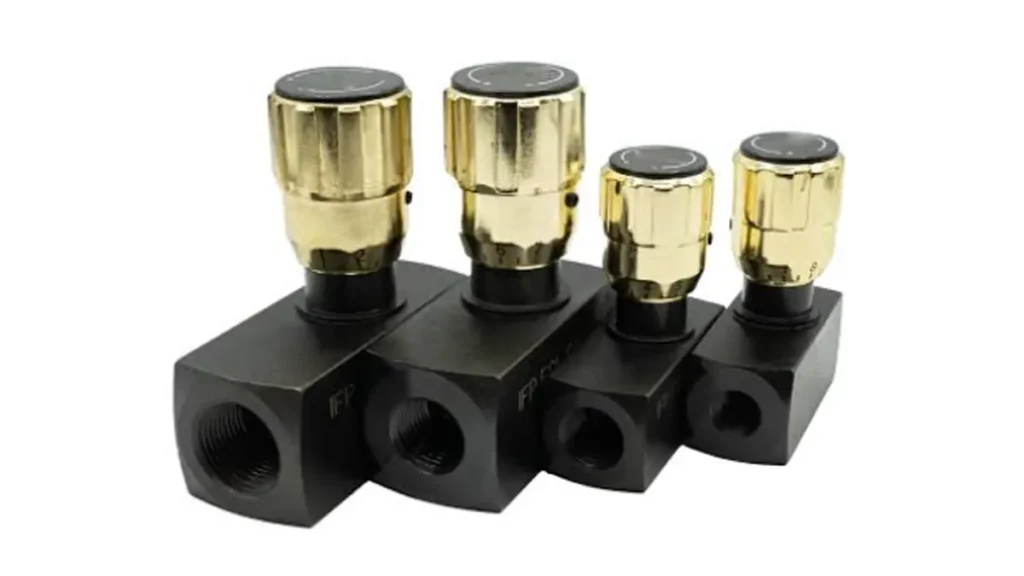
A hydraulic flow control valve, which is essential in hydraulic systems, helps you control the speed and movement of hydraulic oil. What is a hydraulic flow control valve? It is used to set how fast actuators move, ensuring that machines operate safely and smoothly. Unlike ball valves that only start or stop flow, flow control valves allow for small adjustments. In factories, these hydraulic flow control valves enhance machine performance by regulating flow rates, managing pressure changes, and directing fluid. This functionality results in reduced damage to components.
Key Takeaways
- A hydraulic flow control valve controls how fast hydraulic oil moves. This helps machines work smoothly and safely.
- These valves let you change the flow exactly how you want. Ball valves can only turn the flow on or off.
- Using a flow control valve makes the system work better. It also helps parts last longer and keeps machines running for more time.
- Some flow control valves have pressure compensation. This keeps the flow steady, even if the pressure changes. It stops the machine from speeding up or slowing down suddenly.
- You need to pick the right valve type for your job. You can choose throttle, one-way, or two-way valves.
- Always look at the pressure rating and flow range of a valve. This makes sure the valve is safe and works well for your system.
- It is very important to install the valve the right way. Always follow the arrows on the valve that show the flow direction. This helps you avoid problems when using the machine.
- You should check flow control valves often. Look for leaks and worn seals. This helps your system work well and last longer.
What Is a Hydraulic Flow Control Valve?
Basic Definition
You might wonder, what is a hydraulic flow control valve? This device lets you manage how fast hydraulic oil moves through a system. When you use a hydraulic flow control valve, you can set the speed of machines and tools that run on hydraulic power. It acts like a traffic cop for oil, making sure everything moves at the right pace. If you want your equipment to work smoothly and safely, you need to understand what is a hydraulic flow control valve and how it helps you take charge of the flow.
Main Function
So, what is a hydraulic flow control valve really doing for you? Its main job is to help you control the movement of oil in your hydraulic system. Here’s what you can expect from it:
- Regulating fluid volume so you get just the right amount of oil where you need it
- Controlling actuator speed, which means you decide how fast parts move
- Ensuring system efficiency by keeping everything running at its best
- Providing protection against component damage, so your machines last longer
- Maintaining operational integrity, which helps your whole system stay reliable
When you ask, what is a hydraulic flow control valve, you’re really asking how you can keep your machines working their best. This valve gives you the power to do just that.
Key Differences from Other Valves
You may have seen other valves in hydraulic systems, but not all valves do the same thing. What is a hydraulic flow control valve compared to others? Here’s how it stands out:
- A flow control valve lets you adjust the speed of oil, while a ball valve only turns the flow on or off.
- You can fine-tune a hydraulic flow control valve for smooth operation, but other valves might not offer this level of control.
- Some valves handle pressure or direction, but this one focuses on how much and how fast oil moves.
Tip: If you want precise control over your hydraulic system, always choose the right valve for the job. A flow control valve gives you flexibility and safety that other valves can’t match.
Flow Control Valve Operation
How It Works
You might wonder how a flow control valve actually works. The main job of this valve is to manage how much hydraulic oil moves through your system. When you turn the handle or adjust the knob, you change the size of the passage inside the valve. This action controls the speed and movement of the oil. If you make the passage smaller, less oil can move through. If you make it bigger, more oil flows.
Passage Size and Flow Rate
The size of the passage inside the valve decides how fast the oil moves. Think of it like a faucet in your kitchen. When you open the faucet a little, water trickles out slowly. When you open it all the way, water gushes out. The same idea works for hydraulic oil. You control the passage size, and that sets the flow rate. This helps you manage how fast your machines operate.
Pressure Compensation
Sometimes, the pressure in your system changes. If you do not have pressure compensation, the speed of your actuator can change when the load changes. Pressure-compensated valves keep the flow steady even when the pressure goes up or down. This feature helps your machines run smoothly and safely. You do not have to worry about sudden changes in speed.
Movable Parts (Spool, Poppet)
Inside a flow control valve, you will find movable parts like spools and poppets. These parts help you control the flow of oil. Take a look at the table below to see how each part works:
| Component | Function | Characteristics |
|---|---|---|
| Spools | Slide within the valve body to open or close passages | Control flow paths, determine fluid direction |
| Poppets | Use a spring-loaded mechanism to control flow paths | Quick response, excellent sealing characteristics |
Spools move back and forth inside the valve. They open or close passages to let oil through or block it. Poppets use springs to react quickly. They seal tightly and help you get fast control over the flow. Both parts make sure your valve works the way you want.
Flow Direction and Pressure Differential
You need to pay attention to flow direction. Oil must move the right way through the valve. If you install the valve backward, your system will not work as expected. Pressure differential means the difference in pressure from one side of the valve to the other. This difference pushes oil through the valve. If the pressure is too low, oil moves slowly. If the pressure is high, oil moves faster. You can use the flow control valve to balance these forces and keep your machines running at the right speed.
Tip: Always check the arrow on the valve body. It shows you the correct flow direction. This simple step prevents mistakes and keeps your system safe.
Why Flow Control Matters
Impact on System Performance
You want your hydraulic system to work at its best. The way you control the flow of oil makes a big difference. When you use a flow control valve, you set the speed and movement of parts in your machines. This helps you get the right power and timing for every job. If you set the flow too high, your machine might move too fast and lose accuracy. If you set it too low, your work slows down. You need the right balance to keep your hydraulic system running smoothly.
Here are some ways flow control affects performance:
- Keeps actuators moving at the right speed
- Helps you save energy by not wasting oil
- Makes sure every part of your hydraulic system works together
- Reduces wear and tear on your equipment
Tip: When you adjust the flow, you can fine-tune your machine for each task. This gives you better results and longer machine life.
Importance for Safety
Safety always comes first in any hydraulic system. If you do not control the flow, you risk sudden movements or pressure spikes. These can cause accidents or damage. A good hydraulic system uses flow control to keep everything steady and safe.
You protect yourself and others when you:
- Prevent sudden jumps or drops in machine parts
- Avoid overloading hoses and pipes
- Stop leaks and bursts before they happen
A flow control valve helps you keep control, so you do not have to worry about surprises. You can trust your hydraulic system to do what you expect.
Problems Without Flow Control
If you skip flow control, your hydraulic system can run into trouble fast. Machines may jerk or move at the wrong speed. You might see parts wear out sooner than they should. Sometimes, you even face total system failure.
Here is a quick table showing what can go wrong:
| Without Flow Control | What Happens? |
|---|---|
| Unsteady movement | Hard to control machines |
| High pressure spikes | Risk of leaks or bursts |
| Fast wear | More repairs and downtime |
| Poor accuracy | Bad results on every job |
Remember: A simple flow control valve can save you time, money, and stress. It keeps your hydraulic system safe, smooth, and reliable.
Hydraulic Flow Control Valve Types
Throttle Valve
Throttle valves are found in many hydraulic systems. These valves let you change how much fluid moves through a passage. When you turn the knob, you make the opening bigger or smaller. This controls how fast your actuator moves. Throttle valves are good for simple and direct control. You can use them to slow down or speed up a cylinder or motor. They do not adjust for pressure changes, so speed can change if the load changes. If you want basic control without extra features, throttle valves are a good pick.
Note: Throttle valves are simple to use and put in. You will see them in small machines and basic hydraulic setups.
One-Way Valve
One-way valves are also called check valves. These valves let fluid move in only one direction. You use these valves to stop fluid from going backward. If you want to protect your pump or keep fluid moving forward, you need a one-way valve. These valves are simple and work well. You can add them to your system to make sure fluid goes the right way. One-way valves do not let you change speed or volume. They just make sure fluid moves forward.
Here is a quick table to help you understand:
| Valve Type | Main Function | Typical Use |
|---|---|---|
| One-Way Valve | Stops backflow | Protects pumps, keeps fluid moving forward |
Tip: Always look for the arrow on the valve body. It shows you which way to install the valve.
Two-Way Valve
Two-way hydraulic control valves give you more options. You can control fluid movement in both directions. These valves help you manage the flow of hydraulic fluid. This makes your system work better. If you use a two-way valve, you can run more than one function with one control. This setup makes fixing things easier and your system less complicated. You will find two-way valves in many industries where machines must work well.
Two-way valves are used in:
- Farm machines, like tractors with front loaders and sprayers
- Building equipment, especially in places updating their machines
- City services, where hydraulic control valves help things run better
You can control everything from one place with a two-way valve. This saves time and helps your system work smoothly. If you want to update your equipment or make your hydraulic system simpler, two-way valves are a smart choice.
Callout: Two-way valves are important for systems that need to work well and last. You can count on them to handle hard jobs and keep your machines running.
Needle Valve
If you need to control oil flow very carefully, you should use a needle valve. The needle valve has a long, thin point inside that looks like a needle. When you turn the handle, the needle moves in or out of a small hole. This lets you make tiny changes to how much oil goes through. If you want to set the flow just right, a needle valve helps you do that.
Needle valves are best for low flow rates. You might see them in test benches or lab equipment. They are used where accuracy is more important than speed. Needle valves are small, so they fit in tight spaces. You can use them with hot fluids or liquids that can rust parts. Needle valves work well with high heat and harsh chemicals.
Here are some reasons to pick a needle valve:
- You want to make small, careful changes to flow.
- Your system must handle high heat or strong chemicals.
- You do not have much space for the valve.
- You need steady and accurate control for special jobs.
But needle valves are not perfect for every use. There are some problems you should know about:
- Needle valves cause a big pressure drop, which can make your system less efficient.
- They are not good for big flows or fast changes.
- If your oil is dirty, the small hole can clog or wear out.
- The needle part is delicate and needs careful care.
- You must use them gently or they can break, unlike stronger valves.
Here is a table to help you see if a needle valve is right for you:
| Feature | Needle Valve | Other Flow Control Valves |
|---|---|---|
| Flow Adjustment | Very precise | Moderate to coarse |
| Best For | Low, steady flows | Medium to high flows |
| Pressure Drop | High | Lower |
| Maintenance | Needs care | Usually easier |
| Space Needed | Compact | Varies |
| Handles Dirty Fluids | Not ideal | Some types better |
Tip: If you need to control flow very exactly, a needle valve is a good choice. This is true for science tools or special machines. Just keep your oil clean and check the valve often for damage.
Now you know needle valves are great for careful control. But they are not the best for every hydraulic job. Always pick the right valve for your system to get the best results.
One-Way vs Two-Way Flow Control Valve
One-Way Valve Features
When you use a one-way valve, you let fluid move in only one direction. This type of valve acts like a one-way street for oil. It stops oil from flowing backward. You often see these valves in places where you want to protect pumps or keep parts from moving the wrong way. One-way valves are simple. You do not have to adjust them. They just open when oil pushes from the right side and close if oil tries to come back.
Here are some features you will notice:
- Allows flow in only one direction
- Prevents backflow and protects equipment
- Has a fixed flow area
- Does not adjust for pressure changes
Tip: Always check the arrow on the valve body. It shows you which way the oil should go.
Two-Way Valve Features
A two-way valve gives you more control. You can let oil flow in both directions. This means you can move a cylinder or motor forward and backward with the same valve. Two-way valves often let you adjust how much oil moves, so you can set the speed for each direction. Some two-way valves also keep the flow steady, even if the pressure changes. This helps your machines work smoothly, no matter what load they carry.
Key features include:
- Allows flow in both directions
- Adjustable flow area for better control
- Can keep flow steady under different pressures
- Useful for machines that need to move back and forth
Note: Two-way valves help you get smooth and even movement, even when the job gets tough.
Key Differences
You might wonder how these two types compare. The main difference is how they handle flow direction and control. One-way valves only let oil go one way. Two-way valves let oil move both ways and often give you more ways to adjust the flow.
Here is a table to help you see the differences:
| Feature | One-Way Hydraulic Flow Control Valve | Two-Way Hydraulic Flow Control Valve |
|---|---|---|
| Flow Direction Control | Allows flow in one direction only | Allows flow in both directions |
| Pressure Compensation | Not applicable | Maintains constant flow under varying pressure conditions |
| Flow Area Adjustment | Fixed flow area | Adjustable flow area based on pressure difference |
If you need to stop backflow and keep things simple, choose a one-way valve. If you want more control and need to move parts in both directions, a two-way valve works better. Think about what your machine needs before you pick a flow control valve.
Flow Control Valve vs Throttle Valve
Function Comparison
You might wonder how a flow control valve and a throttle valve are different. Both help you manage how fast oil moves in your hydraulic system, but they do it in their own ways. A flow control valve lets you set and keep a steady flow, even if the pressure changes. You can adjust it to get the speed you want, and it will hold that speed, even if your machine works harder or lighter.
A throttle valve works more like a simple gate. You turn the knob to make the opening bigger or smaller. This changes how much oil can pass through. If the pressure changes, the speed can change too. Throttle valves do not keep the flow steady when the load changes. They are easy to use and cost less, but you get less control.
Here’s a quick list to help you see the main differences:
- Flow control valves keep the speed steady, even if pressure changes.
- Throttle valves change speed if the pressure changes.
- You get more precise control with a flow control valve.
- Throttle valves are simple and strong.
Tip: If you need your machine to move at the same speed every time, pick a flow control valve. If you want something simple and tough, a throttle valve works well.
Application Differences
You will see both valves in many machines, but each one shines in different jobs. Flow control valves are great when you need smooth, steady movement. They work well in machines that must move at the same speed, no matter what. You might use them in test benches, lifting equipment, or any place where safety and accuracy matter.
Throttle valves are the go-to choice for jobs that do not need perfect speed control. They are tough and do not cost much. You will find them in forklifts when you lower a load. Here, the valve helps you control the speed as the load comes down. Throttle valves are also popular in simple clamping tasks. They hold things tight without needing fancy controls.
Take a look at this table to see where throttle valves are often used:
| Application Type | Description |
|---|---|
| Forklift Lowering | Throttle valves are used for lowering loads, where load sensitivity is critical. |
| Simple Clamping | They are preferred for clamping tasks due to their cost-effectiveness and robustness. |
You can see that throttle valves fit best in jobs where you want something strong and easy to use. Flow control valves are better when you need to keep things steady and safe.
Note: Always think about what your machine needs. The right valve can make your work easier and safer.
Flow Control Valve vs Ball Valve
Flow Adjustment vs Shut-Off
You might see both flow control valves and ball valves in hydraulic systems. They look similar, but they do very different jobs. A flow control valve lets you adjust how much oil moves through your system. You can set the speed of your machine and make small changes as needed. This helps you get smooth and steady movement.
A ball valve works more like a light switch. You turn it, and the flow either starts or stops. Ball valves use a round ball with a hole in the middle. When you turn the handle, the hole lines up with the pipe, and oil flows. Turn it again, and the ball blocks the flow completely. You get quick shut-off, but not much control over the speed.
Some ball valves, like V-port ball valves, have a special V-shaped cut-out. This design gives you better control over the flow. You can make more precise adjustments, but it still does not match the fine tuning you get from a flow control valve.
Tip: If you need to stop flow fast, use a ball valve. If you want to adjust speed or flow, pick a flow control valve.
Here’s a quick look at the main differences:
| Feature | Flow Control Valve | Ball Valve |
|---|---|---|
| Main Function | Adjusts flow rate | Starts or stops flow |
| Precision | High | Low (except V-port type) |
| Speed of Operation | Slower, more precise | Very fast, quarter-turn |
| Best For | Smooth speed control | Quick shut-off |
When to Use Each
You might wonder when to use a ball valve and when to use a flow control valve. The answer depends on what your system needs.
Ball valves work best when you want to turn flow on or off quickly. They are strong and handle high pressure and temperature. You will see them in places where you need to isolate parts of your system or stop leaks fast. Ball valves also have a high turndown ratio, low flow resistance, and almost no leakage when closed. But they do not give you good control at low flows. If you try to use a ball valve to adjust flow, you might get pressure surges or rough movement.
Flow control valves shine when you need to set the speed of a cylinder or motor. You can make small changes and keep the flow steady, even if the pressure changes. This is important for machines that need smooth and safe movement. If you need very fine adjustments, a needle pin flow control valve works even better.
Here’s a table to help you decide:
| Scenario | Recommended Valve Type |
|---|---|
| Basic flow control and isolation | Ball Valve |
| Fine, precise adjustment of flow | Needle Pin Flow Control Valve |
| Handling corrosive or abrasive fluids | Diaphragm Valve |
| High flow, low-pressure drop | Butterfly Valve |
- Advantages of Ball Valves:
- Quick to open and close.
- Handle high pressure and temperature.
- Low resistance to flow.
- Minimal leakage when shut.
- Disadvantages of Ball Valves:
- Not good for fine flow adjustments.
- Can cause pressure surges if closed too fast.
Note: Always match the valve to your job. If you want smooth control, use a flow control valve. If you need fast shut-off, a ball valve is your best friend.
Applications of Hydraulic Flow Control Valves
Power Units
Power units are found in many hydraulic systems. They work like the heart, pushing oil to different machine parts. When you add a hydraulic flow control valve, you can set how fast oil moves. You also control how much oil goes through the system. This helps your machine run safely and smoothly. If you want actuators and motors to work right, you must control flow rate and pressure. The flow control valve makes this job easy.
Power units need to work at a steady speed. You do not want sudden changes in how fast things move. The right valve helps your machine respond the way you want. This keeps your equipment safe and saves energy.
Tip: Always check if your power unit has the right valve. This makes your whole system work better.
Machine Tools
Machine tools use hydraulic systems to cut and shape things. They also move materials around. If you use presses, lathes, or milling machines, you know speed and accuracy are important. A hydraulic flow control valve helps you set how long each tool works. You can make sure every move happens at the right time. This gives you better results and keeps your tools from wearing out quickly.
Sometimes, you need to make several actuators move together. With good flow control, each part moves at the same time. This is very important in car factories, where timing is key. If you want your machine tools to work well, you need the right valve.
Here’s a table that shows where these valves are used and what they need to do:
| Application Area | Performance Requirements |
|---|---|
| Manufacturing | Accurate pressure regulation, cycle time control |
| Automotive Manufacturing | Precise flow control for actuator synchronization |
Note: Using a flow control valve helps your machines work better and makes your products higher quality.
Construction Machinery
Construction machines need strong and reliable hydraulic systems. You see these machines lift, dig, and move heavy things. If you want your equipment to work safely, you must control the flow of oil. A hydraulic flow control valve lets you set how fast cylinders and motors move. This means you can make careful moves, like lifting a beam or digging a hole.
You also stop the system from getting overloaded. The valve acts like a traffic cop, sending oil where it needs to go. This helps you avoid accidents and keeps your machines in good shape.
- Set the flow for best performance.
- Control how fast actuators move.
- Make machines run smoothly and stop overload.
- Use power the right way in hydraulic systems.
Callout: If you work in construction, always use the right valve. It keeps your machines safe and helps you finish your work faster.
Agricultural Equipment
You use many machines on the farm. Tractors, harvesters, and sprayers all need good control. A hydraulic flow control valve helps you get the job done right. This valve lets you set how fast parts move. You can lift, lower, or turn equipment with more accuracy. When you adjust the flow, you decide how quickly a plow drops or a sprayer arm moves.
Take a look at this table to see why these valves matter in your machines:
| Aspect | Description |
|---|---|
| Role of Valves | Regulate flow and pressure of hydraulic fluid to control machinery operations. |
| Importance | Ensures efficient and safe operation of hydraulic systems in agricultural applications. |
| Performance Impact | Affects performance, safety, and energy efficiency in hydraulic systems. |
You want your machines to work well and last a long time. Here’s how flow control valves help you:
- Manage the rate of fluid movement.
- Set the speed of cylinders and actuators.
- Make your work more accurate and productive.
- Keep your equipment safe and energy efficient.
Tip: When you use the right valve, you get better results in the field and save money on repairs.
Lifting Equipment
You see lifting equipment in many places. Cranes, forklifts, and aerial lifts all need smooth and steady movement. A flow control valve gives you that control. You can raise or lower heavy loads without sudden jumps. This keeps you and your team safe.
If you want to move a platform or lift a pallet, you need to set the right speed. The valve helps you do this. It also stops the load from dropping too fast. You get more control and less risk of accidents. Lifting equipment works better when you use the right valve.
- Control lifting and lowering speed.
- Prevent sudden drops or jerks.
- Make every move safe and smooth.
Note: Always check your valves before you start work. Good valves keep your lifting jobs safe.
Test Benches
Test benches help you check how machines and parts work. You use them in labs, factories, and repair shops. A flow control valve lets you set the exact speed for your tests. You can see how a part works under different conditions.
If you want to test a cylinder or a motor, you need steady movement. The valve helps you get the same results every time. You can change the speed or pressure to match real-life jobs. This makes your tests more useful.
- Set and hold the right speed for each test.
- Try different settings to see how parts react.
- Get repeatable and accurate results.
Callout: Test benches with good valves help you find problems before they cause trouble in the field.
Industrial and Mobile Systems
You see hydraulic flow control valves everywhere in modern industry. These valves help you run big machines in factories and keep mobile equipment working in the field. When you use these valves, you get steady movement and safe operation. You can find them in assembly lines, presses, and even in garbage trucks or street sweepers.
In industrial systems, you often need to control many actuators at once. Each one might need a different speed. With the right valve, you set the speed for each part. This helps you avoid accidents and keeps your machines from wearing out too fast. You also save energy because you only use as much oil as you need.
Mobile systems, like tractors or cranes, work in tough places. You need equipment that can handle dirt, bumps, and weather. Flow control valves in these machines help you lift, push, or pull loads safely. You can make small changes to the speed or force, even when the job gets hard.
Here’s a quick list of where you might see these valves:
- Factory robots and conveyors
- Roadwork machines and dump trucks
- Mining equipment
- Forestry machines
- Utility vehicles
Tip: If you want your machines to last longer and work better, always check your valves. Clean oil and regular checks keep everything running smoothly.
Custom Systems
Sometimes, you need a solution that fits your special job. Custom hydraulic flow control valves help you do just that. Maybe you have a machine that works in a hot factory or a cold mountain. You might need a valve that fits in a tight spot or handles a special kind of oil.
When you work with a manufacturer, you can ask for custom features. You might want a special handle, a different size, or a valve that works with high pressure. Custom valves help you solve problems that standard parts cannot fix.
Here’s a table to show what you can customize:
| Custom Feature | Why You Might Need It |
|---|---|
| Special size | Fits in small or odd spaces |
| Unique materials | Handles chemicals or high heat |
| Extra seals | Stops leaks in tough conditions |
| Custom handles | Makes adjustments easier |
| High-pressure rating | Works in heavy-duty machines |
Note: If you have a tricky job, talk to a valve expert. You can get a valve made just for your needs. This saves you time and money in the long run.
Benefits of the Right Flow Control Valve
System Efficiency
You want your machines to work hard without wasting energy. The right flow control valve helps you do just that. When you set the flow correctly, your system uses only the oil it needs. This means less heat, less wasted power, and lower energy bills. You get more work done with the same amount of fuel or electricity.
Here’s how a good valve boosts efficiency:
- It sends oil exactly where you need it.
- It keeps your actuators moving at the right speed.
- It stops your pump from working too hard.
Tip: If you notice your machine getting hot or slowing down, check your valve settings. A small adjustment can save you money and keep your equipment running longer.
Safety and Reliability
You care about safety. So does your hydraulic system. The right valve keeps everything under control. It stops sudden jumps or drops in your machine. You avoid accidents and protect your team.
A reliable valve also means fewer breakdowns. You do not want to stop work for repairs. When you pick the right valve, you keep your system strong and steady.
Here’s a quick table to show how the right valve helps:
| Problem Prevented | How the Valve Helps |
|---|---|
| Sudden movements | Smooths out actuator speed |
| Pressure spikes | Keeps pressure steady |
| Leaks and bursts | Controls oil flow |
Note: Safety starts with good control. The right valve gives you peace of mind every day.
Smooth Operation
You want your machines to move like clockwork. The right flow control valve makes this possible. You get smooth starts and stops. Your cylinders and motors do not jerk or stall. This makes your work easier and your results better.
Smooth operation also means less wear on your parts. Your equipment lasts longer. You spend less time fixing things and more time getting the job done.
Here are some signs your system runs smoothly:
- No shaking or rattling when you start or stop.
- Even movement, even with heavy loads.
- Quiet operation with less noise.
Callout: If your machine feels rough or noisy, your valve might need an upgrade. Smooth operation keeps everyone happy and productive.
Choosing a Hydraulic Flow Control Valve
Pressure Rating
When you pick a hydraulic flow control valve, you need to check the pressure rating first. This tells you how much force the valve can handle. If your system runs at 40 bar, you should choose a valve rated for at least 60 bar. This gives you a safety margin. Sometimes, pressure spikes happen. You want your valve to survive those moments. Burst ratings should be three times your working pressure. That means if your system hits 40 bar, the valve should handle up to 120 bar without breaking.
You can see the importance of pressure rating in this table:
| Criteria | Description |
|---|---|
| Working Pressure | The normal pressure your system uses. |
| Minimum Valve Rating | Should be at least 1.5 times your working pressure. |
| Burst Rating | Should be at least 3 times your working pressure for safety. |
Tip: Always check the pressure rating before you buy. This keeps your system safe and helps your valve last longer.
Flow Range
Next, you need to look at the flow range. This tells you how much oil can move through the valve. If your system needs a maximum flow of 25 liters per minute, pick a valve rated for 30 to 40 liters per minute. This gives you better control, especially at low flows. You do not want your valve to struggle when your machine runs slow. A bigger range helps you make smooth changes and keeps your system working well.
Here are some things to remember about flow range:
- Choose a valve that can handle more than your maximum flow.
- A wider range makes flow control valve adjustment easier.
- You get better performance at both high and low speeds.
Note: If you pick a valve with too small a range, your machine might not work right. Always check the numbers before you decide.
Flow Direction
You also need to think about flow direction. Some valves let oil move one way. Others let it go both ways. If your machine needs oil to move forward and backward, pick a valve that handles both directions. Always check the arrows on the valve body. They show you which way the oil should go. If you install the valve backward, your system will not work as expected.
Here’s a quick checklist for flow direction:
- Look for arrows or markings on the valve.
- Decide if you need one-way or two-way flow.
- Make sure the valve matches your system layout.
Callout: Picking the right flow direction keeps your hydraulic system running smoothly. You avoid mistakes and get the best performance.
You can see that choosing the right hydraulic flow control valve means checking pressure rating, flow range, and flow direction. These steps help you build a safe and reliable system.
Valve Size and Space
You want your hydraulic system to fit together like puzzle pieces. Valve size matters more than you might think. If you pick a valve that’s too big, it won’t fit in your machine. If you choose one that’s too small, it might not handle the oil flow you need. Always check the space where you plan to install the valve. Measure the area and compare it to the valve’s dimensions.
Think about these points when you look at valve size:
- Check the length, width, and height of the valve.
- Make sure you have enough room for tools to install or remove the valve.
- Leave space for hoses and fittings.
- Consider future maintenance. You don’t want to squeeze your hands into a tight spot later.
Tip: Draw a simple sketch of your system. Mark where the valve will go. This helps you see if everything fits before you buy.
Thread and Connection Type
You need the right connections to keep your system leak-free. Hydraulic valves come with different thread types and connection styles. If you mix up threads, you could end up with leaks or damaged parts. Always match the valve’s threads to your hoses and fittings.
Here’s a quick table to help you understand common thread types:
| Thread Type | Where You See It | Good For |
|---|---|---|
| BSP (British) | European equipment | General use |
| NPT (Tapered) | North American machines | High-pressure systems |
| Metric | Modern global equipment | Standardized fittings |
You also need to pick between screw-in, flange, or quick-connect styles. Each one has its own benefits. Screw-in types are strong and reliable. Flange connections work well for big valves. Quick-connects make swapping parts fast and easy.
Note: Always double-check your thread type before you order. This saves you time and stops leaks.
Material and Seals
You want your valve to last a long time. The material and seals play a big role in how tough your valve is. Most hydraulic valves use steel or brass. Steel handles high pressure and rough jobs. Brass works well for lighter loads and resists rust.
Seals keep oil inside the valve. If you pick the wrong seal, you might see leaks or damage. Common seal materials include NBR (nitrile), FKM (Viton), and EPDM. Each one works best with certain oils and temperatures.
Here’s a quick guide:
- NBR (Nitrile): Good for most oils and normal temperatures.
- FKM (Viton): Handles high heat and tough chemicals.
- EPDM: Works with special fluids, but not with regular oil.
Callout: Always check what oil and temperature your system uses. Pick materials and seals that match. This keeps your valve working longer and saves you from messy leaks.
Medium and Temperature
You need to know what kind of fluid your hydraulic system uses. This is what people call the “medium.” Most systems use hydraulic oil, but some use water-glycol, synthetic fluids, or even special chemicals. Each fluid acts differently. Some fluids can break down seals or cause rust. You want to pick a valve that matches your fluid. If you use the wrong valve, you might see leaks or damage.
Temperature matters, too. Hydraulic systems can get hot or cold. Some work in freezing weather. Others run in hot factories. If your valve cannot handle the heat or cold, it might stop working. Seals can get hard or soft. Metal parts can shrink or expand. You want a valve that works in your temperature range.
Here’s a quick table to help you match the right valve to your medium and temperature:
| Fluid Type | Best Valve Material | Seal Type | Temperature Range |
|---|---|---|---|
| Mineral Oil | Steel, Brass | NBR, FKM | -20°C to 120°C |
| Water-Glycol | Stainless Steel | EPDM | -30°C to 100°C |
| Synthetic Fluids | Stainless Steel | FKM | -10°C to 150°C |
| Special Chemicals | Custom Materials | Special Seals | Check with supplier |
Tip: Always check your fluid’s data sheet. Ask your supplier if you are not sure. The right match keeps your system safe and leak-free.
If your system runs hot, pick seals that can handle high temperatures. If you work in the cold, make sure your valve will not freeze up. You want your machines to work every day, no matter the weather.
Adjustment Method
You want to control how much oil flows through your valve. The adjustment method tells you how you do this. Some valves use a simple handwheel or knob. You turn it to open or close the passage. Others use a lever or a screw. Some high-tech valves use electric motors or even remote controls.
Here are the most common adjustment methods:
- Manual Knob or Handwheel: You turn it by hand. It is easy and quick.
- Screw Adjustment: You use a tool to set the flow. This gives you fine control.
- Lever: You move the lever to change the flow fast.
- Electric or Remote Control: You push a button or use a computer. Great for hard-to-reach places.
You should pick the method that fits your job. If you need to change the flow often, a handwheel or lever works best. If you want to set it and forget it, a screw type is good. For machines that need remote control, go with electric adjustment.
Note: Think about who will use the valve. Make it easy for them. The right adjustment method saves time and avoids mistakes.
If you want to make small changes, pick a valve with fine adjustment. If you need fast changes, choose a lever or electric type. The right choice makes your work smoother and safer.
Buyer Information for Flow Control Valves
Valve Type and Pressure
When you start looking for a flow control valve, you need to know what type fits your job. Do you want a needle valve for fine adjustments? Maybe you need a one-way valve to stop backflow. Each type works best in certain situations. If you are not sure, ask yourself what you want the valve to do. Do you need to control speed, direction, or both?
Pressure is just as important. Every valve has a pressure rating. This tells you how much force the valve can handle before it fails. If your system runs at high pressure, pick a valve that matches or beats that number. Always check the maximum working pressure. If you choose a valve with a low rating, it might leak or break. That can cause big problems for your machine.
Tip: Write down your system’s highest pressure before you shop. This makes it easier to compare valves and avoid mistakes.
Flow Range and Speed
You also need to think about how much oil will move through your valve. This is called the flow range. If your machine uses a lot of oil, you need a valve that can handle high flow. If you only need a little oil, a smaller valve works better. The right flow range helps your machine run smoothly.
Speed matters, too. The valve you pick will control how fast your actuator moves. If you want slow, steady movement, choose a valve that lets you make fine adjustments. If you need quick action, look for a valve with a wide flow range. Always match the valve’s flow rate to your machine’s needs.
Here’s a simple table to help you:
| Machine Type | Typical Flow Range (L/min) | Valve Suggestion |
|---|---|---|
| Small press | 1-10 | Needle or throttle |
| Medium loader | 10-40 | Two-way flow control |
| Large excavator | 40-100 | High-flow valve |
Note: If you pick a valve that is too small, your machine will move slowly. If it is too big, you might lose control.
Direction and Connection
Direction is another key point. Some valves only let oil flow one way. Others let it move back and forth. Think about your machine. Does it need to move in both directions? If yes, pick a two-way valve. If not, a one-way valve might be enough.
Connections matter, too. You need to match the valve’s ends to your pipes or hoses. Check if you need threaded, flanged, or quick-connect fittings. If you get the wrong connection, the valve will not fit. Always measure your pipes and check the valve’s specs before you buy.
Callout: The right direction and connection make installation easy and keep your hydraulic system leak-free.
Thread, Material, Seals
When you shop for a hydraulic flow control valve, you need to pay attention to threads, materials, and seals. These details help you avoid leaks, breakdowns, and wasted money. Let’s break it down so you can make smart choices.
Thread Type
Threads connect your valve to pipes or hoses. If you pick the wrong thread, you might face leaks or trouble during installation. You’ll see different thread types in the market. Here are the most common ones:
- BSP (British Standard Pipe): You find these on European machines.
- NPT (National Pipe Tapered): These are popular in North America.
- Metric: Used in modern equipment worldwide.
Tip: Always check your system’s thread type before you buy. If you mix up threads, you’ll struggle with leaks and fitting problems.
Material Choices
The material of your valve decides how tough it is. You want a valve that lasts and handles your system’s demands. Here’s a quick table to help you compare:
| Material | Best For | Why Choose It? |
|---|---|---|
| Steel | High-pressure, heavy-duty jobs | Strong and durable |
| Brass | Light-duty, corrosion resistance | Easy to work with |
| Stainless Steel | Harsh chemicals, wet conditions | Rust-proof, long-lasting |
If your system faces high pressure or rough conditions, steel is your best bet. For lighter jobs or where rust is a concern, brass or stainless steel works well.
Seal Selection
Seals keep oil inside your valve. If you pick the wrong seal, you’ll see leaks or damage. You need to match the seal material to your fluid and temperature. Here’s what you should know:
- NBR (Nitrile): Handles most oils and normal temperatures.
- FKM (Viton): Works with high heat and tough chemicals.
- EPDM: Good for water-based fluids, not for regular oil.
Note: Always check your fluid type and temperature range. The right seal keeps your system leak-free and running smooth.
If you want your valve to last, pay attention to these three details. Threads, materials, and seals might seem small, but they make a big difference. You’ll save time, avoid headaches, and keep your hydraulic system working like a champ.
Common Selection Mistakes
Wrong Flow Direction
It might seem simple to put in a valve, but many people get the flow direction wrong. If you install a flow control valve backward, your hydraulic system will not work right. Oil will try to go the wrong way. This can make your actuator stop or move in a jumpy way. Always look for arrows on the valve body before you put it in. The arrows tell you which way the oil should flow. If you do not follow them, you could break your equipment and waste time fixing it.
Here’s a quick tip: Before you tighten any parts, check the markings again. This can save you trouble and keep your machine working well.
Ignoring Pressure Rating
Pressure rating is very important for your system. If you pick a valve that cannot handle your system’s pressure, you will have problems. The valve might leak, break, or stop working when your pump turns on. This mistake can cause your machine to stop, cost you money, and even be unsafe. You should always choose a valve with a pressure rating higher than your system’s top pressure. This keeps your equipment and your team safe.
Let’s see what can happen if you ignore pressure rating:
| Mistake | Consequence |
|---|---|
| Improper sizing | Performance problems and financial impacts |
| Safety risks | Unpredictable machine behavior causing accidents |
| Pump damage | Cavitation or overheating of pumps |
| Premature equipment failure | Excessive wear on pumps, cylinders, and motors |
| Production delays | Downtime and missed deadlines |
If you want your hydraulic system to last a long time, always check the pressure rating before you buy a valve.
Using Ball Valve for Flow Control
You might see ball valves used a lot, but they are not for adjusting flow. Ball valves are best for turning flow on or off quickly, not for making small changes. If you use a ball valve to control flow, your machine may move roughly or stop suddenly. This can cause uneven speeds, bad products, and even safety problems.
Here are some problems you might have if you use a ball valve instead of a flow control valve:
- Machines do not work the same every time
- Manufacturing steps are not always the same
- Power use goes up by 15-30%
- You need to fix or replace parts more often
- Oil does not last as long because it gets too hot
If you want your machine to move smoothly, always use the right valve. A flow control valve lets you set the speed just right. Ball valves are good for stopping flow fast, but not for changing speed.
Note: If you pick the wrong valve, you can waste energy, break parts, and slow down your work. Always choose the valve that fits your system’s needs.
Wrong Thread Type
You might think all threads look the same, but they are not. If you pick the wrong thread type for your valve, you can run into big problems. The threads connect your valve to pipes or hoses. If they do not match, you will see leaks or even damage your equipment. You want your hydraulic system to stay tight and safe.
Here are some common thread types you might see:
- BSP (British Standard Pipe)
- NPT (National Pipe Tapered)
- Metric
If you mix up these threads, you will struggle to get a good seal. Sometimes, you might force the parts together, but that can ruin the threads. You could end up with a leak or a broken valve. Always check your machine’s manual or ask your supplier about the right thread type.
Tip: Before you buy a valve, look at your old fittings. Match the thread type and size. This simple step saves you time and money.
Seal Compatibility
Seals keep oil inside your valve and stop leaks. If you use the wrong seal, you might see oil dripping out or even a sudden failure. Not all seals work with every fluid or temperature. You need to match the seal material to your system’s needs.
Here’s a quick table to help you pick the right seal:
| Seal Material | Best For | Not Good For |
|---|---|---|
| NBR (Nitrile) | Most oils, normal temps | Hot fluids, chemicals |
| FKM (Viton) | High heat, chemicals | Water-based fluids |
| EPDM | Water-glycol fluids | Mineral oil |
If you use the wrong seal, you might see swelling, cracking, or leaks. Always check what kind of oil or fluid you use. Ask your supplier if you are not sure. The right seal keeps your hydraulic system running smooth.
Note: Seals are small, but they do a big job. Never guess—always check compatibility.
Installation Space
You need enough room to install your valve. If you pick a valve that is too big, it will not fit. If you choose one that is too small, it might not handle the flow you need. Always measure the space where you want to put the valve. Think about the tools you need to install or remove it.
Here are some things to check:
- Length, width, and height of the valve
- Room for hoses and fittings
- Space for your hands and tools
If you skip this step, you might have to redo your work. You could even damage other parts of your machine. Take a few minutes to measure before you buy. This helps you avoid headaches later.
Callout: Good planning makes installation easy. Measure twice, buy once!
Medium Confirmation
You might think all hydraulic systems use the same oil, but that is not true. Every system has its own fluid, called the medium. If you do not confirm the medium before picking a valve, you could face big problems. The wrong valve might not work with your fluid. You could see leaks, swelling seals, or even a total breakdown.
Let’s break it down. Some systems use mineral oil. Others use water-glycol, synthetic fluids, or even special chemicals. Each fluid acts differently inside your equipment. Some fluids can eat away at seals or cause rust. If you do not check the medium, you risk damaging your valve and the whole system.
Here’s a quick checklist to help you confirm your medium:
- Check your machine’s manual for the fluid type.
- Ask your supplier if you are not sure.
- Look at the label on your oil drum or tank.
- Write down the temperature range your system runs in.
Tip: Always double-check the medium before you order a valve. This small step can save you money and headaches later.
You also need to think about temperature. Some fluids get thick in the cold or thin in the heat. If your valve cannot handle these changes, it might stop working. Seals can get hard or soft. Metal parts can shrink or expand. You want a valve that works in your temperature range.
Here’s a table to help you match the right valve to your medium and temperature:
| Fluid Type | Best Valve Material | Seal Type | Temperature Range |
|---|---|---|---|
| Mineral Oil | Steel, Brass | NBR, FKM | -20°C to 120°C |
| Water-Glycol | Stainless Steel | EPDM | -30°C to 100°C |
| Synthetic Fluids | Stainless Steel | FKM | -10°C to 150°C |
| Special Chemicals | Custom Materials | Special Seals | Ask your supplier |
If you skip medium confirmation, you might see leaks, slow movement, or even a stuck valve. Your hydraulic system needs the right match between fluid and valve. Always confirm the medium before you buy. This keeps your flow steady and your equipment safe.
Callout: The right valve for your fluid means fewer repairs and longer machine life. Never guess—always confirm your medium!
Conclusion
Hydraulic flow control valves help control oil flow, improve actuator speed control, and keep hydraulic systems running more smoothly and safely. Choosing the right valve is important because every system has different pressure, flow, connection, material, and working condition requirements.
Before selecting a valve, make sure you know your flow needs, working pressure, fluid type, valve size, connection type, material, and installation conditions. Proper installation and regular maintenance can also help reduce leakage, unstable movement, and unnecessary equipment downtime.
As a hydraulic valve manufacturer, Chenyang Hydraulic provides hydraulic flow control valves, hydraulic throttle valves, and custom hydraulic valve solutions for industrial hydraulic systems. If you need a standard valve or a custom design, send us your pressure rating, flow requirement, thread type, material, drawings, samples, or working conditions. Our team can help you choose or manufacture the right valve for your application.
FAQ
What does a hydraulic flow control valve do?
You use a hydraulic flow control valve to set how fast oil moves in your system. This lets you control the speed of cylinders and motors. You get smoother, safer machine movement.
Can I use a ball valve instead of a flow control valve?
No, you should not. Ball valves only turn flow on or off. They do not let you adjust speed. If you want smooth control, always pick a flow control valve.
How do I know which valve size to choose?
Check your system’s maximum flow rate and pressure. Pick a valve that handles more than your highest flow. Make sure it fits in your space. If you are unsure, ask your supplier.
What happens if I install the valve backward?
If you install the valve backward, oil will not flow the right way. Your machine may not work or could move in a jerky way. Always follow the arrows on the valve body.
Do I need to maintain my flow control valve?
Yes, you do. Clean oil keeps your valve working well. Check for leaks and worn seals. Replace damaged parts quickly. Regular checks help your system last longer.
Can I use any seal with any fluid?
No, you cannot. Some seals work only with certain fluids or temperatures. For example, NBR works with most oils, but not with hot fluids. Always match the seal to your fluid.
Why does my actuator move too fast or too slow?
Your flow control valve might need adjustment. Check if the passage is open enough. Also, look for clogs or pressure changes. If you still have trouble, your valve may be too small or too large.
Where can I get help choosing the right valve?
You can talk to your hydraulic supplier or manufacturer. They help you pick the best valve for your system. Bring your machine’s details, like flow, pressure, and fluid type.