Hydraulic Flow Control Valve Manufacturer
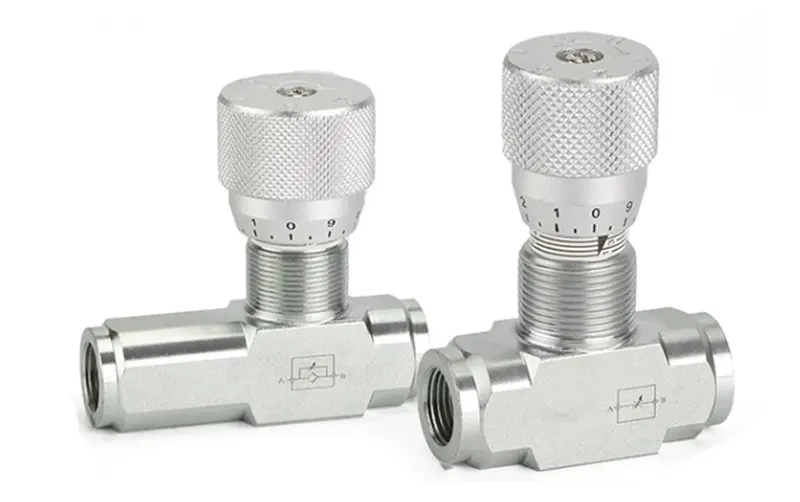
Chenyang Hydraulic manufactures hydraulic flow control valves for hydraulic oil circuits, flow adjustment, actuator speed control, machinery, hydraulic power units, test benches, and industrial equipment. A hydraulic flow control valve is used to adjust oil flow in a hydraulic system and help control the movement speed of cylinders, motors, or other hydraulic actuators.
Our hydraulic flow control valves are available with different pressure ratings, thread types, materials, seal options, flow control directions, and custom designs. Whether you need a standard hydraulic throttle valve, one-way flow control valve, two-way flow control valve, or a custom valve based on drawings or samples, we can help you choose or manufacture the right solution for your system.
Types of Hydraulic Flow Control Valves
Hydraulic flow control valves can have different structures depending on the application. Chenyang Hydraulic can provide standard and custom valve solutions according to your hydraulic system needs.
Hydraulic Throttle Valve
Adjusts flow by restricting the oil passage. It is often used for simple speed control and flow adjustment.
One-Way Flow Control Valve
Controls flow in one direction while allowing freer flow in the opposite direction.
Two-Way Flow Control Valve
Helps control flow in both directions, depending on the valve structure and system design.
Hydraulic Flow Control Valve Specifications
The right hydraulic flow control valve should match your pressure rating, flow range, flow direction, connection type, material, seal material, working medium, and installation conditions.
| Specification | Common Options | Selection Notes |
|---|---|---|
| Valve Type | Hydraulic flow control valve, hydraulic throttle valve, one-way or two-way flow control valve | Choose according to flow control direction and system function. |
| Function | Flow adjustment, actuator speed control, hydraulic oil circuit control | Mainly used for regulating flow, not for fast shut-off. |
| Material | Carbon steel, stainless steel, custom material | Select based on pressure, working medium, corrosion resistance, and environment. |
| Pressure Rating | Medium pressure, high pressure, custom pressure rating | Check working pressure and peak pressure before selection. |
| Size Range | 1/4 inch to 2 inch, or customized | Confirm according to flow rate, hydraulic line size, and installation space. |
| Connection Type | NPT, BSP, metric thread, custom connection | The connection must match the hose, pipe, adapter, or manifold. |
| Flow Direction | One-way control, two-way control, custom flow direction | Confirm whether the system needs controlled flow in one or both directions. |
| Seal Material | NBR, FKM, PTFE, custom seal material | Confirm compatibility with hydraulic oil, temperature, and working conditions. |
| Adjustment Type | Manual adjustment, knob adjustment, custom design | Select according to control needs and installation space. |
| Working Medium | Hydraulic oil and compatible industrial fluids | Special media should be confirmed before ordering. |
| Applications | Hydraulic systems, power units, machinery, test benches, industrial equipment | Suitable for flow adjustment and actuator speed control. |
How Does a Hydraulic Flow Control Valve Work?
A hydraulic flow control valve works by changing the size of the flow passage inside the valve. When the passage is opened wider, more oil can pass through. When the passage is restricted, the flow rate becomes lower.
This flow adjustment affects actuator speed. For example, when oil flow to a hydraulic cylinder is reduced, the cylinder moves more slowly. When oil flow increases, the cylinder can move faster.
How to Choose a Hydraulic Flow Control Valve
Choosing the right hydraulic flow control valve requires checking more than valve size. You should confirm the working pressure, peak pressure, required flow range, flow direction, thread type, material, seal material, working medium, temperature range, and installation space.
You should also confirm whether the system needs one-way flow control, two-way flow control, or a custom flow direction. If the valve is used for actuator speed control, the required movement speed and adjustment range should also be considered.
Confirm Flow Range
Check the required flow adjustment range and actuator movement speed.
Check Pressure
Confirm normal working pressure, peak pressure, and safety margin.
Match Connection
Check NPT, BSP, metric thread, or custom connection requirements.
Common Applications
Hydraulic flow control valves are used in hydraulic systems where oil flow and actuator speed need to be adjusted. They are suitable for hydraulic power units, machine tools, construction machinery, agricultural machinery, lifting equipment, test benches, industrial equipment, and mobile hydraulic systems.
Used for flow adjustment and actuator speed control.
Supports smoother actuator movement in mobile hydraulic systems.
Used for controlled hydraulic movement and equipment operation.
Helps control movement speed and improve operation stability.
Helps adjust oil flow during inspection or system testing.
Supports stable hydraulic oil circuit control and speed regulation.
What Is a Hydraulic Flow Control Valve?
A hydraulic flow control valve is a valve used to adjust the flow rate of hydraulic oil in a hydraulic system. It helps control how fast oil moves through a line and how quickly a cylinder, motor, or actuator moves.
The valve can be adjusted to increase or reduce flow according to system requirements. In some designs, the valve controls flow in one direction. In other designs, it can control flow in both directions.
Hydraulic flow control valves are widely used in industrial hydraulic systems because they help improve control, reduce sudden movement, and make equipment operation more stable.
FAQs
What is the function of a hydraulic flow control valve?
Its main function is to regulate oil flow. By adjusting flow, it can help control the speed of hydraulic cylinders, motors, or other actuators.
Is a hydraulic flow control valve the same as a throttle valve?
A hydraulic throttle valve is a common type of hydraulic flow control valve. It adjusts flow by restricting the oil passage.
What is the difference between a hydraulic flow control valve and a ball valve?
A hydraulic flow control valve is used for flow adjustment and speed control. A hydraulic ball valve is mainly used for shut-off and oil circuit isolation.
Can a hydraulic ball valve be used for flow control?
A hydraulic ball valve can roughly restrict flow when partially open, but it is not ideal for precise flow control. A hydraulic flow control valve or throttle valve is usually better.
What connection types are available?
Common options include NPT, BSP, metric thread, and custom connections. The connection type should match the hose, pipe, adapter, or manifold.
Can Chenyang Hydraulic customize hydraulic flow control valves?
Yes. Chenyang Hydraulic can manufacture custom hydraulic flow control valves based on drawings, samples, pressure requirements, thread types, materials, flow direction, and application needs.
What information should I provide before ordering?
You can provide valve type, pressure rating, flow requirement, connection type, thread standard, material, working medium, drawing, sample, and quantity. This helps us confirm the correct valve and quotation.
Contact Us
Talk to our engineering team for product selection, technical support, and customized hydraulic valve solutions.
Need a Hydraulic Flow Control Valve?
As a hydraulic valve manufacturer, Chenyang Hydraulic can provide standard and custom hydraulic flow control valves for industrial hydraulic systems. Send us your drawings, samples, pressure requirements, flow requirements, thread type, material needs, or application details, and we can help you choose or manufacture the right hydraulic valve for your project.