
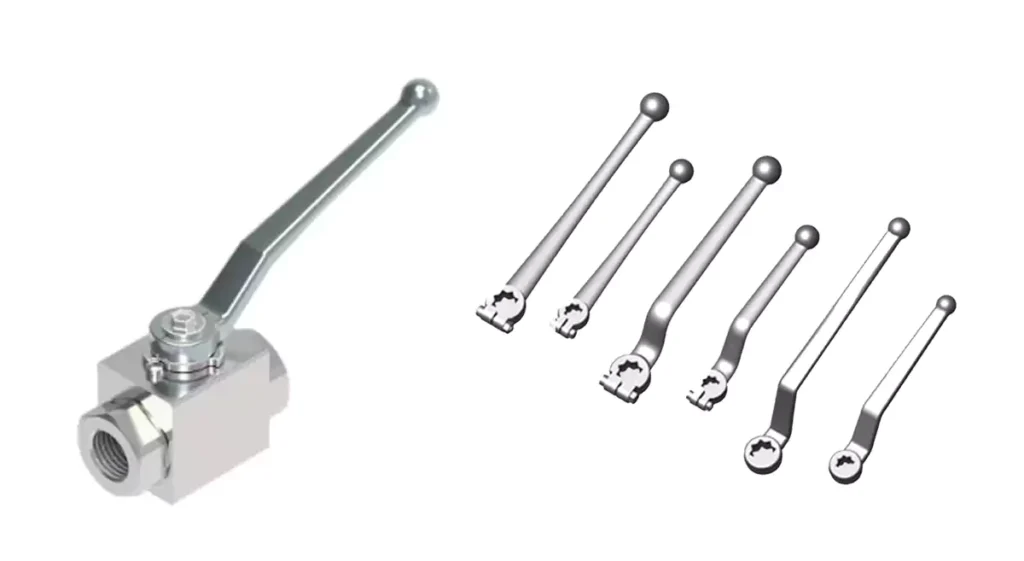
Choosing the right ball valve handle types for your hydraulic ball valve is crucial. It enhances your ability to control fluid flow effectively, ensures safety, and simplifies maintenance. When selecting a ball valve handle, consider the following factors:
- The amount of force required to turn the valve
- The size of your valve
- The available space for installation
- Safety features and locking mechanisms
- The comfort and ease of grip of the handle
Don’t focus solely on the price. Always verify that it complies with industry standards and feels comfortable to use.
Key Takeaways
- Pick a ball valve handle by looking at the valve size, pressure, and how much space you have.
- Lever handles are fast and simple to use. Handwheels give you more control in high-pressure systems.
- Small handles like butterfly or T-handles work well in small or crowded places.
- Stainless steel handles last a long time and do not rust, so they are good for tough places.
- Lockable handles make things safer because they stop people from using them without permission and help meet safety rules.
- Removable handles make it easier to clean and fix the valve, which is important in food or clean systems.
- Custom handles can help with special problems, like fitting into small spaces or meeting safety needs.
- Always make sure the handle works with your system’s fluid, pressure, and industry rules.
Ball Valve Handle Types Overview
What Is a Valve with Handle
When you look at a valve with handle, you see a simple tool that gives you control over the flow of fluid in a system. The handle connects to the ball inside the valve. When you turn the handle, the ball rotates and either lets fluid pass through or blocks it. This design makes it easy for you to open or close the valve quickly. You can find these valves in many places, like water pipes, hydraulic machines, and even in your home plumbing.
There are several main types of ball valve handles you might see in hydraulic systems:
- Lever handles: These have a long arm and let you turn the valve fast. You often see them in homes, factories, and water treatment plants.
- Handwheel handles: These look like a wheel and need you to turn them several times. They give you more control and are great for high-pressure jobs.
- T-handle and butterfly handle: These are smaller and easier to grip. T-handles work well when you need moderate force. Butterfly handles fit in tight spaces, like on farm equipment or compact hydraulic tools.
Handle Function in Fluid Control
The handle does more than just open or close the valve. It gives you control over how much fluid moves through the pipe. Some handles let you make quick changes, while others help you adjust the flow slowly and carefully. The type of handle you choose affects how easy it is to use the valve, how safe it is, and how often you need to check or fix it.
If you pick the right handle, you can avoid leaks and accidents. For example, a lever handle is fast and simple, but it might not be safe in places where someone could bump into it by accident. A handwheel handle takes more effort to turn, but it helps you control the flow better in high-pressure systems. The types of ball valve handles you use can make a big difference in how your system works and how safe it is.
Handle Materials and Durability
The material of your ball valve handle matters a lot. It affects how long the handle lasts and how well it stands up to tough conditions. Here’s a quick look at some common materials and what makes them special:
| Material | Characteristics |
|---|---|
| Stainless Steel | Exceptional corrosion resistance and strength, ideal for harsh environments. |
| Aluminum | Lightweight and corrosion-resistant, suitable for ease of operation. |
| Brass | Durable and corrosion-resistant, commonly used in plumbing systems. |
| Plastic | Lightweight and resistant to certain chemicals, appropriate for low-pressure applications. |
If you work in a place with lots of moisture or chemicals, stainless steel is a smart choice. For lighter jobs, aluminum or plastic might be enough. Brass works well in most plumbing systems. When you choose a ball valve handle, think about where you will use it and what kind of fluid will move through the system. This helps you pick a handle that lasts longer and keeps your system safe.
Why Handle Type Matters
Safety and Control in Fluid Systems
You want your hydraulic system to work well and be safe. The handle you pick for your valve can really matter. Some ball valve handle types have extra safety features. Locking handles let you lock the valve during repairs. Push-to-turn handles need two steps to turn, so you don’t bump them by mistake. This helps stop leaks or spills. If you work where it’s busy, you need a handle that stays in place and keeps control steady.
Handles also change how much control you get. Lever handles let you open or close the valve quickly. Handwheels give you more control, so you can adjust the flow slowly. If you use the valve a lot, choose a handle that is comfy and easy to hold. This keeps your hands safe and stops them from getting tired.
Tip: Always make sure the handle is simple to use and meets your safety needs. A good handle keeps your system safe and protects your team.
Installation Space and Ergonomics
Not every place has lots of space. Sometimes, you must fit a valve with handle into a small area. Think about the handle’s shape and size. Some ball valve handles are better for tight spots. Oval and butterfly handles are small and do not stick out. This means you won’t catch your clothes or bump into them.
Here’s a quick table to help you compare ergonomic options for limited spaces:
| Handle Type | Best For | Pros | Cons |
|---|---|---|---|
| Oval Handle | High-density panels and tight spacing | Very small, easy to grip, no ends sticking out | Harder to see from far away |
| Butterfly Handle | Compact spaces, quick operation | Low profile, fits where space is tight | Harder to turn if pressure is high |
| Push-to-Turn Handle | Preventing accidental actuation | Very safe, needs two steps to turn | Slower to use |
| Locking Handle | Maintenance safety, LOTO compliance | Very secure, can be locked | Needs a padlock and special steps |
You should also think about comfort and safety. Handles should be easy to hold, especially if you use them often. Lever handles fit well in small spaces. Handwheels are good for new users because they let you turn the valve slowly and carefully.
High Pressure Valve with Handle
If you work with high-pressure fluid, you need a strong handle. Handwheel handles are made for tough jobs. You must turn them a few times, but they make it easier to move the valve without using too much strength. Gear-operated handles help even more. They use gears to make turning easier, so you can use big valves safely.
You see these handles in places like oil plants and chemical factories. They work well and keep your system safe. Automated handles use electric or air power. These are best for factories or dangerous places where you should not turn the valve by hand.
- Handwheel handles are good for high-pressure pipes and big valves.
- Gear-operated handles are best for heavy jobs when turning by hand is too hard.
- Automated handles are great for machines and risky areas.
Picking the right ball valve handle for high-pressure jobs helps you control the flow and keeps your team safe. You stop accidents and make repairs easier.
Common Ball Valve Handle Types
Lever Handle
You see lever handles almost everywhere. They look like a straight bar attached to the top of a valve with handle. When you grab the handle and push or pull, you open or close the valve. Lever handles work well because they use the lever principle. You do not need much grip strength. You can even use your elbow if your hands are full or dirty. This makes them a great choice for people who need to move fast or have limited hand strength.
Pros and Cons
Let’s break down the good and not-so-good parts of lever handles:
| Pros | Cons |
|---|---|
| Easy to use, even with gloves | Can stick out and get bumped |
| Quick open and close | Not ideal for very tight spaces |
| Needs less grip strength | May not suit high-torque situations |
| Good for fast shut-off in emergencies | Can be turned by accident |
| Simple to see if valve is open/closed |
- Lever handles give you more torque than round knobs. You do not have to squeeze hard.
- The long handle helps you turn the valve with less effort.
- You can spot the position of the handle from far away. This helps you know if the valve is open or closed.
You find lever handles in many places. They work well in water lines, hydraulic machines, and even in food or sanitary systems where you need to keep things clean and sterile.
T-Handle
T-handles look like the letter “T.” You grab the top and twist. These handles are smaller than lever handles. They fit well in places where you do not have much room. You often see T-handles on small pipes or in machines where space is tight.
Application Scenarios
You might pick a T-handle when:
- You need to control fluid in a compact area.
- You want a handle that does not stick out.
- You work with small valves or panels.
- You need a handle that is easy to clean for sanitary or food uses.
T-handles do not give as much torque as lever handles. They work best for low to medium pressure jobs. You can use them in labs, food processing, or any place where you want a neat look and easy cleaning.
Butterfly Handle
Butterfly handles are short and wide. They look a bit like butterfly wings. You turn the handle left or right to open or close the valve. This design is perfect for spots where you do not have much space.
Compact Design Benefits
A butterfly valve with handle saves space. You can fit it into crowded panels or between pipes that are close together. The compact shape means you do not bump into it or catch your sleeve. Even in big hydro plants, engineers use butterfly handles to control a lot of water without wasting space. You get smooth control of fluid, and the handle stays out of the way.
Butterfly handles are easy to grip. You can use them in sterile or sanitary systems because they are simple to clean. They work well in food factories, labs, and any place where space matters.
Tip: If you need a ball valve handle that fits in a tight spot and still gives you good control, try a butterfly handle.
Lockable Handle
Lockable handles give you extra peace of mind when you work with a valve with handle. You can lock the handle in place, so only the right person can turn it. This feature matters a lot in busy factories, chemical plants, and places where safety rules are strict.
Safety Features
You want to keep your team safe and your system secure. Lockable ball valve handle types offer several important safety features:
- They stop anyone from turning the valve by accident or without permission. This keeps your fluid system safe.
- The locking part is strong and hard to break. It helps protect against tampering.
- You lower the chance of mistakes. When you lock the handle, you stop someone from opening or closing the valve by accident.
- These handles help you follow Lockout/Tagout (LOTO) rules. LOTO keeps workers safe during repairs or cleaning. Lockable handles make it easy to meet OSHA and other safety standards.
If you work in a place with dangerous fluids or high pressure, you need this kind of ball valve handle. You see them in oil refineries, water treatment plants, and even in food or sanitary systems where you must keep things sterile. You can add a padlock for extra security. This simple step can prevent big accidents.
Tip: Always check that your lockable handle fits your valve and meets your company’s safety rules.
Removable Handle
Sometimes, you need to take the handle off the valve. Removable handles make this easy. You can pull the handle off when you do not want anyone to use the valve. This feature helps you control who can open or close the valve.
Maintenance Advantages
Removable ball valve handle types give you some great benefits:
- You can remove the handle during maintenance. This stops anyone from turning the valve while you work.
- It helps you keep your system clean. You can take off the handle and wash it, which is important in food and sanitary systems.
- If you need to replace a worn handle, you can do it fast. You do not have to take apart the whole valve.
- Removable handles also help in places where you want to stop tampering or theft.
You see these handles in labs, food factories, and places where you need to keep things sterile. They work well with stainless valves because you can clean both parts easily. If you want more control over your system, try a removable handle.
Handwheel and Gear-Operated Handle
Some jobs need more power. Handwheel and gear-operated handles help you turn big valves or work with high pressure. You turn the wheel, and the gears do the hard work for you. This makes it easy to control the flow, even if the valve is large or the fluid is thick.
High Torque Applications
Let’s look at why you might pick a handwheel or gear-operated ball valve handle. Here’s a table to help you compare:
| Advantage | Description |
|---|---|
| Precise flow adjustment | You can fine-tune the flow. This is great for balancing lines or controlling bypasses. |
| High torque capability | The gears let you turn big valves or handle high pressure without hurting your hands. |
| Clear positional feedback | You can see if the valve is open, closed, or halfway. This helps you avoid mistakes. |
You find these handles in water plants, chemical factories, and places where you need to move a lot of fluid. They work well with stainless valves and in systems that must stay clean, like food or sanitary lines. Handwheel handles give you more control than lever handles. Gear-operated handles make it easy to turn even the toughest valves.
If you need to adjust the flow slowly or work with high torque, choose a handwheel or gear-operated handle. You get safety, control, and less strain on your hands.
Note: Always check the size of your valve and the pressure in your system before you pick a handle. The right ball valve handle keeps your system safe and easy to use.
Custom Handle Options
Sometimes, you need more than the standard ball valve handle. Maybe your system has a unique layout. Maybe you want a special safety feature. Custom handle options let you get exactly what you need for your job.
You can ask for handles in different shapes, sizes, or colors. Some companies will even add your logo or special markings. You might want a handle that fits your hand better or one that works with gloves. You can also choose handles made from special materials. For example, you might need a handle that stays cool or one that resists chemicals.
Custom handles help you solve problems that standard handles cannot. Here are some reasons you might want a custom handle:
- You have a tight space and need a handle with a special shape.
- You want a handle that matches your company’s color code.
- You need extra grip for wet or oily hands.
- You work in a sterile environment and want a handle that is easy to clean.
- You need a handle made from stainless material for tough jobs.
Tip: Custom handles can make your system safer and easier to use. They also help your team avoid mistakes.
When to Choose Custom
You might wonder when it makes sense to pick a custom handle. Here are some signs:
| Situation | Why Custom Helps |
|---|---|
| Unusual installation space | Fits your system perfectly |
| Special safety requirements | Adds locks, covers, or warning colors |
| High-use or harsh environments | Uses strong materials like stainless |
| Need for easy cleaning | Smooth shapes for sterile systems |
| Company branding | Adds logos or color codes |
If you cannot find a handle that fits your needs, go custom. You get better control, more comfort, and extra safety. Custom handles also help you follow industry rules or company standards.
You do not have to settle for a handle that almost works. Talk to your supplier about custom options. They can help you design a handle that fits your system and keeps your team safe.
Note: Custom handles may cost more, but they can save you time and trouble in the long run.
Handle Position and Valve Status
Open/Closed Indication
You can tell if a hydraulic ball valve is open or closed just by looking at the handle. This makes your job easier and safer. Here’s how it works:
- When the handle lines up with the pipe, the valve is open. Fluid can flow through.
- When the handle sits across the pipe, the valve is closed. Fluid stops moving.
- This clear sign helps you avoid mistakes. You do not have to guess if the valve is open or shut.
- You can check the handle from a distance. This keeps you safe and saves time.
You get peace of mind knowing the handle shows the valve’s status right away. This simple feature helps you work faster and keeps your system safe.
Handle Direction and Installation Clearance
Handle direction matters a lot during installation. If you do not have enough space, you might not turn the handle all the way. Lever handles need room to swing a full 90 degrees. If you put a valve too close to a wall or another pipe, the handle might hit something.
You should always check the space around your valve before you install it. Think about which way the handle will move. If you have a tight spot, try a butterfly or T-handle. These handles are smaller and fit better in crowded places. Short handles do not stick out as much. They help you avoid bumps and make your system look neat.
Tip: Always plan the handle direction before you install your valve. This helps you avoid problems later.
Tips for Tight Spaces
Working in a small area can be tough. You want your valve to work well, even if space is limited. Here are some installation tips for ball valve handles:
- Use compact handles like butterfly or T-handles in tight spots.
- Avoid long lever handles if you do not have enough room for a full turn.
- Pick shorter handles to prevent them from hitting walls or other equipment.
- Place valves where you can reach and turn the handle easily.
- Check for nearby pipes or panels that might block the handle.
You can make your job easier by choosing the right handle for your space. A small change can save you time and trouble. If you plan ahead, you will not need to move pipes or cut new holes later.
Note: Always test the handle movement before you finish the installation. This helps you catch problems early.
Selecting Ball Valve with Handle for Fluid Applications
Torque and Valve Size
When you pick a ball valve handle, think about torque and valve size. Torque is the force you use to turn the handle. Bigger valves need more force because they are larger and have more friction inside. High-pressure systems also make it harder to turn the valve. You need a handle that gives you enough power.
Here are some things to remember:
- Large valves need handles that give you more turning strength. Lever handles or handwheels are good for these jobs.
- High-pressure valves need strong handles. Gear-operated handles make turning easier and safer.
- The seat material inside the valve changes how hard it is to turn. Soft seats like PTFE are easier to move. Metal seats need more effort.
If you choose the wrong handle, you might have trouble opening or closing the valve. You could even break the handle or the valve. Always match the handle type to your valve’s size and pressure. This helps your fluid move well and keeps your equipment safe.
Material Compatibility
You want your valve with handle to last a long time. That means you need to pick the right handle material for your fluid. Some fluids can damage or wear out the handle fast. If you use chemicals, acids, or food, check if the handle material is safe before you buy.
Here is a table to help you pick the right material for different fluids:
| Media | Recommended Materials |
|---|---|
| Sulfuric acid | Stainless steel (SS316), Hastelloy, Polypropylene, PTFE, Viton |
| Hydrochloric acid | PVDF, PTFE, Hastelloy C, titanium |
| Nitric acid | Hastelloy C, titanium, zirconium, FKM, PTFE, stainless steel, Inconel, Monel |
| Chlorine | Hastelloy C-276, titanium, Monel, PVC |
| Ammonia | Stainless steel 316, PTFE |
Always use corrosion-resistant materials in tough places. Stainless steel, brass, bronze, and PVC are good choices. The right material keeps your ball valve handle strong and working well. If you work with food, pick materials that are safe and easy to clean. This stops germs and keeps your system safe.
Tip: Always check the chemical compatibility chart before you pick a handle. This can save you money and problems later.
Safety and Locking Features
Safety is very important when you work with dangerous fluids. You want a ball valve handle that keeps your team safe and your system secure. Locking features help you control who can turn the valve. They also stop accidents and help you follow safety rules.
Here is a table of important safety features to look for:
| Safety Feature | Description |
|---|---|
| Prevention of unauthorized operation | Stops people from turning the valve without permission. |
| Tamper-proof security | Makes it hard for anyone to change the valve position by force. |
| Human error reduction | Locks prevent mistakes and accidental movement. |
| Compliance with LOTO protocols | Helps you follow Lockout/Tagout rules during maintenance. |
| Enhanced operational control | Lets you see and feel if the valve is open or closed. |
If you work in a busy plant or with dangerous chemicals, always pick a handle with a lock. This helps you feel safe and follow safety rules. You can also find handles with bright colors or warning labels to make them easy to see. These features make your system safer for everyone.
Note: Never skip safety features. The right ball valve with handle keeps your team and your equipment safe.
Industry Standards
You want your hydraulic system to be safe and last long. That’s why you must check industry standards before picking a ball valve handle. These rules help make sure your valve with handle fits your system and follows safety guidelines.
Many industries have strict rules. Food processing, oil and gas, and water treatment all follow them. Groups like ANSI and ISO set these rules for ball valve handles. They cover things like handle strength, color codes, and how easy it is to see if the valve is open or closed.
If you work in food processing, you need a handle that is easy to clean and made from safe materials. In chemical plants, you want a handle that does not rust. Some industries use color codes to show if a valve is open or closed. This helps you avoid mistakes and keeps your team safe.
Tip: Always ask your supplier if the ball valve handle meets your industry’s standards. This helps you avoid trouble and keeps your system working well.
Maintenance Needs
You want your system to be reliable and easy to fix. Maintenance needs can change which ball valve handle you pick. Some valves are easier to service than others. If you need to clean or repair your valve often, choose a handle that makes this job simple.
Let’s see how different valve types affect maintenance and handle choice:
| Valve Type | Maintenance Needs | Impact on Handle Type Choice |
|---|---|---|
| Three-Piece | Easier servicing without full removal, reducing downtime and costs. | Preferred for applications requiring frequent maintenance. |
| Top-Entry | Allows servicing without complete removal, minimizing downtime. | Suitable for environments with high maintenance needs. |
| One-Piece | Often requires full replacement, increasing maintenance efforts and costs. | Less preferred in high-maintenance scenarios. |
| Two-Piece | Similar to one-piece, may need complete replacement. | Not ideal for applications with high maintenance demands. |
If you use a three-piece or top-entry valve, you can fix the valve without taking it out of the pipe. This saves time and money. You might want a removable or lockable ball valve handle for these valves. These handles let you take off the handle during repairs or lock it for safety.
One-piece and two-piece valves are harder to fix. You often need to replace the whole valve. In these cases, you may not need a special handle, but fixing will take longer.
Note: Always think about how often you need to fix your valve. The right ball valve handle can make maintenance faster and safer. This keeps your system running and helps you avoid costly downtime.
Practical Tips and Common Mistakes
Step-by-Step Handle Selection Guide
Picking the right hydraulic ball valve handle can seem hard. But you can make it easier by following some simple steps. Here is a guide to help you choose the best handle for your system:
- Find out what size and flow your system needs.
- Pick the valve setup that fits your job.
- Check the pressure rating to see if the handle is strong enough.
- Make sure the handle material works with your fluid.
- Think about how fast you need to open or close the valve. Some jobs need quick moves, others need slow and careful turning.
- Look at the space where you will put the handle. Will it fit and move without hitting anything?
- Think about the place where the handle will be used. Will it get wet, touch chemicals, or get very hot or cold?
- Check if the company that makes the handle is known for good products and help.
- Look at the price, but remember safety and how well it works are most important.
- Ask an expert if you are not sure or have special needs.
Tip: Always use a ball valve size chart and diagram. This helps you make sure your handle, valve, and system all fit together.
Information Needed for a Quote
When you want a price for a hydraulic ball valve with handle, you need to give clear facts. This helps you get the right part and saves time. Here is what you should have ready:
- Valve type and model number
- Valve size, like 1 inch or 2 inch
- End connection type, such as flanged, threaded, or butt weld
- Body material, like carbon steel, stainless steel, or special alloys
- Trim material for the inside parts
- Pressure class, such as ANSI 150 or ANSI 300
- Temperature range for your job
- Flow type you want, like linear or quick opening
- Actuator type if not manual, like pneumatic or electric, and fail position
- Control signal type if needed, like 4–20 mA
- Any special features or extras, like positioners or solenoids
- Details about your job, such as fluid type, pressure, or special needs
Note: The more facts you give, the easier it is for suppliers to help you and share tips for taking care of ball valve handles.
Mistakes to Avoid
You want your hydraulic system to work well, so try not to make these mistakes:
- Picking a handle without thinking about what your system needs. This can cause problems like dead spots or backpressure.
- Leaving a valve partly open to control pressure. This can make the valve wear out faster.
- Using a handle or valve with the wrong pressure rating or material. This can cause leaks, bending, or even breaking.
- Not checking the port logic with a ball valve diagram before you put it in. This helps you avoid costly mistakes.
- Not using precision ball valves if your system changes pressure a lot.
- Not using a size chart. Always check that the valve size, PSI, and flow rate match.
Callout: Always follow the manual and use good care steps for ball valve handles. This keeps your system safe and helps your equipment last longer.
Conclusion
You want your hydraulic system to be safe and work well. Picking the right ball valve handle helps you avoid mistakes. It also makes your system better and easier to fix. Always think about how the handle works and if it is safe. Chenyang Hydraulic has different handle types for you:
| Handle Type | Description |
|---|---|
| Manual handle | Simple to use by hand |
| Lockable handle | Has a lock for more safety |
| Custom handle design | Made special for tricky spaces or jobs |
If you are not sure which handle type is right for your valve, Chenyang Hydraulic can help. As a hydraulic ball valve manufacturer, we can check your valve size, pressure rating, connection type, installation space, and working conditions. We can also provide standard hydraulic ball valves, lockable handle options, and custom handle designs based on drawings or samples.
FAQ
What handle type works best for tight spaces?
You should try butterfly or T-handles. These handles stay compact and fit easily in crowded areas. You won’t bump into them, and they make turning the valve simple.
Can I replace a ball valve handle myself?
Yes, you can. Most handles come off with basic tools. Always turn off the system first. Check the manual for your valve model before you start.
How do I know if my valve is open or closed?
Look at the handle. If it lines up with the pipe, the valve is open. If it sits across the pipe, the valve is closed. This visual cue helps you avoid mistakes.
Which handle material lasts longest?
Stainless steel handles last the longest. They resist rust and handle tough conditions. If you work with chemicals or moisture, stainless steel is your best choice.
Are lockable handles necessary for safety?
Lockable handles help keep your system safe. You can prevent unauthorized use and follow safety rules. If you work in a busy or hazardous area, you should use lockable handles.
What should I check before choosing a handle?
You need to check valve size, pressure rating, handle material, installation space, and safety features. Make sure the handle fits your system and meets your needs.
Can I get a custom handle for my hydraulic valve?
Yes, you can order custom handles. You can choose special shapes, colors, or materials. Custom handles solve unique problems and help your system work better.
Do removable handles help with maintenance?
Removable handles make maintenance easier. You can take them off during repairs or cleaning. This feature keeps your system safe and helps you avoid accidents.