
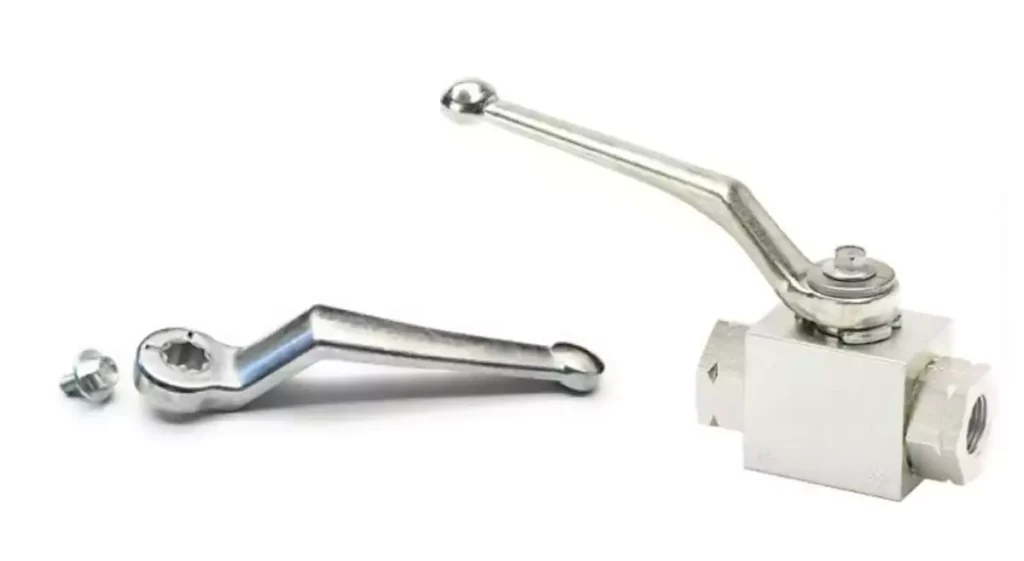
You use the hydraulic ball valve handle to control fluid by hand. It helps you start or stop the flow in your hydraulic system. The handle moves in a quarter-turn, so you can open or close the valve with a quick twist. If you turn the hydraulic ball valve handle in line with the pipe, the valve stays open. If you move the hydraulic ball valve handle 90 degrees across the pipe, the valve closes. Here’s a simple chart:
| Handle Position | Valve Status |
|---|---|
| Along the axis | Open |
| 90° across | Closed |
You should look at the hydraulic ball valve handle design, how much space you have for it, and the pressure rating. These things help make using the handle safe and simple. The right hydraulic ball valve handle gives you easy quarter-turn movement, even when the pressure is high. You can always tell if the valve is open or closed after each quarter-turn. That is why you need to pick a hydraulic ball valve handle that works for your job and lets you use it easily by hand.
Key Takeaways
- The hydraulic ball valve handle lets you control fluid flow. You turn it a quarter of the way to open or close it.
- Always look at the handle’s position. If it is parallel to the pipe, the valve is open. If it is across the pipe, the valve is closed.
- Pick the right handle for your space. Straight handles are good in open spaces. Bent handles fit better in small or tight places.
- Some handles have safety features. Lockable or removable handles stop accidents. Only trained people can use these handles.
- Keep the handle in good shape. Check for leaks and clean the handle often. Make sure it moves easily so the system works well.
- Pick materials that match your system’s pressure and environment. This helps the valve last longer and stops rust.
- You can get custom handles for special spaces or safety needs. This makes the valve easier and safer to use.
- Always check the space before you pick a handle. This helps you avoid bumping into other equipment.
Hydraulic Ball Valve Handle Overview
Definition and Function
A ball valve handle helps you control fluid in hydraulic systems. You can use the handle to start or stop the flow. When you hold the handle, you turn it with your hand. This turning moves the stem inside the ball valve. You only need to turn it a quarter of the way to open or close the valve. The handle makes using the valve fast and simple. You can look at the handle to see if the valve is open or closed. Ball valve handles work in both manual and automatic systems, but people use them by hand most of the time. Here is what a ball valve handle does for you:
- Lets you control how the ball valve works.
- Turns the ball inside the valve with a twist.
- Opens or closes the valve with a quarter-turn.
- Helps you control the flow in hydraulic circuits.
- Makes using the valve by hand safe and easy.
Internal Mechanism of Ball Valve
Inside the ball valve, there is a round ball with a hole in the middle. The handle connects to the stem, and the stem connects to the ball. When you turn the handle, the stem turns the ball. If you turn the handle 90 degrees, the hole lines up with the flow path. Fluid can move through the ball valve. If you turn the handle the other way, the solid part of the ball blocks the flow. The handle lets you control the stem and the ball. You can control the flow very well with each turn. Ball valve handles work in both manual and automatic systems, but you notice it most when you use your hand. The stem and ball move together, so you always know if the valve is open or closed.
2-Way and 3-Way Configurations
You can pick a 2-way or 3-way ball valve handle setup. Each one gives you different ways to control the flow. Look at this table to see how they are different:
| Feature | 2-Way Valve | 3-Way Valve |
|---|---|---|
| Number of Ports | 2 (A and AB) | 3 (A, B, and AB) |
| Functionality | On/off control, isolation | Diverting or mixing flows |
| Flow Control | Regulates flow from A to AB | Can mix or divert flow between A, B, and AB |
| Common Applications | Basic on/off applications, isolation in processes | Mixing fluids, diverting flows in HVAC systems |
| Cost-effectiveness | Generally lower cost for simple applications | More cost-effective for mixing/diverting than multiple 2-way valves |
A 2-way ball valve handle is good for simple on and off flow control. The handle lets you block parts of your hydraulic system. If you need to mix or send fluids in different directions, you use a 3-way ball valve handle. The handle gives you more ways to control the flow. You can use a handle by hand or with a machine, depending on what you need. The stem and ball work together in both types, so you always get good results.
Ball Valve Handle Position
Open vs Closed Indicators
You want to know if your hydraulic ball valve is open or closed at a glance. The handle gives you a clear answer. When you look at the handle, you can see its position right away. Most handles use simple visual indicators to help you. Here are some common ways you can tell the valve status:
- The handle sits parallel to the pipe when the valve is open.
- The handle sits perpendicular to the pipe when the valve is closed.
- Some handles use color-coding, like red for closed and green for open.
- You might see arrows on the handle that show the flow direction when the valve is open.
- Position markers on the valve body or handle make it even easier to check.
These features help you avoid mistakes during valve operation. You can quickly decide if you need to open or close the valve. This saves you time and keeps your system running smoothly.
Parallel and Perpendicular Handle Orientation
The handle orientation tells you everything about valve operation. If you see the handle lined up with the pipe, the valve is open. Fluid can move through the system. If the handle sits across the pipe, the valve is closed. No fluid can pass. This simple rule works for almost every hydraulic ball valve.
You do not need to guess or check extra labels. The handle position gives you instant feedback. You can train new team members easily because the system is so clear. When you need to open or close the valve fast, you just look at the handle. This helps you work safely and efficiently.
Importance of Handle Position for Safety
Handle position does more than show you if the valve is open or closed. It keeps your system safe. If you use the wrong handle position, you can run into problems. Here are some risks you might face:
- You could send fluid the wrong way and waste product.
- The system might build up too much pressure, which can be dangerous.
- In setups with many lines, like wash bays or fluid mixing, a wrong handle position can confuse operators and cause accidents.
You should always check the handle before you start valve operation. This habit helps you avoid costly mistakes and keeps everyone safe. A clear handle position means you can open or close the valve with confidence every time.
Ball Valve Handle Types
When you look at ball valve handle types, you find several designs that fit different needs. Each type of valve handle connects to the stem and helps you control the ball valve with either manual or automated systems. Let’s look at some of the most common handle types you might see in hydraulic ball valves.
Straight Handle
You probably see straight handles the most. This type of valve handle attaches directly to the stem and sticks out in a straight line. You use a quarter-turn motion to open or close the ball valve. Straight handles give you a clear visual cue. When the handle lines up with the pipe, the valve is open. When it sits across the pipe, the valve is closed. This makes manual operation fast and easy.
Here are some reasons you might pick a straight handle:
- You get quick response and clear position.
- The handle works well for general manual use.
- You can add locking features for extra safety.
But straight handles need enough space to turn. If you have tight equipment, you might want to look at other handle types.
Bent Handle
Bent handles curve away from the stem. This design helps you avoid obstacles near the ball valve. If you work in a crowded area, a bent handle gives you better access. You can still use manual or automated systems with this handle. The bent shape lets you grip the valve handle from different angles.
Why choose a bent handle?
- You can turn the handle even if pipes or panels are close by.
- The bent design helps you avoid bumping into other equipment.
- You get more comfort when you use the valve handle in tight spots.
Bent handles might not give you as much leverage as straight ones. You may need to use a bit more force, especially on high-pressure ball valves.
Lockable Handle
If you need extra safety, a lockable handle is a smart choice. This type of valve handle lets you add a padlock or locking device. You can lock the handle in the open or closed position. This stops anyone from turning the stem by accident. Lockable handles work well for both manual and automated ball valve setups.
Here’s why you might want a lockable handle:
- You prevent accidental operation during maintenance.
- The locking feature helps you follow safety rules.
- You can control who uses the ball valve.
Lockable handles sometimes take up more space. You need to make sure you have room for the locking device. Some lockable handle types also need special training so everyone knows how to use them safely.
Tip: If you work in a busy plant or need to meet strict safety codes, lockable handles give you peace of mind.
Here’s a quick table to help you compare these handle types:
| Handle Type | Best For | Main Advantage | Possible Drawback |
|---|---|---|---|
| Straight Handle | General manual use | Fast, clear operation | Needs more turning space |
| Bent Handle | Tight or crowded installations | Easier access in small areas | Less leverage |
| Lockable Handle | Safety-focused environments | Prevents accidental turning | Needs space for locking device |
You can see that each ball valve handle type connects to the stem in a unique way. You should always match the handle to your space, safety needs, and how you plan to use the ball valve. Some handle types, like the butterfly handle, work best in tight spaces. Others, like the lockable handle, focus on safety and locking. No matter which you choose, make sure the valve handle fits your manual or automated system and gives you the control you need.
Removable Handle
You might want a removable handle to control who uses the hydraulic ball valve. This handle comes off after you use it. You can keep it safe or give it to a supervisor. Removable handles stop people from using the valve without permission. They are good for places where safety is very important, like factories or labs.
Here is how a removable handle helps you:
- You put the handle on the valve stem when you need to use the valve.
- You take the handle off when you are done, so others cannot use it.
- You store the handle in a safe place, like a toolbox or locked cabinet.
This handle type gives you some big benefits:
- You decide who can use the valve.
- You lower the chance of someone using the valve by mistake.
- You make maintenance safer because only trained people use the handle.
But there are some problems with removable handles. You might lose the handle if you do not keep track of it. You could waste time in an emergency if you cannot find the handle fast. You also need to teach your team how to use and store the handle the right way.
Note: Removable handles are best for places where you need strong control. If you want your hydraulic system to be safe, this handle helps you feel better.
Here is a quick table to compare:
| Handle Type | Access Control | Safety Level | Best Use Case |
|---|---|---|---|
| Removable Handle | High | High | Restricted or sensitive areas |
Custom Handle Options
Sometimes you need a handle that fits your special setup. Custom handle options let you make a handle for your hydraulic ball valve that matches your equipment, space, or safety needs. You can pick the shape, length, color, or add things like comfy grips or extra locks.
You might want a custom handle if:
- Your space is small or shaped in a strange way.
- You need a handle that matches your company’s safety colors.
- You want a handle that feels good in your hand.
- You need extra things, like a built-in lock or a special marker.
Custom handles help you fix problems that regular handles cannot. You get a handle that works just how you want. You can talk to a maker about what you need. They can build a handle that fits your hydraulic ball valve and your system.
Tip: If you use OEM machines or special hydraulic setups, custom handles make your work easier. You get better safety and performance.
Here is a list of custom handle features you can ask for:
- Special shapes for small spaces
- Extra-long handles for more power
- Color grips for easy spotting
- Built-in locks or markers
Custom handle options give you lots of choices. You can make your hydraulic ball valve handle fit your system, your team, and your safety rules. If you want the best results, think about what you need and ask for a handle that matches.
Handle Types Comparison
Application Scenarios
You may ask which handle type is right for your job. Each handle works best in certain places. Straight handles are good in open spaces. You can turn them fast and see the valve’s position. Bent handles help you in small or crowded spots. If pipes or panels are close, a bent handle lets you reach around them. Lockable handles are great for places where safety is very important, like factories or chemical plants. Removable handles give you control in labs or places where only trained people should use the valve. Custom handles fix problems in special setups, like unique machines or OEM equipment.
Here is a quick list to help you pick the right handle:
- Straight handle: Good for open, easy-to-reach places.
- Bent handle: Best for crowded or hard-to-reach spots.
- Lockable handle: Great for areas where safety is most important.
- Removable handle: Good for restricted or sensitive places.
- Custom handle: Best for special shapes, colors, or extra features.
Safety and Security Features
You want your hydraulic system to be safe. Handle design helps keep you and your team protected. Some handles have special safety features.
- Locking mechanisms: You can use a padlock or key lock on the handle. This stops anyone from turning the valve by accident.
- Lock in open or closed position: Some handles let you lock them both ways. This gives you more control and peace of mind.
- Prevents unauthorized use: Locks keep out people who should not use the valve.
- Tamper-proof security: Strong locks make it hard for anyone to mess with the valve.
- Reduces human error: Locking the handle means fewer mistakes or wrong turns.
- Follows safety rules: Lockable handles help you follow lockout/tagout (LOTO) rules during maintenance.
- Prevents leaks: A locked valve keeps a tight seal, so you do not get spills.
- Keeps your system steady: Locks stop sudden changes that could hurt your equipment or people.
Tip: If you work in a place with strict safety rules, always pick a handle with a locking feature.
Ergonomics and Operator Access
You want a handle that feels good in your hand and is easy to use. Good design helps you work faster and safer. Where the handle sits, its shape, and how hard it is to turn all matter. Here is a table to show how different things affect you:
| Ergonomic Factor | Impact on Operator Access and Comfort |
|---|---|
| Placement and Orientation | Good placement lets you use the handle safely and easily. You avoid awkward moves and strain. |
| Clearance | Handles that move freely without hitting anything lower your risk of mistakes or injury. |
| Force Limits | Handles should not need more than 25 kg of force. You can open or close the valve without hurting yourself. |
| Valve Orientation | Sometimes, turning the handle at an angle helps you reach it better. Always check for safety risks first. |
If you pick a handle that fits your hand and space, your job gets easier. You also keep your team safe and your system working well.
Why Handle Position Matters
Preventing Accidental Operation
Handle position gives you a clear signal. You can see if the valve is open or closed just by looking. This helps you avoid mistakes. If you turn the handle the wrong way, you might send fluid where it should not go. You could cause leaks or even damage your equipment. When you keep the handle in the right spot, you protect your system and your team.
You can use lockable or removable handles for extra safety. These handles stop anyone from turning the valve by accident. You control who can use the valve. If you work in a busy area, this matters a lot. You do not want someone to bump the handle and change the flow. Handle position helps you keep everything safe and steady.
Tip: Always check the handle before you start work. This simple habit keeps your system safe and prevents costly mistakes.
Maintenance and Troubleshooting
Handle position plays a big role in maintenance. You need to make sure the handle is fully open or fully closed. If you leave the handle halfway, you risk uneven wear on the valve seats. This can cause leaks and make the valve harder to use. You want the handle to move smoothly. If it sticks or feels rough, you might get pressure spikes or water hammer. These problems can damage your pipes and other parts.
Here are some things you should do during maintenance:
- Make sure the handle is either fully open or fully closed.
- Avoid leaving the handle in a partial position.
- Check for smooth movement when you turn the handle.
- Look for signs of wear or leaks around the valve.
- Test the handle to see if it locks or removes easily.
If you follow these steps, you keep your valve working well. You also make troubleshooting easier. When you know the handle position, you can find problems faster.
System Performance and Reliability
Handle position affects how your hydraulic system works. If you keep the handle in the right spot, you get steady flow and good pressure. You avoid sudden changes that can shock your system. When the handle moves smoothly, you prevent water hammer and pressure spikes. These issues can hurt your equipment and slow down your work.
You want your system to be reliable. Handle position helps you reach that goal. You can train your team to check the handle before starting any job. This keeps your system running longer and saves money on repairs.
Here’s a quick table to show how handle position impacts your system:
| Handle Position | Effect on System | Result |
|---|---|---|
| Fully Open/Closed | Steady flow, less wear | Reliable operation |
| Partial Position | Uneven wear, leaks | More maintenance needed |
| Smooth Movement | No pressure spikes | Safe and efficient system |
If you pay attention to handle position, you get better performance and fewer problems. Your hydraulic system stays safe, reliable, and easy to use.
Handle Design for High Pressure Ball Valve
Strength and Material Selection
High pressure hydraulic systems need a tough ball valve handle. The handle must not bend or break under stress. It should be made from materials that last a long time and do not rust. Stainless steel is a good choice because it is strong and does not corrode. Carbon steel and alloy steel are also strong options. Some handles have a plastic coating. This coating keeps your hands safe and stops the handle from being slippery.
You need to check the pressure rating before picking a handle. Many high pressure ball valve handles work above 600 psi. Some can handle up to 10,000 psi or even more. If you pick the right material, your handle will stay safe and work well, even when the system is under a lot of pressure.
Tip: Always choose a handle material that matches your system’s pressure and where you use it. This helps you avoid trouble and keeps your equipment working longer.
Durability Requirements
You want your handle to last a long time. High pressure puts a lot of force on every part. If the handle wears out, you might get leaks or even a system failure. Handles for high pressure ball valves must meet tough durability rules. Look at this table to see what matters most:
| Feature | Description |
|---|---|
| High-pressure rating | Made for pressures above 600 psi, sometimes up to 10,000 psi or more |
| Material selection | Uses strong materials like stainless steel, carbon steel, or alloy steel |
| Sealing mechanism | Strong seals, like metal-to-metal or reinforced elastomers, stop leaks |
You should look for handles with strong seals. Metal-to-metal seals or reinforced elastomers keep fluid from leaking out. If you use a handle with weak seals, you could lose pressure and hurt your system. Handles made for high pressure last longer and keep your hydraulic system safe.
Operator Safety
Safety is very important when you use high pressure ball valves. You need a handle that keeps you and your team safe. Here are some features to look for:
- Corrosion-resistant materials: Stainless steel or plastic-coated handles stay strong in tough places.
- Ergonomic design: Handles should feel good in your hand. You should be able to grip and turn them easily, even if you use them a lot.
- Compliance with standards: Make sure your handle meets safety rules and has the right certifications.
If you pick a handle with these features, you lower the chance of accidents. You also make your job easier. Comfortable handles help you avoid hurting your hand. Strong materials protect you from sudden breaks. When your handle follows safety rules, you know you can trust it.
Note: Always think about safety when picking a handle. High pressure systems need handles that keep you safe and make your work easy.
Installation Space and Handle Clearance
Assessing Space in Equipment
You need to check the space around your hydraulic ball valve before you pick a handle. Every piece of equipment has its own layout. Some spots have lots of room, but others feel crowded. If you skip this step, you might end up with a handle that bumps into pipes or walls.
Here’s how you can assess the space:
- Look at the area around the valve. See if there are pipes, panels, or other parts nearby.
- Measure the distance from the valve stem to the nearest obstacle.
- Think about how much room you need for your hand to grip and turn the handle.
- Picture the handle moving in a full quarter-turn (90 degrees). Make sure nothing blocks its path.
Long lever handles need more space to swing. If you have a tight spot, you might want a compact handle like a butterfly or T-handle. These smaller handles fit better near walls or in equipment with closely spaced pipes.
Tip: Always check the space before you buy a handle. This step saves you time and trouble later.
Handle Length and Movement Arc
Handle length changes how you use the valve. A long handle gives you more power. You can turn the valve with less effort. But a long handle also needs more room to move. If you have a small space, a long handle can get in the way.
Short handles work better in tight spots. You lose some leverage, but you gain space. You can also find handles with special shapes. Some handles bend or curve to fit around obstacles.
Here’s a quick table to help you compare:
| Handle Length | Turning Power | Space Needed | Best For |
|---|---|---|---|
| Long | High | More | Open areas |
| Short | Lower | Less | Tight or crowded spots |
| Bent/Curved | Medium | Medium | Around obstacles |
When you pick a handle, think about both the length and the movement arc. The movement arc is the path the handle takes as it turns. Make sure nothing blocks this path. You want the handle to move smoothly from open to closed.
Avoiding Interference
You want your handle to move without hitting anything. Interference can cause problems. If the handle hits a pipe or wall, you might not open or close the valve all the way. This can lead to leaks or even damage your system.
Here are some ways to avoid interference:
- Choose a handle that fits the space. Compact handles work well in crowded areas.
- Check the movement arc before you install the valve.
- Try a bent or custom handle if you have a tricky spot.
- Make sure your hand has room to grip and turn the handle safely.
Note: A handle that moves freely keeps your system safe and easy to use. You save time and avoid costly mistakes.
If you plan ahead and check your space, you can pick the right handle every time. Your hydraulic system will work better, and you will have fewer problems down the road.
Custom Hydraulic Ball Valve Handle
Unique Installation Needs
Sometimes, a regular handle will not fit your job. Some places have very little space or strange angles. You might need to reach the handle from far away. In these cases, you need a custom hydraulic ball valve handle. Here are some examples.
| Environment | Unique Installation Needs |
|---|---|
| Marine and Offshore | Emergency shutoff, handle extensions, space constraints, corrosion from saltwater, tank isolation, remote operation, position indication |
| Transit and Rail Systems | Pneumatic and hydraulic controls, handle extensions for maintenance, vibration resistance, drainage, fire suppression, freeze protection |
If you work on a ship, you may need a long handle. The handle might need to reach from deep inside the ship up to the deck. Engine rooms can be crowded, so space is tight. Saltwater can make metal rust, so you need strong materials. In trains or buses, there is a lot of shaking and bumps. You may need handles that are longer for easy fixing. Some handles must work with pneumatic or hydraulic controls. Custom handles help you fix these special problems.
OEM and Machinery Applications
If you build machines, regular handles may not fit. Custom hydraulic ball valve handles let you pick the right shape and size. You can choose the color too. Some machines need handles that work with sensors or actuators. You can make a handle that works with automated systems. This lets you open or close the valve from far away.
Here are ways custom handles help with machines:
- Fit handles in small or strange spaces.
- Add spots for actuators to make the valve move by itself.
- Match the handle color to your company’s colors.
- Make handles easy to use, even with gloves or in the dark.
Custom handles make machines safer and easier to use. You can also make the machine work better by adding automated controls.
Special Safety Requirements
Safety is important in every hydraulic system. Sometimes you need extra features to keep people and equipment safe. Custom hydraulic ball valve handles let you add special safety parts. You might want a lockable handle for repairs. You could need a handle you can remove to stop others from using it. Some places need handles that do not rust or can handle very hot or cold weather.
If you work where there is a lot of rust or harsh weather, you need handles made from stainless steel or coated materials. You can add markers to show if the valve is open or closed. Some custom handles can connect to alarms or remote shutoff systems. You might want handles that lock in both open and closed spots. Custom handles help you follow safety rules and keep your system working well.
Tip: Always tell your supplier about your safety needs. Custom handles can have special locks, alarms, or strong materials for tough places.
Custom hydraulic ball valve handles give you many choices. You can design handles for small spaces, special machines, or strict safety rules. You can also add automated features to make your system safer and smarter.
Common Mistakes in Handle Selection
When you pick a hydraulic ball valve handle, you want to avoid mistakes. Many people have problems because they miss important details. Let’s look at some common errors and how you can avoid them.
Overlooking Torque and Pressure
You might forget to check how often you use the valve and how much force you need. If you choose a handle that does not match the system’s pressure, you could get leaks or the valve might break. Sometimes, you need to change the ball valve handle because it cannot handle the force needed to turn it. Not enough torque makes manual use hard. You may have trouble turning the handle, especially in high-pressure systems. If you ignore pressure ratings, the valve may not seal well and could be unsafe. You want your hydraulic ball valve handle to work easily every time. If you skip these checks, you will have to replace the handle more often and your system will stop working.
Tip: Always check the pressure rating and torque before you put in or change a ball valve handle. This keeps your manual system safe and working well.
Ignoring Space Limitations
Space is important when you pick a handle. If you do not measure the area around your valve, you might pick a handle that hits pipes or walls. You will need to replace it sooner if the handle cannot move freely. Crowded equipment makes manual use harder. Bent or custom handles help in tight spots, but you must plan ahead. If you ignore space, you will waste time and money on replacement. You want to avoid handles that stick out too far or need more room than you have.
Here’s a quick list of mistakes people make:
- Misreading handle direction
- Not sizing the handle right
- Forgetting about material compatibility
- Ignoring environmental factors
- Not thinking about long-term maintenance
- Skipping pressure rating checks
If you check your space and pick the right handle, you will save yourself from extra replacement and manual problems.
Failing to Consider Safety Features
Safety locks are important in every hydraulic system. If you skip safety features, you risk accidents and people using the valve when they should not. You may need to change a ball valve handle if it does not have a lock or removable option. Manual handles without locks can get turned by mistake. You want to keep your team and equipment safe. Lockable and removable handles help you control who uses the valve. Tamper-proof designs lower mistakes and keep your system steady.
Here’s a table to show what happens if you miss safety features:
| Mistake | Result | Replacement Needed? |
|---|---|---|
| No lock or removable handle | Accidental operation | Yes |
| Wrong material | Corrosion or leakage | Yes |
| Generic handle type | Doesn’t fit application | Yes |
You want to avoid these mistakes. If you pay attention to safety, you will need less replacement and keep your manual system working longer.
Note: Always check for safety locking needs before you change a ball valve handle. This helps you follow safety rules and keeps your hydraulic system safe.
You can avoid most mistakes by checking torque, pressure, space, and safety features. If you plan ahead, you will spend less time on replacement and manual fixes. Your hydraulic ball valve handle will work better and last longer.
How to Choose the Right Hydraulic Ball Valve Handle
You want your hydraulic system to work well and stay safe. Picking a ball valve handle is not just about grabbing any handle. You need to think about your system, where you use it, and how you will use the valve. Let’s look at the steps so you can pick the right handle every time.
Matching Handle to Valve Size and Pressure
You must match your ball valve handle to your system’s size and pressure. If you get this wrong, you could have leaks or break your equipment. Here is a simple checklist to help you:
- Check your system’s pressure rating. Pick a ball valve that can handle this pressure. High-pressure systems need strong handles and stems.
- Figure out your flow rate. Find the normal, lowest, and highest flow rates. Measure the inlet and outlet pressures. This helps you pick the right valve size.
- Choose the right connection type. Make sure your ball valve fits your pipes. A good fit stops leaks and keeps the stem in place.
- Check if the material works with your fluid. Think about what is in your system and where it is. Stainless steel is good for places with lots of rust. Brass is good for water or low-pressure gases. PVC is best for fluids that do not cause rust.
- Match the valve size to your pipe size. If the sizes do not match, you might get bad flow or wear out the stem faster.
Tip: Always check your pressure and flow numbers before you pick a handle. This keeps your manual and automated systems safe.
Considering Application and Environment
Where and how you use the valve changes what handle you need. You must think about the place and what touches the valve. Here are some things to remember:
- High-pressure lines need a ball valve with a handle that stops leaks. Strong stems and tight connections are important.
- Clean places need sanitary ball valves. You want smooth surfaces and easy cleaning to stop germs.
- Pressure and temperature ratings must match your system. If you skip this, you could have safety problems or a broken valve.
- The handle and stem must work with your fluid. If you use strong chemicals, pick stainless steel or coated handles.
- Handles that are easy to use save you time and money. Features that help you clean or change the stem are helpful.
You also need to think about the handle material. Stainless steel (304/316L) is great for places with rust. Brass is good for water or low-pressure gases. PVC works for fluids that do not cause rust. If your system uses machines to move the handle, make sure the handle and stem fit your actuators or sensors.
Note: If you work in a tough place, like a chemical plant or outside in bad weather, pick a ball valve handle that can handle these problems.
Ensuring Compatibility
Compatibility means all the parts work together. You want the stem and handle to fit well. Here is how you can check for compatibility:
- Make sure the handle fits your ball valve stem. The stem and handle must match for both manual and automated systems.
- Check if your handle works with your automation setup. Some handles need special adapters for machines.
- Look at how the handle feels in your hand. It should be easy to turn. If you use your hand a lot, comfort is important.
- Safety features help with compatibility. Lockable or removable handles are good if you need extra control.
- Color coding and markers help you see if the valve is open or closed. This helps you avoid mistakes and keeps your team safe.
Here is a table to help you compare compatibility factors:
| Factor | What to Check | Why It Matters |
|---|---|---|
| Stem fit | Handle matches stem size and shape | Stops loose or stuck handles |
| Automation readiness | Handle works with actuators/sensors | Makes automated use smooth |
| Material compatibility | Handle and stem do not rust | Lasts longer, fewer leaks |
| Ergonomics | Feels good and easy to turn | Safer for your hands |
| Safety features | Can lock or remove handle | Stops accidents |
Tip: If you want your ball valve to last, always check compatibility before you put on the handle. This step saves you trouble later.
You can pick the right handle by thinking about your system, your space, and how you use the valve. Think about using your hand or a machine, stem fit, and safety. If you follow these steps, your ball valve will work well and keep your system running smoothly.
Information Needed for a Quote
When you want a quote for a hydraulic ball valve handle, you need to give some important details. If you share more information, you will get a faster and better quote. Let’s look at what you should have ready.
Valve Size and Pressure
Start with the basics. You need to know your valve’s size. This is usually measured in inches, like 1″, 2″, or 3″. The size helps the supplier know which handle fits your valve. You also need to know the pressure rating. This tells how much pressure your system uses. You might see numbers like ANSI 150 or ANSI 300. If your system uses high pressure, you need a handle that can take the force. Write down the pressure and temperature your system uses. This helps the supplier pick the right materials and design.
Here’s a quick checklist for this part:
- Valve size (nominal size in inches)
- Pressure class (like ANSI 150, 300, or higher)
- Expected temperature range
- Flow characteristics (linear, quick opening, or equal percentage)
Tip: If you do not know the pressure or size, check your system drawings or ask your maintenance team.
Connection Type and Material
Next, look at how your valve connects to your system. You might have flanged, threaded, or butt weld ends. The connection type changes which handle will fit and how easy it is to install. You also need to know the body material. Common choices are carbon steel, stainless steel, or special alloys. The trim material is important too, especially if you use the valve with strong fluids. Stainless steel or carbide trims work well for tough jobs.
Here’s what you should note:
- End connection type (flanged, threaded, butt weld)
- Body material (carbon steel, stainless steel, exotic alloys)
- Trim material (stainless steel, carbide, or other)
- Any special coatings or corrosion protection
A table can help you organize this info:
| Detail | Example Choices |
|---|---|
| Connection Type | Flanged, Threaded, Butt Weld |
| Body Material | Carbon Steel, Stainless Steel |
| Trim Material | Stainless Steel, Carbide |
Handle Type and Application Details
Now, think about how you want to use the handle. Do you need a straight, bent, lockable, or removable handle? Maybe you want a custom handle for a special job. Tell the supplier about your application. What kind of fluid goes through the valve? Is it water, oil, or something that can cause rust? Do you need the handle to work with an actuator, like a pneumatic or electric one? If you have special safety needs, mention them. You might want a handle that locks or one with a special grip.
Here’s a helpful list:
- Handle type (straight, bent, lockable, removable, custom)
- Application details (fluid type, pressure, temperature, special conditions)
- Actuator type (manual, pneumatic, electric)
- Control signal (if using automation, like 4–20 mA or 3–15 psi)
- Special features (position indicators, locks, color coding)
Note: The more details you give, the better your quote will fit your needs. If you have drawings or photos, share them with your supplier.
When you gather all this information, you make the quoting process easy and quick. You get a handle that fits your valve, works in your system, and keeps your operation safe.
Ball Valve Handle Troubleshooting and Maintenance
Common Issues and Solutions
You might run into problems with your hydraulic ball valve handle from time to time. Some issues happen more often than others. One of the most common reasons ball valve handles fail is because of wear and tear. If you use the valve a lot, the handle can get loose or hard to turn. Sometimes, you might see a leak around the stem or body. Dirt or rust can also make the handle stick.
Here’s a quick list of problems and what you can do:
- Handle feels stiff: Try cleaning the area and add a little lubricant. If it still sticks, check for rust or dirt.
- Handle is loose: Tighten the set screw or bolt that holds the handle. If it stays loose, you may need a new handle.
- Leak at the stem: Replace the stem seal or packing. Make sure you use the right size and material.
- Handle won’t turn: Check for blockages inside the valve. Remove the valve if needed and clean it out.
If you see a leak, fix it right away. Small leaks can turn into big problems fast.
Preventive Maintenance
You can keep your ball valve handle working longer with a few simple steps. Regular checks help you spot trouble before it gets worse. Here’s what you should do:
- Turn the handle from open to closed a few times each month. This keeps it from sticking.
- Look for any signs of a leak around the valve and handle.
- Wipe off dirt, oil, or rust from the handle and stem.
- Add a drop of lubricant if the handle feels rough.
- Check that the handle is tight and secure.
A table can help you remember your tasks:
| Task | How Often |
|---|---|
| Turn handle | Monthly |
| Check for leaks | Monthly |
| Clean handle/stem | Every 2 months |
| Lubricate | Every 6 months |
| Tighten handle | As needed |
Staying on top of these steps helps you avoid leaks and keeps your system safe.
When to Replace or Upgrade
Sometimes, you need to swap out your ball valve handle. If you see cracks, heavy rust, or a leak that won’t stop, it’s time for a new handle. You should also upgrade if the handle is hard to use or does not fit your space anymore. Newer handles may have better safety features, like locks or removable options.
Ask yourself these questions:
- Does the handle move smoothly?
- Do you see any leaks after tightening and cleaning?
- Is the handle damaged or missing parts?
- Do you need better safety or easier use?
If you answer “yes” to any of these, consider replacing or upgrading your handle. You’ll keep your hydraulic system running strong and safe.
Don’t wait for a big leak or a stuck handle. Change it before it causes trouble.
Conclusion
Choosing the right hydraulic ball valve handle helps make your system safer, easier to operate, and more reliable. A suitable handle allows quick shut-off, clear open or closed position checking, and better control during maintenance or daily operation.
Before choosing a handle, you should check the valve pressure rating, size, connection type, material, installation space, operating torque, and application conditions. These details help ensure the handle matches the valve and works safely in your hydraulic system.
As a hydraulic ball valve manufacturer, Chenyang Hydraulic can provide hydraulic ball valves with different handle designs, including standard handles, lockable handles, removable handles, and custom options. If you need support, send us your pressure requirements, valve size, thread type, drawings, samples, or working conditions. We can help you choose or manufacture the right hydraulic ball valve for your project.
FAQ
What does the handle position mean on a hydraulic ball valve?
You can tell if the valve is open or closed by looking at the handle. If the handle lines up with the pipe, the valve is open. If it sits across the pipe, the valve is closed.
Can I replace a ball valve handle myself?
Yes, you can change the handle if you have basic tools. Make sure you match the new handle to the stem size and shape. If you feel unsure, ask a technician for help.
Which handle type works best in tight spaces?
Bent or compact handles fit better in crowded areas. You get easier access without bumping into pipes or panels. Custom handles also help if your space is tricky.
How often should I check my ball valve handle?
You should check the handle every month. Look for leaks, rust, or loose parts. Turn the handle to make sure it moves smoothly. Regular checks keep your system safe.
What material should I choose for high-pressure systems?
Stainless steel handles work well for high-pressure jobs. They resist rust and stay strong under stress. You can also use carbon steel or alloy steel for tough environments.
Why do some handles have locks or removable features?
Locks and removable handles stop accidental operation. You control who uses the valve. These features help you follow safety rules and protect your equipment.