
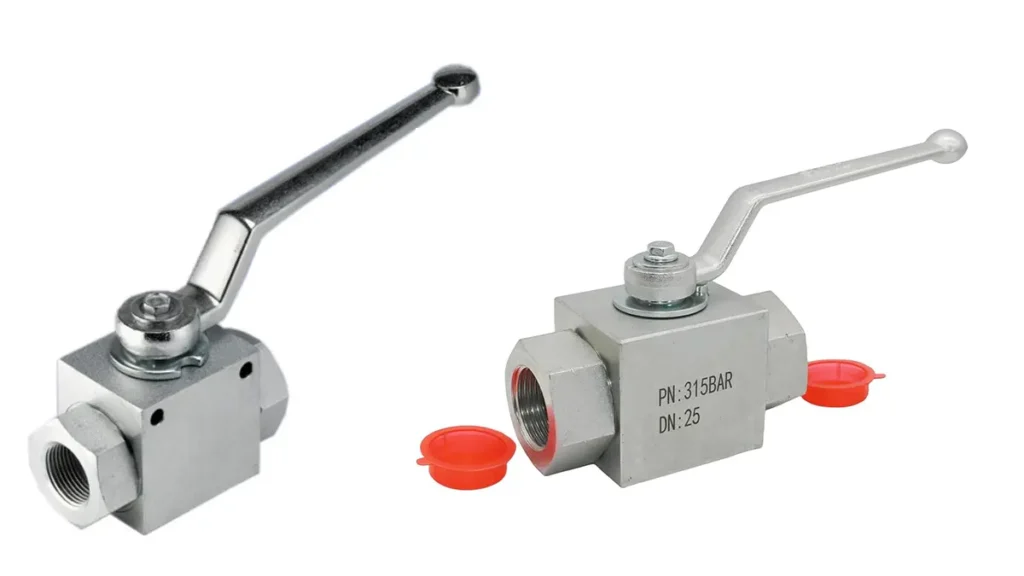
When you see 315 Bar vs 500 Bar on a hydraulic ball valve, it indicates the maximum pressure each can handle. Most standard hydraulic systems utilize 315 Bar valves, while a 500 Bar valve is necessary for more demanding applications. These applications include oil and gas pipelines, high-pressure hydraulic power units, or specialized gas work in semiconductor plants. Choosing between 315 Bar vs 500 Bar hydraulic ball valves involves more than just selecting the higher number; you must consider your system’s working pressure, safety margin, and the potential for future expansion of your setup.
Key Takeaways
- Know the pressure ratings. 315 Bar valves work for most systems. 500 Bar valves are for high-pressure jobs.
- Always use a valve that matches your system’s pressure. If the valve is rated too low, it can leak or break.
- Think about the future. If you want to grow your system, a 500 Bar valve gives more safety and options.
- Make sure the materials fit your needs. Stainless steel or PTFE seals work for most fluids. They help stop leaks and last longer.
- Look at cost and value. A 315 Bar valve costs less and works for normal jobs. A 500 Bar valve costs more but is needed for high-pressure work.
- Check how to install the valve. 500 Bar valves are heavier and need more work to put in than 315 Bar valves.
- Keep up with maintenance. Check seals and moving parts often. This helps the valve last longer and stay safe.
- Use a checklist before you buy. Make sure the pressure rating, materials, and connection types are right. This helps you avoid expensive mistakes.
Understanding Pressure Ratings
What Does 315 Bar or 500 Bar Mean?
When you look at hydraulic ball valves, you see numbers like 315 bar or 500 bar. These numbers show the highest pressure the valve can safely take. If you use more pressure than this, the valve might leak or break. This can be very dangerous. But what do these numbers really mean?
Manufacturers use rules from around the world to set and check these pressure ratings. You may see different rating systems in different countries. Here are two common ways to show pressure ratings:
| Pressure Rating System | Description |
|---|---|
| ANSI/ASME Class | This is a North American rule. It uses ‘Class’ and a number. The number tells you about the valve’s material and how much pressure and heat it can take. |
| PN (Pressure Nominal) | This is a European rule. It uses ‘PN’ and a number. The number shows the highest working pressure at room temperature in bar. |
So, when you see 315 bar or 500 bar, you know the valve passed tough tests. These tests make sure the valve can handle that much pressure without breaking. This keeps you and your equipment safe.
Why Pressure Rating Matters
You might ask why you can’t just pick the valve with the highest pressure. The right pressure rating keeps your system safe and working well. If you pick a valve with a rating that is too low, it can be very risky.
Here is what can happen if you use a valve above its pressure rating:
- In July 2001, a fire started in a ball valve used as an oxygen pipeline isolation valve because the pressure was too high.
- The fire happened when hydrocarbon stuff inside the valve caught fire.
- The fire ruined the valve and the area around it.
- Sadly, the person running the system died because the valve was not rated for the pressure.
You can see that picking the right valve is not just about numbers. It is about keeping people and things safe. When you look at 315 Bar vs 500 Bar Hydraulic Ball Valves, think about what your system needs. Do not just pick the highest number. Pick the one that matches your working pressure, with a little extra for safety.
If you choose well, your hydraulic system will work safely and smoothly. If you choose wrong, bad things can happen.
315 Bar Hydraulic Ball Valves
Features and Materials
When you check out 315 bar hydraulic ball valves, you see they are made from strong metals. These valves must handle a lot of pressure, so companies use metals that do not rust easily. You will find stainless steel, brass, and special alloys like Inconel and Hastelloy. Each metal has its own strengths.
Here’s a quick look at the most common materials and what they can do:
| Material | Mechanical Properties |
|---|---|
| 316 Stainless Steel | High strength, corrosion resistance |
| ASTM A351 CF8M | High strength, corrosion resistance |
| Brass | Moderate strength, corrosion resistance |
| Inconel | High strength, excellent corrosion resistance |
| Hastelloy | High strength, excellent corrosion resistance |
These valves last a long time and work well in tough places. Stainless steel is good with water and chemicals. Brass is fine for easier jobs. Inconel and Hastelloy are best where there is a lot of heat or chemicals.
Typical Applications
You can use 315 bar hydraulic ball valves in many machines. These valves fit well in normal hydraulic systems. You will see them in factories, on trucks, and in building equipment. They help move oil in presses, lifts, and even farm tools.
Here are some common ways people use them:
- Industrial hydraulic circuits
- Mobile machines like excavators and loaders
- Farm equipment
- Manufacturing presses
- Water cleaning systems
If your machine works at 315 bar or less, these valves are enough. You do not need to spend more money on higher pressure valves unless your machine needs it. When you look at 315 Bar vs 500 Bar Hydraulic Ball Valves, you see that 315 bar valves are good for most jobs.
Tip: Always check your machine’s pressure before you pick a valve. You want a valve that fits your needs, not one that is too strong or too weak.
Pros and Cons
You might wonder why 315 bar hydraulic ball valves are a smart choice. Let’s look at the good and bad points.
Advantages:
- Fast shutoff in emergencies
- Full-bore design keeps pressure drop small
- Strong build for high pressure
- Works well with thick hydraulic fluids
- Tight seals stop leaks
- Lasts a long time if you take care of them
- Tough metals handle hard jobs
Disadvantages:
- Slower to open and close because of the 90-degree turn
- Not as good for flow control as other valves
- Not great for small flow changes
- Bigger sizes can make pressure drop higher
Here’s a table to compare the good and bad points:
| Advantages | Disadvantages |
|---|---|
| Quick shutoff for emergencies | Slower to open and close |
| Full-bore design minimizes pressure drop | Limited flow control capability |
| Durable construction for high pressure | Higher pressure drop in larger sizes |
| Effective with thick hydraulic fluids | May not be suitable for precise flow control |
You get strong and safe valves, but you lose some speed and fine control. If you want a valve that is tough and stops flow well, 315 bar hydraulic ball valves are a good choice.
500 Bar Hydraulic Ball Valves
Features and Materials
If you need to handle very high pressure, 500 bar hydraulic ball valves are a good choice. These valves are made from strong metals like carbon steel and stainless steel. Sometimes, they use special alloys too. The seals are often made from PTFE or other tough plastics. These seals help stop leaks, even when the pressure is very high.
The walls of these valves are thick. The bodies are heavy-duty. You might notice that 500 bar valves are heavier and bigger than other valves. This extra strength keeps the valve safe and working well, even in hard jobs. Some models have special coatings. These coatings help stop rust and protect from chemicals.
Typical Applications
You will see 500 bar hydraulic ball valves where safety and strength are very important. These valves are used in high-pressure hydraulic power units and oil and gas pipelines. They are also used in big machines in factories. If you work with testing equipment or need to control pressure in a lab, you might use these valves too.
Here are some common uses:
- Oil and gas drilling rigs
- High-pressure water jetting systems
- Hydraulic presses for metal forming
- Test benches for hydraulic parts
- Offshore and marine equipment
If your system has sudden pressure spikes or must run safely with heavy loads, a 500 bar valve is a smart pick. When you compare 315 Bar vs 500 Bar Hydraulic Ball Valves, you will see that the 500 bar valve gives you more safety and room to upgrade later.
Pros and Cons
Picking a 500 bar hydraulic ball valve has some big good points, but there are also some downsides. Let’s look at both:
| Benefits | Drawbacks |
|---|---|
| Great sealing performance | Not good for precise flow control |
| Fast shut-off | Seats can get damaged if the fluid is dirty |
| Small pressure drop | Heavier and bigger than lower-rated valves |
| Very strong and lasts a long time | Usually costs more than standard valves |
| Needs little care | Can have problems with heat expansion |
| Works in many different jobs |
Tip: If you need a valve for tough jobs that will last a long time, 500 bar valves are a great pick. Just remember, they are heavy and cost more, so make sure your system really needs this much strength.
You get strong seals, quick shut-off, and a valve that can handle hard work. But these valves might be too big or expensive for small jobs. They also are not good if you need to control flow very carefully.
When you look at 315 Bar vs 500 Bar Hydraulic Ball Valves, think about what your system needs. If you only need normal pressure, a 315 bar valve might be enough. If you want extra safety or plan to make your system bigger later, a 500 bar valve could be better.
Key Differences: 315 Bar vs 500 Bar Hydraulic Ball Valves
Pressure Handling
There is a big difference in how much pressure these valves handle. A 315 bar valve works for most normal hydraulic systems. It is good for machines that use steady, medium pressure. This valve gives you solid performance without making your system too strong.
A 500 bar valve is made for really tough jobs. It can take much higher pressure. You use it when your machine needs extra safety or faces sudden pressure jumps. This valve is used in oil and gas rigs, water jetting, or metal presses. Its thick walls and strong seals keep things safe, even if the pressure goes up fast.
You should always pick a valve that matches your system’s pressure. If you use a valve with a low rating, it might leak or break. If you pick a valve with a much higher rating, you may spend more money than you need.
Durability and Construction
How long a valve lasts depends on what it is made of and how it is built. A 315 bar hydraulic ball valve is usually made from stainless steel, brass, or special alloys. These metals do not rust and last a long time. The valve is strong, but not as heavy as a 500 bar valve.
A 500 bar hydraulic ball valve uses even tougher metals. You often see carbon steel, stainless steel, or alloy steel. The body is thicker, and the seals are made from strong plastics like PTFE. Some have special coatings to stop rust and damage from chemicals. These valves feel heavier and look stronger.
500 bar valves are made for hard places. They can handle hot temperatures and rough liquids. These valves last longer and need less fixing. If you work in oil and gas, marine, or chemical plants, you may need this extra strength.
Here’s a table to show the differences:
| Valve Type | Common Materials | Construction Features | Durability Level |
|---|---|---|---|
| 315 Bar | Stainless Steel, Brass | Standard wall thickness | High |
| 500 Bar | Carbon/Alloy/Stainless Steel | Extra-thick body, heavy-duty seals | Very High |
Cost and Availability
How much the valve costs and how easy it is to find can matter. You can find 315 bar hydraulic ball valves in many stores. They cost less because they use common metals and fit most machines. You can get them fast for repairs or upgrades.
500 bar hydraulic ball valves cost more money. They use stronger metals and need special work to make. You might wait longer to get one, especially if you need a special size. These valves are sold by big companies, but there are fewer choices than with 315 bar valves.
Here is what you can find in the market:
- 500 bar valves are made from mild steel, stainless steel, or alloy steel.
- They work in temperatures from -20°C to +250°C.
- You can pick port types like BSP, NPT, or SAE.
- Flange types include ANSI, DIN, and JIS.
- These valves are used in big machines, oil and gas, chemical, and marine jobs.
If you need a valve quickly and your machine uses normal pressure, a 315 bar valve is easier to get and costs less. If you need more strength, you pay more and may wait longer for a 500 bar valve.
Tip: Always check if your supplier has the valve in stock and how long delivery takes. You do not want your project to stop because the valve is not ready.
When you compare 315 Bar vs 500 Bar Hydraulic Ball Valves, you see that pressure, strength, and price all matter. You should think about what your system needs, your budget, and your schedule.
System Compatibility
When you pick a hydraulic ball valve, you need to make sure it fits your system. Compatibility means the valve works with your pipes, fluids, and pressure. If you choose the wrong valve, your system might not run right. You could face leaks, damage, or even safety risks.
Let’s break down what you should check:
- Pressure Range: You must match the valve’s pressure rating to your system’s working and peak pressures. If your system runs at 300 bar, a 315 bar valve works. If you expect spikes above 315 bar, you need a 500 bar valve.
- Connection Type: Look at your pipe ends. Valves come with different threads and flanges. Common types are BSP, NPT, SAE, and DIN. Make sure the valve connects easily to your pipes.
- Fluid Compatibility: Hydraulic systems use oils, water, or special fluids. Some fluids can damage seals or metals. Check the valve’s material and seal type. Stainless steel and PTFE seals handle most fluids. Brass works for lighter jobs.
- Temperature Range: Your system might get hot or cold. Valves have limits for temperature. If your system runs in extreme heat or cold, pick a valve that can handle it.
- Size and Flow: The valve size must match your pipe size. If the valve is too small, you lose flow. If it’s too big, you waste money and space.
Here’s a quick table to help you compare:
| Compatibility Factor | 315 Bar Valve | 500 Bar Valve |
|---|---|---|
| Pressure Range | Up to 315 bar | Up to 500 bar |
| Common Connections | BSP, NPT, SAE | BSP, NPT, SAE, DIN, ANSI |
| Fluid Types | Hydraulic oil, water | Oil, water, chemicals, aggressive fluids |
| Temperature Range | -20°C to +120°C | -20°C to +250°C |
| Pipe Sizes | Standard sizes | Larger, heavy-duty sizes |
Tip: Always check your system specs before you buy. If you upgrade your system later, a 500 bar valve gives you more room to grow.
You might wonder how the choice between 315 Bar vs 500 Bar Hydraulic Ball Valves affects your setup. If your system is standard, a 315 bar valve fits most needs. If you run high-pressure jobs or plan to expand, a 500 bar valve offers extra safety and flexibility.
System compatibility is not just about pressure. It’s about making sure every part works together. You save time and money when you choose the right valve. You also keep your system safe and reliable.
Application Suitability
Industrial and Mobile Equipment
You use hydraulic ball valves in many types of machines. These include big factory machines and mobile equipment like tractors or excavators. Picking the right valve for these jobs means you need to look at several important factors. Here’s a table to help you see what matters most:
| Factor | Description |
|---|---|
| Media Compatibility | Make sure the valve works with the fluid in your system. |
| Pressure and Temperature | Check that the valve can handle your system’s pressure and temperature. |
| Valve Size and Flow | Choose the right size for good flow and to save money. |
| Port Configuration | Pick the port type that fits your pipes and flow needs. |
| Actuation Method | Decide if you want to open the valve by hand or use a machine. |
| Body Design and Construction | Look for a design that is easy to install and fix. |
| Seat and Seal Materials | Pick seals that can handle your fluid and temperature. |
| Environmental Considerations | Think about where you use the valve—inside, outside, hot, or cold. |
| Maintenance Requirements | Choose a valve that is easy to check and fix. |
| Certification and Compliance | Make sure the valve meets the rules for your industry. |
If you check these points, you will find a valve that works well and lasts a long time in your equipment.
High-Pressure Systems
You might work with systems that use very high pressure, sometimes over 315 bar. These jobs need strong and safe valves. Here are some things you should always do:
- Pick a valve that matches your fluid, pressure, temperature, and pipe size.
- Make sure you connect the valve tightly and check for leaks.
- Use the valve the right way. Try not to change the pressure too fast.
- Check the valve often. Look at the seals and moving parts to stop leaks before they start.
- If you work with chemicals or oil, pick a valve that does not rust and can handle heat changes.
High-pressure systems can be dangerous if you do not use the right valve. Always follow these steps to keep your system safe and working well.
Standard Hydraulic Circuits
Most machines use standard hydraulic circuits that run below 315 bar. You do not need the strongest valve for these jobs, but you still need to pick carefully. Here’s what you should look for:
- Make sure the valve size fits your pipes and gives you the flow you need.
- Check the pressure rating. The valve must handle your system’s pressure without breaking.
- Look at what the valve is made of. Pick a material that works with your fluid and temperature.
When you compare 315 Bar vs 500 Bar Hydraulic Ball Valves, you see that standard circuits usually do not need the higher rating. You can save money and still get a safe, strong valve for your machine.
Tip: Always match the valve to your system’s needs. This helps your machine run better and keeps everyone safe.
Performance Considerations
Flow and Cv Value
When you pick a hydraulic ball valve, you want to know how much fluid can move through it. This is where the Cv value comes in. Cv stands for “flow coefficient.” It tells you how much water flows through the valve with a certain pressure drop. If you choose a valve with a high Cv, you get more flow and less resistance. If you pick a valve with a low Cv, you get less flow and more pressure drop.
Here’s a simple tip:
Always match the Cv value to your system’s needs. If your pipes are big and you need fast flow, look for a valve with a high Cv. If your system is small or you need to control flow, a lower Cv works better.
You can check the manufacturer’s charts to find the right Cv for your job. This helps your system run smoothly and keeps your pump from working too hard.
Seal and Material Compatibility
You need to make sure the valve’s seals and body materials work with your hydraulic fluid. If you use the wrong seal, you might get leaks or damage. PTFE seals are a popular choice. They resist chemicals, high temperatures, and wear. PTFE seals last a long time and have low friction. They work well with aggressive fluids, but sometimes need extra support rings because they are less flexible than rubber.
Here’s a quick list of PTFE seal benefits:
- Resist harsh chemicals and heat
- Last longer than many other seals
- Reduce friction for smoother operation
- Handle tough fluids without breaking down
You also need to match the valve material to your application. Stainless steel works well for most jobs. Carbon steel is good for high-pressure systems. Brass fits lighter jobs. If you use a valve in mining or oil circuits, you need severe service ball valves with strong seals and bodies.
| Pressure Rating | Typical Application | Valve Type |
|---|---|---|
| 315 bar | General industrial | High performance ball valve |
| 500 bar | Mining, oil circuits | Severe service ball valves |
Note: Always check your fluid type and temperature before picking a seal or material. This keeps your system safe and helps your valve last longer.
Safety Margins
You want your hydraulic system to stay safe, even if the pressure jumps. Safety margin means you pick a valve that can handle more pressure than your system usually uses. If your system runs at 300 bar, you might choose a 315 bar valve. If you expect spikes or want extra protection, you could go for a 500 bar valve.
Here’s how you can set your safety margin:
- Find your system’s working pressure.
- Add a buffer for unexpected spikes.
- Pick a valve with a rating above your highest pressure.
This simple plan helps you avoid leaks, damage, and accidents. You keep your equipment safe and your team protected. If you plan to expand your system later, a higher safety margin gives you room to grow.
Tip: Never use a valve right at its maximum rating. Always leave space for safety. This keeps your system reliable and helps you avoid costly repairs.
Selection Criteria
System Requirements
You want your hydraulic ball valve to fit your system perfectly. Start by checking your system’s working pressure. If your machine runs at 300 bar, a 315 bar valve usually works. If you expect pressure spikes, you might need a 500 bar valve for extra safety. Look at your peak pressure, not just the average.
Next, think about the fluid you use. Some fluids need special seals or metals. For example, if you use water with chemicals, stainless steel and PTFE seals work best. If you use oil, brass or carbon steel may be enough.
Don’t forget about temperature. If your system gets very hot or cold, pick a valve that can handle those extremes. Also, check the connection type. Make sure the valve threads or flanges match your pipes.
Here’s a quick checklist for system requirements:
- What is your working and peak pressure?
- What fluid do you use?
- What is the temperature range?
- What size and type of connection do you need?
Budget and Cost
You want a valve that fits your budget, but you also want it to last. A 315 bar valve usually costs less than a 500 bar valve. If your system does not need high pressure, you can save money by choosing the lower-rated valve.
Think about the total cost, not just the price tag. A cheaper valve might wear out faster or need more repairs. If you pick a valve that matches your system, you save money on maintenance and downtime.
Here’s a simple table to help you compare:
| Valve Type | Upfront Cost | Maintenance Cost | Lifespan |
|---|---|---|---|
| 315 Bar | Lower | Lower | Long |
| 500 Bar | Higher | Lower | Very Long |
Tip: Don’t just buy the cheapest valve. Pick one that gives you the best value over time.
Future Scalability
You might want to grow your system later. If you plan for the future now, you save time and money down the road. Choose modular valve designs. These let you add or change parts easily if your needs change. Modular valves make upgrades simple and help you avoid big changes to your whole system.
Also, think about automation. Pick a valve that can work with automation solutions. This way, you can add remote controls or sensors later without replacing the whole valve.
Here’s what to look for when planning for future growth:
- Modular valve designs for easy upgrades
- Automation-ready features
- Extra pressure capacity for future needs
Planning ahead helps you avoid surprises. You get a system that grows with you and keeps working well for years.
Checklist for Buyers
Are you ready to choose a hydraulic ball valve? Use this easy checklist to help you remember what matters. You want a valve that fits your system, keeps you safe, and lasts a long time.
1. Know Your System Pressure
- Write down your system’s normal pressure.
- Check if the pressure ever goes higher.
- Pick a valve with a rating above your highest pressure.
2. Decide on a Safety Margin
- Add a safety margin to your pressure. Most people add 10–20%.
- Never use a valve right at its top rating.
3. Match the Material
- Think about what fluid you use. Is it oil, water, or something strong?
- Pick a valve body that does not rust. Stainless steel works for most jobs. Carbon steel is good for high pressure. Brass is fine for lighter work.
- If you use chemicals or high heat, you may need special alloys.
4. Pick the Right Seal Type
- Find out what seals the valve uses. PTFE seals are good with chemicals and heat. NBR or FKM seals work for oil and normal fluids.
- Make sure the seal matches your fluid and temperature.
5. Check Connection Type and Size
- Measure your pipe size.
- Look at the connection type: BSP, NPT, SAE, DIN, or flanged.
- Make sure the valve fits your pipes without extra parts.
6. Think About Flow and Cv Value
- Check the valve’s Cv value. A higher Cv means more flow and less pressure drop.
- Match the valve size and Cv to your flow needs.
7. Plan for the Future
- Ask if you might upgrade your system later.
- If yes, pick a valve with a higher rating or modular design.
8. Review Certifications and Compliance
- Make sure the valve meets rules like ISO, ANSI, or DIN.
- Check if your job needs special certifications.
Tip: Always check your system details before you buy. If you are not sure, ask a supplier or manufacturer for help.
Here’s a quick reference table:
| Step | What to Check |
|---|---|
| Pressure Rating | Working and peak pressure |
| Safety Margin | 10–20% above working pressure |
| Material | Fluid compatibility, corrosion |
| Seal Type | Fluid and temperature compatibility |
| Connection Type | Pipe size and thread/flange type |
| Flow (Cv Value) | System flow requirements |
| Scalability | Future upgrades or expansions |
| Certifications | Industry and safety standards |
Use this checklist every time you pick a hydraulic ball valve. You will save time, avoid mistakes, and keep your system working well.
Common Mistakes in Valve Selection
Choosing the right hydraulic ball valve can feel tricky. You want your system to run smoothly and safely, but mistakes happen. Let’s look at the most common errors people make and how you can avoid them.
Underestimating Pressure Needs
You might think your system never goes above a certain pressure, but surprises happen. If you pick a valve with a lower rating than your system needs, you risk leaks, damage, or even bursts. Over 45% of valve failures come from improper selection. That’s a huge number! Imagine using a low-pressure valve in a 1000 psi line. The valve could deform or burst under load. This mistake can stop your whole operation and cost you money.
Always check your system’s highest pressure, not just the average. If you’re unsure, add a safety margin. It’s better to have a valve that’s a bit stronger than one that’s too weak.
Over-Specifying Pressure Rating
You might think picking the highest pressure valve is always best. It sounds safe, right? But you can waste money and space this way. High-pressure valves cost more and are often heavier. If your system never goes above 315 bar, you don’t need a 500 bar valve. You pay extra for strength you’ll never use.
Here’s a quick table to show what happens when you over-specify:
| System Pressure | Valve Rating | Result |
|---|---|---|
| 300 bar | 500 bar | Extra cost, oversized |
| 300 bar | 315 bar | Right fit, saves money |
Tip: Match the valve rating to your system’s needs. Don’t buy more than you need.
Ignoring Material and Seal Compatibility
You might focus on pressure and forget about materials and seals. This mistake can cause leaks or early failure. If you use the wrong seal material, it wears out fast. Sometimes, seals break down from chemicals in your fluid. Leaks can happen if seals don’t match your hydraulic fluid or environment.
Here’s what you should watch for:
- Choose seals that fit your fluid and temperature.
- Pick valve bodies that resist corrosion and wear.
- Check if your system uses harsh chemicals or extreme heat.
If you ignore these points, your valve won’t last. You’ll face more repairs and downtime.
Note: Always ask about seal and material compatibility before you buy. It keeps your system safe and saves you trouble.
Other mistakes you should avoid:
- Ignoring system requirements can lead to picking the wrong valve type.
- Forgetting regular maintenance causes wear and leaks.
- Not considering environmental conditions may lead to corrosion.
- Improper installation creates leaks and poor performance.
If you pay attention to these details, you’ll pick the right valve every time. Your system will run better, and you’ll avoid costly mistakes.
315 Bar vs 500 Bar Hydraulic Ball Valves: Summary Table
Comparison at a Glance
If you want to decide fast, this table helps. It shows the main differences between 315 bar and 500 bar hydraulic ball valves. You can see the facts side by side. Look at this table before you buy anything.
Tip: Bring this table when you talk to your team or supplier. It will help you ask smart questions.
| Feature | 315 Bar Hydraulic Ball Valve | 500 Bar Hydraulic Ball Valve |
|---|---|---|
| Max Pressure | Up to 315 bar | Up to 500 bar |
| Common Materials | Stainless steel, brass, alloys | Carbon steel, stainless steel, alloys |
| Weight | Lighter | Heavier |
| Size | Standard | Larger, heavy-duty |
| Seal Types | PTFE, NBR, FKM | PTFE, reinforced PTFE |
| Applications | Standard hydraulic systems, mobile equipment, factory machines | High-pressure units, oil & gas, test benches, marine, mining |
| Cost | Lower | Higher |
| Availability | Easy to find | May need special order |
| Flow (Cv Value) | Good for most jobs | Good, but may have more resistance in large sizes |
| Maintenance | Simple | Simple, but parts are heavier |
| Safety Margin | Good for steady pressure | Best for pressure spikes or future upgrades |
| Future Scalability | Limited | High |
Quick Takeaways:
- Use a 315 bar valve for most regular jobs. You save money and get what you need.
- Pick a 500 bar valve if you need higher pressure, want more safety, or plan to make your system bigger.
- Always check that the valve matches your system’s pressure, fluid, and pipe type.
If you are still not sure, look at this 315 Bar vs 500 Bar Hydraulic Ball Valves summary table again. It will help you choose and keep you from making mistakes.
Conclusion
When you look at 315 Bar vs 500 Bar Hydraulic Ball Valves, you see big differences in pressure, materials, and cost. You should always match your valve to your system’s pressure, safety margin, and budget. Check your specs and think about future changes before you decide. If you have questions, talk to a supplier or expert. Ready to choose the right valve? We are a Hydraulic Ball Valves Manufacturer and can help you find the best fit.
FAQ
What does “bar” mean in hydraulic ball valves?
“Bar” shows how much pressure the valve can handle. One bar equals about 14.5 psi. If you see 315 bar, the valve can take up to 315 times the air pressure at sea level.
Can I use a 500 bar valve in a 315 bar system?
Yes, you can. A 500 bar valve works in a 315 bar system. You might pay more, though. You only need the higher rating if your system has pressure spikes or future upgrades planned.
How do I know which valve size to pick?
Check your pipe size and flow needs. The valve should match your pipe’s diameter. If you pick a valve that’s too small, you lose flow. Too big, and you waste money.
What happens if I use the wrong seal material?
If you use the wrong seal, leaks can happen. Some seals break down with certain fluids or high heat. Always match the seal to your fluid and temperature.
Are 500 bar valves harder to install?
They can be heavier and larger. You might need extra help or tools. Always check the weight and space before you buy. Most suppliers list this info in their catalogs.
Do I need special maintenance for high-pressure valves?
You should check seals and moving parts often. High-pressure valves last longer if you keep them clean and watch for leaks. Follow the manufacturer’s maintenance tips for best results.
Can I use these valves for water, oil, or chemicals?
Yes, you can. Just make sure the valve’s material and seals match your fluid. Stainless steel and PTFE seals work with most fluids. Always check the compatibility chart before you choose.