
Choosing the right hydraulic ball valve pressure rating is very important. If you choose the wrong one, your system can have big problems. Too much pressure can bend the valve body or ball. This can make the parts not line up right. When this happens, leaks and pressure loss can start. Sometimes, the valve body can even crack or break open. Dangerous fluid can spill out everywhere. If you use a low-pressure valve in a high-pressure line, it can break suddenly. Corrosive fluids can also ruin a valve not made for harsh places. To stop these problems, check working pressure, peak pressure, materials, connection types, and safety margins every time you pick a hydraulic ball valve pressure rating. If you get these things right, you can stop downtime and safety risks.
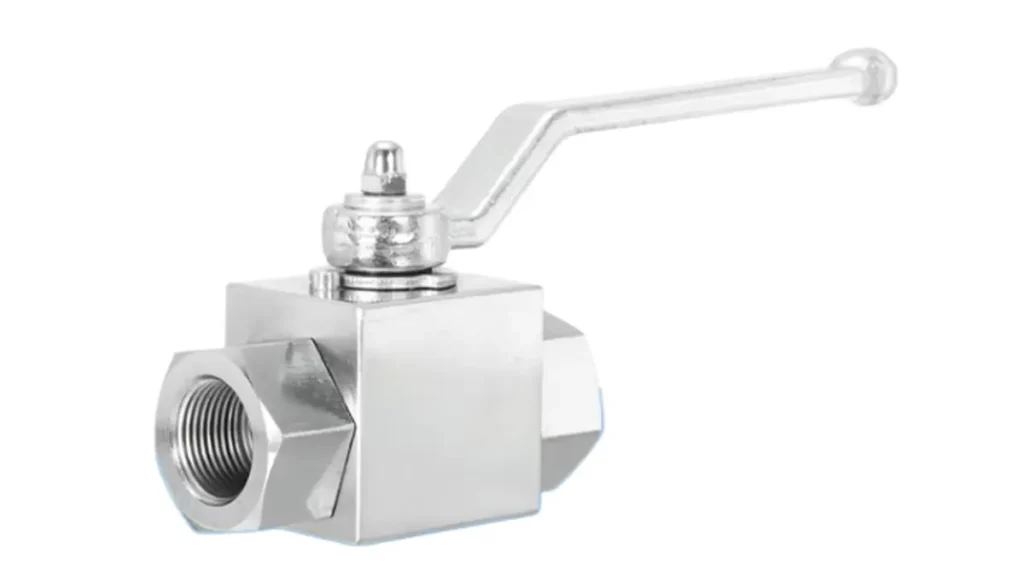
Key Takeaways
- Pick a ball valve that can handle your system’s highest pressure or more.
- Learn what valve markings like CWP, WOG, and PSI mean so you can pick the right one.
- Look at both working pressure and peak pressure to stop leaks and damage.
- Think about the valve’s body material, size, and how it connects for best results.
- Add safety margins so your valve can deal with sudden high pressure.
- Make sure the valve material matches the fluid and temperature for long life.
- Choose valves with higher pressure ratings if you might change your system later.
Hydraulic Ball Valve Pressure Rating Explained
What Pressure Rating Means
When you look at a hydraulic ball valve, you might see numbers and letters on the body. These numbers tell you how much pressure the valve can handle before it starts to leak. This is called the pressure rating. You need to know this number because it shows the highest pressure the ball valve can take without failing. If you use a ball valve in a system with higher pressure than it can handle, you risk leaks or even a sudden break. That can be dangerous and messy.
The pressure rating is not just a random number. It comes from tests that show how strong the ball valve is. Manufacturers test each ball valve to make sure it can hold up under real-world conditions. You want to trust that your ball valve will not let you down when your system is running.
Why Pressure Rating Matters
You might wonder why you should care about the pressure rating. The answer is simple. If you pick the wrong ball valve, your whole hydraulic system can fail. A ball valve that is too weak can bend or crack. This can cause leaks, loss of pressure, and even damage to other parts of your system. You could face downtime, expensive repairs, or safety problems.
When you match the right ball valve to your system, you keep everything running smoothly. You protect your equipment and your team. You also avoid wasting time and money on repairs. Always check the pressure rating before you install a ball valve. It is a small step that makes a big difference.
Tip: Always choose a ball valve with a pressure rating equal to or higher than your system’s maximum pressure.
Understanding Valve Markings (CWP, WOG, PSI)
When you shop for a ball valve, you will see markings like CWP, WOG, and PSI. These markings help you understand what the ball valve can do.
- CWP (Cold Working Pressure): This shows the highest pressure the ball valve can handle at low temperatures. It is important if your system works in cold places.
- WOG (Water, Oil, Gas): This tells you the maximum pressure for water, oil, and gas at room temperature. You see this marking a lot in plumbing valves.
- PSI (Pounds per Square Inch): This is a unit that measures pressure. It tells you how much force is pressing on each square inch inside the ball valve.
If you know what these markings mean, you can pick the right ball valve for your job. You will not have to guess or hope you made the right choice.
Key Pressure Concepts for Ball Valves
Knowing about pressure helps you pick the right hydraulic ball valve. There are a few main types of pressure you should know when choosing a valve.
Working Pressure
Working pressure is the most important number to check. It shows the highest pressure your ball valve can take during normal use. Your system should never go over this number. If it does, leaks or damage can happen.
System Operation Pressure
System operation pressure is the pressure your system uses most of the time. For example, if your machine runs at 2500 psi, your ball valve must be rated for at least 2500 psi. Many high-pressure ball valves work from 150 psi up to 6000 psi. These valves are used in oil and gas, chemical plants, and power stations. They help move fluid safely, even when pressure is high.
Tip: Always check your system’s normal pressure before buying a valve. This stops you from picking a valve that is too weak.
Maximum Pressure
Maximum pressure is the highest pressure your valve can handle, even for a short time. This is also called the maximum allowable working pressure. You might see this number on the valve or in the product specs.
Peak and Surge Loads
Hydraulic systems do not always run at the same pressure. Sometimes, there are spikes called surges or peaks. These can happen when you start or stop the system quickly. If your valve cannot handle these surges, it could break. You need to know your system’s highest possible pressure, not just the average.
Many things change the maximum pressure. The valve’s material matters a lot. Stainless steel valves usually handle more pressure than brass or plastic. The design and thickness of the valve body also matter. The type of fluid, temperature, and the seals inside the valve can change how much pressure it can take. Always check the maximum working pressure for your setup.
Test Pressure
Test pressure is the pressure the maker uses to check the valve for leaks before selling it. This number is higher than the working pressure. It shows the valve can handle tough conditions.
Factory Testing
During factory testing, the valve is filled with water or air and pressurized. If it does not leak, it passes the test. You do not need to use the test pressure in your system. It just proves the valve is strong and safe.
Here is a table to help you remember the differences:
| Pressure Type | Definition |
|---|---|
| Working Pressure | The highest pressure rating at normal temperature. |
| Maximum Allowable Working Pressure (MAWP) | The highest pressure the valve can work at a certain temperature. |
| Test Pressure | The pressure used by the maker to test for leaks. |
| Burst Pressure | The pressure where the equipment is badly damaged. |
Knowing these pressure types helps you pick the right ball valve and keeps your system safe.
Burst Pressure
Burst pressure is a big deal when you work with hydraulic ball valves. You might hear people call it the “failure point” or “ultimate pressure.” This is the highest pressure your ball valve can take before it breaks apart. If your system ever hits this number, the valve will not just leak—it will explode or crack wide open. That can cause a huge mess and put people in danger.
You do not want to get close to burst pressure in your daily work. Think of it as the red zone on a car’s speedometer. You can drive fast, but you never want to hit the very top speed. The same idea works for hydraulic ball valves. Burst pressure is the absolute limit. If you go past it, the valve will fail in a big way.
Failure Threshold
The failure threshold is the point where the valve cannot hold the pressure anymore. At this stage, the valve body, ball, or seals will give out. You might see cracks, splits, or even pieces flying off. This is why you must always pick a valve with a burst pressure much higher than your system’s normal and peak pressures.
Here’s a simple table to help you see the difference:
| Pressure Type | What It Means | What Happens If Exceeded |
|---|---|---|
| Working Pressure | Normal system pressure | Small leaks or seal wear |
| Max Pressure | Highest expected spike | Leaks, damage, or seal failure |
| Burst Pressure | Absolute limit (failure threshold) | Valve explodes or cracks |
You should never use burst pressure as your working limit. Always stay far below it. Most manufacturers test valves to make sure they burst at a much higher pressure than the working rating. For example, if your valve is rated for 3,000 psi, the burst pressure might be 12,000 psi or more. This gives you a big safety margin.
Note: Burst pressure is not a safety target. It is a warning sign. If your system ever gets close to this number, something is wrong.
You can find burst pressure in the valve’s technical sheet or ask the manufacturer. If you do not see it, do not guess. Always check before you buy or install a valve.
Remember, burst pressure is your last line of defense. It keeps you safe when things go wrong. Pick a valve with a high enough burst pressure for your system. This way, you protect your equipment, your team, and yourself.
Common Ball Valve Ratings and Applications
Typical Pressure Levels (210 bar, 315 bar, 350 bar, 420 bar, 500 bar, 7250 PSI)
Ball valve ratings use numbers to show pressure limits. These numbers tell you how much pressure a ball valve can take. Hydraulic systems use common pressure levels like 210 bar, 315 bar, 350 bar, 420 bar, 500 bar, and 7250 PSI. PSI stands for pounds per square inch. It measures the force on each square inch inside the valve.
Different machines need different pressure levels. Light-duty machines use ball valves rated at 210 bar. Industrial systems often need 315 bar or 350 bar. Heavy-duty equipment, mining, and high-pressure oil circuits use ball valves rated at 420 bar, 500 bar, or 7250 PSI. Severe service ball valves are used for the highest pressure jobs. High performance ball valve choices are made for tough work.
Here’s a quick table of sizes and pressure ratings:
| Pressure Rating (bar) | Size (mm) |
|---|---|
| 210 | 13 |
| 420 | 13 |
| 210 | 20 |
| 420 | 20 |
| 210 | 25 |
| 420 | 25 |
| 210 | 32 |
| 420 | 32 |
| 210 | 40 |
| 420 | 40 |
| 210 | 50 |
| 420 | 50 |
Impact of Size, Material, and Connection
Some ball valves can handle more pressure than others. Three things decide this: size, material, and connection type.
- Size: Smaller ball valves usually take more pressure. Bigger valves spread force over more area, so their pressure rating drops.
- Material: Stainless steel gives the highest pressure rating. Brass is good for medium jobs. PVC works for lower pressure. Stainless steel is best for high performance ball valve needs. Severe service ball valves use strong materials for tough jobs.
- Connection Type: How you connect your ball valve matters. Threaded, flanged, or welded connections change the pressure the valve can handle. Flanged connections are often best for high performance ball valve setups.
Here’s a table showing how material affects pressure rating:
| Material | Pressure Rating |
|---|---|
| Stainless Steel | Highest |
| Brass | Moderate |
| PVC | Lower |
Ball valve ratings also use classes and standards. For example:
- Class 150 handles up to 285 psi.
- Class 600 goes up to 1,480 psi.
- PN 16 means a max working pressure of 16 bar (about 232 psi).
If you want your system to last, match the ball valve size, material, and connection to your job. High performance ball valve choices give extra safety and longer life. Severe service ball valves are built for extreme conditions.
Ball Valve Ratings Application Table
You need to pick the right ball valve for your job. Here’s a table to help you match ball valve ratings to common uses:
| Pressure Rating | Typical Application | Valve Type |
|---|---|---|
| 210 bar | Light-duty hydraulics | Standard ball valve |
| 315 bar | General industrial | High performance ball valve |
| 350 bar | Factory automation | High performance ball valve |
| 420 bar | Heavy-duty equipment | Severe service ball valves |
| 500 bar | Mining, oil circuits | Severe service ball valves |
| 7250 PSI | High-pressure circuits | Severe service ball valves |
High performance ball valve options work for most jobs. Severe service ball valves are used when you need extra strength and safety.
Tip: Always check ball valve ratings before you buy. If you need help, ask your supplier for advice. Picking the right ball valve keeps your system safe and running.
Factors Affecting Pressure Rating
Valve Body Material
When you pick a hydraulic ball valve, you need to look at what the valve is made of. The body material decides how much pressure the valve can handle. Stainless steel is strong and works well in high-pressure systems. Brass is good for medium jobs. If you use plastic, you should only use it for low-pressure systems. The right material also helps the valve last longer, especially if your fluid is harsh or the temperature changes a lot. If you use the wrong material, the valve can crack or wear out fast. Always check the pressure and temperature ratings for the material before you choose.
Valve Size
Valve size matters more than you might think. When you use a bigger valve, you get more flow, but the pressure rating can drop. If you use a smaller valve, it can usually handle higher pressure. You need to match the valve size to your system so it works safely and smoothly.
- The pressure rating of a valve shows the highest pressure it can take without breaking.
- Bigger valves let more fluid flow, but this can change the pressure drop inside the valve.
- You need to size the valve right so it can handle the pressure you expect and keep your system running well.
If you pick a valve that is too big or too small, you might get leaks or lose pressure. Always check the size and make sure it fits your needs.
Seat and Seal Materials
You can’t forget about the seats and seals inside your ball valve. These parts keep the fluid from leaking out. If you use poor-quality materials, the seats can fail when the pressure goes up. Some seats need to bounce back into shape to keep a good seal. If they can’t, you get leaks. The seat and seal materials also need to match the fluid in your system. If they don’t, the fluid can eat away at the seats, and you lose sealing power. This can lower the maximum pressure your valve can handle. Always pick seats and seals that work with your fluid and pressure.
Tip: If you’re not sure which seat or seal material to use, ask your supplier. They can help you pick the right one for your system.
Connection Type
You might not think about it much, but the way you connect your ball valve makes a big difference. The connection type can change how much pressure your valve can handle. Some connections are stronger than others. If you pick the wrong one, you could end up with leaks or even a blowout.
Here are the most common connection types you’ll see:
- Threaded connections: These are easy to install. You just screw the valve onto the pipe. They work well for small sizes and medium pressure. If you use them for high pressure, you might see leaks if the threads don’t seal tight.
- Flanged connections: These use bolts and gaskets to hold the valve in place. Flanged valves are strong and handle high pressure better. You often see them in big pipes or heavy-duty systems.
- Welded connections: These are the toughest. You weld the valve right to the pipe. This makes a super-strong seal. Welded connections work best for very high pressure or when you want zero leaks.
Tip: Always match the connection type to your system’s pressure. If you’re not sure, ask your supplier which one is best for your job.
If you use the wrong connection, you might see leaks at the joints. High pressure can push fluid out through weak spots. Always check the pressure rating for the connection, not just the valve body. The whole setup needs to be strong.
Temperature and Fluid Compatibility
Temperature and the type of fluid in your system can change how your ball valve works. If you ignore these, you might see leaks, stuck valves, or even a total failure.
Let’s break down what happens:
- When the temperature goes up, the metal in your valve can expand. This can make the ball or seats stick. If the parts bind, you might not be able to turn the valve.
- Cold temperatures make fluid thicker. This slows down flow and can raise the pressure inside the valve. If the fluid gets too thick, your valve might not open or close right.
- Hot fluids make seals soft. When seals get too soft, they can break down and leak. Cold fluids make seals stiff. Stiff seals can crack or let fluid slip by.
Here’s a quick list of what you need to watch for:
- High temperatures can break down seals and cause leaks.
- Low temperatures can make seals stiff and cause them to fail.
- The wrong fluid can eat away at seals or valve parts.
- Using the right materials for your valve and seals helps stop these problems.
| Temperature/Fluid Issue | What Can Happen | How to Fix It |
|---|---|---|
| High temperature | Seals get soft, leaks start | Use high-temp seal materials |
| Low temperature | Seals get stiff, may crack | Pick seals for cold climates |
| Wrong fluid | Parts corrode or swell | Match materials to your fluid |
Note: Always check the temperature and fluid ratings for your valve. If you use the wrong valve, you could see leaks, stuck parts, or even a system shutdown.
When you pick a hydraulic ball valve, think about where you’ll use it and what will flow through it. The right choice keeps your system safe and running for a long time.
Pressure Rating Selection Guide
Assess System Working Pressure
First, check your system’s normal working pressure. This is the pressure your hydraulic system uses most days. You can find this number in your machine’s manual or on the pressure gauge. If you do not know your working pressure, you could pick the wrong ball valve.
Write down the highest pressure your system uses during regular work. This number is your starting point. Every ball valve you look at must handle this pressure or more. If you pick a valve with a lower rating, you could get leaks or damage. Sometimes, the valve might fail all at once. Always match your ball valve to your system’s pressure needs.
Tip: Never guess your working pressure. Always check your system’s specs before you shop for a ball valve.
Identify Peak Pressures
Hydraulic systems do not always stay at one pressure. Sometimes, you get spikes or surges. These happen when you start or stop pumps or change direction fast. Closing valves quickly can also cause spikes. If you ignore these peaks, your ball valve might break even if it handles normal pressure.
You need to find out how high these spikes can go. Look at your system’s relief valves. These valves protect your system from dangerous spikes. There are different types of relief valves. Some react fast to changes. Others keep pressure steady for longer. If you do not know which type you have, ask your maintenance team or check your system drawings.
Here are ways to spot peak pressures:
- Watch your pressure gauge during startup and shutdown.
- Ask your system designer about surges.
- Check your relief valve settings.
- Look at old maintenance records for leaks or failures.
If you use a ball valve past its class, you can get body bending or seal problems. For example, using a Class 150 valve in a 300 psi job can cause leaks or even a blowout. Always match the ball valve’s class and leakage rating to your system’s needs. This keeps your system safe and stops fluid from leaking.
Apply Safety Margins
Never pick a ball valve that just meets your system’s needs. Always add a safety margin to your pressure rating. This gives you extra protection if something goes wrong.
A good rule is to choose a ball valve with a WOG rating at least 50% higher than your system’s highest pressure. If your system runs at 2000 psi, look for a ball valve rated for at least 3000 psi. This extra margin helps your valve handle spikes and changes.
Here’s a checklist for safety margins:
- Find your system’s highest working pressure.
- Find the highest surge pressure.
- Multiply the highest number by 1.5 (add 50%).
- Pick a ball valve with a rating equal to or higher than this number.
Proper pressure rating selection is not just about safety. Many building codes and insurance rules require you to follow these steps. If you skip the safety margin, you could break the law or lose your insurance.
Note: Safety margins protect your equipment, your team, and your business. Never skip this step when picking your pressure rating.
By following these steps, you make sure your ball valve fits your system’s pressure needs and keeps your operation running well.
Match Size and Connection
You want your hydraulic ball valve to fit your system just right. If you pick the wrong size or connection, you can run into leaks, pressure drops, or even damage. Here’s how you can get it right:
- Pipe Diameter: Make sure the valve size matches your pipe. If the valve is too small, you get a bottleneck. If it’s too big, you waste money and space.
- Pressure Loss: Check for pressure loss. A valve that’s too small can slow down your fluid and hurt your equipment.
- Valve Sizing Charts: Use the charts and equations from the manufacturer. Look for the Cv value. This number tells you how much flow the valve can handle.
- Connection Type: Pick a connection that fits your pipes and your job. You can choose threaded, flanged, or welded. Each one has its own strengths.
Tip: Always match the connection type to your piping material. This helps you avoid leaks and makes installation easier.
If you’re not sure, ask your supplier for help. They can guide you to the best size and connection for your system.
Consider Fluid and Temperature
The fluid and temperature in your system change how your ball valve works. Some valves handle hot oil. Others work better with cold water. You need to match the valve material to your fluid and temperature.
Here’s a table to help you see the differences:
| Valve Type | Pressure Rating | Temperature Rating |
|---|---|---|
| Brass | Up to 600 psi (4 MPa) | Up to 350°F (175°C) |
| Carbon Steel | Up to 6,000 psi (41 MPa) | Up to 210°F (99°C) |
| Stainless Steel | Up to 2,000 psi (14 MPa) | Up to 400°F (204°C) |
| Thermoplastic | Up to 150 psi (1 MPa) | Up to 150°F (65°C) |
If you use the wrong valve, you might see leaks, swelling, or even cracks. Always check the fluid type and temperature before you choose your ball valve.
Note: High temperatures can make seals soft. Cold fluids can make seals stiff. The right material keeps your valve working longer.
Plan for Future Needs
Think ahead when you pick a hydraulic ball valve. Your system might change. You could add more machines or run at higher pressure later. If you only plan for today, you might need to replace your valves sooner than you want.
Ask yourself these questions:
- Will you add more equipment soon?
- Could your system pressure go up?
- Will you change the type of fluid?
If you think your needs will grow, pick a valve with a higher pressure rating or a more durable material. This saves you time and money down the road.
Tip: Planning for the future means fewer shutdowns and less stress. Choose a valve that can grow with your system.
Common Mistakes in Pressure Rating Selection
Overlooking Peak Pressure
You might think your hydraulic system always runs at the same pressure, but that’s not true. Sometimes, pressure can spike much higher than normal. If you ignore these peaks, you put your ball valve at risk. Many people only look at the steady pressure and forget about surges. These quick jumps can happen when you start or stop pumps or close valves fast.
When you overlook peak pressure, you can get problems like cavitation. This happens when the pressure drops so low that vapor bubbles form. When these bubbles pop, they send shockwaves through your ball valve. These shockwaves can break parts inside the valve and cause leaks. You don’t want to deal with a broken valve and a messy cleanup.
Never install a valve rated below your system’s maximum operating pressure — include surge pressure spikes in that calculation, not just steady-state operating pressure.
If you want your ball valve to last, always check for the highest pressure your system might hit, not just the average.
Ignoring Connection Limits
You might pick a strong ball valve, but if you ignore the connection type, you can still have trouble. The way you connect your valve to the pipe matters a lot. Some connections, like threaded ones, work well for small jobs. Others, like flanged or welded connections, handle higher pressure.
If you use the wrong connection, you might see leaks at the joints. High pressure can push fluid out through weak spots. You could even see the valve blow off the pipe. That’s dangerous and can stop your whole system.
Here’s what you should watch for:
- Make sure the connection matches your system’s pressure.
- Don’t use a low-pressure connection with a high-pressure ball valve.
- Check the manufacturer’s specs for both the valve and the connection.
If you’re not sure, ask your supplier. They can help you pick the right connection for your job.
Neglecting Seal Compatibility
Seals keep the fluid inside your ball valve. If you pick the wrong seal material, you can get leaks or even a total failure. Some fluids eat away at seals. High or low temperatures can make seals too soft or too stiff. When seals break down, your ball valve can’t hold pressure.
Temperature changes can also lower the strength of the valve material. For example, a valve rated for 16 bar at 20°C might only handle about 11 bar at 100°C. That’s a big drop. Always check if the seal and valve material can handle your fluid and temperature.
- Match the seal material to your fluid.
- Check the temperature range for your seals.
- Replace seals if you see wear or leaks.
If you skip these steps, you could end up with leaks, downtime, or even safety hazards. Take a few minutes to check seal compatibility before you install your ball valve. It saves you time and money later.
Using Non-Hydraulic Ball Valves
You might think any ball valve will work in your hydraulic system. That is a big mistake. Not all ball valves are made for hydraulic use. Some are only for water, air, or low-pressure jobs. If you use a non-hydraulic ball valve, you put your whole system at risk.
Hydraulic systems run at much higher pressures than plumbing or general-purpose systems. A regular ball valve cannot handle these forces. The body might bend, the seals could blow out, or the valve could even burst. You do not want to deal with a sudden leak or a dangerous spray of hydraulic fluid.
Here are some reasons why you should never use non-hydraulic ball valves in your system:
- Lower Pressure Ratings: Non-hydraulic valves often have much lower pressure ratings. They might look the same, but they cannot handle the same loads.
- Wrong Materials: Many general-purpose valves use brass or plastic. These materials can crack or wear out fast in a hydraulic system.
- Seal Problems: The seals in non-hydraulic valves are not made for hydraulic oil. They can swell, shrink, or break down. This leads to leaks and failures.
- No Safety Margin: Hydraulic ball valves are tested for high pressure and safety. Non-hydraulic valves do not have the same safety checks.
Tip: Always check the label or product sheet. Look for words like “hydraulic,” “high pressure,” or a pressure rating that matches your system.
Let’s compare the two types in a simple table:
| Feature | Hydraulic Ball Valve | Non-Hydraulic Ball Valve |
|---|---|---|
| Pressure Rating | High (up to 7250 PSI) | Low (usually <600 PSI) |
| Body Material | Steel, Stainless Steel | Brass, Plastic |
| Seal Material | Oil-resistant | Water/air only |
| Safety Testing | Yes | Sometimes |
If you use the wrong valve, you might save a little money at first. In the long run, you risk leaks, downtime, and even injury. Hydraulic ball valves cost more because they are built for tough jobs. They keep your system safe and running.
Note: Never swap in a plumbing valve just because it fits. Always use a valve made for hydraulic systems. Your equipment and your team will thank you.
Pressure Rating Selection Checklist
You want to pick the right ball valve every time. A checklist helps you remember each important step. This way, you do not forget anything. Missing a step can cause leaks or even safety problems. Let’s go over what you should check before you buy or put in a ball valve.
First, check your system pressure. Write down the normal pressure and the highest pressure your system might reach. Next, look at the valve size. Make sure it fits your pipes and gives you enough flow. You also need to check the connection type. Threaded, flanged, and welded connections are all different. Pick the one that works best for your system.
Do not forget about the body, seat, and seal materials. These parts must work with your fluid and temperature. If you use the wrong materials, you can get leaks or broken parts. Always check if the valve is safe for your fluid. Some fluids can damage seals or the valve body. Temperature is important too. High heat can make seals soft. Cold can make them stiff or even crack.
Think about where you will use the valve. Will it face dust, water, or chemicals? If yes, pick a valve made for tough places. The brand matters too. Choose a company you trust. Price is important, but do not pick just by cost. A cheap valve can break and cost more later.
Here is a simple checklist table to help you pick a ball valve. This table shows all the key things you need to check:
| Critical Factor | What to Check |
|---|---|
| System Pressure | Normal and peak pressures |
| Valve Size | Pipe diameter and flow needs |
| Connection Type | Threaded, flanged, or welded |
| Body Material | Stainless steel, brass, or plastic |
| Seat/Seal Material | Compatibility with fluid and temperature |
| Fluid Type | Oil, water, chemicals |
| Temperature Range | Maximum and minimum temperatures |
| Environmental Conditions | Dust, moisture, chemicals, outdoor exposure |
| Manufacturer Reputation | Reliability and quality |
| Cost | Value for money, not just price |
Tip: Use this checklist before you pick a ball valve. You can spot problems early and keep your system safe.
A checklist table makes picking a ball valve easier. You see all the steps at once. You do not miss anything important. You make better choices and avoid mistakes. If you follow this guide, your ball valve will fit your system and last longer.
Ball Valve Selection Table
You can use the table below as a quick guide when you pick a ball valve. It helps you compare choices and see which one is best for you.
| Factor | Option 1 | Option 2 | Option 3 |
|---|---|---|---|
| System Pressure | 210 bar | 350 bar | 420 bar |
| Valve Size | 13 mm | 25 mm | 32 mm |
| Connection Type | Threaded | Flanged | Welded |
| Body Material | Brass | Stainless Steel | Stainless Steel |
| Seat/Seal Material | PTFE | Viton | EPDM |
| Fluid Type | Oil | Water | Chemicals |
| Temperature Range | Up to 175°F | Up to 400°F | Up to 300°F |
| Environment | Indoor | Outdoor | Harsh/Mining |
| Manufacturer | Brand A | Brand B | Brand C |
| Cost | $$ | $$$ | $$$$ |
You can fill in your own details and compare options side by side. This makes picking a ball valve simple and clear. You get the right ball valve for your job and avoid problems.
When to Choose Higher Pressure Ratings
Pressure Surges and Spikes
You might think your hydraulic system always runs at the same pressure, but that’s not true. Sometimes, pressure can jump up fast. These jumps are called surges or spikes. They happen when you start or stop pumps, or when you close a valve quickly. If your ball valve cannot handle these spikes, it might leak or even break. You want to avoid that kind of trouble.
When you design your system, always look at the highest pressure it might reach. Don’t just check the normal pressure. Pick a ball valve with a pressure rating that is higher than your system’s top pressure. Many experts say you should add a safety margin of 100 to 200 psi above your highest pressure. This extra room helps your ball valve handle any surprise spikes.
Tip: Pressure surges can happen fast. A higher pressure rating gives you peace of mind and keeps your system safe.
Heavy-Duty and Mining Equipment
Some jobs are just tougher than others. If you work with heavy-duty machines or mining equipment, you know they need strong parts. These machines often run at very high pressures. They also face rough conditions like dirt, rocks, and heavy loads. A regular ball valve might not last long in these places.
You should choose a ball valve with a higher pressure rating for these tough jobs. This helps your equipment run longer and safer. It also means less downtime for repairs. When you use a stronger ball valve, you meet industry rules for safety and reliability. You also follow building codes and insurance needs.
- Heavy-duty machines need strong valves.
- Mining equipment faces high pressure and rough use.
- Higher pressure ratings help you meet safety rules.
High-Pressure Oil Circuits
Oil circuits in hydraulic systems often run at very high pressures. If you use the wrong ball valve, you could have leaks or even a big failure. High-pressure oil can be dangerous if it escapes. You want to keep your team and your equipment safe.
When you set up a high-pressure oil circuit, always pick a ball valve with a pressure rating above your system’s maximum. This helps you follow safety rules and keeps your system running smoothly. It also helps you meet insurance and building code requirements.
Here’s a simple way to choose the right ball valve for high-pressure oil circuits:
- Find your system’s highest pressure.
- Add a safety margin (100-200 psi).
- Pick a ball valve with a rating above that number.
Note: Never use a low-pressure valve in a high-pressure oil circuit. The risk is not worth it.
Choosing a higher pressure rating for your ball valve is not just about safety. It also helps you follow the rules and keep your business running without problems.
Harsh Environments
Sometimes, you have to use equipment in really tough places. These can be factories with lots of dust, outdoor jobs with rain and mud, or chemical plants with strong fumes. These harsh environments can make your hydraulic ball valves wear out faster than you think. If you want your system to last a long time, you should pick valves with higher pressure ratings and stronger materials.
Why is this important? In harsh places, your ball valve deals with more than just fluid pressure. It also faces vibration, shock, dirt, and sometimes chemicals. These extra things can make the valve body and seals weaker. If you use a valve with a low pressure rating, it might break when you need it most.
Let’s look at some examples:
- Outdoor Construction Sites: Rain, mud, and freezing weather can make metal weak. A higher pressure rating gives you extra safety.
- Mining Operations: Rocks and dust can scratch and hurt the valve. Stronger valves with higher ratings last longer.
- Chemical Plants: Bad fluids and fumes can damage seals and valve bodies. Stainless steel or special coatings help, but a higher pressure rating gives more protection.
- Marine Environments: Saltwater causes rust and damage. You need valves that can handle high pressure and tough conditions.
Tip: Always check if your ball valve has a special coating or is made from stainless steel. These things help stop rust and corrosion.
Here’s a quick table to help you know what to look for in harsh places:
| Environment | Best Valve Material | Recommended Pressure Rating |
|---|---|---|
| Outdoor/Construction | Stainless Steel | 1.5x system max pressure |
| Mining | Stainless Steel | 2x system max pressure |
| Chemical Plant | Alloy/Stainless Steel | 1.5x system max pressure |
| Marine | Stainless Steel | 2x system max pressure |
If you pick a ball valve with a higher pressure rating, you get more than just strength. You also get peace of mind. Your valve will handle shocks, weather changes, and even chemical splashes. You will not have to worry about sudden leaks or breakdowns.
When you work in a harsh place, always ask your supplier for help. Tell them about the dust, chemicals, or weather your valve will face. They can help you pick a valve that will last longer and keep your system safe.
Remember: A higher pressure rating is not just for fluid. It helps your valve survive everything your job throws at it.
Manufacturer Support for Ball Valve Selection
Custom Solutions for Pressure Rating
Sometimes, your hydraulic system does not fit the standard mold. You might need a ball valve that handles special pressures or works in a unique spot. Manufacturers can help you with custom solutions. They listen to your needs and design a ball valve that fits your system. You do not have to settle for a one-size-fits-all answer.
You can ask for different body materials, special seals, or even a custom connection. If your system faces high pressure or tough fluids, a custom ball valve can make your setup safer and more reliable. Manufacturers often have engineers who work with you. They help you pick the right pressure rating and make sure your valve will not fail.
- You get a ball valve that matches your exact pressure needs.
- You can choose special materials for harsh fluids or temperatures.
- You avoid problems from using the wrong valve.
If you are not sure what you need, just ask. Manufacturers want your system to work well.
Expert Guidance on Materials and Connections
Picking the right ball valve can feel tricky. You have to think about pressure, size, material, and how the valve connects to your pipes. Manufacturers offer expert help. They know their products inside and out. You can talk to their support team and get advice that fits your system.
Here is how they help you:
- They provide sizing guides and charts. These tools show you which ball valve fits your pressure and flow needs.
- They explain the best materials for your fluid and temperature.
- They help you pick the right connection, like threaded, flanged, or welded.
You do not have to guess. You can use the manufacturer’s charts to check if a ball valve matches your system’s pressure. This step stops leaks and keeps your system safe. If you ever feel stuck, just reach out. The experts are ready to help.
Always check the manufacturer’s sizing charts before you buy. This makes sure your ball valve will work as expected.
Chenyang Hydraulic Support
Chenyang Hydraulic stands out when you need help with ball valve selection. Their team knows how to match the right ball valve to your system. You can ask them about pressure ratings, materials, or connection types. They offer both standard and custom ball valve options.
If you have a tough job, Chenyang Hydraulic can design a custom ball valve for you. They use strong materials and test each valve for safety. You get support from start to finish. You can trust their advice and their products.
- Get help with sizing and pressure ratings.
- Find the right material for your fluid and temperature.
- Choose from many connection types.
Chenyang Hydraulic helps you avoid mistakes and keeps your system running strong.
Conclusion
When choosing a hydraulic ball valve, you should not check only one factor. Pressure rating, temperature range, fluid compatibility, material, actuation method, connection type, and installation conditions all matter. These details help the valve fit your system, seal properly, and work safely under real operating conditions.
As a high pressure hydraulic ball valve manufacturer, Chenyang Hydraulic can help you choose the right valve based on your working pressure, medium, thread type, material, and application needs. We also support custom hydraulic ball valves based on drawings, samples, special pressure ratings, or non-standard connections.
If you want to reduce leakage risk, avoid installation problems, and improve system safety, send us your system details. Our team can help you select or manufacture a suitable hydraulic ball valve for your project.
FAQ
What does “pressure rating” mean on a hydraulic ball valve?
Pressure rating shows the highest pressure your valve can handle safely. You need to match this number to your system’s needs. If you go over it, your valve might leak or break.
How do I find the right pressure rating for my system?
Check your system’s normal and peak pressures. Pick a ball valve with a rating higher than your highest pressure. Add a safety margin for extra protection.
Can I use a plumbing ball valve in a hydraulic system?
No, you shouldn’t. Plumbing valves aren’t built for high pressure or hydraulic fluids. You risk leaks, damage, and safety hazards if you use the wrong type.
What happens if I choose a valve with too low a pressure rating?
You might see leaks, cracks, or even a burst valve. Your system could stop working. Always pick a valve that matches or exceeds your pressure needs.
Does valve size affect pressure rating?
Yes, it does. Smaller valves usually handle higher pressure. Larger valves may have lower pressure ratings. Always check the specs for your valve size.
Why do I need to consider temperature and fluid type?
Temperature and fluid can change how your valve works. Hot fluids can soften seals. Some fluids can eat away at valve parts. Pick materials that match your system.
How often should I check my ball valve for leaks?
You should check your valve during regular maintenance. Look for leaks, cracks, or worn seals. Early checks help you avoid big problems later.
Can I get a custom hydraulic ball valve for special needs?
Yes, you can. Many manufacturers offer custom solutions. You can ask for special materials, sizes, or connections to fit your system.