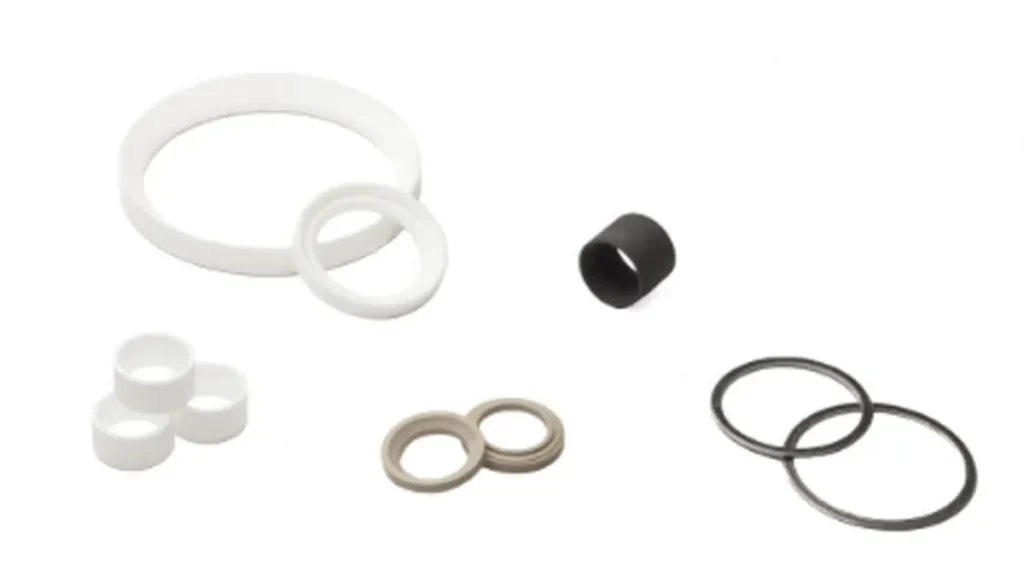
You want the best hydraulic ball valve seat material for your system. The answer depends on what you need. PTFE, POM, and PEEK each have their own good points. Picking the right one can help sealing. It can also make the part last longer and stop leaks. Studies show some things are important for ball valve seats. Ductility, dimensional stability, and wear resistance help keep a tight seal. They also make the system safer. Let’s see how these properties change how well the seat works and how safe it is:
| Material Properties | Impact on Sealing Effectiveness | Impact on System Safety |
|---|---|---|
| Durability | Better sealing over time | Fewer leaks and failures |
| Chemical Compatibility | No material breakdown with fluids | No dangerous reactions |
| Pressure Resistance | Handles system pressure without deforming | Prevents major failures |
| Temperature Resistance | Works well in hot or cold conditions | Consistent safety and operation |
Key Takeaways
- PTFE, POM, and PEEK are common materials for hydraulic ball valve seats. Each one has special strengths.
- Picking the right seat material helps sealing. It also makes parts last longer and stops leaks.
- PTFE is very good at resisting chemicals. It also lets the valve move smoothly. This makes it great for many hydraulic systems.
- POM is strong and works well with medium pressure and temperature.
- PEEK can handle high pressure and heat. This makes it good for tough jobs.
- Think about system pressure, temperature, and if the fluid matches the material when you choose a seat.
- Using the wrong material can cause leaks. It can also make the valve break and cost more to fix.
- You can get custom options to fit special hydraulic needs.
Hydraulic Ball Valve Seat Material Basics
Seat Function
You might wonder what the seat does inside a hydraulic ball valve. The seat acts like a cushion between the ball and the valve body. It creates a tight barrier that keeps fluid from leaking out. When you turn the handle, the ball rotates and the seat helps stop or allow flow. Without a good seat, the valve can’t do its job. The right hydraulic ball valve seat material makes sure the seat stays strong and keeps its shape, even when the system runs under high pressure.
Sealing and Operation
Sealing is the main job of the seat. You want the valve to close tight every time. If the seat wears out or gets soft, leaks can happen. That means you lose control over your system. A good seat lets you open and close the valve with less effort. You don’t want to fight with a stiff handle or worry about drips. Some materials, like PTFE, POM, and PEEK, help the seat slide smoothly against the ball. This makes the valve easy to use and keeps the seal strong for a long time.
Tip: If you notice your valve is hard to turn or starts to leak, the seat might need a closer look.
System Safety
You care about safety. The seat material plays a big role here. Picking the wrong seat can lead to leaks, sudden failures, or even damage to other parts. Many hydraulic system problems come from using the wrong material, not just from high pressure. Here’s what can happen if you don’t choose wisely:
- System safety drops if the seat breaks down.
- Maintenance costs go up because you need to fix leaks or replace valves more often.
- Product lifetime gets shorter, so you buy new parts sooner.
- Brand reputation suffers if valves fail in the field.
You want a seat that matches your fluid, pressure, and temperature needs. The right choice keeps your system safe and running smoothly.
Why Material Choice Matters
Sealing Performance
You want your hydraulic system to work without leaks. The seat material plays a big role in sealing. If you pick the wrong one, you might see problems right away. Here are some common sealing issues you could face:
- The surface finish of the seat matters a lot. If it is not smooth enough, the contact stress will not spread out evenly. This can cause the seat to wear out too soon or let fluid leak.
- Some systems use energized seals. These seals help when pressure changes a lot. They keep the seal tight, even if the seat material alone cannot do the job.
- In tough jobs, you might see metal or ceramic seats. These can handle rough fluids or dirt, but you need to check if they fit your system.
You want a seat that keeps a strong seal every time you use the valve. Good sealing means better performance and fewer worries about leaks. When you choose the right hydraulic ball valve seat material, you help your system last longer and stay safe.
Operating Torque
Have you ever tried to turn a valve and found it too hard? The seat material can make a big difference here. Some materials, like PTFE, can handle high temperatures. If you push them past their limit, they might start to change shape. This makes the valve harder to turn. If the seat is too tight when you put it together, you might need twice as much force to move the handle. If it is too loose, you could get leaks. You want a seat that gives you smooth movement and keeps the seal strong. This helps you get the best performance and reliability from your valve.
Fluid Compatibility
Not all seat materials work with every fluid. You need to think about chemical compatibility before you choose. Some fluids can break down certain plastics or make them swell. If you pick the wrong seat, you might see leaks, damage, or even system failure. Always check if the seat material matches the fluid in your system. This step keeps your valve working well and protects your equipment. Good compatibility means you get steady performance and fewer problems down the road.
Tip: Always ask your supplier about compatibility if you are not sure. It is better to double-check than to fix a leak later.
Choosing the right seat material is not just about cost. It is about getting the best performance, safety, and reliability for your hydraulic system.
Risks of Wrong Material
You might think any seat material will work in your hydraulic ball valve. That’s not true. Choosing the wrong material can cause big problems for your system. Let’s look at what can go wrong if you don’t match the seat material to your application.
- Leaks Everywhere
If the seat doesn’t fit your fluid or pressure, you could see leaks. Leaks waste fluid and make your system less efficient. Sometimes, leaks can even damage other parts. - Sudden Valve Failure
The wrong material can break down fast. You might see cracks, swelling, or even the seat falling apart. When this happens, the valve stops working. You lose control over your system. - High Maintenance Costs
You will spend more time and money fixing valves. If the seat wears out too soon, you need to replace it often. That means more downtime and higher costs. - Unsafe Operation
Safety drops when the seat material can’t handle your system’s conditions. You risk accidents, spills, or even injuries. Hydraulic systems run under high pressure. A weak seat can burst or fail without warning. - Shorter Valve Life
The wrong material wears out quickly. You will need to buy new valves sooner than you expect. That hurts your budget and your schedule. - Chemical Reactions
Some fluids react with certain plastics. If you pick a seat that isn’t compatible, you could see swelling, softening, or even melting. This leads to leaks and system failure.
Note: Always check the seat material against your system’s pressure, temperature, and fluid. Don’t guess. Ask your supplier or manufacturer for advice if you’re unsure.
Here’s a quick table to show what happens when you use the wrong seat material:
| Risk | What You Might See | Why It Happens |
|---|---|---|
| Leaks | Fluid escaping | Poor sealing or swelling |
| Valve Failure | Valve won’t open or close | Seat cracks or breaks down |
| High Maintenance | Frequent repairs | Seat wears out too fast |
| Unsafe Operation | Accidents or spills | Seat can’t handle conditions |
| Short Valve Life | Early replacements | Material not durable |
| Chemical Damage | Seat melts or softens | Wrong material for fluid |
You want your hydraulic system to run smoothly and safely. Picking the right seat material helps you avoid these risks. Take your time, check your specs, and ask questions. That way, you keep your system strong and reliable.
Hydraulic Ball Valve Seat Material Overview
There are many choices for hydraulic ball valve seat material. PTFE, POM, and PEEK are the most popular soft seat thermoplastic materials. Each one has its own strengths for your system. Let’s look at what makes them special and where you might use them.
PTFE
Properties
PTFE is part of the fluoropolymer family. It gives you strong chemical resistance and low friction. PTFE can handle high temperature and pressure. It stays stable when your system gets hot or cold fast. PTFE does not stick and helps the ball move easily. This material is good for sealing and stops leaks. PTFE also resists wear, pressure, and abrasion. There are types like TFM1600 and C-RPTFE that work even better.
Applications
You use PTFE in hydraulic systems that need chemical resistance. It works in valves for chemical plants, food factories, and water treatment. PTFE is good for systems with strong fluids. You see it in power units and machine tools. PTFE is also used in marine and mining equipment. You pick PTFE when you want a seat that lasts and keeps your system safe.
Limitations
PTFE can get soft if the pressure is too high. You might see it change shape if pushed too far. It is not as strong as PEEK. PTFE may not work well with rough fluids compared to other thermoplastics. You should check if PTFE fits your system before you choose it.
POM (Delrin)
Properties
POM is a tough thermoplastic. It is rigid and resists wear. POM stays stable in hydraulic ball valve seat material. It has good chemical resistance and keeps its shape under stress. POM slides well and helps the valve work smoothly.
Applications
You find POM in car fluid systems. It is used in electronics for gears and bearings. POM is also in medical devices that need self-lubrication and accuracy. You use POM when you want a seat for moderate pressure that lasts long.
Limitations
POM does not handle high temperature and pressure like PTFE or PEEK. It may not resist strong chemicals as well as fluoropolymers. You should not use POM in systems with harsh fluids or high heat.
PEEK
Properties
PEEK is a high-performance thermoplastic. It is very strong and has great chemical resistance. PEEK can take high temperature and pressure. It resists wear and keeps its shape in tough jobs. PEEK gives you reliability and a long life for your hydraulic ball valve seat material.
Applications
You use PEEK in planes, oil and gas, and industrial pumps. It is used in chemical processing and drug-making systems. PEEK works well with strong fluids and high-pressure pipes. You pick PEEK when you need the best performance and durability.
Limitations
PEEK costs more than PTFE and POM. You may not need PEEK unless your system faces very tough conditions. If you do not need high temperature and pressure, you can save money with other thermoplastics.
Here’s a quick look at where you use each material:
| Material | Application Area | Description |
|---|---|---|
| PTFE | Chemical Plants | Handles strong fluids, gives good chemical resistance and sealing. |
| PTFE | Marine/Mining | Used for valves in tough places and wear. |
| POM | Automotive | Used in fluid systems for strength and toughness. |
| POM | Electronics | Common in gears and bearings because it wears slowly. |
| POM | Medical Devices | Used in parts that need self-lubrication and accuracy. |
| PEEK | Aerospace | Used for heat and pressure resistance in fuel and hydraulic systems. |
| PEEK | Oil and Gas | Stops leaks and valve failures in high-pressure pipes. |
| PEEK | Industrial Pumps | Good for strong fluids, high wear, and heat stability. |
You can see each hydraulic ball valve seat material fits different jobs. PTFE, POM, and PEEK help you get the right mix of performance, reliability, and cost. You make your system safer and stronger by picking the right thermoplastic materials.
PTFE vs POM vs PEEK Comparison
Performance Table
You want to see how ptfe, pom, and peek stack up side by side. Here’s a quick table that shows you the main differences in wear resistance and chemical compatibility. This helps you pick the right seat material for your hydraulic ball valve.
| Material | Wear Resistance | Chemical Compatibility |
|---|---|---|
| PTFE | Lower wear resistance under load | Excellent chemical inertness, unmatched chemical resistance, especially in tough jobs |
| PEEK | Higher wear resistance under load | Good chemical resistance, but not as broad as ptfe |
| POM | Moderate wear resistance | Good for many fluids, but not as broad chemical resistance as ptfe or peek |
You can see ptfe stands out for chemical resistance. It handles aggressive fluids and keeps your system safe. Peek gives you better wear resistance, so it lasts longer in high-pressure or high-wear spots. Pom sits in the middle. It works well for many fluids and gives you solid performance, but it does not match ptfe or peek in extreme conditions.
Sealing, Pressure, Temperature
Let’s talk about sealing. Ptfe gives you a soft, flexible seat that forms a tight seal. You get fewer leaks and smooth valve operation. Ptfe works well in both hot and cold systems. It stays stable when temperatures change fast. You can trust ptfe to keep your hydraulic ball valve sealed, even when things get tough.
Peek steps up when you need strength. It handles higher pressure and temperature than ptfe or pom. If your system runs hot or faces big pressure swings, peek keeps its shape and keeps sealing. Pom works best in moderate pressure and temperature. It gives you a good seal, but it can’t handle the extremes like ptfe or peek.
Tip: If your system faces high heat or pressure, peek is your best bet. For most jobs, ptfe gives you the best mix of sealing and chemical resistance.
Wear, Chemical Resistance
Wear matters. You want your seat to last. Ptfe has lower wear resistance under heavy loads, but it slides smoothly and resists sticking. Peek shines in tough jobs. It stands up to wear and keeps working, even when the system runs hard. Pom gives you moderate wear resistance. It works well in less demanding spots.
Chemical resistance is key. Ptfe leads the pack with unmatched chemical resistance. It stands up to acids, bases, and solvents. Peek offers good chemical resistance, but not as broad as ptfe. Pom works with many fluids, but you should check your system’s chemicals before you choose.
You want the right balance. Ptfe is great for sealing and chemical resistance. Peek is best for high wear and tough conditions. Pom gives you a budget-friendly choice for everyday jobs.
Cost and Suitability
You want to get the best value for your hydraulic ball valve seat material. Let’s talk about how ptfe, pom, and peek compare when it comes to cost and where each one fits best.
If you look at price, ptfe usually costs less than peek. Pom sits in the middle. You can use ptfe for many jobs without spending a lot. It gives you strong chemical resistance and a good seal. You see ptfe in lots of hydraulic systems because it works well and saves money. If you need a seat for everyday use, ptfe is a smart pick.
Pom costs a bit more than ptfe but less than peek. You might choose pom if you want a seat that is tough and slides well. Pom works great in places where you do not need high heat or strong chemicals. You find pom in car parts, gears, and some fluid systems. It gives you a balance between price and performance.
Peek stands out for high performance. You pay more for peek, but you get a seat that lasts longer in tough spots. Peek handles high pressure and heat. If your system runs hot or faces strong fluids, peek keeps working when other materials fail. You see peek in oil and gas, aerospace, and chemical plants. If you need the best, peek is worth the cost.
Here’s a table to help you compare:
| Material | Cost | Best Use Case | Why Choose It? |
|---|---|---|---|
| ptfe | Low | General hydraulic, chemical, marine | Great chemical resistance, low cost |
| pom | Medium | Automotive, moderate fluid systems | Tough, good sliding, fair price |
| peek | High | High temp, high pressure, harsh fluid | Top strength, lasts longest |
Tip: If you want to save money and still get good performance, ptfe is your friend. If you need a seat for extreme jobs, peek is the way to go.
You should always match the seat material to your system’s needs. Think about what fluids you use, how hot or cold your system gets, and how much you want to spend. Ptfe works for most jobs and keeps costs down. Pom is good for medium-duty work. Peek is best for the toughest jobs, even if it costs more.
You do not want to pick a seat just because it is cheap. If you choose the wrong material, you might spend more on repairs later. Always check your specs and ask your supplier if you are not sure. The right choice keeps your system safe and your budget happy.
Choosing Hydraulic Ball Valve Seat Material
Pressure & Temperature
You want your hydraulic ball valve to work well every time. Pressure and temperature are very important. If you pick a seat material that cannot handle the pressure, leaks can happen. Sometimes, the valve might even fail suddenly. The same thing happens with temperature. Some materials get soft when it is hot. Others get brittle when it is cold.
Think about how hot or cold your system gets. PTFE works for most jobs. If your system gets very hot, you may need PEEK. PEEK can handle more heat and keeps its shape under stress. POM is good for jobs that are not too hot or cold. It does not like high heat or freezing temperatures.
Here is a table to help you compare:
| Material | Max Pressure | Operating Temperature Range | Best For |
|---|---|---|---|
| PTFE | Medium | -50°C to 200°C | General use, chemicals |
| POM | Medium | -40°C to 100°C | Moderate jobs, water |
| PEEK | High | -50°C to 250°C | High temp, high pressure |
Tip: Always check the highest and lowest temperatures in your system. Pick a seat material that stays strong and seals well, even if things change fast.
Fluid Compatibility
You need to match the seat material to your fluid. Not every material works with every fluid. Some fluids can break down plastics or make them swell. If you choose wrong, you could get leaks or damage. Sometimes, the whole system can fail.
When you think about fluid compatibility, remember these things:
- The seat material must seal well and resist chemicals and heat.
- Advanced polymers like PEEK and PFA resist chemicals and heat better than PTFE.
- Picking the right material is important for service life and reliability.
If your system uses strong acids, bases, or solvents, you need a seat with strong chemical resistance. PTFE works for most chemicals. PEEK and PFA are better for very harsh fluids. POM works with many fluids but not the strongest chemicals.
Note: If you are not sure about chemical compatibility, ask your supplier. It is better to check than to fix a leak later.
Valve Size & Body
Valve size and body material are important, too. Bigger valves need seats that can handle more force. The body material also changes what seat works best.
- Stainless steel (304/316) valves do not rust and work with hot and strong fluids. They cost more but last longer.
- Brass valves are cheaper and good for water and mild oils. They do not work with strong acids or hot steam.
- PVC and polypropylene valves are light and good for chemicals at medium temperatures. They cannot handle high pressure.
- Carbon steel valves are strong and cost less than stainless steel. They need coatings for harsh fluids.
The seat must match the valve body and the job. For example, do not put a soft seat in a high-pressure steel valve unless it can handle the stress. The seat stops leaks by sealing against the ball. You want a valve that does not leak, so always check the seat, size, and body.
Callout: If you upgrade your system or change fluids, check both the valve body and seat material. This helps you avoid problems and keeps your system working well.
Operation & Environment
You want your hydraulic ball valve to work well in every situation. The way you use your valve and the environment around it can change what seat material you need. Some jobs are easy, but others are tough. You might have high pressure, dirty fluids, or big temperature swings. You need to think about all these things before you pick a hydraulic ball valve seat material.
Let’s look at some important factors:
- Temperature swings: If your system gets very hot or cold, some seat materials can get soft or brittle. PTFE and PEEK handle heat better than POM. If you work in a freezer or near hot machines, check the temperature range.
- Pressure changes: High pressure can push soft seats out of shape. PEEK works best for high-pressure jobs. POM and PTFE are good for medium pressure.
- Abrasive fluids: Dirty or gritty fluids can wear out soft seats fast. If you have sand, dirt, or metal bits in your fluid, you might need a harder seat or a special coating.
- Outdoor or harsh environments: Rain, salt, and sun can break down some plastics. If your valve sits outside or near the ocean, pick a material that resists weather and corrosion.
Here’s a table to help you see how different seats handle tough environments:
| Feature | Metal Seat Ball Valve | Soft Seat Ball Valve (PTFE, POM, PEEK) |
|---|---|---|
| Temperature Resistance | Handles extreme heat/cold | Limited by material type |
| Pressure Rating | Great for high pressure | Good for moderate pressure |
| Wear Resistance | Excellent with hard coatings | Can wear out in abrasive fluids |
| Leakage Prevention | Tight shutoff | Can deform and leak if overloaded |
| Maintenance Frequency | Needs less service | Needs more frequent checks |
| Lifecycle Cost | Costs more at first, lasts longer | Cheaper at first, may cost more over time |
Tip: If your system faces tough conditions, you want a seat that gives you the best performance and reliability. Always match the seat to your job and environment.
You also need to think about how often you use the valve. If you open and close it all day, you want a seat that slides smoothly and does not wear out fast. If your valve sits still most of the time, you might not need the toughest material.
Don’t forget about compatibility. Some environments have chemicals, steam, or saltwater. These can break down the wrong seat material. Always check if your seat can handle the fluids and the air around it.
When you look at all these factors, you make a smart choice. You get a valve that works well, lasts longer, and keeps your system safe.
Application Guide
Scenario Table
You want to pick the right seat material for your job. Sometimes, it helps to see everything in one place. Here’s a quick table to show you which material fits best for each type of hydraulic application:
| Application Area | Best Seat Material | Why It Works Well | Key Considerations |
|---|---|---|---|
| Power Units | PTFE, POM | Good sealing, handles moderate pressure | Check fluid type and temp |
| Construction Equipment | PEEK, PTFE | Handles high pressure, resists wear | Watch for dirt and heavy loads |
| Machine Tools | PTFE, POM | Smooth operation, good for clean fluids | Look at cycle rate and temp |
| Mining | PEEK | Tough, resists abrasion and chemicals | Needs high wear resistance |
| Marine | PTFE, PEEK | Fights corrosion, handles saltwater | Check for pressure swings |
| Chemical & High Temp | PEEK, PTFE | Handles harsh fluids, high heat | Must resist strong chemicals |
Tip: Always match the seat material to your system’s pressure, temperature, and fluid. This table gives you a fast way to compare your options.
Power Units
You use hydraulic power units in many places. These units run pumps, motors, and cylinders. They need valves that seal tight and last a long time. PTFE and POM work well here. PTFE gives you strong chemical resistance. It keeps leaks away and works with many fluids. POM gives you a tough seat that slides well and handles moderate pressure.
You want your power unit to run smooth. PTFE seats help the valve open and close with little effort. POM seats last a long time if you use clean fluids. If your power unit runs hot, PTFE is the safer choice. If you use water-based fluids, POM can save you money.
- PTFE: Best for systems with oil, synthetic fluids, or where you need chemical resistance.
- POM: Good for water, glycol, or less aggressive fluids.
Note: If your power unit faces high pressure or heat, think about using PEEK. It costs more but lasts longer in tough spots.
Construction Equipment
You see hydraulic ball valves in excavators, loaders, and cranes. These machines work hard every day. They face dirt, shock, and heavy loads. You need a seat material that stands up to abuse. PEEK is your best bet for these jobs. It resists wear, handles high pressure, and keeps its shape even when things get rough.
PTFE also works in construction gear, especially if you want smooth valve action. It helps the valve seal tight and keeps leaks away. If your equipment runs in cold weather, PTFE stays flexible. PEEK works better if you see high heat or lots of pressure spikes.
- PEEK: Use for high-pressure lines, dirty fluids, or when you want the longest life.
- PTFE: Use for smooth operation and good sealing in less extreme spots.
Callout: Construction sites are tough on valves. Always check your seat for wear and replace it before it fails. This keeps your machines running and saves you money.
Machine Tools
You use machine tools all the time. These machines need hydraulic ball valves that do not leak and last long. If you pick the wrong seat material, you could get leaks. Your machines might stop working, or parts could break. Let’s talk about what is important for machine tools.
First, you want no leaks at all. The valve must hold pressure and not let any fluid out. Some valves can stop all bubbles for four minutes at both 50 psi and 1,000 psi Nitrogen. This kind of sealing keeps your system safe and your tools working well.
Machine shops often have big temperature changes. Sometimes, machines heat up fast. You need a seat material that can handle heat. Chrome Carbide coatings help the seat last longer and stop leaks when it gets hot. Modular parts inside the valve protect the seal from heat during setup. This keeps the seal strong, even if the machine gets hot or cools down quickly.
Here is a table to show what matters most:
| Property | Description |
|---|---|
| Zero Seat Leakage | Can stop all bubbles for four minutes at 50 psi and 1,000 psi Nitrogen. |
| High Temperature Resistance | Chrome Carbide coating helps the seat last longer and not leak in high heat. |
| Isolation from Thermal Effects | Modular parts inside keep the seal safe from heat during setup. |
You can pick from different seat materials. PTFE is good for most jobs. It slides easily and seals well, but it can get weak if it gets too hot. If your machine tool gets very hot, you may need a stronger seat. Metal seats work better in tough jobs. They do not wear out fast and keep their shape, even with heavy loads or heat.
PEEK is another choice. It works in a wide range of temperatures, from -50°C to 260°C. PEEK does not rust and is very strong. It is not as bendy as PTFE, but it lasts longer in hard jobs. Here is a table to compare these materials:
| Sealing Material | Temp Range | Chemical Resistance | Mechanical Strength | Flexibility |
|---|---|---|---|---|
| PEEK | -50°C to 260°C | Handles many chemicals, does not rust | High | Low |
| PTFE | -50°C to 200°C | Very good | Moderate | High |
| Metal Seat | Up to 400°C | Very good | Very High | Low |
Tip: Always pick a seat material that matches your fluid and system. If you use strong chemicals or run your machines hot, think about PEEK or metal seats. For most jobs, PTFE gives you good sealing and costs less.
You want your machine tools to work without leaks or problems. Pick a seat material that fits your system. Check the pressure, temperature, and fluid you use. If you are not sure, ask your supplier for help. The right seat keeps your machines working and your shop busy.
Chemical & High Temp
You work with hydraulic systems that face tough chemicals and high heat. You need a seat material that stands up to these challenges. If you pick the wrong material, you risk leaks, breakdowns, or even dangerous failures. Let’s talk about what works best for chemical and high-temperature applications.
PEEK, PTFE, and VITON are the top choices. Each one brings something special to the table. PEEK handles extreme heat and harsh chemicals. PTFE gives you the best chemical resistance. VITON works well with many fluids and stays strong in hot spots.
Here’s a quick table to help you compare:
| Material | Key Properties |
|---|---|
| PEEK | Excellent chemical resistance, high temperature capability, operational range -70 ºF to 600 ºF. |
| PTFE | Most chemically resistant plastic, operational range -40°C to 204°C. |
| VITON | Compatible with a broad spectrum of chemicals, temperature rating -29°C to 149°C. |
You want your valve seat to last. PEEK keeps its shape when things get hot. It resists acids, solvents, and steam. You can trust PEEK in chemical plants, oil refineries, and places where heat never lets up. PTFE stands out for chemical resistance. It shrugs off acids, bases, and most solvents. You see PTFE in labs, water treatment, and food factories. VITON works well with many chemicals and stays flexible in hot environments. You find VITON in pumps, seals, and valves that handle fuel or oil.
Tip: If your system faces both high heat and strong chemicals, PEEK is your best bet. PTFE works great for chemical resistance, but it can get soft if the temperature climbs too high. VITON is a solid choice for moderate heat and a wide range of fluids.
You need to check your system’s temperature and fluid type. If you run at 200°C or higher, PEEK is the safest pick. PTFE handles most chemicals but tops out at 204°C. VITON works up to 149°C and fits many jobs where you need flexibility.
You want to avoid surprises. Always check the seat material against your system’s specs. If you use strong acids or run your system hot, don’t risk it with a weak seat. Pick a material that matches your needs.
Callout: When you choose the right seat material, you get fewer leaks, longer valve life, and safer operation. Don’t guess. Ask your supplier for advice if you’re not sure.
You keep your system running strong by picking the right seat for chemical and high-temperature jobs. PEEK, PTFE, and VITON help you handle the toughest conditions. You get peace of mind and save money on repairs.
Common Selection Mistakes
Ignoring Compatibility
You might think all seat materials work with any fluid. That’s not true. If you skip checking compatibility, you risk leaks, damage, or even system failure. Some fluids can break down plastics or make them swell. You need to match the seat material to your fluid. Chemical compatibility is key. If you use hydraulic oil, water, or strong chemicals, always check if the seat material can handle it. Ask your supplier for a compatibility chart. Don’t guess. If you ignore this step, you could end up with a valve that leaks or stops working.
Tip: Always double-check the seat material against your system’s fluid. One quick call or email can save you hours of repairs.
Overlooking Pressure/Temp
You want your valve to last. If you forget about pressure or temperature, you could face big problems. Some materials get soft when it’s hot. Others crack when it’s cold. High pressure can push seats out of shape. If you pick a seat that can’t handle your system’s pressure or temperature, leaks will happen. Sometimes, the valve might fail without warning. Always check the max pressure and temperature your system reaches. Look at the specs for PTFE, POM, and PEEK. Pick the one that fits your job.
Here’s a quick table to help you:
| Material | Max Pressure | Temp Range |
|---|---|---|
| PTFE | Medium | -50°C to 200°C |
| POM | Medium | -40°C to 100°C |
| PEEK | High | -50°C to 250°C |
Note: If your system runs hot or under high pressure, PEEK is your best choice. For most jobs, PTFE works well.
Price-Only Focus
You want to save money. That’s smart. But picking a seat material based only on price can cost you more in the long run. Cheap seats might not last. If you choose the lowest price, you could face leaks, repairs, or early replacements. Sometimes, you pay more for downtime than for a better seat. Think about the total cost. A seat that lasts longer saves you money. Look at performance, reliability, and how often you need to replace it.
- Don’t pick a seat just because it’s cheap.
- Check how long it lasts and how well it seals.
- Ask about maintenance and replacement costs.
Callout: The right seat material keeps your system running and saves money over time. Balance price with quality and fit for your job.
Using General Valve Materials
You might think you can use any valve seat material for your hydraulic system. That sounds easy, but it can cause big problems. General valve materials often work for water or air, but hydraulic systems need more. These systems run under high pressure and sometimes face tough fluids. If you use a seat made for general valves, you risk leaks, fast wear, and even sudden failure.
Let’s look at why this happens:
- General valve seats are usually made for low pressure and mild fluids.
- Hydraulic ball valve seats need to handle strong forces, high pressure, and sometimes harsh chemicals.
- If you use the wrong seat, it might get soft, crack, or lose its shape.
You want your system to run smooth and safe. Using the right seat material helps you avoid costly repairs and downtime. Here’s a quick table to show the difference:
| Seat Type | Best For | Not Good For |
|---|---|---|
| General Valve Material | Water, air, low pressure | Hydraulic oil, high pressure |
| Hydraulic Seat Material | Oil, chemicals, pressure | Mild fluids only |
Tip: Always check if the seat material is made for hydraulic use. If you see “general purpose” or “water only,” ask your supplier for a better option.
You might see a valve that looks strong, but the seat inside matters most. Some suppliers use cheaper seats to save money. These seats can fail fast in a hydraulic system. You could see leaks, slow valve movement, or even a stuck valve.
Here’s what you can do:
- Ask for the seat material by name. Look for PTFE, POM, or PEEK.
- Check the specs. Make sure the seat can handle your system’s pressure and fluid.
- Don’t trust a valve just because it looks tough. The seat does the real work.
If you use the right seat, your valve lasts longer and works better. You save money and avoid headaches. Don’t settle for general valve materials in your hydraulic system. Choose a seat that matches your needs.
Seat Material & Operating Torque
Friction Effects
You might notice that some valves turn easily while others feel stiff. The seat material controls how much friction you feel when you move the handle. PTFE seats give you a smooth, slippery surface. You can open and close the valve with less effort. POM seats also slide well, but they feel a bit firmer. PEEK seats have more grip, so you might need a little more force. If you want a valve that feels light and easy, PTFE is a great choice.
Friction matters for more than just comfort. High friction can wear out the seat and the ball. You might see scratches or grooves if the material is too rough. Low friction helps the valve last longer and keeps the seal tight. If you use your valve a lot, pick a seat that slides easily. This keeps your system working well and saves you time on repairs.
Tip: If your valve feels hard to turn, check for dirt or damage. Clean parts and the right seat material make a big difference.
Wear Impact
Every time you turn the valve, the seat and ball rub together. Over time, this rubbing can wear down the seat. PTFE handles wear well in clean systems, but it can get scratched by grit or sand. POM is tougher and resists wear in moderate jobs. PEEK stands up to heavy use and rough fluids. It keeps its shape even when things get tough.
Wear affects more than just the seat. If the seat wears out, you might see leaks or lose control over the flow. You want a seat that matches your system’s needs. If you use dirty fluids or run your valve all day, choose a material with high wear resistance. This helps you keep your system safe and reliable.
Here’s a quick table to compare wear resistance:
| Material | Wear Resistance | Best For |
|---|---|---|
| PTFE | Good | Clean fluids, easy use |
| POM | Better | Moderate wear, water |
| PEEK | Best | Heavy use, dirty fluids |
Long-Term Operation
You want your hydraulic system to work for years without trouble. The seat material plays a big role in long-term reliability. PTFE gives you good sealing and chemical compatibility, but it may wear faster in tough jobs. POM works well for everyday use and lasts longer than PTFE in some cases. PEEK offers the best performance for high pressure, heat, and rough fluids.
If you pick the right seat, you get fewer leaks and less downtime. Your valve stays easy to use, and you spend less on repairs. Always think about how often you use the valve and what kind of fluids you run. The right choice gives you peace of mind and keeps your system running strong.
Callout: For the best long-term reliability, match the seat material to your system’s pressure, temperature, and fluid. Don’t just pick the cheapest option—think about how it will perform over time.
Custom Options
Manufacturer Customization
You might need something special for your hydraulic system. Manufacturers can help you get the right seat material for your ball valve. They offer custom options that fit your needs. You can ask for different shapes, sizes, or even special coatings. Some companies let you pick the exact grade of PTFE, POM, or PEEK. You can also request seats that handle higher pressure or tougher fluids.
Here are some ways manufacturers customize seats for you:
- Change the seat shape for better sealing.
- Add coatings for extra wear resistance.
- Use reinforced materials for higher strength.
- Adjust the seat thickness for your valve size.
Tip: If you have a unique system, talk to the manufacturer. They can build a seat that matches your specs.
Material Selection by Specs
You want your valve to work perfectly. You can choose the seat material based on your system’s specs. Manufacturers give you charts and tables that show which materials fit your pressure, temperature, and fluid type. You can compare PTFE, POM, and PEEK side by side.
Here’s a simple table to help you pick:
| Spec | PTFE | POM | PEEK |
|---|---|---|---|
| Max Pressure | Medium | Medium | High |
| Temp Range | -50°C to 200°C | -40°C to 100°C | -50°C to 250°C |
| Chemical Resistance | Excellent | Good | Very Good |
| Wear Resistance | Good | Better | Best |
You can match your specs to the right material. If your system runs hot, pick PEEK. If you need strong chemical resistance, PTFE works best. For moderate jobs, POM saves money and lasts long.
Note: Always check your system’s specs before you order. The right material keeps your valve safe and reliable.
Tailoring for Hydraulic Needs
Every hydraulic system is different. You can tailor your ball valve seat material to fit your job. If you use dirty fluids, you might need a harder seat. If your system faces big temperature swings, pick a material that stays strong in both hot and cold.
Manufacturers can help you:
- Choose materials for special fluids.
- Design seats for high cycle rates.
- Add features for easier maintenance.
- Build seats for outdoor or marine use.
You get a valve that fits your system. You avoid leaks and downtime. You save money by picking the right seat the first time.
Callout: Custom options make your hydraulic system stronger and safer. Don’t settle for standard seats if your job is tough. Ask for a seat that fits your needs.
Conclusion
PTFE, POM, and PEEK are common seat materials for hydraulic ball valves, and each one has its own strengths. PTFE offers good chemical resistance and smooth operation. POM is strong and suitable for many medium-pressure hydraulic applications. PEEK performs well under higher pressure and higher temperature conditions.
The right seat material depends on your system pressure, working fluid, temperature range, sealing requirements, and application environment. Choosing the wrong material may lead to leakage, faster wear, or higher maintenance costs.
As a hydraulic ball valve manufacturer, Chenyang Hydraulic can help you choose the right seat material for your valve design and working conditions. We can provide hydraulic ball valves with different seat materials, pressure ratings, thread types, and custom options based on drawings or samples.
Choosing the right valve seat helps improve sealing performance, protect your hydraulic system, and reduce long-term operating costs.
FAQ
What is the main job of a ball valve seat?
You want the seat to stop leaks. It forms a seal between the ball and the valve body. This keeps fluid inside your system and helps the valve open and close smoothly.
How do I know which seat material to pick?
Check your system’s pressure, temperature, and fluid type. PTFE works for most jobs. POM fits moderate needs. PEEK handles high heat and pressure. Ask your supplier if you feel unsure.
Can I use PTFE seats with all fluids?
PTFE resists most chemicals. You can use it with acids, bases, and solvents. Some rare fluids may cause problems. Always check a chemical compatibility chart before you decide.
Why does my valve get hard to turn?
High friction or worn seats can make the valve stiff. Dirt or grit inside the valve can also cause trouble. Try cleaning the valve. If it stays hard to turn, you may need a new seat.
Are PEEK seats worth the higher price?
You get top performance with PEEK. It lasts longer in tough jobs and handles high pressure and heat. If your system faces extreme conditions, PEEK can save you money on repairs and downtime.
Can I replace the seat myself?
You can replace many valve seats with basic tools. Always follow the manufacturer’s instructions. If you feel unsure, ask a technician for help. A good fit keeps your valve working right.
What happens if I use the wrong seat material?
You might see leaks, valve failure, or even system damage. The wrong seat can wear out fast or react with your fluid. Always match the seat to your system’s needs for safety and long life.
Do seat materials affect valve maintenance?
Yes! Some materials, like PTFE, need less maintenance because they resist chemicals and wear. Others may need more checks. Picking the right seat helps you spend less time fixing your valves.