
You want the best ball valve for your hydraulic system, but the right choice depends on what you need it for. In some industries, people talk about Carbon Steel vs Stainless Steel Hydraulic Ball Valve because each material deals with temperature changes and hard conditions in different ways. Picking the right material is important because it changes how well your valve works and how long it will last. If you pick the material that fits your needs, you get a valve that is safe and works well every time.
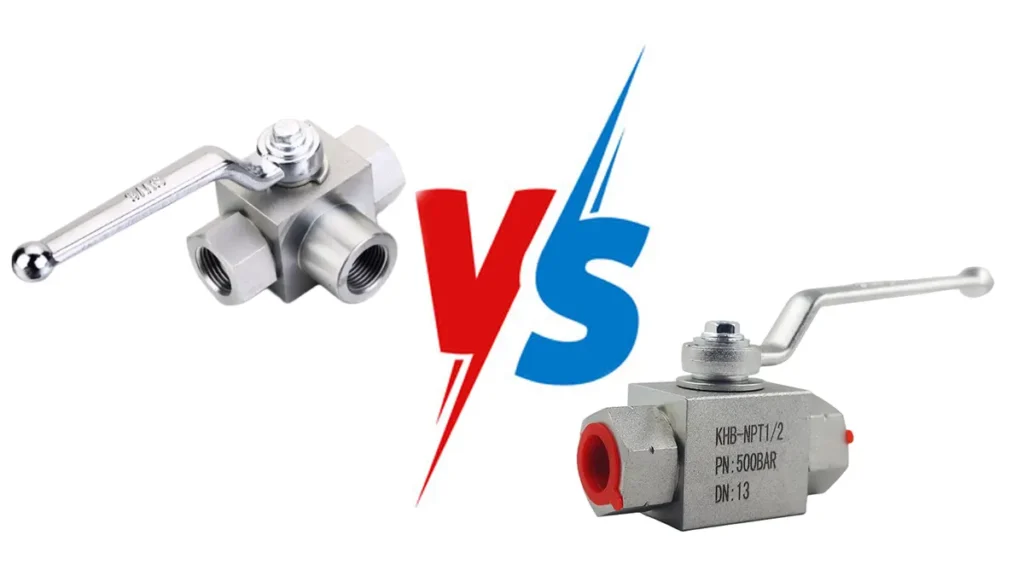
Key Takeaways
- Pick the right material for your hydraulic ball valve. This helps keep things safe and working well.
- Carbon steel valves work well in high-pressure places. But they need special coatings so they do not rust.
- Stainless steel valves do not rust easily. They are good for tough places and last a long time.
- Think about what fluid you will use and how hot or cold it gets. This helps stop leaks and breaks.
- Look at how much it costs to fix or take care of the valve. Stainless steel can cost more at first but may save money later.
- Always check the pressure ratings of the valves. Make sure they fit your system so nothing breaks suddenly.
- If you use saltwater or chemicals, pick stainless steel. It is strong and lasts longer.
- Talk to suppliers or makers to help you pick the best valve for your needs.
Material Choice in Hydraulic Ball Valves
Impact on System Performance
You might wonder why picking the right material for your ball valve matters so much. The answer is simple: it changes how your hydraulic system works every day. If you choose the wrong material, your valve could crack, leak, or even fail when you need it most. Let’s look at what affects your decision:
| Factor | Description |
|---|---|
| Fluid Type | Make sure your valve matches the fluid’s chemical properties. |
| Temperature Range | Pick materials that handle your system’s heat or cold. |
| Pressure Requirements | Choose materials that won’t deform under pressure. |
| Corrosion Resistance | Use materials like stainless steel for harsh environments. |
| Cost and Budget | Balance performance with what you can afford. |
| Compliance | Check if your material meets industry rules. |
You need to know your system’s pressure. Select a ball valve that can handle it. Make sure the material works with the fluid you use. If you don’t, your valve might not last.
Corrosion and Durability
Corrosion can ruin a valve fast. Stainless steel stands out because it has chromium. This creates a shield that stops rust and keeps your valve strong. Carbon steel is tough, but it doesn’t have this shield. If you use carbon steel in wet or salty places, it can rust unless you coat it. Stainless steel also has a self-healing layer, so it keeps working even if it gets scratched. You want your valve to last, so think about where you’ll use it.
Cost and Maintenance
You probably care about cost and how often you need to fix your valve. Stainless steel ball valves cost more up front, but they need less maintenance. They resist corrosion and heat, so you don’t have to replace seals or parts as often. Carbon steel valves are cheaper, but you’ll spend more time and money fixing them if your application is rough or corrosive. If your system runs all the time, stainless steel can save you money in the long run.
Tip: If you want a valve that lasts and needs little care, stainless steel is a smart choice for tough jobs.
Carbon Steel Hydraulic Ball Valve Overview
Material Properties
Carbon steel ball valves are trusted for tough jobs. The body material is strong and reliable. It can handle lots of pressure. Here’s why these valves are special:
- High mechanical strength means the valve is very tough. It has tensile strength of at least 515MPa. Yield strength is at least 310MPa.
- Ductility lets the valve bend a little without breaking. Forged A105 carbon steel helps with this.
- Thermal stability keeps the valve working when it gets hot. It works up to 425°C.
- Stellite overlay adds a layer that fights corrosion. This makes the valve last longer.
- Different grades and treatments let you pick the right valve.
Carbon steel ball valves stay strong under pressure. The body material does well in high-stress jobs. You don’t have to worry about sudden failures.
Typical Applications
Carbon steel ball valves are used in many industries. They work well in lots of places. Here’s where you might use them:
| Industry | Applications |
|---|---|
| Industrial Processing | Used for hydrocarbon handling, cooling water lines, condensate, and utility piping in plants. |
| Power Generation | Good for feedwater systems, cooling loops, and balance-of-plant services. |
| General Utility Networks | Used for plant water, fire protection, and compressed air lines. |
These valves are needed where high pressure is common. Carbon steel ball valves are popular in power plants and factories. The body material is strong for busy places.
Strengths and Limitations
Carbon steel ball valves have many benefits. Here are some things to know:
- They give you great value for the price. You get a strong valve without spending too much.
- The body material is good for high-pressure jobs. You can trust the valve when pressure goes up.
- They work best in places that are not very corrosive. If you use them in salty or wet spots, you might see rust unless you coat them.
- Maintenance is easy, but you may need to check the valve more often in harsh conditions.
- If you want a valve that lasts and is affordable, carbon steel ball valves are a smart choice.
Note: If your system uses chemicals or saltwater, you may need something else. Carbon steel ball valves are best in dry, high-pressure places where the body material can show its strength.
Stainless Steel Hydraulic Ball Valve Overview
Material Properties
Stainless steel valves are good for hard jobs. This material stays strong when things get tough. It works well in hot or cold places. You can count on it to last a long time. Here’s what makes stainless steel special:
| Property | Description |
|---|---|
| High Tensile Strength | Stainless steel holds up under stress. It does not bend easily. This means it lasts longer. |
| Excellent Corrosion Resistance | It can handle acids and saltwater. It does not break down. |
| Temperature Resistance | It works in very cold or very hot places. It can handle over 1000°F (538°C). |
| Pressure Handling Capability | It can take more than 10,000 PSI (689 bar). This is good for high-pressure jobs. |
Stainless steel valves work in tough places. They are great at fighting rust. Chromium in the material makes a shield. This keeps the valve safe from damage.
Typical Applications
Stainless steel hydraulic ball valves are used where you need them to work every time. They are important in places with chemicals, saltwater, or heat. Here are some places you see them:
- High-pressure and high-temperature systems
- Crude oil refineries and marine environments
- Food processing and brewing systems
- Nuclear and fossil power plants
- Pulp and paper manufacturing units
You also find these valves in swimming pools. They help control water with chlorine. Breweries use them to process wort. Stainless steel valves are clean enough for food factories. Electro-polishing makes the surface smooth. This is good for medicine factories.
Tip: If you work with strong chemicals or tough jobs, stainless steel valves are a smart pick.
Strengths and Limitations
You might wonder if stainless steel is a good choice. Let’s look at the good and bad parts:
| Strengths | Weaknesses |
|---|---|
| Great at fighting rust because of chromium | Costs more than brass or PVC |
| Stays strong in heat and pressure | Can have galling if not oiled |
| Used in hard jobs like desalination and oil | Not as many design choices |
Stainless steel valves last longer and need less fixing. They keep their shape even when things get rough. You pay more at first, but you save money later. Sometimes, they can stick if you don’t use oil. You may not get as many designs, but you get a strong valve.
Note: Stainless steel hydraulic ball valves are best for jobs that need strength and rust resistance. If you want a valve that works in hard places, pick stainless steel.
Carbon Steel vs Stainless Steel Hydraulic Ball Valve: Comparison
Quick Comparison Table
You want to see the main differences between carbon steel vs stainless steel hydraulic ball valve options at a glance. Here’s a quick table to help you compare:
| Feature | Carbon Steel Ball Valves | Stainless Steel Ball Valves |
|---|---|---|
| Corrosion Resistance | Needs coating in wet areas | Excellent, even in harsh places |
| Pressure Rating | Up to 7,000 psi | Up to 1,000 psi |
| Durability | Strong, but rusts if not coated | Lasts longer in tough spots |
| Cost | Lower upfront | Higher upfront, saves later |
| Maintenance | Needs more checks in bad spots | Needs less fixing |
| Best Use | High-pressure, dry jobs | Chemical, salty, or wet jobs |
You can use this table to match the right ball valve to your application. If you need a valve for a high-pressure job that stays dry, carbon steel ball valves work well. If you need a valve for a place with chemicals or saltwater, stainless steel ball valves are the better pick.
Pressure and Strength
When you look at pressure and strength, carbon steel vs stainless steel hydraulic ball valve choices stand out for different reasons. Carbon steel ball valves can handle much higher pressure. You can use them in systems that reach up to 7,000 psi. Stainless steel ball valves usually max out at 1,000 psi. That’s a big difference if your application needs to deal with a lot of force.
Here’s a simple table to show you the numbers:
| Valve Type | Maximum Pressure Rating |
|---|---|
| Carbon Steel Ball Valves | Up to 7,000 psi |
| Stainless Steel Ball Valves | Up to 1,000 psi |
If you work in a place where the system runs at high pressure, carbon steel ball valves give you the strength you need. They don’t bend or break easily. You can trust them in heavy-duty jobs. Stainless steel ball valves are still strong, but they shine in other ways. They work best when you need a valve that fights off rust and lasts a long time, even if the pressure is lower.
Corrosion Resistance
Corrosion can ruin a valve fast. When you compare carbon steel vs stainless steel hydraulic ball valve options, you see a big difference in how they handle rust. Stainless steel ball valves have chromium and molybdenum in the material. These elements make a shield that stops corrosion, even in places with saltwater or chemicals. You can use stainless steel ball valves in harsh environments and not worry about rust.
Carbon steel ball valves are strong, but they don’t have this shield. If you use them in wet or salty places, they need a special coating. Without it, they can rust and break down. You might spend more time checking and fixing them. If your application is dry and high-pressure, carbon steel ball valves work well. If you need a valve for a place with lots of moisture or chemicals, stainless steel ball valves are the safer choice.
Tip: Always think about where you will use your valve. If you see water, salt, or chemicals, stainless steel ball valves will last longer and save you trouble.
Cost Differences
When you shop for a hydraulic ball valve, price often jumps out first. Carbon steel valves usually cost less when you buy them. This makes them a popular pick for big projects or when you need many valves at once. If your system runs in a dry, clean place, you can save money with carbon steel.
Stainless steel valves cost more up front. You pay extra because the material is harder to make and lasts longer. But think about the long run. If your system faces water, chemicals, or salt, stainless steel can save you money over time. You spend less on repairs and replacements. You also avoid the cost of shutting down your system to fix a rusty valve.
Here’s a quick look at how the costs stack up:
| Cost Factor | Carbon Steel Valve | Stainless Steel Valve |
|---|---|---|
| Initial Price | Lower | Higher |
| Maintenance Cost | Can be high in wet spots | Low in most conditions |
| Replacement Frequency | More often if corroded | Rarely needed |
| Downtime Risk | Higher in harsh places | Lower, even in tough jobs |
Tip: If you want to save money now and your system stays dry, carbon steel works well. If you want fewer headaches and lower costs later, stainless steel is worth the investment.
Service Life and Maintenance
You want your valve to last as long as possible. Service life and maintenance depend on where and how you use your valve. Carbon steel valves can last for years in the right spot. They work best in dry, non-corrosive places. If you use them in wet or salty areas, you need to check them often. The coating on a carbon steel valve must stay perfect. If it chips or wears off, rust can start fast.
Stainless steel valves shine in tough places. They resist rust, even if you scratch them. You do not need to worry about coatings or extra protection. This means you spend less time and money on maintenance. You also avoid surprise shutdowns because your valve keeps working.
Here are some things to remember:
- Carbon steel valves need more care in harsh environments. You must check the coating and watch for rust.
- Stainless steel valves need less attention. They work well in places with water, salt, or chemicals.
- If you pick the wrong valve for your job, you might have to replace it sooner than you want.
- Downtime costs money. Stainless steel valves help you avoid shutdowns, especially in hard-to-reach spots.
Note: If your system is hard to access or cannot afford downtime, stainless steel valves give you peace of mind. You get a longer service life and less worry about surprise repairs.
Ball Valve Application Suitability
When to Choose Carbon Steel
You want a valve that stands up to tough jobs. Carbon steel ball valves give you the strength you need for high-pressure work. These valves do not bend or break when the pressure rises. You can trust them in places where the temperature gets very hot. If your system faces extreme heat, carbon steel ball valves keep working without losing shape.
Sometimes, you deal with fluids that can eat away at metal. Carbon steel ball valves can handle these fluids if you use a special coating or lining. This makes them a smart pick for aggressive fluids. You see these valves in oil and gas plants, chemical factories, and power stations. They work well in petrochemical jobs too.
Here’s a table to help you see when carbon steel ball valves fit your needs:
| Scenario | Why Carbon Steel Ball Valves Work Well |
|---|---|
| High-pressure environments | They handle extreme pressure without losing strength. |
| High-temperature jobs | They keep working when things get hot. |
| Corrosive fluids | Coatings or linings protect them from damage. |
| Industry use | Oil and gas, chemical processing, power generation, petrochemicals. |
Tip: If you need a valve for a high-pressure or high-temperature job, carbon steel ball valves are a solid choice. You get power and reliability.
When to Choose Stainless Steel
Sometimes, your job site brings extra challenges. You might see saltwater, strong chemicals, or big swings in temperature. Stainless steel valves shine in these places. They fight off rust and corrosion, even when things get rough. You do not have to worry about leaks or broken seals as much.
You want a valve that keeps working when the weather changes fast. Stainless steel valves handle temperature swings better than most. You can use them in marine jobs, chemical plants, or places with lots of water. They work well in food factories and even in medicine plants. If you need a valve for a clean job, stainless steel is a good pick.
Here are some signs you should pick stainless steel valves:
- You see temperature changes that could hurt other valves.
- You want to spot leaks or worn-out seals early.
- You need to protect your valve from heat or cold.
- You want to check your system with remote sensors.
- You use your system in winter and need it to keep working.
You can also look at this table for more details:
| Material | Corrosion Resistance | Recommended Applications |
|---|---|---|
| SS316/316L | High | Marine, seawater, chemical dosing |
| SS304 | Moderate | Water, steam, non-aggressive fluids |
| Carbon Steel | Needs coating | High-pressure hydraulics |
Note: If your application faces salt, chemicals, or big temperature swings, stainless steel valves give you peace of mind. You spend less time fixing and more time working.
Industry Recommendations
You want to make the right choice for your job. Different industries have different needs. Carbon steel ball valves work best in places where pressure and heat matter most. You see them in oil and gas, power plants, and chemical factories. These valves give you strength and last a long time if you keep them dry or coated.
Stainless steel valves fit jobs where corrosion is a big problem. You find them on ships, in food plants, and in chemical dosing systems. Offshore oil platforms use stainless steel because salt spray and pressure can ruin other valves. These platforms need valves that you can fix without taking apart the whole pipeline. Stainless steel valves make this easy and save you money on repairs.
If you work in a place with clean water or steam, you might use SS304 valves. For tough jobs with salt or chemicals, SS316/316L valves are the best. Carbon steel ball valves still win in high-pressure hydraulic systems, but only if you protect them from rust.
Tip: Match your valve to your job. If you need power and can keep things dry, go with carbon steel ball valves. If you need to fight rust and want less work, stainless steel valves are your friend.
Application Selection Table
Engineering Machinery
Machines need to work well every day. Hydraulic ball valves help keep equipment safe. These valves also make machines run better. You want a valve that can take high pressure. It should also handle quick changes in flow. Carbon steel ball valves are good for this job. They stay strong when things get hard. You see them in excavators, loaders, and cranes. These machines often work in dry places. Corrosion is not a big worry there.
Stainless steel ball valves are used too. If your machine faces water, mud, or chemicals, use stainless steel. This material gives extra protection. You do not have to worry about rust or leaks. Stainless steel valves last longer. They need less fixing. You save time and money because you do not repair them as much.
Here’s a quick table to help you choose:
| Machinery Type | Recommended Valve Material | Reason |
|---|---|---|
| Excavators | Carbon Steel | Handles high pressure |
| Cranes | Carbon Steel | Strong and reliable |
| Mixers | Stainless Steel | Resists corrosion |
| Road Rollers | Carbon Steel | Works well in dry conditions |
Tip: If your machines work in wet or dirty places, pick stainless steel valves. They are a smart choice.
Hydraulic Stations
Hydraulic stations control flow and pressure in big systems. You want your station to work without problems. Carbon steel ball valves are common here. They handle high pressure and cost less. You use them in stations that are indoors or clean.
Sometimes, your station faces water or chemicals. Stainless steel ball valves protect your system from rust. You do not need to check them as much. They help your station last longer. If your station is outside or near water, stainless steel is best.
Here’s a list of what to look for:
- High-pressure rating
- Easy to fix
- Good fit for your job
- Lasts a long time
Note: Stainless steel valves help you avoid downtime. They are best for stations in tough places.
Mining Equipment
Mining is a hard job. You deal with dust, water, and heavy loads. Your equipment needs strong valves. Carbon steel ball valves work well in dry mines. They also do well with high pressure. These valves give you strength and trust.
If your mine has water or chemicals, use stainless steel ball valves. They fight rust and last longer. You do not have to worry about leaks or sudden breaks. Stainless steel valves are good for wet or harsh mines.
Here’s a table to help you pick:
| Mining Equipment | Recommended Valve Material | Reason |
|---|---|---|
| Conveyors | Carbon Steel | Handles heavy loads |
| Pumps | Stainless Steel | Resists water and chemicals |
| Crushers | Carbon Steel | Strong for dry conditions |
| Slurry Systems | Stainless Steel | Fights corrosion |
Tip: Pick stainless steel valves for mines with water or chemicals. They last longer and need fewer repairs.
Marine Equipment
Working with marine equipment is tough. Saltwater and humidity are everywhere. These things can make most metals break down fast. You need a hydraulic ball valve that can handle these problems. It should keep your system working well.
Let’s look at the best choices for marine jobs:
- Bronze: Bronze is a great choice for marine equipment. It does not rust easily in saltwater. Shipbuilders use bronze a lot. Offshore platforms use it too. Bronze valves last longer because they do not oxidize fast.
- Stainless Steel: Stainless steel is good for marine places. It stops rust and works in salty air. If you need more strength, stainless steel is a smart pick. It is also good for high-pressure systems.
- Carbon Steel: Carbon steel is strong and costs less. But it does not do well in saltwater. It can rust fast unless you coat it. Even with coatings, you may need more repairs.
Here’s a simple table to compare:
| Material | Corrosion Resistance | Typical Use in Marine Equipment | Maintenance Needs |
|---|---|---|---|
| Bronze | Excellent | Ship valves, offshore platforms | Low |
| Stainless Steel | Very Good | Pumps, piping, deck machinery | Low to Moderate |
| Carbon Steel | Poor (in saltwater) | Not recommended unless coated | High |
You want your marine equipment to last a long time. Bronze is good because it stands up to saltwater every day. Stainless steel is also a good choice. It is strong and works with chemicals. Carbon steel may cost less at first. But you will pay more for fixing and replacing it.
Tip: If you work on a ship or near the sea, pick bronze or stainless steel for your hydraulic ball valves. You will fix fewer leaks and get more work done.
Think about the fluid in your system. Saltwater is harsh. Chemicals and fuel can cause trouble too. Make sure your valve material matches the fluids you use. If you are not sure, ask your supplier or manufacturer. They can help you choose the right valve for your marine equipment.
The right material keeps your system safe. It saves you money over time. Do not let corrosion ruin your plans—choose the best for the sea.
Choosing the Right Ball Valve Material
Pressure and Fluid Compatibility
You want your hydraulic system to run smoothly. Picking the right ball valve starts with checking pressure and fluid compatibility. Every valve must handle the pressure in your system. If you choose carbon steel ball valves, you get strong performance for high-pressure jobs. These valves do not bend or break easily. You can trust them in tough spots.
Fluid compatibility matters just as much. The valve material must match the chemical properties of the fluid. If you use the wrong valve, it can break down or react with the fluid. This leads to leaks and costly repairs. Carbon steel ball valves work well with oils and water in clean environments. If your application uses harsh chemicals, you need to check chemical compatibility. Stainless steel valves resist acids and saltwater better. They last longer when the fluid is aggressive.
Tip: Always check the chemical compatibility chart before you pick a valve. This helps you avoid problems and keeps your system safe.
Temperature and Environment
Temperature changes can affect how your valve works. You need to know the temperature range in your application. Carbon steel ball valves handle heat up to 425°C. Stainless steel valves work in even hotter places, up to 538°C. Cold weather can also cause trouble. Stainless steel valves stay strong down to -46°C. Carbon steel ball valves work well to -29°C.
Here’s a quick table to show you the ranges:
| Valve Type | Temperature Range |
|---|---|
| Stainless Steel | -46°C to 538°C |
| Carbon Steel | -29°C to 425°C |
If your application faces big swings in temperature, stainless steel valves are a smart choice. They do not crack or lose strength. Carbon steel ball valves work well in steady environments. If you use your system outdoors or near chemicals, stainless steel valves give you extra protection.
Connection and Seal Type
You want your valve to fit your system. The connection and seal type matter a lot. Carbon steel ball valves come with threaded, flanged, or welded connections. You can pick what works best for your pipes. Stainless steel valves offer similar choices. If you need a tight seal, look for valves with PTFE or Viton seals. These seals resist chemicals and heat.
Some applications need quick changes. You might want a valve with easy-to-remove connections. If your system uses aggressive fluids, pick seals that match the chemical compatibility. Carbon steel ball valves work well with standard seals in clean jobs. Stainless steel valves handle special seals for tough environments.
Note: Always match the connection and seal type to your application. This keeps your valve working longer and stops leaks.
Budget and Project Lifetime
You probably want to get the most value for your money when picking a hydraulic ball valve. Budget matters, but so does how long your project will run. If you only look at the price tag, you might miss out on savings down the road.
Let’s break it down. Carbon steel valves cost less at first. You can buy more of them for the same budget. This makes them popular for short-term projects or jobs where you need lots of valves fast. If your system stays dry and clean, carbon steel works well. You won’t spend much upfront.
Stainless steel valves cost more when you buy them. You might wonder if they’re worth it. Here’s the thing: stainless steel lasts longer. It fights off rust and handles tough conditions. You spend less time fixing leaks or replacing broken parts. Over the years, you save money because you don’t have to shut down your system for repairs.
Here’s what you need to think about:
- Stainless steel valves have a higher upfront cost, but their longer lifespan means you replace them less often.
- Carbon steel valves are cheaper at first, but you may pay more for maintenance and repairs, especially in harsh environments.
- Stainless steel valves need less maintenance. You won’t have to check them as often or worry about corrosion.
- If your project runs for many years, stainless steel can save you money in the long run.
- Carbon steel works well for short-term jobs or places where conditions are mild.
Imagine you run a factory that operates all year. If you choose carbon steel, you might need to fix or replace valves every few years. That means more downtime and higher costs. Stainless steel valves keep working, even when things get rough. You avoid surprise shutdowns and keep your system running smoothly.
Here’s a simple table to help you compare:
| Valve Material | Upfront Cost | Maintenance Needs | Expected Lifetime | Best For |
|---|---|---|---|---|
| Carbon Steel | Low | High (in tough jobs) | Short to Medium | Short-term, mild jobs |
| Stainless Steel | High | Low | Long | Long-term, harsh jobs |
Tip: If your project is long-term or faces tough conditions, stainless steel valves are a smart investment. You pay more now, but you save money and headaches later.
You should also think about the risk of leaks or breakdowns. Stainless steel valves handle harsh fluids and weather better. That means fewer emergencies and less money spent on repairs. If you want peace of mind and steady performance, stainless steel is the way to go.
In the end, your choice depends on your budget and how long you need your system to last. If you want quick savings, carbon steel works. If you want lasting value, stainless steel pays off over time.
Common Ball Valve Selection Mistakes
Ignoring Corrosion Risks
You might think any valve will work in your system, but corrosion can ruin your plans fast. If you ignore corrosion risks, you could end up with leaks, rust, or even a broken valve. Many people forget to check how the material reacts to water, humidity, or chemicals. Some materials, like carbon steel, rust quickly in wet places. Brass can break down in high-chloride environments. Cast iron is vulnerable to both inside and outside corrosion. Even lower grades of stainless steel can get pitting or stress corrosion when exposed to salty water. Aluminum does not last long in saltwater or acidic spots.
Here are some common mistakes people make with corrosion:
- Picking carbon steel for humid or wet environments.
- Using brass in places with lots of chloride.
- Choosing cast iron for jobs with water or chemicals.
- Selecting lower-grade stainless steel for marine or chemical systems.
- Installing aluminum valves in saltwater or acidic conditions.
If you do not match the valve material to the environment, you risk early failure. Always ask yourself, “Will this valve face water, chemicals, or big temperature swings?” If the answer is yes, you need a material that can handle it. Stainless steel, especially higher grades, works well in tough spots. You want your valve to last, so do not skip this step.
Tip: Always check the environment before you pick a valve. Corrosion can sneak up on you and cause big problems.
Overlooking Pressure Ratings
Pressure is a big deal in hydraulic systems. If you overlook pressure ratings, your valve might crack or leak. You need to know how much force your system uses. Some valves are made for low pressure. Others can handle high-pressure jobs. If you pick the wrong one, you could see sudden failures.
Here’s a quick table to help you remember:
| Valve Material | Typical Pressure Rating |
|---|---|
| Carbon Steel | Up to 7,000 psi |
| Stainless Steel | Up to 1,000 psi |
| Brass | Up to 600 psi |
| PVC | Up to 150 psi |
You should always check the pressure rating before you buy a valve. If your system runs at high pressure, carbon steel is a strong choice. Stainless steel works well for lower pressure and corrosive environments. Never use a valve that cannot handle your system’s force. You want safety and reliability every day.
Focusing Only on Price
Everyone wants to save money, but focusing only on price can lead to trouble. Cheap valves might look good at first, but they often cost more in the long run. If you pick a valve just because it is cheap, you might face leaks, breakdowns, or early replacements. You need to balance cost with performance and durability.
Think about these points:
- Cheap valves may not last in tough environments.
- You could spend more on repairs and downtime.
- Higher-quality valves save money over time.
- The right material prevents leaks and failures.
You want your system to run smoothly. Investing in a good valve pays off. It keeps your equipment safe and reduces maintenance. Always look at the big picture, not just the price tag.
Note: Saving money now can mean spending more later. Choose a valve that fits your job, not just your budget.
Using Pipe Valves for Hydraulic Systems
You might think all ball valves work the same way. That’s not true. Many people make the mistake of using regular pipe valves in hydraulic systems. This can cause big problems for your equipment and your safety.
Pipe valves are made for water, air, or low-pressure jobs. Hydraulic systems use much higher pressure. If you use a pipe valve in a hydraulic line, you risk leaks, bursts, or even dangerous accidents. Hydraulic ball valves are built to handle strong forces. They have thicker walls, stronger seals, and better materials.
Let’s look at the main differences:
| Feature | Pipe Valve | Hydraulic Ball Valve |
|---|---|---|
| Pressure Rating | Low (usually <600 psi) | High (up to 7,000 psi) |
| Body Strength | Thin walls | Thick, reinforced body |
| Seal Type | Basic, not for oil | Special seals for hydraulics |
| Application | Water, air, gas | Oil, hydraulic fluid |
You want your system to run safely. If you use the wrong valve, you could see:
- Sudden leaks or bursts
- Valve body cracks
- Seal failures
- System shutdowns
Tip: Always check the valve’s pressure rating and design before you install it. Hydraulic ball valves have labels or markings that show they meet high-pressure standards.
Here’s how you can avoid this mistake:
- Read the specs: Look for the pressure rating on the valve. If it’s not rated for hydraulics, don’t use it.
- Ask your supplier: If you’re not sure, ask for a hydraulic ball valve. Tell them your system’s pressure and fluid type.
- Check the seals: Hydraulic valves use special seals that resist oil and high pressure. Pipe valves often use rubber or plastic seals that can break down.
- Look for certifications: Hydraulic valves often have certifications like ISO or CE. These show the valve passed safety tests.
You want your hydraulic system to last. Using the right valve keeps your equipment safe and saves you money on repairs. Don’t risk it with a pipe valve. Choose a hydraulic ball valve every time.
Custom Hydraulic Ball Valve Options
Material and Seal Customization
You want your hydraulic system to work perfectly. Sometimes, you need a ball valve that fits your exact needs. You can choose the material for your valve. Carbon steel and stainless steel are popular, but you might need something different. Bronze and special alloys are also options if your job is unique.
You can pick seals that match your fluid. PTFE seals work well with chemicals. Viton seals handle high temperatures. If you use oil or water, you can choose a seal that keeps leaks away. You get to decide what works best for your system.
Tip: Always check the compatibility chart for materials and seals. This helps you avoid problems and keeps your valve working longer.
Connection Types
You want your valve to fit your pipes without trouble. You can pick from several connection types. Threaded connections are easy to install and remove. Flanged connections give you a tight seal and work well in high-pressure jobs. Welded connections are strong and permanent. If you need to change your valve quickly, quick-connect options make the job simple.
Here’s a table to help you see the choices:
| Connection Type | Best Use | Ease of Maintenance |
|---|---|---|
| Threaded | Small systems | Easy |
| Flanged | High-pressure jobs | Moderate |
| Welded | Permanent installations | Hard |
| Quick-connect | Fast changes | Very easy |
You can match the connection type to your system. This makes your ball valve easy to install and keeps your system running smoothly.
Pressure and Application Requirements
You need your valve to handle the pressure in your system. Hydraulic systems can reach high pressures. You can customize your ball valve to match these needs. If your job needs a valve for 7,000 psi, you can get one built for that. If you work with lower pressure, you can choose a lighter valve.
You also want your valve to fit your application. Mining, marine, and chemical jobs all need different features. You can ask for special coatings or extra strong bodies. You can even get valves with sensors to help you spot leaks early.
Note: Customizing your ball valve means you get a product that fits your job. You avoid downtime and keep your system safe.
If you work with a manufacturer, you can share your requirements. They help you pick the right material, seal, connection, and pressure rating. You get a valve that works for you, not just a standard option.
Manufacturer Solutions
When you need a hydraulic ball valve made just for you, it helps to work with a manufacturer who listens. Every job is different. Sometimes, you need a special kind of valve. That’s when a good manufacturer can help you out.
You might ask, “How can a manufacturer help me?” Here are some things they can do:
- Custom Design Help: You can talk to engineers who know a lot about valves. They help you pick the right material, seal, and connection. If you have a drawing or a sample, you can show it to them. The team can make a valve that fits your system.
- Material Choices: You can choose from carbon steel, stainless steel, bronze, or special alloys. The manufacturer will help you pick what works best for your fluid, pressure, and where you use the valve.
- Seal and Coating Options: If you need a valve for strong chemicals or high heat, you can ask for PTFE, Viton, or other special seals. The manufacturer can add coatings to stop rust or wear.
- Flexible Connections: You can pick threaded, flanged, welded, or quick-connect ends. The manufacturer makes sure the valve fits your pipes just right.
- Testing and Quality Checks: You want a valve that works well the first time. Manufacturers test every valve for leaks, pressure, and strength. You get a report or certificate with your order.
Tip: Always ask for a test report or quality certificate. This helps you feel sure your valve is safe and right for your job.
Here’s a table that shows what a manufacturer like Chenyang Hydraulic can give you:
| Service | What You Get |
|---|---|
| Custom Engineering | Design help and drawings |
| Material Selection | Carbon steel, stainless steel, alloys |
| Seal Customization | PTFE, Viton, EPDM, and more |
| Connection Types | Threaded, flanged, welded, quick-connect |
| Pressure Ratings | Made for your system’s needs |
| Quality Assurance | Testing, certificates, and support |
You don’t have to use a regular valve if it doesn’t fit. If you need something special, just ask the manufacturer. Companies like Chenyang Hydraulic help you from start to finish. You get advice, drawings, samples, and help when you need it. If you have a problem, you can call or email them.
Working with a manufacturer saves you time and money. You make fewer mistakes and get a valve that lasts longer. You also get help if you need to change something later. That’s why picking the right partner for your hydraulic ball valves is important.
Conclusion
Choosing the right material helps your hydraulic ball valve work safely and reliably. Carbon steel is a practical choice for high-pressure hydraulic systems in dry or general industrial environments. Stainless steel is better for corrosive, humid, chemical, or harsh working conditions.
As a hydraulic ball valve manufacturer, Chenyang Hydraulic can help you choose the right material based on your system pressure, fluid type, temperature, connection standard, sealing requirements, and application environment. We manufacture carbon steel and stainless steel hydraulic ball valves for different industrial hydraulic systems, and we can also support custom requirements based on drawings or samples.
If you are not sure which material is right for your project, contact Chenyang Hydraulic for professional selection support.
FAQ
What’s the main difference between carbon steel and stainless steel ball valves?
Carbon steel is stronger. Stainless steel fights rust better. Use carbon steel for high-pressure jobs. Pick stainless steel for wet or chemical places.
Can I use carbon steel valves outdoors?
You can use carbon steel outside, but you must coat it. Rain and humidity make it rust fast. Stainless steel needs less care if you want easy maintenance.
Are stainless steel valves worth the higher price?
Yes, if your system faces tough conditions. Stainless steel lasts longer and needs fewer repairs. You save money because you do not replace them often.
Which valve should I use for saltwater applications?
Pick stainless steel for saltwater jobs. It does not rust in salty water. Carbon steel rusts fast in marine places, even with coatings.
How do I know if my valve matches my hydraulic system?
Check the pressure rating and material compatibility. Look at your system’s fluid and where you use it. Ask your supplier if you are not sure.
Do stainless steel valves need special maintenance?
Stainless steel valves need little care. Just check for leaks and clean them sometimes. They resist rust, so you fix them less.
Can I replace a pipe valve with a hydraulic ball valve?
Yes, but make sure it fits your system’s pressure and fluid. Hydraulic ball valves handle higher pressure and work well with oil or hydraulic fluid.
What’s the best way to avoid valve failure?
Match the valve material to your job. Check for corrosion risks, pressure ratings, and fluid compatibility. Inspect your valves often to catch problems early.