
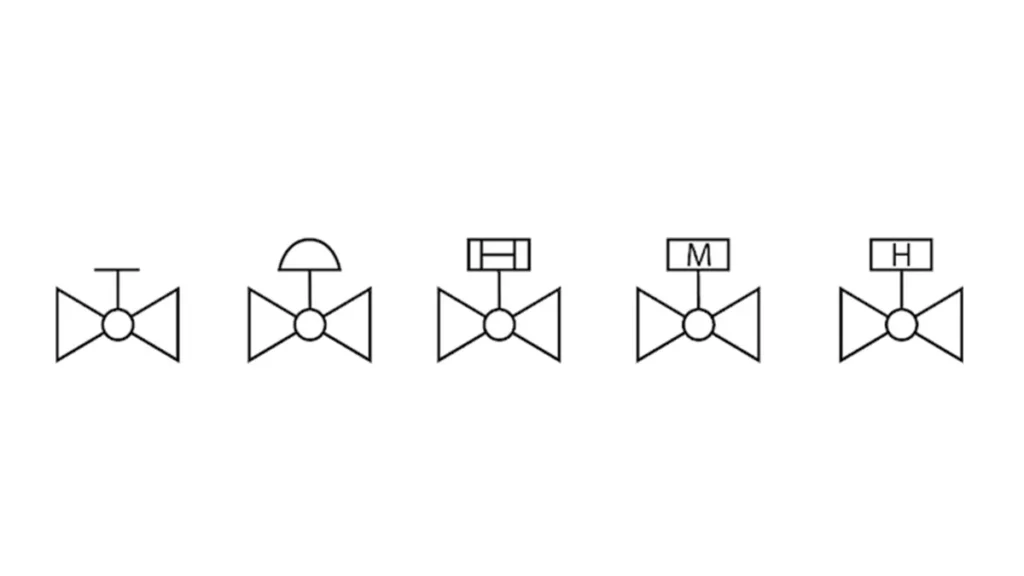
When you look at a hydraulic diagram, you might spot the hydraulic shut-off valve symbol. This symbol, made up of two triangles pointing at each other, tells you where oil flow can be stopped in a hydraulic system. It shows you what the valve does, not what it looks like. If you want to pick the right valve for your machine, you also need to know details like pressure, size, and material.
Key Takeaways
- The hydraulic shut-off valve symbol has two triangles facing each other. This shows where oil flow can be stopped.
- Knowing this symbol helps you see what the valve does in diagrams. It helps you design and fix hydraulic systems.
- Always look for extra marks near the symbol. These marks tell you more about the valve’s features and safety.
- Shut-off valves let you block parts of a hydraulic system. This makes repairs safer and faster. You do not need to turn off the whole system.
- Learn how shut-off valves are not the same as ball or check valves. This helps you avoid mistakes in your system.
- When you pick a valve, think about pressure rating, flow capacity, and fluid compatibility. This helps the system work its best.
- Practice reading hydraulic diagrams one step at a time. This builds your confidence and helps you avoid mistakes with valve symbols.
- Using standard symbols, like those from ISO 1219, keeps diagrams clear and the same everywhere.
Hydraulic Shut-Off Valve Symbol Overview
Symbol Definition
When you look at a hydraulic diagram, you will notice that each valve has its own unique symbol. The hydraulic shut-off valve symbol stands out because it uses two triangles pointing at each other. This simple shape tells you a lot about what the valve does.
- The triangles show the direction of oil flow. When they point at each other, they mean the flow can stop right there.
- Sometimes, you might see extra markings, like circles or lines, that give more details about how the valve works.
- Some symbols include letters, such as “FC” for fail-closed or “FO” for fail-open, to show what happens if the system loses power.
You can think of the symbol as a shortcut. It does not show you what the valve looks like on the outside. Instead, it tells you the main job of the valve—stopping the flow of oil in a hydraulic system.
Tip: Always check for extra lines or letters around the symbol. These can give you clues about special features or safety functions.
Purpose in Hydraulic Systems
You use a hydraulic shut-off valve to control and protect your system. The symbol helps you spot these valves quickly in any diagram. Here are some reasons why these valves matter:
- You can isolate parts of the system. This means you can work on one section without shutting down everything.
- During maintenance, you save time and oil by closing off just the area you need to fix.
- In an emergency, you can stop oil from leaking out. This keeps your workplace safe and protects the environment.
- If something goes wrong, you can use the valve to find the problem without taking apart the whole system.
- The valve gives you instant control. You can stop the flow right away if you need to.
- It acts as a safety guard. If something fails, the valve can prevent accidents or damage.
- Sensitive parts of your system stay safe from pressure spikes or dirty oil because the valve can block off trouble spots.
The hydraulic shut-off valve symbol does more than just mark a spot on a drawing. It helps you design safer systems, plan for emergencies, and follow important safety rules. When you use the right symbol, you make sure everyone understands how to keep the system running smoothly and safely.
Hydraulic Shut-Off Valve Symbol Diagram
Standard Symbol Elements
When you look at a hydraulic shut-off valve symbol, you see more than just shapes. Each part of the symbol tells you something important about how the valve works. The most common symbol uses two triangles pointing at each other. This shows that the valve can stop the flow of oil.
You might also see extra parts added to the symbol. Here are some things you may notice:
- A rectangle or circle can show if the valve moves in a straight line or turns.
- A diagonal arrow or a lightning bolt can mean the valve opens or closes by itself.
- Letters like “FC” or “FO” tell you if the valve stays closed or open when power is lost.
- Sometimes, you see a safety tag or a color code in digital diagrams.
Learning how to read a hydraulic valve diagram is all about thinking in terms of what the valve does, not what it looks like. The symbol is a special language that lets you understand how the system works, no matter where the drawing comes from.
Diagram Interpretation
You might wonder how to read these symbols in a real diagram. The arrangement of each symbol is very important. The symbol shows you how the valve works inside the hydraulic system. It does not show the outside shape. Instead, it tells you what happens to the oil flow.
The ISO 1219 standard makes sure that everyone uses the same kind of symbol. If you see a hydraulic shut-off valve symbol in a drawing from Germany, Japan, or the United States, it will look the same. This helps you avoid mistakes when you work with machines from different places.
When you look at a diagram, follow these steps:
- Find the symbol with two triangles pointing at each other.
- Look for extra lines, arrows, or letters around the symbol.
- Check if there is a rectangle, circle, or special tag.
- Read any labels, like “SDV” for shut-down valve or “FC” for fail-closed.
- Think about what the symbol tells you about the oil flow and the valve’s job.
- Valve symbols in P&ID act as the visual language that shows how fluid flows, stops, or is controlled throughout a plant.
- Each symbol carries specific meaning about a valve’s function and how it operates.
- Standardized symbol libraries help engineers, CAD designers, and technicians interpret design intent consistently across drawings, systems, and project documentation.
Symbol Area Meaning
Every part of the symbol has a job. You can break down the symbol into areas to help you understand what each part means. Here is a simple table to guide you:
| Symbol Area | What It Means |
|---|---|
| Two Triangles | Shows the valve can stop the flow of oil |
| Rectangle/Circle | Tells you if the valve moves straight or turns |
| Diagonal Arrow | Means the valve can open or close automatically |
| Safety Tag/Label | Gives extra info, like if the valve is for safety or what happens if power fails |
| Letters (FC/FO) | Shows if the valve stays closed or open when power is lost |
You can use this table when you look at a hydraulic diagram. It helps you label each part of the symbol and know what it means.
The arrangement of symbol elements in hydraulic shut-off valve diagrams is crucial for accurate interpretation. The symbols represent functional logic, so you can understand how the system works, not just what it looks like.
When you practice reading these symbols, you get better at finding the right valve and knowing how the hydraulic system will behave. You also avoid mistakes, even if you work with machines from other countries. The symbol is your guide to safe and smart system design.
Reading Hydraulic Shut-Off Valve Symbol
Step-by-Step Guide
Reading a shut-off valve symbol in a hydraulic diagram can feel tricky at first. You can break it down into simple steps. Here’s a guide to help you:
- Find the power source and the return line. These show where the oil starts and ends.
- Look for the main control valves. These are usually bigger symbols in the diagram.
- Trace the flow paths. Follow the lines to see where the oil goes in each state.
- Check for pilot circuits. These smaller lines control how the main valves work.
- Spot safety and protection elements. These keep the system safe if something goes wrong.
- See how all the parts work together. Try to picture how the oil moves and what each valve does.
Tip: Take your time with each step. If you get stuck, start over and follow the lines again. Practice makes it easier!
Identifying in Schematics
You might wonder how to spot a shut-off valve symbol in a real diagram. Look for two triangles pointing at each other. This is the most common sign. Sometimes, you will see extra shapes or letters around it. These give you more details about how the valve works.
Here are some tips to help you:
- Check for labels like “SDV” or “FC.” These tell you if the valve is a shut-down valve or if it fails closed.
- Notice if the symbol sits inside a box with a dashed line. This means it is part of a bigger valve group.
- Follow the lines connected to the symbol. These show where the oil comes from and where it goes.
- Remember, the layout in the diagram does not match the real-life location of the valve. The drawing shows how things work, not where they sit.
Note: Always look for extra arrows or lines. These can show if the valve opens by itself or needs a signal.
Common Mistakes
Even experienced people make mistakes when reading hydraulic diagrams. You can avoid these common errors if you know what to watch for:
- Mixing up relief valves and reducing valves. Relief valves sense pressure at the inlet and stay closed until needed. Reducing valves sense pressure at the outlet and stay open. Always check the pilot and drain lines.
- Forgetting to check the neutral condition. The neutral state shows what happens when the system is idle. Make sure you know how the valves sit when nothing is moving.
- Missing pilot circuit restrictions. Trace all the small lines. If you skip them, you might think a valve is broken when it is not.
- Thinking the diagram shows real-life locations. The drawing is only a map of how things work, not where they are.
- Ignoring drain lines. If drain lines get blocked, the valve may not work right.
- Confusing load-holding circuits. Look closely at the symbols to tell pilot-operated check valves from counterbalance valves.
- Overlooking chain-line boxes. These boxes mean the valves inside are part of one assembly. You should service them together.
Remember: Double-check each symbol and line. If you are not sure, ask someone or look up the symbol in a standard chart.
You can read any hydraulic diagram with practice and patience. Start with the basics, look for the key symbols, and watch out for common mistakes. Soon, you will feel confident reading even the most complex diagrams.
Shut-Off Valve Symbol vs Ball Valve Symbol
Symbol Comparison
You might see both shut-off valves and ball valves in hydraulic diagrams. They look different, and each one tells you something special about how the system works. Let’s break down the differences so you can spot them fast.
Here’s a simple table to help you compare:
| Valve Type | Symbol Description |
|---|---|
| Hydraulic Shut-Off Valve | Two triangles pointing at each other. Sometimes, you see arrows or springs added. |
| Ball Valve | A circle with a line through the middle. This shows the ball and its central bore. |
When you look at a valve symbol, notice the shapes. Ball valves always use a circle with a line. This line stands for the hole in the ball. Hydraulic shut-off valves use two triangles. Sometimes, you see extra arrows or even a spring in the symbol. These extra marks show how the valve works or if it closes by itself.
Tip: If you see a circle with a line, you’re looking at a ball valve. If you see two triangles, you’ve found a shut-off valve.
Function Differences
You use these valves for different jobs. A ball valve gives you quick on-off control. You turn the handle, and the ball inside opens or blocks the flow. Ball valves work well when you need to stop or start oil flow fast. They are simple and strong.
A hydraulic shut-off valve does more than just open or close. You use it to isolate parts of your system. This helps during repairs or emergencies. Sometimes, the shut-off valve symbol shows extra features, like springs or arrows. These tell you if the valve closes by itself or needs a signal.
When you read a schematic, always check the valve symbol. Ball valves and shut-off valves may look similar at first, but their symbols and jobs are not the same. Ball valves focus on quick shut-off. Shut-off valves help you control, protect, and isolate parts of your system.
Remember: The right valve symbol helps you pick the right valve for your job. It also keeps your system safe and easy to fix.
Shut-Off Valve Symbol vs Check Valve Symbol
Symbol Comparison
When you look at a hydraulic diagram, you might see both shut-off valves and check valves. These two symbols can look similar at first, but they mean very different things. If you want to avoid mistakes, you need to know how to spot the difference right away.
Here’s a quick table to help you compare the two:
| Valve Type | Symbol Description |
|---|---|
| Shut-off Valve | Two adjoining triangles, sometimes with a ‘T’ to show the handle. |
| Check Valve | Small circle inside a wedge, showing a ball in a conical seat. |
You can see that the shut-off valve uses two triangles that touch each other. Sometimes, you might notice a ‘T’ shape on top. That ‘T’ stands for the handle you use to turn the valve on or off. The check valve looks different. It has a small circle inside a wedge. That circle stands for a ball, and the wedge shows the seat where the ball rests.
Tip: If you see two triangles, you’re looking at a shut-off valve. If you spot a circle inside a wedge, that’s a check valve.
Distinguishing Features
You might wonder why it matters to tell these symbols apart. Each valve does a special job in your hydraulic system. The shut-off valve lets you stop the flow of oil completely. You use it when you want to isolate part of the system for repairs or safety. The check valve works like a one-way door. Oil can flow in one direction, but not the other. This keeps oil from flowing backward and causing problems.
Here’s how you can tell them apart in a schematic:
- Look for the triangles. Two triangles touching each other always mean a shut-off valve.
- Check for the ‘T’ handle. If you see it, you know the valve can be turned by hand.
- Find the circle in the wedge. This is the classic sign of a check valve.
- Notice the direction of flow. The check valve symbol points in one direction only. The shut-off valve does not show a preferred direction.
You might see both valves close to each other in a diagram. Don’t get confused! The shut-off valve gives you control to stop the flow whenever you want. The check valve only lets oil move one way, and it does this automatically.
Note: Always double-check the symbol before you start work. Picking the wrong valve can lead to leaks, pressure problems, or even damage to your system.
When you practice reading these symbols, you get faster and more confident. Soon, you’ll spot the difference in seconds and know exactly what each valve does in your hydraulic system.
Shut-Off Valve Symbol vs Throttle Valve Symbol
Symbol Comparison
You might see both shut-off valve and throttle valve symbols in hydraulic diagrams. They look different, and each one tells you something special about how the valve works. Let’s break down the main differences so you can spot them quickly.
Here’s a simple table to help you compare:
| Valve Type | Symbol Description |
|---|---|
| Shut-Off Valve | Two triangles pointing at each other. Sometimes, you see a “T” for the handle. |
| Throttle Valve | A single triangle with a line crossing through the tip. This shows flow restriction. |
When you look at a shut-off valve symbol, you’ll notice two triangles touching each other. This means you can stop the flow completely. Sometimes, you’ll see a “T” shape on top, which stands for the handle you turn.
A throttle valve symbol looks different. It uses one triangle, and there’s a line cutting through the tip. That line means the valve can slow down or control the flow, but not stop it all the way.
Tip: If you see two triangles, you’re looking at a shut-off valve. If you see one triangle with a line through the tip, that’s a throttle valve.
Application Differences
You use these valves for different jobs in your hydraulic system. A shut-off valve gives you full control to stop oil flow. You use it when you want to isolate a part of the system for repairs or safety. It’s like a gate that you can open or close all the way.
A throttle valve works more like a dimmer switch. It lets you adjust how much oil flows through, but it never stops the flow completely. You use a throttle valve when you want to control the speed of a cylinder or motor. It helps you fine-tune how fast things move.
Let’s look at some key differences:
- Shut-off valves are best when you need to block flow for maintenance, emergencies, or safety.
- Throttle valves are great when you want to control speed or flow rate, but you don’t need to stop the flow.
When you choose between these valves, you need to think about what your system needs. If you want to stop oil flow, pick a shut-off valve. If you want to slow things down or adjust speed, go with a throttle valve.
The choice depends on your application. You have to consider things like pressure, flow demand, and how fast you need the valve to respond. No single valve works for every job. You need to balance what you want to control with how simple or complex you want your system to be.
Note: Always match the valve to your system’s needs. The right choice keeps your machine safe and running smoothly.
When you read a hydraulic diagram, look for these symbols. Knowing the difference helps you pick the right valve and avoid mistakes. You’ll keep your system working the way you want, without adding extra trouble.
Applications in Hydraulic Schematics
Typical Uses
You see shut-off valves in almost every hydraulic diagram. These valves play a big role in keeping machines safe and easy to fix. You might wonder why they matter so much. Here are some common ways you use them:
- You can stop or cut off fluid flow completely. This helps when you need to work on a part of the system.
- You keep workers safe during maintenance. You close the valve, and the rest of the machine keeps running.
- You act fast in emergencies. If something goes wrong, you shut the valve and stop damage or accidents.
- You find these valves in many industries. Factories, farms, and construction sites all use them to control machines and keep things safe.
You might not notice these valves when everything works fine. When you need to fix something or stop a leak, you see how important they are. They give you control and peace of mind.
Tip: Always check your diagram for shut-off valves before you start repairs. This saves time and keeps you safe.
Example Locations
You can spot shut-off valves in different places on a schematic. They often sit in key spots where you need to control or block the flow. Here are some places you might find them:
- Main supply line: You often see a shut-off valve right after the pump. This lets you stop all flow into the system if you need to.
- Branch circuits: You find them on lines that split off to different tools or cylinders. This helps you work on one part without shutting down the whole machine.
- Before sensitive equipment: You place a valve before filters, pressure switches, or sensors. This protects these parts during cleaning or replacement.
- Return lines: Sometimes, you see a shut-off valve on the return path to the tank. This helps you test or isolate problems.
- Emergency stops: Some diagrams show a special shut-off valve for emergencies. You use this to stop everything fast if there is a leak or other danger.
You might see these valves marked with labels like “SDV” (shut-down valve) or “ISV” (isolation valve). The symbol always shows you where you can take control.
Note: If you learn to spot these valves on a schematic, you can plan repairs, upgrades, or safety checks much faster.
You use shut-off valves to make your hydraulic system safer and easier to manage. Knowing where to find them helps you keep everything running smoothly.
Valve Selection from Hydraulic Symbol
Information Needed
When you look at a valve symbol in a diagram, you might think picking the right valve is easy. In reality, you need more than just the symbol. You have to gather some key details before you choose the best valve for your system. Here’s what you should check:
- Pressure rating and flow capacity. Make sure the valve can handle the highest pressure in your system. It also needs to let enough oil flow when it is fully open.
- Hydraulic fluid compatibility. Not all valves work with every fluid. You need to pick seal materials that match your hydraulic fluid. This keeps the valve from wearing out too soon.
- Environmental factors. Think about where the valve will go. Will it face hot or cold temperatures? Will there be dust or water nearby? These things can change how the valve works.
- Installation and maintenance. Look at how you will mount the valve. Can you reach it for repairs? Good placement makes maintenance much easier.
Here’s a quick table to help you remember what to ask for when you need a quote:
| Quote Information | Why It Matters |
|---|---|
| Pressure rating | Prevents leaks or bursts under high pressure |
| Flow capacity | Ensures oil moves freely without slowing down the system |
| Fluid compatibility | Stops seals from breaking down and keeps the valve working longer |
| Temperature range | Makes sure the valve works in hot or cold places |
| Mounting and access | Helps with easy installation and future repairs |
Tip: Always double-check these details before you order a valve. The right info saves you time and money.
Matching Symbol to Product
Now, let’s talk about how you match a valve symbol to a real product. The symbol in your diagram tells you what kind of valve you need, but you still have to pick the exact model.
- Look for special marks on the valve symbol. Sometimes, you see a wavy line or the letter “H.” These show if the valve uses a hydraulic actuator.
- A double-line arrow in the symbol points out the path the oil will take. This helps you pick a valve with the right flow direction.
- Check the symbol for extra features. Some symbols show if the valve closes by itself or needs a signal to move.
- Use the symbol as your guide, but always match it with the details you gathered earlier. This way, you get a valve that fits your system and works the way you want.
If you ever feel unsure, ask your supplier for help. Show them the valve symbol and your list of requirements. They can help you find the perfect match for your machine.
Note: Understanding the valve symbol makes it much easier to choose the right valve and avoid mistakes in your hydraulic system.
Conclusion
You have learned why the hydraulic shut-off valve symbol is important. This symbol helps everyone read diagrams and plan safe systems. Using the right symbol makes it easy for your team to understand the design. It also helps keep repairs simple. But picking a real valve is not just about the symbol. You must check things like pressure, size, material, and seals. If you need help choosing or changing a valve, Chenyang Hydraulic can help by looking at your drawings and needs.
FAQ
What does the hydraulic shut-off valve symbol look like?
You see two triangles pointing at each other. This shows where you can stop oil flow in a hydraulic system. The symbol tells you the valve’s function, not its shape.
Why do you need shut-off valves in hydraulic systems?
You use shut-off valves to isolate parts of your system. This makes repairs safer and faster. You also protect your equipment during emergencies.
How can you tell a shut-off valve symbol from a check valve symbol?
Look for two triangles touching each other for shut-off valves. Check valves use a circle inside a wedge. Each symbol shows a different function.
Can you use the symbol to pick the right valve?
You start with the symbol, but you need more info. Check pressure, size, material, and fluid compatibility before you choose a valve for your system.
Where do you usually find shut-off valves in a hydraulic diagram?
You spot them near pumps, branch lines, and before sensitive equipment. They help you control flow and isolate sections for maintenance.
What happens if you misread a valve symbol?
You might pick the wrong valve or miss a safety feature. Always double-check symbols and labels. This keeps your system safe and working right.
Are hydraulic shut-off valve symbols the same worldwide?
Yes! The ISO 1219 standard makes sure you see the same symbol in diagrams from different countries. This helps you avoid confusion.
Who can help you select or customize a hydraulic shut-off valve?
Chenyang Hydraulic can help you match the symbol to the right valve. You just share your drawing and requirements. They guide you through the process.