
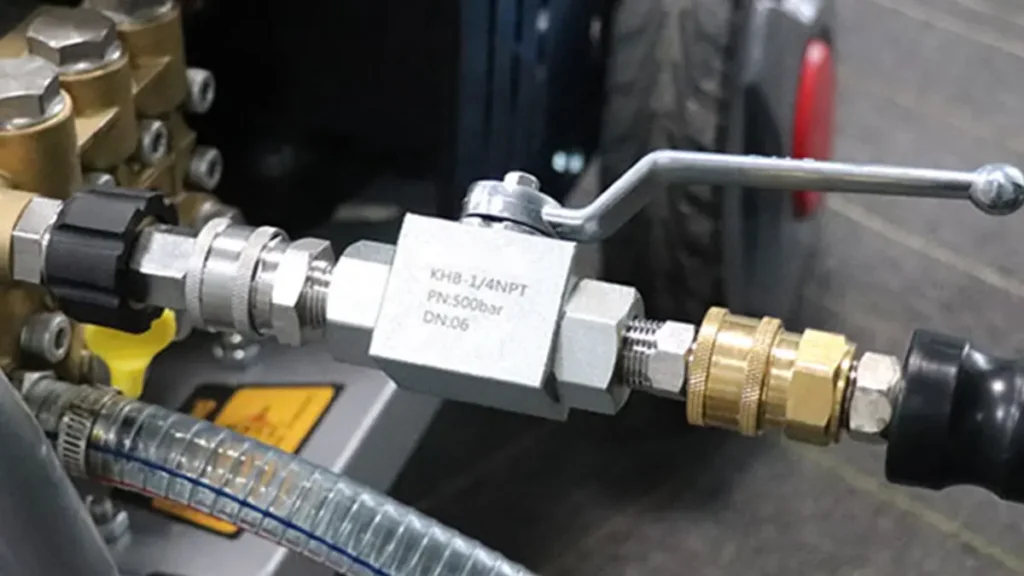
To ensure optimal performance of your hydraulic system, proper Ball Valve Installation is crucial. Errors such as misreading the handle position or leaving the valve partially open can lead to leaks or pressure issues, potentially causing the pump to malfunction. In fluid control systems, selecting the appropriate valve and adhering to installation instructions is vital. Always verify the pressure rating, seal compatibility, and thread type, as these factors are essential in preventing problems and maximizing system efficiency.
Key Takeaways
- Always check the valve size and pressure rating first. This helps the valve work well and stops leaks.
- Pick the right materials for valves and seals. The materials must work with hydraulic fluids to stop problems.
- Check the connection and thread types before you start. Using the wrong threads can cause leaks and cost money to fix.
- Make sure there is enough space for the handle to move. Good space makes it easy to use and fix the valve.
- Always let out system pressure before you begin. This keeps you safe and stops accidents from happening.
- Use Teflon tape or pipe dope on the threads. This helps seal the threads and stops leaks.
- Test for leaks after you finish installing the valve. A simple leak test can help you avoid future trouble and keep the system safe.
- Follow the maker’s rules for how tight to make things. Tightening things right stops damage and keeps the seal strong.
Pre-Installation Checks
Valve Size and Pressure Rating
Check the valve size and pressure rating before you start. The right size helps your hydraulic system work well. If the valve is too small, pressure can drop. This can hurt the system. If the valve is too big, you lose control of the flow. The system will not work as well.
Pressure rating matters a lot too. Most hydraulic ball valves handle up to 6,000 PSI. Some special valves can go over 10,000 PSI. If you use a valve with a low pressure rating, it can break. This can cause leaks or even accidents.
Here is a simple checklist to use before you install:
| Step | Description |
|---|---|
| 1 | Confirm valve size and pressure rating |
| 2 | Ensure connection integrity and sealing |
| 3 | Conduct pressure testing and commissioning |
| 4 | Perform a visual leak check and handle test |
| 5 | Document all findings and tests conducted |
Doing these steps helps you avoid mistakes. It keeps your system safe and working well.
Material and Seal Compatibility
Choosing the right material for your valve and seals is important. Different materials react in different ways with hydraulic fluids. Steel, brass, bronze, and stainless steel are common valve materials. Each one works best with certain fluids and conditions.
You also need to pick the right seal. The wrong seal can cause leaks or make the valve fail. Here is a table that shows common seal materials and how they do:
| Seal Material | Compatibility | Failure Modes |
|---|---|---|
| Nitrile (NBR) | Great with petroleum-based oils | Seal failure from degradation |
| Viton (FKM) | Works well with many chemicals | Cracking and hardening |
| EPDM | Good with water and steam | Swelling and softening |
| PTFE | Excellent with almost all fluids | Distortion and leakage |
| Polyurethane | Best in dry environments | Moisture absorption damage |
If you use the wrong materials or seals, you will have problems. You might have more downtime, dirty systems, higher costs, and safety risks. Always match your valve and seal materials to your hydraulic fluid.
Connection and Thread Type
Check the connection and thread types before you put in your valve. If you mix up thread standards or use the wrong connection, you can get leaks or damage. Your hydraulic system needs tight seals. If the threads do not match, you will have trouble.
Here are some problems if thread types do not match:
- Poor sealing ability
- System damage
- Leakage
- Device failure
- Increased downtime
- Costly repairs or replacements
Know if your system uses BSP, NPT, metric threads, or flanges. The right connection type helps your hydraulic system work well.
Following these steps helps you avoid problems. It makes sure your valve works the right way.
Installation Space and Handle Direction
Before you install a ball valve, take a good look at the space around your pipes. You want to make sure you have enough room to fit the valve and move the handle. If you skip this step, you might run into trouble later. You could block the handle or make it hard to reach the valve for repairs.
Let’s break down what you need to check. First, measure the area where you plan to put the valve. Don’t just eyeball it. Use a tape measure and check the distance from the pipe to the wall or any nearby equipment. You need at least one inch of space around the valve. This gives you enough room to turn the handle without bumping into anything.
Here’s a quick table to help you remember the key space requirements:
| Requirement | Details |
|---|---|
| Minimum radial clearance | 1 inch from adjacent piping or structures |
| Access space | Room around handwheel or actuator |
| Maintenance access | Space for coupling removal |
| Support bracket clearances | Enough space for support brackets |
You also want to think about how you will use the handle. The handle should move freely from open to close. If something blocks the handle, you might not be able to shut off the flow in an emergency. That’s a big safety risk. Always check that the handle can move its full range. Try turning it before you tighten everything down.
Here are some tips to make sure you get it right:
- Make sure you can operate the valve without anything in the way.
- Leave enough space for your hand to grip and turn the handle.
- Check that you can reach the valve for future maintenance.
- Plan for support brackets if your system needs them.
Handle direction matters too. Most ball valves use a lever handle. When the handle lines up with the pipe, the valve is open. When the handle sits across the pipe, the valve is closed. You want the handle to point in a direction that makes sense for your system. Think about which way is easiest for you or your team to see and use.
If you install the valve in a tight spot, you might need a different handle style. Some valves come with T-handles or gear operators for small spaces. Ask your supplier if you’re not sure what works best.
Don’t forget about maintenance. You’ll need to remove the valve someday for cleaning or repairs. Make sure you leave enough room to take off couplings or bolts. If you crowd the valve, you’ll make future work much harder.
Taking time to plan your installation space and handle direction will save you headaches later. You’ll keep your hydraulic system safe, easy to use, and simple to maintain.
Ball Valve Installation Steps
System Shutdown and Pressure Release
Before you start any ball valve installation, always shut down your hydraulic system. This step keeps you safe and protects your equipment. First, turn off the power to the pump or motor. Next, close any upstream valves to stop fluid from flowing into the section you want to work on. Now, release the pressure in the line. You can do this by slowly opening a drain valve or a bleed screw. Never skip this step. If you leave pressure in the system, you risk injury or damage when you remove old valves or fittings.
Tip: Always double-check that the pressure gauge reads zero before you begin. If you are not sure, use a rag and open the line slowly to catch any leftover fluid.
Prepare Pipe Ends and Threads
Once the system is safe, you can get the pipes ready for the new valve. Start by inspecting the pipe ends and threads. Look for dirt, rust, old sealant, or metal shavings. Clean everything with a wire brush or a clean rag. If you see any damage, fix it before you move on. Clean threads help you get a secure seal and prevent leaks.
Here’s a simple step-by-step guide to help you prepare the pipe ends and threads:
- Check the ball valve ports and seating surfaces for dirt or debris.
- Inspect the threads on both the valve and the pipe. Make sure they are clean and not damaged.
- Remove any old tape, sealant, or rust from the threads.
- Wipe the area with a clean cloth to remove dust or shavings.
- Make sure the pipe and valve threads match (BSP, NPT, or metric). If they do not match, do not force them together.
Note: Clean and matching threads make the rest of the installation much easier and help you avoid leaks later.
Apply Teflon Tape or Pipe Dope
Now it’s time to seal the threads. You have two main options: Teflon tape (also called PTFE tape) or pipe dope (thread sealant paste). Both work well for filling tiny gaps in the threads and stopping leaks. The choice depends on your application.
Here’s a quick table to help you decide:
| Feature | Pipe Dope (Thread Sealant Paste) | PTFE Tape (Teflon Tape) |
|---|---|---|
| Best For | Large fittings, high-pressure | Small fittings, DIY, water |
| Cleanliness | Can be messy if over-applied | Dry and clean to apply |
| Pressure Rating | High psi, varies by product | Up to 10,000 psi (varies) |
If you work with a high-pressure hydraulic system or large fittings, pipe dope gives you extra sealing strength. For smaller fittings or quick jobs, Teflon tape is clean and easy to use.
To apply Teflon tape, wrap it around the male threads in the same direction you will screw the valve on. Usually, two or three wraps are enough. Press the tape into the threads as you go. If you use pipe dope, spread a thin, even layer over the male threads. Avoid getting sealant inside the pipe, as this can clog your system.
Tip: Don’t overdo it. Too much tape or paste can make it hard to tighten the valve and may cause leaks.
A proper installation starts with clean threads and the right sealant. This step helps you get a secure seal and keeps your hydraulic system leak-free.
Attach the Ball Valve
Now you’re ready to attach the ball valve. Hold the valve in your hand and line it up with the prepared pipe ends. Start threading the valve onto the pipe by hand. Turn it slowly and make sure it goes on smoothly. If you feel resistance or the threads don’t match, stop right away. Forcing the valve can damage the threads and cause leaks later.
Keep turning the valve until it feels snug. You want the valve to sit straight on the pipe. If it looks crooked, back it off and try again. A straight fit helps you get a secure seal and makes the next steps easier.
Tip: Always support the valve body as you thread it on. This keeps you from putting too much stress on the pipe or the valve itself.
Align and Secure the Valve
Once you attach the ball valve, you need to check for proper alignment. This step is very important for your hydraulic system. If you skip it, you might run into problems later. Here’s what can happen if you don’t align the valve correctly:
- Leaks can form, which lowers the system’s integrity.
- Seals and valve parts can wear out faster than normal.
- Flow might get blocked or restricted, hurting performance.
- Cavitation can start, which damages valve parts over time.
- Erosion or corrosion can get worse if materials don’t match up.
- Pressure imbalances can lead to more cavitation and damage.
- Seals that don’t sit right may wear out and let in dirt or fluid.
- If you use an actuator, it might not work well if the valve is crooked.
To avoid these issues, always make sure the valve lines up with the pipe. The valve body should sit straight, and the handle should move easily. If you see the valve leaning or twisted, loosen it and try again. Take your time with this step. Good alignment helps your ball valve installation last longer and work better.
Note: If you plan to use support brackets, now is a good time to add them. They help keep the valve steady and reduce stress on the pipes.
Tighten Connections Properly
After you align the valve, it’s time to tighten the connections. This step helps you get a secure seal and keeps your hydraulic system leak-free. Start by hand-tightening the valve until it feels firm. Don’t use tools yet. Hand-tightening helps you avoid cross-threading and makes sure the valve sits right.
Next, grab your torque wrench. You want to tighten using a torque wrench to the value recommended by the valve manufacturer. This tool helps you avoid two big problems:
- Over-tightening can bend or crush the fittings and pipes. This can cause leaks or even make the pipe burst.
- Under-tightening can leave gaps, which lets fluid leak out and lowers system pressure.
Many people think tighter is always better, but that’s not true. Too much force can damage the valve and the pipe. Not enough force means you won’t get a good seal. Always follow the manufacturer’s torque specs for your valve.
Here’s a quick checklist for tightening:
- Hand-tighten the valve first.
- Use a torque wrench for final tightening.
- Follow the torque value in the valve’s manual.
- Check that the valve does not twist or move as you tighten.
- Inspect the seal area for gaps or bulges.
Alert: Never use pipe wrenches or pliers for final tightening. These tools can crush the valve body or damage the threads.
When you finish, look over your work. The valve should feel solid and not wiggle. The handle should move freely. You’ve now finished the core steps of ball valve installation and set yourself up for a leak-free hydraulic system.
Check Handle Clearance
After you tighten the valve, check the handle clearance. This step is important for safety and easy use. If you skip it, the hydraulic system might be hard to use or even unsafe. You need to make sure you can grab and turn the handle without hitting pipes, walls, or other valves.
Look at where the handle is. Can you reach it easily? You should not have to stretch or climb. If you use the valve a lot, keep the handle about 1.2 meters (almost 4 feet) above the ground. This height is good for most people. If the valve is higher than 1.8 meters (about 6 feet), you may need a platform or ladder. This helps you reach the handle safely. If the valve is high up and not used much, a chain wheel lets you open or close it from the ground.
Here’s a table to help you remember the best ways to check handle clearance:
| Recommendation | Details |
|---|---|
| Handle Height | Ideally 1.2 meters above ground; if over 1.8 meters, use a platform for frequent operation. |
| High Valves | For valves over 1.8 meters and infrequent use, use chain wheels or ladders. |
| Clearance | Handwheel clearance should not be less than 100mm; stagger closely spaced valves for access. |
If you put more than one valve close together, make sure the handles do not hit each other. Stagger the valves or leave extra space. This way, you can turn each handle all the way. Always check that the handle lines up with the pipe. If the handle feels stuck or blocked, adjust the valve before you finish.
Good handle clearance makes maintenance easier and safer. You will be glad you checked when you need to shut off the flow fast or fix something quickly.
Lockout for Safety (Optional)
Sometimes, you need to stop anyone from turning the valve while you work. Lockout devices help with this. These tools keep the valve in one spot—open or closed. No one can move it by accident during repairs.
Why use a lockout? It keeps everyone safe. Lockout devices stop people from opening or closing the valve when they should not. This stops dangerous leaks, spills, or sudden energy bursts. You protect yourself and your team from getting hurt.
Here is how lockout devices help during ball valve installation and maintenance:
- They stop anyone from turning the valve by mistake.
- They keep the valve in place, so you do not get sudden fluid bursts.
- They help you follow safety rules at work or on job sites.
Check out this table for a quick look at the benefits:
| Evidence Description | Key Benefit |
|---|---|
| Lockout devices prevent unintended operation of valves during maintenance activities. | Reduces the risk of hazardous energy releases, preventing accidents or injuries. |
| Valve lockouts ensure valves remain in a fixed position. | Eliminates the risk of spills, leaks, or other hazardous incidents during maintenance. |
| Engineered to isolate valves during servicing. | Essential for safeguarding workers against unexpected energy releases in various environments. |
If you do regular maintenance or work in a busy place, using a lockout device is smart. You can buy lockout kits that fit most ball valves. Just put the device over the handle and lock it with a padlock. Only the person with the key can move the valve.
Remember, safety is always most important. Taking a few extra minutes to lock out your valve can stop big problems later.
Flow Direction and Handle Position
Understanding Flow Direction
You want your hydraulic system to work right every time. That means you need to pay attention to flow direction when you install a ball valve. Most valves have an arrow or a mark on the body. This shows you which way the fluid should move. If you put the valve in backward, you might block the flow or cause leaks. Always look for the arrow before you tighten things down.
Sometimes, you will not see an arrow. In that case, check the handle. When the handle lines up with the pipe, the valve is open. When it sits across the pipe, the valve is closed. This simple rule helps you know if the fluid can move or not.
Tip: If you are not sure about the flow direction, ask your supplier or check the manual. It is better to double-check than to fix a mistake later.
Handle Position Indicators
You can use different ways to tell if a valve is open or closed. Some are easy to see. Others use special markers or windows. Here is a table to help you spot the most common indicators:
| Indicator Type | Description |
|---|---|
| Color-Coded Handles | Red or green labels show open (green) or closed (red) positions. |
| Visual Windows | Small windows let you see if the ball’s hole lines up with the flow path. |
| Mechanical Position Markers | Raised or engraved marks show the current position of the valve. |
| Handle Alignment | Handle parallel to the pipe means open; perpendicular means closed. |
You might see color-coded handles in busy places. Green means go, red means stop. Some valves have a small window. You can peek inside and see if the hole is open. Raised marks or lines on the handle also help. These let you feel the position, even if you cannot see it well.
If you work in a dark or crowded spot, use a valve with clear markers. This makes your job safer and faster.
Vertical vs. Horizontal Installation
You can install a ball valve in a vertical or horizontal pipe. Both ways work, but you need to think about a few things. In a horizontal pipe, the handle usually sits on top. This makes it easy to see and turn. In a vertical pipe, the handle might point sideways or up. Make sure nothing blocks the handle.
Here are some quick tips for both setups:
- In horizontal pipes, keep the handle on top for easy access.
- In vertical pipes, check that gravity will not move the handle by accident.
- Always leave enough space to turn the handle all the way.
- If you use an actuator, follow the maker’s guide for best results.
Some people worry about installing valves upside down. Most ball valves work fine in any direction. Just make sure you can reach and see the handle. If you plan for easy use, you will have fewer problems later.
Remember, a good installation makes your system safer and easier to use every day.
Thread and Connection Types
When you install a ball valve in your hydraulic system, you need to pay close attention to the threads and how everything connects. If you get this part wrong, you might end up with leaks or even damage to your equipment. Let’s look at the most common thread types and how to make sure your connection is solid.
BSP, NPT, and Metric Threads
You will see three main thread types in hydraulic systems: BSP, NPT, and metric. Each one has its own shape and way of sealing.
- BSP (British Standard Pipe) threads have a rounded profile. They are common in Europe and Asia.
- NPT (National Pipe Tapered) threads have a tapered shape. You find these mostly in North America.
- Metric threads use millimeters for size. They are popular in many modern machines.
If you try to screw a BSP thread into an NPT fitting, it might seem to fit at first. But the seal will not be tight. This can cause leaks. Always check the markings on your valve and pipes before you start. If you are not sure, ask your supplier or look at the product manual.
Here’s a quick table to help you spot the differences:
| Thread Type | Shape | Common Location | Sealing Method |
|---|---|---|---|
| BSP | Rounded | Europe, Asia | Washer or O-ring |
| NPT | Tapered | North America | Thread sealant |
| Metric | Straight | Worldwide | O-ring or washer |
Flange and Custom Connections
Sometimes, you will see flanged connections instead of threaded ones. Flanges use bolts and a gasket to make a strong seal. You often find these in larger pipes or high-pressure systems. Flanged connections make it easy to remove or replace a valve without cutting the pipe.
Custom connections also exist. Some machines use special fittings or adapters. If you have a custom connection, always follow the instructions from the manufacturer. This helps you avoid leaks and keeps your system safe.
Tip: When you work with flanges, always use a new gasket. Tighten the bolts in a crisscross pattern for the best seal.
Avoiding Thread Mixing
Mixing thread types is one of the most common mistakes in hydraulic work. It can lead to big problems. Here are some issues you might face if you mix NPT and BSP threads:
- You might see leaks at the joint because the threads do not seal well.
- The threads can get damaged, making future repairs harder.
- Your system could lose pressure, which hurts performance.
Always match the thread type on your valve to the pipe or fitting. If you need to connect different thread types, use a proper adapter. Never force threads together. If you feel resistance, stop and check the parts.
Remember, taking a few extra minutes to check your threads and connections can save you hours of repair work later.
Common Installation Mistakes
Skipping Pressure Release
A big mistake is not letting out the pressure before you install a ball valve. If you skip this, fluid can spray out fast when you take off pipes or valves. This can hurt people or break your equipment.
Always turn off the system and let out the pressure slowly. Open a drain valve or bleed screw to do this. Check the pressure gauge to make sure it says zero before you start. Doing this keeps you and your team safe from sudden fluid bursts.
Never think the system has no pressure. Even if the pump is off, pressure can still be trapped inside the pipes.
If you skip this step, you might get leaks or damage the valve seat. Pressure left inside can push seals out or move the valve. This makes the seal bad and means you will need more repairs later.
Wrong Pressure Rating
Using a valve with the wrong pressure rating is a common problem in hydraulic systems. If the valve’s pressure rating is too low, it can crack or leak when the system runs. This puts your whole system in danger.
If you pick a valve with a much higher rating than your system, it might not work well. Big valves can be hard to use and may cause dead spots or backpressure. These problems can make the system get too hot or even shut down.
Here are some tips to help you avoid pressure rating mistakes:
- Make sure the valve’s pressure rating matches or is higher than your system’s top pressure.
- Do not use valves that are too small or too big for your flow.
- Always check the manufacturer’s specs before you buy.
A valve that fits your system pressure keeps the flow steady and stops leaks or damage. It also means you will not need to fix or check it as often.
Mixing Thread Standards
Mixing thread types is a sneaky mistake that causes leaks and damages threads. For example, putting a BSP valve into an NPT pipe might look like it fits, but the seal will not last. This causes leaks, pressure loss, and expensive repairs.
Always check the thread type on both the valve and the pipe before you start. Common thread types are BSP, NPT, and metric. If you need to join different thread types, use the right adapters made for that job.
Here is what happens if you mix threads:
- Bad sealing that leads to leaks
- Damaged threads that make repairs harder
- Pressure drops that make the system work worse
Pro tip: Never force threads together. If it feels hard to turn, stop and check the parts again.
Matching threads the right way helps your valve fit well and keeps your hydraulic system from leaking. It also saves you time and money on repairs and stops long downtimes.
If you avoid these mistakes, your hydraulic system will last longer and work better. Maintenance is easier when valves fit right and work as they should. Checking pressure, ratings, and threads before you start will help you in the future.
Over-Tightening
You might think that making a connection as tight as possible is the best way to stop leaks. That sounds right, but it can actually cause big problems in your hydraulic system. Over-tightening a valve does not make it safer. It can damage the threads, crush the seals, or even crack the valve body. When you use too much force, you put stress on the metal. This stress can lead to leaks or even sudden failure later.
Let’s look at what happens when you over-tighten:
- Threads can strip or become damaged. This makes it hard to remove or replace the valve in the future.
- Seals can get squished out of place. When this happens, the seal cannot do its job, and leaks start.
- The valve body can crack. Cracks are hard to see at first, but they can grow and cause a big mess.
- You might warp the pipe or fitting. This makes the whole system weaker.
Tip: Always use a torque wrench if you can. The manufacturer gives you a torque value for a reason. Stick to it for the best results.
Here’s a quick table to show you the difference between proper tightening and over-tightening:
| Action | Result | What to Watch For |
|---|---|---|
| Hand-tighten first | Good alignment, easy start | Valve sits straight |
| Use torque wrench | Correct seal, no damage | No leaks, no cracks |
| Over-tighten | Damaged threads, leaks, cracks | Hard to turn, leaks appear |
If you do not have a torque wrench, tighten the valve by hand until it feels snug. Then use a wrench to give it a small extra turn—usually a quarter turn is enough. Stop if you feel strong resistance. Forcing it more will not help.
You want your hydraulic system to last a long time. Over-tightening shortens the life of your valve and makes repairs harder. Take your time, follow the instructions, and trust the tools. Your system will thank you with fewer leaks and less downtime.
Insufficient Handle Clearance
Have you ever tried to turn a valve handle and found your hand stuck between pipes or the wall? That’s a common problem in hydraulic systems. If you don’t leave enough space around the handle, you might not be able to open or close the valve when you need to. This can slow you down during emergencies or make regular maintenance a real pain.
You should always check the area around the valve before you finish the installation. Make sure nothing blocks the handle. If you have pipes, walls, or other equipment nearby, measure the space. You want to be able to grab the handle and turn it all the way without bumping into anything.
Here’s a quick checklist to help you avoid this mistake:
- Can you reach the handle easily?
- Does the handle turn fully from open to closed?
- Is there at least one inch of space around the handle?
- Will you be able to use tools if you need to remove the valve later?
Tip: If you install more than one valve close together, stagger the handles. This way, they won’t hit each other when you turn them.
A table can help you remember the best practices for handle clearance:
| Checkpoint | Why It Matters |
|---|---|
| Enough space to grip | Prevents hand injuries |
| Full handle movement | Ensures proper valve operation |
| Room for maintenance | Makes repairs and checks easier |
| No obstructions nearby | Reduces risk during emergencies |
If you skip this step, you might have to take everything apart just to fix a simple problem. That wastes time and money. Always plan for handle clearance before you tighten the last bolt.
Skipping Leak Testing
You might feel tempted to skip leak testing after you install a new valve. Maybe you think everything looks good, so you move on to the next job. That’s a risky move. Even if you followed every step, leaks can still happen. Threads might not seal right, or a small crack could go unnoticed.
Leak testing is simple and saves you trouble later. After you finish the installation, slowly turn on the hydraulic system. Watch the valve and the connections closely. Look for drips, wet spots, or bubbles if you use soapy water. If you see any leaks, shut off the system and fix the problem right away.
Here’s how you can do a basic leak test:
- Open the valve slowly and let fluid fill the pipe.
- Check all joints and seals for leaks.
- Use a dry cloth to wipe around the connections. If it gets wet, you found a leak.
- Tighten the connections if needed, but don’t over-tighten.
Alert: Never ignore a small leak. Even a tiny drip can turn into a big problem over time.
Skipping leak testing can lead to wasted fluid, lower system pressure, and even safety hazards. Always take a few extra minutes to check your work. Your hydraulic system will last longer, and you’ll avoid costly repairs.
Testing After Installation
Pressure and Leak Testing
You want your hydraulic system to stay safe and reliable. After you finish installing a ball valve, always test the installation before you call the job done. Start with a pressure and leak test. This step helps you catch problems early and gives you peace of mind.
Here’s how you can do it:
- Use pressure testing equipment to check the valve under real working conditions. Watch the pressure gauge closely.
- Look for any drops in pressure. If you see the needle fall, you might have a leak or an internal problem.
- Test for leaks by slowly increasing the pressure. Check all around the valve for drips or wet spots.
- If you find leaks, stop right away. Replace damaged seals, realign the valve, or swap out worn parts. Don’t ignore even a small leak.
Tip: Always check for proper alignment before you start the test. A crooked valve can cause leaks or make the seal fail.
A leak-free connection means your system will run smoothly. Take your time with this step. It’s better to fix a small problem now than deal with a big mess later.
Open/Close Operation Check
Now, you need to see if the valve works the way it should. Turn the handle from open to closed a few times. You want the movement to feel smooth and easy. If you notice any trouble, stop and look closer.
Watch out for these signs:
- Leaks that keep coming back, even after you tighten or change the seals.
- A handle that feels hard to turn. This could mean something is blocking the valve or there’s rust inside.
- Flow that jumps up and down or pressure that changes a lot. This might show damage inside the valve.
If you see any of these problems, don’t ignore them. Fix them before you put the system back to work.
Handle Movement
The handle should move without sticking or catching. Try turning it all the way open and all the way closed. You should not need to use a lot of force. If the handle feels stiff, check for dirt or debris. Sometimes, you need to clean the area or add a little lubricant.
A smooth handle means you can control the flow quickly in an emergency. It also shows that the valve is in good shape. If you ever feel the handle get harder to move, check the valve right away.
Remember, a quick check now can save you from bigger problems later. Always test the installation before you walk away.
System Restart
You’ve checked for leaks and made sure the handle moves smoothly. Now, you’re ready for the final step—restarting your hydraulic system. This part might seem simple, but it’s important to do it right. If you rush, you could damage your new valve or even cause a safety problem.
Here’s a step-by-step guide to help you restart your system safely:
- Double-Check Everything
Walk around and look at all your connections. Make sure every fitting is tight and the area is clean. If you see any tools or rags nearby, move them out of the way. - Set the Valve Position
Before you turn anything on, check the valve handle. It should be in the open or closed position, depending on what your system needs. If you’re not sure, check your system’s manual or ask a supervisor. - Warn Others
Let your team know you’re about to restart the system. A quick shout or a wave can keep everyone safe. You don’t want anyone surprised by moving parts or sudden pressure. - Restore Power Slowly
Turn the power back on, but do it slowly. If your system has a soft-start feature, use it. This helps prevent sudden surges that could stress the valve or pipes. - Open Upstream Valves Gradually
If you closed other valves upstream, open them a little at a time. Watch for any signs of leaks or strange noises. If you see a problem, stop and fix it before you go further. - Check Pressure Gauges
Keep your eyes on the pressure gauges as the system fills. The pressure should rise slowly and stay within the safe range. If it jumps or drops suddenly, shut everything down and check for problems. - Watch and Listen
Stay near the valve for a few minutes. Listen for hissing, banging, or other odd sounds. Feel the pipes for vibration or heat. These signs can tell you if something isn’t right.
Tip: If you notice a leak or hear a strange noise, don’t ignore it. Shut down the system and check your work. It’s better to fix a small problem now than face a big repair later.
Here’s a quick table to help you remember what to check during restart:
| Step | What to Watch For |
|---|---|
| Valve position | Open/closed as needed |
| Pressure gauges | Steady, safe readings |
| Sounds | No hissing or banging |
| Leaks | Dry connections |
| Team safety | Everyone clear of hazards |
Restarting your system with care keeps your equipment safe and helps your new valve last longer. Take your time, pay attention, and you’ll have a smooth start every time.
When to Contact the Manufacturer
Custom Threads or Connections
You might run into a situation where your hydraulic system uses special threads or unique connections. Not every ball valve will fit these setups. If you see threads that look different or you have a custom fitting, it’s smart to reach out to the manufacturer. They can help you find a valve that matches your system. You don’t want to force a valve into place and risk leaks or damage. The manufacturer can check your drawings or even look at a sample. This way, you get the right part the first time.
Here’s a quick list of signs you need help with custom threads or connections:
- The threads on your pipe don’t match standard types like BSP, NPT, or metric.
- You have a special adapter or fitting that looks different from the rest.
- You need a valve that connects to a flange or a non-standard port.
If you’re not sure, send a photo or a drawing to the manufacturer. They can give you clear instructions on what to do next.
Special Pressure Requirements
Hydraulic systems can run at many different pressures. Some jobs need valves that handle very high pressure. Others need valves for low-pressure lines. If you don’t know the exact pressure your system uses, you could pick the wrong valve. That can lead to leaks, damage, or even accidents.
Contact the manufacturer if:
- Your system runs above 6,000 PSI or below normal operating pressure.
- You need a valve for a special fluid or temperature.
- You’re not sure if a standard valve will work.
Manufacturers test their valves for different pressures. They can help you choose a valve that fits your needs. Always follow the manufacturer’s instructions for pressure ratings. This keeps your system safe and working well.
Replacement or Spare Valves
Sometimes, you need to replace an old valve or keep a spare on hand. It’s not always easy to find the exact match. If you can’t find the same model or you’re not sure about the size, ask the manufacturer for help. They can look up your old part number or suggest a new valve that fits.
Here’s when you should contact the manufacturer for replacement or spare valves:
- The old valve is no longer made.
- You lost the paperwork or can’t read the label.
- You want to keep extra valves for quick repairs.
Manufacturers can also help you with bulk orders or special packaging. This saves you time and money in the long run.
If you ignore your system’s needs or try to install a valve without the right support, you might run into trouble. The manufacturer can guide you through the process and help you avoid mistakes.
Reviewing Drawings or Samples
Sometimes, you just can’t figure out which ball valve fits your hydraulic system. Maybe you have an old machine, or the connections look different from what you see in catalogs. Don’t worry. You can always send drawings or samples to the manufacturer for help.
If you have a technical drawing, snap a clear photo or scan it. Make sure the drawing shows all the important details. You want to include the thread type, size, and any special features. If you have a sample valve or fitting, take a few pictures from different angles. Show the threads, the handle, and any markings. This helps the manufacturer see exactly what you need.
Here’s a quick checklist for what to include:
- A clear photo or scan of your technical drawing
- Close-up pictures of the threads and connection points
- Measurements of the valve or fitting (length, width, diameter)
- Any part numbers or labels you can find
- Notes about the fluid, pressure, or temperature in your system
Tip: If you’re not sure what to measure, ask the manufacturer. They can tell you what details matter most.
When you send your drawings or samples, add a short note. Explain what you need. For example, you might write, “I need a replacement for this valve,” or “Can you match this thread type?” The more info you give, the faster you’ll get the right answer.
Manufacturers use your drawings or samples to check their inventory. They might compare your part to their catalog or even design a custom solution. This saves you time and money. You won’t have to guess or order the wrong part.
Here’s a table to help you organize your info before you send it:
| What to Include | Why It Helps |
|---|---|
| Technical drawing | Shows exact size and shape |
| Photos of sample | Reveals thread type and markings |
| Measurements | Confirms fit for your system |
| Part numbers/labels | Speeds up the search |
| System details | Ensures compatibility |
Always follow the manufacturer’s instructions for sending samples or drawings. Some companies have special forms or email addresses for this. If you follow their process, you’ll get help faster.
Don’t feel shy about reaching out. Manufacturers help people with tricky installations every day. If you send clear info, you’ll get the right valve and avoid costly mistakes.
Hydraulic Flow Control Valve Considerations
Ball Valve vs. Flow Control Valve
You might wonder if a ball valve or a hydraulic flow control valve fits your needs best. Both play important roles in a hydraulic system, but they work in different ways. Ball valves act like simple on-off switches. You turn the handle, and the flow stops or starts. Hydraulic flow control valves let you adjust the flow rate. You can fine-tune how fast the fluid moves through the pipes.
If you need to shut off a section quickly, a ball valve does the job. When you want to control the speed of a cylinder or motor, you need a hydraulic flow control valve. These valves help you manage the movement and keep things running smoothly. Ball valves are easy to use and install. Hydraulic flow control valves offer more precision for complex circuits.
Tip: Think about what you want your valve to do. If you only need to start or stop flow, stick with a ball valve. If you need to adjust flow, look at control valves.
Application in Hydraulic Circuits
Hydraulic circuits use different valves for different tasks. Ball valves work well for isolating parts of the system. You can use them to shut off flow for maintenance or emergencies. Hydraulic flow control valves help you set the speed of actuators. You might use them to slow down a lift or speed up a press.
You often see ball valves near pumps or tanks. They make it easy to block flow when you need to work on the system. Hydraulic flow control valves sit near cylinders or motors. They let you change how fast something moves. You can use both types in the same circuit. Each one has a special job.
Here’s a quick list to help you remember:
- Ball valves: On-off control, isolation, emergency shut-off
- Hydraulic flow control valves: Adjust flow rate, control actuator speed, fine-tune movement
Selecting the Right Valve
Choosing the right ball valve or hydraulic flow control valve depends on your system’s needs. You want to look at several factors before you decide. Here’s a table to help you compare:
| Criteria | Description |
|---|---|
| Operating Pressure Range | Check the highest and lowest pressure your valve must handle. |
| Flow Rate Requirements | Figure out how much fluid needs to move through the valve. |
| Hydraulic Fluid Type | Make sure the valve works with your fluid. |
| Environmental Conditions | Think about temperature and exposure to chemicals. |
| Space Constraints | Measure the area where you plan to install the valve. |
| Valve Sizing | Pick the right size for your system. |
| Quality and Certification | Choose valves that meet safety standards. |
| Manufacturer Support | Find a supplier who can answer your questions and offer custom solutions. |
When you’re choosing the right ball valve, check the pressure rating and size. If you need to adjust flow, look for a hydraulic flow control valve with the right features. Always match the valve to your hydraulic system’s requirements. If you’re not sure, ask the manufacturer for advice. They can help you avoid mistakes and get the best performance.
Remember: The right valve keeps your system safe, efficient, and easy to maintain.
Conclusion
You get the best results when you follow each step. Always prepare before you start installing a ball valve. Use the right seal so there are no leaks. Make sure the valve lines up straight. Test your work to see if it is done right. Choose materials and pressure ratings that fit your system. Keep your system safe by doing regular maintenance. If you need help or want something special, Chenyang Hydraulic can help you. Look at some choices below:
| Customization Options | Description |
|---|---|
| Based on drawings, samples, or specs | Yes, you can request custom high-pressure hydraulic ball valves. |
| Custom features | Pressure ratings, thread types, materials, ports, and more. |
| Customer Support | Talk to engineers for selection, technical help, and custom solutions. |
FAQ
What is the main purpose of a ball valve in a hydraulic system?
You use a ball valve to start or stop the flow of fluid in your hydraulic system. It gives you quick control and helps keep your equipment safe.
Can I install a ball valve in any direction?
Yes, you can install a ball valve vertically or horizontally. Just make sure the handle is easy to reach and the flow direction matches your hydraulic system’s needs.
How often should I check my ball valves for leaks?
You should check your ball valves during regular maintenance. Look for leaks or signs of wear every few months. This keeps your hydraulic system running smoothly.
What should I do if my ball valve handle is hard to turn?
If the handle feels stiff, check for dirt or debris. Clean the area and try again. If it still sticks, you may need to replace the valve to protect your hydraulic equipment.
Do I need special tools to install a hydraulic ball valve?
You usually need a wrench and sometimes a torque wrench. Always follow the instructions from your valve’s manufacturer. Using the right tools helps you avoid damage and makes maintenance easier.
How do I know if my valve is the right size for my hydraulic system?
Check the valve’s size and pressure rating before you install it. If you are not sure, ask your supplier or look at your hydraulic system’s manual for guidance.
Can I use the same valve for water and hydraulic oil?
Not always. Some valves work with water, but others only fit hydraulic oil. Always check the valve’s material and seal compatibility before you use it in your system.
What is the best way to keep my hydraulic ball valves working well?
Regular maintenance is key. Clean the valves, check for leaks, and test the handle movement. This helps your hydraulic system last longer and prevents costly repairs.