
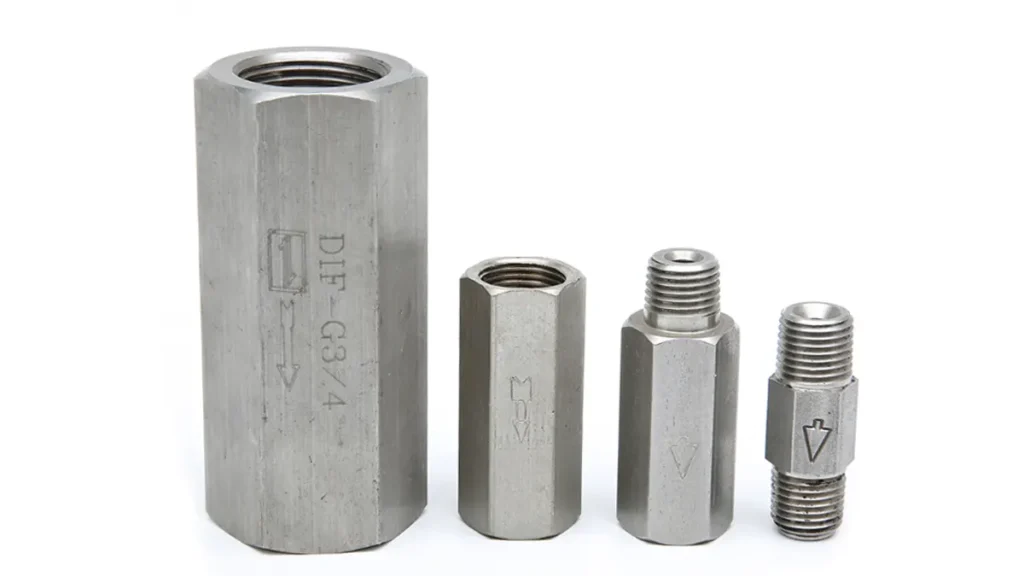
You might ask, what is a hydraulic check valve? This small but strong device is also called a non-return valve. It lets fluid move in only one direction. Its main job is to stop backflow. This keeps your hydraulic system safe. A check valve protects equipment by blocking reverse flow. You can find many types of hydraulic check valve designs in factories. Each non-return valve helps stop backflow and keeps your system working.
Key Takeaways
- A hydraulic check valve is also called a non-return valve. It lets fluid move in only one way. It stops fluid from going backward.
- It is very important to install the check valve the right way. The arrow on the valve shows which way the fluid should go.
- Check valves keep hydraulic systems safe by stopping backflow. Backflow can hurt the system and cause pressure to rise fast.
- You should clean and check check valves often for leaks. This helps them work well for a long time.
- There are different types of check valves, like ball, poppet, and swing. Each type does a special job and fits certain uses.
- Pilot-operated check valves give more control and safety. They let you hold loads still even if the pump is off.
- Using a check valve helps the system work better. It keeps pressure steady and stops energy from being wasted.
- Hydraulic check valves are used in many places, like factories and machines. They help things run safely and work well.
What is a Hydraulic Check Valve
Definition and Main Function
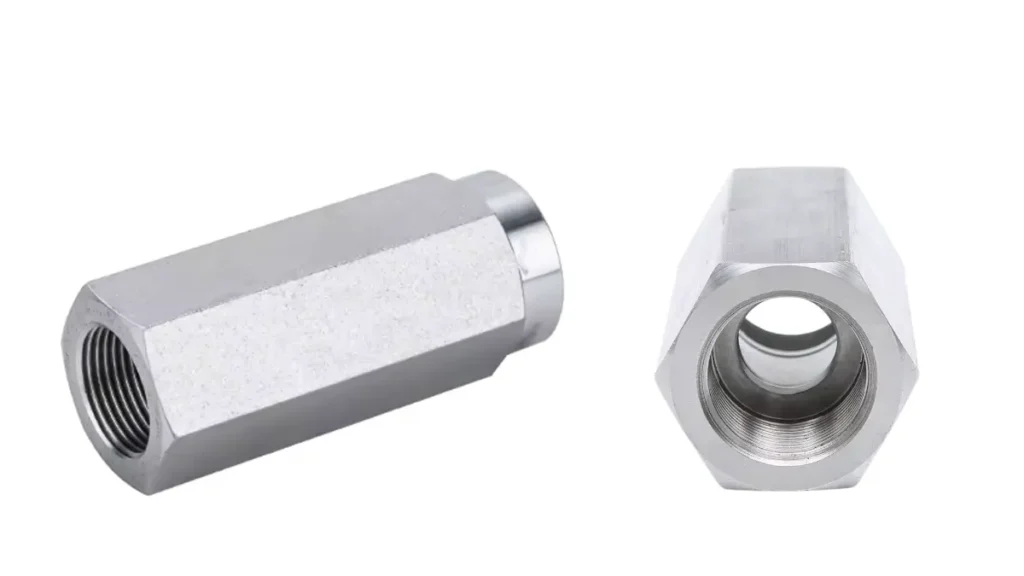
A hydraulic check valve is a device that lets fluid move one way. People also call it a non-return valve. Inside, it has a simple shape. There is an inlet and an outlet. Fluid goes in one side and out the other. If fluid tries to go back, the valve stops it. This is its main job.
A hydraulic check valve, or non-return valve (NRV), is a device that lets fluid flow one way and stops it from going back. It is important in hydraulic systems because it keeps fluid moving in the right direction. It also helps control pressure and flow. The valve has a body with an inlet and outlet. Inside, there is a moving part called a poppet, or sometimes a ball. This part blocks fluid from going backward. When fluid moves the right way, it pushes the poppet away from its seat. This lets fluid pass through the valve. If fluid tries to go back, it pushes the poppet against its seat. This closes the valve and stops the fluid from going backward.
You must put the check valve in the right way. If you do not, it will not work. The valve lets fluid pass when you want it to. It stops fluid when you do not want it to. This keeps your hydraulic system safe and working well.
Here is what a hydraulic check valve does in fluid power systems:
- A hydraulic check valve is a one-way valve that lets fluid move in only one direction.
- It stops fluid from going backward, which is very important in hydraulic systems to stop damage and system failure.
- By stopping backflow, it helps keep system pressure and stops problems like cylinder creep.
- Check valves must be put in the right way to work right.
- They are made to let fluid move in just one direction.
- If you put them in wrong, they can stop working and let fluid move the wrong way.
Why Use a Check Valve
Why do you need a check valve in your hydraulic system? The answer is easy. You want to keep your equipment safe and working well. A check valve stops fluid from moving backward. This keeps your system clean and safe.
Here are the main reasons to use a hydraulic check valve in high-pressure systems:
| Function | Description |
|---|---|
| Preventing Backflow | Check valves stop fluid from going backward, which keeps the system safe from dirt and damage. |
| Blocking Pressure Spikes | They stop sudden jumps in pressure that can hurt the pump and other parts. |
| Maintaining System Pressure | Check valves help keep the right pressure for the system to work well. |
| Protecting Equipment | They keep important machines safe from flow going the wrong way and from running dry, which helps them last longer. |
You want your hydraulic system to work without problems. The check valve acts like a guard. It keeps pressure steady and stops sudden jumps. It also keeps pumps and cylinders safe from harm. If you use the right check valve, your system will last longer.
So, what is a hydraulic check valve? It is like a shield for your system. It keeps fluid moving the right way. It stops problems before they happen. You can trust a hydraulic check valve to keep your equipment safe and your work running smoothly.
How Hydraulic Check Valve Works
Internal Mechanism
When you look inside a hydraulic check valve, you find a few important parts that make it work. These parts help the valve perform its main function—preventing backflow and keeping your system safe.
- Body of Valve: This is the strong shell that holds everything together. It stands up to high pressure and heat.
- Spring Mechanism: The spring keeps the valve closed when it needs to. It pushes on the poppet so fluid cannot go backward.
- Poppet: This moving piece lets fluid flow one way. It blocks fluid from going the other way.
Flow Direction Control
You want fluid to move in only one direction. The check valve makes this happen. When fluid pushes from the right side, the poppet moves away from its seat. Fluid flows through the valve. If fluid tries to go the wrong way, the poppet presses against its seat. The spring helps keep it tight. This stops fluid from moving backward.
Tip: Always install the check valve so the arrow points in the direction you want fluid to flow. This ensures proper function and prevents backflow.
Backflow Prevention
Preventing backflow is the main job of a hydraulic check valve. When fluid tries to reverse, the poppet and spring work together. They seal the valve and block the flow. This keeps your system safe from damage and dirt. You do not want backflow because it can cause pressure spikes and harm your equipment.
Step-by-Step Operation
Let’s break down how a hydraulic check valve works during operation:
- Fluid enters the valve from the inlet side.
- Pressure builds up and pushes the poppet away from its seat.
- Fluid flows through the valve in the intended direction.
- If fluid tries to flow backward, the poppet moves back to its seat.
- The spring helps the poppet seal tightly, preventing backflow.
- The valve stays closed until pressure builds up again in the right direction.
You might notice noise or even water hammer if the valve opens or closes too quickly. The timing of the valve’s operation matters a lot. If the valve closes fast, it can cause pressure spikes. These spikes may damage your hydraulic system. A slower closure helps prevent these problems. Picking the right check valve for your system is important. If you choose the wrong size or type, you could face early wear or waste energy.
Note: The check valve’s function is not just about stopping backflow. It also helps keep pressure steady and protects your equipment. You want a valve that opens and closes at the right speed for your system.
A hydraulic check valve works like a gatekeeper. It lets fluid move forward and blocks it from going back. You can trust it to keep your system running smoothly and prevent backflow every time.
Types of Hydraulic Check Valves
Ball Check Valve
You might see a ball check valve in many hydraulic systems. This type uses a round ball to control the flow of fluid. When fluid moves in the right direction, the ball lifts off its seat and lets the fluid pass. If the fluid tries to go backward, the ball drops down and blocks the flow. This simple design makes the ball check valve reliable and easy to use.
Here’s a quick look at how a ball check valve compares to other valves:
| Aspect | Ball Valve | Check Valve |
|---|---|---|
| Primary Function | Isolation and flow control | Backflow prevention |
| Operation | Manual or actuated | Fully automatic |
| Control Method | Quarter-turn rotation | Pressure differential |
| Installation Access | Needs access for operation | Can be remote or hard to reach |
| Maintenance Level | Needs regular checks | Minimal maintenance |
| Pressure Sealing | Tight shut-off | Good for backflow, not zero-leak |
| Flow Direction | Bi-directional | One-way only |
You will find ball check valves in pumping systems, sump applications, and even in places that handle slurry or thick fluids. They also work well in water, wastewater, and chemical processing. Food-grade piping often uses them too. If you have a system with solid contaminants or need to move viscous fluids, a ball check valve can help keep things running smoothly.
Poppet Check Valve
A poppet check valve works a bit differently. Inside, you’ll find a spring-loaded poppet that sits against a seat. When the pressure from the fluid gets strong enough, it pushes the poppet away from the seat. This lets the fluid flow in the right direction. If the fluid tries to move backward, the poppet snaps back into place and seals the opening.
Here’s what makes a poppet check valve special:
- The spring keeps the poppet closed until the fluid pressure is high enough.
- The valve opens only when you need it to.
- If the fluid tries to go the wrong way, the poppet seals tight and stops backflow.
Poppet check valves work well in high-pressure hydraulic systems. They give you a reliable seal and help prevent leaks. You might pay a bit more for this type, but you get strong performance. Over time, the poppet can wear out, so you should check it now and then.
| Advantages | Disadvantages |
|---|---|
| Reliable sealing mechanism | Can be prone to wear over time |
| Good for high-pressure applications | Higher upfront cost |
Swing Check Valve
A swing check valve uses a different design. It has a disc that swings on a hinge inside the valve body. When fluid flows the right way, the disc swings open and lets it pass. If the fluid tries to go backward, the disc swings shut and blocks the flow. This design gives you full, open flow when you need it and quick closure when you don’t.
You’ll notice that swing check valves are easy to maintain. Here’s a simple checklist for keeping your swing check valve in good shape:
- Inspect regularly for leaks, rust, or wear.
- Clean out any dirt or debris inside the valve.
- Lubricate the hinge pin and disc with the right grease.
- Replace worn seats, discs, or seals if you see damage.
- Test the valve by opening and closing it to make sure it works.
Swing check valves work best in hydraulic systems where you want low resistance and easy flow. You can count on them for reliable backflow prevention and simple upkeep.
Pilot-Operated Check Valve
Have you ever thought about how a hydraulic system can hold a heavy load, even when the pump is off? This is possible because of a pilot-operated check valve. This special valve gives you more control and safety than a regular check valve. You will see it in advanced hydraulic systems. It is used when you need to keep something steady or stop accidents.
A pilot-operated check valve works like a normal check valve. It lets fluid move one way and blocks it from going back. But there is something extra. You can open this valve from the outside by using pilot pressure. This means you can choose when the valve opens, even if the flow would keep it closed. You get to pick when the fluid moves, not just the system.
Here are some reasons why a pilot-operated check valve is helpful in hydraulic systems:
- It lets fluid go one way, just like a regular check valve.
- You can open it with outside pressure, called pilot pressure.
- It helps hold a load in place and keeps actuators locked until you want to move them.
- It acts as a safety tool. If a hose breaks, the valve stops the load from falling fast.
You might see these valves in machines that lift, clamp, or hold heavy things. They keep everything safe and steady. Think about a hydraulic lift holding a car up high. With a pilot-operated check valve, the lift stays up until you send a signal to lower it. There are no surprises or sudden drops.
Here is a table to show when you should use a pilot-operated check valve instead of a regular one:
| Scenario | Preferred Valve Type |
|---|---|
| Non-motional implements | Pilot-operated check valve |
| Applications requiring load-holding | Pilot-operated check valve |
| Emergency stop situations | Pilot-operated check valve |
| Motional implements | Standard check valve |
You can see that pilot-operated check valves are best when you need safety and to hold a load. They help you feel sure your system will not drop a load unless you want it to.
Tip: Always look at what your system needs before picking a check valve. If you need to hold a load or want more safety, a pilot-operated check valve is a good choice.
You get more control, better safety, and strong performance with this kind of hydraulic check valve. Next time you work with a hydraulic system, think about where a pilot-operated check valve could help you work safer and easier.
Non-Return Check Valve in Hydraulics
Alternative Names and Uses
People use different names for a non-return check valve. Some call it a hydraulic check valve. Others say non-return valve or just check valve. All these names mean the same thing. This device lets fluid move one way. It stops fluid from going back.
- Hydraulic check valve
- Non-return valve (NRV)
- Check valve
You can find non-return check valves in many machines. They are used in pumps and cylinders. You also see them in control circuits. These valves protect equipment from damage caused by backflow. If you work with hydraulic machines, you will see these valves often. They help keep systems safe and working well.
Sometimes, you need a non-return check valve to keep pressure steady. Other times, you want to stop dirty fluid from moving backward. You might use one in a mobile machine or in a factory. No matter where you use it, the non-return check valve does its job well.
Key Features
You may wonder what makes a non-return check valve special. Let’s look at the features that help your hydraulic system work better.
- Allows flow in one direction, preventing backflow.
- Maintains steady pressure and keeps flow stable.
- Helps protect pumps and cylinders from damage.
- Supports energy efficiency by reducing wasted energy.
Some non-return check valves, like the RKVE-VD series from Bucher Hydraulics, can handle more flow for the same pressure. This means you can use a smaller valve and save space. You also spend less money on installation. Higher flow capacity leads to energy savings. Your hydraulic system works better and uses less power.
Here’s a quick table to show how a non-return check valve helps your hydraulic system:
| Feature | Benefit |
|---|---|
| One-way flow | Stops backflow |
| Pressure stability | Keeps system running smooth |
| Energy efficiency | Saves power and money |
| Compact design | Reduces installation space |
Tip: If you want your hydraulic system to last longer and use less energy, choose a non-return check valve with high flow capacity.
You can trust a non-return check valve to keep your hydraulic system safe, efficient, and reliable. It is a small part, but it makes a big difference.
Benefits and Common Issues
Advantages of Check Valves
You want your hydraulic system to run smoothly and last a long time. That’s where a check valve comes in. This small part gives you big benefits:
- It stops fluid from flowing backward, which protects important machines like pumps and compressors from damage.
- It helps keep pressure steady in your system, so you don’t have to worry about sudden failures.
- It blocks back-pressure and dry running, which means your expensive equipment lasts longer.
A check valve works on its own. Even if you lose power, it keeps protecting your pumps and machinery. You don’t have to do anything extra. This makes your whole hydraulic system more reliable and safe.
When you use a check valve, you make sure fluid only goes one way. This keeps your system safe from backflow, pressure spikes, and damage to sensitive parts. You get peace of mind knowing your equipment is protected.
Here’s a quick look at why you’ll love having a check valve in your hydraulic setup:
| Benefit | What It Means for You |
|---|---|
| Prevents flow reversal | No damage to pumps or compressors |
| Maintains pressure | Fewer breakdowns and repairs |
| Extends equipment life | Saves money on replacements |
| Works automatically | Keeps you safe, even during outages |
Common Problems
Even though check valves are tough, you might run into some issues. Here are the most common problems you could see in a hydraulic system:
- Internal leakage
- Contamination from dirty fluid
- Mechanical failures like broken springs or stuck poppets
You may notice signs like strange noises, leaks you can see, or your system not working as well as before. These problems can slow you down and even cause downtime.
Let’s break down the main trouble spots:
- Dirty hydraulic fluid can clog the valve and make it stick.
- The spool inside the valve might get stuck, stopping it from opening or closing.
- Not enough fluid flow can keep the valve from working right.
- If the valve is the wrong size, it won’t do its job well.
- Seals can wear out, leading to leaks.
If you think your check valve has a problem, here’s what you can do:
- Look for leaks, loose parts, or damage.
- Listen for odd sounds when the system runs.
- Check your hydraulic fluid for dirt or water.
- Test the valve by isolating it and seeing if the problem goes away.
- Use tools like pressure gauges to check if the valve is working right.
Tip: Always keep your hydraulic fluid clean and check your valves often. This helps you catch problems early and keeps your system running strong.
By knowing these common issues, you can fix small problems before they turn into big ones. Your hydraulic system will thank you!
Selecting the Right Hydraulic Check Valve
Key Criteria
You want your hydraulic system to work smoothly, right? Picking the right check valve makes a big difference. There are several things you should look at before making your choice. Take a look at this table to help you compare:
| Criteria | Description |
|---|---|
| Initial Costs | Think about the price of the valve and how much it costs to install. |
| Maintenance Costs | Some valves need more care than others. Check how much you’ll spend on repairs or upkeep. |
| Head Loss and Energy Costs | The way the valve is built affects how much energy your system uses. |
| Non-Slam Characteristics | You want a valve that won’t slam shut and cause water hammer. |
| Fluid Compatibility | Make sure the valve works with the fluid in your system. |
| Sealing Ability | Good sealing stops leaks and keeps your system safe. |
| Flow Characteristics | The right valve keeps flow steady and prevents surges. |
| Valve Size and Pressure Rate | Pick a valve that fits your pipes and can handle your system’s pressure. |
| Materials Selection | Choose materials that last and won’t break down in your system. |
| Installation Orientation | Some valves only work in certain positions—horizontal or vertical. |
| Application Considerations | Check if your industry has special rules or needs for your system. |
You also need to pay attention to flow rate and pressure ratings. If your valve can’t handle the highest pressure in your system, you risk damage or leaks. Make sure the valve matches your system’s flow rate so fluid moves without trouble. This keeps everything running efficiently and helps prevent breakdowns.
Tip: Always check the valve’s pressure and flow specs before you buy. This helps you avoid costly mistakes and keeps your system safe.
Application Tips
You want your check valve to work well and last a long time. Here are some simple tips to help you install it the right way:
- Follow the arrow on the valve body. It shows you which way the fluid should flow.
- Swing check valves work best when installed horizontally with the hinge pin level.
- Lift check valves need vertical installation with flow going upward.
- Place the valve at least 10 pipe diameters downstream from tees, fittings, or pumps. This helps keep the flow smooth.
- Keep five pipe diameters between the valve and elbows to cut down on turbulence.
- If you’re not sure about distances, ask the manufacturer for advice.
Note: Choosing a valve that matches your circuit specs helps you avoid problems like leaks or stuck parts.
Maintenance Basics
You want your check valve to last as long as possible. Regular maintenance keeps it working and helps you spot problems early. Here’s a quick checklist:
- Test the valve often. Make sure it opens and closes like it should.
- Look for leaks around seals and connections.
- Clean the valve to remove dirt and debris.
- Lubricate moving parts with the right grease.
- Check pilot pressure and response times if your valve uses pilot operation.
Here’s a table to help you remember the main steps:
| Maintenance Step | Description |
|---|---|
| Clean everything up | Take apart the valve, check for scratches, and wash parts with hydraulic fluid. |
| Keep the valve lubricated | Use the correct lubricant to stop damage and keep things moving smoothly. |
| Apply protective insulation | Insulation protects the valve from extreme temperature changes. |
Regular inspections and cleaning help prevent clogs, leaks, and wear. If you keep your valve in good shape, your hydraulic system will run better and last longer.
Real-World Applications
Industrial Uses
You can find hydraulic check valves in many factories. These valves help machines work safely and without problems. Here are some places where you see them:
- Pumping systems: You put check valves on pump lines. They keep the pump full and stop fluid from going backward. This keeps the pump safe from harm.
- Process systems: Chemical and power plants use check valves. They control which way fluid moves and stop it from going the wrong way. This protects important equipment.
- Aerospace and aircraft systems: Check valves are in rocket fuel and hydraulic systems. They work well even when there is a lot of shaking or very hot and cold temperatures.
- Gas mixing systems: These valves stop gases from mixing where they should not. They keep gas tanks clean and safe.
- Internal combustion engines: Check valves send cooling fluids, oil, or fuel where needed. They stop fluid from going back and help engines run well.
Tip: If you work in a factory, you use check valves a lot. They stop accidents and keep machines safe.
Mobile Equipment
Hydraulic check valves are important in moving machines. You see them in diggers, tractors, and trucks. Here is how they help:
- They stop fluid from going backward. This keeps pressure steady in your system.
- They stop cylinder creep. Your hydraulic cylinders stay in place and do not move when you do not want them to.
- They protect against pressure spikes. This saves your machines from sudden damage and costly fixes.
Think about using an excavator. The check valve keeps the arm still and stops it from falling. You get safe and smooth work every time.
Note: If you use moving machines, check valves help you work safely and quickly. They keep your machines strong and ready for hard jobs.
Other Common Applications
You can find hydraulic check valves in many other places. They help in water cleaning plants, fire safety systems, and even in hospital machines. You might see them in farm watering systems, where they keep water moving the right way. They are also in boats and ships, keeping them safe.
Here are some other places you might see check valves:
- Water pipes
- Heating and cooling systems
- Oil and gas pipes
- Food and drink factories
Hydraulic check valves make things easier. They protect your machines, keep systems working, and help you avoid big problems. If you use machines with fluid, you probably use check valves every day.
Callout: Next time you see a hydraulic system, look for the check valve. It is small, but it does a big job to keep everything safe and working.
Conclusion
You now know what a hydraulic check valve does and why it matters. You’ve learned how it works, the main types, and where you might use one. Picking the right check valve keeps your system safe and reliable. If you need help or want the best products, reach out to us. We’re a hydraulic check valve manufacturer ready to guide you. Got questions? We’re here for you!
FAQ
What does a hydraulic check valve do?
A hydraulic check valve lets fluid flow one way. It stops fluid from going backward. You protect your system from damage and keep everything running smoothly.
How do I know if my check valve is working?
You can check for leaks, listen for strange noises, or test the valve by watching fluid flow. If you see backflow or pressure drops, your valve might need attention.
Can I install a check valve myself?
Yes, you can install a check valve if you follow the instructions. Make sure the arrow points in the direction you want fluid to move. If you feel unsure, ask a professional.
What happens if I install the valve backward?
If you install the valve backward, fluid will not flow as you want. Your system could stop working or get damaged. Always check the flow direction before you finish.
How often should I maintain my check valve?
You should check your valve every few months. Clean it, look for leaks, and make sure it opens and closes easily. Regular maintenance helps your system last longer.
Are there different types of check valves?
Yes! You can choose from ball, poppet, swing, and pilot-operated check valves. Each type works best in certain situations. Pick the one that fits your system.
Why does my check valve make noise?
Your check valve might make noise if it opens or closes too quickly. This can cause water hammer or pressure spikes. Try using a valve with a slower closing speed.
Can a check valve handle dirty fluid?
Some check valves can handle dirty fluid, but dirt can cause problems. You should use filters and keep your fluid clean. This helps your valve work better and last longer.