
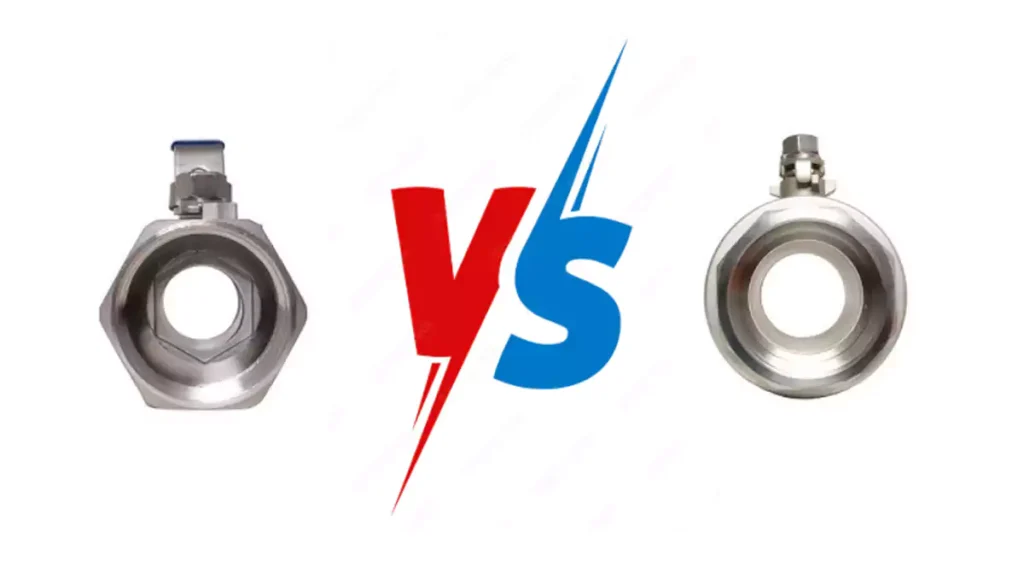
You might wonder what sets a full port ball valve apart from a reduced port one and how you can pick the right type. The main difference comes down to how much flow passes through and the pressure drop each creates. Take a look at these numbers:
| Valve Type | Flow Capacity (Cv Value) | Pressure Drop |
|---|---|---|
| Full Port Ball Valve | Higher Cv value | Minimal pressure drop |
| Reduced Port Ball Valve | Lower Cv value | Higher pressure drop |
Choosing between full port vs reduced port ball valve also means thinking about your budget and what you need the valve to do. For example, full port types cost more but handle thick fluids and high flow best, while reduced port works well if you want to save money and space. Always think about your specific job before you decide.
Key Takeaways
- Full port ball valves let the most flow go through. They cause very little pressure drop. This makes them good for systems that need a lot of flow.
- Reduced port ball valves are smaller and cost less money. They work well when space is tight and saving money matters most.
- Pick a full port valve for thick fluids. Use it when you need high flow rates to stop bottlenecks.
- Use a reduced port valve for low-pressure systems. Choose it when flow is not very important.
- Always check what your system needs. Think about fluid type, flow rate, and pressure before picking a valve.
- Full port valves are used in factories and big jobs. Reduced port valves are good for homes and small spaces.
- Look at the total cost to own the valve. Do not just look at the first price when picking a valve.
- Talk to a valve expert if you are not sure. This helps you get the best performance and longer life.
What Is a Full Port Ball Valve
Structure and Design
When you look at a full-port ball valve, you notice that the hole inside the ball matches the size of the pipe. This design lets everything flow straight through without squeezing or slowing down. The body of the valve is a bit larger than other types, but that extra size means you get a clear, open path for liquids or gases.
Here’s a quick look at what makes the structure of a full-port ball valve special:
| Feature | Description |
|---|---|
| Low flow resistance | Works almost like a straight piece of pipe, so flow moves easily. |
| Minimal pressure drop | Keeps energy loss low, so your system runs efficiently. |
| Larger internal diameter | Matches the pipe size, so nothing blocks the flow. |
You often see these valves with a thicker stem and a bigger body. This helps them handle tough jobs and last longer, even when you use them a lot.
Key Features
Maximum Flow
You want the most flow possible? Full port ball valves give you that. The opening inside the valve is just as wide as the pipe, so water, oil, or gas can move through without slowing down. This makes them perfect for jobs where you need to move a lot of fluid fast. You don’t have to worry about the valve causing a bottleneck.
- Great for thick or sticky fluids.
- Perfect for systems that need cleaning in place (CIP).
- Best when you want high flow with no blockages.
Minimal Pressure Drop
Pressure drop means you lose some energy as fluid moves through the valve. With a full-port ball valve, you get almost no pressure drop. The flow stays strong from one end to the other. This helps your pumps and equipment work less, which can save you money on energy.
Tip: If you want your system to run smoothly and avoid wasting energy, pick a valve with minimal pressure drop.
Common Uses
Industrial Applications
You find full port ball valves in many factories and plants. They work well in food and beverage companies, pharmaceutical labs, and chemical plants. Stainless steel versions resist rust and last a long time. These valves also meet strict industry standards for safety and performance.
- Used in heavy-duty jobs.
- Handle thick, sticky, or corrosive fluids.
- Common in systems that need to stay clean, like food processing.
Residential Applications
You also see these valves in homes and small businesses. They control water flow in drinking water systems and manage gas lines for heating or cooking. Sizes like 3/4 and 1/2 inch are popular because they fit well in tight spaces but still let water or gas flow freely.
- Used for drinking water and gas lines.
- Safe and reliable for home use.
- Easy to install in compact systems.
If you want a valve that gives you full flow, low pressure drop, and works in many settings, full port ball valves are a smart choice.
When to Choose Full Port
You might wonder, “When should I pick a full port ball valve?” The answer depends on what you need your system to do. If you want the best flow with almost no pressure loss, this type of valve is your go-to choice. You get a wide-open path for liquids or gases, which means nothing slows down or gets blocked.
Let’s look at some common situations where full port ball valves shine:
| Application Scenario | Description |
|---|---|
| Fuel line shutoffs | Keeps fuel moving smoothly and stops air bubbles from forming. |
| Air service lines | Gives you steady airflow and helps prevent damage from bubbles or vibration. |
| Water service lines | Stays strong against rust and keeps water sealed tight. |
| Plant design plumbing | Lets you shut off flow completely for safety and easy repairs. |
| Transfer operations | Moves oil, gas, or other materials without stopping or slowing down. |
You should choose a full port ball valve if:
- You need to move thick or sticky fluids, like oil or syrup.
- Your system must stay clean, such as in food or medicine factories.
- You want to avoid wasting energy from pressure loss.
- You need to clean the pipes without taking everything apart.
- You want to make sure nothing blocks or slows down the flow.
Tip: If you work with high flow rates or need to keep your system running smoothly, a full port ball valve is a smart pick.
Sometimes, you might pay a little more for this valve, but you get better performance and fewer problems. You also make your pumps and equipment last longer because they don’t have to work as hard. If you care about safety, efficiency, and easy maintenance, you can count on full port ball valves to do the job right.
What Is a Reduced Port Ball Valve
Structure and Design
When you look at a reduced port ball valve, you notice that the hole inside the ball is smaller than the pipe. This design creates a narrower path for the fluid. The valve body is more compact and lighter than a full port ball valve. You might hear these called “standard port ball valves” in some industries.
Here’s a quick comparison to help you see the difference:
| Feature | Full Bore Ball Valve | Reduced Bore Ball Valve |
|---|---|---|
| Flow Path Design | Equal to pipeline diameter | 1-2 sizes smaller than pipeline |
| Flow Efficiency | Zero flow restriction | Higher resistance |
| Valve Sizing (NPS) | Matches pipeline (e.g., NPS 2) | Reduction (e.g., NPS 2 × 1½) |
| Weight & Compactness | Heavier; robust construction | 30% lighter; space-saving |
You get a valve that saves space and weight. This makes installation easier, especially in tight spots. The smaller opening means less material is used, so the valve costs less.
Key Features
Reduced Flow
A reduced port ball valve lets less fluid pass through compared to a full port type. The smaller hole slows down the flow. If you don’t need maximum flow, this valve works well. You can use it in systems where high flow isn’t important.
- Good for water supply lines where you don’t need full speed.
- Works in cooling systems that don’t require high volume.
- Helps control flow in smaller pipes.
Note: If you want to save money and space, and your system doesn’t need high flow, a reduced port ball valve is a smart choice.
Higher Pressure Drop
Because the opening is smaller, the fluid faces more resistance. This causes a higher pressure drop. Your pump or system might need to work harder to push the fluid through. You should check if your system can handle this extra pressure loss.
- Higher pressure drop means more energy used.
- Not ideal for thick or sticky fluids.
- Works best in low-pressure systems.
If you want a valve that fits in a compact space and you don’t mind a bit of pressure loss, this type is for you.
Common Uses
Industrial Applications
You often find reduced port ball valves in factories and plants where space matters. They work well in cooling water systems, compressed air lines, and some chemical processes. These valves help save money and fit into tight spots.
- Used in HVAC systems.
- Common in compressed air lines.
- Good for general water supply.
Residential Applications
In homes and small businesses, reduced port ball valves control water flow in irrigation systems and heating lines. You might see them in places where you don’t need full flow, like garden hoses or small water pipes.
- Used for garden irrigation.
- Works in heating systems.
- Fits well in small plumbing setups.
Tip: If you need a valve that’s easy to install and doesn’t take up much space, try a reduced port ball valve.
When to Choose Reduced Port
You might wonder when a reduced port ball valve is the right pick for your project. The answer often comes down to what you need from your system and what matters most to you—cost, space, or flow. Let’s break it down so you can make a smart choice.
If you care about saving money and fitting equipment into tight spots, reduced port ball valves make a lot of sense. These valves cost less than full port types. Their smaller size means you can squeeze them into places where a bigger valve just won’t fit. This is a big help if you work with compact systems or have a crowded mechanical room.
Note: If your system does not need maximum flow and can handle a little extra pressure drop, a reduced port ball valve is a practical and budget-friendly option.
You should also think about the type of fluid and how much flow you really need. If you move water, air, or other thin fluids and do not need every bit of flow, you will not notice much difference. Many cooling systems, irrigation setups, and general plumbing jobs use reduced port valves with no trouble at all.
Here are some situations where you should choose a reduced port ball valve:
- You want to keep costs low and do not need full flow.
- Your installation space is limited, and a compact valve fits better.
- The system can handle a higher pressure drop without causing problems.
- You use the valve for on/off control, not for fine flow adjustments.
- The fluid is not thick or sticky, so a smaller opening will not clog.
Let’s look at a quick table to help you decide:
| Situation | Is Reduced Port a Good Choice? |
|---|---|
| Tight installation space | Yes |
| Budget is a top concern | Yes |
| Need for maximum flow | No |
| Handling thick or sticky fluids | No |
| General water or air lines | Yes |
You might also see these called standard port ball valves in some catalogs or supply stores. They work well in many everyday jobs, especially when you do not need the highest flow rate.
Tip: Always check your system’s pressure and flow needs before you decide. If you are not sure, ask a professional or your supplier for advice.
Choosing the right valve helps your system run smoothly and saves you money and space. If you do not need the extra performance of a full port valve, a reduced port option is often the best fit.
Full Port vs Reduced Port Ball Valve Comparison
Flow Capacity
When you compare flow capacity, you see a big difference between these two valve types. Full port ball valves let almost all the fluid pass through because the opening matches the pipe size. You get very little flow resistance. Reduced port ball valves have a smaller opening, so less fluid can move through at once.
Take a look at this table to see how much the flow changes:
| Valve Type | Cv Value Range | Flow Capacity Difference |
|---|---|---|
| Full Port | 350 – 450 | N/A |
| Reduced Port | 120 – 150 | 60-70% reduction |
If you need to move a lot of water, oil, or gas, you want the higher Cv value. That means more flow. In most cases, a reduced port valve gives you about 60-70% less flow than a full port valve of the same size. That’s a big drop, especially if your system needs to move fluid quickly.
Tip: If you want to avoid bottlenecks and keep your system running strong, go with a full port valve for maximum flow.
Pressure Drop
Pressure drop tells you how much energy your system loses as fluid moves through the valve. With a full port ball valve, you get minimal pressure drop. The fluid moves almost as if the valve isn’t there. That keeps your pumps from working too hard.
Reduced port ball valves create a higher pressure drop. The smaller opening makes the fluid squeeze through, which slows it down and uses more energy. If you have a sensitive system or want to save on energy costs, this matters a lot.
Here’s a quick look:
| Valve Type | Pressure Drop |
|---|---|
| Full Port | Minimal |
| Reduced Port | Higher |
You should always check if your system can handle the extra pressure drop from a reduced port valve. If not, you might see problems like slow flow or extra wear on your pumps.
Cost and Size
Cost and size often play a big role in your decision. Full port ball valves are bigger and heavier because they have a larger opening. That means they use more material and usually cost more. Reduced port ball valves are smaller and lighter, which makes them cheaper and easier to fit into tight spaces.
Check out this table for a quick comparison:
| Valve Type | Weight Comparison | Cost Comparison |
|---|---|---|
| Reduced Port | 30% lighter | Cheaper |
| Full Port | Heavier | More expensive |
For the same pipe size, a full port valve matches the pipe’s inside diameter. A reduced port valve has an opening that’s one size smaller. For example, a 1-inch full port valve has a 1.05-inch opening, while a reduced port might only have about 0.85 inches. That means a reduced port valve can be up to 30% smaller in flow area.
Note: If you need to save money or space, a reduced port valve is a smart pick. If you want top performance and don’t mind the extra cost, choose a full port valve.
You can see that the full port vs reduced port ball valve decision depends on what matters most for your system—flow, energy, or budget.
Application Scenarios
You probably want to know where each ball valve fits best. The choice between full port vs reduced port ball valve depends on what your system needs. Let’s look at some real-world situations.
Full port ball valves work well in places where you need maximum flow. You see them in big pipeline systems. These valves keep fluid moving without slowing down. Manufacturing plants use them for fast fluid transfer. High-pressure systems also rely on full port valves because they keep the pressure drop low. Pumps and equipment last longer when you use these valves.
Reduced port ball valves shine in smaller systems. You use them for isolation during maintenance. They fit well in HVAC setups and irrigation lines. These valves handle low-flow jobs without wasting space or money. You can install them in tight spots where a big valve won’t fit.
Here’s a table that shows common application scenarios for both types:
| Valve Type | Application Scenario |
|---|---|
| Full Port | Pipeline Systems: Keeps fluid moving in large pipes |
| Manufacturing: Moves fluids quickly | |
| High-Pressure Systems: Maintains low pressure drop | |
| Reduced Port | Small System Isolation: Makes maintenance easier |
| HVAC: Controls flow in heating and cooling | |
| Irrigation: Handles water for gardens and lawns |
You might ask, “Which valve should I pick for my project?” If you need to move a lot of fluid fast, go with a full port valve. If your system is small or you want to save money, a reduced port valve is a smart choice.
Tip: Always match the valve to your system’s needs. The right choice keeps everything running smoothly and saves you trouble down the road.
When you compare full port vs reduced port ball valve, think about the job you want the valve to do. Big pipelines and high-pressure jobs need full port. Small systems and low-flow setups work better with reduced port. You get the best results when you choose based on your application.
Choosing the Right Valve
Assess Application Needs
You want to pick the right ball valve for your system. Start by looking at what your application really needs. Think about the type of fluid, the size of your pipes, and how you plan to use the valve. Ask yourself, “Do I need to move a lot of water fast, or is slow and steady flow okay?”
Here’s a simple checklist to help you assess your needs:
- Check your pipe diameter. Make sure the valve fits your pipeline.
- Figure out the flow rate you need. Write down the highest flow your system will handle.
- Think about pressure drop. You want your system to run smoothly, so avoid too much resistance.
- Look at the fluid type. Some fluids need special materials to avoid rust or damage.
- Decide how you want to operate the valve. Will you turn it by hand, or do you need an electric or pneumatic actuator?
- Plan for installation. Make sure you have enough space and easy access for maintenance.
Tip: Don’t just pick a valve because it matches your pipe size. Think about how the fluid moves and if you might change your system in the future.
Evaluate Flow and Pressure
Now, let’s talk about flow and pressure. These two factors can make or break your system. You need to know how much fluid you want to move and how much pressure your system can handle.
To get started, calculate the flow rate and pressure drop. Use this simple formula for Cv (flow coefficient):
Cv = Q / √ΔP
Where Q is your flow rate and ΔP is the pressure drop across the valve. Once you have your Cv, check the valve manufacturer’s charts. Pick a valve with a Cv just above your number. This gives you a safety margin.
- Always compare your numbers to the charts.
- Choose a valve that won’t slow down your flow or cause too much pressure loss.
- If you’re not sure, ask your supplier for help.
Note: Picking the wrong size can lead to slow flow, wasted energy, or even damage to your equipment.
Consider Budget and Space
You also need to think about your budget and how much room you have for the valve. Full port ball valves cost more and take up more space. Reduced port ball valves are smaller, lighter, and usually cheaper.
Here’s a quick table to help you compare:
| Feature | Full Port Ball Valve | Reduced Port Ball Valve |
|---|---|---|
| Cost | Higher | Lower |
| Size and Weight | Larger, heavier | Smaller, lighter |
| Installation Ease | Needs more space | Fits tight spaces |
If you have a tight budget or limited space, a reduced port valve might be the best choice. These valves work well for general jobs and save you money. If your system needs top performance and you have room, a full port valve gives you the best flow.
Remember: The right valve keeps your system running smoothly and helps you avoid costly mistakes.
Selection Steps
Ready to pick the right ball valve? Let’s break it down into simple steps you can follow. This way, you won’t miss anything important, and your system will run just the way you want.
- Know Your Fluid
Start by thinking about what will flow through your valve. Is it water, oil, gas, or something else? Some fluids can cause rust or damage certain materials. Stainless steel works well for most jobs because it resists corrosion and handles tough conditions. - Check the Temperature and Pressure
Look at the highest temperature and pressure your system will reach. Your valve must handle these numbers without leaking or breaking. Always check the pressure rating and temperature range on the valve label. - Pick the Right Size
Match the valve size to your pipe. If you want full flow, choose a full port valve. If you can handle less flow and want to save space, a reduced port valve works fine. Measure your pipe’s inside diameter to get the right fit. - Think About the Environment
Where will you install the valve? Will it be outside, in a hot room, or near chemicals? Pick a valve material that can handle the environment. Stainless steel is a good choice for harsh places. - Choose the Actuation Method
Decide how you want to open and close the valve. You can turn it by hand, or you can use an electric or air-powered actuator. Manual valves work well for simple jobs. Automated valves are best if you need remote control or fast action. - Check the End Connections
Make sure the valve ends match your pipes. Common types include threaded, welded, or flanged ends. The right connection makes installation easy and prevents leaks. - Look at the Sealing Mechanism
Good seals keep your system safe and leak-free. Check if the valve uses soft seats (like PTFE) or metal seats. Soft seats seal better but may wear out faster in high temperatures. - Review Your Budget and Space
Full port valves cost more and need more room. Reduced port valves save money and fit in tight spots. Pick what works best for your project.
Tip: Write down your answers for each step. This makes it easier to compare valves and talk to suppliers.
Here’s a quick checklist to help you remember:
- Fluid type and compatibility
- Temperature and pressure ratings
- Valve size and port type
- Material and environment
- Actuation method
- End connection type
- Sealing mechanism
- Budget and space
If you follow these steps, you’ll find a ball valve that fits your needs and keeps your system running smoothly. Don’t rush—take your time and ask questions if you’re not sure. The right choice now saves you headaches later!
Mistakes to Avoid
Overlooking Flow Needs
You might think any ball valve will work for your system, but that’s not true. If you ignore how much flow your system needs, you can run into big problems. When you pick the wrong valve size or type, you create extra flow resistance. This slows down your system and makes your pump work harder. Sometimes, the flow direction gets mixed up, causing turbulence. That can make the pressure drop shoot up—sometimes three times higher than normal! Your pump then uses 12% to 15% more energy just to keep things moving.
If you don’t match the valve to your flow needs, seals can fail. Reverse pressure can push the sealing layer out of place. Instead of lasting ten years, your valve might only last eleven months. That’s a huge difference. Always check your flow requirements before you choose a valve.
Here are some common mistakes people make with flow needs:
- Choosing the wrong type of ball valve for the job.
- Using a shutoff valve to control flow, which can damage the valve.
- Not checking if the valve material can handle the pressure.
- Guessing about the right size instead of measuring.
- Ignoring early signs of valve wear.
Tip: Write down your flow needs and double-check them before you buy a valve. It saves you time, money, and headaches later.
Ignoring Pressure Drop
You might not notice a small pressure drop at first, but it can cause big trouble later. When you ignore this, your system can become unstable. Pumps might not work right, and you could end up with the wrong flow predictions. Sometimes, a failing ball valve seems like a small issue, but it can lead to full pump failures and even damage other equipment.
Ignoring the early signs of pressure drops can lead to significant risks, including full pump failures.
Ignoring pressure drop can lead to incorrect flow predictions, undersized pumps, and unstable control behavior, which disrupts system efficiency and reliability.
A failing ball valve might seem minor, but it can cause downstream damage, including pressure drops and full pump failures.
Always check the pressure drop across your valve. If it’s too high, your pump works harder and uses more energy. This can shorten the life of your whole system. Don’t let a small problem turn into a big one.
Focusing Only on Price
It’s easy to look for the cheapest valve and think you’re saving money. But picking a valve just because it costs less can backfire. Here’s what can happen if you focus only on price:
- Prioritizing the lowest cost can lead to premature failure.
- Cheaper valves may result in frequent breakdowns.
- Higher lifecycle costs can occur due to initial cost savings.
A cheap valve might break down more often. You’ll spend more on repairs and replacements. In the end, you pay more than if you had picked a better-quality valve from the start. Think about the total cost over the valve’s life, not just the price tag.
Note: Quality matters. A good valve keeps your system safe and running smoothly for years.
Misjudging Application
Picking a ball valve might seem easy, but it’s not. If you don’t match the valve to your system, you waste money and time. Many people skip checking what their system needs. They grab a valve that looks good, but it doesn’t fit.
Here are some mistakes you might make if you misjudge your application:
- You don’t check the temperature and pressure your system will face.
- You ignore what kind of fluid goes through the pipes.
- You pick a valve because it’s cheap or small.
- You don’t ask if the valve can handle tough jobs, like chemicals or high heat.
If you don’t look at your system’s needs, your valve might not work well. This can make your system run badly or even break. Imagine your valve failing when you need it most. You have to stop everything and fix it. That’s stressful.
Here’s how misjudging your application can cause problems:
- Sometimes, engineers pick valves without knowing the pressure or temperature.
- A general-use valve can break under tough conditions, causing early wear.
- Studies show 30% of equipment stops working because of wrong pressure ratings.
If you pick a valve with the wrong flow coefficient (Cv), you can have control problems. Your system might get turbulence or lose pressure. This makes your equipment work harder and less efficient. Pumps and pipes can wear out faster than you think.
You need to match the valve’s specs to your flow needs. If you don’t, you risk breakdowns and expensive repairs. Always check the details before you buy. Ask about the fluid, temperature, and pressure. Make sure the valve fits your system, not just your budget.
Tip: Take a few minutes to check your application. Write down the main needs. Double-check the valve’s specs. You’ll avoid trouble and keep your system running well.
Choosing the right ball valve is not just picking a product. It’s about knowing your system and making smart choices. If you avoid misjudging your application, you get better performance and fewer surprises.
Special Considerations
High Pressure Systems
If your system uses high pressure, you must be careful with your ball valves. High pressure can wear out equipment fast. You want your valve to last and keep everything safe. Here are some important things to check:
- Choose materials that can handle high heat and stop rust. This keeps your valve strong.
- Make sure you install the valve with tight seals and strong connections. This helps stop leaks.
- Open and close the valve slowly. Moving too fast can cause shocks and hurt your system.
- Check seals and moving parts often. Regular checks help you find leaks or damage early.
- Always match the valve material to the fluid in your pipes. This stops rust and helps your valve last longer.
Tip: High-pressure systems need extra care. Take your time with installation and maintenance so you can avoid expensive problems.
Corrosive Environments
Corrosive fluids can damage your valves if you do not pick the right materials. You want your valve to last, so choose materials that can handle harsh chemicals. Stainless steel is a good choice because it stops rust and resists many chemicals. For tougher jobs, you might need super duplex steels or special alloys.
Here’s a simple table to help you compare your choices:
| Material Type | Description | Suitability in Corrosive Environments |
|---|---|---|
| Stainless Steel | Stops rust and lasts a long time | Works well for many chemicals |
| Super Duplex Steels | Extra strong and resists rust better | Great for tough conditions |
| Exotic Alloys | Made for extreme places and special chemicals | Best for certain corrosive fluids |
| Specialized Coatings | Adds a layer to protect from rust | Helps valves last longer |
- Stainless steel is good for most jobs.
- Super duplex steels are stronger for tough places.
- Exotic alloys help with special chemicals.
- Specialized coatings give extra protection.
Note: Always check if your valve material matches the chemicals in your pipes. Picking the right one saves you money and trouble.
Other Unique Needs
Some jobs need special ball valves. You might have unique challenges in your system. Here are a few things to think about:
- Make sure your valve material can handle the chemicals in your process.
- Check if the valve can take the highest temperature your system will reach.
- Pick a valve that matches your system’s maximum pressure.
- Think about how the valve’s size and shape affect your flow rates.
Every system is different. You might need a custom solution if you have special fluids, high temperatures, or tricky flow needs. Always talk to your supplier if you are not sure what works best.
Remember: The right ball valve keeps your system safe, efficient, and easy to maintain—even in the toughest conditions.
Conclusion
You now know the main ways full port and reduced port ball valves are different. Here’s a simple summary:
| Feature | Full Port Ball Valve | Reduced Port Ball Valve |
|---|---|---|
| Flow Capacity | High, less resistance | Lower, more resistance |
| Size/Weight | Larger, heavier | Smaller, lighter |
| Cost | More expensive | More cost-effective |
| Best For | Thick fluids, max flow | General use, tight spaces |
If you need maximum flow and minimal pressure drop, a full port ball valve is usually the better choice. If you want to reduce cost or install the valve in a compact space, a reduced port ball valve may be more suitable.
The right choice depends on your flow requirements, pressure rating, connection type, and installation conditions. As a high pressure ball valve manufacturer, Chenyang Hydraulic can help you choose or customize the right valve based on your system needs.
FAQ
What is the main difference between full port and reduced port ball valves?
You get a bigger opening with a full port ball valve. The hole matches your pipe size. A reduced port ball valve has a smaller opening. This means less flow and more pressure drop.
When should I use a full port ball valve?
Pick a full port ball valve if you need high flow or work with thick fluids. It works best in systems where you want little pressure loss.
Are reduced port ball valves cheaper?
Yes, reduced port ball valves usually cost less. They use less material and fit in smaller spaces. You can save money if you do not need maximum flow.
Can I use a reduced port ball valve for drinking water?
You can use a reduced port ball valve for drinking water lines. Just make sure the material is safe for potable water. Check for certifications before you buy.
Will a full port ball valve last longer?
A full port ball valve can last longer in tough jobs. It handles thick fluids and high flow better. You get less wear and tear because the flow moves smoothly.
How do I know which valve size to pick?
Measure your pipe’s inside diameter. Match the valve size to your pipe. If you want full flow, choose a full port valve. For general use, a reduced port valve works fine.
Do both types work for gas lines?
Both types can work for gas lines. You need to check the pressure and flow needs. For high flow or safety, full port is better. For small lines, reduced port is fine.