
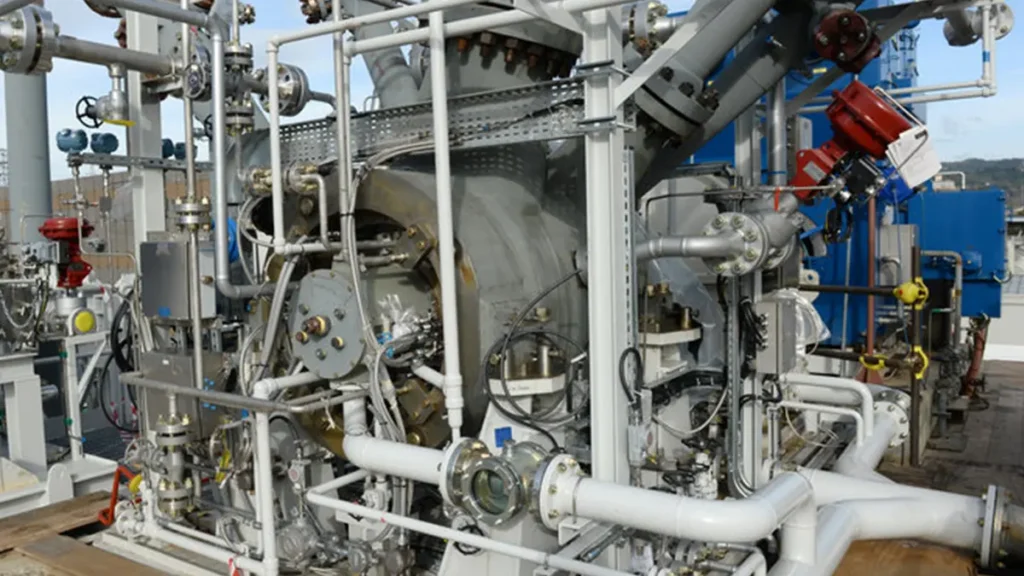
When selecting high pressure valves for oil and gas, it’s essential to ensure they fit your system requirements. If you don’t choose the right high pressure valves for oil and gas, you could face leaks or other operational issues that may halt your work. Using the wrong high pressure valves for oil and gas can lead to safety hazards, environmental damage, or significant financial losses. Here are some potential problems that can arise:
| Consequence Type | Description |
|---|---|
| Process Inefficiency and Product Quality Issues | Leaks from high pressure valves for oil and gas can disrupt production, leading to inconsistent quality and increased waste. |
| Safety Hazards and Environmental Risks | Faulty high pressure valves for oil and gas may release hazardous substances or gases, posing risks to workers and the environment. |
| Financial Losses and Regulatory Non-Compliance | Leaks from high pressure valves for oil and gas can drive up costs and result in fines for regulatory violations. |
Always verify that the material and pressure rating of your high pressure valves for oil and gas match your system’s needs before making a selection.
Key Takeaways
- Picking the right high pressure valve stops leaks and problems.
- Make sure the valve’s material fits your system needs.
- Check that the pressure rating is right for your system.
- High pressure valves help control fluid flow in oil and gas.
- They keep pressure steady and make the system safe.
- Valves need regular checks and care to stop leaks.
- This helps the system work well and stay reliable.
- Choose valves for their jobs, like ball valves for fast shut-off.
- Use needle valves when you need careful flow control.
- Always match thread types when you connect valves.
- This stops leaks and keeps the system from failing.
- Think about the environment, like heat or corrosive stuff, when picking valve materials.
- Talk to suppliers or experts to pick the best valve for your job.
High Pressure Valves for Oil and Gas Applications
Valve Role in Oil Systems
High pressure valves for oil and gas are very important. These valves do more than just open or close. They help your system work well by moving fluids the right way. In oil and gas work, you use these valves to control power, move oil, and handle other fluids.
Here is what these valves do for your system:
- They control how much fluid moves and when it moves.
- They keep the pressure safe so your equipment does not break.
- They help control temperature, so things work well.
- They can change how fluids act, making your system work in different ways.
If you want to see how these jobs help your system, look at this table:
| Function | Impact on System Performance |
|---|---|
| Regulating fluid flow | Makes sure the flow is just right, so things work better and safer. |
| Maintaining pressure | Stops too much pressure, which keeps equipment and people safe. |
| Regulating temperature | Keeps things at the right heat, so your system works well. |
| Changing fluid states | Helps your system handle different materials, so it can do more jobs. |
Importance in Pressure Control
Good pressure control is needed in oil and gas work. High pressure valves for oil and gas help you control pressure when you get oil, move it, or clean it. They keep your system steady by letting you change pressure when you need to.
Some valves, like safety valves, let out pressure fast if it gets too high. Other valves, like relief valves, let out pressure slowly to keep things calm. This helps you stop bad things, like broken equipment or explosions. It also keeps your team safe and stops leaks.
- High pressure valves control how fast fluids or gases move.
- They stop too much pressure, which can break things.
- These valves help your system stay safe and work well.
Safety and Reliability
You want your system to operate reliably every day. High pressure valves play an important role in system safety and stable performance. They help control high-pressure media, reduce leakage risks, and allow operators to isolate parts of the system during maintenance or emergency shutdowns.
If the wrong valve is used, the system may face serious problems such as leakage, seal failure, equipment damage, unexpected downtime, or safety risks. In some industrial applications, valve failure can also lead to environmental problems and high repair costs.
That is why choosing the right valve is not only about price. You need to check the pressure rating, valve material, seal type, connection standard, medium compatibility, and working conditions before selection. A well-matched high pressure valve can help protect your equipment, workers, and the whole hydraulic system.
Types of High Pressure Valves
Ball Valves for Oil and Gas
When you need a reliable way to start or stop flow in your oil and gas system, you often reach for a ball valve. This valve uses a round ball with a hole through the middle. You turn the handle, and the ball rotates to open or close the passage. You get a quick shut-off with just a 90-degree turn. That makes ball valves a favorite for emergency stops or fast operations.
Ball valves work well in high pressure situations. They seal tightly, so you don’t have to worry about leaks. You also get a low pressure drop when the valve is open, which means your system runs more efficiently. But keep in mind, ball valves don’t do well if you need to control the flow slowly. They can also get damaged by dirty fluids or if you close them too quickly.
Here’s a quick look at the pros and cons:
| Advantages | Limitations |
|---|---|
| Quick operation (90° turn) | Poor performance in throttling/flow regulation |
| Excellent sealing with minimal leakage | Vulnerable to damage from dirty fluids |
| Low pressure drop when fully open | Higher torque required for larger sizes |
| Durable with fewer moving parts | Risk of cavitation in high-pressure systems |
| Compact and simpler installation | Possible water hammer effects if closed too fast |
Shut-Off Valves
You use shut-off valves when you want to stop the flow completely. These valves are simple but powerful. In oil and gas, you often need to isolate a part of your system for maintenance or emergencies. Shut-off valves give you that control. They come in different styles, but all of them let you block the flow fast and safely.
Shut-off valves handle high pressures well. You can find them in systems rated for hundreds or even thousands of PSI. Here’s a table showing common pressure ratings for high pressure valves:
| PN Rating | ANSI Class | Approximate PSI at Ambient |
|---|---|---|
| PN 20 | Class 150 | 285 PSI |
| PN 50 | Class 300 | 740 PSI |
| PN 100 | Class 600 | 1480 PSI |
| PN 150 | Class 900 | 2220 PSI |
| PN 250 | Class 1500 | 3705 PSI |
You can see that these valves are built for tough jobs. Always check the pressure rating before you choose a shut-off valve for your system.
Check Valves
Check valves protect your equipment by letting fluid flow in only one direction. If the flow tries to reverse, the valve closes automatically. This keeps pumps, pipes, and tanks safe from backflow, which can cause damage or contamination.
You’ll find check valves in many spots in oil and gas systems. They work quietly in the background, making sure everything flows the right way. You don’t need to operate them—they do their job on their own. If you want to keep your system safe and running smoothly, don’t skip the check valve.
When you design a system, you might also need a pressure control valve. This valve helps you manage system pressure and avoid dangerous spikes. Choosing the right pressure control valve keeps your equipment safe and your process steady.
Needle Valves
You might need to make tiny adjustments to the flow in your oil and gas system. That’s where a needle valve comes in handy. This valve has a long, pointed tip that fits into a small seat. You turn the handle, and the tip moves up or down. This lets you control the flow very precisely.
Needle valves work well when you need to set the flow just right. You can use them for sampling lines, pressure gauges, or test points. They handle high pressure without leaking. You get smooth control, even with thick or thin fluids.
Tip: If you want to avoid sudden changes in flow, pick a needle valve. It gives you gentle, steady adjustments.
Here’s a quick look at when to use a needle valve:
- You need fine control over flow.
- You want to stop leaks at high pressure.
- You work with small lines or test equipment.
Gate Valves
You see gate valves in many oil and gas systems. This valve uses a flat or wedge-shaped gate that moves up and down. When you lift the gate, fluid flows straight through. When you lower the gate, the flow stops.
Gate valves work best when you want either full flow or no flow at all. You don’t use them to adjust flow. They open and close slowly, which helps prevent water hammer. You find these valves in pipelines, storage tanks, and main shut-off points.
Here’s a table to help you remember when to use a gate valve:
| Use Case | Why Choose a Gate Valve? |
|---|---|
| Main pipeline shut-off | Full open or closed, low pressure drop |
| Storage tank isolation | Reliable seal, handles high pressure |
| Large diameter lines | Easy to operate, long service life |
If you want a valve that lasts a long time and handles big jobs, a gate valve is a solid choice.
Pressure Control Valve
Pressure control valves keep your system safe. This valve opens or closes to keep pressure at the right level. If pressure gets too high, the valve lets some fluid out. If pressure drops, the valve closes to hold it in.
You use pressure control valves in safety systems, pumps, and compressors. They protect your equipment from damage. You can set the pressure you want, and the valve does the rest.
- Keeps pressure steady in your system.
- Stops dangerous spikes or drops.
- Protects pumps, pipes, and workers.
If you want peace of mind, add a pressure control valve to your oil and gas setup. It’s a smart way to avoid accidents and keep everything running smoothly.
Selection Criteria for High Pressure Valves
When you pick high pressure valves, every detail matters. If you miss something, you might get leaks or failures. This can also cause safety problems. Let’s look at the most important things to check. These tips help you choose the best valve for oil and gas work.
Operating Pressure and Set Pressure Limit
First, check the pressure your system will have. If the valve cannot handle it, leaks or blowouts can happen. Always match the valve’s pressure rating to your system.
Here is a table to help you with pressure control valve terms:
| Term | Description |
|---|---|
| Set Pressure (Pset) | The first pressure where you hear the valve start to leak. |
| Relieving Pressure (POP) | The pressure where the safety valve works at full power. It’s the set pressure plus a little extra. |
| Overpressure (PO) | The extra pressure above the set point, usually 10% more. |
| Maximum Allowable Working Pressure (MAWP) | The highest pressure your system can safely handle every day. |
| Maximum Allowable Accumulation Pressure (MAAP) | The highest pressure allowed, often 10% more than MAWP. |
| Normal Working Pressure (NWP) | The pressure your system runs at during normal use. |
Pick a valve with a set pressure limit that fits your system. Make sure it works for both normal and high pressures. If you use a pressure control valve, check if it can handle sudden spikes. Always look at the manufacturer’s data before you decide.
Tip: Do not guess the pressure rating. Use your system’s numbers and check with your supplier.
Material Compatibility for Oil and Gas
The right material is very important in oil and gas. The wrong one can rust, crack, or break. This is worse if your fluid is sour or has hydrogen sulfide. Make sure the valve material matches the fluid and the place it will be used.
Check for these industry standards and certifications when picking a valve:
- API standards (like API 6D and API 6A) show the valve is strong and seals well.
- ASME standards (such as ASME B16.34) tell you about pressure and temperature ratings.
- NACE MR0175 is needed if you have hydrogen sulfide or sour service.
Here is a table to help you remember what each standard means:
| Standard | Description |
|---|---|
| API 6D | Valve strength and sealing requirements |
| API 6A | Specifications for wellhead valves |
| ASME B16.34 | Pressure-temperature ratings |
| NACE MR0175 | Material suitability for hydrogen sulfide resistance |
Check if the valve can handle the chemicals in your system. If you have harsh chemicals, saltwater, or sour gas, use stainless steel or special alloys. Always ask your supplier for certificates or test reports. This helps you avoid mistakes and keeps your system safe.
Temperature Range
Temperature changes can affect how a valve works. The wrong material or seal can leak or break in high heat or cold. You need to know the temperature range your system will face.
Look at this table to see how valve materials handle temperature:
| Valve Material | Min Temperature | Max Temperature | Best Use Case |
|---|---|---|---|
| Stainless Steel (316) | -196°C (-320°F) | 538°C (1000°F) | Corrosive & extreme conditions |
| Stainless Steel (304) | -196°C (-320°F) | 538°C (1000°F) | General corrosion resistance |
| Carbon Steel | -29°C (-20°F) | 425°C (800°F) | General applications (Steam/Water) |
| Low-Temp Carbon Steel | -46°C (-50°F) | 345°C (650°F) | Low-temp services |
| Alloy Steel | -29°C (-20°F) | 593°C (1100°F) | High-temperature steam |
High heat can make valve materials weak. Some seals, like elastomeric ones, stop working above 200°C. This can cause leaks and safety issues. Always check the body and seal materials for their temperature limits.
Note: If your system gets very hot or cold, talk to your supplier. Ask about special materials or designs. This keeps your pressure control valve safe and working longer.
If you follow these steps, your valve selection will fit your system. You will get better safety, reliability, and performance every time you use a valve.
Valve Size and Flow Rate
When you choose a high pressure valve, size matters. If you pick the wrong size, your system might not work as you expect. The valve size affects how much fluid can move through your pipes. You want the flow to be just right—not too fast, not too slow.
Here are some things you should think about during selection:
- The flow coefficient (Cv) tells you how much fluid the valve can pass for a certain pressure drop.
- If you pick the right Cv, your system runs smoothly and uses energy well.
- The wrong Cv can cause noise, vibration, or even damage from cavitation.
- Always check the fluid type, the flow rate you need, and the pressure drop you can allow.
Tip: Ask your supplier for help with valve sizing if you are not sure. They can help you avoid common mistakes.
Connection Type and Thread Standard
The way you connect your valve to the rest of your system is just as important as the valve itself. You want a connection that is strong, safe, and easy to install. In oil and gas, you often see flanged, butt weld, and socket weld connections. Flanged connections, like Raised Face (RF) and Ring Type Joint (RTJ), use gaskets and precise machining to make a tight seal. Butt weld and socket weld connections do not need gaskets. They give you a more reliable joint, especially when you deal with high pressure.
Threaded connections are also common, especially for smaller valves. Here is a table to help you understand the most popular thread types:
| Thread Type | Standard | Thread Angle | Features |
|---|---|---|---|
| NPT | ANSI/ASME B1.20.1 | 60° | Excellent sealing, handles high pressure and temperature, easy to install |
| PT | JIS B 0203 | 55° | Strong pressure resistance, good sealing, easy to install |
| G | ISO 228 | 55° | High standardization, quick installation |
Threaded connections have some pros and cons:
Advantages:
- Simple to install and take apart
- Cost-effective
- Many pipe materials can be threaded
Disadvantages:
- Not good for large valves or pipes
- Can leak over time
- Limited pressure and temperature range
When you make your selection, always match the connection type and thread standard to your system’s needs. This helps you avoid leaks and keeps your installation safe.
Seal Material and Positive Reseating
The seal inside your valve does a big job. It keeps the fluid where it belongs and stops leaks. If you pick the wrong seal, you could have trouble with leaks, breakdowns, or even safety risks.
Here is a table that shows what you should look for in seal materials:
| Property | Description |
|---|---|
| Tensile Strength | The seal must handle high pressure without breaking. |
| Compression Set | Low compression set means the seal stays tight and does not loosen over time. |
| Creep Resistance | The seal should not change shape under heat and pressure. |
| Chemical Compatibility | The seal must resist damage from chemicals in your system. |
| Erosion Resistance | Important if your fluid has grit or sand that could wear out the seal. |
| Temperature Range | The seal must work in the hottest and coldest conditions your system faces. |
Some things can hurt seals. Ozone or oxygen can make some plastics and rubbers break down. Very cold fluids, like liquid nitrogen, can make seals brittle. Chemicals can get into seals and make them swell or lose strength. This can lead to leaks.
Note: Always check the seal material when you make your valve selection. Ask about positive reseating. This means the seal goes back to its original shape after the valve closes, so you get a tight seal every time.
If you pay attention to valve size, connection type, and seal material, your selection will be much safer and more reliable.
Installation Space and Operation
You need to think about where you will put your high pressure valve. Not every spot in your oil and gas system has lots of room. Some places are tight or hard to reach. If you pick a valve that is too big, you might not be able to install it. If you choose one that is too small, it might not handle the job.
Here’s a table to help you remember what to check before you make your selection:
| Factor | Description |
|---|---|
| Inlet and Outlet Pressure | Make sure the valve can handle the pressure coming in and going out. |
| Flow Rate Specifications | Pick the right orifice size so the flow stays steady and safe. |
| Compatibility with System Media | Use materials that resist rust and match the fluids in your system. |
| Operating Temperature Range | Check that the valve works in both hot and cold conditions. |
| Environmental and Installation | Think about space, weather, and if the area is hard to reach. |
You should also look at how you will operate the valve. Will you turn it by hand, or do you need an actuator? If the valve is in a tight spot, you might want remote operation. Always plan for easy maintenance. If you can’t reach the valve, fixing it will be hard and slow.
Tip: Before you finish your selection, measure the space and check for obstacles. This step saves you time and trouble later.
Manufacturer Reputation
You want your high pressure valve to last and work well. The company that makes your valve matters a lot. A good manufacturer gives you more than just a product. They give you peace of mind.
Here’s why manufacturer reputation should guide your selection:
- You get consistent quality every time.
- The company understands how oil and gas systems work.
- You can find clear instructions and technical documents.
- You get help picking the right valve for your job.
- If you need a valve fast, local stock can save the day.
- Good companies offer warranties and will replace faulty parts.
- They have experience with oil and gas projects like yours.
When you make your selection, always check reviews and ask for references. A trusted manufacturer helps you avoid problems and keeps your system safe.
If you pick a valve from a company with a strong reputation, you lower your risk of leaks, breakdowns, and costly downtime.
Trim Types and Actuator Options
The inside parts of your valve, called the trim, control how the valve works. The actuator opens and closes the valve. Both features affect how well your system runs.
Check out this table to see your options and what they mean for your selection:
| Feature | Description |
|---|---|
| Actuator Options | Pneumatic (uses air, can fail closed or open), Electric (no emissions, good for remote spots) |
| Trim Assembly | Includes plug, seat, and stem for flow control |
| Material Selection | Choose from hardened stainless steel, tungsten carbide, or special coatings for tough jobs |
| Flow Characteristics | Pick linear, equal percentage, or quick-open trims for different flow needs |
| Noise and Cavitation Control | Some trims stop noise and damage in high pressure systems |
| Metal to Metal Seating | Good for big valves and rough fluids, lasts longer |
| Unbalanced Large Valve Trim | Designed for sandy fluids, stops sand from jamming the valve |
| Precision Engineering | Each trim set gets tested for tight shutoff and smooth control |
You can also choose the type of actuator. Pneumatic actuators use air and can be set to fail closed or open. Electric actuators are quiet and good for places where you want less pollution. Some valves have trim sets as small as 1/8 inch or as big as 1 inch. You can pick the right size for your application.
Note: The right trim and actuator make your valve last longer and work better. Always match these features to your system’s needs during selection.
Fail Position and System Safety
When you pick a high pressure valve for oil and gas, you need to think about what happens if something goes wrong. This is where the fail position comes in. The fail position tells the valve what to do if it loses power or the control system stops working. You want your valve to move to a safe spot on its own. This is a key part of your selection process.
Let’s break it down. There are three main fail positions:
- Fail-Open: The valve opens if there is a problem. This lets fluid keep moving. You might want this if you need to release pressure fast.
- Fail-Closed: The valve shuts tight if something fails. This stops fluid from leaking out. You use this when you want to protect people, equipment, or the environment.
- Fail-in-Place: The valve stays where it is. This is good if you do not want any sudden changes in your system.
Why does this matter for system safety? Here’s how the fail position helps you:
- The fail position makes sure the valve moves to a safe state during power loss or control signal failure. This helps prevent leaks, explosions, or equipment damage.
- High pressure valves have fail-safe features. These features make the valve act in a way you expect, even if something breaks.
- Regular maintenance and inspection keep these valves working right. This means your system stays safe and you avoid surprises.
You should always include fail position in your selection criteria. It works with your pressure control valve to keep your system safe. If you choose the wrong fail position, you could put your team or your equipment at risk. Think about what your system needs. Do you want the valve to open, close, or stay put if there is a problem?
Here’s a quick checklist to help you with selection:
- Know your system’s safety needs.
- Pick the right fail position for each valve.
- Make sure your pressure control valve matches your safety plan.
- Set up a schedule for regular checks and maintenance.
Tip: Talk to your supplier about fail position options. They can help you match the right valve to your system’s safety plan.
When you use the right selection criteria, you build a safer oil and gas system. You protect your people, your equipment, and the environment.
Material and Connection Options for Oil and Gas Applications
Carbon Steel vs Stainless Steel
When you choose a valve, you need to think about what it’s made of. The two most common materials are carbon steel and stainless steel. Each one is good for different reasons.
Carbon steel valves are strong and tough. They can handle very high pressure, up to 32.0 MPa. They also work in high heat, up to 425°C. You see these valves in oil systems where strength is important. Carbon steel costs less money. It is a good choice if your system is not too harsh and you want to save.
Stainless steel valves are great for hard places. They do not rust or corrode easily. This is helpful if you have water, chemicals, or salty air. Stainless steel can take even more heat, up to 816°C (1500°F). These valves last longer in rough spots, but they cost more.
Here’s a table to help you compare:
| Feature | Stainless Steel Valves | Carbon Steel Valves |
|---|---|---|
| Corrosion Resistance | High – great for harsh environments | Moderate – needs coating in tough spots |
| Pressure Strength | Good, but not as high as carbon steel | Very strong – best for extreme pressure |
| Temperature Tolerance | Excellent – up to 816°C | Excellent – up to 425°C |
| Cost | Higher upfront | More affordable |
| Maintenance | Low – lasts longer | Medium – needs more checks |
| Best Use | Marine, chemical, food, pharma | Oil, gas, steam, power generation |
Tip: If you work near the sea or with chemicals, pick stainless steel. For high pressure and saving money, carbon steel is a good pick.
Thread Standards: BSP, NPT, Metric
You also need to match the thread type to your pipes. The three main types are BSP, NPT, and Metric. Each one seals in its own way and fits different pipes.
- NPT (National Pipe Thread): These threads are tapered and have a 60-degree angle. You need Teflon tape or sealant to stop leaks. NPT gives a strong seal and works well.
- BSP (British Standard Pipe): These threads can be tapered (BSPT) or straight (BSPP) with a 55-degree angle. BSP uses washers or O-rings to seal. It is common in Europe and Asia.
- Metric: These threads are straight and use O-rings to seal. Metric threads are used in new systems and can handle high pressure.
Here’s a table to make it simple:
| Thread Type | Design | Sealing Method | Compatibility | Reliability |
|---|---|---|---|---|
| NPT | Tapered, 60° angle | Teflon tape/sealant | Not with BSP | High |
| BSP | Tapered/Parallel, 55° | Washer/O-ring | Not with NPT | Moderate |
| Metric | Straight, ISO 6149 | O-ring | Varies | High |
Always check your pipe and valve threads before you buy. If you mix thread types, you can get leaks and problems.
Flange and Custom Connections
Flange connections are also used a lot in oil and gas. Flanges use bolts and gaskets to join pipes and valves. This makes it easy to take things apart for fixing or upgrades. Flange connections are strong and safe, especially for high pressure.
Custom connections help you fit valves in special places or systems. You might need a custom flange or a special thread for your setup.
Here’s what you get with flange and custom connections:
| Benefits | Challenges |
|---|---|
| Standard design and easy replacement | Can corrode if you pick the wrong material |
| Pressure-rated for safety | Installation can be tricky |
| Reliable sealing and simple maintenance | Needs careful material choice |
| Modular – quick to adapt or expand | Leaks if not installed right |
If you want a system that is strong and easy to change, flanges are a smart choice. Just make sure you use the right material for your job.
Corrosion Resistance in Offshore Oil Systems
If you work offshore, you know the ocean can be tough on equipment. Saltwater, wind, and harsh chemicals attack metal every day. You need valves that stand up to these challenges. Corrosion can ruin pipes, valves, and even whole systems. It causes leaks, breakdowns, and expensive repairs. You want to avoid that, right?
Stainless steel is your best friend in these conditions. It’s not just strong—it’s smart. The high chromium content in stainless steel forms a thin, invisible layer on the surface. This layer acts like a shield, stopping rust and corrosion before it starts. You get a valve that lasts longer and works better.
Let’s look at why stainless steel is so popular for offshore oil and gas applications:
- Stainless steel gives you a long design life. You don’t have to worry about replacing valves every year.
- It handles extreme pressure and high temperatures without breaking down.
- The material is tough enough for heavy-duty jobs. You get safety and efficiency at the same time.
You might wonder how stainless steel fights corrosion so well. Here’s what makes it special:
- The protective oxide layer blocks saltwater, acids, and other nasty chemicals.
- Even in marine environments, stainless steel stays strong and doesn’t rust.
- You get a high strength-to-weight ratio. That means your valves are sturdy but not too heavy.
- Using stainless steel can boost the life expectancy of your offshore structures. You save money and avoid headaches.
Other materials, like carbon steel, need coatings or extra protection. If the coating wears off, corrosion starts fast. Stainless steel doesn’t need that extra help. It’s built to last.
Here’s a quick table to help you compare corrosion resistance:
| Material | Corrosion Resistance | Maintenance Needs | Best Use Case |
|---|---|---|---|
| Stainless Steel | Excellent | Low | Offshore, marine, harsh |
| Carbon Steel | Moderate | Medium | Onshore, mild |
| Alloy Steel | Good | Medium | High temp, special jobs |
Tip: If you want your valves to last in offshore oil systems, choose stainless steel. You get peace of mind and fewer repairs.
You can see why stainless steel is the top choice for oil and gas applications offshore. It keeps your system safe, reliable, and running longer.
High Pressure Ball Valves vs Other Valve Types
Ball Valve Advantages
If you want your job to be easier and safer, ball valves are a good choice. These valves open and close with a quick turn. You get a strong seal every time, so leaks are rare. Ball valves work fast. You can stop the flow in just a few seconds. This is helpful if there is an emergency.
Ball valves do not need much fixing. Their design is simple, so there are not many parts to break. This means they last longer. Ball valves can handle high pressure and still keep a tight seal. That is why many people use them in oil and gas work.
Here are some reasons to pick a ball valve:
- They are quick and simple to use.
- They make a strong seal for high pressure.
- You spend less time fixing them.
- They work with many fluids and gases.
If you want a valve that lasts long and saves time, a ball valve is a smart choice.
Comparison Table: Valve Type | Function | Advantages | Use | Notes
You might wonder how ball valves compare to other valves. Here is a table that shows the main types you will see in oil and gas systems:
| Valve Type | Function | Advantages | Use | Notes |
|---|---|---|---|---|
| Ball Valve | On/off, isolation | Fast action, tight seal, low maintenance | Emergency shut-off, main lines | Longer lifespan, easy to maintain |
| Gate Valve | On/off, isolation | Good for large pipes, low pressure drop | Main pipelines, tank isolation | Slow to operate, not for throttling |
| Needle Valve | Precise flow control | Fine adjustments, leak-proof | Sampling, test points | Not for large flows |
| Check Valve | Prevent backflow | Automatic, protects equipment | Pump outlets, safety lines | Needs correct installation direction |
| Pressure Control Valve | Maintain set pressure | Protects system, adjustable | Safety relief, compressors | Needs regular testing |
Now let’s see how high pressure ball valves and other valves are different in important ways:
| Valve Type | Maintenance Requirements | Operational Lifespan | Sealing Capabilities | Efficiency Improvement |
|---|---|---|---|---|
| High Pressure Ball | Easier to maintain | Longer | Superior | Improved |
| Traditional Valves | Regular maintenance | Shorter | Standard | Less efficient |
You can see that ball valves are easier to take care of and last longer. They seal better, so you do not have to fix leaks as much.
Tip: Think about how often you want to fix your valves. Ball valves help your system run with fewer stops.
If you want a valve that works hard and makes your job easier, ball valves are often the best pick for oil and gas work.
Common Applications in Oil and Gas
Hydraulic Power Units
You see hydraulic power units everywhere in oil and gas work. These units help you move heavy equipment and control big machines. You need the right valve for this application because the pressure can get very high. If you pick the wrong valve, your system might leak or break.
When you choose a valve for a hydraulic power unit, you check several things. You look at the pressure rating to make sure it matches the maximum working and test pressure. You also check the temperature range so the valve works in hot or cold conditions. The sealing system matters, too. Some valves use soft seats for tight sealing, while others use metal seats for tough jobs. You want valves that meet API, ASME, and NACE standards. Testing is important. You check hydrostatic and gas testing procedures to make sure the valve holds up. Traceability helps you track heat numbers and material reports.
Here’s a table to help you remember what to check:
| Evaluation Area | What to Check |
|---|---|
| Pressure rating | Maximum working and test pressure |
| Temperature range | Suitability for process conditions |
| Sealing system | Soft seat vs metal seat options |
| Certification | API, ASME, NACE compliance |
| Testing | Hydrostatic and gas testing procedures |
| Traceability | Heat numbers and material reports |
Tip: Always ask your supplier for test reports and certifications. This helps you avoid problems in your application.
Oil Circuits
Oil circuits keep your machines running smooth. You use valves to control the flow and pressure in these circuits. If you want your application to work well, you need to pick the right valve. Ball valves are common because they open and close fast. Needle valves help you make small adjustments. Gate valves work best when you want full flow or no flow.
You check the material of the valve to make sure it does not rust. Stainless steel works well if your oil circuit faces harsh conditions. You also look at the seal. If the seal breaks, oil leaks out and your system stops. You want a valve that fits your pipes and matches the thread standard. If you mix thread types, you get leaks.
Note: If your oil circuit handles high pressure, always check the pressure rating before you install a valve.
Pressure Test Benches
Pressure test benches help you check if your equipment can handle tough jobs. You use these benches to test pipes, tanks, and valves. The valve in this application must handle very high pressure. You want a valve that opens and closes without leaking. Ball valves and needle valves are popular choices.
You check the valve for hydrostatic and gas testing. You look for certifications like API and ASME. The material matters, too. Stainless steel lasts longer and resists corrosion. You want a valve that fits your test bench and works with your system.
If you want your pressure test bench to work safely, pick a valve that matches the highest pressure you plan to test.
Drilling Support Equipment
You work with a lot of heavy machines in oil and gas drilling. These machines need strong valves to handle high pressure and tough conditions. Drilling support equipment uses valves to control mud, water, and chemicals. If you pick the wrong valve, you might see leaks or even equipment failure.
Ball valves and gate valves are common in this application. Ball valves give you quick shut-off when you need it. Gate valves help you control large flows in big pipes. You also see check valves in drilling rigs. These stop fluids from flowing backward, which keeps your pumps safe.
Tip: Always check the pressure rating before you install a valve on drilling equipment. High pressure can break a weak valve fast.
You want valves made from stainless steel or special alloys. These materials fight off rust and last longer in harsh drilling environments. If you work offshore, corrosion resistance matters even more.
Lubrication Systems
Every moving part in your oil and gas system needs oil or grease. Lubrication systems keep pumps, motors, and gears running smooth. If you lose lubrication, your equipment can wear out or break down.
You use needle valves and ball valves in lubrication systems. Needle valves let you adjust the flow of oil very precisely. Ball valves help you start or stop the flow quickly. Both types help you keep the right amount of oil moving to each part.
A good lubrication system uses valves that seal tight and do not leak. You want to avoid oil spills and keep your workplace safe. Stainless steel valves work well here, especially if your system faces high pressure or temperature.
Here’s a quick checklist for picking valves in lubrication systems:
- Check the pressure and temperature ratings.
- Make sure the valve fits your pipes.
- Pick a seal that works with your oil or grease.
Industrial Fluid Control
Oil and gas plants move many types of fluids. You might handle water, chemicals, or even steam. Each application needs a valve that matches the job. If you use the wrong valve, you could see leaks, pressure drops, or even safety risks.
Ball valves, gate valves, and pressure control valves all play a part in industrial fluid control. Ball valves give you fast shut-off. Gate valves help with large flows. Pressure control valves keep your system safe by stopping pressure spikes.
Note: Always match the valve material to the fluid you use. Some chemicals can damage certain metals or seals.
You want to look at the flow rate, pressure, and temperature for each application. This helps you pick the right valve every time. If you are not sure, ask your supplier for advice.
Application Table: Application | Valve Type | Requirement
You might ask which valve is best for each job. This table helps you match the right valve to each use. It is like a quick guide when you need to choose.
| Application | Valve Type | Requirement |
|---|---|---|
| Hydraulic Power Units | Ball, Needle, Check | High pressure rating, leak-proof, certified |
| Oil Circuits | Ball, Needle, Gate | Fast shut-off, precise control, corrosion resistance |
| Pressure Test Benches | Needle, Ball | Handles test pressure, tight seal, easy operation |
| Drilling Support Equipment | Gate, Ball, Check | Withstands harsh fluids, strong body, reliable seal |
| Lubrication Systems | Needle, Ball | Fine flow control, clean operation, small size |
| Industrial Fluid Control | Ball, Gate, Pressure Control | Flexible flow, safety features, chemical compatibility |
Tip: Always look at the pressure and temperature ratings before you pick a valve. This helps stop leaks and keeps your system safe.
Each job needs a different valve type. Some jobs need a valve that shuts off fast. Others need a valve for fine control or extra strength. If you use this table, you can make better choices. This helps your oil and gas system work well.
Common Selection Mistakes
Ignoring Pressure Rating
You might think all valves are tough, but not every valve can handle the same pressure. If you ignore the pressure rating, you put your whole system at risk. A valve with a low pressure rating can burst or crack when the system gets too intense. This can cause leaks, spills, or even dangerous accidents. You want to keep your team and equipment safe, so always check the pressure rating before you buy.
- Valves with the right pressure rating keep your system reliable.
- High pressure-rated valves use strong materials, so they last longer and need less fixing.
- If you pick a valve that is too weak, you could face big repair bills and damage your reputation.
Tip: Always match the pressure rating of the valve to your system’s highest pressure. Never guess—look at your system specs and double-check with your supplier.
Choosing by Size Only
It’s easy to think that if a valve fits your pipe, it will work just fine. But size is only one part of the story. If you choose a valve just because it matches the pipe size, you might miss other important details. You need to think about flow rate, port configuration, and how the valve will handle the job.
Here’s a table showing what can go wrong if you only look at size:
| Mistake | Consequence |
|---|---|
| Ignoring port configuration and flow needs | Lower output, higher energy use |
| Improper flow rate estimation | Delays, equipment failure, wasted resources |
You want your system to run smooth and efficient. If you pick the wrong valve, you might see slow flow, wasted energy, or even broken equipment. Always check the flow rate and make sure the valve matches your system’s needs.
Using Low-Pressure Valves
Sometimes, you might try to save money by picking a valve that is not made for high pressure. This is a risky move. Low-pressure valves can’t handle the demands of oil and gas work. They wear out fast and can fail without warning. When a low-pressure valve breaks, you could face leaks, lost product, or even a shutdown.
- Using a valve rated for lower pressure in a high-demand system will shorten your equipment’s life.
- You might have to replace valves more often, which costs more in the long run.
- Low-pressure valves can’t stand up to vibration, debris, or temperature swings found in oil and gas environments.
If you want your system to last, always pick a valve with the right pressure rating and material compatibility. This keeps your operation safe and reliable.
Mixing Thread Standards
Mixing thread standards might sound like a small mistake, but it can cause big problems in your oil and gas system. When you install a high pressure valve, you want every connection to be tight and safe. If you use the wrong threads, you risk leaks and even system failure.
You’ll find different thread types in the field, like NPT, BSP, and Metric. Each one has its own shape and way of sealing. They might look similar, but they don’t fit together the right way. If you try to force them, you can damage the threads or leave gaps. That’s when leaks start, especially under high pressure.
Here’s what can happen if you mix thread standards:
- You might see leaks at the connection points, even if you tighten the valve as much as you can.
- The threads can strip or get damaged, making the valve useless.
- Your system could lose pressure, which means it won’t work as planned.
- You might have to shut down the system to fix the problem, wasting time and money.
- In the worst case, a leak could lead to a safety hazard or environmental spill.
Let’s say you have a valve with NPT threads and a pipe with BSP threads. They won’t seal right, no matter how hard you try. The pressure inside the system will find any tiny gap and push fluid out. This is a common cause of leaks in high pressure valve installations.
To avoid these problems, always check the thread type before you install a valve. Match the valve threads to the pipe threads every time. If you’re not sure, ask your supplier or look at the markings on the valve and pipe. It’s better to double-check now than to deal with a leak later.
Tip: Keep a chart of thread standards in your toolbox. It helps you match the right valve to the right pipe, saving you from costly mistakes.
Mixing thread standards is an easy mistake to make, but it’s just as easy to avoid. Take a few extra minutes to check your threads. Your pressure system will thank you, and you’ll have a safer, more reliable setup.
Conclusion
When you pick high pressure valves for oil and gas, you make your system safer and more reliable. You do this by choosing valves that fit your system’s needs. Always check the pressure rating, the material, the seal, the connection type, and the company that made the valve. If you want to avoid mistakes, ask experts for help. They can give you good advice and help you follow the rules. They also share tips that work well. Use this checklist to help you choose:
| Checklist Item | Description |
|---|---|
| Valve Sizing & Cv Calculation | Make sure the valve fits your flow and pressure requirements. |
| Material Selection | Pick materials that resist your process fluids and conditions. |
| End Connections | Confirm the valve matches your piping and standards. |
With the right valve selection, your hydraulic system can work more safely, smoothly, and reliably for a long time. If you are not sure which valve fits your system, our team can help you choose or customize suitable hydraulic ball valves and high pressure valve solutions based on your application needs.
FAQ
What is the main job of a high pressure valve in oil and gas?
You use high pressure valves to control flow and keep your system safe. These valves help you stop leaks, manage pressure, and protect your equipment.
How do I pick the right valve material?
You check the fluid type and where you use the valve. Stainless steel works best for harsh or offshore jobs. Carbon steel fits high pressure and saves money.
Can I use any thread type for my valve connections?
No, you need to match thread types. Mixing NPT, BSP, or Metric threads causes leaks. Always check your pipe and valve threads before you install.
Why does pressure rating matter?
Pressure rating tells you how much force the valve can handle. If you pick a valve with a low rating, it can burst or leak. Always match the rating to your system.
What happens if I use a low-pressure valve in a high-pressure system?
You risk leaks, equipment failure, and safety hazards. Low-pressure valves wear out fast and can break under stress. Always choose valves rated for your system’s pressure.
How often should I check or maintain my high pressure valves?
You should inspect valves regularly. Look for leaks, corrosion, or wear. Follow your manufacturer’s maintenance schedule to keep your system safe and reliable.
Are ball valves good for emergency shut-off?
Yes, ball valves work fast and seal tight. You can stop flow quickly in emergencies. They are easy to use and need little maintenance.
What certifications should I look for when buying valves?
You look for API, ASME, and NACE certifications. These show the valve meets industry standards for strength, safety, and material compatibility.