
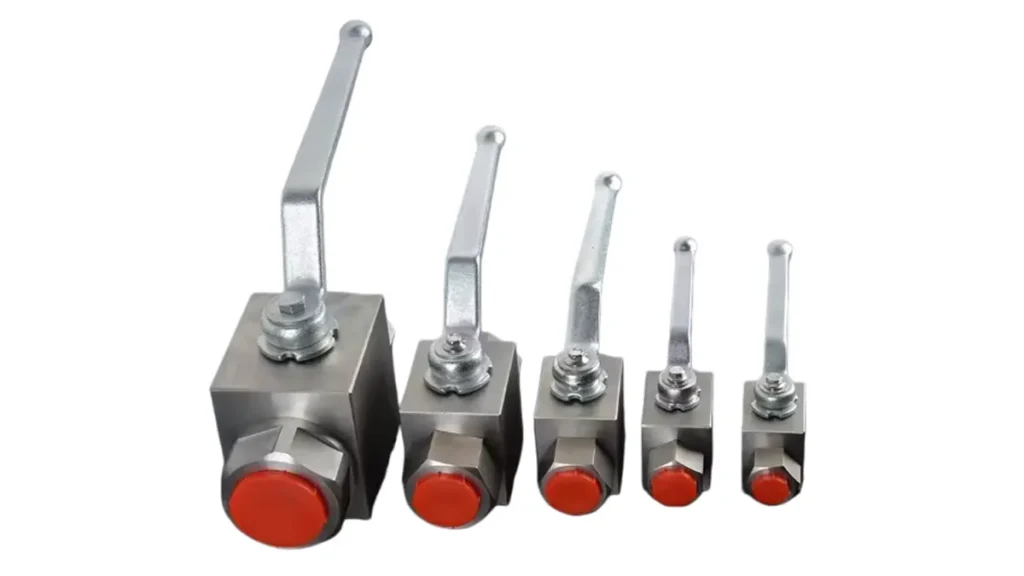
You need the right high pressure ball valve sizes for your system. Start by looking at your flow rate, pressure drop, pipe diameter, and pressure ratings. If you choose a valve that fits your pipe, your flow stays steady. Your pressure drop stays low too. Look at this table to see how each valve type changes your system:
| Valve Type | Flow Rate Effect | Pressure Drop Effect |
|---|---|---|
| Full Bore | Maximum flow, no limits | Very low pressure drop |
| Standard Bore | Slight flow reduction | Some pressure drop |
| Reduced Bore | Lower flow, more control | Higher pressure drop |
Remember these points so you can pick the best valve for your job.
Key Takeaways
- Make sure the valve size matches the pipe size. This keeps flow steady and stops big drops in pressure.
- Look at both Nominal Pipe Size (NPS) and Diameter Nominal (DN). This helps you avoid mistakes when buying valves from other countries.
- Pick full port or reduced port valves based on how much flow you need. Full port lets the most flow through. Reduced port gives you more control over the flow.
- Always check that the valve’s pressure rating is higher than your system’s highest pressure. This keeps leaks and breaks from happening.
- Measure the space where you want to put the valve. Make sure it fits and the handle can move easily.
- Choose the right connection type for your pipes. You can pick threaded, flanged, or welded. This helps stop leaks.
- Think about what the valve is made of. Stainless steel works best with fluids that can cause rust. Carbon steel is good for oil systems.
- Don’t make mistakes like ignoring pressure ratings or mixing up thread types. This keeps your system safe and working well.
What Does High Pressure Ball Valve Size Mean?
Nominal Diameter
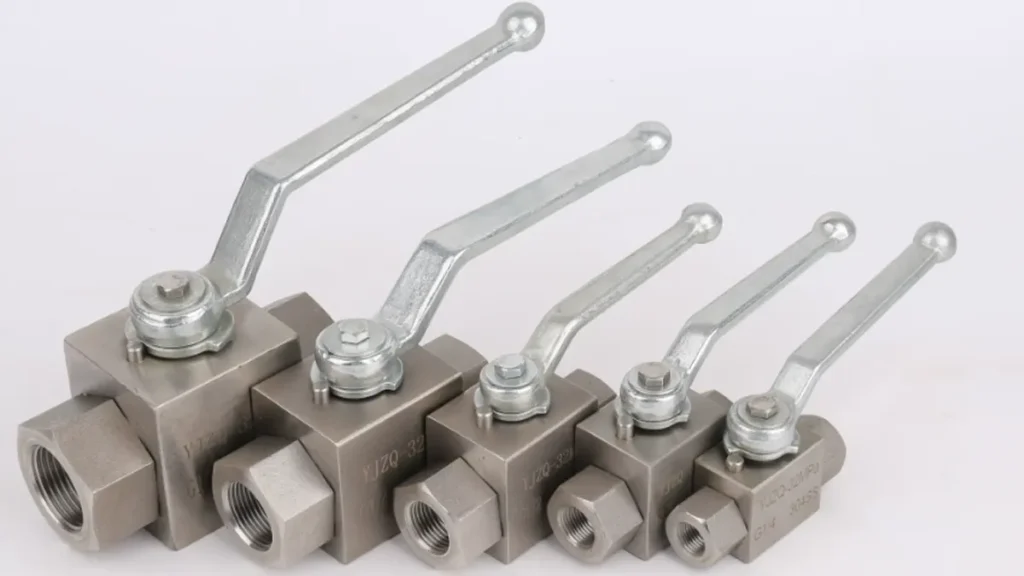
When you look at high pressure ball valves, the first thing you notice is the nominal diameter. This size is called NPS (Nominal Pipe Size) in the United States. It’s a standard way to describe the valve, but it doesn’t match the actual pipe dimensions. For example, a 2″ NPS ball valve fits pipes with an outer diameter of about 2.375″. In other countries, you might see DN (Diameter Nominal) instead. DN50 means the same as 2″ NPS. You need to know these numbers because they help you pick the right valve for your system. If you choose the wrong nominal diameter, your valve won’t fit your pipe, and your flow won’t work as planned.
Tip: Always check both NPS and DN when you work with international suppliers. This helps you avoid mix-ups and keeps your project on track.
Port Size
Port size tells you how much space the fluid has to move through the valve. You’ll see two main types: full port and reduced port. Full port ball valves let the fluid flow straight through without squeezing it. This means you get maximum flow and almost no pressure drop. Reduced port valves have a smaller opening. They control the flow more, but you lose some speed and pressure. If your system needs high flow, go for full port. If you want more control, reduced port might be better.
Connection Size
Connection size is all about how your valve attaches to the pipe. You’ll see options like threaded, flanged, or welded connections. The most common thread type in the U.S. is NPT (National Pipe Thread). If you use metric pipes, you might see BSP or other thread types. You need to match the connection size to your pipe, or you’ll run into leaks and installation problems.
Here’s a quick table to help you see the differences:
| Specification | Details |
|---|---|
| Nominal Diameter | DN8-DN50 (1/4” to 2”) |
| Port Size | Full Port Ball Valve |
| Connection Size | Female Thread NPT |
If you understand these three sizes, you can choose a ball valve that fits your system and keeps your flow steady. You’ll avoid mistakes and save time during installation.
Note: We manufacture high pressure ball valves and can help you find the right size for your project. If you need custom options, just ask!
Valve Body Dimensions
You might think the outside size of a ball valve is just about looks, but it actually affects how you install and use it. Valve body dimensions include the length, width, height, and overall footprint of the valve. These measurements decide if the valve fits in your system, especially when space is tight.
When you check valve body dimensions, you need to look at:
- Face-to-face length: This is the distance between the ends of the valve. It matters for flanged valves because you want the valve to fit between two pipe flanges.
- Height: The height tells you how much space you need above and below the valve. If you have a crowded cabinet or a tight spot, you must check this.
- Width: The width can affect how close you can place valves or other equipment next to each other.
- Handle clearance: You need room to turn the handle. If the handle hits another pipe or wall, you can’t operate the valve.
Tip: Always measure your installation space before you buy a valve. If you skip this step, you might end up with a valve that doesn’t fit, and you’ll waste time and money.
Manufacturers usually provide dimension drawings or charts. You can use these to compare different models. If you need a custom size, you can ask for special dimensions. This helps you avoid problems during installation.
Here’s a quick checklist for valve body dimensions:
- Check the face-to-face length for flanged valves.
- Measure the height and width for tight spaces.
- Make sure the handle can turn freely.
- Look at the manufacturer’s dimension chart.
Full Port vs Reduced Port
You have two main choices when it comes to port design: full port and reduced port. This choice affects how much fluid flows through the valve and how much pressure you lose.
Full port ball valves have an opening that matches the pipe size. Fluid flows straight through without squeezing. You get maximum flow and almost no pressure drop. These valves work best when you need high flow rates, like in hydraulic power units or large oil circuits.
Reduced port ball valves have a smaller opening inside. Fluid gets squeezed as it passes through. You lose some flow and see a higher pressure drop. These valves work well when you want to control flow or save space.
| Port Type | Flow Rate | Pressure Drop | Common Use |
|---|---|---|---|
| Full Port | High | Low | Hydraulic systems |
| Reduced Port | Medium | Medium-High | Machine tools |
Note: If you want to keep your system efficient, pick a full port valve for high flow. If you need more control or have limited space, a reduced port valve might be better.
You should always match the port type to your system’s needs. If you choose the wrong one, you might see slow flow or high pressure loss. Take a moment to check your requirements before you decide.
Common High Pressure Ball Valve Sizes
Typical Size Range
You may ask what sizes are used most for high pressure ball valves. In factories, most valves are between 1/4 inch and 2 inches. These sizes work for hydraulic and oil circuits. Bigger valves are used in special or large systems, but they are rare.
Here’s a simple table to help you match valve size to your job:
| Size (NPS/DN) | Typical Hydraulic Line Use | Flow Requirement | Common Applications |
|---|---|---|---|
| 1/4″ (DN8) | Small pilot lines | Low | Test benches, gauges |
| 3/8″ (DN10) | Control lines | Low-Medium | Machine tools, actuators |
| 1/2″ (DN15) | Main supply lines | Medium | Hydraulic power units |
| 3/4″ (DN20) | Return lines | Medium-High | Construction machinery |
| 1″ (DN25) | Main circuits | High | Agricultural machinery |
| 1-1/2″ (DN40) | Large flow circuits | Very High | Oil transfer, process lines |
| 2″ (DN50) | Bulk transfer | Maximum | Industrial oil circuits |
You can use this table to quickly find the right valve size. If you know your pipe size and how much flow you need, you can choose fast.
Tip: Always check your system’s flow rate before picking a valve size. If the valve is too small, your flow will slow down. If the valve is too big, it costs more and takes up space.
Size Variations by Standard
Valve sizes are marked differently depending on where you buy them. In the U.S., you use NPS in inches. In Europe and other places, you use DN in millimeters. The numbers do not always match, so check carefully.
Here are some common standards you might see:
- NPT (National Pipe Thread): Used in North America. Sizes are in inches.
- BSP (British Standard Pipe): Used in Europe and Asia. Sizes are in inches or millimeters.
- Metric Threads: Used in some hydraulic systems, especially from Europe or Asia.
- Flanged Connections: These follow ANSI or DIN standards. You must match both size and flange pattern.
Note: Some manufacturers use their own sizes or custom options. Always look at the technical datasheet before you buy.
If you work with suppliers from other countries, you may need to change between standards. You can use conversion charts online or ask your supplier for help. This step helps your project go smoothly and stops mistakes.
Now you know the most common high pressure ball valve sizes and how standards change your choice. This knowledge helps you pick the right valve for your system every time.
High Pressure Ball Valve Size Chart
Choosing the right high pressure ball valve can feel tricky. You want to see all your options in one place. This section gives you a clear chart and practical tips so you can make a quick decision.
Specification Table
Here’s a handy table that shows the most common sizes, connection types, pressure ranges, materials, and where you might use each valve. You can use this chart to compare and pick the best fit for your system.
| Nominal Size | Thread/Connection Options | Typical Pressure Range | Material Options | Application Notes |
|---|---|---|---|---|
| 1/4″ (DN8) | NPT, BSP, Metric, Flange | Up to 10,000 psi | Carbon Steel, Stainless | Test benches, pilot lines |
| 3/8″ (DN10) | NPT, BSP, Metric, Flange | Up to 10,000 psi | Carbon Steel, Stainless | Machine tools, control circuits |
| 1/2″ (DN15) | NPT, BSP, Metric, Flange | Up to 10,000 psi | Carbon Steel, Stainless | Hydraulic power units, oil supply |
| 3/4″ (DN20) | NPT, BSP, Metric, Flange | Up to 7,500 psi | Carbon Steel, Stainless | Return lines, construction gear |
| 1″ (DN25) | NPT, BSP, Metric, Flange | Up to 7,500 psi | Carbon Steel, Stainless | Main circuits, agriculture |
| 1-1/2″ (DN40) | Flange, NPT, BSP | Up to 6,000 psi | Carbon Steel, Stainless | Oil transfer, process lines |
| 2″ (DN50) | Flange, NPT, BSP | Up to 6,000 psi | Carbon Steel, Stainless | Bulk transfer, industrial circuits |
Tip: Always check the pressure rating before you buy. If your system runs higher than the valve’s limit, you risk leaks or failure.
Material Options
You have several choices for valve materials. Each one works best in certain conditions.
- Carbon Steel: Strong and affordable. Use it for oil circuits and hydraulic lines.
- Stainless Steel: Resists rust and chemicals. Pick this for water, corrosive fluids, or outdoor use.
- Custom Materials: Some jobs need special alloys. Ask your supplier if you need something unique.
Note: Stainless steel lasts longer in harsh environments. If you work with chemicals or saltwater, this is your best bet.
Connection Types
You need to match the valve connection to your pipe. Here are the main types:
- NPT (National Pipe Thread): Common in North America. Easy to install and seal.
- BSP (British Standard Pipe): Used in Europe and Asia. Make sure you don’t mix BSP and NPT—they won’t fit.
- Metric Threads: Found in some hydraulic systems. Check your specs before ordering.
- Flanged Connections: Great for larger valves. They give you a strong seal and make maintenance easier.
- Custom Connections: If your system uses something special, manufacturers can help.
Callout: If you’re not sure which connection you need, measure your pipe and check your system drawings. You can always ask for help.
You now have a clear chart and tips to guide your selection. If you need custom sizes or special materials, just reach out. We manufacture high pressure ball valves and can help you find the perfect fit for your project.
How Size Affects Flow and Pressure
Undersized Valves
When you pick a valve that’s too small for your pipe, you create a bottleneck. The fluid tries to squeeze through a tight space, which slows down your flow. You see a big pressure drop across the valve. This drop means your system works harder to push fluid through, and you lose efficiency. If you run a hydraulic system, you want steady flow and low resistance. An undersized valve can cause noisy operation, slow response, and even damage pumps or actuators. You might notice your equipment doesn’t perform as expected. Always check the pipe size and match your valve to avoid these problems.
Tip: If your system needs high pressure, never use a valve that’s smaller than your pipe. You risk leaks and costly downtime.
Oversized Valves
You might think a bigger valve is always better, but that’s not true. Oversized valves take up more space and cost more money. They don’t improve flow if your pipe is already smaller. You waste resources and make installation harder. In high pressure systems, oversized valves can make maintenance tricky. You may need special tools or extra support. The valve might not fit in your cabinet or on your machine. You also risk losing control over the flow, since the valve may not respond well to small adjustments.
Here’s a quick table to show the difference:
| Valve Size | Flow Rate | Pressure Drop | Cost | Space Needed |
|---|---|---|---|---|
| Undersized | Low | High | Low | Small |
| Properly Sized | Optimal | Low | Moderate | Fits well |
| Oversized | Same as pipe | Low | High | Large |
Note: Choose the right size for your pipe and application. Bigger isn’t always better in high pressure systems.
Port Design Impact
Port design changes how fluid moves through high pressure ball valves. You see two main types: full port and reduced port. Full port valves let fluid flow straight through, matching the pipe size. You get maximum flow and almost no pressure drop. Reduced port valves have a smaller opening. Fluid squeezes through, which lowers flow and increases pressure drop. If you need high pressure and fast flow, full port is the best choice. Reduced port works well when you want more control or need to save space.
- Full port: Best for high pressure hydraulic circuits and oil transfer.
- Reduced port: Good for machine tools and control lines.
Callout: Always check your system’s flow and pressure needs before picking a port design. The wrong choice can slow your process or cause extra wear.
Proper sizing of high pressure ball valves keeps your system efficient. You avoid wasted energy and keep your equipment running smoothly. If you understand how size and port design affect flow and pressure, you make better choices for your project.
Pressure vs Size
You might wonder how pressure and valve size work together. This is a key point when you choose a high pressure ball valve. If you get it wrong, your system could fail or run poorly.
Let’s break it down. When you use a smaller valve, the fluid has to squeeze through a tight space. This makes the pressure drop on the other side of the valve. If your system needs to keep high pressure, a small valve can cause problems. You might see slow flow, noisy pipes, or even damage to your pump.
On the other hand, a bigger valve lets fluid move more easily. You get less pressure drop, and your system runs smoother. But you can’t just pick the biggest valve you find. If the valve is too large, you waste money and space. You also lose control over the flow, which can make your system less safe.
Here’s a simple table to show how pressure and size relate:
| Valve Size | Pressure Drop | Flow Control | Cost |
|---|---|---|---|
| Too Small | High | Hard | Low |
| Just Right | Low | Easy | Moderate |
| Too Large | Very Low | Poor | High |
Tip: Always check your system’s maximum pressure before you pick a valve. The valve must handle the highest pressure your system will see.
Some people think a high pressure rating means you can use any size valve. That’s not true. The pressure rating tells you the maximum pressure the valve can handle without breaking. It does not mean the valve will work well at any size. You still need to match the valve size to your pipe and flow needs.
Here’s what you should do:
- Find out your system’s working pressure and maximum pressure.
- Check your pipe size and flow rate.
- Pick a valve that matches both the pressure rating and the size you need.
If you follow these steps, you avoid leaks, slowdowns, and costly repairs. You keep your system safe and efficient.
Note: If you’re not sure, ask your supplier for help. They can check your specs and suggest the right size and pressure rating.
Choosing the right size and pressure rating keeps your system running strong. Don’t guess—measure, check, and pick the best fit for your job.
Ball Valve Pressure Ratings and Selection Steps
Choosing the right high pressure ball valve for your system means following a clear process. You want to make sure your valve fits, handles the pressure, and keeps your flow steady. Let’s walk through the main steps for proper selection.
Check Pipe Size
Start with your pipe size. This step sets the foundation for the rest of your selection. If you get this wrong, nothing else will fit or work as planned.
- Measure the outside diameter of your pipe.
- Find the nominal pipe size (NPS or DN) that matches your measurement.
- Look at both the port diameter and the connection size on the valve.
- Use a sizing chart to match your pipe and valve sizes.
- Make sure the valve’s connection type (threaded, flanged, or welded) matches your pipe.
Tip: Always match the valve size to your pipe diameter and flow rate. This prevents flow issues and keeps your system running smoothly.
If you skip this step, you risk leaks, pressure loss, or even system failure. Take your time and double-check your measurements before moving to the next step in the selection process.
Confirm Pressure Rating
Now, focus on ball valve pressure ratings. You need a valve that can handle your system’s highest pressure. Never guess or use a valve with a lower rating than your system requires.
- Check your system’s maximum working pressure.
- Find the ball valve pressure ratings in the manufacturer’s chart.
- Pick a valve with a pressure rating equal to or higher than your system’s maximum.
- Inspect all components—pipes, fittings, seals—to make sure they also meet or exceed the required pressure.
- If possible, test the system by gradually applying pressure and checking for leaks.
Note: Always choose a valve with a pressure rating higher than your system’s maximum. This gives you a safety margin and helps prevent accidents.
Ball valve pressure ratings are not just numbers. They protect your equipment and your team. If you ignore this step, you risk leaks, bursts, and costly downtime. Make this a top priority in your selection process.
Calculate Flow Rate
Flow rate is the heart of your system. If you pick the wrong size, your flow will suffer. Here’s how you can calculate the right flow rate for your selection:
- Identify your system’s normal, minimum, and maximum flow rates. Think about startup and emergency situations.
- Measure the inlet and outlet pressures to calculate the pressure drop across the valve.
- Use the valve sizing formula:
Cv = Q / √ΔP- Cv is the flow coefficient.
- Q is the flow rate (in GPM or m³/h).
- ΔP is the pressure drop (in psi or bar).
- Compare your calculated Cv to the manufacturer’s charts. Pick a valve with a Cv slightly higher than your requirement (add 10-15% for safety).
- Consider temperature and fluid type. High temperatures or thick fluids may need a larger valve.
Callout: Each valve size creates a specific pressure drop. Too much drop means wasted energy and poor performance. Always check the numbers before you buy.
When you follow these steps, you make sure your valve keeps up with your system’s needs. You avoid slowdowns, noise, and damage. Flow rate calculations are a key part of smart selection.
By checking pipe size, confirming ball valve pressure ratings, and calculating flow rate, you set yourself up for a successful selection. These steps help you avoid common mistakes and keep your system safe and efficient.
Select Connection Type
You need to match the valve connection to your piping system. This step keeps leaks away and makes installation easy. Start by checking what type of pipe thread or flange you use. Most high pressure ball valves come with these connection types:
- Threaded (NPT, BSP, Metric): These work well for small to medium pipes. NPT threads are common in North America. BSP threads show up in Europe and Asia. Metric threads fit some hydraulic systems.
- Flanged: Flanged connections give you a strong, leak-proof seal. You often see these on larger valves or when you need to remove the valve for maintenance.
- Welded: Welded ends create a permanent, high-strength joint. Use these when you want zero leaks and do not plan to remove the valve often.
Tip: Always double-check your pipe’s thread type and size. Mixing NPT and BSP threads causes leaks and headaches.
If you work with international suppliers, look at your system drawings or ask your supplier for help. You want the connection type to match your pipe exactly. This step saves you time and money during installation.
Material and Seal Compatibility
Choosing the right material and seal keeps your system safe and long-lasting. You need to think about what flows through your pipes and how tough the environment is. Some fluids eat away at metal. Others need special seals to handle high pressure or heat.
Here’s a quick table to help you pick the right material:
| Material Type | Application Use Case | Key Characteristics |
|---|---|---|
| Stainless Steel | Aggressive chemicals | Excellent corrosion resistance |
| Plastic Ball Valves | Less demanding applications | Cost-effective, easy installation |
You also need to check the seal material. Seals must handle your system’s pressure and temperature. If you use the wrong seal, you risk leaks or early failure.
- Seals must withstand your system’s pressure and temperature.
- Always confirm seal compatibility with your process conditions.
- Talk to your end user or maintenance team before you decide.
Note: If you use aggressive chemicals or work in harsh environments, stainless steel is your best choice. For simple jobs, plastic valves save money and install fast.
Installation Space
You need to make sure your valve fits in the space you have. Ball valves come in different shapes and sizes. Some need more room for the handle to turn. Others have a long body or wide flanges.
Check these points before you buy:
- Measure the space where you plan to install the valve.
- Look at the valve’s face-to-face length, height, and width.
- Make sure you have enough clearance to turn the handle or use an actuator.
- If you work in a tight cabinet or crowded area, choose a compact valve design.
Callout: Always use the manufacturer’s dimension chart. This step helps you avoid last-minute surprises during installation.
If you plan ahead, you avoid costly delays and make your system easy to maintain. A well-fitted valve keeps your operation running smoothly.
Custom Size Support
Sometimes, your system just does not fit the standard. Maybe you have a unique pipe size, a special pressure requirement, or a tight installation spot. In these cases, you need a custom high pressure ball valve. Manufacturers know this happens. They offer custom sizing and design support to help you get the perfect fit.
When you ask for a custom valve, you start by sharing your system details. You tell the manufacturer about your pipe size, pressure, flow rate, and connection type. You also mention any special materials or seals you need. The engineering team reviews your specs and suggests a design that matches your requirements.
Custom ball valves can solve tough problems. You might need a valve with a non-standard port size, a special thread, or a compact body. Some projects call for extra corrosion resistance or high-temperature seals. You can even request special handle designs or automation features.
Ordering a custom valve takes more time than picking a standard one off the shelf. Simple custom designs usually take four to six months from order to delivery. If your project needs a big or complex custom valve, you might wait up to eighteen months. Here’s a quick look at typical lead times:
| Custom Order Type | Typical Lead Time |
|---|---|
| Simple Design | 4 to 6 months |
| Big or Hard Custom Orders | Up to 18 months |
You should plan ahead if you need a custom solution. Talk to your supplier early in your project. Share all your system details up front. This helps the manufacturer design, test, and deliver your valve on time.
Tip: Custom ball valves cost more than standard models. You pay for engineering, special materials, and extra testing. Always ask for a quote and a timeline before you place your order.
Custom size support gives you the flexibility to build the perfect system. You get a valve that fits, works, and lasts. If you have a unique challenge, don’t settle for “almost right.” Ask for a custom solution and keep your project on track.
High Pressure Ball Valve Sizes by Application
Picking the right ball valve size depends on where you use it. Each job has different flow needs, pressure, and space. Let’s see how sizing works for common industrial uses.
Hydraulic Power Units
Hydraulic power units need steady flow and high pressure. You want a valve that matches your pipe size. This keeps the pressure drop low. Most systems use ball valves from 1/4″ to 1″. These sizes fit pilot lines, main lines, and return lines.
| Application Area | Common Size Range | Key Selection Factor |
|---|---|---|
| Pilot lines | 1/4″ – 3/8″ | Fast response, low leakage |
| Main supply/return | 1/2″ – 1″ | High flow, low pressure drop |
Tip: Always check your system’s flow rate before you pick a valve. If the valve is too small, your equipment slows down and gets noisy.
You also need to think about the material. Stainless steel is best for harsh fluids or outdoor use. Carbon steel is good for oil circuits inside a factory.
Construction Machinery
Construction machines work in rough places. You need valves that handle dirt, shaking, and high pressure. Most machines use ball valves from 3/8″ to 1-1/2″. These sizes control cylinders, motors, and main lines.
- 3/8″ and 1/2″ valves fit control lines and small actuators.
- 3/4″ to 1-1/2″ valves work for main circuits and return lines.
You want a valve that is easy to put in and strong for heavy use. Flanged or threaded connections are common. Always pick a valve with a pressure rating higher than your system’s max pressure.
Note: In construction, downtime costs money. Pick valves with strong seals and long life to stop leaks and repairs.
Agricultural Machinery
Farm equipment needs valves that work well for long days. You often see ball valves from 1/2″ to 1-1/2″ in these machines. These sizes control sprayers, loaders, and hydraulic lifts.
| Application Area | Common Size Range | Key Selection Factor |
|---|---|---|
| Sprayers | 1/2″ – 1″ | Chemical resistance |
| Loaders/Lifts | 1″ – 1-1/2″ | High flow, easy operation |
Pick stainless steel valves if you use fertilizers or chemicals. For oil circuits, carbon steel works well. Always check the seal material to make sure it fits your fluid and temperature.
- The right size gives you steady flow and less pump wear.
- Good material and seals help your valves last longer on the farm.
Callout: In all industrial jobs, the right valve size and material keep your system working longer with fewer problems.
You can see each job has its own best size range and needs. When you match the valve to your job, you get better performance and fewer breakdowns.
Machine Tools
Machine tools need precise control. You want a ball valve that matches the size of your hydraulic or coolant lines. Most machine tools use valves from 1/4″ to 3/4″. These sizes fit control circuits, lubrication systems, and small actuators.
| Application Area | Common Size Range | Key Selection Factor |
|---|---|---|
| Control circuits | 1/4″ – 1/2″ | Fast response, compact size |
| Lubrication systems | 1/4″ – 3/8″ | Leak-free, easy maintenance |
| Actuators | 1/2″ – 3/4″ | Steady flow, low pressure drop |
You need a valve that fits tight spaces. Machine tools often have crowded cabinets. Compact ball valves work best. Stainless steel valves resist coolant and oil. You get longer life and fewer leaks.
Tip: Always check the handle clearance. If the handle hits another part, you can’t turn the valve.
You want a valve that opens and closes quickly. This keeps your machine running smooth. If you pick the wrong size, your tool slows down or gets noisy.
Test Benches
Test benches measure flow, pressure, or performance. You need a valve that handles high pressure and gives accurate control. Most test benches use ball valves from 1/4″ to 1″. These sizes fit pilot lines, sample circuits, and main test lines.
| Application Area | Common Size Range | Key Selection Factor |
|---|---|---|
| Pilot lines | 1/4″ – 3/8″ | Precise control, low leakage |
| Main test lines | 1/2″ – 1″ | High pressure, reliability |
You want a valve with a strong seal. Test benches run at high pressure. If the valve leaks, your results are wrong. Stainless steel works best for aggressive fluids or chemicals. You get accurate readings and safe operation.
Callout: Always use a valve with a pressure rating higher than your test bench’s max pressure.
You need a valve that fits your test setup. If you have a custom bench, ask for special sizes or materials.
Industrial Oil Circuits
Industrial oil circuits move large volumes of oil. You need a ball valve that handles high flow and pressure. Most oil circuits use valves from 1/2″ to 2″. These sizes fit main supply lines, return lines, and transfer circuits.
| Application Area | Common Size Range | Key Selection Factor |
|---|---|---|
| Main supply lines | 1″ – 2″ | High flow, low pressure drop |
| Return lines | 1/2″ – 1-1/2″ | Leak-free, easy maintenance |
| Transfer circuits | 1″ – 2″ | Strong seal, durability |
You want a valve made from carbon steel or stainless steel. These materials resist wear and last longer. Full port valves give you maximum flow. Reduced port valves help you control oil movement.
Note: Always check the valve’s material and seal. Oil can break down weak seals and cause leaks.
You need a valve that fits your pipe and keeps your oil moving. If you pick the wrong size, your system slows down and costs more to run.
You can see that each application needs a different valve size and material. If you need help, reach out to us. We are a high pressure ball valve manufacturer. We can help you find the right size and design for your project.
Common Mistakes in Sizing High-Pressure Valves
Pipe Diameter Only
You might think matching the valve size to your pipe diameter is all you need. That’s a common mistake. Pipe diameter matters, but it’s only one piece of the puzzle. If you focus on diameter alone, you miss out on flow capacity, pressure drop, and safety factors. Sometimes, you pick a valve that fits the pipe but restricts flow. Other times, you grab a valve that’s too big, wasting money and space.
Here’s what you should do instead:
- Measure your pipe’s outside diameter with a caliper.
- Check the wall thickness. Pipes with thicker walls handle more pressure.
- Use a pipe size chart to find the right nominal size.
- Make sure the valve’s port matches your flow needs.
A full port ball valve gives you unrestricted flow, matching the pipe’s nominal size. If you skip these steps, your system loses efficiency and you risk leaks. Always consider safety factors when sizing your valve. They help you avoid costly downtime and keep your operation running smoothly.
Tip: Don’t just eyeball the pipe. Use proper tools and charts to get the right size.
Ignoring Pressure Ratings
Pressure ratings are critical. If you ignore them, you put your system at risk. You need a valve that can handle the highest pressure your system will see. Some people grab a valve based on size or price, forgetting about pressure limits. That’s a recipe for leaks, bursts, and unsafe conditions.
To avoid this mistake:
- Find your system’s maximum working pressure.
- Check the valve’s pressure rating in the manufacturer’s specs.
- Pick a valve with a rating above your system’s max pressure.
- Confirm all fittings and seals meet the same standards.
Safety factors play a big role here. They give you a margin for error and protect your equipment. If you skip pressure checks, you risk machine downtime and expensive repairs.
Callout: Always choose a valve with a pressure rating higher than your system’s needs. This keeps your team safe and your system reliable.
Mixing Thread Standards
Mixing thread standards causes headaches. You might see NPT, BSP, or metric threads in different systems. If you connect the wrong threads, you get leaks and installation problems. Sometimes, you force a fit, but the seal won’t hold under high pressure.
Here’s how you can avoid this mistake:
- Check your pipe’s thread type before you buy a valve.
- Match the valve’s connection to your pipe—NPT to NPT, BSP to BSP.
- Don’t mix thread standards, even if they look similar.
- Use a thread gauge if you’re unsure.
Mixing threads can compromise safety factors. You lose the strong seal needed for high pressure. Always double-check your specs and ask your supplier if you’re not sure.
Note: We manufacture high pressure ball valves and can help you match the right thread and size for your project.
Low-Pressure Valves in Hydraulics
You might think a low-pressure valve will work in a hydraulic system. That’s a big mistake. Hydraulic circuits run at high pressure. If you use a valve rated for low pressure, you risk leaks, bursts, and even equipment failure. You need to check the pressure rating every time you select a valve. Hydraulic systems often reach thousands of psi. Low-pressure valves can’t handle that. They break down fast.
Here’s what you should do:
- Always check the maximum pressure your hydraulic system can reach.
- Pick a valve with a pressure rating above that number.
- Look for safety margins in the specs. These margins protect your equipment and your team.
Tip: Never guess the pressure rating. If you’re not sure, ask your supplier or check the manufacturer’s datasheet.
If you use the wrong valve, you waste money and time. You also put your system at risk. Hydraulic circuits need strong, reliable valves. Make sure you choose the right one.
Material Compatibility
Material compatibility matters a lot. If you pick the wrong material, your valve can corrode, crack, or fail. You need to match the valve material to the fluid in your system. Some fluids eat away at metal. Others need special seals.
Let’s look at a quick table:
| Fluid Type | Recommended Valve Material |
|---|---|
| Water | Stainless Steel |
| Oil | Carbon Steel |
| Chemicals | Stainless Steel or Alloy |
You should also check the seal material. Some seals break down in hot or aggressive fluids. Always ask about compatibility before you buy.
- Match the valve body and seal to your fluid.
- Check for safety margins in temperature and chemical resistance.
- If you’re not sure, ask your supplier for advice.
Note: Material compatibility keeps your system running longer. It also prevents leaks and costly repairs.
Port Design Overlooked
Port design affects how fluid moves through your valve. If you overlook port design, you might restrict flow or cause a big pressure drop. Full port valves let fluid move freely. Reduced port valves squeeze the flow. You need to match the port design to your system’s needs.
Here’s what you should check:
- Look at your flow rate and pressure drop requirements.
- Choose full port for high flow and low resistance.
- Pick reduced port if you need more control or have space limits.
Callout: Always review the manufacturer’s port design specs. If you skip this step, your system might run slow or waste energy.
Port design is easy to overlook, but it makes a big difference. Take a moment to check your requirements. You’ll keep your system efficient and avoid problems.
Missing Manufacturer Specs
You might think you can pick a high pressure ball valve by just looking at pipe size and pressure. But that is not enough. If you skip the manufacturer’s specs, you can make big mistakes. Every valve comes with important details called ball valve specifications. These specs tell you the highest pressure, temperature limits, flow rates, and connection types. You need to check these numbers before you buy a valve.
Here is why missing specs can cause problems:
- You might choose a valve that cannot handle your system’s highest pressure or temperature.
- You could get a valve that leaks or breaks because it does not meet industrial valve ratings.
- You may pick the wrong material or seal, which can rust or break down.
- You might forget about things like handle space or if you need an actuator.
If you do not check the specs, you cannot follow the ball valve selection guide. You might waste money on valves that do not fit or do not last long. You could even put your team in danger if the valve bursts under pressure.
Here is a simple checklist to help you avoid this mistake:
- Ask the manufacturer for a detailed datasheet.
- Look at the pressure rating, temperature range, and flow capacity.
- Check the connection type and size.
- Make sure the material and seal are right for your fluid.
- Confirm the valve can handle your system’s highest pressure.
- Make sure the specs fit your job and space.
Tip: If you do not see a datasheet or technical drawing, ask for one. Never guess the specs. Manufacturers give you these details for a reason.
You can also use a table to compare different valves:
| Spec Type | Why It Matters |
|---|---|
| Pressure Rating | Stops leaks and bursts |
| Material | Prevents rust and damage |
| Port Design | Controls flow and pressure |
| Connection Type | Makes sure it fits your pipe |
| Seal Type | Keeps your system leak-free |
If you follow this checklist, you make better choices. You keep your system safe and working well. You avoid downtime and expensive repairs.
Remember, we are a high pressure ball valve maker. If you need help with specs or custom options, just ask us. We can help you pick the right valve for your job.
Conclusion
You want to choose the right industrial valve for your job. Here are some easy steps to follow:
- Make sure the valve works with your fluid and pressure. 2. Pick a ball valve size that lets enough fluid pass. 3. Choose the port type and how you want to open the valve. 4. Look at the valve’s body, seat, and how easy it is to fix. 5. Check if the valve meets all rules and standards.
Get your system facts ready before you start:
- What is the pressure rating?
- What temperature will the valve handle?
- Does the material match your fluid?
- What kind of pipe connection do you need?
As a high pressure ball valve manufacturer, Chenyang Hydraulic can help you choose the right valve size based on your working pressure, flow rate, connection type, material requirements, and installation space. We can also provide custom options for special thread standards, compact designs, stainless steel materials, handle types, and non-standard hydraulic systems.
Before requesting a quote, prepare your system details, drawings, or samples. This helps us recommend or manufacture a high pressure ball valve that fits your industrial application more accurately.
FAQ
What are the main criteria for choosing high psi valves?
You need to look at things like pressure rating, port size, and connection type. Make sure your valve matches your system and works with the recommended settings. Always check the valve’s pressure standards so it fits your job.
How do specifications affect unrestricted flow in ball valves?
Port size, body design, and material decide if fluid moves freely. Full port valves let fluid flow without limits. Reduced port valves slow it down. Always check the specs to match your system’s needs.
Why is unrestricted flow important for hydraulic systems?
Unrestricted flow keeps your hydraulic system working well. It lowers pressure drop and helps your equipment run smoothly. If you want steady performance, pick valves that allow unrestricted flow.
What are the recommended operating parameters for high psi valves?
You need to check specs for temperature, pressure, and flow rate. These settings help you avoid leaks and failures. Always follow the valve’s pressure standards and criteria for safe operation.
How do valve pressure standards relate to specifications?
Valve pressure standards set safe limits. Specifications show the exact numbers for each valve. You must match your system’s pressure to the valve’s specs and standards to avoid problems.
What makes trunnion mounted high pressure ball valves different?
Trunnion mounted high pressure ball valves use a fixed ball. This lets them handle higher psi and give unrestricted flow. Their specs often include stronger seals and better system compatibility.
How can I check system compatibility requirements for my valve?
You should look at specs for material, connection type, and pressure rating. Make sure your valve meets all criteria and pressure standards. If you have questions, ask your supplier for help.
How do specifications help prevent mistakes in valve sizing?
Specifications give you clear rules for size, pressure, and flow. If you follow specs, you avoid picking a valve that slows flow or fails under pressure. Always check the datasheet before you buy.